Fashion and Style: 5 Key Elements of Great Styling

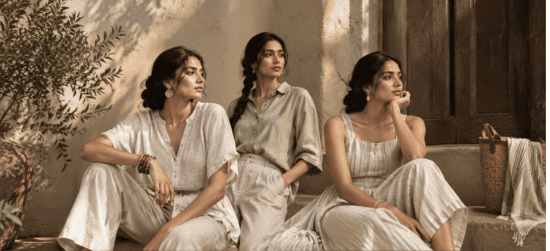
Fashion and style may seem like the same thing, but they serve different purposes. Fashion reflects what is changing around us, while personal style is how we choose to interpret those changes. Good styling brings the two together through thoughtful choices of color, silhouette, fit, fabric and proportion.
Whether you are putting together an everyday outfit, dressing for a celebration, or exploring women fashion style, understanding these basic elements can help you create looks that feel considered rather than simply trend-driven.
What Is the Difference Between Fashion and Style?
Fashion is constantly evolving, while style is personal and more enduring. Fashion includes the trends, designs, colors and silhouettes that become popular at a particular time. Style is the way an individual selects and adapts those ideas to suit their personality, lifestyle and preferences.
For example, a particular denim silhouette may become a major fashion trend. One person might wear it with a structured shirt, another might pair it with a handcrafted kurta, while someone else may prefer a relaxed oversized look.
That interpretation is where fashion and style meet.
Fashion can give you inspiration, but styling allows you to make that inspiration your own.
What Are the Key Elements of Fashion and Styling?
The most important elements of fashion styling include color, silhouette and proportion, fit and form, fabric and texture, and personal expression.
These elements work together rather than independently. A beautiful fabric may not create the desired look if the silhouette is unsuitable, while a well-fitted garment can lose its impact if the colors and textures compete with each other.
Here are five elements that can help you understand and build better looks.
Color Sets the Mood of an Outfit
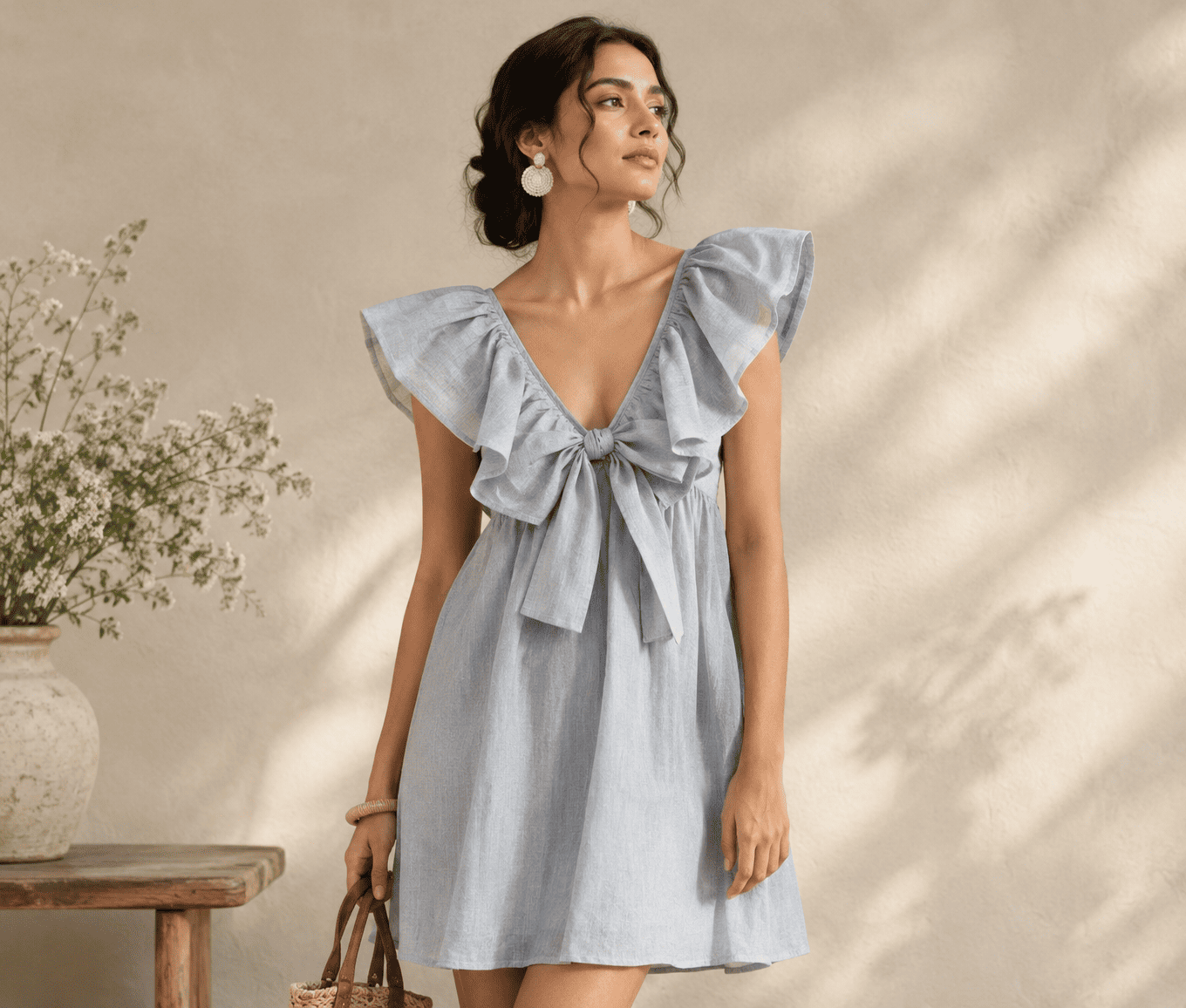
Color is one of the first things we notice about an outfit and one of the most powerful elements of style.
Color can influence how a garment feels, how different pieces work together, and even how a particular silhouette is perceived.
A monochromatic outfit, for example, uses different shades of one color to create a streamlined appearance. Contrasting colors can introduce energy, while softer tonal combinations can create a more understated look.
When choosing colors, consider:
- Your natural skin undertone
- The occasion and setting
- The mood you want to create
- How different colors interact with each other
- Whether you want the outfit to feel bold, relaxed or refined
Instead of following every seasonal color trend, choose shades that work with the rest of your wardrobe.
This is one of the simplest ways to turn fashion trends into something personal.
Silhouette and Proportion Shape the Look
Silhouette describes the overall shape of an outfit, while proportion describes how its different parts relate to one another.
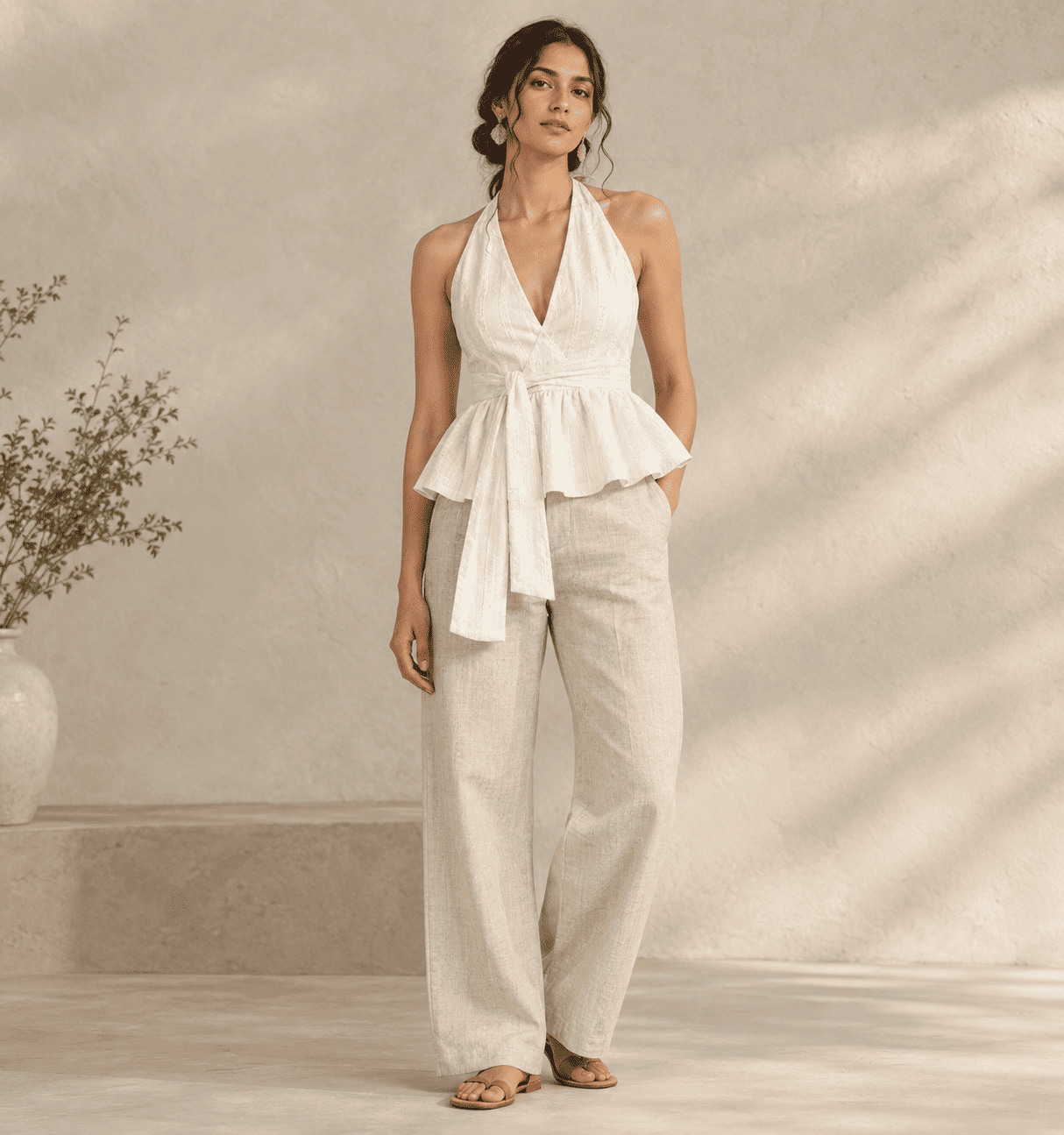
An A-line dress, an oversized shirt, a fitted skirt and a relaxed co-ord set can all create very different visual impressions, even when made from similar fabrics.
Good styling often comes down to balance.
For instance, a voluminous top can work well with a more streamlined bottom. Similarly, a fitted garment can be balanced with softer or more relaxed layers.
Some common styling names and silhouettes include:
- A-line
- Straight
- Fitted
- Relaxed
- Oversized
- Flared
- Tailored
- Layered
There is no single silhouette that works for everyone. The goal is to understand how proportions affect the overall outfit and choose shapes that make you feel comfortable and confident.
This is particularly useful when building women fashion style looks because small changes in length, volume or layering can completely change the character of an outfit.
Fit and Form Make an Outfit Feel Intentional
A well-fitting garment can transform an outfit, regardless of its price or brand.
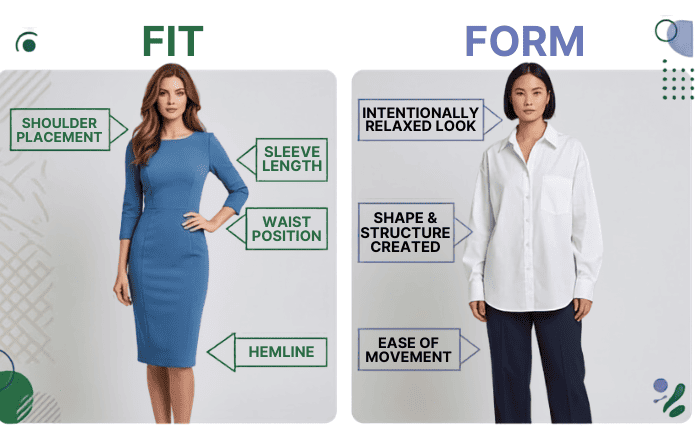
Fit determines how a garment sits on the body, while form considers the shape and structure created by the garment itself.
An oversized shirt should look intentionally relaxed rather than simply too large. A fitted dress should allow movement rather than feel restrictive. Sleeves, shoulders, waistlines and hemlines can all influence how the final look comes together.
This is why styling is not simply about choosing fashionable clothes.
It is also about understanding how clothing behaves on the body.
When assessing fit, look beyond the size label. Different brands and garment constructions can fit differently. Pay attention to:
- Shoulder placement
- Sleeve length
- Waist position
- Hemline
- Ease of movement
- Overall garment balance
Tailoring can also make a significant difference. A small adjustment to a sleeve or hem can make a familiar garment feel much more considered.
Ultimately, comfort is part of good style. When you feel comfortable in what you wear, confidence naturally becomes part of the look.
Fabric and Texture Add Character
Fabric and texture influence how an outfit looks, feels and moves.
Two garments can have the same color and silhouette but create completely different impressions because of their materials.
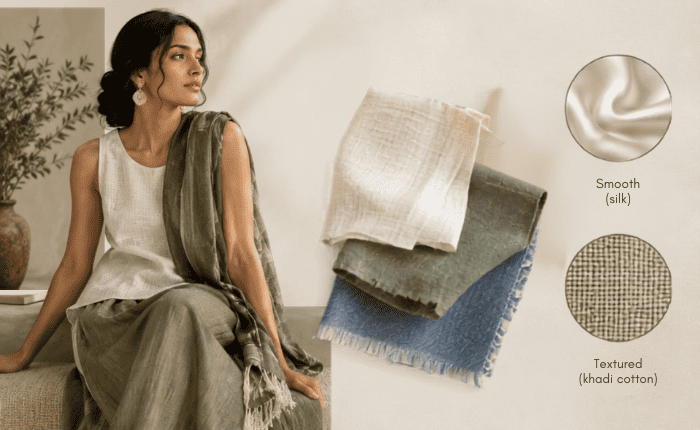
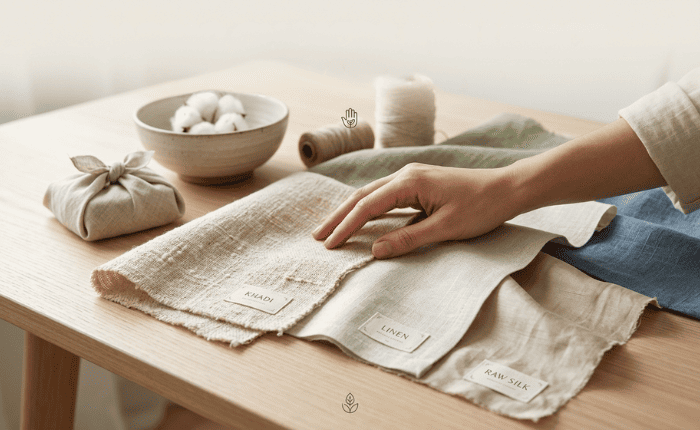
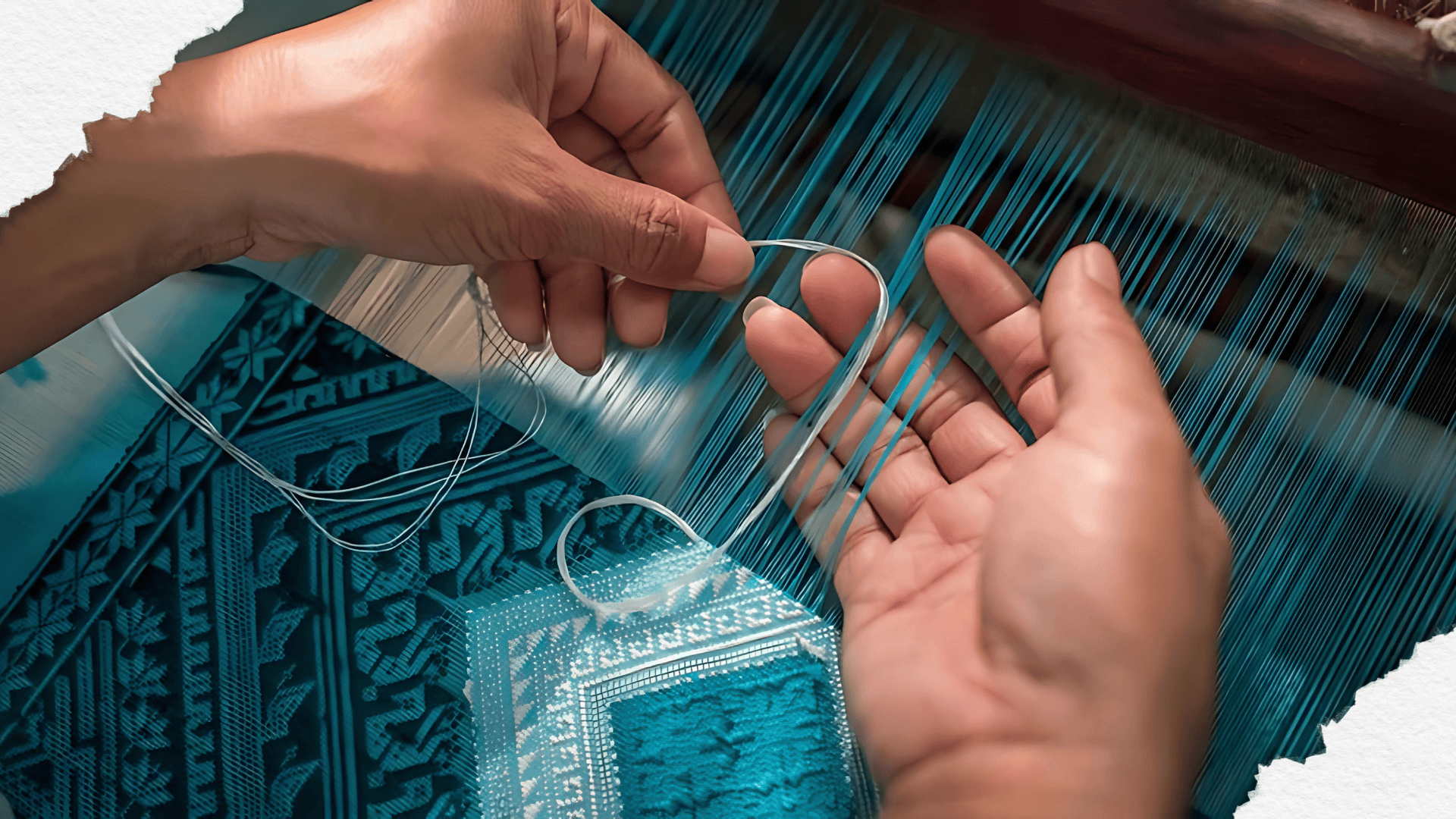
Silk can bring softness and subtle sheen. Linen can create an airy, relaxed character. Khadi cotton can introduce a distinctive handwoven texture and a more grounded, tactile quality.
This is why understanding fabric and texture is an important part of styling.
When combining fabrics, consider contrast as well as coordination. A smooth silk piece paired with a textured textile can create visual depth. Similarly, combining lighter and heavier materials can make layering more interesting.
Fabric choice can also communicate values.
For conscious wardrobes, sustainable fabrics can offer alternatives to materials chosen purely for appearance. Natural and handwoven textiles can bring their own character to clothing while connecting the finished garment to the material and craft behind it.
Some textiles commonly considered when creating a conscious wardrobe include:
- Khadi cotton
- Linen
- Silk
- Handwoven cotton
- Recycled textiles
- Other sustainable fabric material options
Rather than treating fabric as something you notice only after choosing a garment, consider it part of the design itself.
Personal Style Makes Fashion Your Own
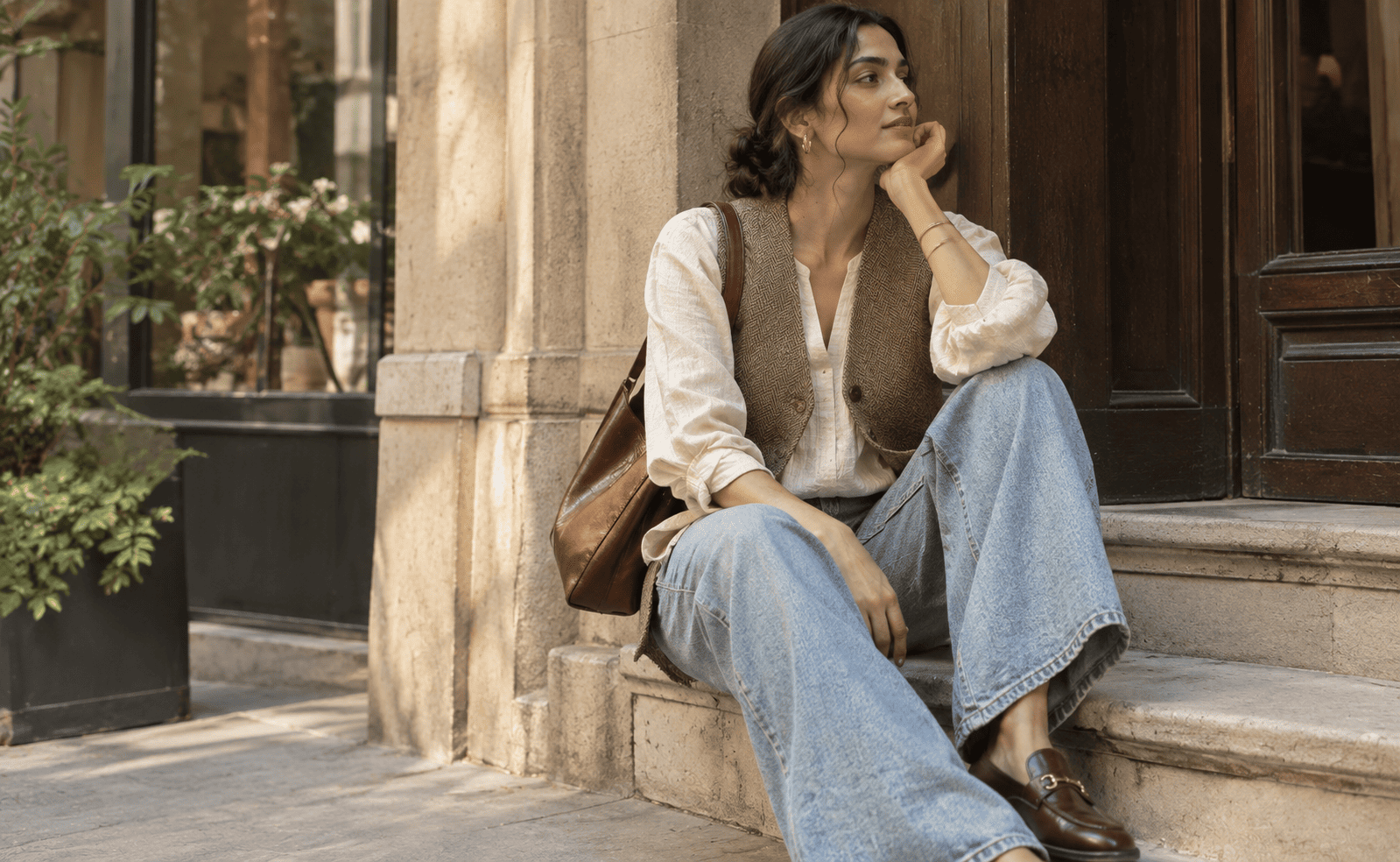
Personal style is what transforms fashion from a trend into an individual expression.
Fashion trends can provide ideas, but following every trend does not necessarily create a strong wardrobe.
A better approach is to ask whether a trend fits your existing style.
For example, if relaxed denim becomes popular, you do not have to completely change your wardrobe. You might incorporate the trend through a pair of fashion style jeans, a denim shirt or a relaxed jacket and combine it with pieces you already wear.
The same principle applies to colors, silhouettes, prints and accessories.
Personal style can be influenced by:
- Your lifestyle
- Comfort preferences
- Favorite colors
- Cultural influences
- Fabric preferences
- The silhouettes you naturally gravitate towards
- The way you want your clothes to make you feel
The strongest style is rarely about wearing the newest thing. It is about knowing what works for you and thoughtfully adapting new ideas.
How Can You Use Fashion Trends Without Losing Your Personal Style?
Use fashion trends as inspiration rather than instructions.
Before adopting a trend, consider whether it works with your existing wardrobe and whether you genuinely like it.
Try introducing trends through one element at a time. A new silhouette can be paired with familiar fabrics. A trending color can be introduced through an accessory. A new styling idea can be adapted to a garment you already own.
This approach makes your wardrobe more versatile and reduces the pressure to constantly replace what you own.
Good styling is not about chasing everything that is new. It is about knowing what to take from fashion and what to leave behind.
How Do Fabric Choices Influence Sustainable Style?
Choosing the right fabric can make a significant difference to how a garment looks, feels and fits into a conscious wardrobe.
Sustainable fashion is not limited to a single material. It involves considering how textiles are produced, how long garments can be used, how they are cared for and what role craftsmanship plays in their creation.
Natural materials such as Khadi cotton, linen and silk each have distinctive characteristics that can influence styling.
Handwoven textiles can also bring irregularities and tactile qualities that make each garment feel individual.
For a more thoughtful wardrobe, look beyond the label and consider:
- What the fabric is made from
- How it was produced
- How it feels and performs
- How versatile the garment is
- Whether the piece can be worn across different occasions
- How long you are likely to keep wearing it
The idea is not to create a perfect wardrobe overnight. It is to make more intentional choices over time.
Fashion and Style Are About More Than Trends
The most effective fashion styling comes from balancing trends with personal preference, comfort, craftsmanship and thoughtful design.
Color creates the first impression. Silhouette and proportion establish the shape. Fit gives the garment structure. Fabric and texture add depth. Personal style brings everything together.
When these elements work in harmony, an outfit can feel effortless without being accidental.
At Anuprerna, this philosophy comes naturally through our approach to handwoven textiles and garments. Materials such as Khadi cotton, silk and other natural textiles allow fabric, texture and craftsmanship to become part of the styling story.
Explore thoughtfully made textiles and garments that bring together craft, material and contemporary style.
Conclusion
Understanding fashion and style does not require following a fixed set of rules.
Instead, it is about learning how different elements work together and using that knowledge to make more intentional choices.
Start with the fundamentals: experiment with color, understand proportion, pay attention to fit, explore fabric and texture, and most importantly, develop a personal style that feels authentic to you.
Fashion will continue to change. Your style does not have to change with every trend.
related questions
What is the main difference between "fashion" and "style"?
Fashion refers to prevailing trends and collective statements dictated by the industry (external, cyclical, evolving). Style is personal, enduring, and how an individual interprets fashion to express their unique identity (internal, timeless, unique).
How does "Color" impact both fashion and individual style?
In fashion, trends dictate seasonal colors. In style, it's about strategically choosing colors that flatter your complexion, evoke desired moods, and align with your personality, whether integrating trends or opting for timeless palettes.
What is the difference between "silhouette" and "proportion" in clothing?
Silhouette is the overall outline or shape of a garment (e.g., A-line, straight). Proportion is how different parts of an outfit relate to each other and your body, impacting overall balance and visual harmony.
More Blogs
how celebrity environmental activists are shaping sustainable fashion trends
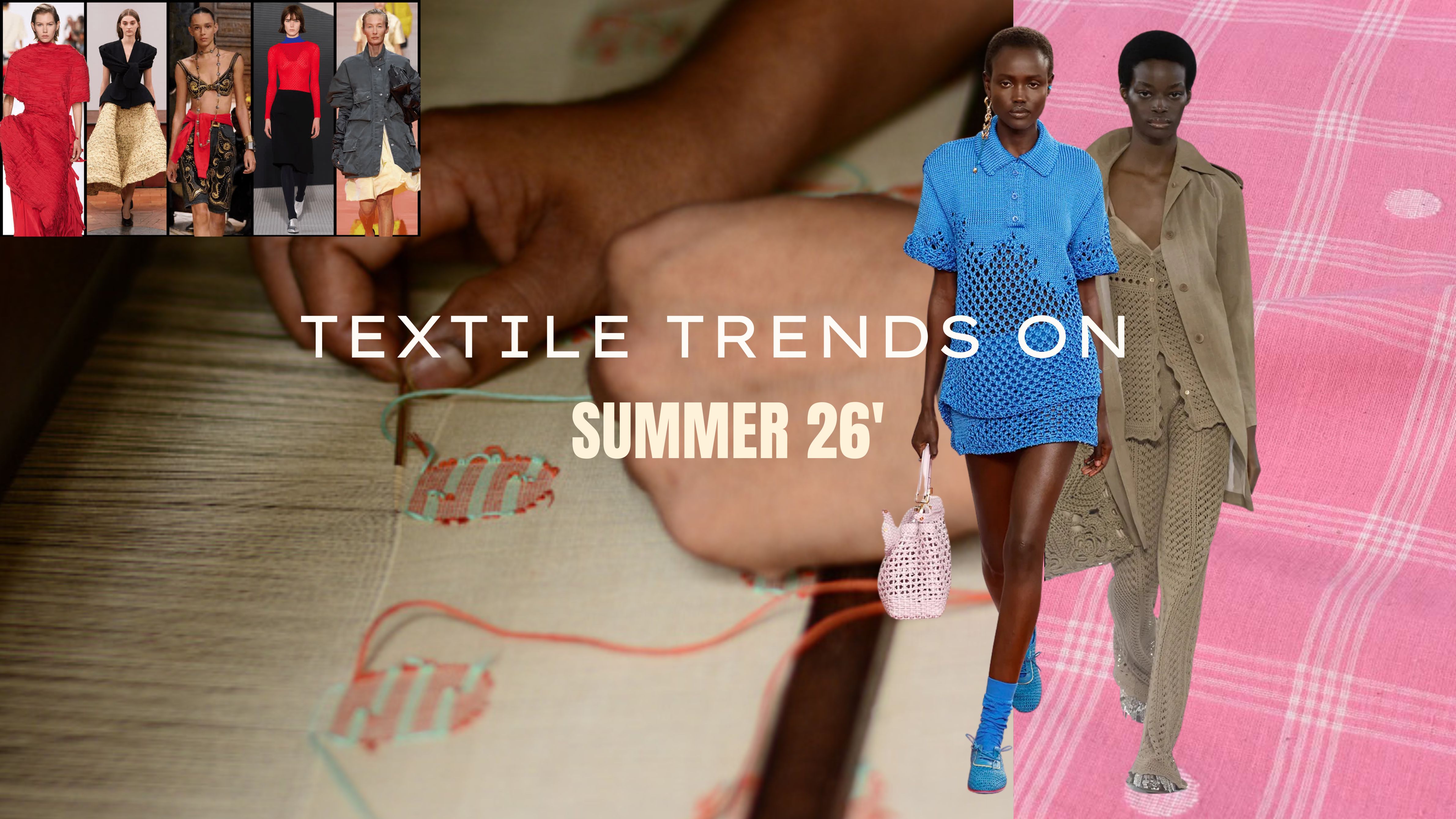
summer 2026 textile trends: the season of slow luxury
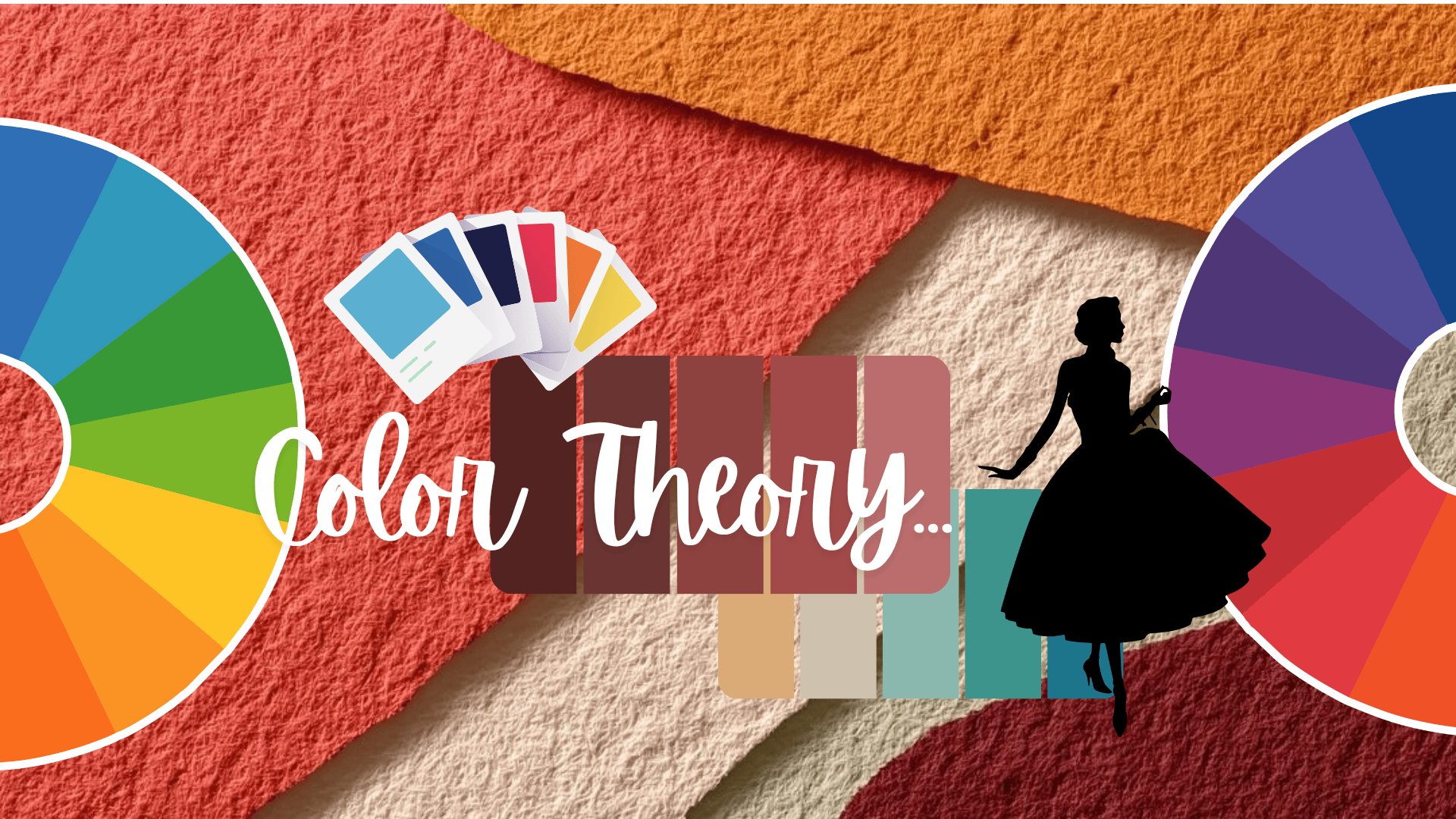
the color theory hack: instantly upgrade your style with the science of hues
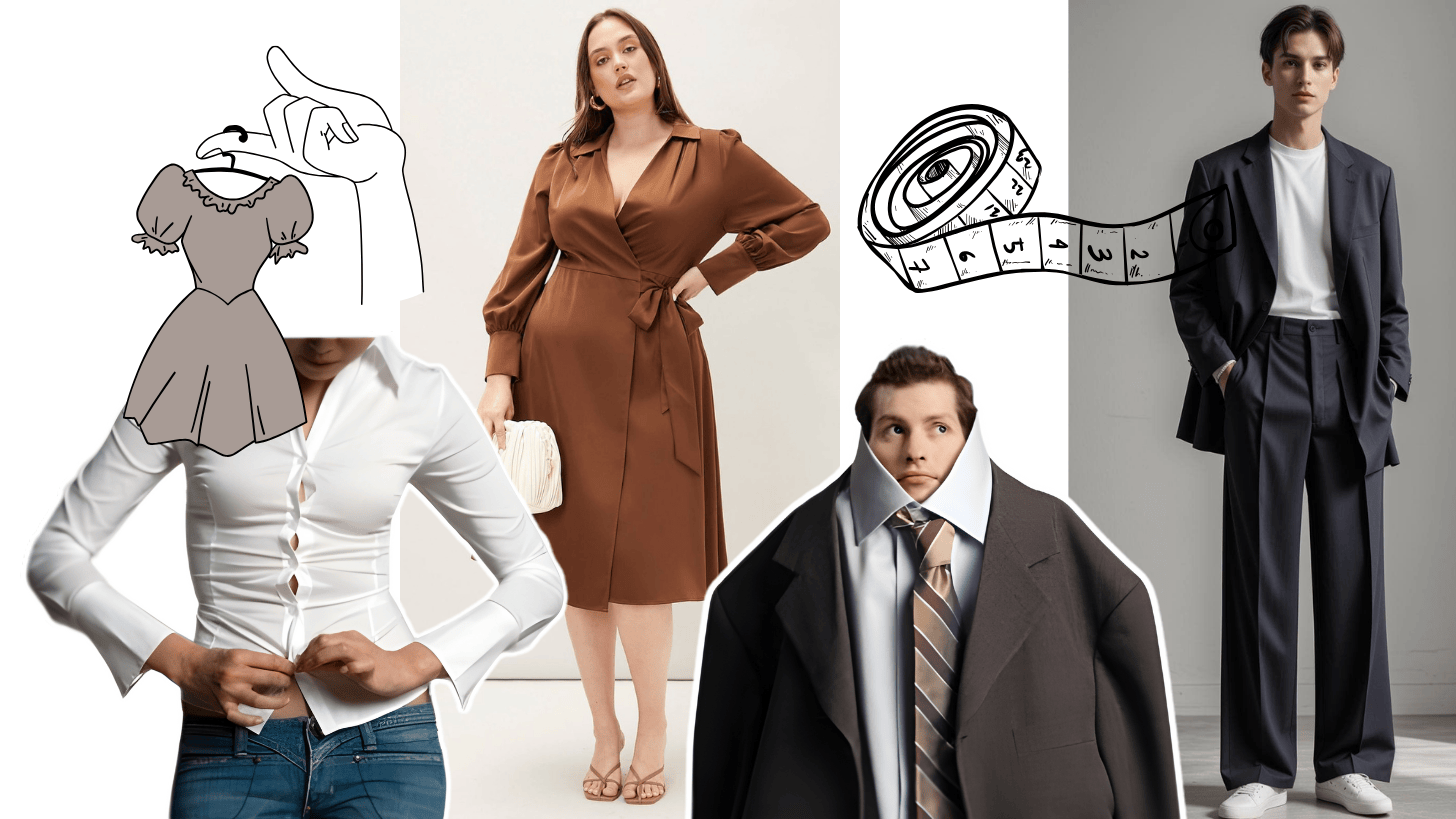
the style blueprint: 5 simple rules to improve dressing sense instantly
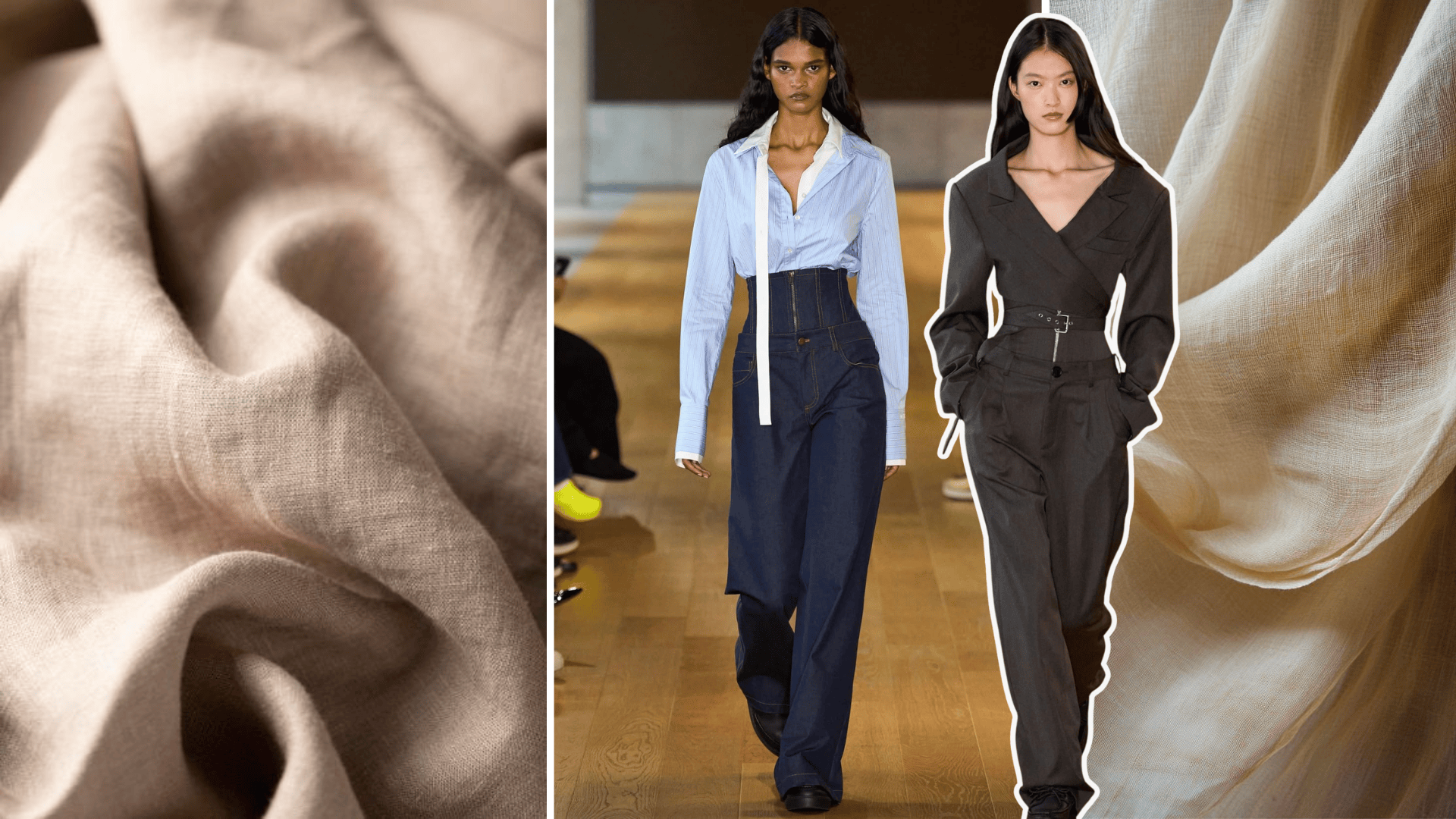
top 5 textures to watch in fashion trends 2025
beyond borders: how fashion designers reimagine indian handloom in global fashion