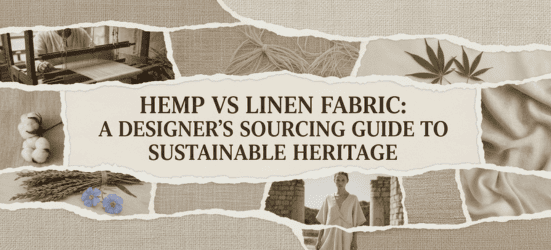
Hemp vs Linen: A Designer’s Guide to Choosing the Right Fabric

In the hemp vs linen debate, the right choice depends on what you want the fabric to deliver. Linen offers crispness, elegance and immediate softness, while hemp stands out for strength, longevity, UV resistance and a strong sustainability story.
For designers and B2B fashion brands, the decision goes beyond appearance. Hemp and linen behave differently in terms of durability, breathability, dye uptake, processing and long-term performance. Understanding these differences can help you choose the right material for a collection rather than choosing purely by hand-feel.
What Is Hemp in Fabric?
Hemp in fabric is a plant-based bast fibre derived from the inner bark of the hemp plant stalk. Like linen, it belongs to the bast-fibre family and has a long history connected to textile craftsmanship.
Today, hemp fabrics are increasingly being considered by designers looking for high-performance, lower-impact materials. For B2B sourcing, hemp fabric can offer a combination of durability, natural texture and environmental advantages.
The search for sustainable alternatives is also moving many designers away from synthetic blends and conventional cotton toward plant-based textile fibres such as hemp and linen.
For a designer, the question is not simply whether hemp fabric or linen looks better. It is:
Which fabric supports the product you are actually trying to build?
Hemp vs Linen Fabric: What Is the Difference?
At a glance, hemp and linen can look remarkably similar. The key differences become clearer when you examine their fibre structure, strength, breathability, resistance and behaviour during production.
Hemp vs Linen: Quick Comparison
Choose linen when you want:
- Crispness and elegance
- Immediate softness
- A classic natural-fabric appearance
- A sophisticated feel for warm-weather collections
Choose hemp when you want:
- Higher fibre strength
- Long-term durability
- UV resistance
- Natural antimicrobial properties
- A strong sustainability narrative
- A fabric that can soften with use
This makes the hemp vs linen fabric decision particularly relevant for designers sourcing for production rather than simply selecting fabrics for moodboards.
Hemp vs Linen: Which Is More Durable?
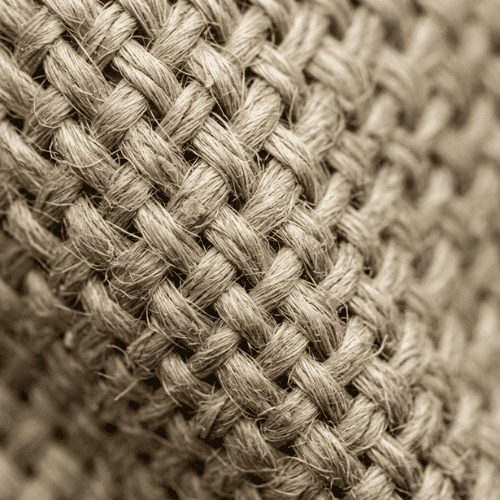
Hemp is generally the stronger option when durability and long-term wear are the priority.
Hemp is widely considered one of the strongest natural fibres. Its fibres are longer and more robust than flax, from which linen is made. The original comparison notes that hemp has tensile strength roughly three times that of cotton and significantly higher than linen.
This makes hemp fabrics exceptionally resistant to tearing and abrasion.
When you buy hemp fabric, you are choosing a material that can “wear in, not out.” Linen is also durable, but it can be more prone to line breaks when folded repeatedly in the same place. Hemp's fibre elasticity and length make this less common.
For brands building products around longevity, this is one of the strongest arguments in the hemp vs linen discussion.
Hemp vs Linen: Which Is More Breathable?
Both hemp and linen are breathable, but they manage heat differently.
Linen is highly conductive, allowing heat to move away from the body quickly. This is why linen often feels particularly cool against the skin.
Hemp has a hollow core, or lumen, which acts as a natural insulator. This gives hemp versatility across seasons: it can help keep the wearer cool during the Indian summer while retaining heat during cooler months.
For designers developing year-round collections, hemp fabric cloth can therefore offer a different performance profile from linen while retaining the breathable qualities expected from natural fibres.
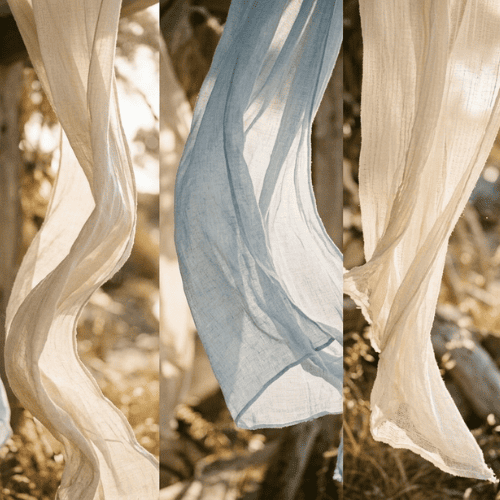
Hemp vs Linen: UV Resistance and Antimicrobial Properties
Hemp has a clear functional advantage when UV resistance and antimicrobial properties matter.
Hemp has a natural resistance to ultraviolet light and can block a significant proportion of UV rays. It also possesses inherent antimicrobial properties that help resist the growth of mould, mildew and odour-causing bacteria.
For travel wear and outdoor apparel, these characteristics can give hemp a functional edge over linen.
This is particularly relevant for designers who want hemp fabric organic sourcing to contribute not only to a sustainability narrative but also to product performance.
Hemp vs Linen Fabric: Sustainability
Both hemp and linen can be strong choices for sustainable fashion, but hemp has particular advantages in regenerative potential and water use.
Hemp is a pioneer plant that grows densely and can help suppress weeds without chemical herbicides. It also returns a substantial portion of the nutrients it takes from the soil, making it useful for crop rotation.
The original analysis also highlights hemp's carbon-sequestration potential and describes it as a carbon-negative raw material.
Water Usage
Linen already requires considerably less water than conventional cotton, but hemp can require even less water to reach maturity.
In many climates, hemp can be rain-fed without additional irrigation. For B2B brands developing collections around an ultra-low water footprint, sourcing hemp fabric India-wide can therefore be an interesting option.
Why Is Hemp Fabric Gaining Ground in India?
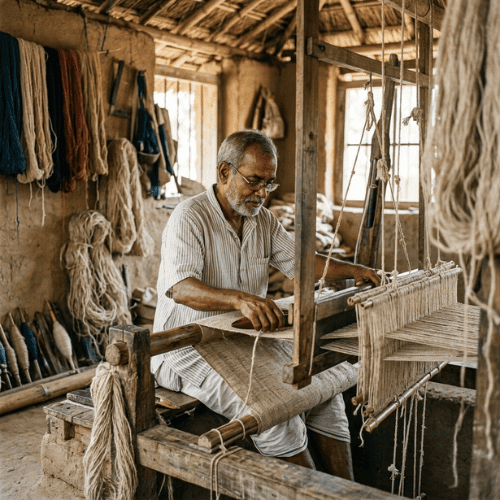
Hemp is gaining attention in India because it combines natural fibre performance with sustainability and opportunities for artisan-led textile production.
For brands sourcing hemp fabric India, the material can fit into a broader conversation around responsible production, lower-impact materials and Indian textile craftsmanship.
At Anuprerna, the focus is on bringing modern sustainable fibres together with traditional techniques. Hemp woven on a traditional handloom can develop a distinctive texture that powerloom production cannot replicate.
This also connects hemp fabrics with artisan communities across East India, where generations of weaving knowledge contribute to the making of the textile.
How Is Hemp Fabric Made?
Hemp fabric is produced by extracting fibres from the plant stalk and processing them into yarn before weaving or further textile production.
Both hemp and linen require a process called retting, which breaks down the bark surrounding the fibres.
At Anuprerna, the original sourcing approach advocates dew retting or enzyme retting over chemical retting, with the aim of keeping the process non-toxic.
When you buy hemp fabric online from ethical manufacturers, understanding this processing stage is important because the environmental story of a fibre also depends on how it is processed.
Designing with Hemp Fabric
For designers, the most important questions are how hemp fabric feels, drapes, dyes and behaves during production.
Drape and Hand-Feel
Linen is known for its crispness and characteristic wrinkles. Hemp has a similar tendency to wrinkle, but its wrinkles can be softer and less sharp.
Historically, hemp was associated with rougher applications such as rope and canvas. Modern textile technology, however, has made it possible to create hemp fabrics that can rival the softness of linen and even silk blends.
This makes contemporary hemp fabric cloth considerably more versatile than its historical reputation might suggest.
Dyeing and Colour Fastness
Hemp is highly absorbent, which makes it excellent for natural dyeing but also requires careful finishing.
It can take natural dyes beautifully, producing deep and rich colours. However, because of its absorbency, colour can also be lost if the fabric is not treated correctly.
For designers, understanding the finishing process is therefore essential. Garment dyeing versus fabric dyeing can produce different results depending on the fabric and the intended product.
Hemp and Indian Craftsmanship
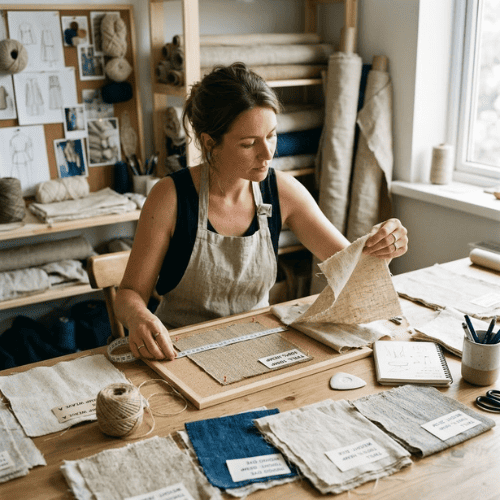
The strongest opportunity for hemp is not only the fibre itself, but how it can work with traditional Indian textile craftsmanship.
At Anuprerna, the approach combines modern sustainable fibres with age-old techniques. Weaving hemp on a traditional handloom creates a texture and human element that powerlooms cannot replicate.
For a premium sustainable brand, this combination can turn hemp from a raw material into a product story rooted in craftsmanship.
When you source through artisan-led production, you are also supporting communities whose expertise has been passed down through generations.
Where and How to Buy Hemp Fabric Online
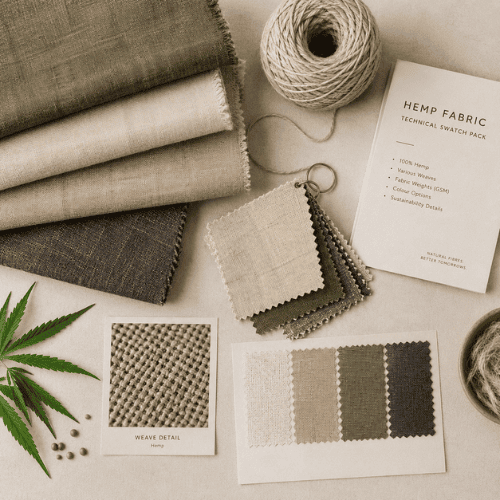
The best way to buy hemp fabric online is to choose a supplier that offers transparency, consistent quality and clear fabric specifications.
Before placing a production order, check the fibre composition, weave, GSM, sourcing details and available MOQ. For designers and brands, requesting a technical swatch can also help assess the fabric's texture, weave density, colour and overall suitability before committing to larger quantities.
When sourcing hemp fabric India, working with transparent suppliers and artisan-led manufacturers can provide better visibility into how and where the fabric is produced. This is especially important for brands looking for hemp fabrics that combine responsible sourcing with traditional craftsmanship.
At Anuprerna, hemp fabrics are woven by skilled artisans and available for professional sourcing. Request a swatch to explore the fabric before building it into your next collection.
most questions asked
Is hemp fabric scratchy compared to linen?
While raw hemp was historically coarse, modern processing and weaving techniques have made it very comfortable. When you buy hemp fabric today, you will find it feels similar to a heavy linen. Like linen, hemp becomes significantly softer with every wash and wear, eventually achieving a silk-like feel without losing its structural integrity.
Why is it more expensive to buy hemp fabric online than cotton?
The cost of hemp reflects its labor-intensive harvesting and processing, as well as the current scale of production compared to cotton. However, for B2B brands, the cost per wear is lower because hemp garments last for years. Additionally, the environmental benefits—less water, no pesticides, and soil regeneration—add value to your brand that justifies the price point.
Does hemp fabric shrink more than linen?
Hemp has a natural shrinkage rate, typically around 3-5% if not pre-shrunk. This is comparable to linen. We always recommend that designers perform a wash test before cutting patterns or opt for pre-washed fabrics. Using cold water and air drying helps maintain the original dimensions of the garment.
Can I use hemp fabric for digital or screen printing?
Yes, hemp is an excellent substrate for printing. Because of its high absorbency, it takes pigments very well, resulting in deep colors. Because hemp has a more pronounced texture than fine cotton, designers should account for a rustic finish in the print. It is well suited for botanical prints and earthy aesthetics.
Is hemp fabric legal to buy and sell in India?
Yes, it is legal to buy hemp fabric India-wide. While the cultivation of industrial hemp is regulated and requires specific state licenses, the sale and use of hemp fiber and fabric are fully legal. Hemp textiles do not contain THC and are treated like any other natural textile fiber in the fashion industry.
How does GSM affect the drape of hemp fabric?
Lower GSM fabrics offer a fluid, soft drape suitable for flowing silhouettes, while higher GSM fabrics provide stiffness and structure. Designers should match the GSM to the garment design to ensure the fabric behaves as intended during wear.
Can I request custom hemp fabric weights?
Many artisan-led houses can adjust the loom settings to produce specific weights. If you have a unique requirement for your collection, it is best to discuss your specific GSM needs with your supplier during the sampling phase.
How can I verify the quality when I buy hemp fabric online?
Quality verification should include checking for consistent GSM, fiber strength, and the presence of organic certifications. A reputable supplier will provide technical details and allow you to source sample yardage to test the fabric's behavior during the dyeing and construction phases.
More Blogs
why organic fabric suppliers are growing in india
jacquard fabric in modern fashion
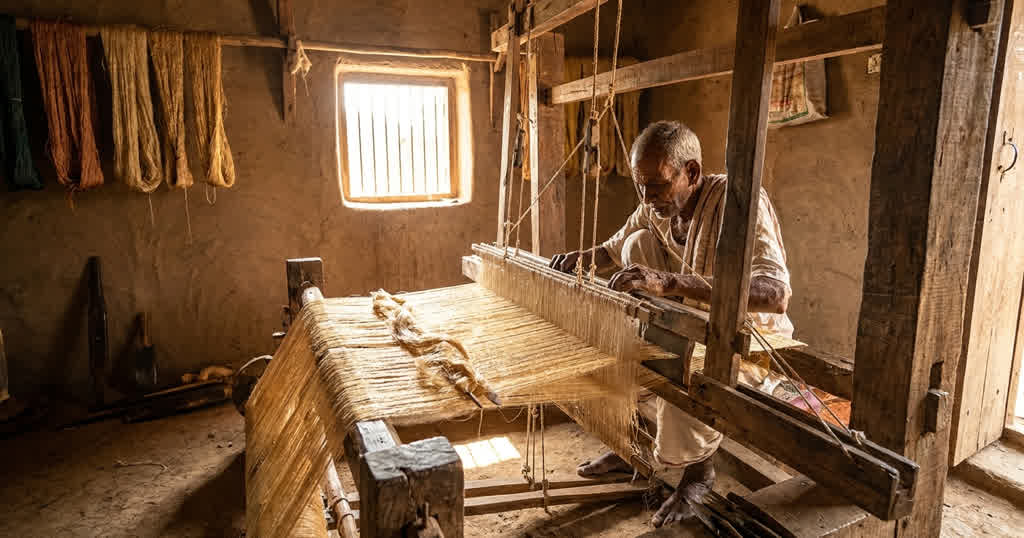
how silk manufacturers preserve traditional craftsmanship
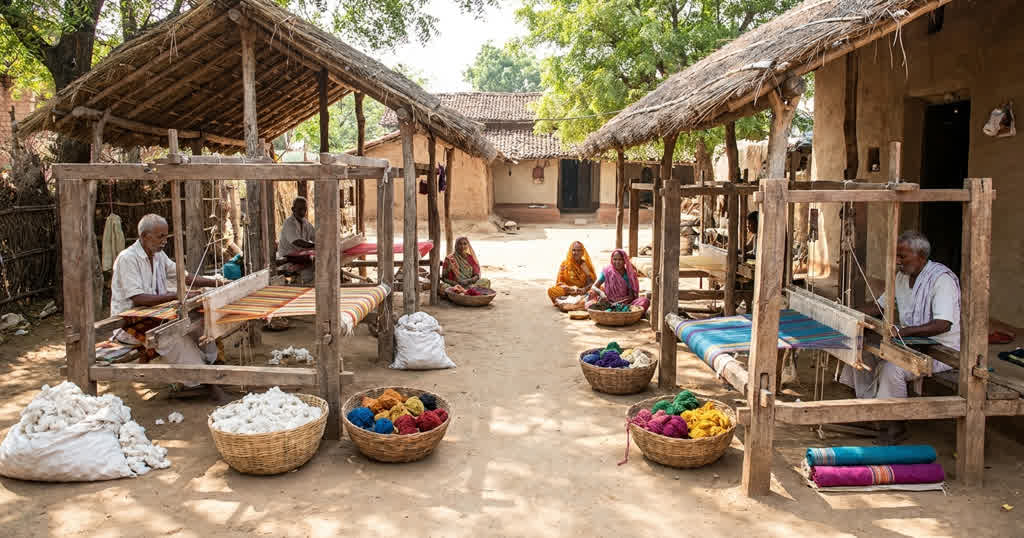
indian fabric wholesale: a guide to sourcing handwoven textiles
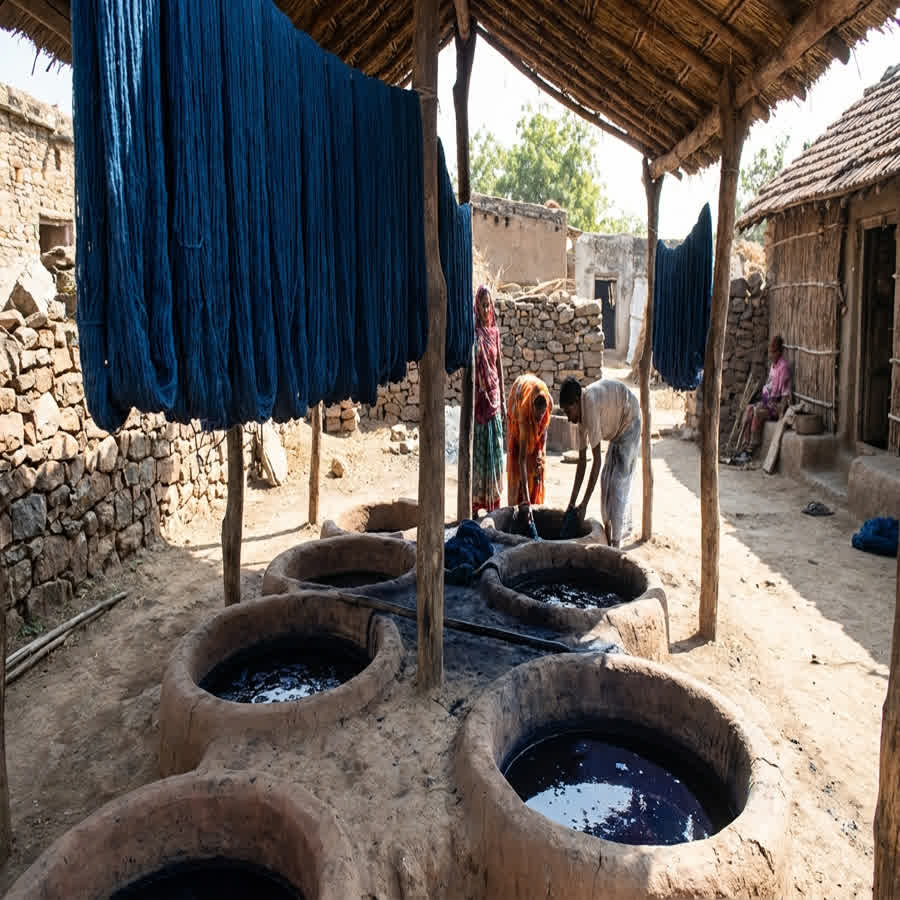
how indian fabric exporters meet global quality standards
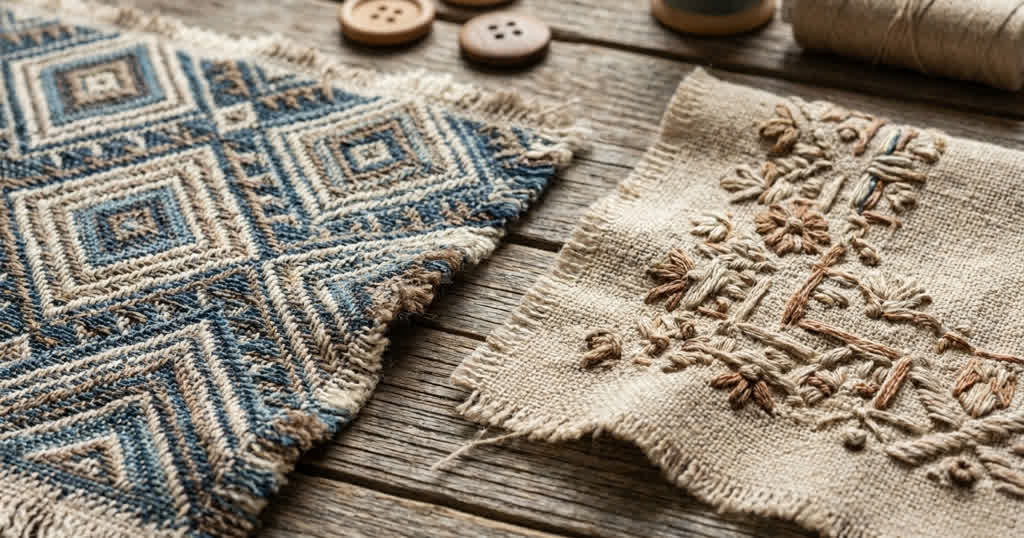
jacquard vs embroidery: what's the difference?