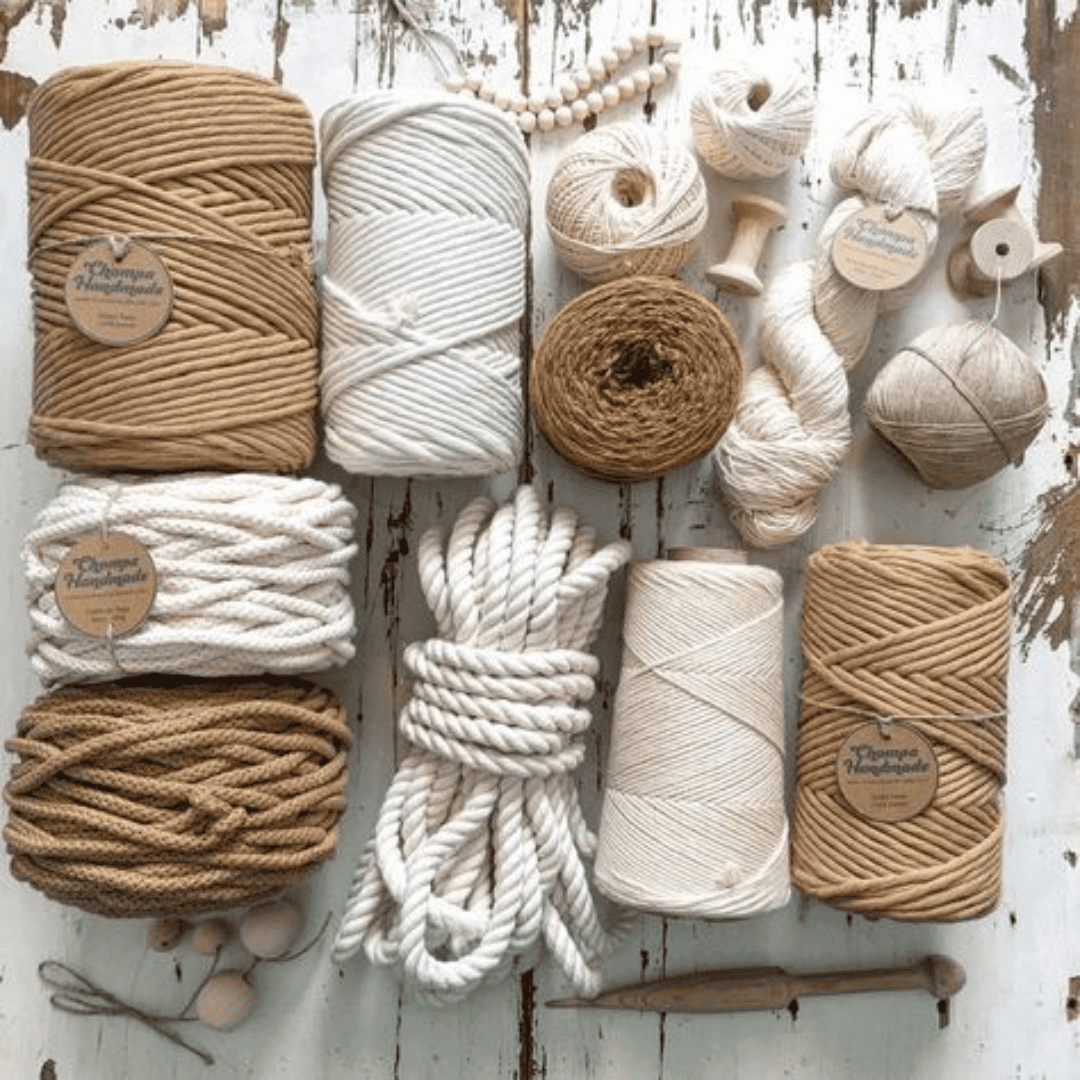
Sustainable Garment Accessories

Sustainable garment accessories refer to items and materials used in the production of clothing that have been sourced, manufactured, or designed with environmental and social responsibility in mind. These accessories are characterized by their reduced environmental impact, ethical sourcing practices, and often their biodegradability or recyclability. Examples include buttons made from recycled materials, labels produced with organic cotton, biodegradable packaging, and trims sourced from Fairtrade-certified producers.
Eco-friendly Fasteners
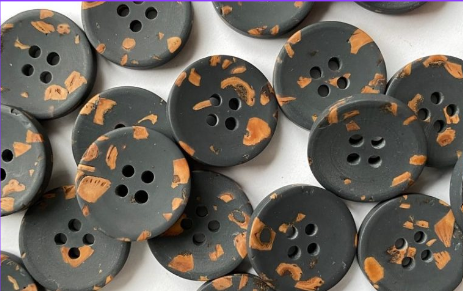
Buttons
Recycled Materials: Buttons can be made from recycled materials such as recycled plastic, recycled metal, or reclaimed wood. These buttons are washable using a gentle detergent at 30 degrees or by hand. these buttons can be composed of recycled polyester resin and chopped old button chips
Natural Materials: Buttons can also be crafted from sustainable and biodegradable materials such as bamboo, coconut shell, corozo (vegetable ivory), or even natural rubber.
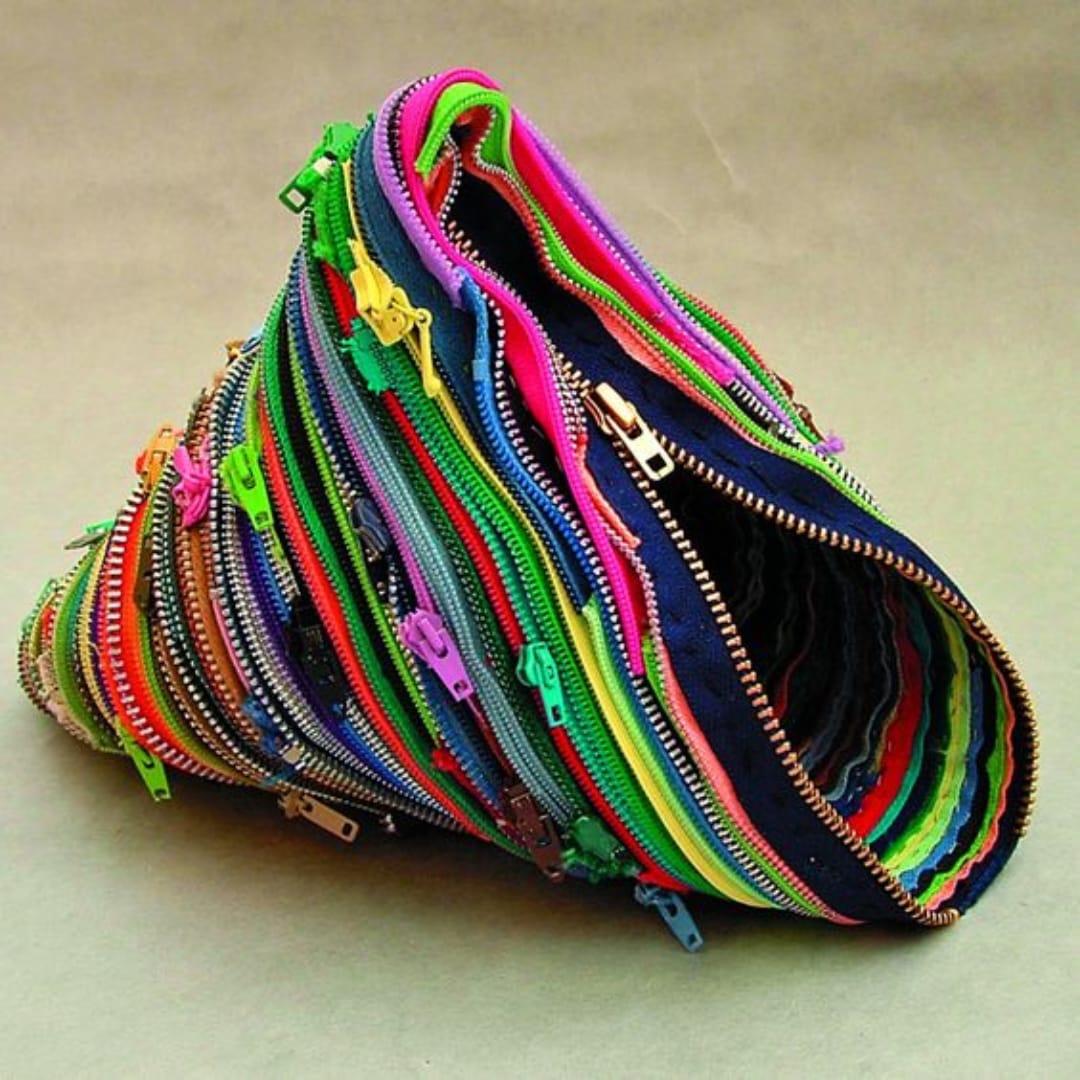
Zippers
Recycled Zippers: Zippers made from recycled materials, such as recycled polyester or post-consumer plastic, help reduce the demand for new materials and minimize waste.
Organic Cotton Zippers: Zippers made from organic cotton tapes and threads offer a more sustainable alternative, as they are produced without synthetic pesticides or fertilizers.
Tags and labels

Organic Cotton and Soy or Vegetable-based Ink
Tags made from organic cotton use less water and are free from the pesticides and herbicides used in conventional cotton farming, reducing environmental toxins.
Traditional inks on tags and labels often contain chemicals harmful to the environment. Soy or vegetable-based inks are renewable, biodegradable, and release fewer volatile organic compounds (VOCs) into the environment.
Adjustment and Support
Drawstrings
Material: Opt for drawstrings made from organic cotton, hemp, or bamboo. These materials are renewable and have a lower environmental impact compared to conventional cotton and synthetic materials.
Dyes and Treatments: Use drawstrings dyed with low-impact, non-toxic dyes, and avoid chemical treatments that can harm the environment.

Sustainable Structural Elements
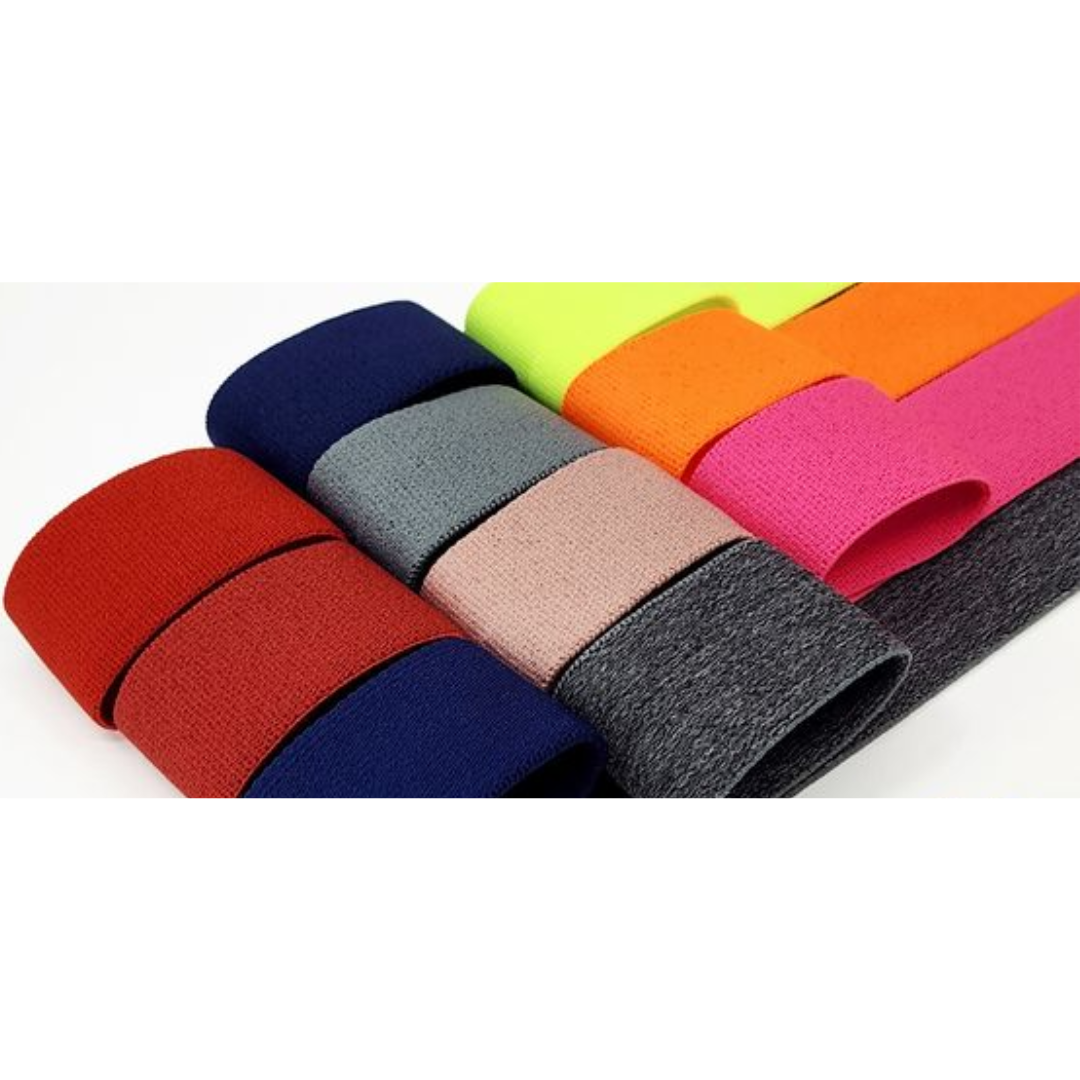
Elastic Bands
Recycled Elastics: Elastic bands made from recycled materials, such as recycled nylon or recycled polyester, help reduce waste and resource consumption.
Natural Rubber: Opt for elastic bands made from natural rubber, a renewable resource derived from rubber trees.
Sustainable Trimming and Binding

Lace
Organic Materials: Opt for lace made from organic cotton or silk, which are produced without harmful pesticides and chemicals.
Recycled Fibers: Lace made from recycled polyester or nylon reduces waste and demands for new petroleum-based products.
Belts and Belt Buckles
Organic Leather
Sustainable Materials: For belts, sustainable materials include organic leather (from livestock raised in a sustainable manner), vegan leather alternatives (made from materials like cork, apple peels, or recycled plastics), and organic textiles. For buckles, recycled metals or sustainably sourced metals are preferred.
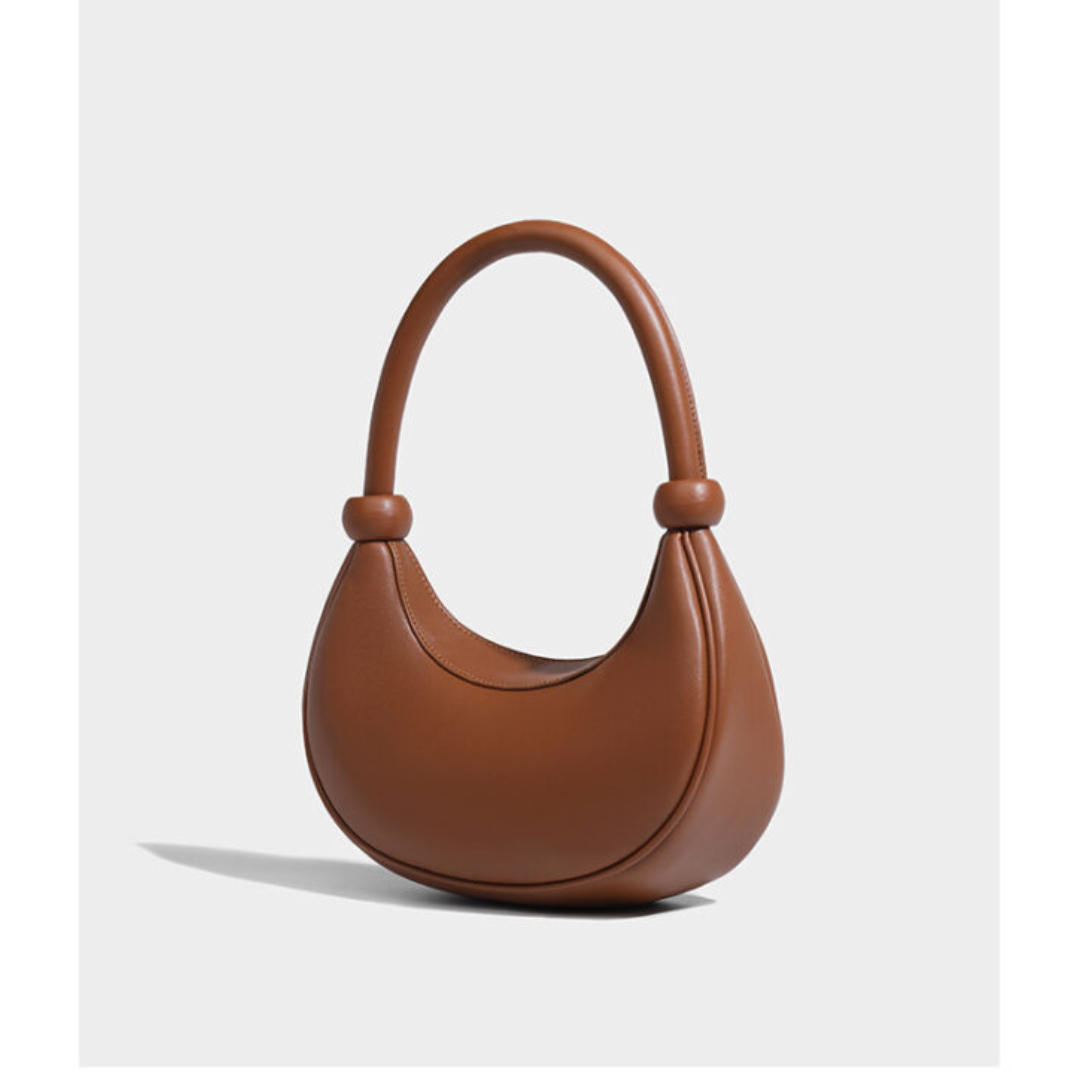
organic tape
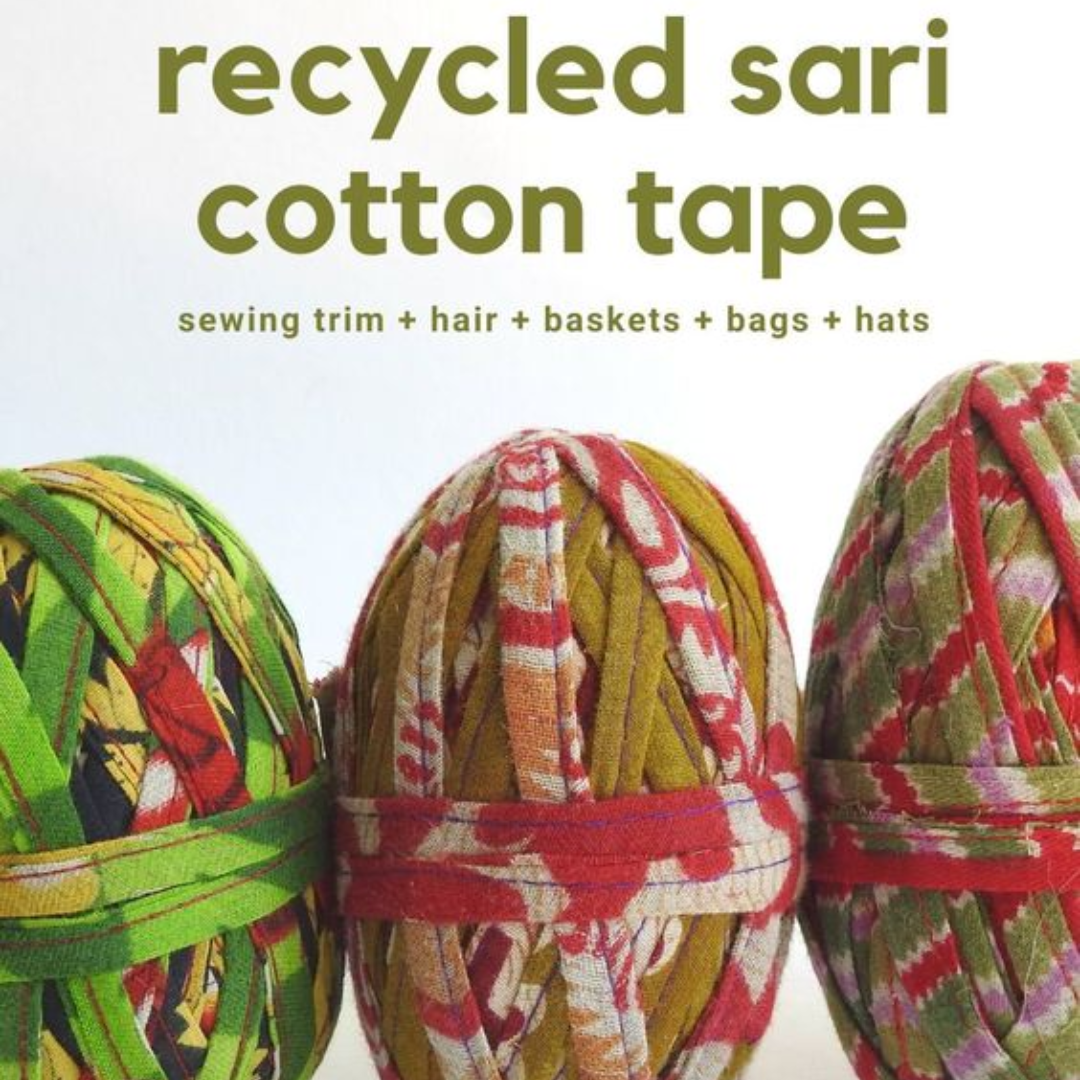
organic tape" could refer to narrow strips of woven material made from organic fibers such as organic cotton, linen, hemp, or bamboo. These tapes are often used for various purposes in sewing and crafting, such as binding seams, reinforcing edges, or adding decorative accents to garments and textile projects.
related questions
Why are accessories used in fashion?
Accessories are used in fashion to enhance and complete an outfit, adding personality, style, and flair. They can elevate a simple look, make a statement, or provide functionality. Accessories such as jewelry, bags, scarves, hats, belts, and shoes allow individuals to express their individuality, follow trends, and create a cohesive and polished ensemble.
What are some examples of sustainable accessories?
Jewelry made from recycled metals or ethically sourced gemstones, Bags made from sustainable materials like organic cotton, hemp, or recycled materials, Scarves made from eco-friendly fabrics such as Tencel or bamboo, Sunglasses made from recycled plastics or wood.
What are fashion accessories in textile?
Fashion accessories in textiles refer to items that complement and enhance an outfit, made primarily from fabric or textile materials. Examples include scarves, shawls, wraps, belts, ties, headbands, gloves, and handkerchiefs. These accessories can be made from various textiles such as cotton, silk, wool, linen, polyester, or blends, and they often add color, texture, and style to an ensemble.
Why are garment accessories important?
Garment accessories are important because they add style, versatility, and functionality to outfits, completing the look and allowing individuals to express their unique fashion sense.
More Blogs
why organic fabric suppliers are growing in india
jacquard fabric in modern fashion
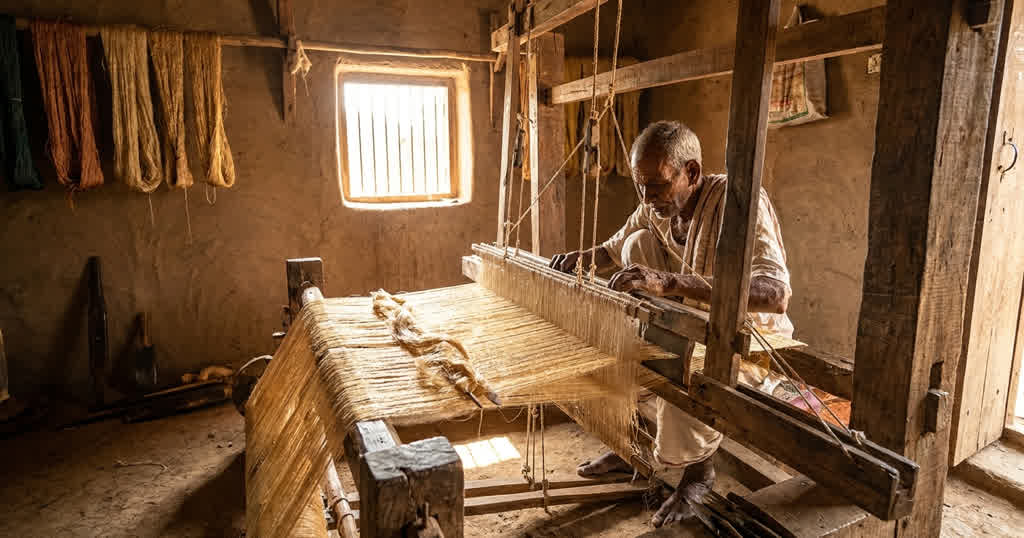
how silk manufacturers preserve traditional craftsmanship
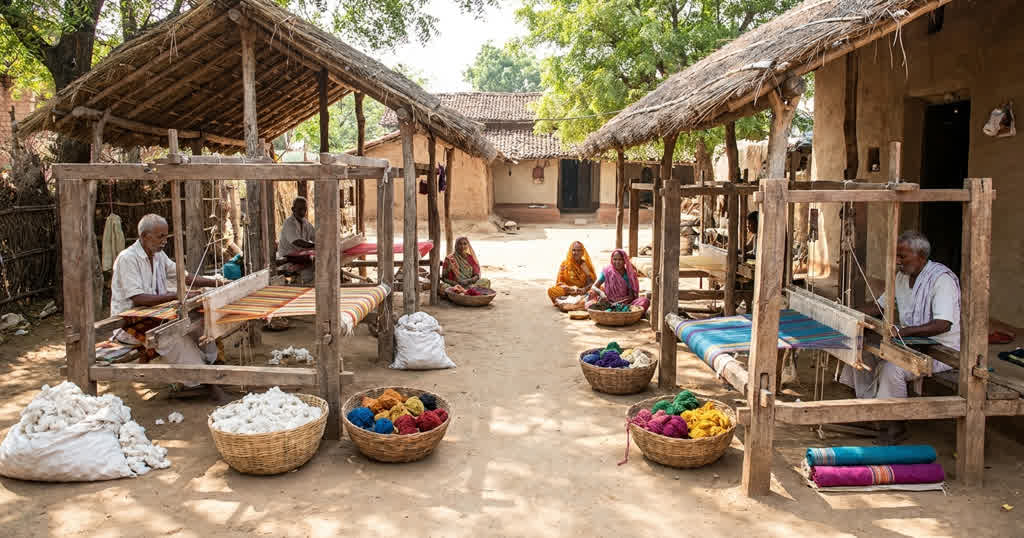
indian fabric wholesale: a guide to sourcing handwoven textiles
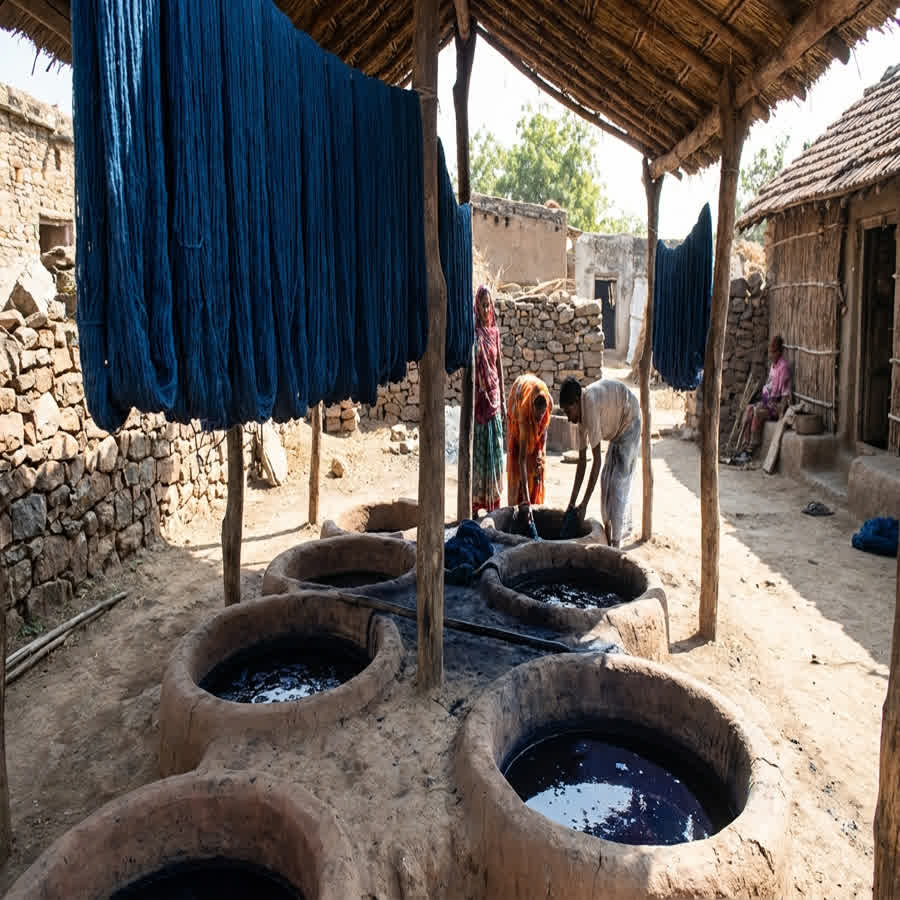
how indian fabric exporters meet global quality standards
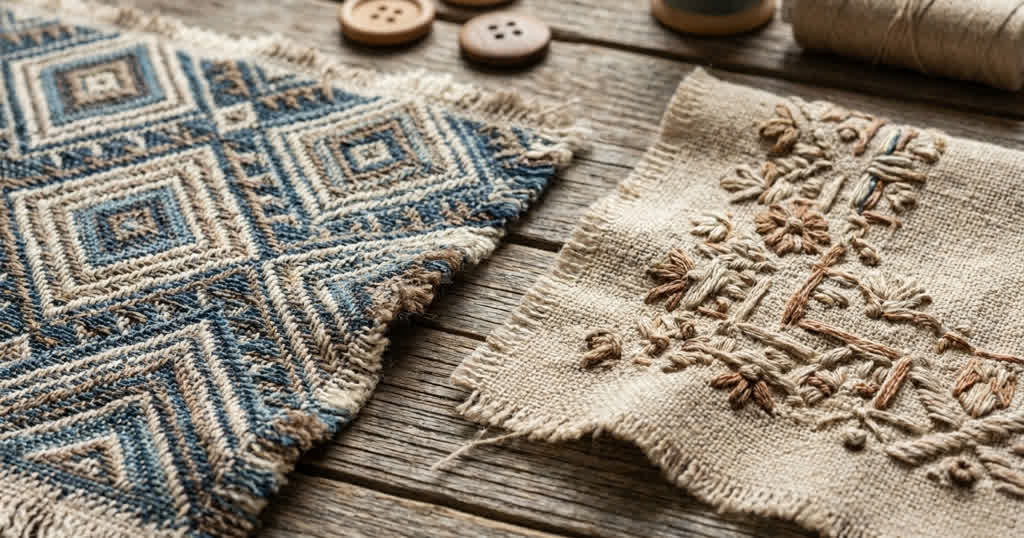
jacquard vs embroidery: what's the difference?