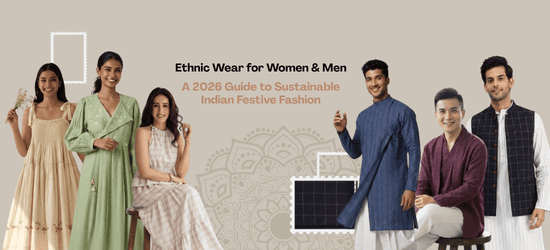
Ethnic Wear for Women & Men: A 2026 Guide to Sustainable Indian Festive Fashion

Festive dressing in India has always been about more than getting dressed for an occasion. It brings together tradition, craftsmanship, colour, texture, and the stories behind the textiles we wear.
Today, ethnic wear for women and men is evolving beyond conventional silhouettes. Shoppers are increasingly looking for clothing that feels contemporary while still reflecting Indian craft traditions. At the same time, there is growing interest in natural fabrics, handwoven textiles, responsible production, and longer-lasting clothing.
This makes sustainable Indian festive fashion especially relevant in 2026. From handwoven khadi and cotton to raw silk and artisan-made textiles, there are many ways to build a festive wardrobe that feels distinctive without moving away from traditional aesthetics.
What Makes Ethnic Wear Sustainable?
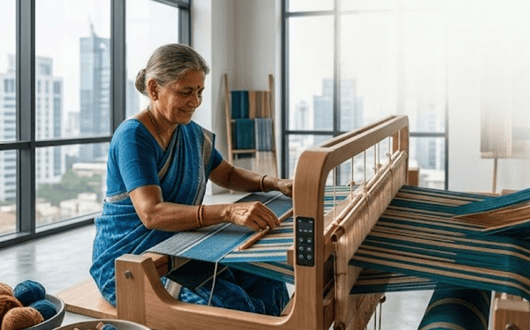
Sustainability in festive fashion is not simply about choosing something labelled “eco-friendly.” It involves looking at the fabric, production process, craftsmanship, durability, and how long a garment is likely to remain part of your wardrobe.
Natural and handwoven textiles can offer an alternative to heavily synthetic fabrics, while traditional techniques often preserve skills that have been passed from one generation to another.
When choosing sustainable clothing, consider:
- What fibres is the fabric made from?
- Is it handwoven, hand-printed, embroidered, or otherwise artisan-made?
- Where was it produced?
- How durable is the fabric?
- Can the garment be worn beyond one festive occasion?
- Does the design work across different seasons or celebrations?
A thoughtfully chosen garment can become part of your wardrobe for years rather than being purchased only for a single event.
Sustainable Ethnic Wear for Women
The world of ethnic wear for women has expanded considerably. Traditional silhouettes are now being interpreted through contemporary cuts, relaxed fits, minimal detailing, and versatile styling.
Instead of limiting ethnic women's clothing to sarees and heavily embellished outfits, today's festive wardrobe can include:
- Handwoven dresses
- Contemporary kurtas
- Co-ord sets
- Tunics
- Draped skirts
- Jackets
- Festive shirts
- Sarees and saree-inspired silhouettes
The advantage of choosing versatile pieces is that the same garment can often be styled differently for festivals, intimate celebrations, dinners, weddings, or cultural events.
Choosing Ethnic Dresses for Women
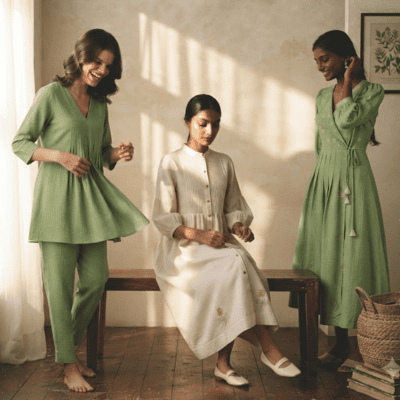
When shopping for ethnic dresses for women, look beyond surface decoration. Fabric and construction can have a significant impact on how a garment looks and feels.
A handwoven textile with natural slubs, subtle irregularities, or variations in texture may have a very different character from a perfectly uniform machine-produced fabric.
For festive occasions, fabrics such as handwoven cotton, khadi, raw silk, and other natural textiles can create visual interest without relying entirely on heavy embellishment.
A simple silhouette paired with an expressive textile can often create a more timeless look.
Indian Wear for Women: Traditional Meets Contemporary
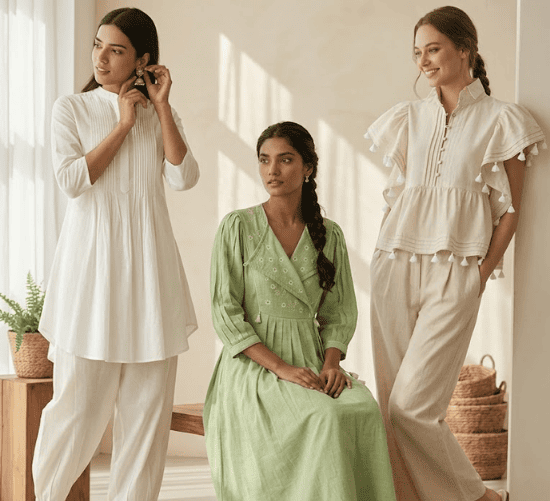
Indian wear for women is no longer restricted to strictly traditional silhouettes. Designers and independent labels are combining traditional textiles with contemporary shapes to create clothing that feels relevant to modern wardrobes.
For example, a handwoven fabric traditionally used for a kurta can be transformed into a relaxed dress or co-ord set. Similarly, traditional weaving techniques can be used in contemporary jackets, shirts, and separates.
This approach allows Indian traditional wear to evolve without losing the identity of the textile or craft behind it.
For shoppers, it also creates more opportunities to wear festive clothing outside major celebrations.
Festive Ethnic Wear for Men
Sustainable festive fashion is equally relevant to men's wardrobes.
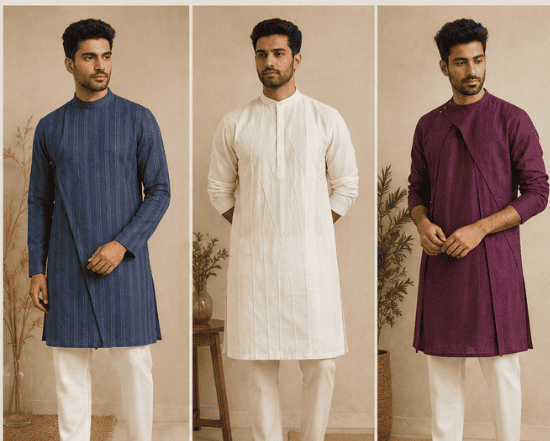
Traditional men's clothing can include kurtas, Nehru jackets, Bundis, shirts, trousers, and coordinated separates. Choosing natural or handwoven fabrics can add texture and character while keeping the overall look understated.
For men who prefer versatile clothing, a simple handwoven kurta or shirt can work for festive gatherings as well as more casual occasions.
A traditional ethnic wear wardrobe does not need to be heavily embellished. Fabric texture, weaving details, thoughtful tailoring, and subtle colours can create a refined festive appearance.
Fabrics That Bring Character to Festive Fashion
Khadi
Khadi has a naturally textured appearance and is closely associated with India's handspinning and handweaving traditions. Contemporary khadi can work across kurtas, dresses, shirts, jackets, and separates.
Its texture makes even relatively simple silhouettes visually interesting.
Raw Silk
Raw silk is known for its characteristic texture and natural variations. Unlike highly polished silk, it can have a more organic appearance, making it suitable for understated festive clothing.
It can be used for dresses, jackets, shirts, kurtas, and other occasion-ready garments.
Handwoven Cotton
Handwoven cotton offers breathability and texture, making it particularly useful for festive clothing in warmer climates.
Checks, stripes, textured weaves, and subtle variations can add interest without excessive surface decoration.
The important point is not to choose a fabric simply because it is marketed as sustainable. Understanding how the textile was made and what it is made from gives you a more meaningful basis for comparison.
How to Choose Sustainable Indian Festive Wear in 2026
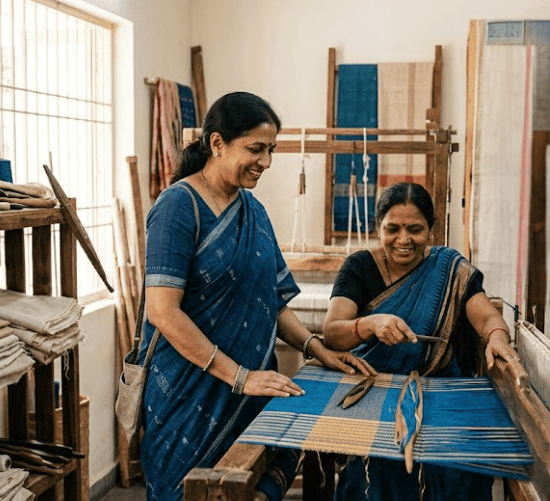
With more people shopping online, it can be difficult to understand what a garment is actually like from photographs alone.
Before purchasing, ask a few simple questions.
1. Check the Fibre Composition
Look beyond broad descriptions such as “natural,” “green,” or “eco-friendly.”
Check what the fabric is actually made from and whether the composition matches what you are looking for.
2. Understand How It Was Made
Words such as handwoven, hand-block printed, embroidered, or machine-made describe very different processes.
Knowing the production technique gives you a better understanding of the textile's character and craftsmanship.
3. Look for Information About Craftsmanship
When possible, learn about the artisans, weaving traditions, printing techniques, or communities involved in making the textile.
Craft information adds context to the garment and helps you appreciate the work beyond its appearance.
4. Think Beyond One Occasion
One of the simplest ways to make festive fashion more sustainable is to buy pieces you can wear repeatedly.
Ask yourself:
Can I style this differently for another occasion?
A festive dress can be paired with a different jacket. A kurta can be worn with jeans or trousers. A handwoven shirt can work for both celebrations and everyday dressing.
Versatility increases the useful life of a garment.
5. Choose Quality Over Excess
Festive fashion does not always need layers of embellishment.
A well-made garment with an interesting textile, thoughtful cut, and good construction can make a stronger long-term addition to your wardrobe than a highly decorative piece designed around a single trend.
Building a More Thoughtful Festive Wardrobe
Sustainable fashion does not require completely changing the way you dress. Small choices can gradually make a difference.
Instead of buying several outfits for every celebration, consider building a wardrobe around versatile pieces.
For women, this might mean investing in a handwoven dress, a versatile kurta, a contemporary ethnic jacket, and a few pieces that can be styled in different ways.
For men, a handwoven kurta, shirt, or Nehru jacket can become a foundation for multiple festive looks.
Accessories can then change the appearance of the outfit without requiring an entirely new garment.
This approach also gives greater importance to the textile itself—its weave, texture, colour, and craftsmanship.
The Future of Indian Festive Fashion
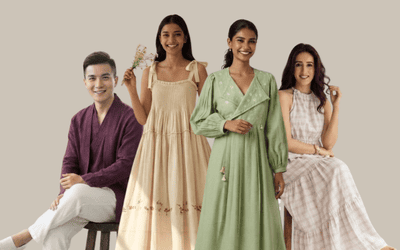
Indian fashion has always evolved by combining tradition with change. The next stage of festive fashion is likely to continue this relationship between heritage craft and contemporary design.
Consumers are becoming more interested in understanding where their clothes come from, while designers are finding new ways to present traditional textiles for modern wardrobes.
This creates an opportunity for Indian ethnic wear to move beyond occasion-specific dressing.
Handwoven fabrics, natural textiles, traditional techniques, and contemporary silhouettes can work together to create clothing that feels both rooted and current.
The future of festive fashion does not necessarily mean choosing between tradition and modernity. It can mean finding new ways to carry traditional craftsmanship into everyday wardrobes.
The best festive wardrobe is not necessarily the one with the most clothes. It is the one where each piece has a reason to be there.
Whether you are looking for ethnic wear for women, traditional clothing for men, or contemporary Indian wear, paying attention to fabric, craftsmanship, production, and versatility can help you make more considered choices.
In 2026, sustainable festive fashion is becoming less about following a trend and more about understanding what we wear—and choosing pieces that can remain meaningful long after the celebration is over.
frequently asked questions
1. Can ethnic wear be both traditional and sustainable?
Yes. Ethnic wear can combine traditional silhouettes and craft techniques with natural fabrics, responsible production, and designs intended for repeated wear.
2. What fabrics are suitable for sustainable festive wear?
Khadi, handwoven cotton, raw silk, tussar silk, and eri silk are some options to explore. When choosing a fabric, check its actual fibre composition and how it was produced rather than relying only on sustainability labels.
3. How can I make one festive outfit work for different occasions?
Choose versatile silhouettes and textiles that can be styled differently. Changing footwear, accessories, layers, or jackets can give the same outfit a completely different appearance.
4. What should I check before buying ethnic wear online?
Look for detailed information about fibre composition, weaving or printing techniques, garment construction, sizing, care instructions, and where the textile was made. Product photographs alone may not show the complete characteristics of a fabric.
5. Is sustainable ethnic wear suitable for men's festive fashion too?
Absolutely. Handwoven kurtas, shirts, Bundis, Nehru jackets, and coordinated separates can all be part of a more considered festive wardrobe for men.
More Blogs
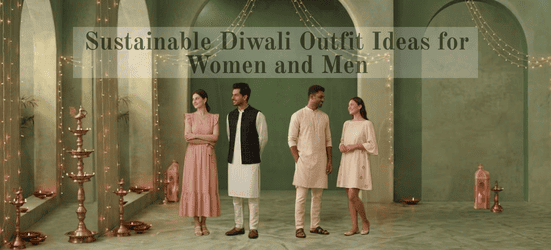
sustainable diwali outfit ideas for women and men
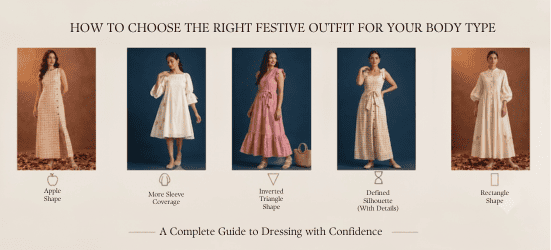
how to choose the right festive outfit for your body type

how to restyle festive co-ord sets for everyday wear
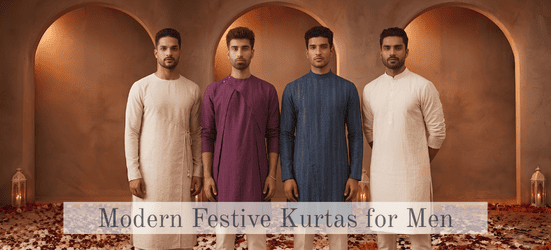
modern festive kurtas for men: angrakha, layered and pintucked styles
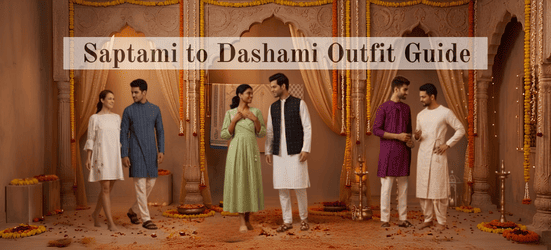
what to wear for durga puja: saptami to dashami outfit guide
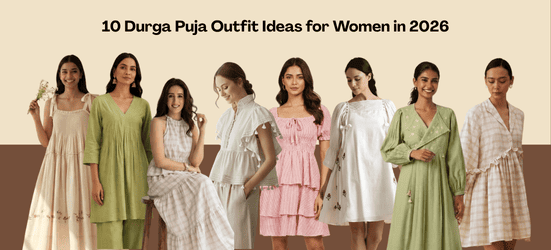
10 durga puja outfit ideas for women in 2026