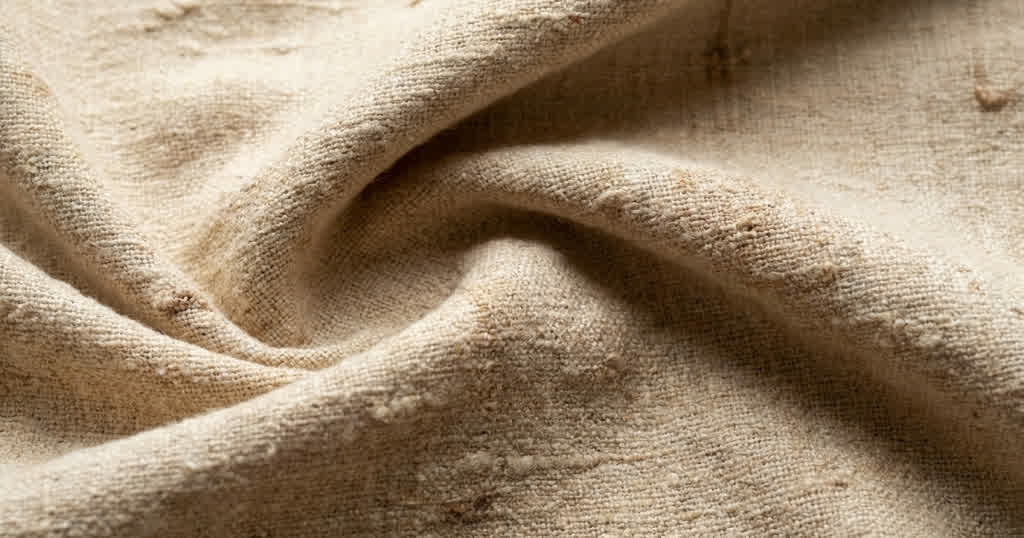
Why Eri Silk is the Future of Sustainable Luxury

Sourcing directors face mounting pressure to verify the ethical origins of their animal-derived fibers without sacrificing the drape and durability required for high-end collections. Eri silk offers a verifiable, high-performance solution to this exact sourcing challenge. Originating primarily in Assam and the Northeast regions of India, this unique fiber provides a premium alternative to conventional sericulture. By integrating a decentralized rural artisan network, brands secure a traceable peace silk fabric that directly supports rural economies while meeting strict ESG metrics.
We see designers shifting toward materials that offer both a compelling heritage narrative and rigorous technical specifications. This fiber bridges that gap, delivering a rich textural profile that meets the demands of modern luxury apparel.
The Anatomy of Eri Silk: Redefining Peace Silk Fabric for B2B Luxury
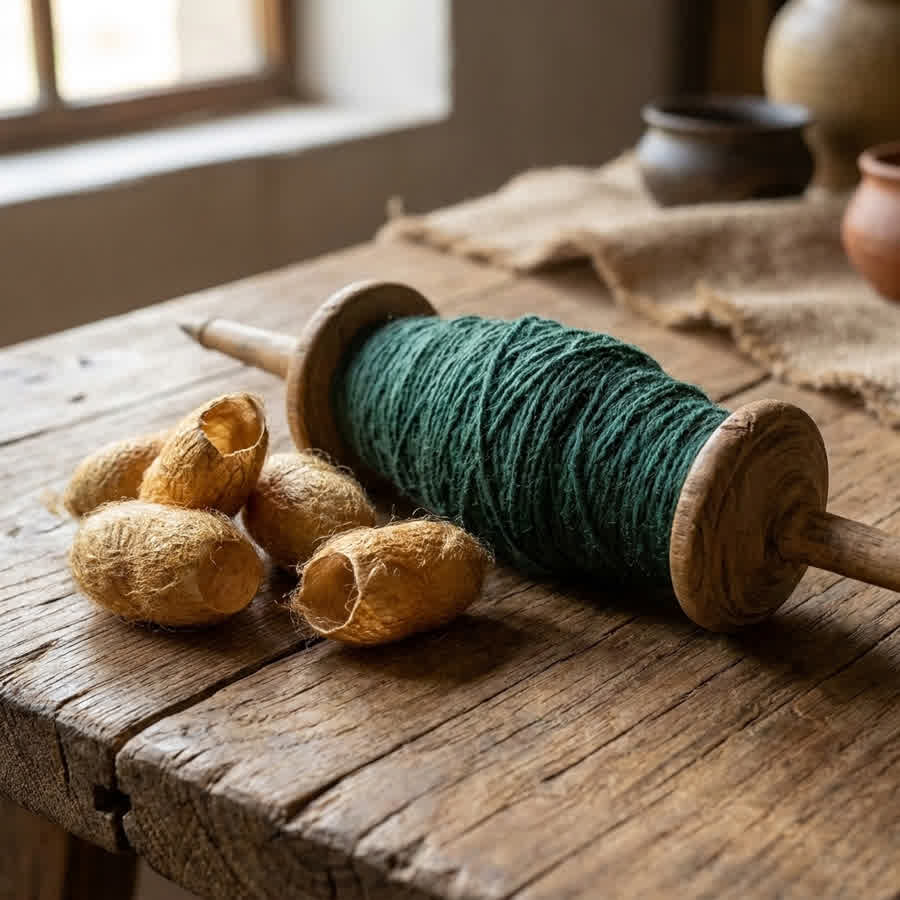
The anatomy of this fiber is defined by its non-violent harvesting method, which ruptures the cocoon and necessitates spinning rather than reeling, creating a highly durable, isothermal raw silk staple fiber.
Unlike conventional Mulberry silk, the production of this material relies on the Samia ricini moth. Traditional harvesting methods allow the moth to emerge naturally before the cocoon is processed. This zero-kill approach yields a genuine cruelty-free material, satisfying the strict ethical mandates of modern luxury brands.
Because the moth pierces the casing upon exit, the continuous filament is broken. Weavers must process this as a spun staple fiber, which fundamentally changes its physical properties. The resulting yarn behaves more like wool or premium cotton than a traditional high-gloss silk.
The Science of the Ruptured Cocoon
The ruptured cocoon dictates the entire mechanical processing of the fiber. Instead of unwinding a single continuous thread, artisans spin the short fibers together. This spinning process traps microscopic air pockets within the yarn structure.
These air pockets give the textile its signature isothermal properties, meaning it retains heat during winter and breathes easily during summer. For a B2B fashion brand, this thermal regulation expands the seasonal viability of the fabric. Designers can specify this material for both lightweight summer collections and heavier winter garments.
Isothermal Properties and Tensile Strength
Beyond temperature regulation, the spun nature of the yarn provides exceptional mechanical advantages. The interlocking short fibers create a textile with high tensile strength and natural elasticity.
When evaluating this material for commercial production, sourcing leads should note several key technical benefits:
- Superior structural durability that resists tearing under tension.
- Natural elasticity that improves garment fit and recovery over time.
- Isothermal temperature regulation suitable for cross-seasonal apparel lines.
- Pill-resistant surface characteristics that maintain a pristine finish after repeated wear.
These properties make it an ideal foundation for high-wear luxury garments.
From Castor Leaves to Loom: The Decentralized Eri Silk Weaving Process
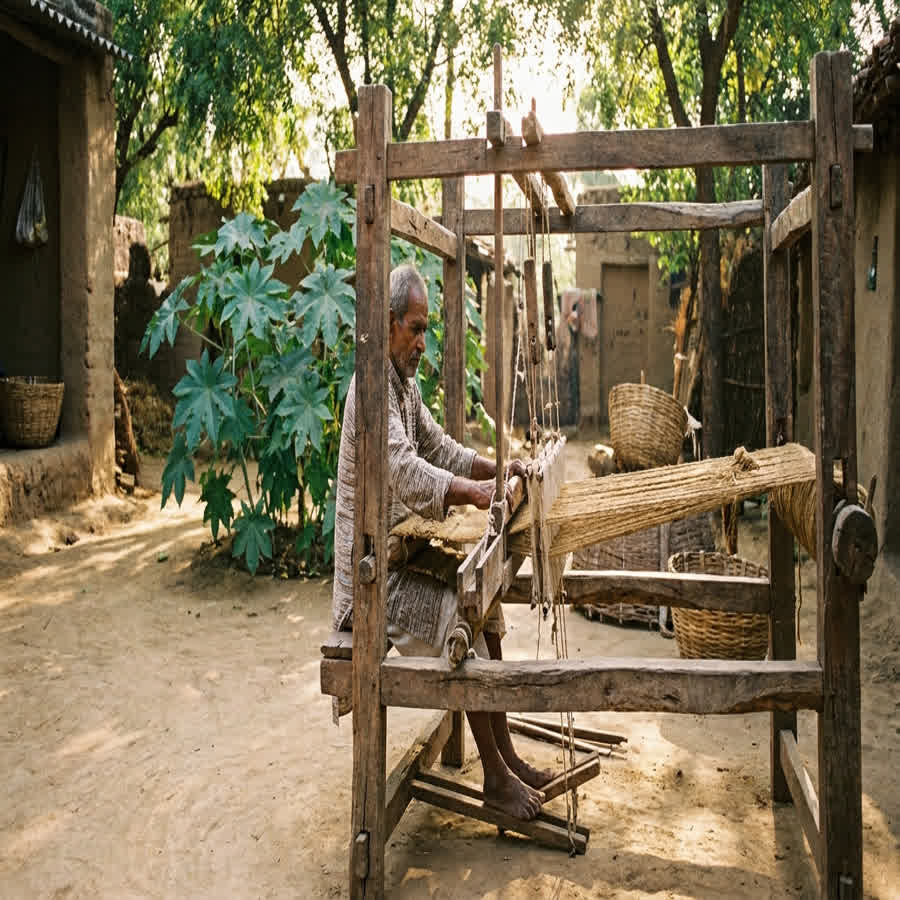
The decentralized production process maps a transparent supply chain from rural castor leaf farms to artisan handlooms, ensuring ethical production and direct rural empowerment.
The Samia ricini moth feeds primarily on castor and cassava leaves, plants that require minimal water and no synthetic pesticides. This diet contributes to the zero-waste credentials of the fiber, as the host plants thrive in marginal soils. Cultivation is deeply rooted in the indigenous tribal cultures of the Bodo and Kachari communities in Northeast India.
We currently work with decentralized artisan clusters to maintain the integrity of this traditional craft. By bypassing opaque, centralized factory production, brands gain complete visibility into their supply chain. This transparency is a critical ESG reporting metric for sourcing directors managing global compliance.
Cultivation Among Indigenous Communities
The rearing of the moths happens in small, rural households rather than industrial facilities. Families harvest the cocoons only after the moths have completed their life cycle and flown away. This localized approach provides a steady, independent income stream for rural farmers.
Supporting these micro-economies allows luxury brands to market a verifiable social impact narrative. The funds flow directly to the primary producers, bypassing exploitative middlemen. This model ensures that the traditional handloom craft remains economically viable for the next generation of artisans.
Transparent Artisan Supply Chains
Once harvested, the cocoons move to local spinning and weaving clusters. We implement a rigorous, multi-tier quality check system within these decentralized networks. This ensures that the eri silk weaving meets commercial luxury standards while retaining its artisanal character.
A decentralized supply chain offers specific advantages for B2B buyers:
- Direct traceability back to the specific regional cluster and farming community.
- Customizable production runs that accommodate lower minimum order quantities for boutique brands.
- Reduced carbon footprints by eliminating unnecessary transportation between centralized processing plants.
- Preservation of heritage techniques that add tangible value to the final garment.
This localized production model secures a reliable, high-quality material source for independent designers.
Technical Versatility: Why Eri Silk Yarn is a Weaver's Dream
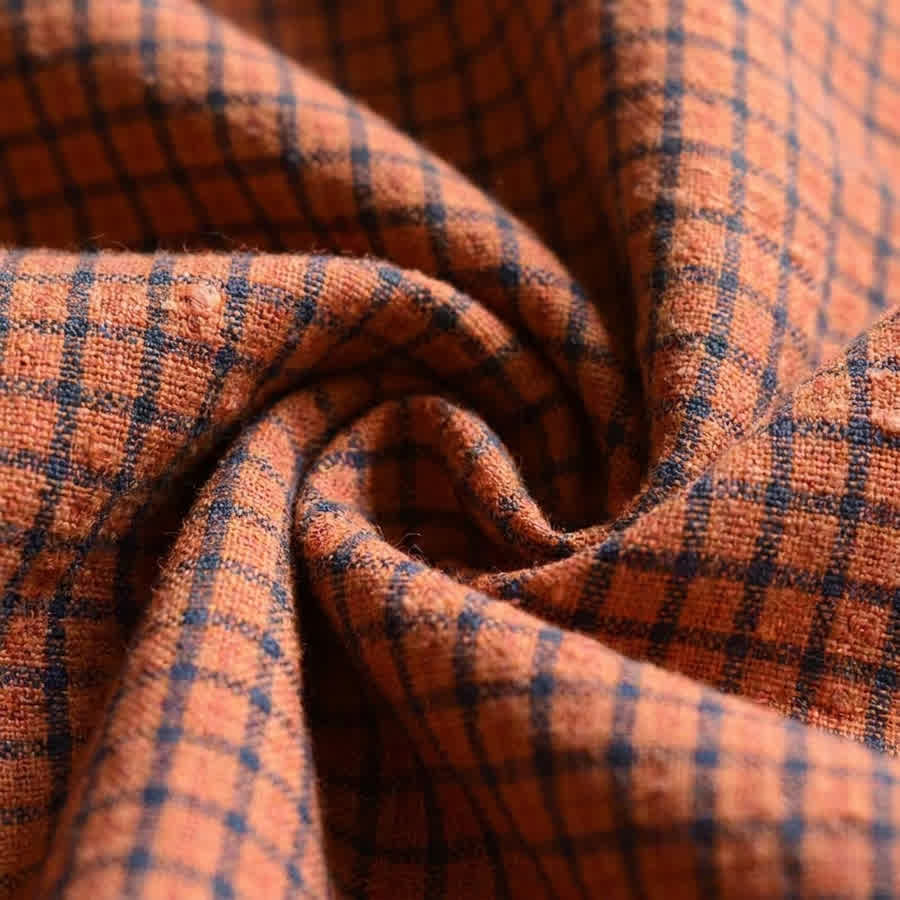
The structural nature of this spun staple fiber allows it to blend easily with cotton, wool, and linen, giving weavers the ability to engineer varied GSM profiles for any seasonal collection.
Because it is spun rather than reeled, eri silk yarn possesses a textured surface that grips other fibers during the weaving process. This mechanical friction makes it an exceptional candidate for complex textile blends. Weavers can combine it with other natural materials to manipulate the drape, weight, and cost of the final fabric.
For sourcing leads, this versatility solves multiple design challenges at once. A designer can request a custom blend that maximizes the thermal regulation of wool while maintaining the soft hand-feel of silk. This adaptability reduces the need to source entirely different base materials for different product categories.
Blending Capabilities for Custom Textiles
Blending this fiber with other sustainable materials yields highly specific performance characteristics. When woven with organic cotton, the resulting textile gains increased breathability and a softer drape. Blending it with linen reduces the natural wrinkling of the bast fiber while adding a subtle surface sheen.
We frequently see B2B buyers requesting these specific combinations:
- Cotton blends for lightweight, breathable summer shirting and dresses.
- Wool combinations for structured, insulating winter coats and tailored jackets.
- Linen integrations for durable, textured homewares and resort wear.
- Bamboo viscose pairings for ultra-soft, fluid evening wear with high drape.
These custom blends allow brands to hit precise price points and performance targets.
Engineering Seasonal GSM Profiles
The spun yarn allows for precise control over the fabric weight during the weaving process. Typical B2B fabric weights range from a lightweight 80 GSM up to a heavy, structured 200+ GSM. This broad spectrum gives designers the freedom to use the same base fiber across an entire annual collection.
Lighter weights provide a dry, crisp hand-feel ideal for warm climates. Heavier weights offer a dense, wool-like texture that holds sharp tailoring and complex structural folds. By adjusting the yarn thickness and weave density, artisans can engineer the exact GSM profile required by the technical specification sheet.
Sourcing Eri Silk Fabric: Drape, Durability, and Dyeing Capabilities
B2B buyers source this material because it delivers a distinct matte finish, exceptional structural durability, and a superior affinity for natural and azo-free dyes.
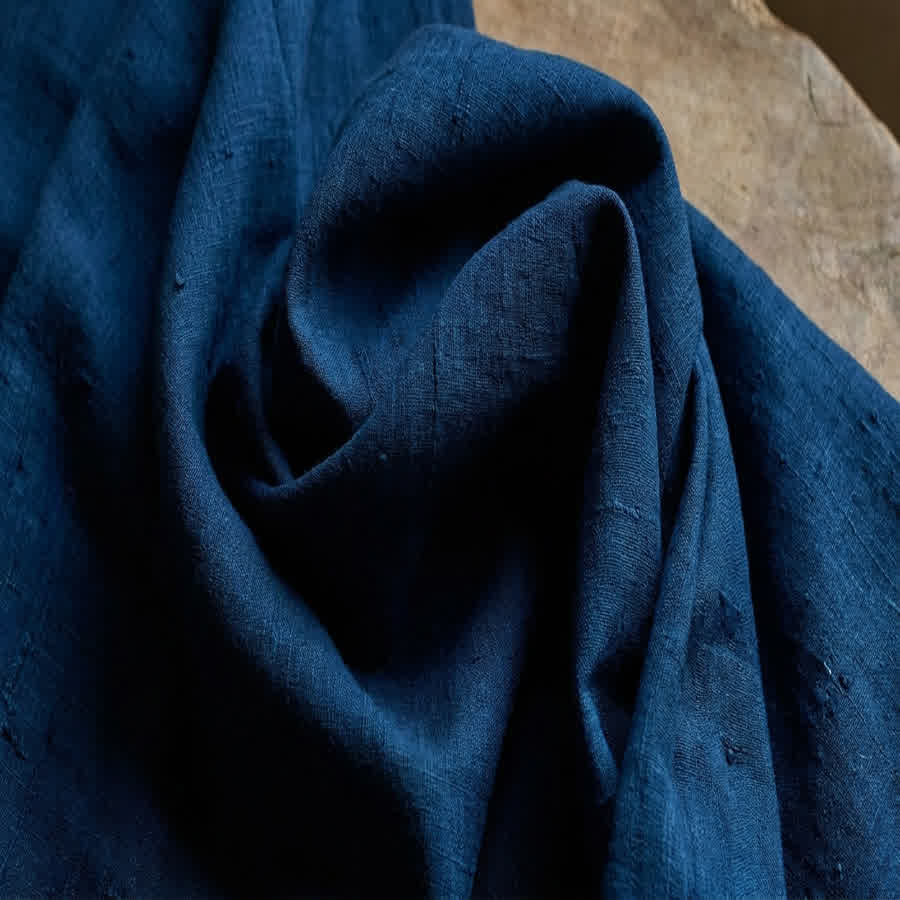
Unlike the high-gloss finish of conventional Mulberry silk, eri silk fabric presents a muted, sophisticated surface. This matte finish provides a modern aesthetic that aligns with minimalist luxury design languages. The fabric possesses a soft, wool-like texture that grows increasingly supple with every wash.
The structural durability of this material far exceeds that of standard filament silks. The spun staple fibers resist abrasion, making the fabric highly suitable for daily-wear garments and luxury upholstery. This longevity directly supports the circular fashion models that many sustainable brands now require.
Matte Finish and Structural Drape
The lack of a continuous filament eliminates the reflective surface typically associated with silk. Instead, the fabric absorbs light, creating a rich, deep visual texture. This matte finish provides a modern aesthetic that aligns with minimalist luxury design languages.
The drape of the fabric depends heavily on its woven structure and weight. It tends to fall with a heavier, more deliberate weight than lightweight chiffon or charmeuse. This structural drape makes it well suited for tailored trousers, structured blouses, and architectural garment designs.
Superior Dye Affinity
One of the most critical technical advantages of this fiber is its exceptional dye uptake. The porous nature of the spun yarn allows dye molecules to penetrate deeply into the fiber core. This results in rich, colorfast hues that resist fading over time.
The material performs exceptionally well with sustainable dyeing methods. Sourcing managers should note these specific dyeing characteristics:
- High absorption rates for natural, plant-based botanical dyes.
- Excellent colorfastness when processed with low-impact, azo-free chemical dyes.
- Deep color penetration that prevents the white core of the yarn from showing through after abrasion.
- Consistent batch-to-batch color matching when processed by skilled artisan dyers.
This reliable dye affinity minimizes production errors and reduces chemical waste during manufacturing.
The Modern Eri Silk Saree: A Canvas for Sustainable Heritage
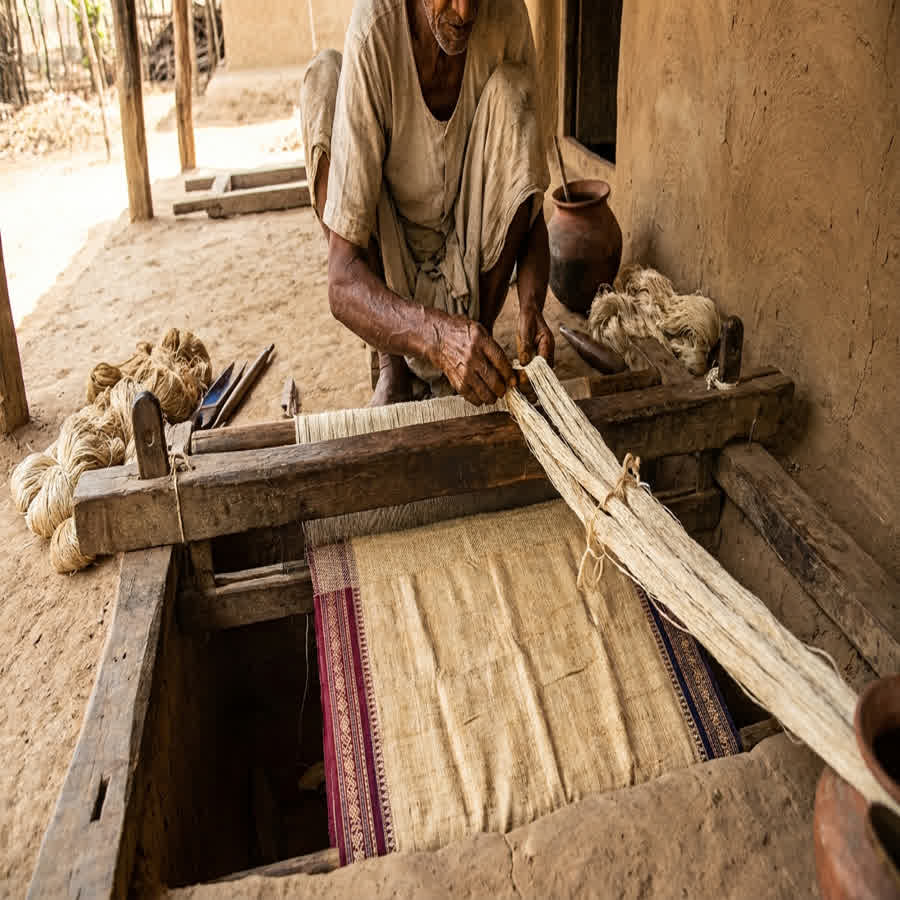
The modern saree crafted from this fiber exemplifies how traditional handloom craft meets modern luxury, offering structural integrity alongside deep artisanal value.
The eri silk saree represents the pinnacle of regional handloom expertise, serving as a benchmark for the fiber's capabilities. Historically worn by indigenous communities for its warmth and durability, the garment has transitioned into a highly sought-after luxury item. For B2B buyers, analyzing the construction of these traditional garments reveals the true potential of the fabric.
The continuous six-yard canvas of a saree demands a textile that will not warp or sag under its own weight. The inherent structural integrity of the spun yarn ensures the garment maintains its shape through decades of use. This longevity provides a compelling case study for designers looking to create heirloom-quality apparel.
Structural Integrity in Traditional Garments
Weavers engineer the borders and pallu (the decorative end piece) of the saree using denser weave structures. This localized reinforcement demonstrates how the yarn can be manipulated to create varying zones of tension and drape within a single piece of cloth. The heavy selvedge construction prevents fraying and adds necessary weight to the hem.
These traditional engineering techniques translate directly into modern garment manufacturing. Designers can study the zonal weaving techniques used in sarees to inform the construction of contemporary dresses and coats. The ability to vary the weave density without changing the base yarn simplifies the sourcing process.
Scaling Artisanal Value for Luxury Markets
Integrating these traditional garments into a modern B2B supply chain requires careful standardization. We work directly with master weavers to ensure that the artisanal value of the textile translates into consistent, commercial-grade yardage. This process involves standardizing the yarn twist and standardizing the loom tension across different artisan clusters.
Brands that source these heritage textiles benefit from a powerful marketing narrative. They can offer their customers:
- Authentic cultural heritage backed by transparent supply chain data.
- Heirloom-quality durability proven by centuries of traditional garment construction.
- Unique textural variations that distinguish handloomed fabrics from machine-milled alternatives.
- Direct financial support for the rural artisans preserving these complex weaving techniques.
This combination of technical performance and cultural depth defines the future of sustainable luxury sourcing.
Explore Our Collection
Anuprerna works directly with handloom artisan clusters to weave Eri silk for designers and brands building considered collections. To source it for your next line, explore the range below.
frequently asked questions
How does the GSM and texture of Eri silk fabric differ from conventional Mulberry silk?
Eri silk is a spun fiber, giving it a heavier, more textured, wool-like feel with a matte finish, typically ranging from 80 to 200+ GSM. Mulberry silk is reeled, resulting in a lighter, smoother, and highly lustrous fabric. The spun nature of the Ahimsa fiber traps air, creating a denser textile that offers superior thermal regulation compared to standard filament silks.
Is Eri silk yarn suitable for blending with other sustainable fibers?
Yes, because Eri is a staple fiber rather than a continuous filament, Eri silk yarn blends exceptionally well with cotton, wool, linen, and bamboo, allowing B2B buyers to customize the drape, thermal properties, and cost of the final textile. The mechanical friction of the textured yarn grips other natural fibers securely during the spinning and weaving processes.
What makes Eri silk a verifiable 'peace silk fabric'?
Eri silk is derived from the Samia ricini moth. The traditional harvesting process allows the moth to pierce the cocoon and fly away before the silk is harvested. This zero-kill method makes it a genuine Ahimsa or peace silk. Brands can confidently market this material as a cruelty-free alternative to conventional sericulture, which typically boils the cocoon while the pupa is still inside.
How does Anuprerna ensure quality control in decentralized Eri silk weaving?
Anuprerna implements a rigorous, multi-tier quality check system within its decentralized artisan clusters. By working directly with master weavers and providing standardized, high-grade Eri silk yarn, we maintain consistency in weave density and fabric integrity while preserving the artisanal character. This localized oversight ensures that commercial yardage meets strict luxury specifications without centralizing production.
What is the typical GSM range for Eri silk fabrics used in luxury apparel?
The typical weight ranges from 80 GSM for lightweight shirting up to 200+ GSM for structured outerwear. This broad spectrum allows designers to utilize the same base fiber across diverse seasonal collections. Weavers adjust the yarn thickness and loom tension to engineer the precise fabric weight required by the buyer's technical specification sheet.
More Blogs
why handwoven cotton works better for indian festive dressing
how indian fabric exporters meet global quality standards
jacquard vs embroidery: what's the difference?
buy hemp fabric in bulk: what fashion brands need to know
khadi online shopping: what fabric details should you check?
a designer’s guide to sourcing silk from indian manufacturers