The Evolution of Sustainable Fashion Design: Techniques and Trends

Designing a collection that meets strict environmental criteria often forces creators into a rigid box of synthetic alternatives or mass-produced organic basics. The true challenge in sustainable fashion design lies in sourcing textiles that offer both verifiable low-impact credentials and the distinct character required for high-end garments. Independent creators and established houses alike are searching for authentic slow design narratives that do not compromise on fabric performance or aesthetic depth.
This shift away from generic eco-labels requires a return to decentralized artisan supply chains that inherently practice circularity. By examining the historical roots of hand-spun and handwoven textiles, creators can integrate zero-waste methodologies directly into their production cycles. The stakes are high for the sustainable fashion industry, as consumers increasingly demand total transparency from the cotton farm to the finished garment.
From Concept to Loom: The Anatomy of Sustainable Fashion Design
The anatomy of sustainable design fashion is defined by decentralized, low-carbon handloom processes rather than just the final material choice. By integrating rural Indian handloom weavers at the conceptual stage, creators ensure that every yard of fabric inherently supports zero-waste and circular principles. This approach shifts the focus from industrial efficiency to heritage-driven sustainability, where the method of creation is as vital as the raw fiber.
The Role of Decentralized Weaving
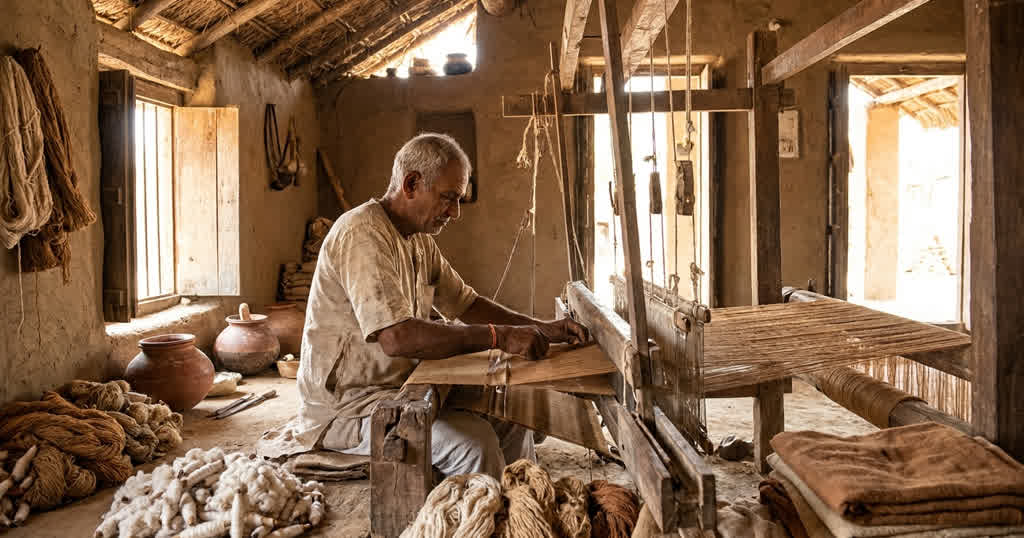
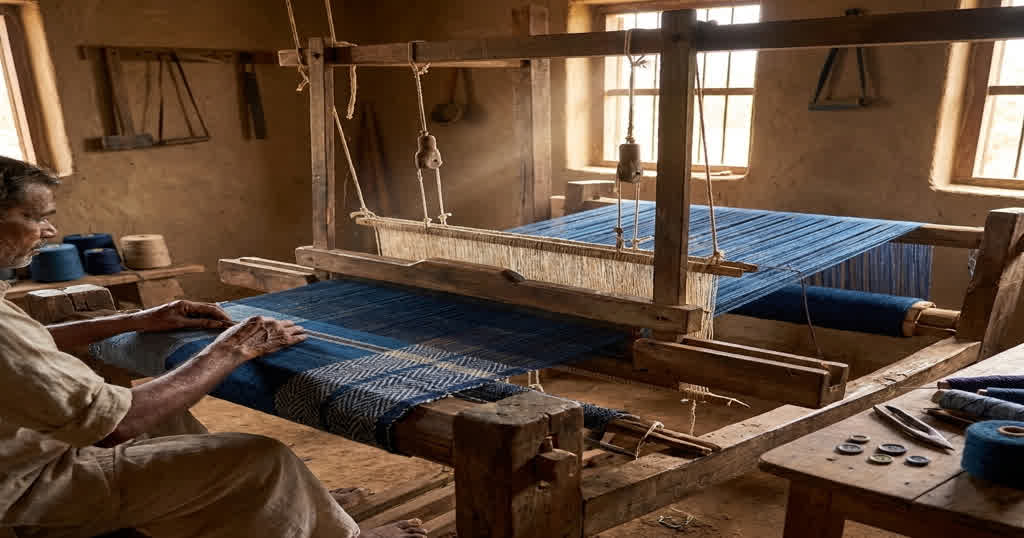
Industrial textile production relies on centralized power looms that consume massive amounts of energy and water. In contrast, a decentralized artisan supply chain operates entirely off the grid, utilizing human-powered wooden looms in rural clusters across Bengal and beyond. This method drastically reduces the carbon footprint of the raw material phase.
Working with these communities allows sustainable fashion designers to access bespoke textiles without the massive minimums required by large factories. The inherent flexibility of the handloom means that specific widths and selvedge details, the self-finished edges of the fabric that prevent unraveling, can be woven to exact pattern specifications. This precision minimizes off-cuts on the cutting room floor, directly supporting circular production models.
Integrating Zero-Waste Methodologies
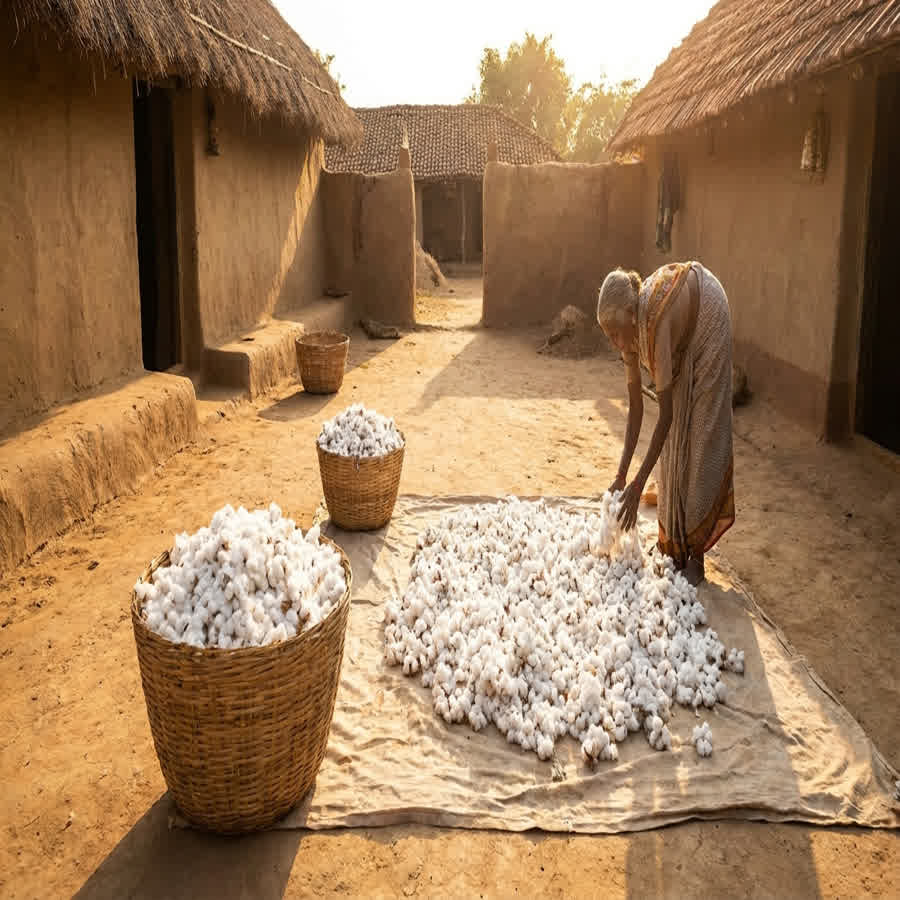
True sustainability begins before the first thread is spun. Techniques like hand-spinning Khadi utilize short-staple cotton fibers that industrial machines often discard, ensuring maximum yield from every harvest. When creators specify these hand-spun textiles for their collections, they actively participate in a regenerative agricultural cycle.
To maximize these benefits, designers should consider specific structural elements during the sourcing phase:
- Custom woven widths: Specifying the exact fabric width needed for a pattern eliminates unnecessary side waste.
- Engineered selvedges: Utilizing the natural finished edge of a handwoven fabric reduces the need for additional hemming or binding.
- In-loom motif placement: Techniques like Jamdani allow artisans to weave patterns exactly where the garment requires them, avoiding the waste of continuous yardage printing.
- Biodegradable fiber selection: Choosing 100% cellulosic yarns ensures that any unavoidable scraps can safely decompose.
By embedding these technical handloom capabilities into the initial sketches, brands create garments that are fundamentally sustainable from the ground up.
Slow Design in Practice: How Ethical Fashion Designers Apply Handloom
Ethical fashion designers practice slow design by sourcing specific handloom techniques like Jamdani and Khadi to achieve unique textures, high breathability, and zero-waste potential. These traditional methods require time and precision, resulting in low-impact bespoke fabrics that stand apart from mass-produced textiles. By embracing the natural pace of human-powered weaving, brands can offer garments with a verifiable slow design narrative.
The Technical Superiority of Khadi
The process of creating hand-spun Khadi introduces microscopic variations in the yarn, which trap air and provide exceptional thermal regulation. This results in a fabric that breathes in the summer heat while retaining warmth during cooler months. For a boutique brand founder, this versatility means a single textile can serve multiple seasons, reducing the need for constant new material development.
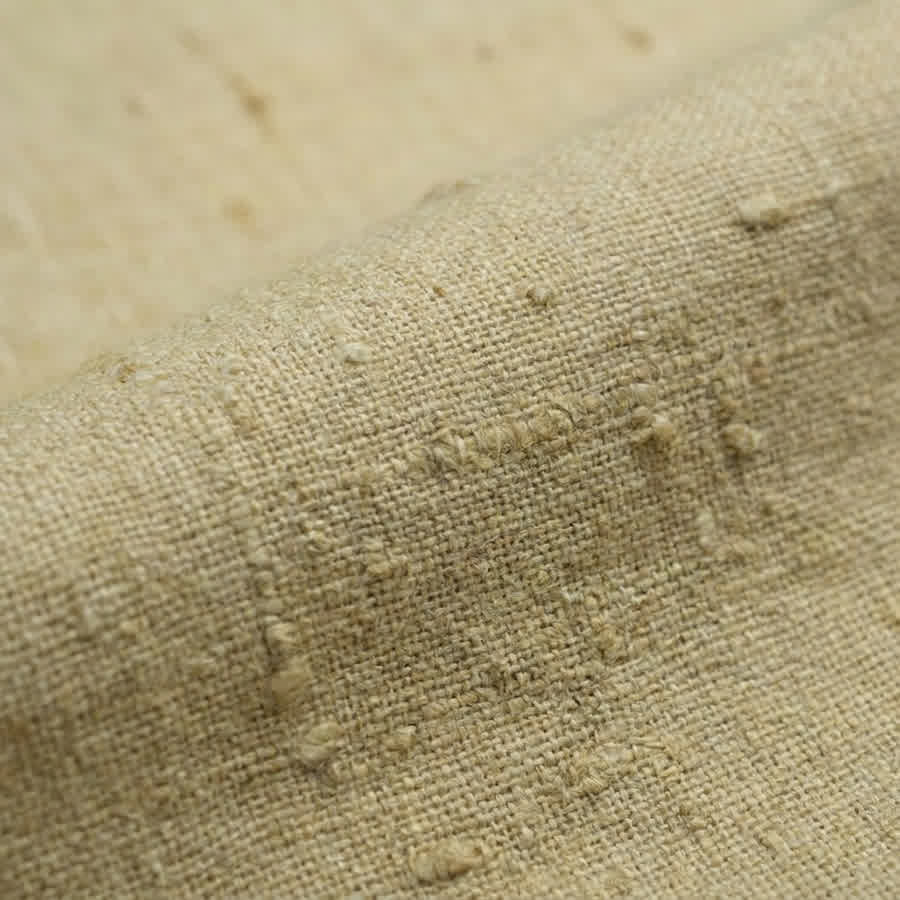
The structural integrity of these cellulosic and protein fibers is maintained because they are not subjected to the high tension and heat of industrial spinning. This gentle processing preserves the natural fiber tensile strength, ensuring the final garment withstands years of wear. The resulting soft, porous hand-feel becomes a distinct selling point for consumers seeking tactile authenticity.
Jamdani as a Zero-Waste Tool
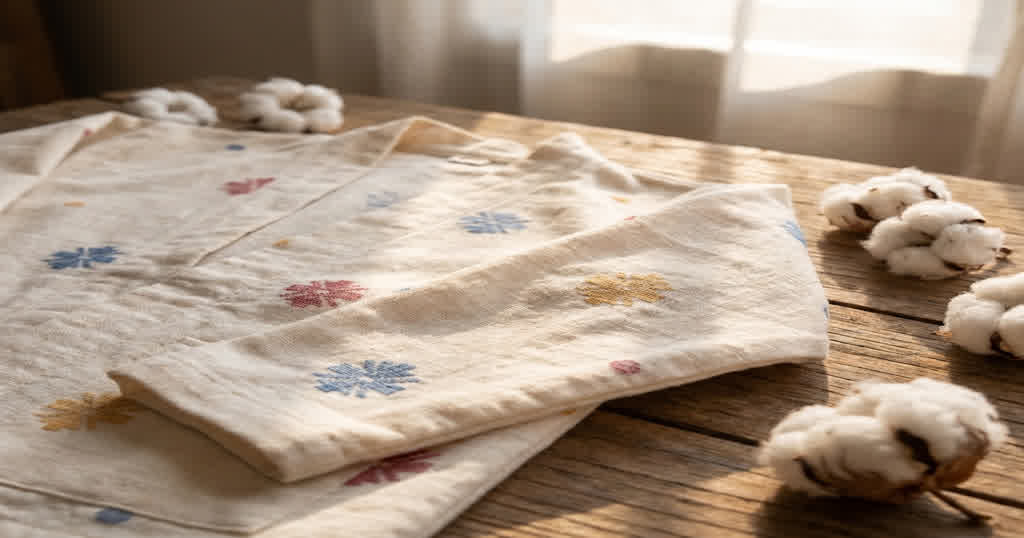
Beyond plain weaves, the Jamdani technique offers a sophisticated method for integrating complex motifs without generating excess waste. Artisans use a supplementary weft to interlace heavier threads directly into the warp, creating patterns that appear to float on the surface of a sheer muslin base. This eliminates the need for chemical printing or heavy embroidery backings.
Designers can optimize this technique by focusing on specific application strategies:
- Targeted motif placement: Weaving designs only on the chest or hem panels to reduce overall yarn consumption.
- Variable density weaving: Transitioning from a dense 150 GSM base to a sheer 40 GSM upper section within the same continuous yardage.
- Uncut floating threads: Leaving the reverse side of the supplementary weft intact to enhance the fabric's structural durability.
- Natural unbleached bases: Using the raw, creamy off-white tone of the cotton to highlight the dyed Jamdani motifs.
These methods allow sustainable fashion designers to create highly ornamented pieces while strictly adhering to low-impact production principles.
Material Science of Sustainability: GSM, Tensile Strength, and Natural Dyes
The material science of sustainability relies on matching specific GSM ranges and natural fiber types with azo-free dyes to maintain high tensile strength and ensure complete biodegradability. By understanding how cellulosic and protein fibers interact with natural mordants, designers can create durable garments that safely return to the earth. This technical approach separates rigorous sustainable fashion design from superficial green marketing.
Optimizing GSM for Garment Longevity
Fabric weight, measured in Grams per Square Meter (GSM), directly dictates a garment's drape, durability, and end-use. Handloom textiles offer a broad spectrum of weights, from a sheer 40 GSM Jamdani suitable for delicate summer overlays, to a heavy 250 GSM Khadi ideal for structured jackets. Selecting the correct weight is a critical technical decision that impacts the lifespan of the clothing.
Heavier weights generally offer higher warp and weft density, which translates to greater resistance against abrasion and tearing. However, even lightweight handwoven cottons maintain excellent fiber tensile strength because the yarns are not over-twisted or chemically weakened during processing. This balance of lightness and durability is highly sought after in the sustainable fashion industry.
The Chemistry of Natural Dyes and Mordants
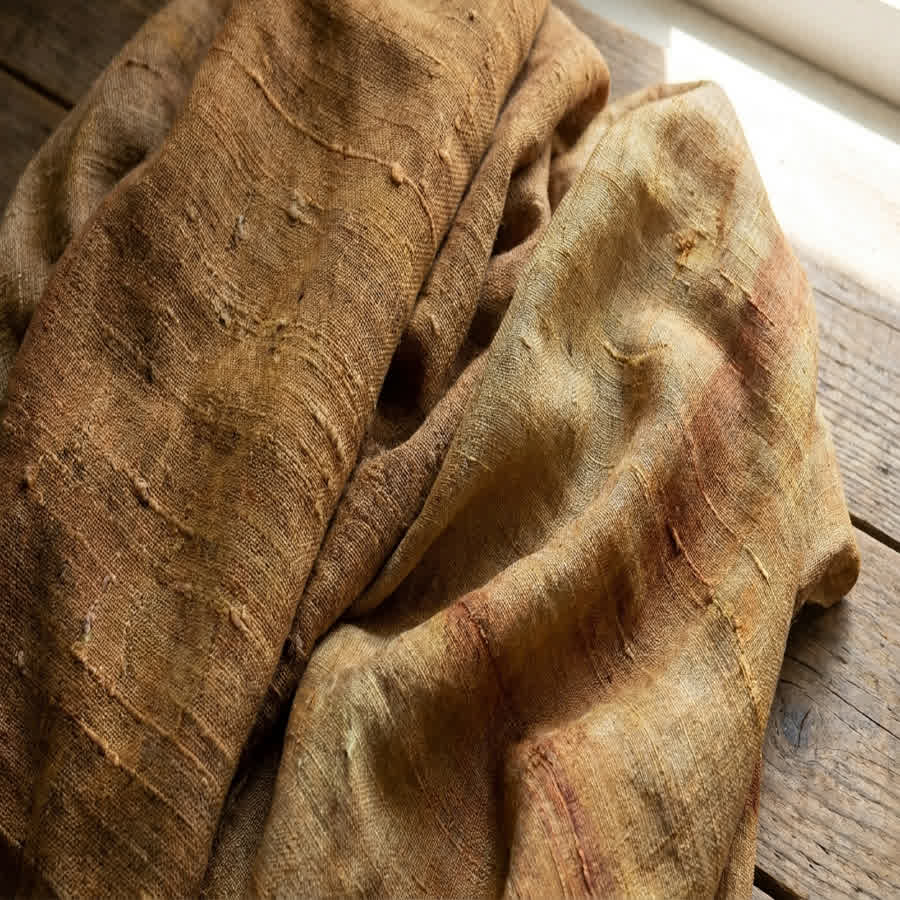
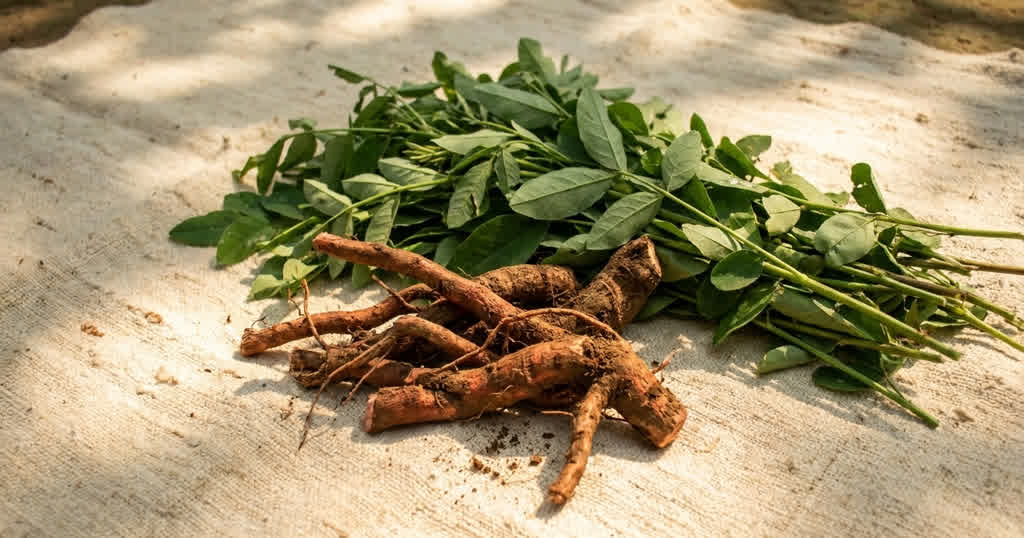
Achieving vibrant, lasting color without toxic effluent requires a deep understanding of natural dye chemistry. Unlike synthetic dyes that coat the fiber in microplastics, azo-free dyes and plant-based extracts penetrate the fiber structure. This process requires the use of natural mordants, the metallic salts or plant extracts that fix color to the fiber, to bind the pigment permanently to the yarn.
The application of these dyes involves several precise technical steps:
- Scouring the raw fiber: Removing natural waxes and impurities from the cotton or peace silk to ensure even dye uptake.
- Applying the mordant: Treating the yarn with alum or myrobalan (harda) to create a chemical bridge between the fiber and the dye molecule.
- Temperature-controlled dyeing: Submerging the yarn in vats of madder, indigo, or marigold extract at specific temperatures to maximize colorfastness.
- Curing and oxidation: Allowing the dyed yarns to rest and oxidize in the open air, which deepens the shade and improves wash fastness.
Mastering these variables allows brands to offer rich, stable palettes while maintaining strict zero-waste credentials in their water management.
Understanding Sustainable Fashion Trends: Moving Beyond Greenwashing
Moving beyond greenwashing requires brands to abandon vague eco-friendly labels in favor of verifiable artisan partnerships and fully transparent sourcing data. Current sustainable fashion trends demand that designers prove their claims through traceable supply chains and measurable reductions in environmental impact. Buyers and consumers now scrutinize the origin of every fiber, making transparent traceability a mandatory baseline for market entry.
The Shift Toward Traceability
For years, the market was saturated with collections marketed simply as organic or natural, with little evidence to back up the claims. Today, a B2B sourcing director must secure documentation that tracks the material from the cotton farm to the final weaving cluster. This level of detail protects the brand from accusations of greenwashing and builds trust with an increasingly educated consumer base.
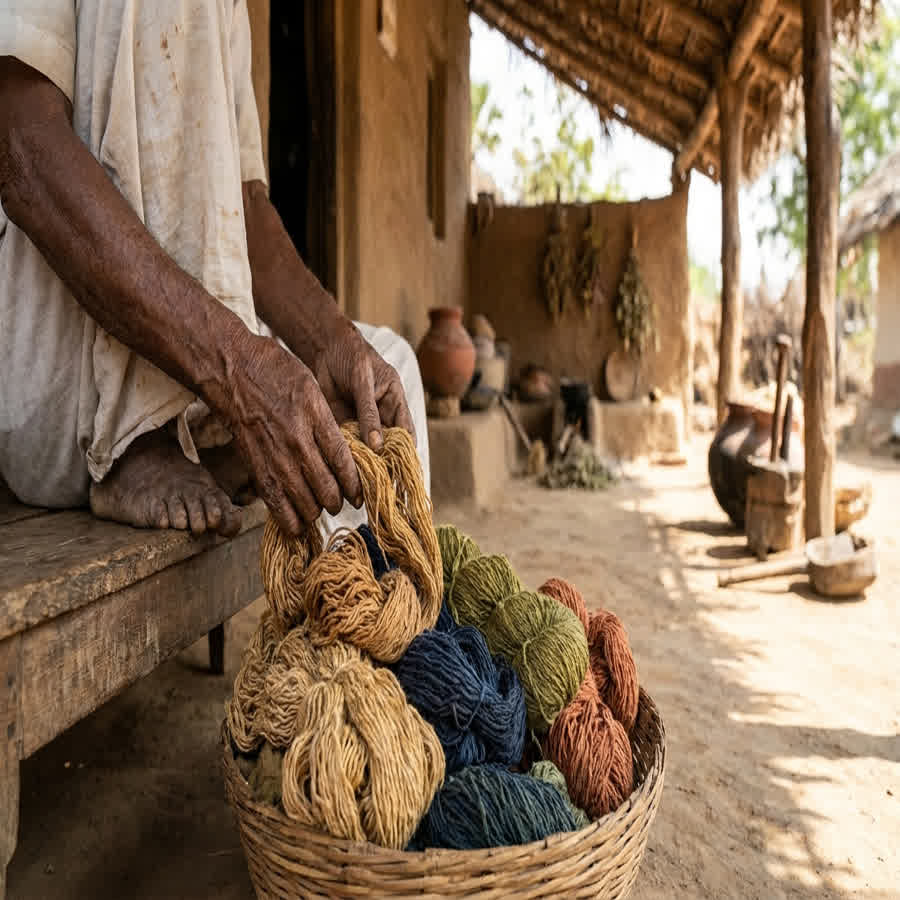
Implementing this transparency means mapping out the exact locations of the rural Indian weavers and the spinning facilities involved. When a brand can name the specific district in Bengal where their low-impact bespoke fabrics were woven, they transition from selling a product to sharing a documented origin story. This factual density is what separates authentic sustainable design fashion from mass-market imitations.
Building Authentic Artisan Partnerships
Replacing transactional vendor relationships with long-term artisan partnerships is the most effective way to secure a reliable, ethical supply chain. These collaborations provide rural weaving communities with financial stability while giving designers access to exclusive, heritage-driven sustainability techniques. It is a mutually beneficial structure that prioritizes human welfare alongside environmental goals.
To establish these partnerships effectively, brands should focus on several key operational shifts:
- Committing to continuous orders: Providing steady work across seasons rather than one-off capsule collections, ensuring economic stability for the artisans.
- Accepting natural variations: Educating consumers that slight differences in the crisp hand-feel or color shade are proof of authentic hand-crafted processes.
- Co-developing textiles: Working directly with master weavers to experiment with new GSM variations and natural dye combinations.
- Funding community infrastructure: Investing in better lighting, ergonomic looms, or water filtration systems for the decentralized weaving clusters.
These actions solidify a brand's reputation within the sustainable fashion industry and guarantee a consistent supply of premium materials.
Building a Decentralized Supply Chain for Your Sustainable Brand
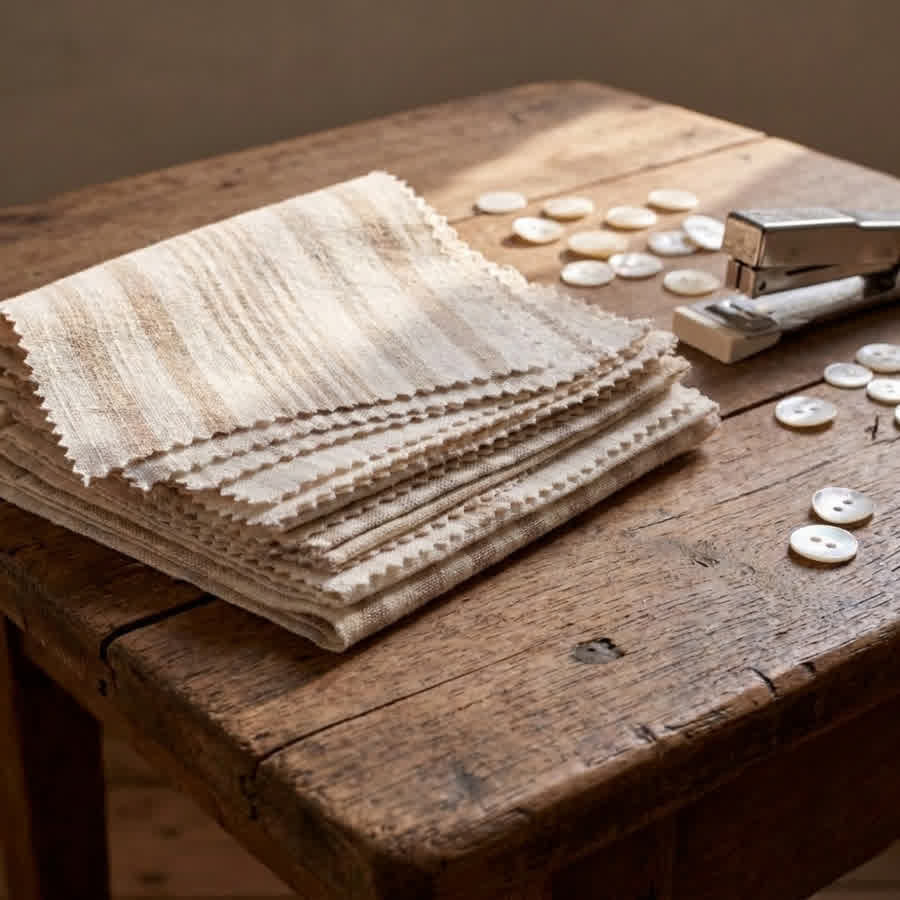
Building a decentralized supply chain involves partnering directly with rural weaving clusters to secure low minimum order quantities and integrate authentic slow design narratives into your production cycle. By working with an established network like Anuprerna, sustainable fashion designers can bypass industrial bottlenecks and source bespoke textiles with complete transparency. This direct access empowers brands to scale their operations ethically without compromising on their core values.
Managing Lead Times and MOQs
One of the primary hurdles for a boutique brand founder is meeting the massive Minimum Order Quantities (MOQs) demanded by conventional textile mills. A decentralized model solves this by allowing for much smaller, bespoke runs. Because the looms are operated manually, artisans can set up a warp for as little as 20 to 50 meters, making low MOQs a reality for independent creators.
However, this flexibility requires a shift in production scheduling. Hand-spinning and handloom weaving are meticulous processes that cannot be rushed by turning up a machine. Designers must account for longer lead times, typically factoring in 60 to 90 days for the completion of a custom order. Planning collections around these natural rhythms is a fundamental aspect of sustainable fashion design.
Integrating Handloom into Modern Production
Successfully merging traditional textiles with contemporary garment manufacturing requires clear communication and technical preparation. Handwoven fabrics behave differently on the cutting table than their power-loom counterparts. They often possess a distinct tactile, porous texture and may require specific handling techniques to prevent fraying or distortion during assembly.
To ensure a successful production run, sourcing teams should implement the following protocols:
- Requesting pre-production strike-offs: Ordering small sample yardage to test dye uptake and shrinkage before committing to the full volume.
- Standardizing washing instructions: Establishing clear guidelines for the cutting facility to pre-wash the cellulosic and protein fibers to eliminate residual shrinkage.
- Adjusting pattern tolerances: Modifying seam allowances to accommodate the natural give and slight irregularities inherent in hand-spun textiles.
- Documenting the supply chain: Gathering all necessary data from the artisan partnerships to populate the brand's transparency reports and marketing materials.
By respecting the technical realities of the craft, brands can successfully deliver high-performance, low-impact bespoke fabrics to the modern market.
frequently asked questions
How does slow design impact the lead times for B2B textile sourcing?
Slow design relies on hand-crafted processes like hand-spinning and handloom weaving, which naturally extend production schedules. While lead times are longer (typically 60-90 days for bespoke orders) compared to power looms, it allows for lower MOQs, zero-waste customization, and a verifiable ethical narrative that modern consumers demand.
What are the ideal GSM ranges for sustainable fashion designers working with handloom fabrics?
For summer apparel, designers prefer 40-80 GSM (e.g., fine Muslin or Jamdani) to maximize breathability and drape. For trans-seasonal wear, 100-150 GSM (standard Khadi or Linen) is ideal, offering excellent structure while maintaining high tensile strength for long-term durability.
How can ethical fashion designers ensure colorfastness when using natural dyes?
Colorfastness in natural dyes is achieved through precise mordanting techniques using natural binders like alum or myrobalan (harda). While natural dyes may gently evolve over time, a hallmark of authentic sustainable fashion design, proper curing and strict B2B washing instructions ensure commercial viability and lasting vibrancy.
Why is a decentralized supply chain crucial for the sustainable fashion industry?
Decentralization reduces the carbon footprint associated with massive industrial factories by relying on off-grid, human-powered production. It empowers rural artisans directly, prevents forced urban migration, and ensures that wealth is distributed equitably at the grassroots level of the textile economy.
What role do cellulosic and protein fibers play in sustainable fashion design?
Cellulosic and protein fibers provide the biodegradable foundation necessary for true circularity in garment production. Unlike synthetic blends that shed microplastics, natural materials like cotton, linen, and peace silk decompose safely at the end of their lifecycle while offering superior breathability and dye uptake during wear.
More Blogs

how celebrities who care about the environment are changing fashion
life cycle assessment (lca) in fashion: measuring your brand's true impact
how to source ethical raw silk for your fashion label
top commercial uses of natural dyes in sustainable fashion
how eco friendly celebrities are changing the fashion industry
how to become an ethical fashion designer: a sourcing guide