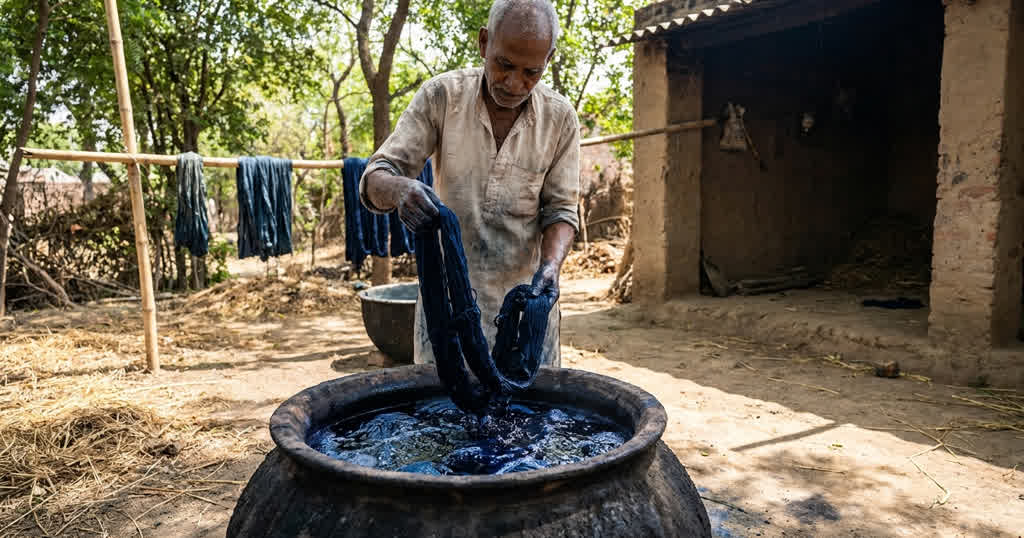
Colorfastness in Natural Dyes: How to Prevent Fading in Eco-Friendly Fabrics

A beautifully crafted botanical collection reaches the shop floor, only to face high return rates when deep indigos and rich madders wash out after a single laundry cycle. Achieving reliable colorfastness in natural dyes is the defining technical challenge for sustainable fashion collections. Without a stable bond between pigment and yarn, eco-friendly garments quickly lose their visual appeal. This rapid fading damages brand trust and increases textile waste, defeating the purpose of sustainable sourcing.
The solution lies in the intersection of ancient artisan chemistry and modern sourcing standards. By understanding how plant-based pigments interact with specific fibers, designers can specify fabrics that retain their rich, earthy depth over time. Mastering this process ensures that sustainable collections offer both environmental integrity and the commercial durability required for everyday wear. It allows brands to confidently scale their eco-conscious lines without fearing excessive customer returns.
The Chemistry of Colorfastness: How Natural Dyes Bond with Handloom Fibers
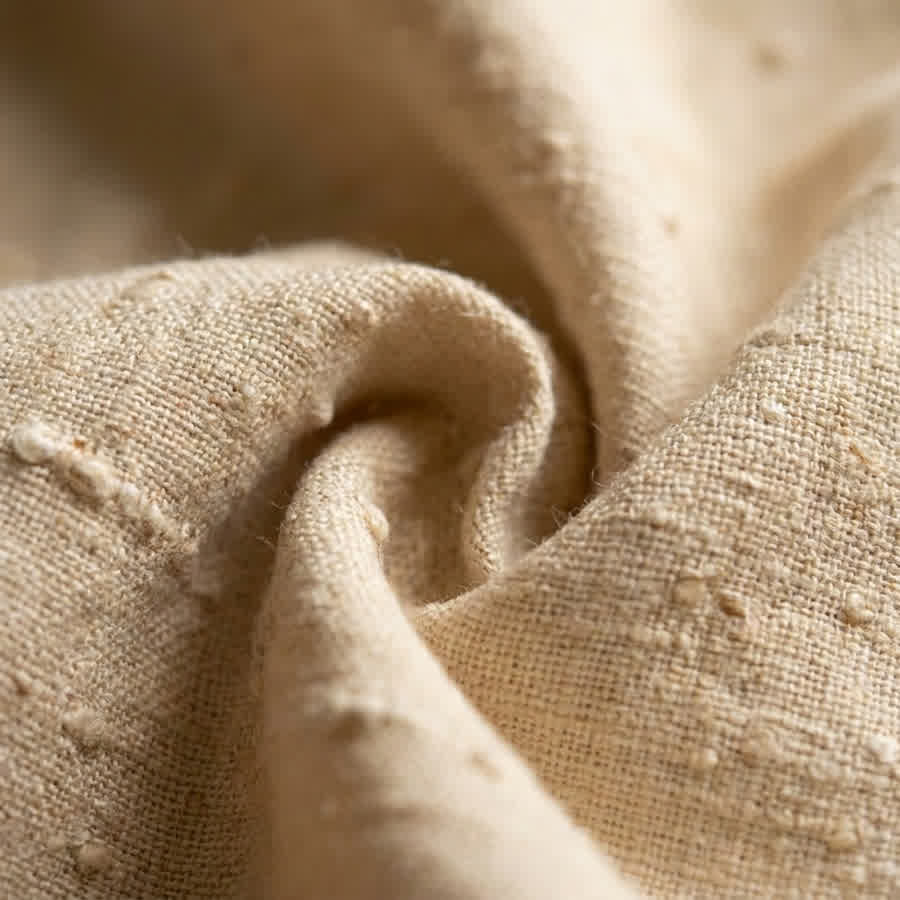
Natural dyes bond permanently with handloom fibers only when a specific molecular affinity is created between the plant pigment and the textile structure. Protein fibers like silk contain natural amino acids that readily accept botanical pigments. Cellulosic fibers, however, require a complex preparation process to hold color effectively over time.
The Challenge of Cellulosic Fibers
Cotton and linen lack the natural bonding sites found in animal-derived fibers. When a designer specifies a lightweight 80-150 GSM cotton for a summer collection, the raw fiber naturally repels most botanical pigments. If dye is applied directly to these cellulosic fibers, the color will simply sit on the surface. This results in pigments that wash away immediately during the first laundry cycle.
To solve this, artisans must alter the molecular structure of the yarn before any color is introduced. This preparation phase is non-negotiable for achieving lasting dye-fiber affinity. Without it, even the most concentrated dye baths will result in weak, fugitive shades that fail commercial standards.
The Role of Tannin Pre-Mordanting
The critical bridge between a plant pigment and a cotton yarn is tannin. In traditional Indian dyeing, artisans use bio-mordants like Harda, also known as Myrobalan, to treat the raw fabric. This natural astringent coats the fibers, creating the necessary chemical anchors for the next stage of the process.
- Harda application: The fabric is soaked in a Myrobalan bath, giving the cotton a slight yellowish tint and preparing it for metallic salts.
- Creating bonding sites: The tannins form a complex with the cellulose, allowing the fabric to attract and hold metallic mordants securely.
- Ensuring even uptake: Proper tannin application guarantees that the final color will be uniform across the entire handloom weave.
By meticulously applying these tannin-based pre-mordants, artisans transform resistant cotton into a highly receptive canvas. This foundational chemistry is what makes lasting colorfastness in natural dyes possible on plant-based textiles. It ensures the pigment integrates deeply into the yarn.
Mordanting Mastery: The Artisan’s Secret to Commercial-Grade Durability
Commercial-grade durability in botanical dyeing is achieved through a precise, standardized mordanting process using metallic salts to lock pigments into the fiber. Once the fabric is treated with tannins, it requires a fixing agent to make the color permanent. This step is where traditional craft meets modern performance requirements.
Traditional Metallic Salts
In heritage Indian dyeing traditions like Kalamkari and Ajrakh, artisans have long mastered the use of naturally occurring metallic salts. The most common and reliable of these is aluminum potassium sulfate, widely known as alum. When alum interacts with the tannin-treated cotton, it forms an insoluble compound inside the fiber.
- Alum for brights: Alum is used to fix pigments like madder, producing vibrant, warm reds and deep oranges.
- Iron rust for darks: Ferrous acetate, derived from iron rust, is applied to shift colors toward black or to create deep, muted greys.
- Permanent fixation: The metallic salt acts as a chemical binder, ensuring the natural pigments cannot be easily washed out by water.
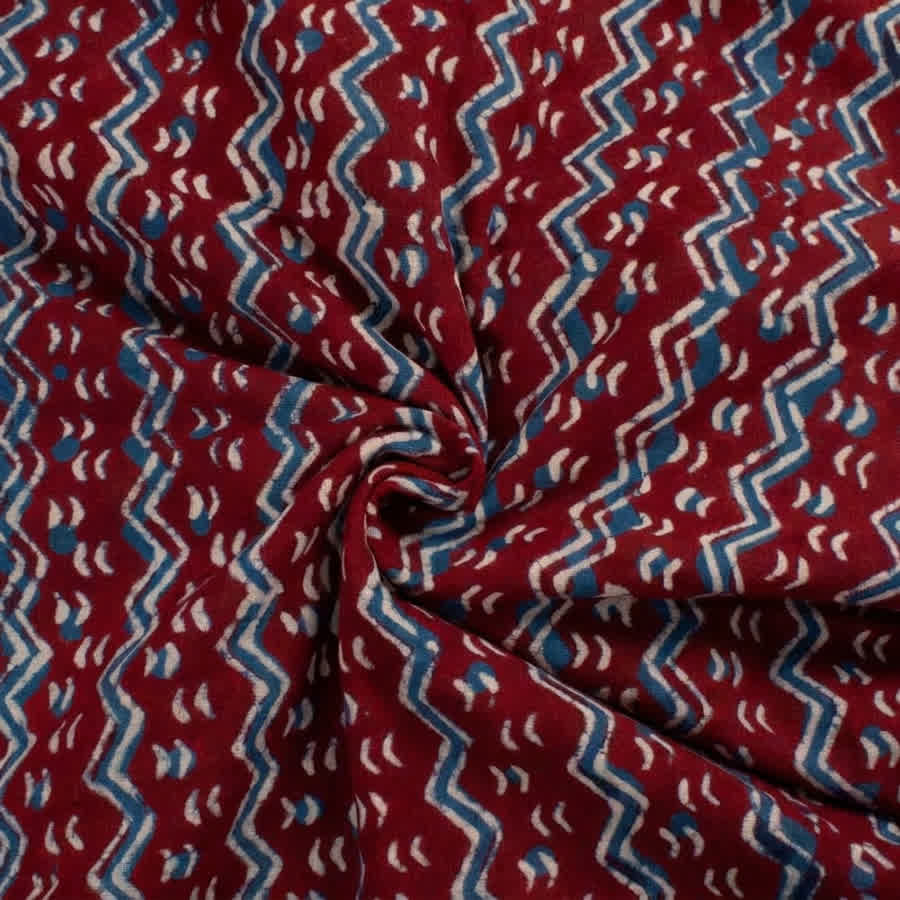
This double-mordanting technique is the backbone of colorfastness in natural dyes for commercial applications. It ensures the pigment is not just resting on the fabric, but is chemically integrated into the yarn itself.
Standardizing Artisan Techniques
While the chemistry is ancient, applying it consistently across a decentralized artisan network requires rigorous standardization. We work closely with rural clusters across Bengal and beyond to ensure that every batch of botanical dye follows exact mordanting protocols. This consistency is vital for brands that need reliable performance across large production runs.
By controlling the temperature, pH, and duration of the mordant baths, artisans can predict how the fabric will behave. This careful management of bio-mordants and metallic salts mitigates the risk of excessive fading. It allows designers to confidently source naturally dyed textiles, knowing the colors are engineered to last through repeated wear.
Measuring Longevity: ISO Standards for Wash, Light, and Crocking Fastness
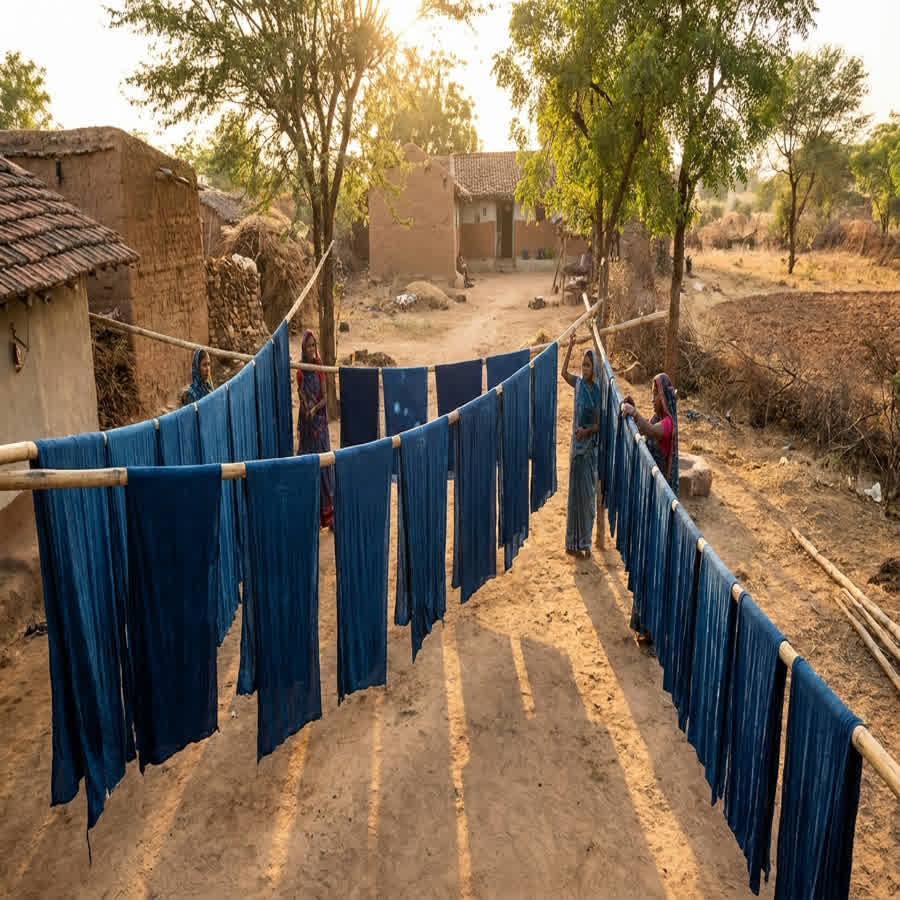
Naturally dyed fabrics are evaluated for longevity using global ISO 105 testing standards to ensure they meet the rigorous demands of the modern apparel market. Evaluating colorfastness in natural dyes through standardized laboratory testing bridges rural craft with international compliance. This data provides buyers with the confidence needed to scale sustainable collections.
Wash and Light Fastness
The two most critical metrics for everyday garments are how they handle laundry and sunlight. We measure these properties using established ISO 105 standards, ensuring transparency for sourcing teams. Fastness is typically graded on a grayscale from 1 to 5, with higher numbers indicating better resistance to fading.
- Wash fastness (ISO 105-C06): This tests the fabric's resistance to fading and bleeding during domestic washing. Properly mordanted natural dyes typically achieve a commercially viable rating.
- Light fastness (ISO 105-B02): This measures how well the natural pigments resist fading under UV exposure. Indigo and madder perform exceptionally well, while certain yellows require careful application.
- Predictable performance: Providing these ratings helps designers select the right botanical dye for the specific end-use of the garment.
By aligning traditional dyeing with these global compliance metrics, we remove the guesswork from sustainable sourcing. Designers can review the data and make informed decisions about fabric selection.
Managing Crocking in Deep Shades
Another vital measurement is rubbing fastness, often referred to as crocking. Tested under ISO 105-X12, this evaluates how much color transfers from the fabric to other surfaces through physical friction. This is particularly relevant for heavy, saturated shades.
Deep colors like pure indigo naturally exhibit some degree of initial crocking. The pigment builds up in layers on the cellulosic fibers, and the outermost layer may rub off during the first few wears. By understanding these crocking fastness ratings, brands can implement pre-wash treatments in their manufacturing process. This ensures the final garment is clean and stable for the consumer.
Designing with 'Living Colors': Educating the End-Consumer
Brands can successfully market naturally dyed garments by framing their gentle, natural fading as a premium feature of 'living colors' rather than a manufacturing defect. Unlike synthetic chemical dyes that remain stark and static, botanical pigments evolve. This natural aging process is a hallmark of authentic artisan heritage and should be celebrated.
The Beauty of Botanical Patina
When a garment is dyed with roots, bark, and leaves, it interacts with the wearer's environment. Over time, these eco-friendly fabrics develop a unique patina, softening into muted, complex hues that synthetic dyes cannot replicate. This evolution is a core principle of slow fashion.
- Graceful aging: Natural dyes do not wash out completely; instead, they mellow, creating a soft, lived-in aesthetic.
- Unique character: Because of subtle batch variations, every piece develops its own distinct botanical patina over years of wear.
- Traceable origins: The changing color serves as a visual reminder of the fabric's rural artisan roots and organic origins.
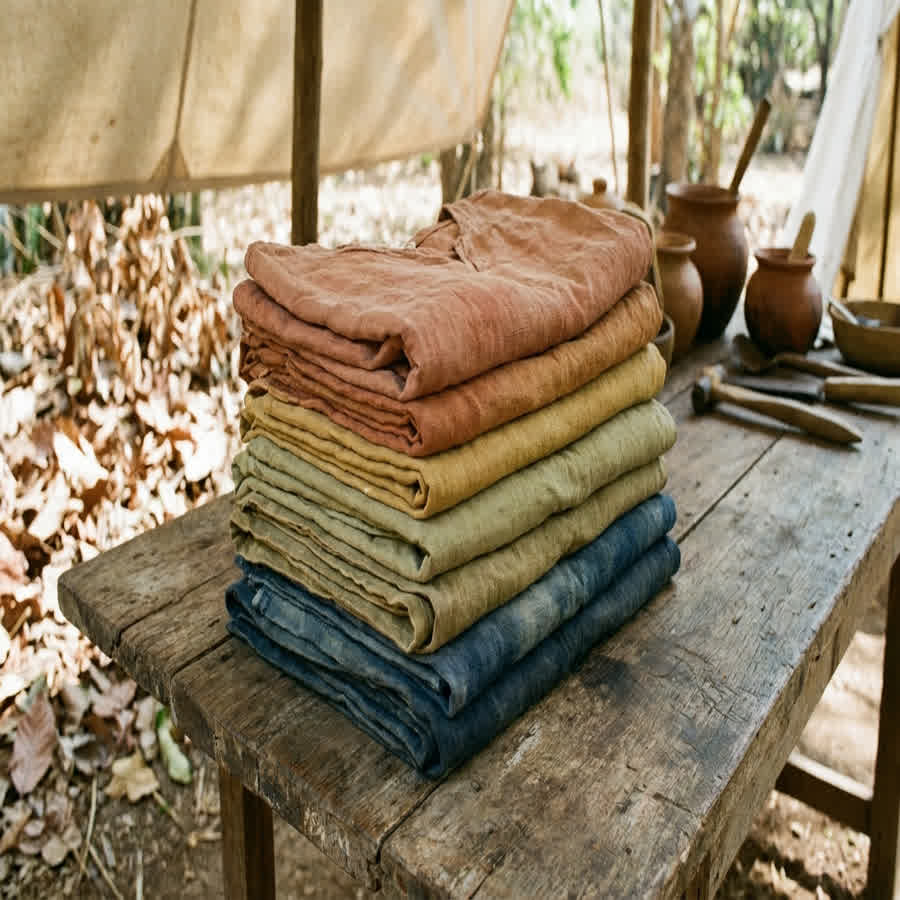
By designing collections with this evolution in mind, brands can offer products that grow more beautiful with age. This approach shifts the value proposition from static perfection to dynamic, sustainable luxury.
Strategic Consumer Communication
To prevent customer dissatisfaction, proactive education is essential. Sourcing managers and designers must ensure that care labels and marketing materials clearly explain the nature of living colors. When consumers understand the science and craft behind the textile, their expectations align with reality.
Brands should advise customers to wash these garments gently in cold water and dry them in the shade to preserve the natural pigments. By transparently communicating the care requirements and the expected color evolution, companies build deeper trust. This narrative transforms a potential customer service issue into a powerful story of authentic artisan heritage, support long-term brand loyalty.
frequently asked questions
What is the average wash fastness rating for Anuprerna's naturally dyed handloom cotton?
Through rigorous double-mordanting techniques using natural tannins and alum, our naturally dyed cottons typically achieve a 3 to 4 rating on the ISO 105 grayscale for wash fastness, making them highly suitable for commercial apparel. This rating ensures that the garments withstand standard domestic washing cycles without severe color degradation. We achieve this consistency by strictly controlling the temperature and pH of our dye baths across all artisan clusters.
Do natural dyes bleed onto other fabrics during the first wash?
Some initial 'crocking' or release of unfixed surface dye can occur, particularly with deep shades like indigo or madder. We recommend that B2B buyers incorporate an enzyme or pre-wash stage in their manufacturing process and advise end-consumers to wash garments separately in cold water for the first few cycles. Once the loose surface pigment is cleared, the chemically bonded color remains stable within the yarn.
How does sunlight affect the colorfastness in natural dyes?
Lightfastness varies significantly by the botanical source. Indigo and Madder have excellent UV resistance (rating 4+), while dyes like turmeric are highly fugitive. Anuprerna consults with B2B buyers to select the appropriate dye sources based on the garment's intended use and exposure. We guide designers toward the most resilient pigments for outerwear, reserving more delicate dyes for evening or indoor apparel.
Can we achieve exact Pantone matches with high colorfastness using natural dyes?
Natural dyes inherently produce batch-to-batch variations (typically 5-10%) due to soil, climate, and water differences. Instead of exact Pantones, we work with 'shade bands.' We ensure that the colorfastness remains consistent across these bands through standardized mordanting protocols. This approach guarantees technical performance while honoring the organic nature of the botanical ingredients.
Can natural dyes be applied to all types of fabric blends?
Natural dyes bond best with 100% natural fibers, and applying them to synthetic blends often results in uneven color uptake and poor fastness. We recommend using pure cellulosic or protein fibers, such as 100% handloom cotton or silk, to ensure the mordants and pigments can penetrate and fix properly within the yarn structure. Blends containing polyester or nylon will resist the natural tannins, leading to a washed-out appearance.
More Blogs
how to wash and maintain khadi denim jeans for longevity
why fabric wholesale orders fail after sampling (and how to prevent it)
eri silk for real life: what online buyers rarely understand before they click “buy”
why organic fabric suppliers are growing in india
jacquard fabric in modern fashion
how silk manufacturers preserve traditional craftsmanship