Top Commercial Uses of Natural Dyes in Sustainable Fashion

Designers are facing mounting regulatory pressure to eliminate toxic azo dyes and reduce water pollution in their supply chains. Understanding the commercial uses of natural dyes is no longer a niche craft pursuit, but a critical sourcing strategy for brands needing verifiable sustainability. Transitioning from synthetic chemical baths to indigenous botanicals requires a fundamental shift in how we approach color consistency, fabric compatibility, and production timelines.
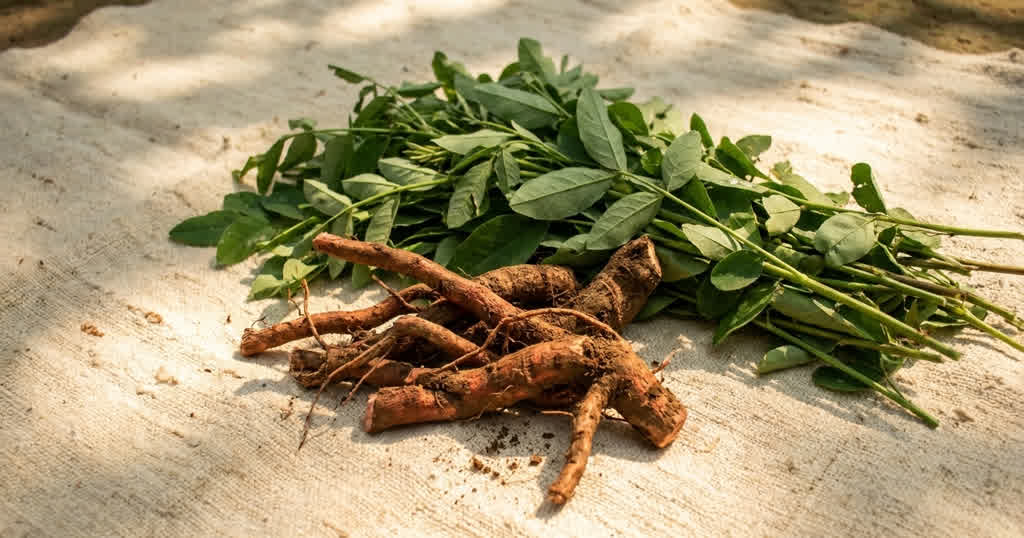
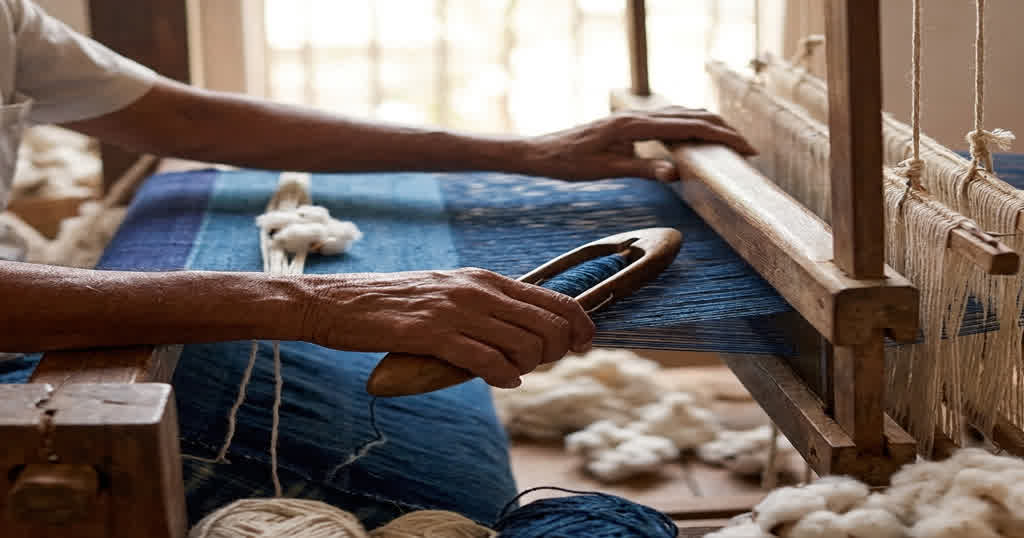
The story of these pigments begins in rural Bengal, where multi-generational artisan clusters process Rubia cordifolia (Indian Madder) and Indigofera tinctoria (True Indigo). By integrating these ancient techniques with modern B2B fashion requirements, brands can market a high-value, hypoallergenic product. This guide details how decentralized handloom weavers apply these natural pigments to commercial yardage, ensuring both ethical sourcing and technical performance.
Scaling Tradition: Commercial Uses of Natural Dyes in B2B Apparel
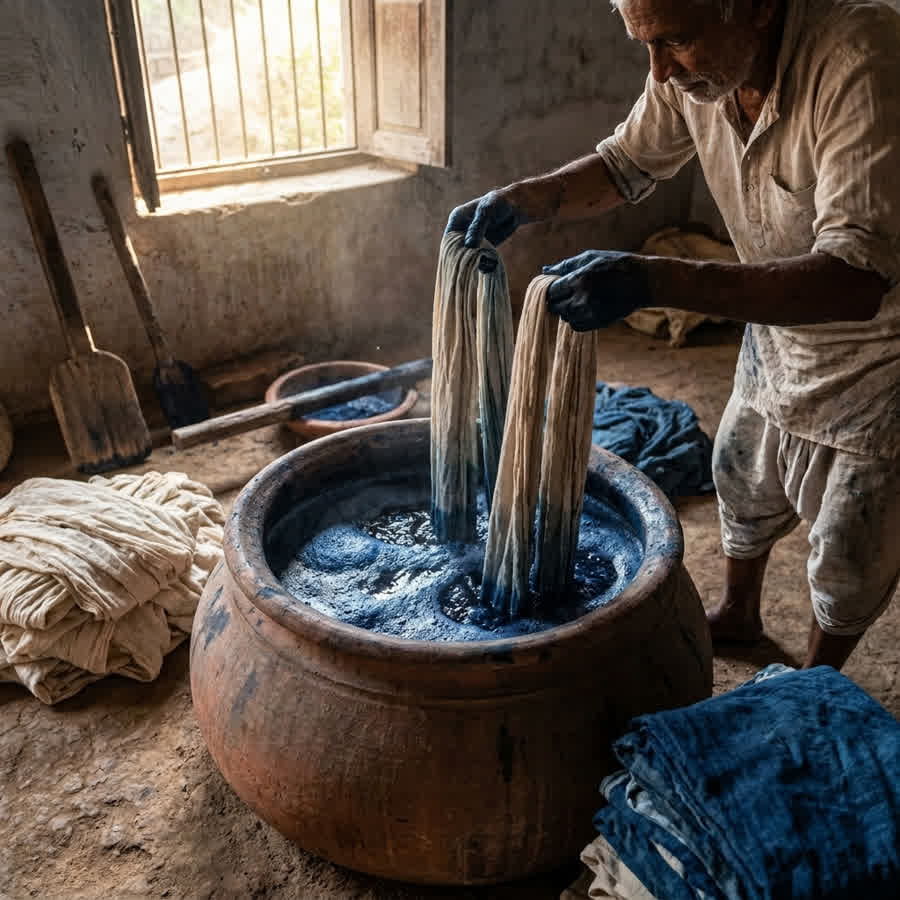
The primary commercial uses of natural dyes in B2B apparel involve dyeing bulk yardage, ready-to-wear collections, and home textiles using standardized vat processes that bridge artisanal craft with scalable production. Brands are replacing synthetic chemical baths with plant-based pigment extraction to meet strict ESG compliance without sacrificing aesthetic appeal. This transition allows independent designers to build collections around verifiable sustainability and rich, earthy color palettes.
Transitioning to Bulk Yardage
Scaling natural color requires precise control over the dye vat concentration and temperature. Artisans in rural Bengal utilize large-scale fermentation vats to process commercial fabric yardage consistently. This method ensures that the pigment absorption rate remains steady across hundreds of meters of handloom fabric.
To maintain quality during bulk production, we monitor several critical variables:
Transitioning to Bulk Yardage (continued)
- Raw material weight ratios: Balancing the exact weight of botanical matter against the fabric weight.
- Water temperature regulation: Keeping the vat at optimal heat to prevent pigment degradation.
- Immersion timing: Standardizing the duration the fabric spends in the dye bath for uniform shade depth.
- Oxidation cycles: Allowing sufficient air exposure between dips to fix indigo pigments securely.
Application in Ready-to-Wear Collections
For ready-to-wear garments, designers require predictable color replication across different production runs. We achieve this by standardizing the extraction of indigenous botanicals like Indian Madder and True Indigo. The resulting fabrics offer a soft, breathable hand-feel that appeals directly to eco-conscious consumers.
Integrating these dyes into modern collections provides distinct advantages for B2B sourcing:
- Hypoallergenic properties: Creating garments safe for sensitive skin by eliminating toxic azo dyes.
- Supply chain transparency: Offering a clear farm-to-fabric narrative from plant harvesting to final garment.
- High-value positioning: Allowing brands to market the artisanal heritage embedded in the textile.
By aligning traditional techniques with modern quality control, decentralized clusters successfully deliver commercial-grade natural textiles to the global fashion market.
Cellulosic vs. Protein Fibers: Material Compatibility for Botanical Dyes
Natural dyes bond differently based on fiber structure, requiring distinct mordanting processes to successfully adhere to cellulosic fibers like cotton and linen versus protein fibers like silk. Understanding this chemical bonding behavior is essential for designers selecting fabrics for their sustainable collections. The inherent properties of the yarn dictate the final shade intensity and color longevity.
Dyeing Cellulosic Fibers
Plant-based fibers, such as Kala cotton and linen, possess a dense molecular structure that naturally resists dye uptake. To achieve deep, lasting colors on these cellulosic textiles, artisans must apply a multi-step preparation process. This involves treating the yarn with natural tannins before introducing the botanical pigments.
The process for preparing cotton and linen includes:
Dyeing Cellulosic Fibers (continued)
- Tannin application: Soaking the fabric in Myrobalan extract to create a receptive base layer.
- Mordant bonding: Applying eco-friendly metallic salts to bridge the tannin and the dye molecule.
- Pigment saturation: Submerging the prepared yarn into the dye vat for extended periods.
- Curing time: Allowing the wet fabric to rest, ensuring the color molecules fully penetrate the bast fiber.
Dyeing Protein Fibers
In contrast, protein fibers like Ahimsa silk and wool have a high natural affinity for botanical dyes. The amino acids present in silk readily accept natural pigments, often requiring less intensive mordanting to achieve brilliant, saturated hues. This makes silk an excellent canvas for the vibrant reds of Rubia cordifolia.
When working with silk, we observe specific technical benefits:
- Sericin retention: Gentle natural dyeing preserves the protective protein coating of the silk yarn.
- High dye uptake: The fiber structure absorbs color molecules rapidly and efficiently.
- Lustrous finish: The interaction between the dye and the silk yields a rich, reflective sheen.
By matching the correct dyeing protocol to the specific fiber type, we ensure the uses of natural dyes meet commercial expectations for both beauty and durability.
Achieving Commercial Colorfastness: The Science of Eco-Friendly Mordants

Commercial colorfastness in natural dyeing is achieved through the precise application of eco-friendly metallic salt mordants, such as alum and iron, which chemically bind the pigment to the fiber. This scientific approach ensures that botanical colors meet rigorous ISO 105 standards for wash and light resistance. By avoiding harsh synthetic fixatives, we maintain a completely non-toxic profile suitable for sustainable apparel.
The Role of Potassium Aluminum Sulfate
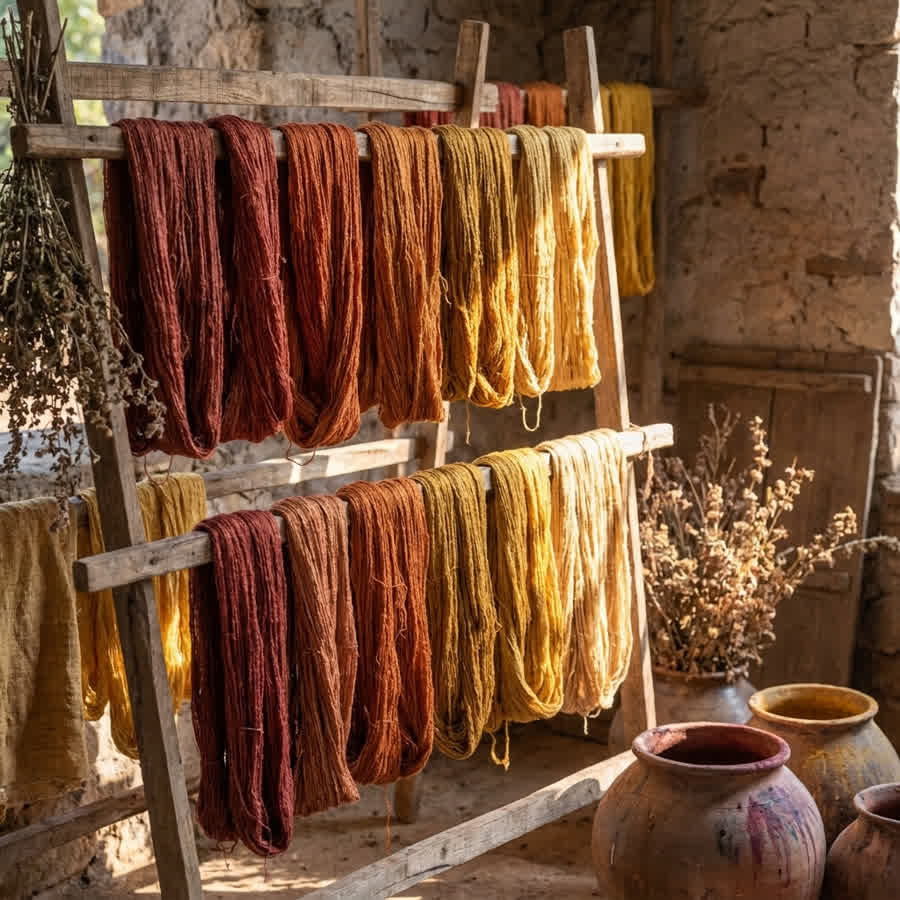
To lock colors into the fabric, artisans utilize potassium aluminum sulfate (alum) as a primary mordant. Alum acts as a chemical bridge, creating a permanent bond between the cellulosic fiber and the dye molecule. This process is essential for producing bright, stable shades of yellow, red, and orange from indigenous botanicals.
Using alum provides several critical advantages for B2B production:
The Role of Potassium Aluminum Sulfate (continued)
- Wash fastness: Preventing pigment bleeding during standard consumer laundering cycles.
- Light fastness: Protecting the fabric from rapid fading when exposed to ultraviolet light.
- Hypoallergenic safety: Ensuring the final garment remains free from heavy metal toxicity.
- Shade clarity: Enhancing the natural brightness of the botanical extract without muddying the tone.
Preserving Fabric Integrity
Unlike conventional synthetic dyeing, which relies on high-temperature alkaline baths, natural mordanting is a gentle process. Harsh chemical scouring can strip fibers and cause alkaline degradation, weakening the yarn. Our natural methods preserve the inherent tensile strength of the handloom fabric.
This gentle processing directly impacts the physical specifications of the textile:
- Natural GSM integrity: The fabric retains its original weight and density without chemical thinning.
- Structural durability: The yarn maintains its natural elasticity, preventing premature fiber breakage.
- Tactile quality: The finished textile delivers a soft, organic drape that synthetic treatments often destroy.
By mastering the science of eco-friendly mordants, decentralized clusters expand the uses of natural dyes for fashion brands seeking environmentally responsible textiles.
Traceability in the Vat: Sourcing from Decentralized Artisan Clusters
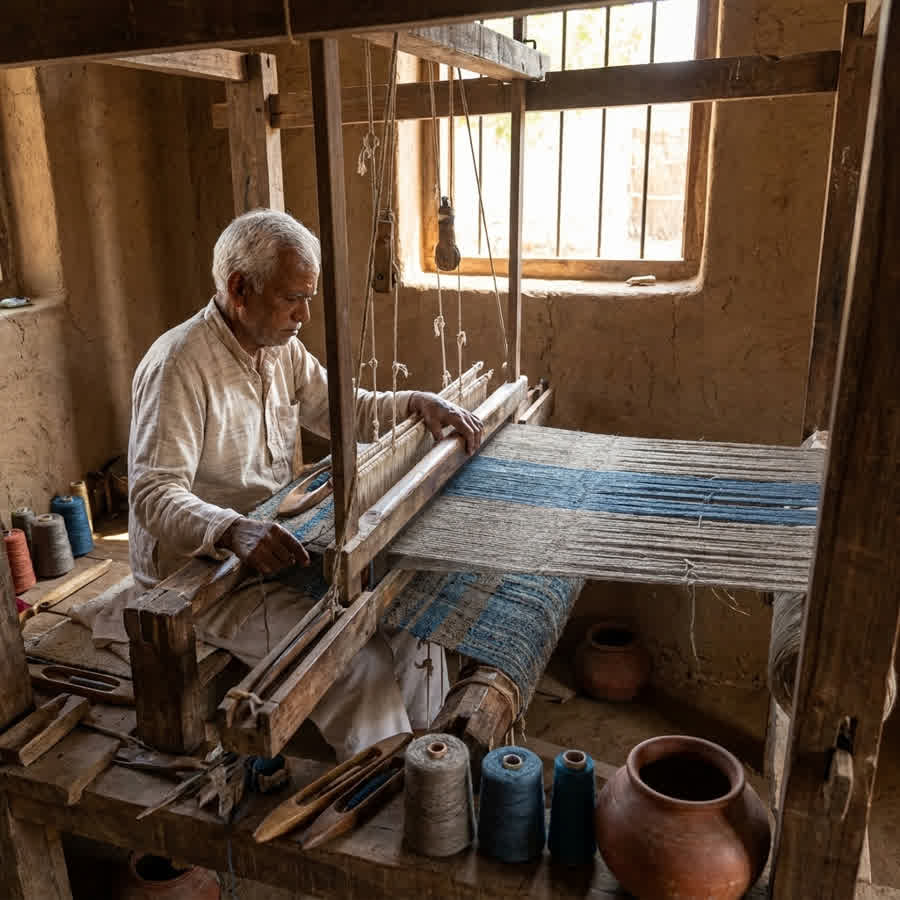
Sourcing from decentralized artisan clusters ensures traceability by mapping every step of the production process, from the harvesting of indigenous botanicals to the final handloom weaving in rural Bengal. For B2B fashion brands, this transparent supply chain model provides the verifiable data needed to back up sustainability claims. We integrate traditional natural dyeing with handloom textiles to offer a highly ethical sourcing solution.
Empowering Rural Bengal Clusters
Our production relies on a network of multi-generational artisan clusters rather than centralized, fossil-fuel-dependent factories. These artisans possess deep, localized knowledge of processing materials like Kashish (natural iron rust) and Indigo. By keeping production within these rural communities, we ensure fair compensation and preserve ancient dyeing traditions.
This decentralized approach offers significant environmental and social benefits:
Empowering Rural Bengal Clusters (continued)
- Lower carbon footprints: Eliminating the heavy machinery and energy consumption typical of industrial dye houses.
- Water conservation: Utilizing localized, low-impact vat dyeing techniques that prevent severe water pollution.
- Ethical artisan compensation: Directing revenue straight to the skilled weavers and dyers.
- Authentic heritage: Embedding a genuine cultural narrative into every yard of fabric.
Meeting B2B Sourcing Demands
Modern sourcing managers require more than just a beautiful fabric; they need consistent quality and reliable production timelines. We bridge the gap between rural craft and commercial viability by implementing strict quality control protocols at the cluster level. This ensures that the uses of natural dyes translate effectively into scalable B2B operations.
To guarantee reliability, we focus on specific operational metrics:
- Standardized MOQ processing: Structuring vat sizes to accommodate commercial yardage requirements.
- Shade consistency tracking: Documenting the exact botanical recipes used for each production batch.
- Defect minimization: Inspecting the selvedge and weave before and after the dyeing process.
By partnering with these decentralized clusters, brands secure a reliable source of ESG-compliant textiles while actively supporting rural economic development.
frequently asked questions
Can natural dyes achieve the same colorfastness as synthetic azo dyes for commercial fashion?
While natural dyes have a different aging profile, utilizing precise **eco-friendly mordanting techniques** allows them to achieve **commercial-grade colorfastness** that meets **ISO 105 standards** for wash and light resistance. A natural, graceful fading over years is often marketed as a unique characteristic of the living color. By optimizing the **vat dyeing process** with alum or iron, artisans ensure the pigments bond securely to the fiber.
What are the most scalable natural dyes for bulk B2B textile production?
**True Indigo** (blue), **Indian Madder** (reds/pinks), Marigold/Myrobalan (yellows), and Kashish/Iron (greys/blacks) are highly scalable for **bulk production**. These rely on abundant, renewable raw materials and well-established traditional vat dyeing processes that can handle **commercial yardage**. Their consistent availability makes them ideal for B2B fashion brands requiring reliable seasonal sourcing.
How does the natural dyeing process affect the GSM and tensile strength of handloom fabrics?
Natural dyeing is a gentle process that preserves the inherent **tensile strength** of the fiber and does not significantly alter the fabric's **natural GSM**. Unlike synthetic dyeing, which often requires harsh chemical scouring and high-temperature **alkaline baths** that can degrade fibers, botanical dyeing maintains the yarn's **structural integrity**. This results in a finished textile that retains its natural drape, breathability, and longevity.
Are natural dyes compatible with all types of commercial fabrics?
Natural dyes are exclusively compatible with **natural fibers** and cannot be used effectively on **synthetic materials** like polyester or nylon. They form excellent chemical bonds with **protein fibers** (like silk and wool) and **cellulosic fibers** (like cotton, linen, and hemp) when properly mordanted. The molecular structure of synthetics simply does not absorb or retain botanical pigments.
What is the role of mordants in the commercial natural dyeing process?
Mordants act as a **chemical binder** that permanently fixes the **natural pigment** to the textile fiber, ensuring **commercial colorfastness**. By using eco-friendly metallic salts like **potassium aluminum sulfate**, artisans can lock in the color without introducing toxic heavy metals into the supply chain. This step is critical for meeting B2B quality standards while maintaining a hypoallergenic profile.
More Blogs

how celebrities who care about the environment are changing fashion
life cycle assessment (lca) in fashion: measuring your brand's true impact
how to source ethical raw silk for your fashion label
how eco friendly celebrities are changing the fashion industry
how to become an ethical fashion designer: a sourcing guide
what makes an ethical fashion designer? core principles & practices