How Eco Friendly Celebrities Are Changing The Fashion Industry

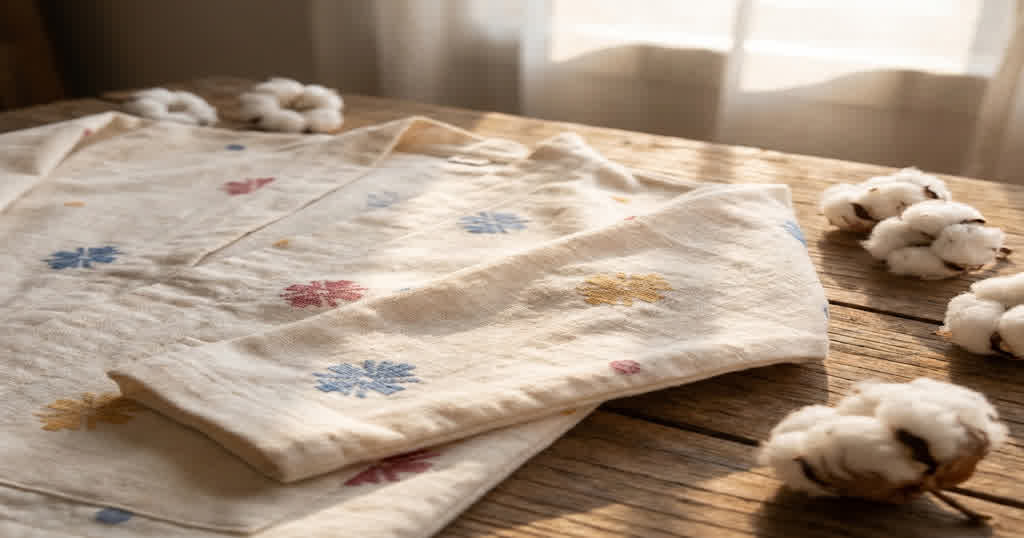
A designer watches a major film premiere and notices the leading actor wearing an unbleached, hand-spun jacket instead of a conventional synthetic tuxedo. This public shift reveals exactly how eco friendly celebrities are rewriting the rules of textile procurement for independent labels. The demand for verifiable artisan impact has moved from niche activist circles directly into mainstream production requirements.
This transition forces sourcing leads to rethink their entire supply chain strategy. Buyers must now secure low-impact materials that carry an authentic narrative of ethical labor and environmental stewardship. The focus is no longer on superficial endorsements but on partnering with decentralized artisan networks to deliver the transparency that educated consumers now expect.
The Red Carpet Ripple Effect: How Eco Friendly Celebrities Dictate B2B Sourcing
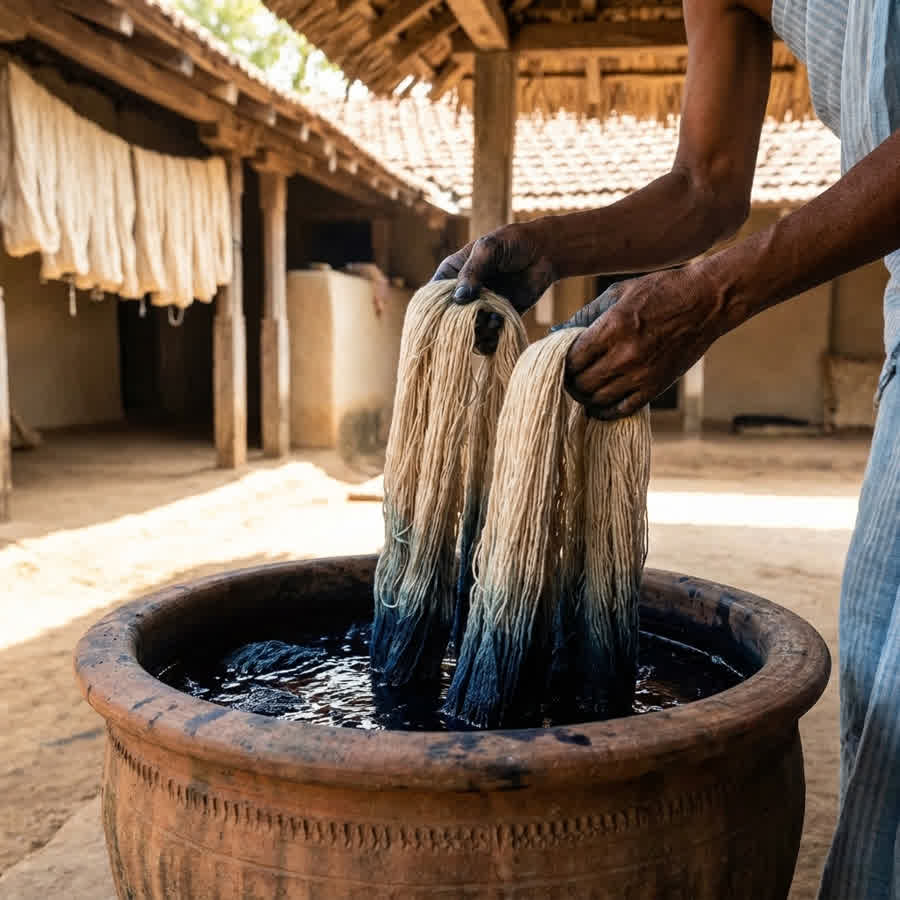
High-profile advocates dictate B2B sourcing by shifting consumer demand away from opaque mass production toward supply chain transparency and ethical labor standards. This forces mid-tier brands to abandon conventional synthetics and secure verifiable, low-impact textiles to remain competitive.
The influence of eco friendly celebrities extends far beyond consumer awareness campaigns. Their public demand for conscious consumerism directly alters the procurement schedules of independent fashion houses. Sourcing managers now face strict requirements to trace their fabrics back to the exact rural artisan cluster where the yarn was spun.
This macro-economic shift renders traditional fast-fashion endorsements obsolete. Buyers must pivot toward zero-waste production models to match the new standard set by high-profile advocates. The market requires concrete proof of fair wage distribution and safe working conditions.
Moving Beyond Greenwashing
Designers can no longer rely on vague sustainability claims to sell a collection. The modern consumer expects verifiable artisan impact backed by clear sourcing data. Brands must provide exact details about their textile origins, from the farming of the fiber to the final weave.
To meet this standard, buyers are integrating decentralized supply chains into their core operations. This approach eliminates the heavy carbon footprint associated with centralized factory production. It also provides the authentic storytelling necessary to market premium garments.
Securing this data means bypassing opaque wholesalers and working directly with the source. A direct line to the weaving community ensures that the brand can confidently market their eco-conscious collections without fear of audit failures.
The Demand for Supply Chain Transparency
Transparency is now a mandatory technical specification for B2B fashion brands. Sourcing leads must document every stage of the fabric creation process. This documentation includes:
- Fiber cultivation methods detailing pesticide-free farming.
- Yarn spinning techniques highlighting manual or low-energy processes.
- Dyeing protocols proving the absence of toxic chemical runoff.
By partnering with established artisan networks, brands secure the data needed to satisfy these strict requirements. This direct relationship with weavers ensures that the sustainability narrative is grounded in factual, measurable practices.
When a designer specifies a hand-woven textile from a known region, they lock in a standard of quality that mass production cannot fake. This rigorous approach to material procurement protects the brand's reputation in a highly scrutinized market.
From Fast Fashion to Heritage Craft: The Rise of Handloom in High Fashion
Celebrity demand for unique, low-impact garments improve the value of rural Indian handloom weavers by making decentralized, small-batch production a premium market standard. This shift replaces the fast-fashion model with a focus on heritage crafts and bespoke textile variations.
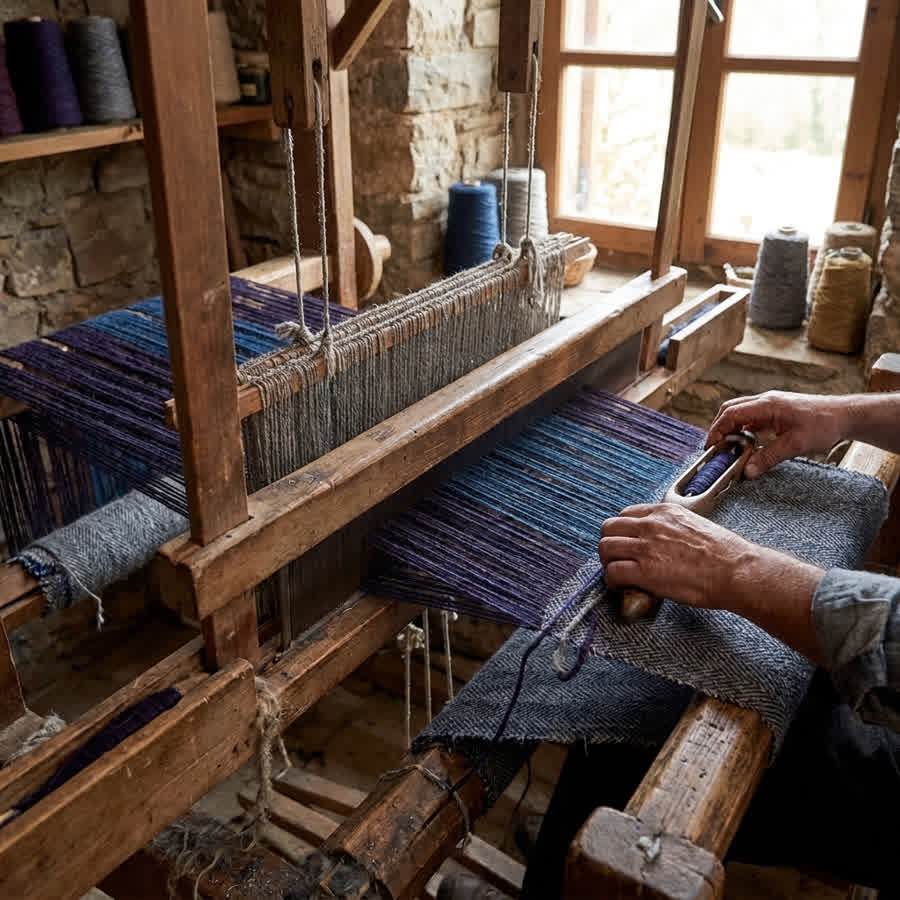
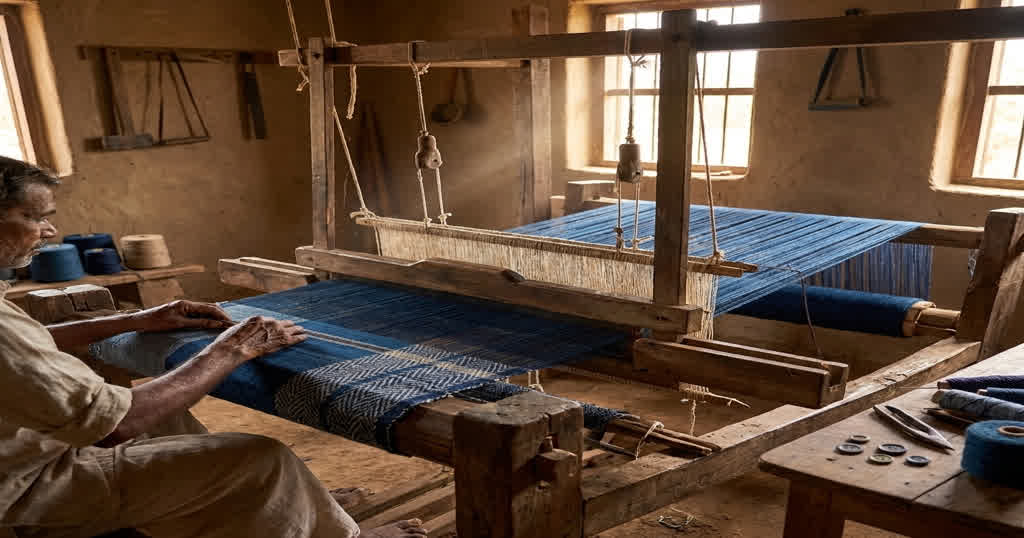
The transition from synthetic mass manufacturing to heritage crafts is accelerating across the global fashion sector. As eco friendly celebrities champion garments with distinct textural irregularities, the demand for authentic handloom textiles surges. This preference for the tactile, human touch in fabric directly benefits decentralized weaving communities.
Independent labels are recognizing that the slight variations in a hand-woven fabric are markers of luxury, not defects. This realization drives B2B buyers to source directly from rural Indian artisans who preserve centuries-old techniques. The focus is on securing textiles that tell a story of cultural preservation and skilled labor.
From Fast Fashion to Heritage Craft: The Rise of Handloom in High Fashion (continued)
By shifting budgets toward these traditional weaving clusters, brands actively participate in sustaining rural economies. This direct investment stabilizes the artisan supply chain, ensuring that these complex skills are passed down to the next generation of weavers.
Empowering Decentralized Artisan Networks
Working with a decentralized artisan supply chain offers significant advantages for sustainable brands. This model distributes economic opportunities directly to rural weaving clusters rather than concentrating wealth in industrial factories. It allows designers to support ethical labor practices while securing exclusive materials.
The structural benefits of this sourcing model include:
- Lower carbon emissions due to the absence of heavy industrial machinery.
- Preservation of indigenous skills that are at risk of being lost to automation.
- Flexible minimum order quantities that suit the needs of boutique fashion houses.
These decentralized networks operate primarily in regions like Bengal and Karnataka, where handloom weaving is a generational trade. Sourcing from these specific locations provides the traceability data required by modern compliance standards.
The Aesthetic Value of Hand-Spun Yarn
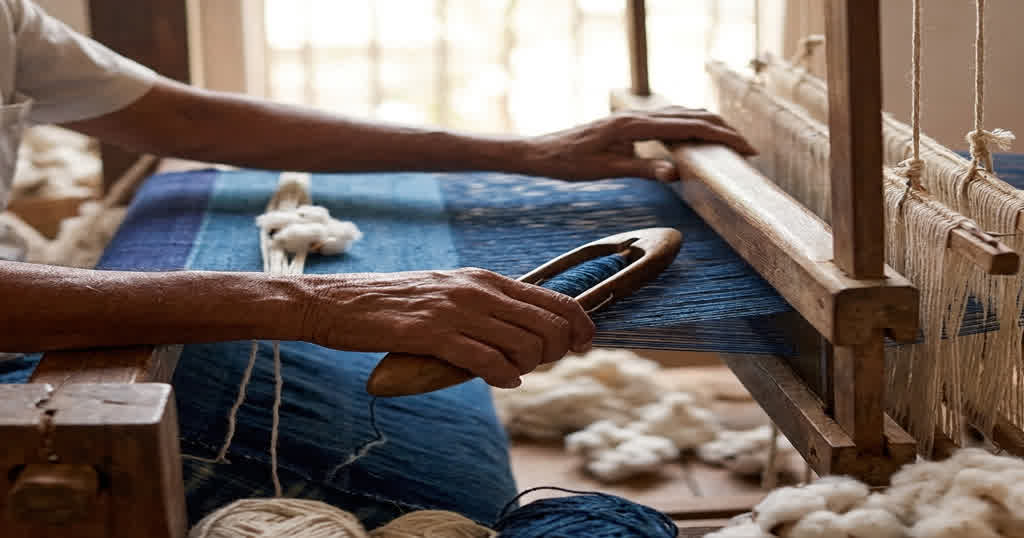
High-fashion collections increasingly feature the distinct drape and crisp hand-feel of hand-spun yarn. These materials offer a breathable, high-performance structure that synthetic blends cannot replicate. The natural tension created during the manual spinning process gives the fabric a unique structural integrity.
Designers utilize these properties to create garments that align with the anti-mass-production ethos. By highlighting the specific weaving techniques used in regions like Murshidabad or Malda, brands add significant value to their final products. This detailed provenance is exactly what the educated consumer seeks.
The resulting garments possess a distinct visual character that stands out on the rack. This unique aesthetic is exactly why conscious fashion advocates prefer these textiles over uniform, factory-produced alternatives.
Material Science Meets Hollywood: The Fabrics Leading the Charge
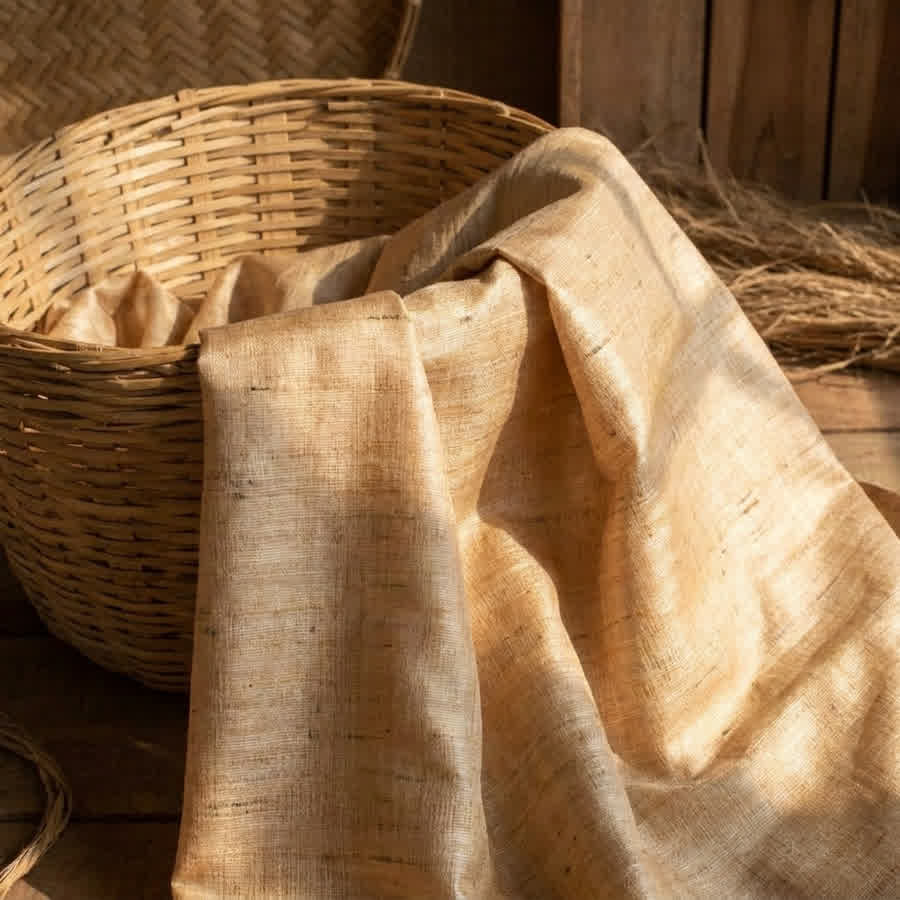
The trending materials championed by eco-advocates rely on advanced material science focused on low-impact cultivation and high-performance natural fibers. B2B buyers are specifically sourcing organic Kala cotton, cruelty-free Ahimsa silk, and natural dyes to eliminate toxic chemical runoff.
The fabrics endorsed by eco friendly celebrities are chosen for their strict technical specifications and environmental benefits. Sourcing managers are shifting their budgets toward biodegradable natural fibers that perform well under high-end tailoring requirements. The material science behind these textiles focuses on soil health regeneration and water conservation.
This technical pivot requires buyers to understand the specific properties of heritage fiber varieties. It is not enough to request generic organic cotton; designers need precise data on staple length, GSM, and dye compatibility. These metrics determine the garment longevity and overall quality of the finished piece.
Material Science Meets Hollywood: The Fabrics Leading the Charge (continued)
Understanding the difference between a bast fiber and a seed fiber allows designers to make informed decisions about drape and durability. This technical knowledge is essential for building a sustainable sourcing strategy that yields commercial-grade results.
Organic Kala Cotton and Ahimsa Silk
Two materials dominate the current sourcing requests from sustainable mid-tier brands. Organic Kala cotton is an indigenous, rain-fed crop that requires zero pesticides and minimal water. It is typically woven into a 120-150 GSM fabric, making it an exceptionally versatile choice for premium shirting and structured dresses.
For luxury evening wear, designers turn to Ahimsa silk, also known as Peace silk. This material is prized for its cruelty-free production method, allowing the moth to hatch before the cocoon is boiled. The resulting fabric retains a high degree of sericin retention, giving it a distinctively soft, organic drape while remaining fully biodegradable.
These specific fibers offer a clear alternative to the synthetic polymer blends that dominate fast fashion. By specifying these exact materials, buyers ensure their collections meet the strict environmental impact criteria demanded by the market.
High Colorfastness with Natural Dyes
The shift away from synthetic coloration is a critical component of modern textile sourcing. Brands require natural dyes that offer deep, stable hues without the environmental damage caused by conventional processing. These plant-based dyes must achieve high colorfastness to meet commercial quality standards.
The technical advantages of this dyeing process include:
- Elimination of toxic AZO chemicals, preventing harmful runoff into local waterways.
- Hypoallergenic properties that appeal to consumers with sensitive skin.
- Unique aging characteristics where the fabric develops a rich, natural patina over time.
Achieving this level of quality requires working with specialized dye artisans who understand the chemistry of natural mordants. This expertise ensures that the botanical colors remain vibrant through repeated washing and wear.
Building a Celebrity-Grade Sustainable Brand: Sourcing Strategies for Designers
To build a celebrity-grade sustainable brand, designers must partner with decentralized artisan supply chains that provide verifiable traceability and zero-waste credentials. This strategy ensures the brand can market an authentic, market-ready sustainability narrative that resonates with educated consumers.
Achieving the level of sustainability demanded by eco friendly celebrities requires a fundamental restructuring of procurement habits. B2B buyers must establish direct relationships with ethical textile suppliers who can prove their impact at the village level. This approach guarantees that the raw material sourcing aligns with the brand's public values.
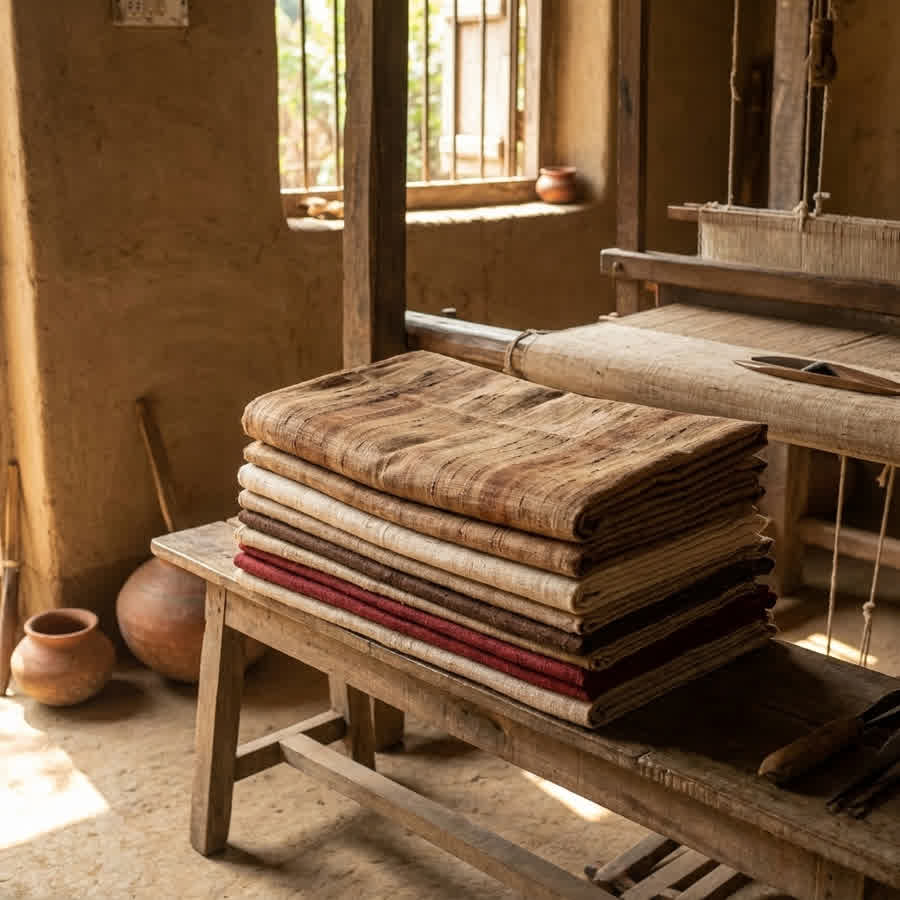
Designers need actionable strategies to integrate these heritage textiles into their seasonal collections. This involves planning for longer lead times and embracing the natural variations inherent in handcrafted fabrics. The reward is a highly differentiated product that commands a premium in the conscious consumer market.
Building a Celebrity-Grade Sustainable Brand: Sourcing Strategies for Designers (continued)
By adjusting production calendars to accommodate manual weaving processes, brands can secure materials that mass-market competitors simply cannot access. This strategic patience is a core requirement for any label aiming to produce investment-grade garments.
Partnering with Transparent Supply Chains
The foundation of a sustainable fashion label is a transparent supply chain. Sourcing leads must verify that their partners enforce fair wage distribution and maintain safe working environments for all artisans. Organizations like Anuprerna facilitate this by connecting brands directly with rural handloom weavers in India.
Key steps for establishing these partnerships include:
- Requesting detailed cluster data to understand exactly where and how the fabric is made.
- Reviewing dye house certifications to ensure compliance with environmental safety standards.
- Committing to consistent order volumes to provide financial stability for the weaving communities.
We currently work with specific Matka silk clusters and cotton weaving villages to provide this exact level of transparency. This direct access allows designers to bypass intermediaries and secure authentic artisan textiles at fair market prices.
Crafting an Authentic Narrative
The final step in this sourcing strategy is translating the technical textile data into a compelling brand story. Consumers want to know the history behind their garments, from the rain-fed cotton farms to the manual wooden looms. This narrative must be factual, specific, and free of exaggerated marketing claims.
By highlighting the zero-waste credentials and the specific regional origins of the fabric, designers build deep trust with their audience. This factual approach to sustainability marketing is exactly what separates successful eco-conscious labels from those relying on superficial greenwashing.
When a brand can name the specific Bengal weaving village where their fabric was produced, they offer a level of authenticity that resonates deeply with buyers. This precise provenance data is a strong tool for building long-term customer loyalty.
frequently asked questions
How does celebrity advocacy for sustainable fashion impact B2B textile sourcing costs?
It increases initial demand for niche, certified materials like **GOTS organic cotton** or hand-spun Khadi, temporarily raising costs but ultimately stabilizing the market by scaling **decentralized artisan supply chains**. This increased volume makes sustainable production more economically viable for mid-tier brands over time. By driving consistent orders to **rural weaving clusters**, the industry can optimize logistics and reduce the premium associated with ethical sourcing.
What specific sustainable fabrics are most requested by eco-conscious high-fashion brands?
Ahimsa silk, unbleached **Kala cotton**, and fabrics treated with natural, AZO-free dyes are highly sought after for their low environmental footprint and cruelty-free production. These materials offer unique **textural profiles** and a *crisp hand-feel* that cannot be replicated by industrial power looms. B2B buyers specifically target these **heritage fiber varieties** to meet the strict technical specifications required for premium garment construction.
How can emerging B2B brands verify the ethical claims required by today's eco-conscious market?
Brands must partner with transparent, **decentralized supply chains** that provide traceability back to the specific artisan cluster, ensuring fair wages and safe working conditions. Sourcing managers should request detailed **cluster data** and verify the use of authentic, low-impact handloom techniques. Working directly with organizations that document the entire **fabric creation process** prevents greenwashing and guarantees compliance with modern sustainability standards.
Why is the decentralized artisan model preferred over factory-made sustainable textiles?
Decentralized models drastically reduce carbon footprints by eliminating large-scale industrial energy use and empower **rural economies** directly. This approach produces unique, **small-batch textiles** that align with the bespoke, anti-mass-production ethos championed by eco-conscious advocates. Supporting **traditional weaving clusters** preserves indigenous skills and offers flexible minimum order quantities suitable for independent labels.
How do natural dyes perform compared to synthetic options for high-end fashion?
Natural dyes achieve commercial-grade **high colorfastness** and eliminate toxic AZO chemical runoff, making them highly suitable for premium garments. While they require specialized application techniques by skilled **dye artisans**, these plant-based dyes offer hypoallergenic properties that synthetic alternatives lack. Over time, fabrics treated with botanical extracts develop a unique, *rich patina* that adds significant aesthetic value to the finished piece.
More Blogs

how celebrities who care about the environment are changing fashion
life cycle assessment (lca) in fashion: measuring your brand's true impact
how to source ethical raw silk for your fashion label
top commercial uses of natural dyes in sustainable fashion
how to become an ethical fashion designer: a sourcing guide
what makes an ethical fashion designer? core principles & practices