
Life Cycle Assessment (LCA) in Fashion: Measuring Your Brand's True Impact

A designer reviewing a swatch of 150 GSM Khadi cotton from a rural cluster in Murshidabad knows the fabric feels right. The dry, crisp hand-feel speaks to its heritage, but modern sourcing requires more than tactile approval. Conducting a life cycle assessment fashion audit is now the baseline for proving that a textile actually benefits the environment.
Historically, Indian handloom weaving operated on a localized, circular economy model with a near-zero carbon footprint. Today, brands must quantify this historical efficiency against industrial benchmarks to satisfy strict ESG reporting standards. The stakes are high, as vague eco-friendly claims are no longer legally or commercially acceptable.
Decoding Life Cycle Assessment in Fashion: Beyond the Buzzwords

A life cycle assessment fashion framework is a standardized scientific method that quantifies the exact environmental impacts of a garment from raw material extraction through to its end of life. This data allows brands to measure their true ecological footprint rather than relying on assumptions.
Originating in the 1960s for industrial resource optimization, this methodology is now a modern necessity for evaluating decentralized, traditional crafts. We use it to translate the inherent sustainability of artisan textiles into hard, verifiable LCA data.
The Functional Unit and System Boundaries
Every assessment relies on a specific functional unit to anchor the data. For example, measuring the impact of 1 kg of 150 GSM Khadi cotton provides a precise baseline for comparison. Without this exact metric, comparing different fabrics becomes scientifically invalid.
Assessments are typically divided by their system boundaries to define what is being measured. The most common frameworks include:
- Cradle-to-Gate: Measures impacts from raw material extraction up to the moment the finished fabric leaves the artisan cluster.
- Cradle-to-Grave: Encompasses the entire lifecycle, adding garment manufacturing, consumer use, and final disposal.
- Cradle-to-Cradle: Focuses on closed-loop systems where end-of-life materials re-enter the production cycle.
Categorizing Emissions Across Scopes 1, 2, and 3
Accurate textile impact measurement requires categorizing greenhouse gas emissions into three distinct scopes. Scope 1 emissions cover direct emissions from owned or controlled sources, such as fuel burned in company vehicles. Scope 2 emissions account for indirect emissions from the generation of purchased electricity.
For fashion brands, the vast majority of impact falls under Scope 3 emissions. These are all indirect emissions occurring in the value chain, including Tier 2 and Tier 3 suppliers. Gathering primary data directly from rural Indian handloom weavers is critical here, as secondary database averages often misrepresent the low-impact reality of decentralized supply chains.
The Artisan Advantage: Quantifying the Handloom Carbon Footprint
Decentralized handloom weaving drastically lowers a fabric's carbon footprint by eliminating electrical energy consumption during the weaving phase, dropping Scope 2 emissions to near zero. This provides a massive, quantifiable advantage over centralized industrial production.
When we evaluate the Global Warming Potential (measured in kg CO2e/kg fabric), the method of fabric construction is a primary variable. Industrial powerlooms rely heavily on grid electricity, which often stems from fossil fuels. Handloom weaving relies entirely on human kinetic energy.
Comparing Primary Energy Demand
The Primary Energy Demand (measured in MJ/kg) highlights the stark contrast between production methods. Industrial powerlooms typically consume between 2.5 to 3.5 kWh/kg of electrical energy. This high energy input significantly inflates the fabric's overall carbon footprint.
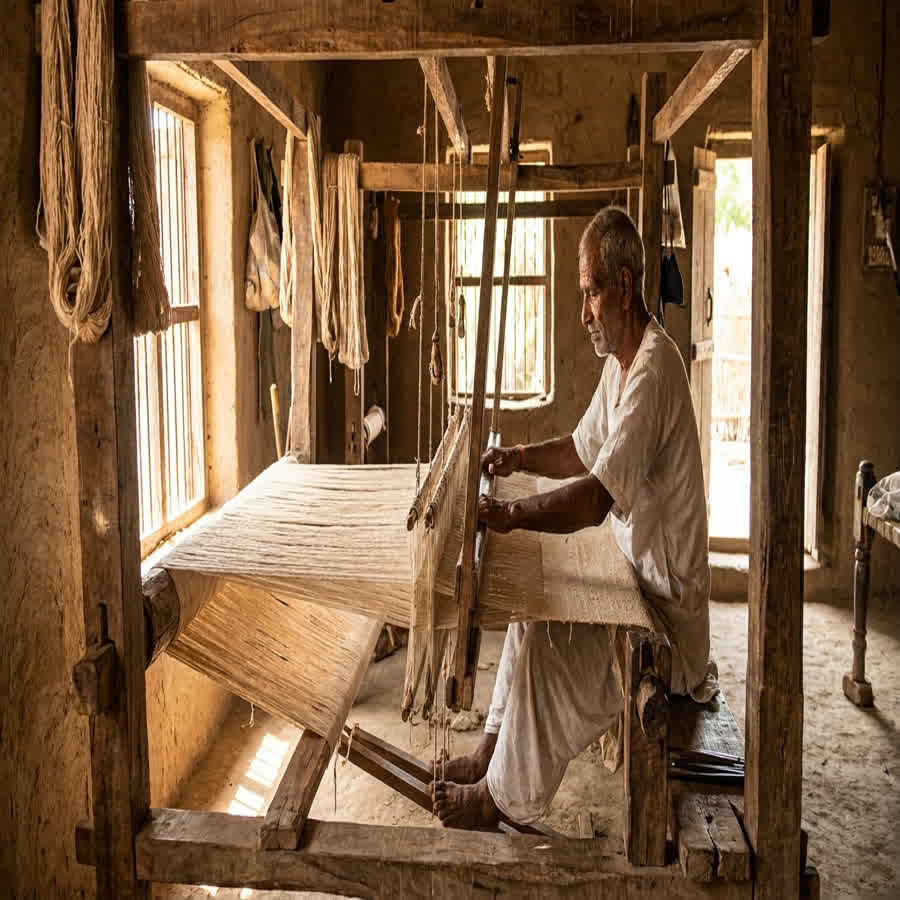
In contrast, a rural artisan operating a traditional wooden loom consumes exactly 0 kWh/kg of electrical energy during the weaving phase. This zero-electricity input is a critical data point for any life cycle assessment fashion report. It proves that sourcing from decentralized clusters actively reduces a brand's environmental burden.
The Localized Circular Economy Model
Beyond the loom, the entire structure of a decentralized artisan supply chain contributes to a lower footprint. These networks operate on a historical, localized circular economy model that minimizes long-distance transportation between processing steps.
Key factors that reduce the overall carbon footprint include:
- Localized yarn spinning: Preparing fibers within the same district reduces transit emissions.
- Sun-drying techniques: Utilizing natural sunlight instead of energy-intensive industrial drying machines.
- Small-batch processing: Limiting waste and overproduction through precise, made-to-order weaving.
By integrating these practices, rural Indian clusters maintain a near-zero carbon footprint. This data is invaluable for compliance-driven sourcing managers who need to meet aggressive corporate ESG targets.
Water Footprints and Dyeing: Natural vs. Synthetic Impact
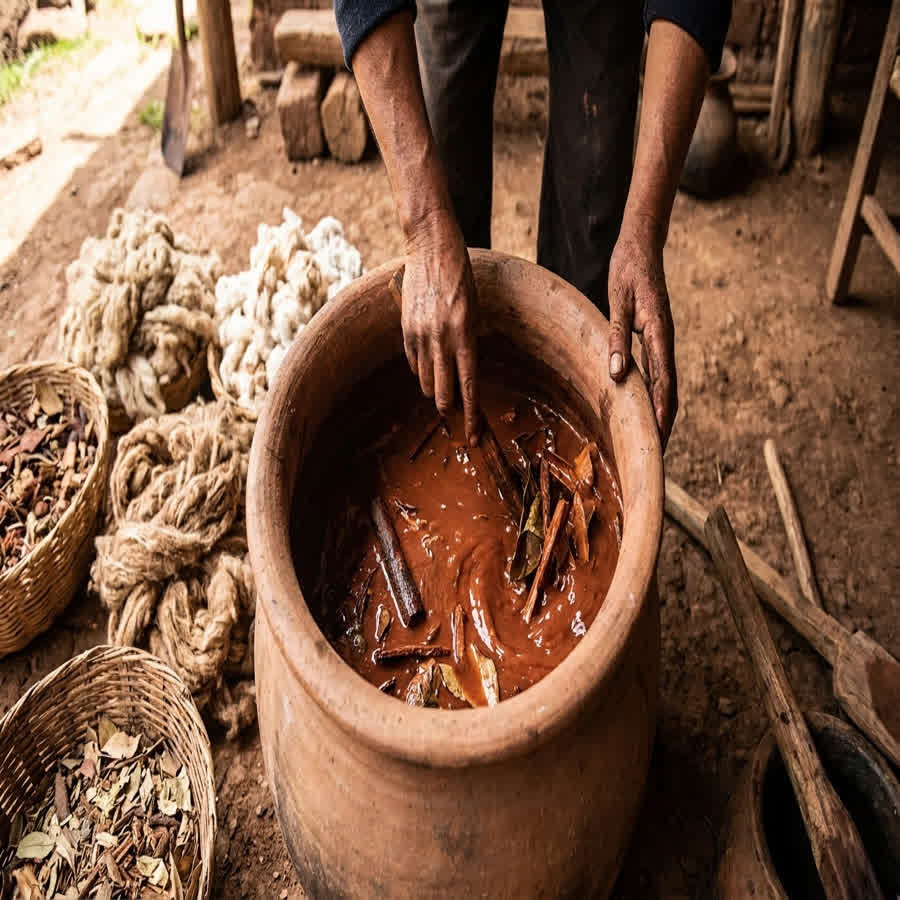
The environmental impact of wet processing is measured by water scarcity footprints and effluent toxicity, where artisan natural dyeing presents distinct ecological advantages over conventional synthetic methods. This phase is often the most resource-intensive part of textile production.
A comprehensive life cycle assessment fashion audit must evaluate how a facility manages its water intake and output. Industrial dyeing facilities often draw massive volumes from local watersheds, stressing regional supplies. We measure this impact using the Water Scarcity Footprint (m3 eq/kg), which accounts for both the volume of water used and the local water stress levels.
Biological and Chemical Oxygen Demand
The type of dye used directly affects the toxicity of the wastewater, measured through Biological Oxygen Demand (BOD) and Chemical Oxygen Demand (COD). These metrics quantify the amount of oxygen required to break down organic and inorganic matter in the effluent. High BOD and COD levels indicate severe water pollution that can suffocate aquatic life.
Conventional synthetic dyeing, particularly with synthetic azo-dyes, introduces complex chemical compounds that drastically improve COD metrics. These industrial effluents require highly energy-intensive wastewater treatment plants to neutralize. Without proper treatment, the environmental degradation is severe.
The Natural Dyeing Difference
Natural dyeing processes impact BOD/COD metrics differently, requiring specialized LCA modeling. Because natural dyes are derived from plant matter, bark, and minerals, their effluent is primarily organic.
The benefits of natural artisan dyeing include:
- Lower chemical toxicity: Eliminating heavy metals and toxic synthetic compounds from the water table.
- Biodegradable effluent: Organic runoff breaks down naturally, resulting in a significantly lower long-term environmental impact.
- Reduced water consumption: Small-batch artisan vats often require less water per kilogram of fabric compared to continuous industrial dye ranges.
While natural dyes still require careful water management, their specialized LCA modeling consistently shows a lower risk of permanent ecological damage.
Social LCA (S-LCA): Measuring the Human Element in Decentralized Supply Chains
A Social Life Cycle Assessment (S-LCA) quantifies the human impact of production, proving that decentralized artisan supply chains deliver measurable economic and cultural benefits to rural communities. This framework moves beyond ecological data to measure social equity.
Standard environmental assessments focus strictly on carbon, water, and energy. However, true sustainability requires evaluating the human element behind the fabric. For a decentralized network of rural Indian handloom weavers, the social impact is profound and quantifiable.
Moving Beyond Ecological Metrics
An S-LCA evaluates the conditions under which a textile is produced. It provides a structured way to measure how sourcing decisions affect local economies and individual livelihoods. This is particularly relevant for brands looking to substantiate their ethical sourcing claims.
Key metrics evaluated in a Social LCA include:
- Fair wage distribution: Tracking income levels against regional living wage benchmarks.
- Working conditions: Assessing health, safety, and working hours within the artisan clusters.
- Community development: Measuring investments in local infrastructure, education, and healthcare.
Preserving Cultural Heritage
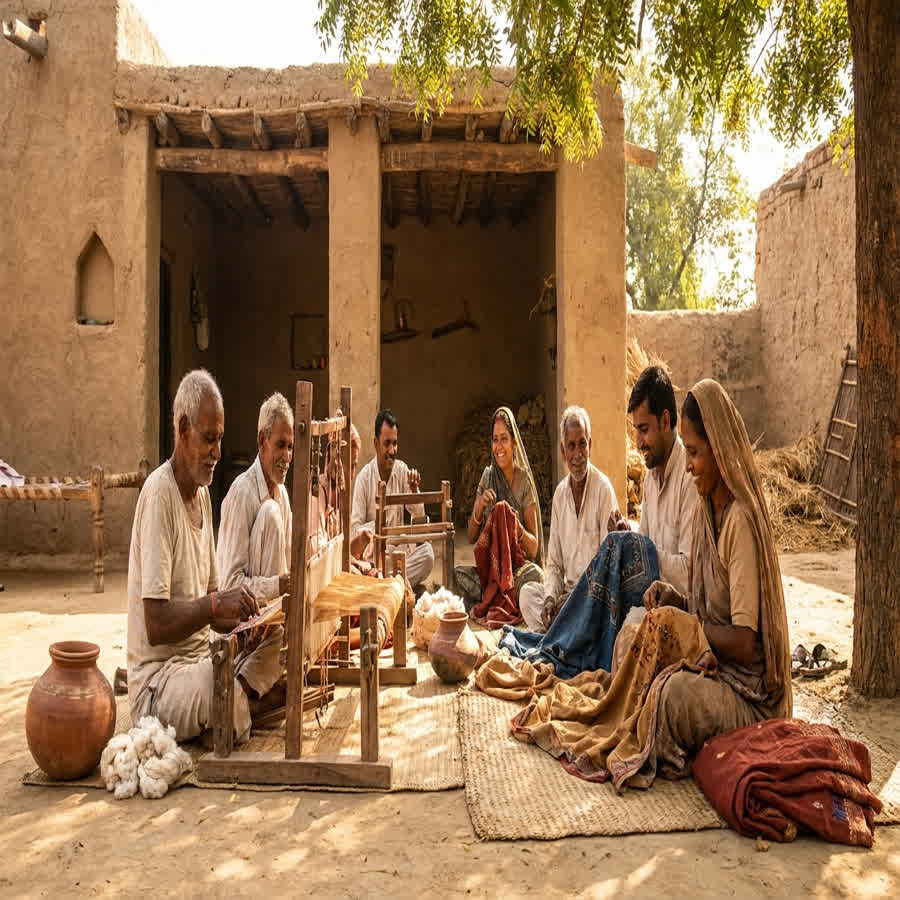
Working with traditional crafts also introduces the metric of cultural heritage preservation. Industrialization often displaces rural workers, forcing migration to urban factories. Decentralized supply chains allow artisans to remain in their home villages, sustaining their local economies.
By sourcing from these clusters, brands actively fund the continuation of generational skills. The S-LCA framework captures this value, demonstrating that a life cycle assessment fashion strategy can include positive social regeneration. This data empowers conscious brand founders to build a transparent, compelling narrative that resonates with ethical consumers.
Future-Proofing Your Brand: LCA Data and the EU Green Claims Directive
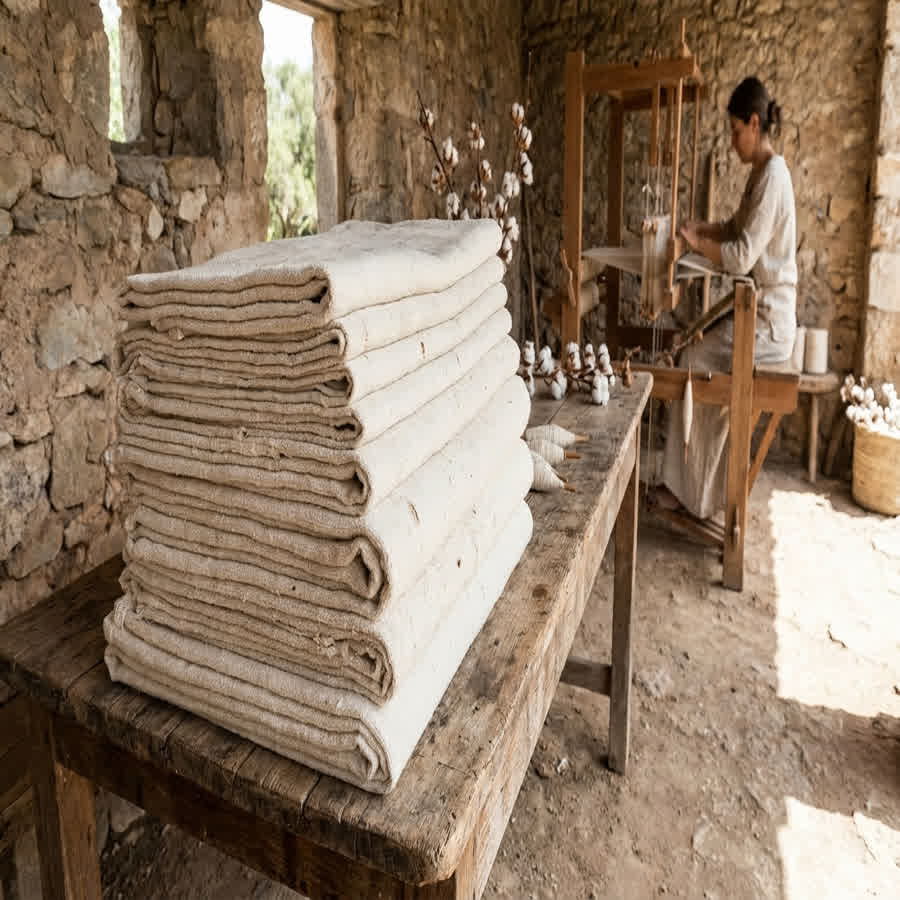
Verifiable LCA data is now a legal necessity for B2B buyers to substantiate marketing claims, mitigate greenwashing risks, and comply with impending legislation like the EU Green Claims Directive. Brands can no longer rely on vague sustainability promises.
The regulatory environment for fashion is tightening globally. Authorities are demanding hard proof for any environmental claims printed on a label or published in a marketing campaign. Sourcing managers must secure primary data from their Tier 2 and Tier 3 suppliers to remain compliant.
Meeting Stricter Global ESG Standards
The impending EU Green Claims Directive requires companies to substantiate their environmental labels using recognized scientific methods. Terms like eco-friendly or sustainable will be banned unless backed by a comprehensive life cycle assessment fashion report. This shift transforms LCA from an optional marketing tool into a mandatory compliance requirement.
To meet these stricter global ESG reporting standards, brands need exact figures. They need to know the precise Global Warming Potential and water usage of their fabrics. Sourcing from a transparent, decentralized artisan supply chain provides this exact data, proving the environmental superiority of the textiles.
Building Transparent Sustainability Reports
Using primary data from rural handloom clusters allows brands to build highly accurate sustainability reports. Instead of relying on industry averages that inflate their footprint, brands can report the actual zero-electricity input of their weaving processes.
Steps to future-proof your sourcing strategy include:
- Requesting primary data: Always ask suppliers for specific energy and water metrics rather than accepting generic database averages.
- Mapping the full supply chain: Ensure traceability down to the farm and the specific artisan cluster.
- Integrating LCA metrics: Embed carbon and water footprint data directly into your corporate ESG reporting.
By proactively gathering this verifiable LCA data, brands protect themselves from legal penalties while establishing genuine trust with their buyers.
frequently asked questions
What is the difference between Cradle-to-Gate and Cradle-to-Grave in a fashion LCA?
Cradle-to-Gate measures the environmental impact from raw material extraction up to the point the finished fabric leaves the factory or artisan cluster. Cradle-to-Grave includes the entire lifecycle, adding the garment manufacturing, consumer use phase, and end-of-life disposal or recycling. Understanding these **system boundaries** is essential for accurate reporting.
How do you calculate the carbon footprint of a decentralized handloom network?
Calculating the footprint of a decentralized network requires primary data collection across multiple rural nodes. We measure the energy used in yarn spinning, the **zero-electricity input** of the manual weaving process, the specific fuel used in small-batch dyeing, and the transportation emissions between village clusters. This provides a highly accurate **carbon footprint** metric.
Why is primary data better than secondary database averages for artisan textiles?
Secondary databases rely on industry averages based on large-scale, mechanized production, which often lack the parameters to model zero-energy hand-spinning or handloom weaving. **Primary data** reflects the actual, significantly lower energy inputs and unique localized practices of rural artisans. This results in a much more accurate and favorable **life cycle assessment fashion** report.
Does an LCA account for the social benefits of working with rural artisans?
A standard Environmental LCA strictly measures ecological impacts like carbon, water, and land use, but a Social Life Cycle Assessment (S-LCA) can be conducted in tandem to quantify social impacts. An S-LCA measures factors such as **fair wage distribution**, community development, and the preservation of traditional skills in rural Indian clusters.
What is a functional unit in a textile life cycle assessment?
A functional unit is the exact quantified reference used to measure environmental impact, such as 1 kg of **150 GSM Khadi cotton**. This baseline ensures that all energy, water, and carbon metrics are compared accurately across different fabrics and production methods. Without a defined **functional unit**, the assessment data cannot be standardized.
More Blogs

how celebrities who care about the environment are changing fashion
how to source ethical raw silk for your fashion label

top commercial uses of natural dyes in sustainable fashion
how eco friendly celebrities are changing the fashion industry
how to become an ethical fashion designer: a sourcing guide
what makes an ethical fashion designer? core principles & practices