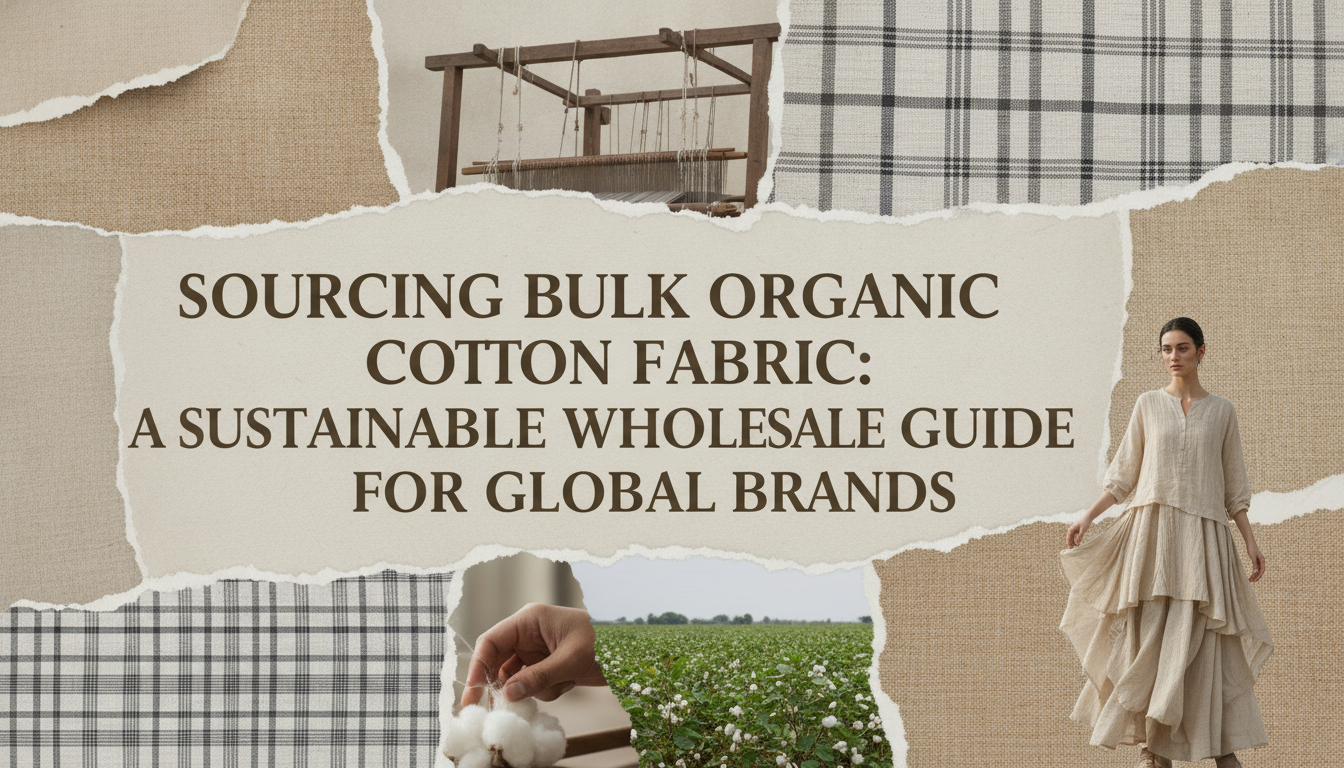
Sourcing Bulk Organic Cotton Fabric: A Sustainable Wholesale Guide for Global Brands

The global fashion landscape is undergoing a seismic shift. No longer is "sustainability" a mere buzzword used for marketing; it has become a fundamental requirement for survival in a market driven by conscious consumers. For designers and procurement managers, the challenge lies in scaling these values. How do you move from small-batch production to larger collections without compromising on your ethical footprint? The answer lies in the strategic sourcing of wholesale cotton fabric.
Cotton has long been the backbone of the textile industry, but its conventional cultivation is often associated with heavy pesticide use and water depletion. This has led to an unprecedented demand for bulk organic cotton fabric. However, navigating the wholesale market in India, a country with a complex web of mills, handloom clusters, and exporters, can be daunting.
In this guide, we will explore the nuances of sourcing sustainable cotton at scale. We will delve into why organic certification matters, how to identify reliable sustainable cotton fabric suppliers, and the logistical steps required to bring these exquisite Indian textiles to your global doorstep. Whether you are a boutique label or an established fashion house, understanding the journey from seed to shelf is essential for building a brand that stands for both quality and integrity.
1. Understanding the Shift to Wholesale Cotton Fabric with Organic Integrity
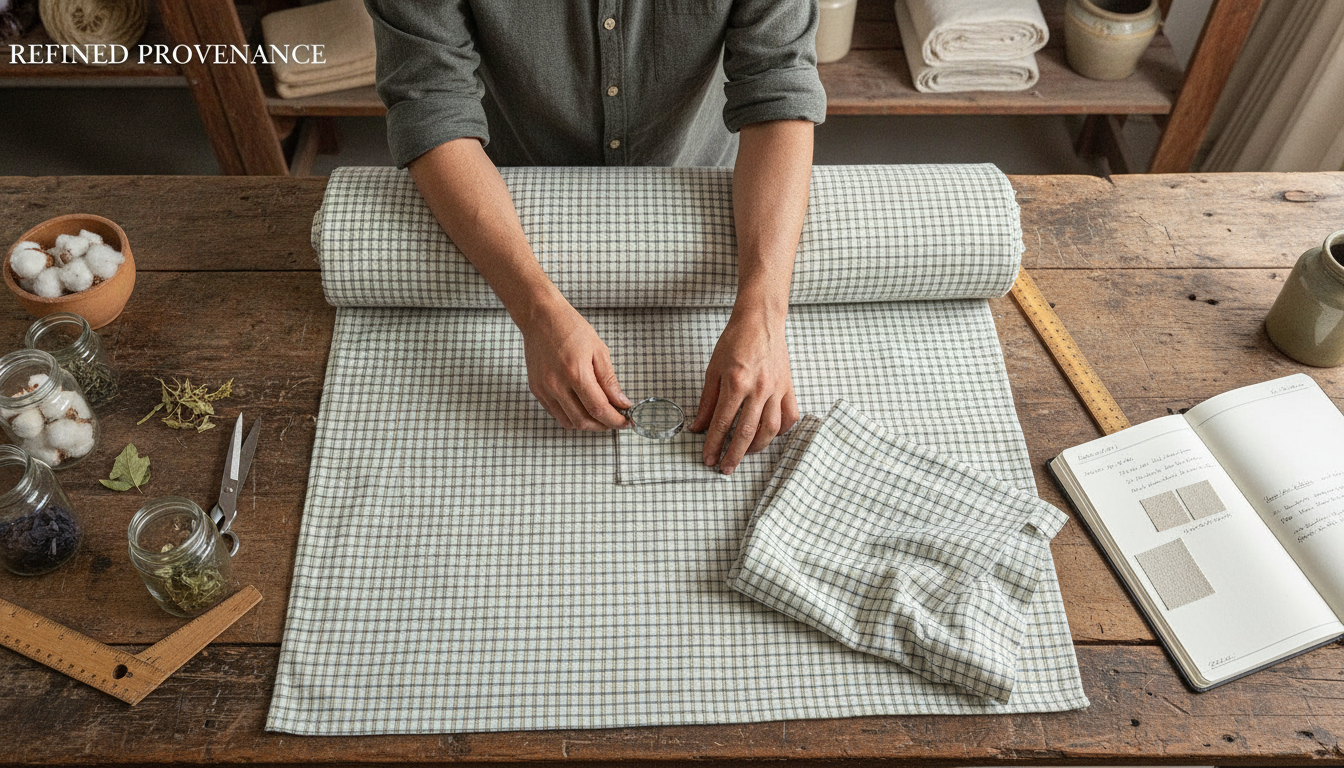
Why Wholesale Cotton Sourcing Now Needs an Organic Strategy
When a brand decides to source wholesale cotton fabric, the primary driver is usually cost-efficiency. Buying in bulk reduces the per-meter price, allowing for better margins. However, in the sustainable sector, "cheap" often comes with a hidden cost. Conventional cotton is responsible for 16% of the world's insecticides, despite using only 2.5% of the world's arable land.
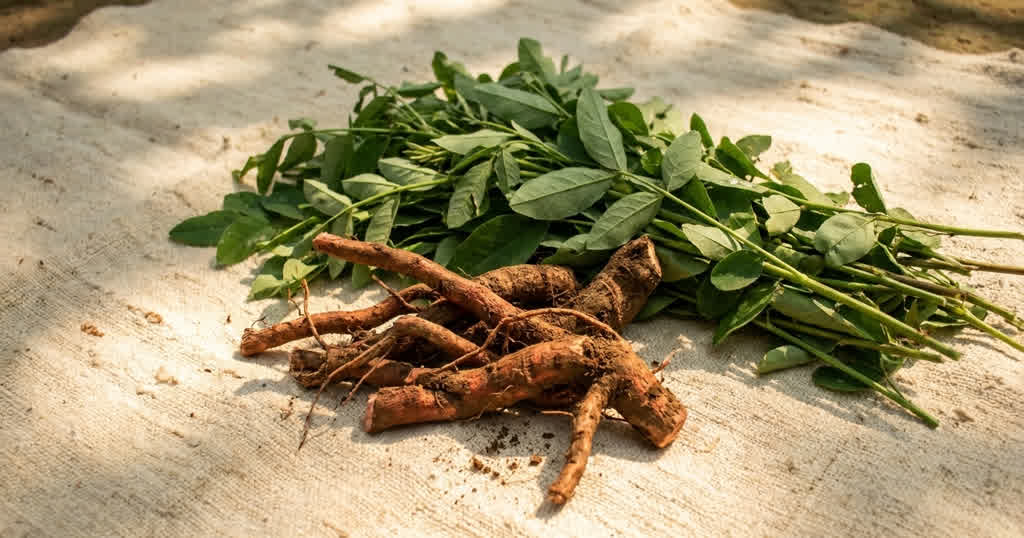
For a B2B buyer, the transition to bulk organic cotton fabric is a commitment to a cleaner supply chain. Organic cotton is grown using methods and materials that have a low impact on the environment. It maintains soil fertility, reduces the use of toxic pesticides and fertilizers, and builds biologically diverse agriculture.
The Role of Certifications
When searching for GOTS certified cotton wholesale options, you are looking for the "Global Organic Textile Standard." This is the gold standard for organic fibers. It doesn't just cover the farming (as the USDA Organic or India's NPOP does), but the entire post-harvest processing, including spinning, weaving, dyeing, and even labeling. Sourcing GOTS-certified materials ensures that your fabric is free from harmful chemicals like heavy metals, formaldehyde, and aromatic solvents.
At Anuprerna, we believe that transparency is the cornerstone of sustainability. By choosing certified organic cotton, brands can provide their customers with the assurance that their garments are safe for both the wearer and the planet. This level of transparency is no longer optional; it is a strategic advantage. For more insights on choosing the right materials, refer to our guide to best sustainable fabrics for apparel and accessories
2. Why India is the Hub for Bulk Organic Cotton Fabric
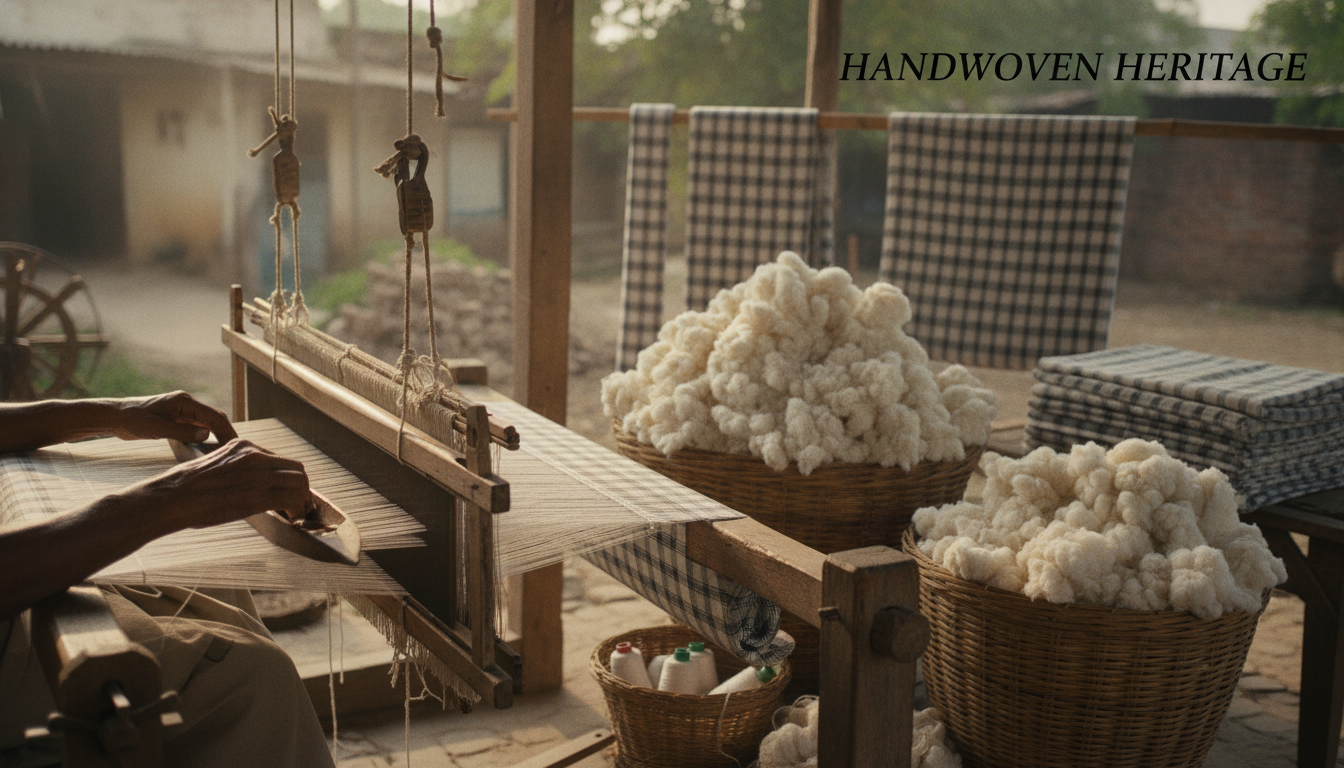
Why Global Brands Source Organic Cotton Fabric from India
India is uniquely positioned in the global textile market. It is one of the world's largest producers of organic cotton, particularly the long-staple varieties that make for soft, durable fabrics. But beyond the raw material, India offers a level of craftsmanship that is unmatched.
The Artisan Advantage
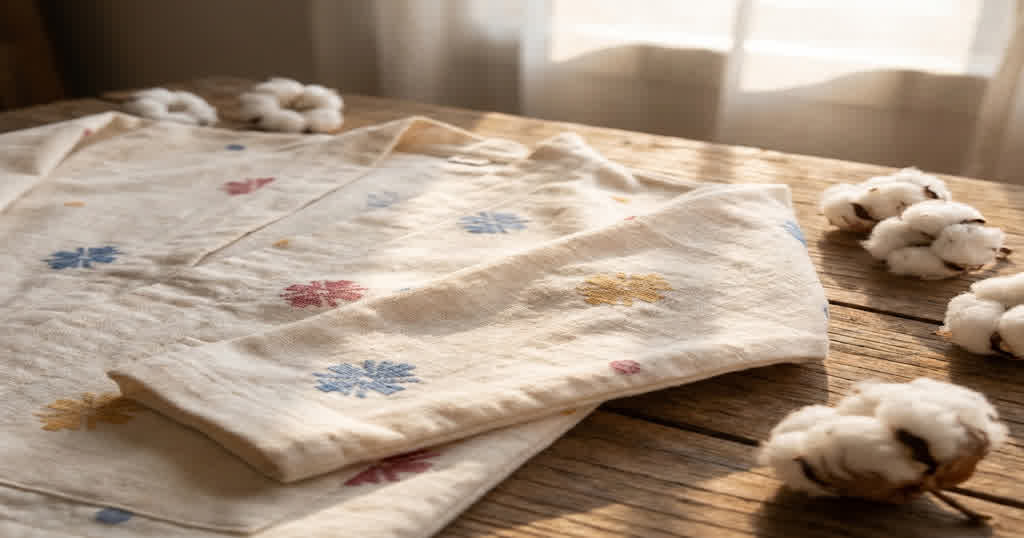
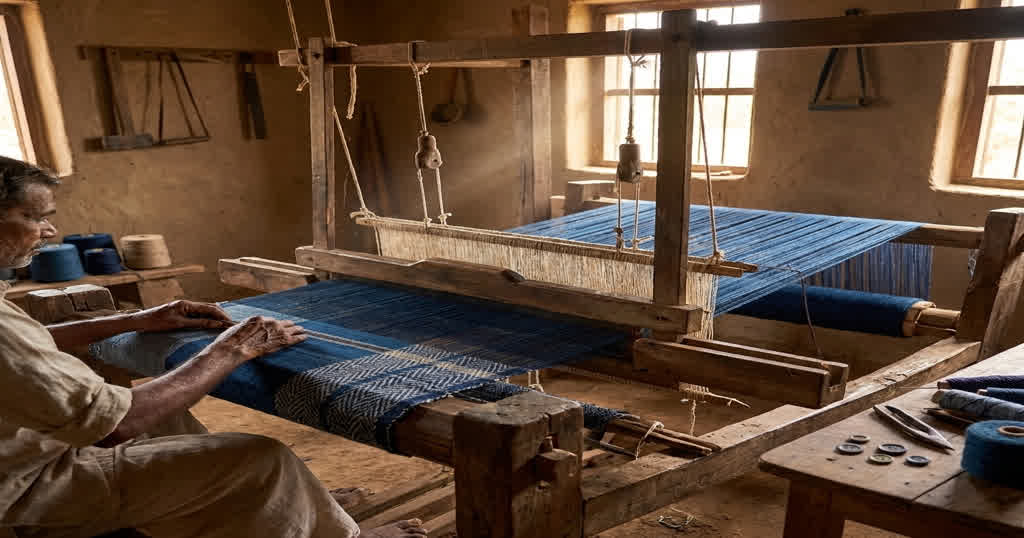
When you source wholesale cotton fabric from India, you have the opportunity to choose between mill-made and handwoven varieties. At Anuprerna, we specialize in handwoven organic cotton, often referred to as Khadi. This fabric is not just a textile; it is a piece of cultural heritage. Handweaving creates a unique texture and breathability that power looms cannot replicate.
Sourcing bulk organic cotton fabric from artisan communities in East India supports rural livelihoods and keeps ancient traditions alive. This "human touch" adds a story to your brand—a narrative of empowerment and slow fashion that resonates deeply with modern consumers.
Navigating the Supplier Landscape
Finding the right sustainable cotton fabric suppliers in India requires due diligence. You need a partner who understands the balance between traditional craft and modern quality standards. A strategic approach involves looking for suppliers who offer:
- Full traceability of the fiber.
- Ethical labor practices (Fair Trade principles).
- Flexibility in customization (dyeing, printing, and weaving patterns).
To better understand how to approach this market, we recommend reading our strategic guide to sourcing fabrics wholesale in India for global brands.
3. Technical Considerations for B2B Cotton Sourcing
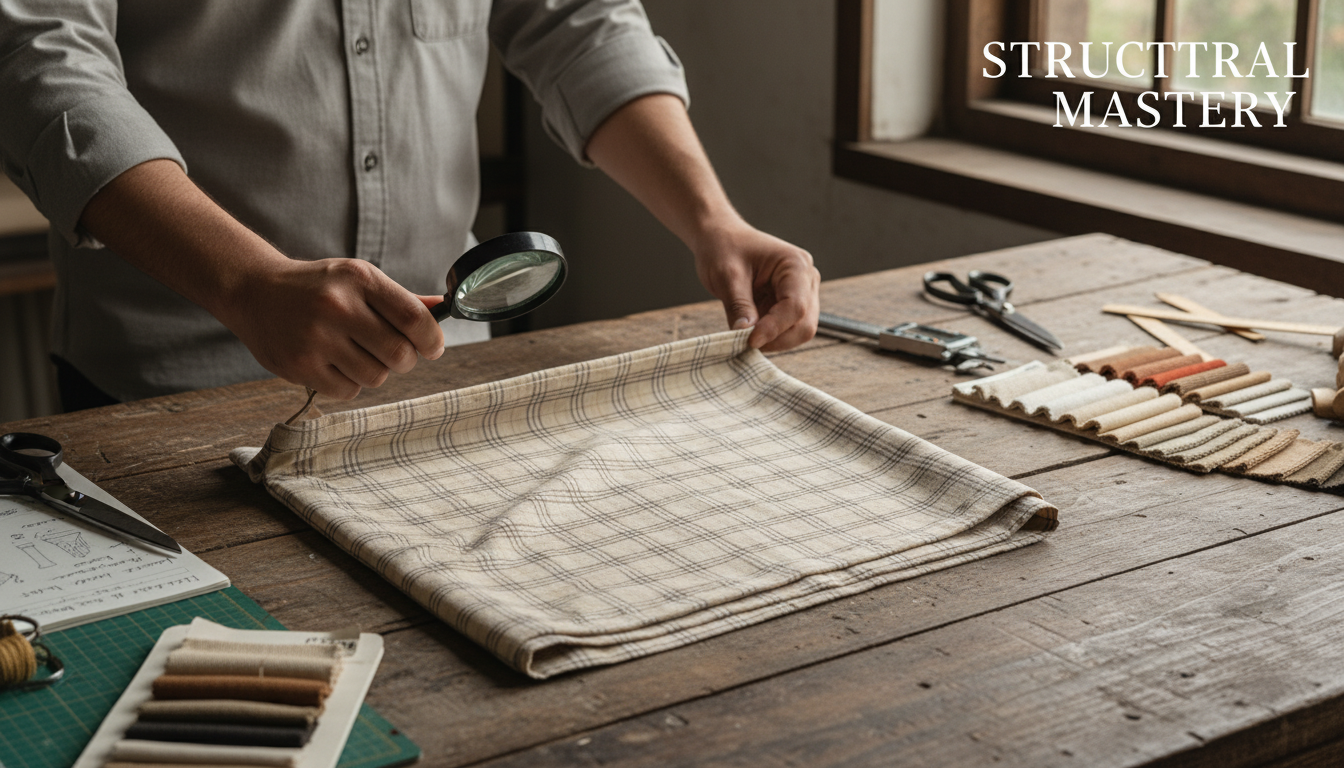
What B2B Buyers Must Check Before Ordering Cotton Fabric
Sourcing wholesale cotton fabric involves more than just picking a color. As a professional buyer, you must understand the technical specifications that will dictate the performance of your end product.
Fabric Weight and GSM
The weight of the cotton is measured in Grams per Square Meter (GSM).
- Lightweight (60-100 GSM): Ideal for summer dresses, scarves, and linings. Think of fine organic muslins or voile.
- Medium Weight (110-200 GSM): The "sweet spot" for shirts, light trousers, and children's wear.
- Heavyweight (200+ GSM): Best for jackets, upholstery, and heavy-duty bags. Organic canvas or thick handwoven twills fall into this category.
Weave Structures
The weave determines the drape and durability of the fabric. Common weaves available in bulk organic cotton fabric include:
- Plain Weave: Simple and sturdy, used for organic calico or poplin.
- Twill: Characterized by diagonal ribs, offering more durability (like organic denim or drill).
- Sateen: A weave that produces a lustrous, smooth surface, perfect for high-end organic bedding or luxury apparel.
Sampling and MOQs
One of the biggest hurdles in wholesale cotton fabric sourcing is the Minimum Order Quantity (MOQ). While large mills might require thousands of meters, artisan-focused suppliers like Anuprerna offer more manageable MOQs for growing sustainable brands. Sampling is a critical step to verify the hand-feel, shrinkage, and colorfastness before committing to a bulk order. For a deep dive into this process, see our guide on navigating MOQs and sampling protocols.
4. The Logistics of Importing Wholesale Cotton Fabric from India
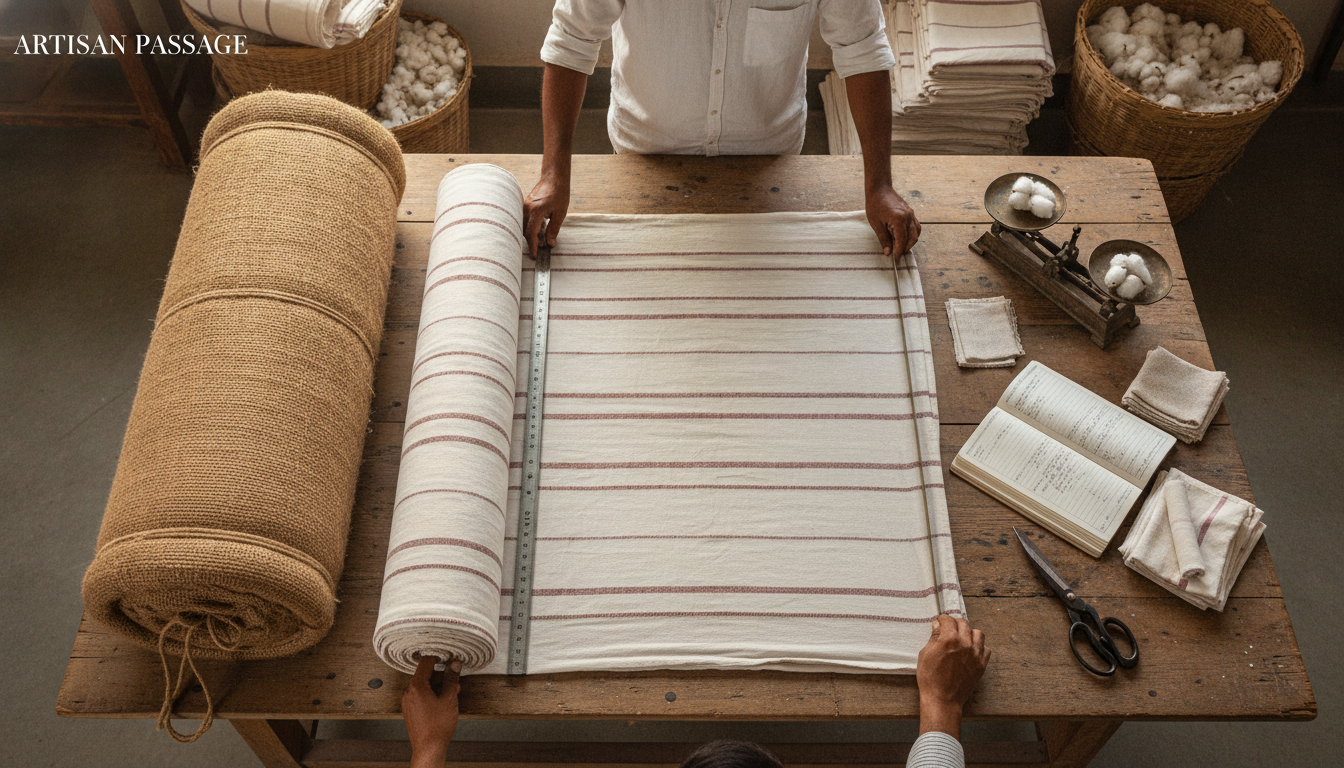
What to Know Before Importing Cotton Fabric from India
Once you have selected your sustainable cotton fabric suppliers and approved your samples, the next phase is logistics. Importing fabric across borders involves navigating customs, shipping costs, and lead times.
Lead Times in Sustainable Sourcing
It is important to remember that organic, handwoven textiles take time. Unlike mass-produced synthetic fabrics that can be churned out in days, bulk organic cotton fabric that is hand-spun and hand-dyed depends on weather conditions and artisan availability. A typical lead time can range from 8 to 12 weeks. Planning your collections well in advance is key to a smooth supply chain.
Shipping and Export Documentation
When buying wholesale cotton fabric internationally, you must decide between Sea Freight (cost-effective for large bulk) and Air Freight (faster but more expensive). You will also need to ensure your supplier provides the necessary documentation, such as:
- Certificate of Origin
- GOTS Transaction Certificates (TCs)
- Commercial Invoice and Packing List
Understanding the intricacies of export can save you from costly delays at customs. We have compiled a detailed resource on navigating the logistics of fabrics wholesale and bulk textile export to help you manage this stage effectively.
5. Maximizing Value: Smart Sourcing Strategies
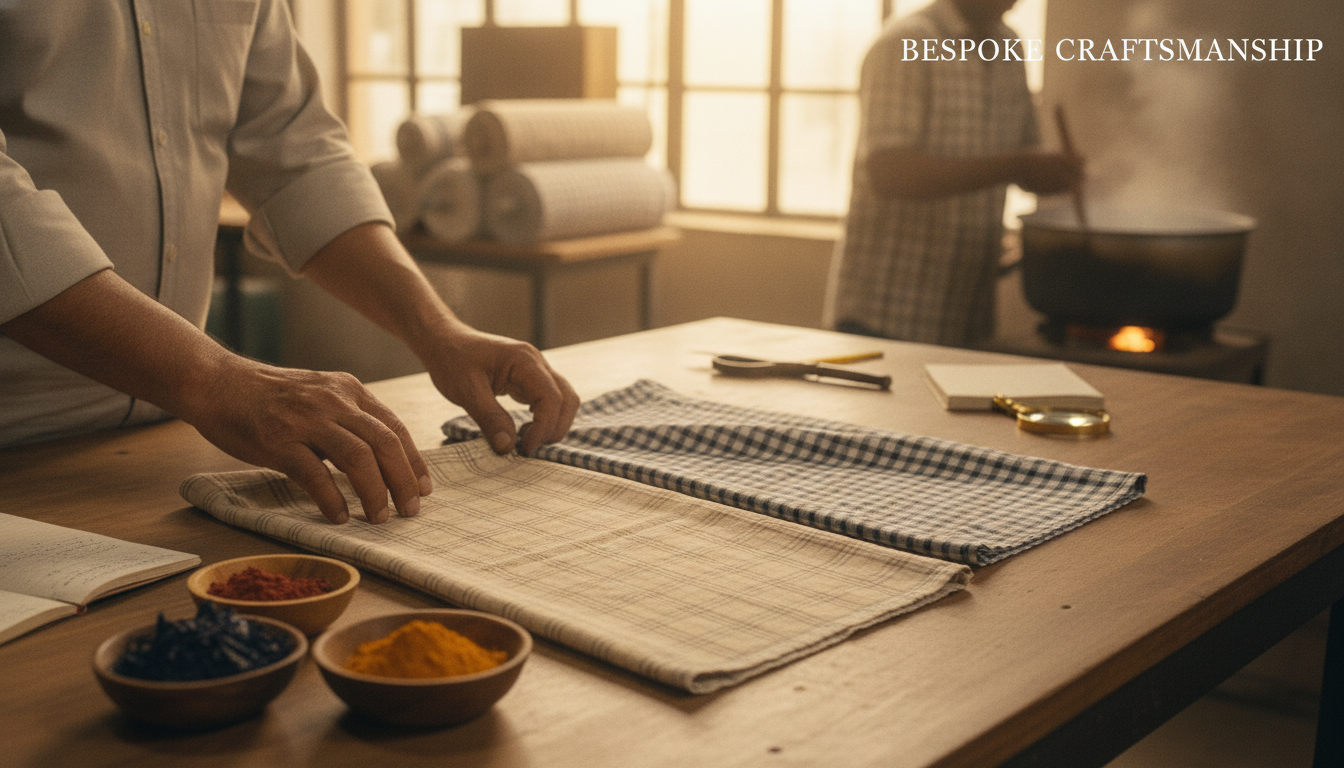
How to Source Cotton Fabric Smarter, Not Just Cheaper
To truly succeed in the B2B space, you need to practice "Smart Sourcing." This means looking beyond the initial price per meter and considering the long-term value of your partnership with sustainable cotton fabric suppliers.
Consolidating Orders
If you require different types of cotton, perhaps some organic voile for tops and a heavier handwoven cotton for trousers, try to source them from a single partner. Consolidating your wholesale cotton fabric orders reduces shipping overheads and simplifies communication.
Customization and Exclusivity
Working with artisan clusters allows for a level of customization that is impossible in large-scale industrial mills. You can co-create unique weaves or custom natural dye palettes that give your brand a competitive edge. This exclusivity is a powerful tool in the luxury and sustainable fashion markets.
Building Long-term Partnerships
The most successful sustainable brands don't just "buy" fabric; they build relationships. By providing consistent orders to bulk organic cotton fabric producers, you ensure the stability of the artisan communities and secure priority in their production schedules. For more tips on optimizing your procurement, check out our article on smart sourcing and buying wholesale fabrics for your brand.
Conclusion
Sourcing wholesale cotton fabric with a focus on sustainability is a journey of education and ethical commitment. By choosing bulk organic cotton fabric, you are not just purchasing a raw material; you are investing in the health of our planet and the dignity of the artisans who weave these stories into every thread.
India offers a world of opportunity for brands that value quality and heritage. From the fine muslins of Bengal to the rugged charm of hand-spun Khadi, the options are as diverse as the cultures that produce them. As you scale your brand, remember that your choice of sustainable cotton fabric suppliers defines your brand's legacy.
At Anuprerna, we are dedicated to bridging the gap between traditional Indian craftsmanship and the global sustainable fashion industry. We invite you to explore our collections and join us in our mission to make fashion a force for good.
most asked questions
What makes a supplier one of the top "sustainable cotton fabric suppliers"?
A top sustainable supplier is defined by transparency and certification. They should be able to provide GOTS (Global Organic Textile Standard) certification for their wholesale cotton fabric, ensuring that the entire supply chain—from farming to finishing—meets strict environmental and social criteria. Furthermore, they should practice fair trade, ensuring artisans and workers receive living wages and work in safe conditions. Anuprerna, for example, focuses on traceability and supporting handloom clusters in East India.
Is bulk organic cotton fabric more expensive than conventional cotton?
Generally, yes. Bulk organic cotton fabric carries a premium because organic farming is more labor-intensive, yields can be lower, and the certification processes add cost. However, for B2B buyers, this cost is often offset by the increased market value of the final garment. Consumers are increasingly willing to pay more for ethical products. Additionally, by buying wholesale, brands can significantly reduce the per-meter cost compared to retail or small-batch purchasing.
How do I verify if the fabric is truly GOTS certified cotton wholesale?
To verify GOTS certified cotton wholesale products, you must ask your supplier for a "Transaction Certificate" (TC). A TC is issued by an accredited certification body and proves that the specific lot of fabric you are purchasing was produced according to GOTS standards. Simply seeing a GOTS logo on a website is not enough; the TC is the only legal proof of the organic status of a specific shipment.
Can I get custom colors when ordering wholesale cotton fabric?
Yes, most sustainable cotton fabric suppliers in India offer custom dyeing services for bulk orders. At Anuprerna, we use azo-free synthetic dyes or traditional natural dyes depending on the brand's requirements. Keep in mind that custom dyeing usually requires a minimum order quantity (MOQ) per color and can add 2-3 weeks to the overall lead time to ensure the color match is perfect and the dyes are properly set.
What are the typical MOQs for bulk organic cotton fabric from India?
MOQs vary widely. Large industrial mills may require 1,000 to 3,000 meters per style. However, suppliers focused on the sustainable and artisan sector, like Anuprerna, offer much lower MOQs to support emerging designers and boutique brands. These can range from 30 to 100 meters, depending on the complexity of the weave. Lower MOQs allow brands to test the market without the risk of holding excessive inventory.
More Blogs

how celebrities who care about the environment are changing fashion
life cycle assessment (lca) in fashion: measuring your brand's true impact
how to source ethical raw silk for your fashion label
top commercial uses of natural dyes in sustainable fashion
how eco friendly celebrities are changing the fashion industry
how to become an ethical fashion designer: a sourcing guide