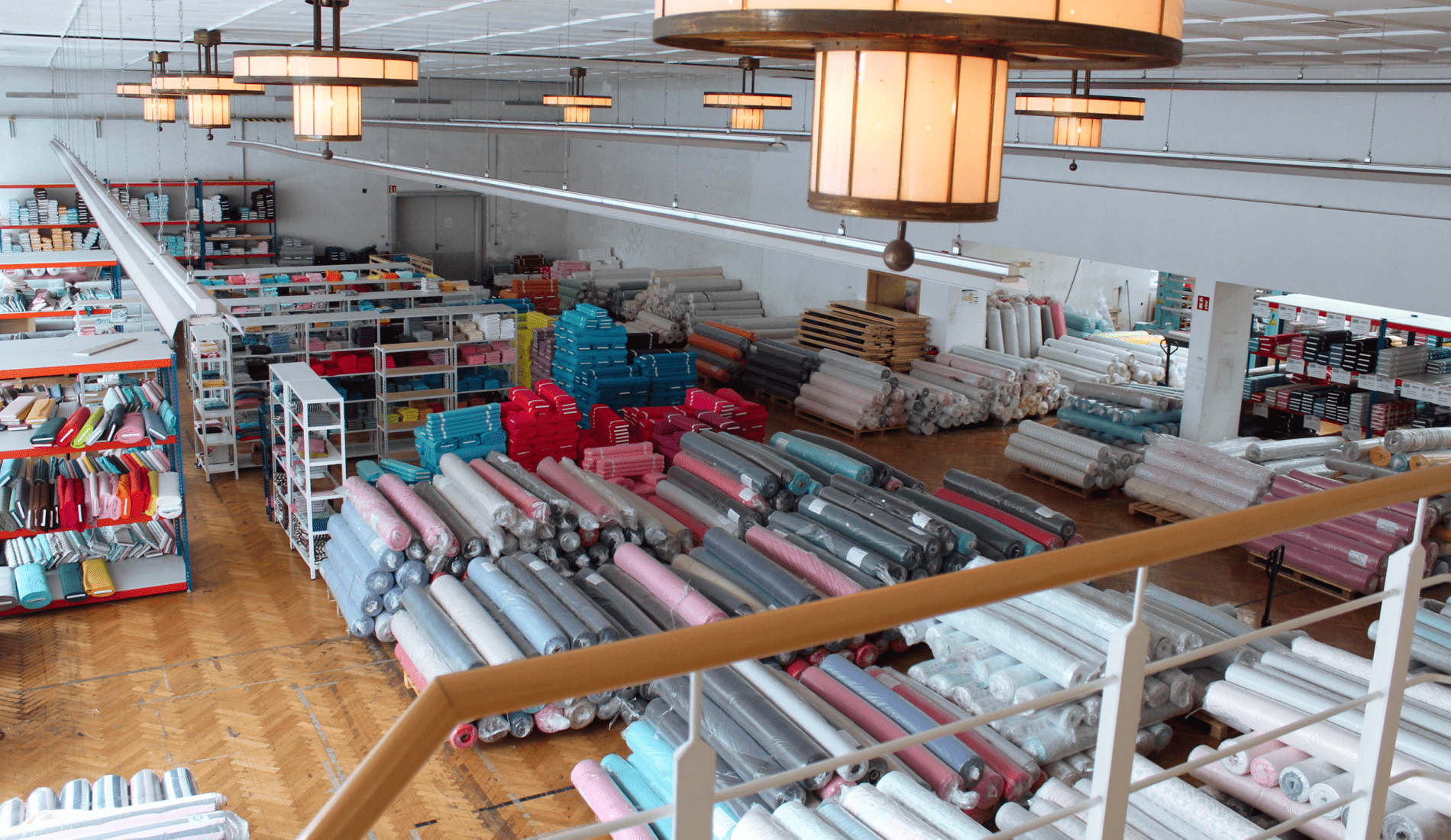
Smart Sourcing: Buying Wholesale Fabrics for Your Brand

Smart sourcing is essential for your brand. Opt for bulk buy fabric to cut costs, and use bulk fabric online platforms for convenience and variety. Partnering with a reputable clothes and fabric wholesaler or fabric wholesaler ensures high-quality materials and reliable supply, enhancing both your product line and operational efficiency. This approach streamlines your production process and maximizes budget efficiency.
Understand Your Needs
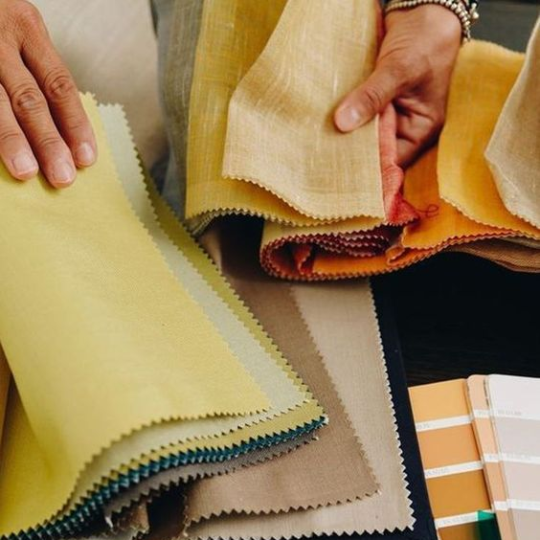
Type of Fabric: Identify the specific types of fabrics you need based on your product designs (e.g., cotton, silk, wool, polyester).
Quantity: Estimate the amount of fabric you'll need. Wholesale suppliers often have minimum order requirements.
Research Suppliers
Reputation: Look for suppliers with good reviews and a solid reputation in the industry.
Specialization: Some suppliers specialize in certain types of fabrics. Choose one that aligns with your needs.
Samples: Request fabric samples to check quality before committing to a large order.

Check Pricing and Terms

Pricing: Compare prices from different suppliers to ensure you're getting a competitive rate.
Terms of Sale: Understand the terms regarding minimum order quantities, bulk discounts, payment terms, and return policies.
Evaluate Fabric Quality
Consistency: Ensure the fabric quality is consistent across samples and batches.
Durability: Consider the fabric’s durability, especially if your products will undergo frequent washing or use.
Feel and Appearance: The texture and look of the fabric should match your design vision. order swatchbook from online wholesaler.
Sustainability
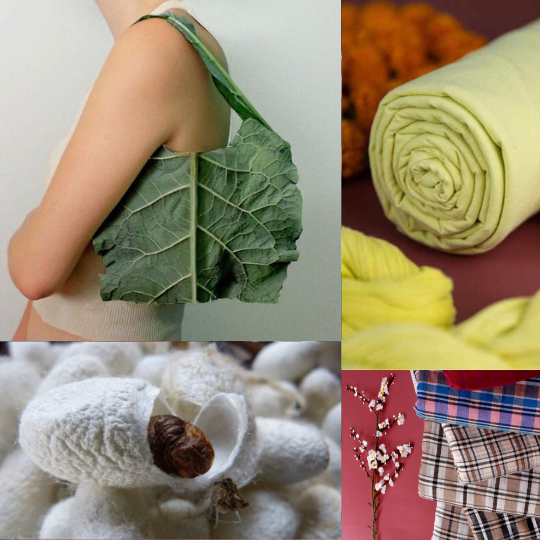
Eco-Friendly Options: If sustainability is important to your brand, look for suppliers that offer organic or sustainably sourced fabrics.
Certifications: Check for certifications like GOTS (Global Organic Textile Standard) or OEKO-TEX that verify the fabric’s eco-friendly status.
Understand Shipping and Lead Times

Shipping Costs: Factor in shipping costs, which can significantly impact your budget.
Lead Times: Be aware of how long it will take to receive your order. Plan ahead to avoid production delays.
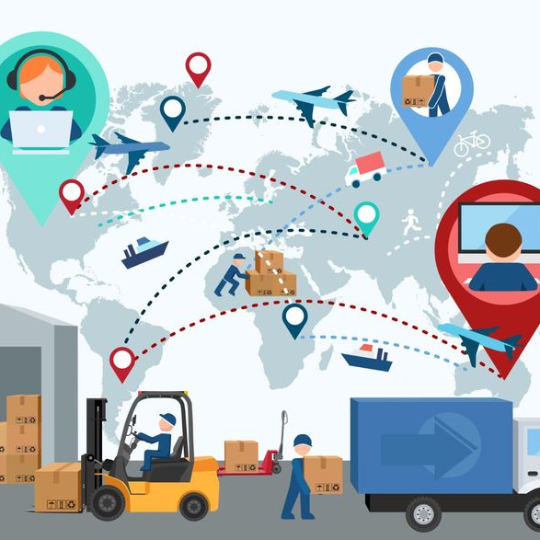
Logistics and Inventory Management
Storage: Ensure you have adequate storage space for your fabrics to avoid damage.
Inventory Tracking: Keep an organized inventory system to manage fabric stock effectively.
releted question
Where do designers get fabrics from?
First of all fashion designers don't go to fabric stores to get their fabrics for dressmaking, they buy it from manufacturers, wholesalers, or exclusive fabric designers.
How to source cheap fabrics?
Most fabric stores have a little section in the back—or sometimes a remnant bin right up front—where you can find discounted yardage. Also, shopping off-season is a great way to take advantage of sales. So the next time you go to a fabric store, find the sale section and start there before you look at the rest.
What fabric do luxury brands use?
High fashion fabrics are often made of 100% silk, pure cotton and merino wool. Renowned manufacturers that work with natural fibers combine centuries-old experience with sophisticated cutting-edge technology. High-tech.
Which fabric is costly?
Vicuna Wool What makes this wool material an expensive fabric is because it came from Vicuna sheep, a rare sheep species that is mostly found in Peru. Besides being rare, Vicuna's fur is also processed using a complicated hand looming process, making it more expensive.
More Blogs
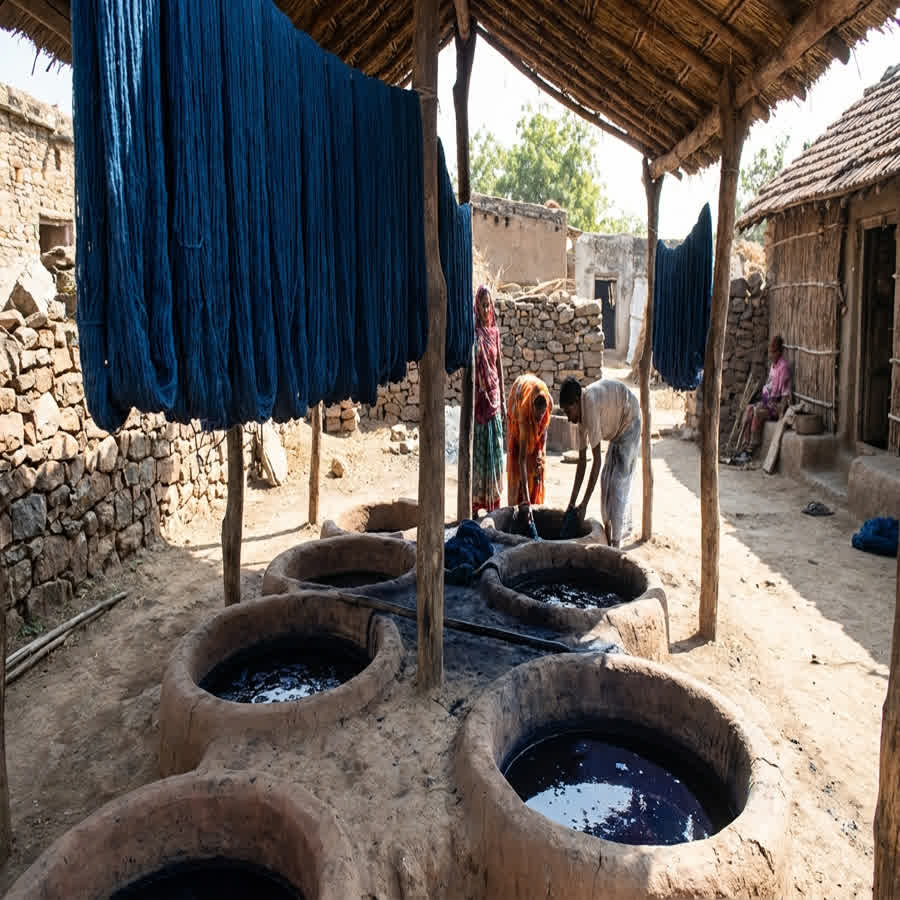
how indian fabric exporters meet global quality standards
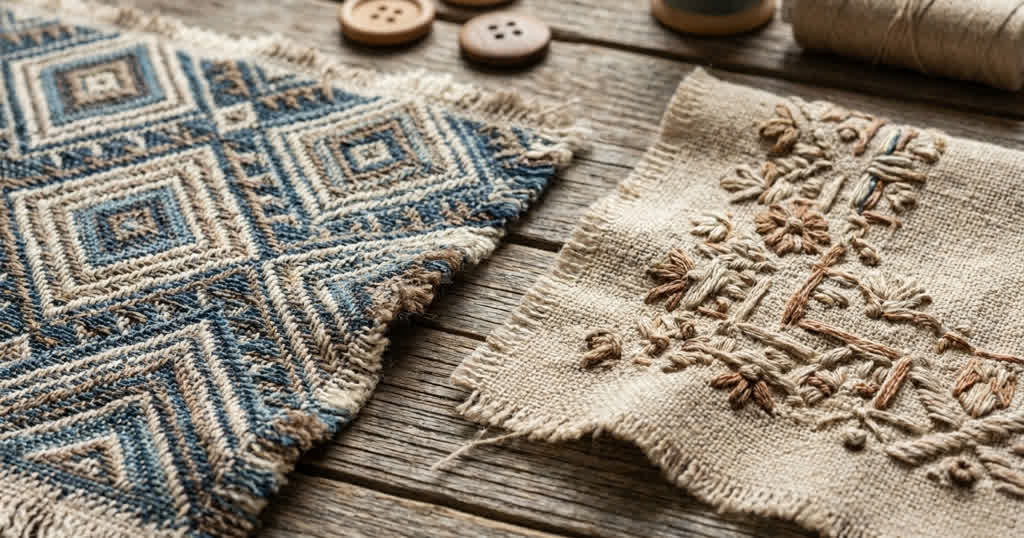
jacquard vs embroidery: what's the difference?
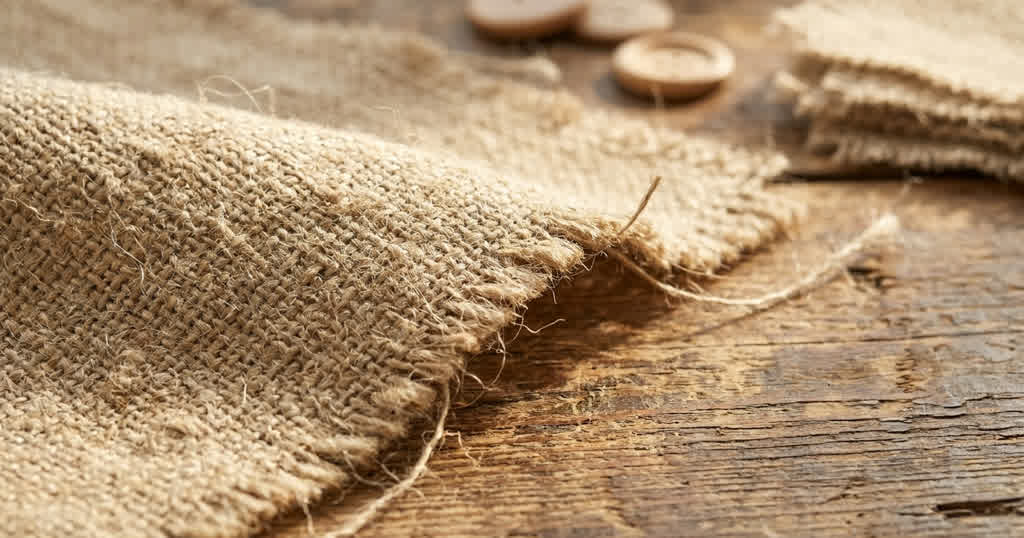
buy hemp fabric in bulk: what fashion brands need to know
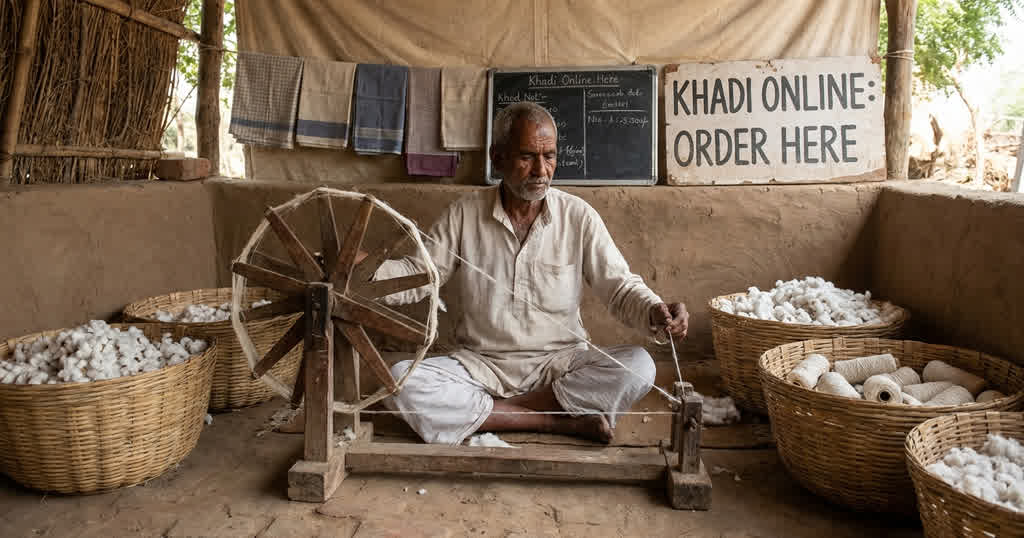
khadi online shopping: what fabric details should you check?
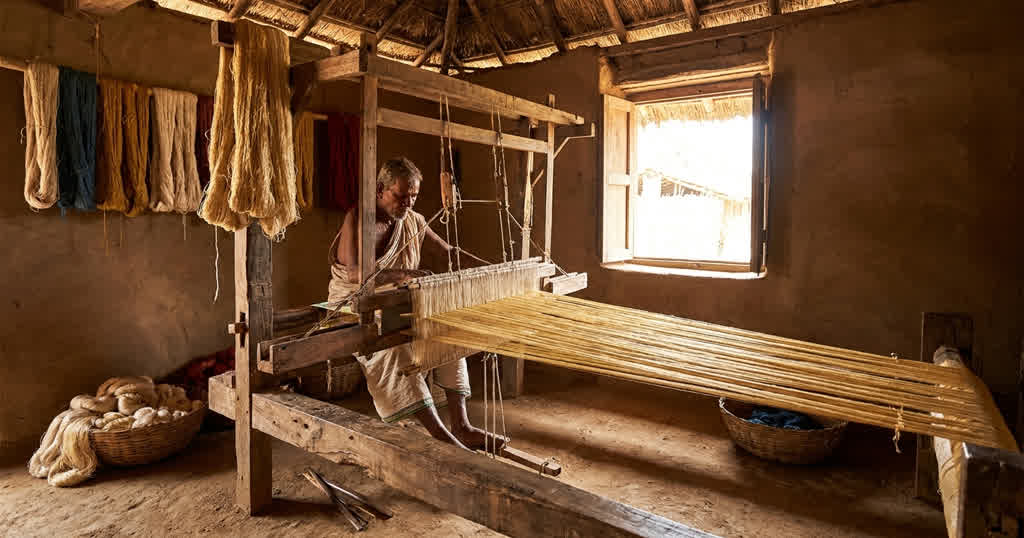
a designer’s guide to sourcing silk from indian manufacturers
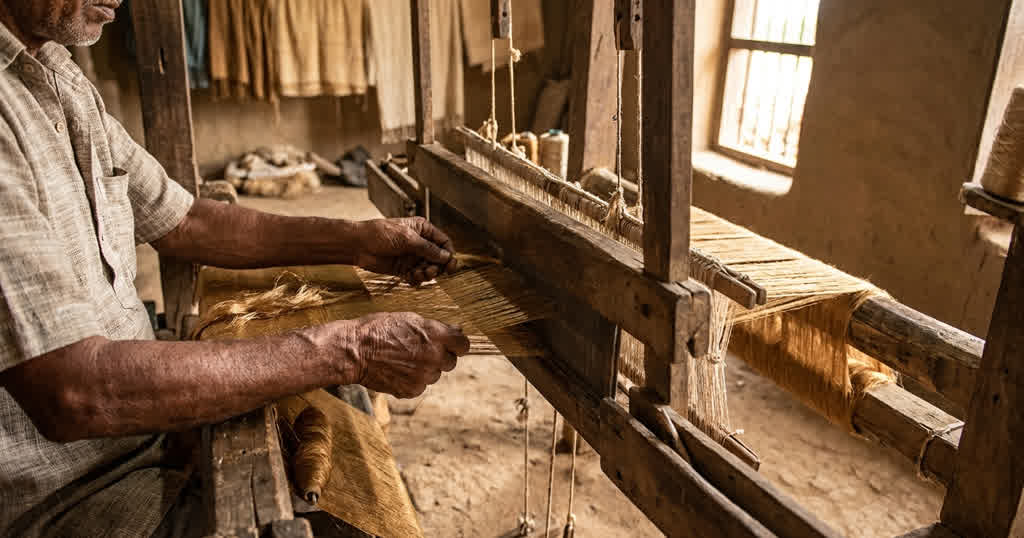
tussar silk fabric: characteristics, texture & a guide for designers