
Handspun Khadi vs. Mill-Made Cotton: Why Khadi Online Shopping Offers More Value

Sustainability in fashion is no longer optional. For designers, boutique owners, and B2B buyers, fabric choice is a strategic decision that shapes quality, ethics, and brand credibility.
Yet in khaadi online shopping, one question keeps surfacing: what truly separates authentic handspun khadi from mill-made cotton? Both use cotton. The similarity ends there.
Mill-made cotton prioritises speed, consistency and cost through industrial processing. Handspun Khadi is slower, irregular by nature, and rooted in human skill. The difference is not cosmetic. It shows up in texture, breathability, environmental impact, and the livelihoods behind the fabric.
This guide breaks down the handspun vs machine-made debate clearly and practically, so you can evaluate Khadi not as a sentiment, but as a material choice. If you are sourcing with sustainability, traceability, and long-term value in mind, this distinction matters.
The Environmental and Social Value Gap
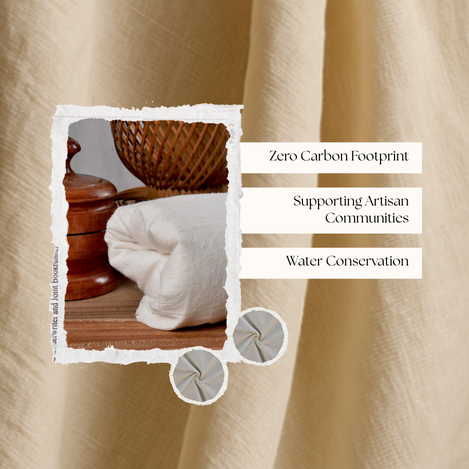
Zero Carbon Footprint
Mill production is energy-intensive. From the electricity required to run massive looms to the hum of industrial air conditioning, the carbon footprint is substantial. Khadi, however, is the only fabric in the world that requires no electricity for its production. It is powered entirely by human energy. By choosing Khadi, brands can significantly reduce their Scope 3 emissions.
Supporting Artisan Communities
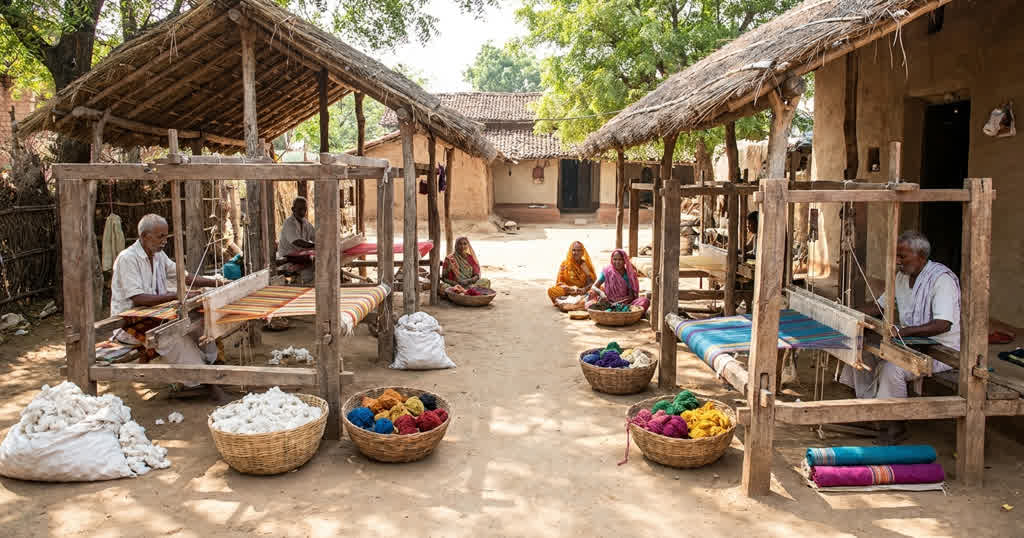
Anuprerna works directly with artisan clusters across East India. When you choose handwoven textiles, you are directly supporting the livelihoods of spinners and weavers who have kept these traditions alive for generations. Machine-made cotton favors automation, often displacing rural workers. Khadi production is inherently decentralized, providing sustainable employment in rural sectors where it is needed most.
Water Conservation
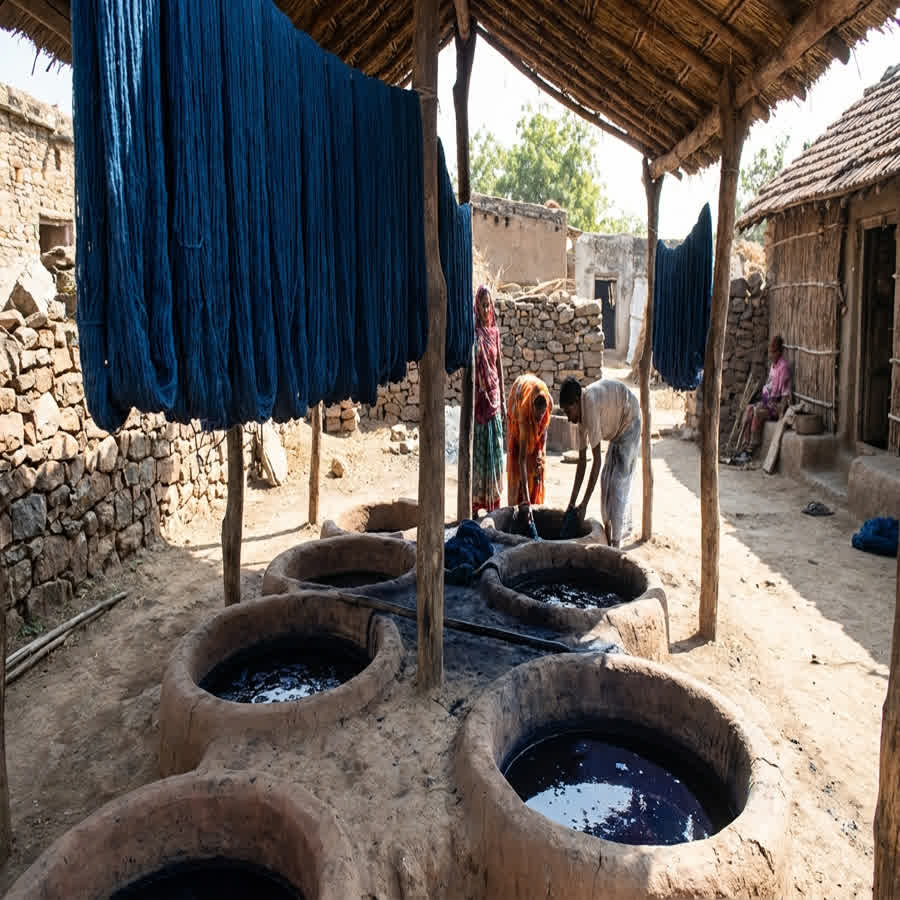
Industrial textile mills are notorious for water consumption and chemical runoff. Hand-processing khadi uses significantly less water. Furthermore, because the fibers aren't subjected to the same harsh mechanical stress, they require fewer chemical treatments during the pre-weaving stage.
The Technical Divide: Handspun vs Machine Made Textiles
To truly appreciate the value of Khadi, one must understand the mechanical differences in its creation. The journey of mill-made cotton begins in massive industrial facilities where high-speed rotors spin cotton fibers into yarn. These machines exert significant tension on the fibers, often requiring the use of sizing chemicals and synthetic strengtheners to prevent breakage. The resulting yarn is perfectly uniform, but it loses the natural "life" of the cotton fiber.
A fabric like our white handspun handwoven Khadi cotton is created very differently. Spinning is done by hand on a charkha. The process applies far less tension than machines, so the fibers are not stretched or flattened. This gentle handling preserves the natural air pockets within the yarn, which directly affects how the fabric feels and performs.
Why the Spin Matters
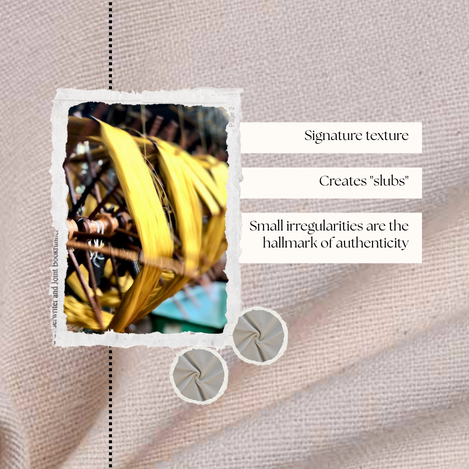
When you engage in khaadi online shopping, you are looking for that signature texture. In machine spinning, the twist is tight and consistent. In hand spinning, the twist varies slightly, creating "slubs"—small irregularities that are the hallmark of authenticity. These slubs aren't defects; they are the DNA of the fabric, allowing it to breathe in a way that machine-made cloth simply cannot.
The Weaving Process
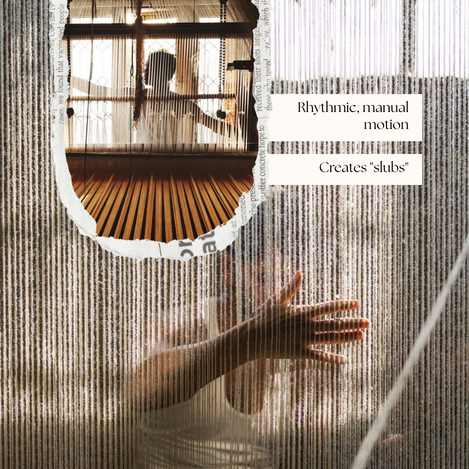
Once spun, the yarn is moved to a handloom. Unlike power looms that hammer the weft into the warp with mechanical force, a handloom weaver uses a rhythmic, manual motion. This creates a fabric that is softer and more "moveable." For instance, a piece like our Plain Black Khadi Cotton Fabric 160 Gsm Handspun Handwoven possesses a structural integrity and drape that machine-made black cotton lacks, making it ideal for high-end sustainable apparel.
The Sensory Experience: Benefits of Handwoven Khaadi
Beyond the technical and ethical, there is the "wearability" factor. There are several benefits of handwoven khaadi that make it superior for the end consumer, particularly in varying climates.
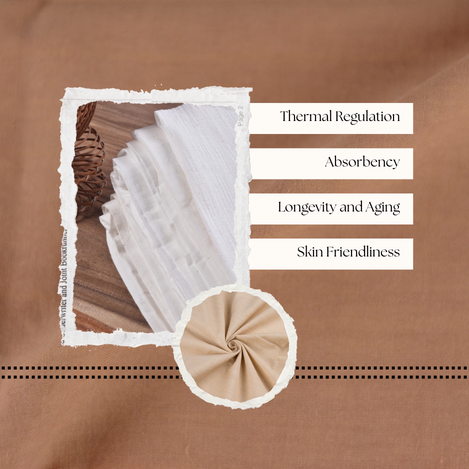
- Thermal Regulation: Khadi is unique because it stays cool in the summer and warm in the winter. The air pockets created during hand-spinning act as a natural insulator.
- Absorbency: Handspun yarn is highly absorbent. It wicks moisture away from the skin much more effectively than the compressed fibers of mill-made cotton.
- Longevity and Aging: While mill-made cotton often thins out or loses its shape after multiple washes, Khadi actually becomes softer and more lustrous with age. A plain red khadi cotton 200 gsm handwoven fabric will maintain its structural richness for years.
- Skin Friendliness: Because it is free from many of the harsh chemicals used in high-speed industrial weaving, Khadi is hypoallergenic and ideal for sensitive skin.
Navigating Khaadi Online Shopping: How to Identify Authenticity

- Look for slubs
Authentic handspun Khadi shows natural variations in yarn thickness. If the irregularities look uniform or repeat predictably, it is likely machine-made. - Check the selvedge
Handloom selvedges are slightly uneven and often show the weft turn. Machine-made fabrics have pin-straight, perforated edges from industrial looms. - Understand GSM and weight
GSM matters when doing khaadi online shopping.
- 90–115 GSM: Ideal for shirts and summer dresses.
- 160–215 GSM: Better for trousers, jackets, and home textiles.
For a deeper dive into choosing the right fabric, read our guide on buying khadi cotton fabric online and what authenticity really means.
The Economics of Value: Why Khadi Costs More
A common hurdle in the Khaadi vs Cotton discussion is the price point. Mill-made cotton is undeniably cheaper. However, the "Value Gap" explains why the higher price of Khadi is justified.
When you purchase a Check Dark Green Khadi Cotton, you aren't just paying for raw material. You are paying for the days of labor spent spinning the yarn, the weeks spent on the loom, and the preservation of a cultural heritage that would otherwise be lost to industrialization. For a B2B brand, this translates into a premium product with a compelling marketing story that resonates with conscious consumers.
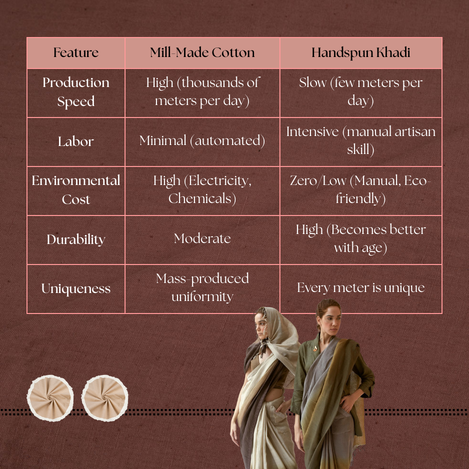
Two Cottons. Two Systems. One Clear Choice.
The choice between handspun Khadi and mill-made cotton is ultimately a choice between two different philosophies of production. Mill-made cotton serves the world of fast fashion and disposability. Handspun Khadi serves the world of intention, quality, and sustainability.
As we have explored, the benefits of handwoven khaadi extend far beyond its physical properties. It is a fabric that breathes, protects, and empowers. For those engaged in khaadi online shopping, the key is to look beyond the price tag and recognize the immense value held within the handspun threads.
At Anuprerna, we are committed to closing this value gap by providing transparent access to the finest handwoven textiles in India. Whether you are looking for a Plain Black Khadi Cotton Fabric 115 Gsm or a vibrant Check Teal Khadi Fabric 200 Gsm, you are choosing a fabric that supports the earth and its people.
Ready to elevate your collection with authentic handspun textiles? Explore our full Khadi Cotton Collection here.
most asked questions
Is Khadi and Cotton the same thing?
While Khadi is made from cotton fibers, they are not the same in terms of processing. "Cotton" usually refers to mill-made fabric where spinning and weaving are done by machines. Khadi specifically refers to fabric that is both handspun and handwoven. This manual process gives Khadi its unique texture, breathability, and eco-friendly properties that machine-made cotton lacks.
Why is khaadi online shopping more expensive than regular cotton?
The price difference reflects the labor-intensive nature of the fabric. One meter of Khadi can take several days to produce, involving manual spinning on a charkha and weaving on a handloom. Unlike mill cotton, which is mass-produced using electricity and automation, Khadi provides a fair wage to artisans and has a near-zero carbon footprint, making it a premium, sustainable choice.
Does Khadi shrink more than mill-made cotton?
Because Khadi is handwoven, the tension of the threads is more relaxed than in machine-made fabrics. This can lead to slight shrinkage (usually 3-5%) during the first wash. However, at Anuprerna, many of our fabrics are pre-washed or processed to minimize this. We always recommend pre-shrinking the fabric before stitching to ensure a perfect fit.
How can I tell if the Khadi I am buying online is authentic?
Authentic Khadi will have slight irregularities in the weave, known as slubs. If the fabric is perfectly smooth and uniform, it is likely machine-made. Another way to check is the "feel"—Khadi is exceptionally soft and has a matte finish. When khaadi online shopping, look for reputable suppliers like Anuprerna who provide detailed information about the GSM and the artisan clusters involved in production.
What are the main benefits of handwoven khaadi for the wearer?
The primary benefits include superior breathability and thermal regulation—keeping you cool in summer and warm in winter. It is also highly absorbent, making it ideal for humid climates. Additionally, Khadi is gentle on the skin as it uses fewer chemicals than industrial cotton, and it is incredibly durable, often becoming softer and more comfortable with every wash.
More Blogs
why organic fabric suppliers are growing in india
jacquard fabric in modern fashion
how silk manufacturers preserve traditional craftsmanship
indian fabric wholesale: a guide to sourcing handwoven textiles
how indian fabric exporters meet global quality standards
jacquard vs embroidery: what's the difference?