Buying Khadi Cotton Fabric Online: What “Authentic” Really Means and How to Choose Fabric That Lasts

If you are looking to buy khadi fabric online, chances are you are comparing options carefully rather than doing it on impulse. You want to know whether what you see online will actually feel comfortable and last in daily wear. That hesitation is justified. Khadi is not a single, standardised fabric.
How it performs depends on how it is spun, woven and finished. This guide is meant to help you understand those differences and choose khadi cotton fabric with more clarity.
Why Buying Khadi Online Feels So Confusing
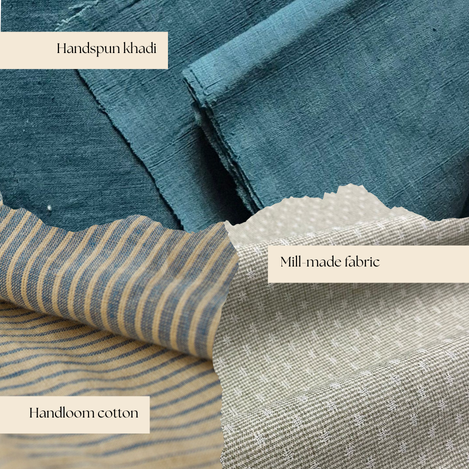
The word “Khadi” is used loosely across the internet. It can refer to handspun fabric, handloom cotton, organic cotton or even mill-made fabric designed to resemble Khadi. These distinctions are rarely explained upfront.
Some of the confusion comes from:
- Large price differences across fabrics wholesale and Indian fabric wholesale platforms
- Listings that rely on sentiment and heritage language rather than fabric details
- Product images that hide texture and weave
As a result, two fabrics labelled “Khadi” can behave very differently once you wear or wash them. This is often why first-time buyers feel unsure or disappointed, even when their intention was right.
What Real Khadi Cotton Fabric Feels Like in Daily Wear
Khadi cotton fabric is best understood through use rather than appearance. It is not meant to look perfectly smooth or uniform.
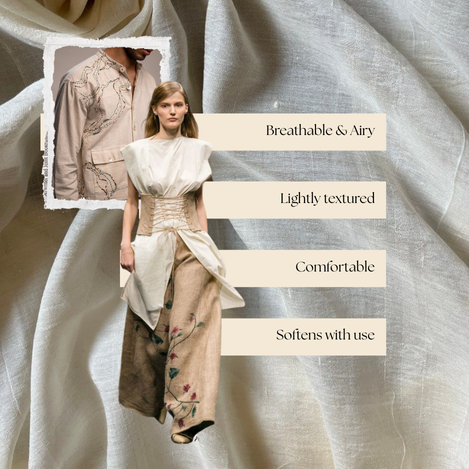
In everyday wear, genuine Khadi typically feels:
- Breathable and airy, especially in warm conditions
- Slightly textured because of handspun yarn
- Comfortable for long hours without clinging
- Softer over time rather than breaking down quickly
Khadi allows air to circulate easily and adapts well to repeated wear. This is why it has remained relevant for daily clothing rather than being reserved for special occasions. Its value lies in comfort and wearability, not surface polish.
Handspun Khadi vs “Khadi-Style” Fabric: What You Need to Know
This distinction is often skipped in online listings, but it matters.
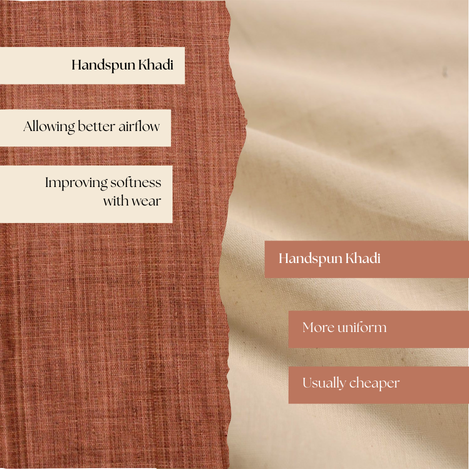
Handspun Khadi
- Yarn is spun by hand
- Natural irregularity improves breathability
- Fabric softens with use
- Higher cost due to labour and time involved
Khadi-style or mill-spun cotton
- Yarn is machine-spun
- More uniform appearance
- Less breathable than handspun khadi
- Commonly sold at lower prices
Both types exist in the market and both can serve different needs. The issue arises when listings do not clarify which one is being sold. Extremely low prices are often a signal that the fabric is mill-spun, even if it is labelled as Khadi.
How to Read Khadi Fabric Listings Before You Buy
When buying Khadi online, clarity matters more than claims. Instead of focusing on labels alone, look for information that helps you understand how the fabric will actually perform.
Useful details in a Khadi listing
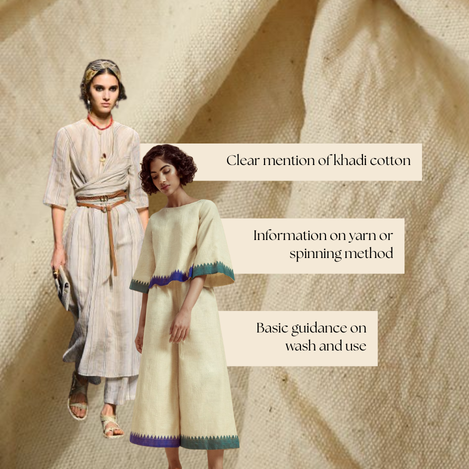
- Clear mention of khadi cotton fabric, not just “cotton” or “handloom”
- Information on yarn type or spinning method
- Basic guidance on washing and shrinkage
- Suggested use cases for garments or applications
Red flags
- Heavy storytelling without fabric specifics
- No mention of texture, weave, or finish
- Stock images that hide surface detail
- Repeated use of “authentic” without explanation
Good listings respect the buyer’s need to understand the material, especially when shopping across fabric wholesalers or textile wholesale suppliers.
frequently asked questions
What Should I Check Before Buying Khadi Fabric Online?
Look for clear mention of khadi cotton fabric, information on yarn or spinning method, texture description, and basic care guidance. Vague listings without fabric details are usually a red flag.
Are All Khadi Fabric Handspun?
No. Genuine khadi is made using handspun yarn, but many online listings sell mill-spun cotton as “khadi-style” fabric. The difference affects breathability, feel, and longevity.
How Does Khadi Cotton Fabric Feel Compared to Regular Cotton?
Khadi cotton fabric feels more breathable and slightly textured due to handspun yarn. It is comfortable for long wear and tends to soften over time, unlike uniform mill-made cotton.
Why Does Khadi Fabric Pricing Vary So Much Online?
Pricing varies based on spinning method, weaving process, yarn quality, and scale of production. Handspun khadi costs more due to labour and time, while mill-spun versions are cheaper.
More Blogs
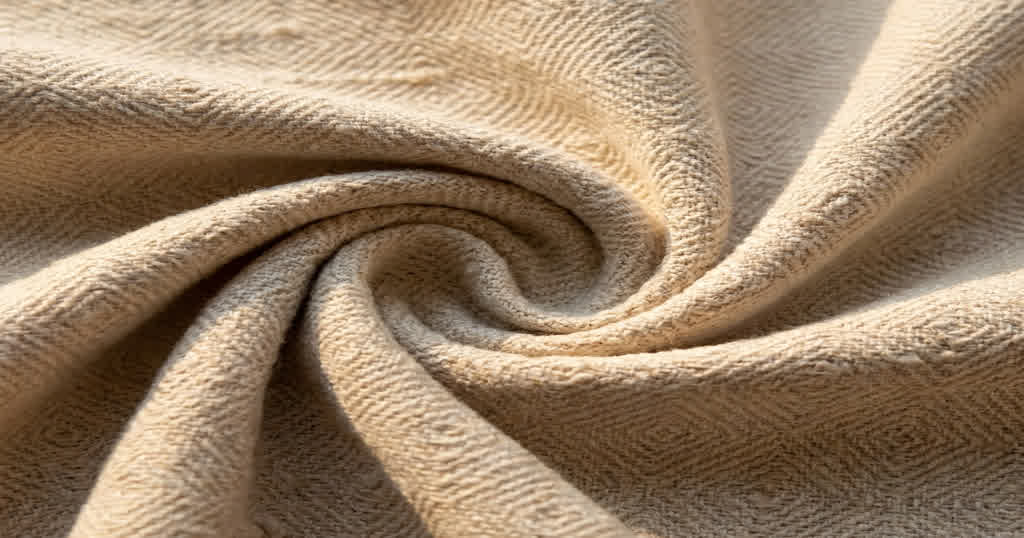
understanding jacquard weaving techniques
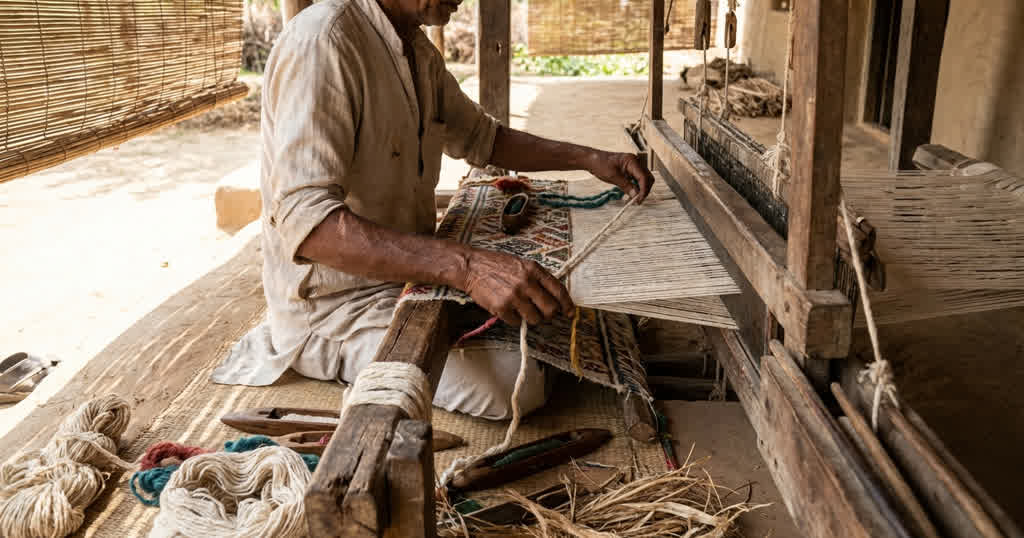
advanced weaving techniques: beyond the plain, twill, and satin weaves
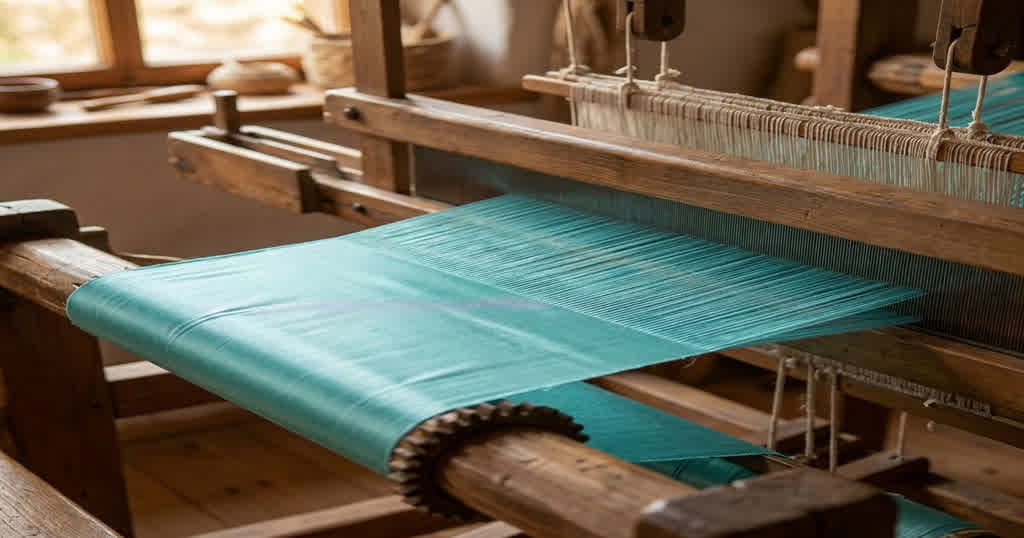
mastering the satin weave pattern: characteristics and uses
wholesale earthy-tone handloom cotton for designers
why organic fabric suppliers are growing in india
jacquard fabric in modern fashion