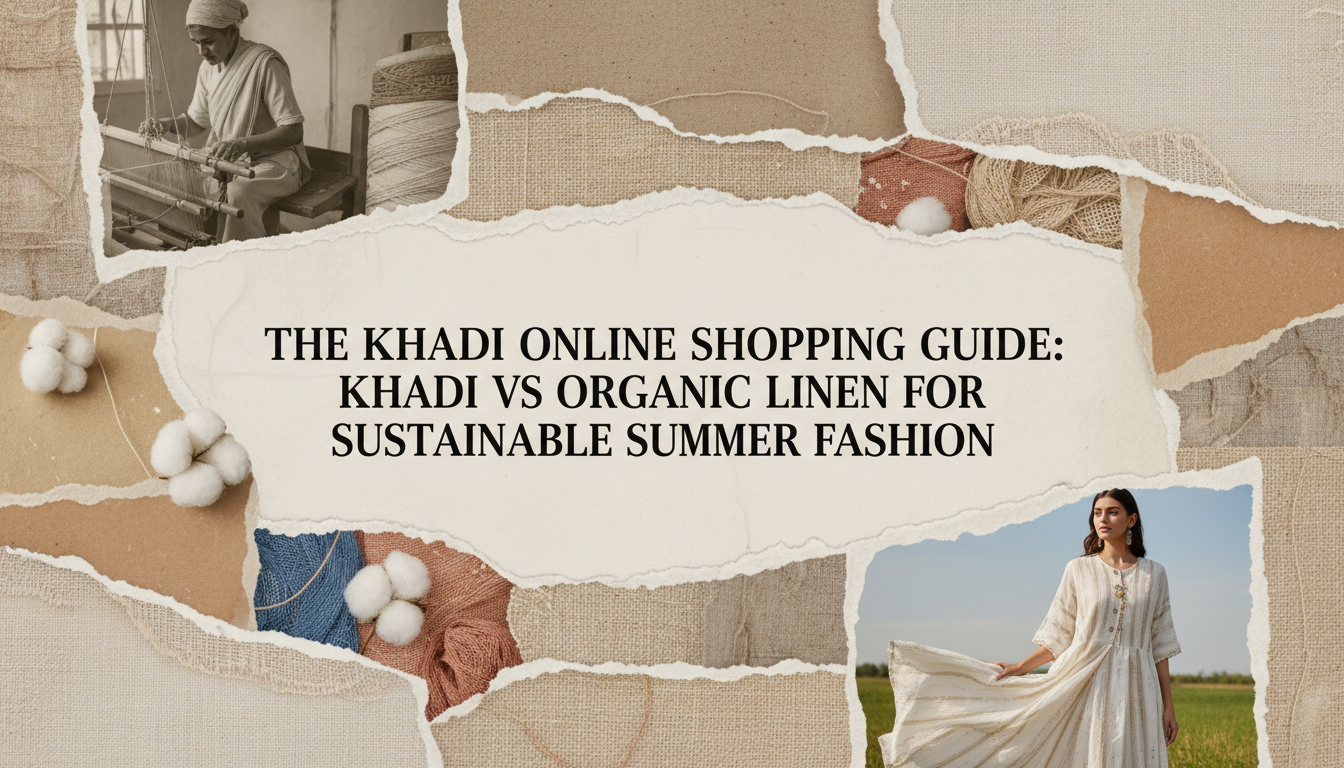
Khaadi Online Shopping Guide: Khaadi vs Organic Linen for Sustainable Summer Fashion

As the global fashion industry pivots toward conscious consumption, designers and brands are increasingly searching for materials that balance aesthetic appeal with environmental responsibility. When it comes to conquering the heat of the summer months, two heavyweight contenders often dominate the conversation: Khadi (or Khaadi) and Organic Linen. Both are celebrated for their natural origins and remarkable cooling properties, but they offer distinct narratives in terms of heritage, texture, and manufacturing impact.
For many modern designers, the journey begins with khaadi online shopping, looking for that perfect hand-feel that only a handspun fabric can provide. However, understanding the technical and ethical nuances between Khaadi vs Organic Linen is essential for making an informed procurement decision. Is the rugged, soulful texture of khadi cotton more breathable than the crisp, sophisticated drape of organic flax? And how do their sustainability footprints compare when we look at water usage and artisan livelihoods?
In this comprehensive guide, we will break down the science of breathability, the ethics of the supply chain and the tactile differences between these two legendary textiles. Whether you are looking to buy khadi fabric online for a new collection or simply want to understand the value of sustainable summer fabrics, this comparison will provide the clarity you need.
The Heritage and Science of Handspun Khadi Cotton
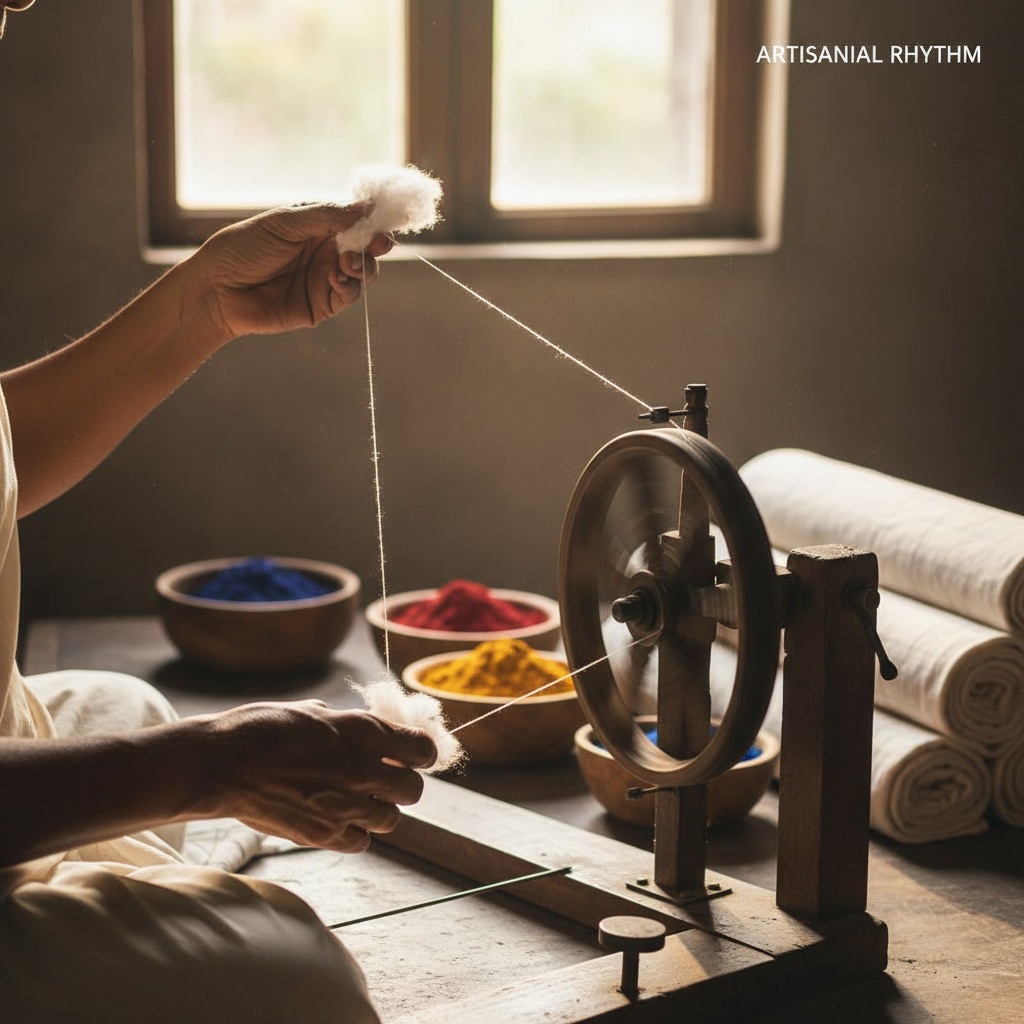
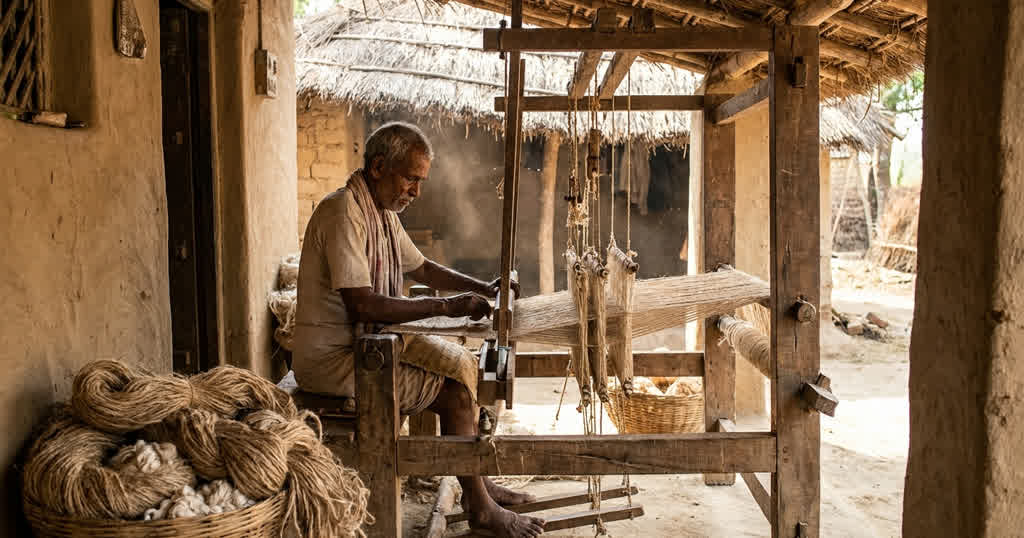
Khadi is more than just a fabric in the Indian context; it is a symbol of self-reliance and a testament to human craftsmanship. The defining characteristic of Khadi is that it is both handspun and handwoven. This dual process creates a textile that is fundamentally different from anything produced in a mill.
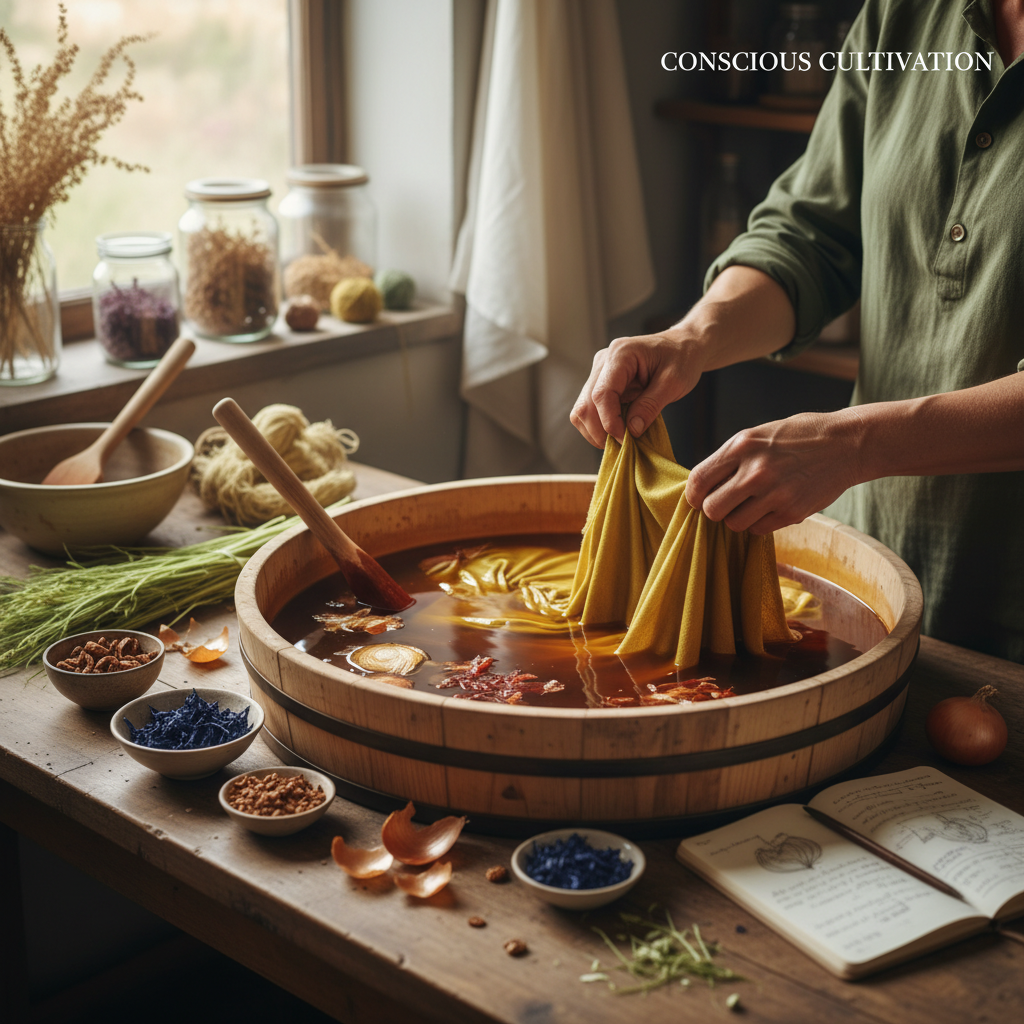
When you engage in khaadi online shopping, you are looking for a fabric that "breathes" in a way no machine-made material can. Because the yarn is spun by hand on a charkha, it possesses subtle irregularities or "slubs." These variations aren't defects; they are the secret to Khadi's superior breathability. These irregularities create tiny air pockets within the weave, allowing for maximum air circulation. In the summer, these pockets move heat away from the body, while in the winter, they provide a surprising amount of insulation. This makes handspun khadi cotton a versatile, year-round choice for sustainable brands.
Furthermore, the lack of chemical processing in traditional Khadi production preserves the natural strength of the cotton fibers. At Anuprerna, our pieces like Handspun Cotton Khadi Fabric showcase this delicate balance of lightness and durability, making it an ideal candidate for summer shirts, dresses, and tunics.
The Social Impact of Khadi
Beyond the physical attributes, the sustainability of Khadi is deeply rooted in its social impact. It is one of the few textiles that can claim a near-zero carbon footprint, as it requires no electricity for spinning or weaving. By choosing to buy khadi fabric online from ethical manufacturers, you are directly supporting artisan communities in East India, ensuring that traditional skills are passed down through generations.
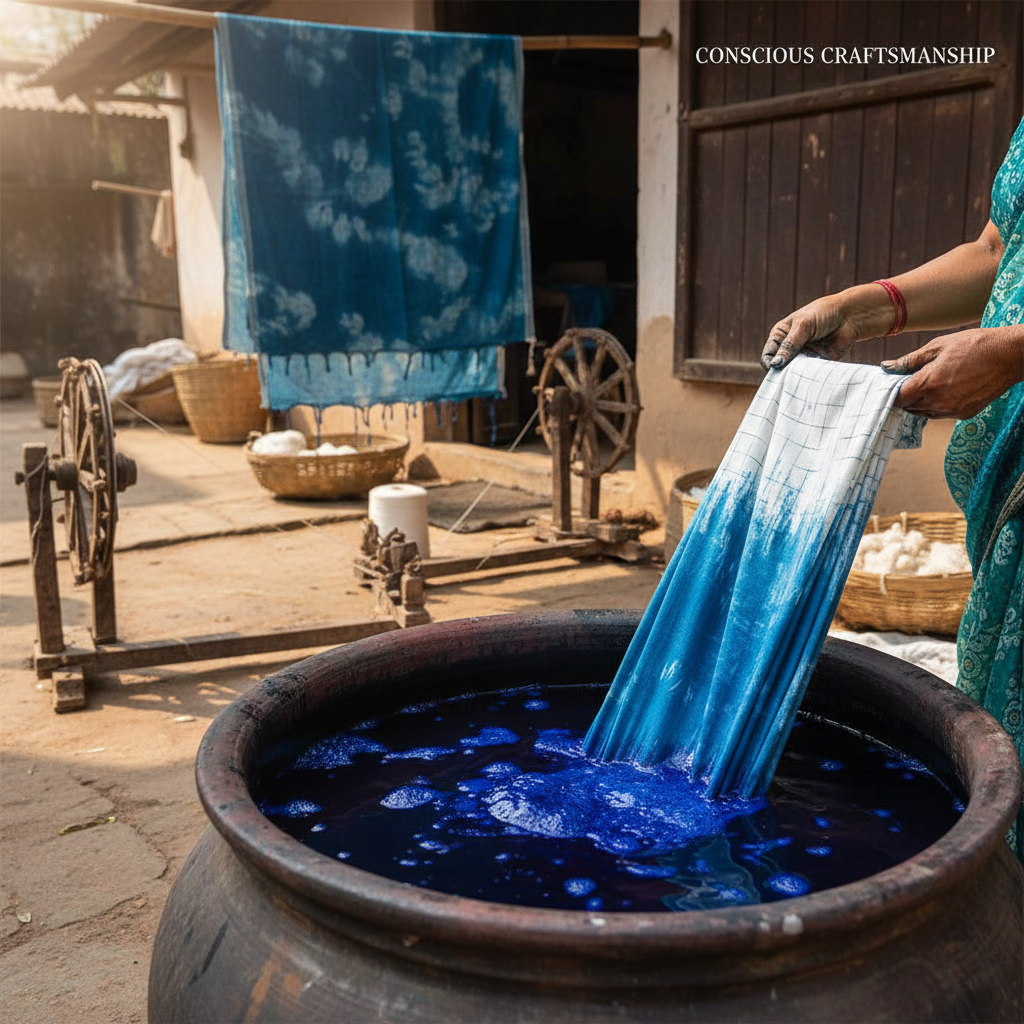
Organic Linen: The Sustainable Powerhouse of the West
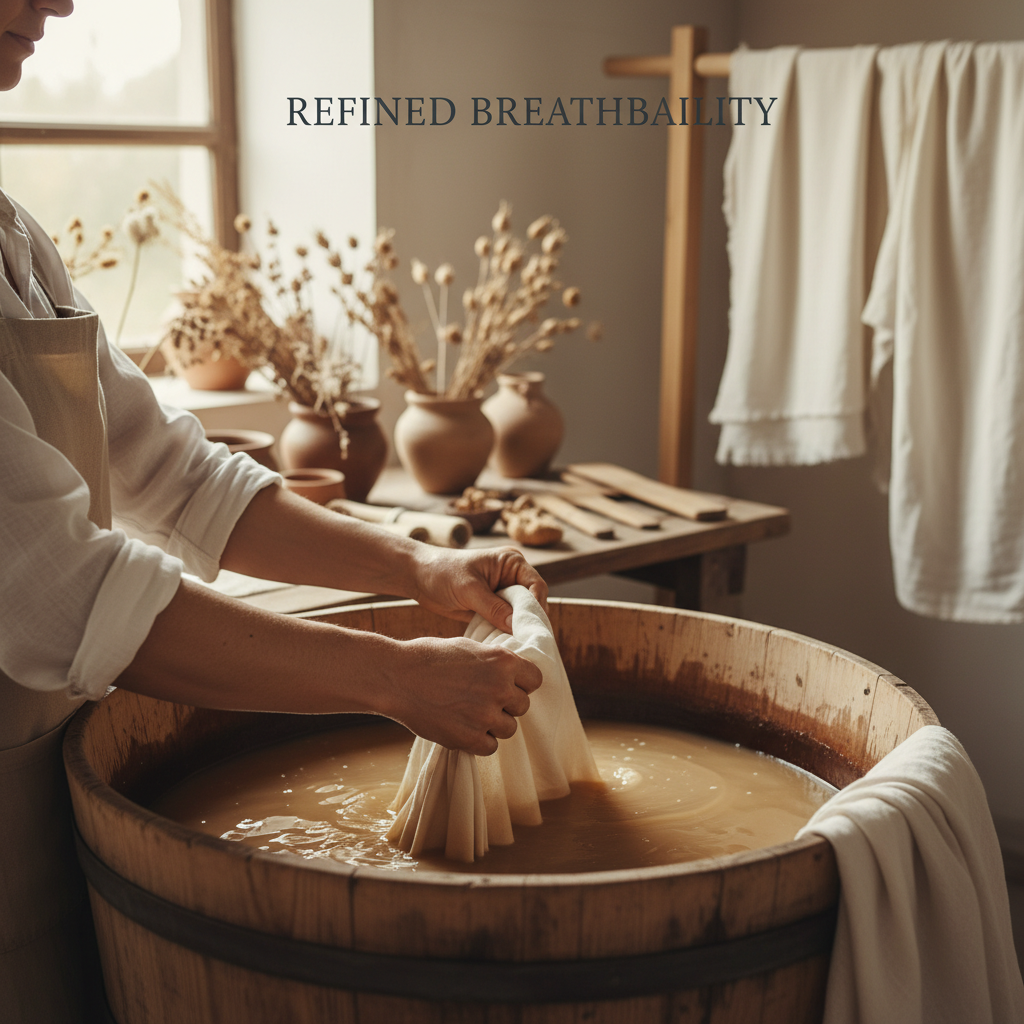
Linen, derived from the flax plant (Linum usitatissimum), has been a staple of luxury summer wardrobes for centuries. Organic linen takes this a step further by ensuring the flax is grown without synthetic pesticides or fertilizers, protecting the soil health of the regions where it is cultivated.
In the Khaadi vs Organic Linen debate, linen is often praised for its high moisture-wicking ability. Flax fibers are hollow, meaning they can absorb up to 20% of their weight in moisture before feeling damp. This makes linen exceptionally comfortable in humid climates where perspiration is a constant factor.
From a B2B perspective, organic linen offers a specific "crispness" and a natural luster that appeals to high-end resort wear brands. While it wrinkles easily, a trait often called the “nobility of linen” provides a structured silhouette that contrasts with the softer, more organic drape of khadi cotton. For those seeking a blend of both worlds, products like our Plain White Linen Khadi Cotton Handwoven Fabric offer the structural integrity of linen with the artisanal soul of handspun khadi.
Environmental Footprint of Flax
Flax is inherently sustainable because it requires significantly less water and fewer pesticides than conventional cotton. It can grow in poor soil conditions where other crops fail, and every part of the plant is used (seeds for oil, fibers for fabric), leaving zero waste. However, the energy-intensive "retting" process (separating fibers from the stalk) must be managed carefully to ensure water sources aren't contaminated, which is why "Organic" certification is so vital for this textile.
Breathability Showdown: A Handspun Fabric Comparison
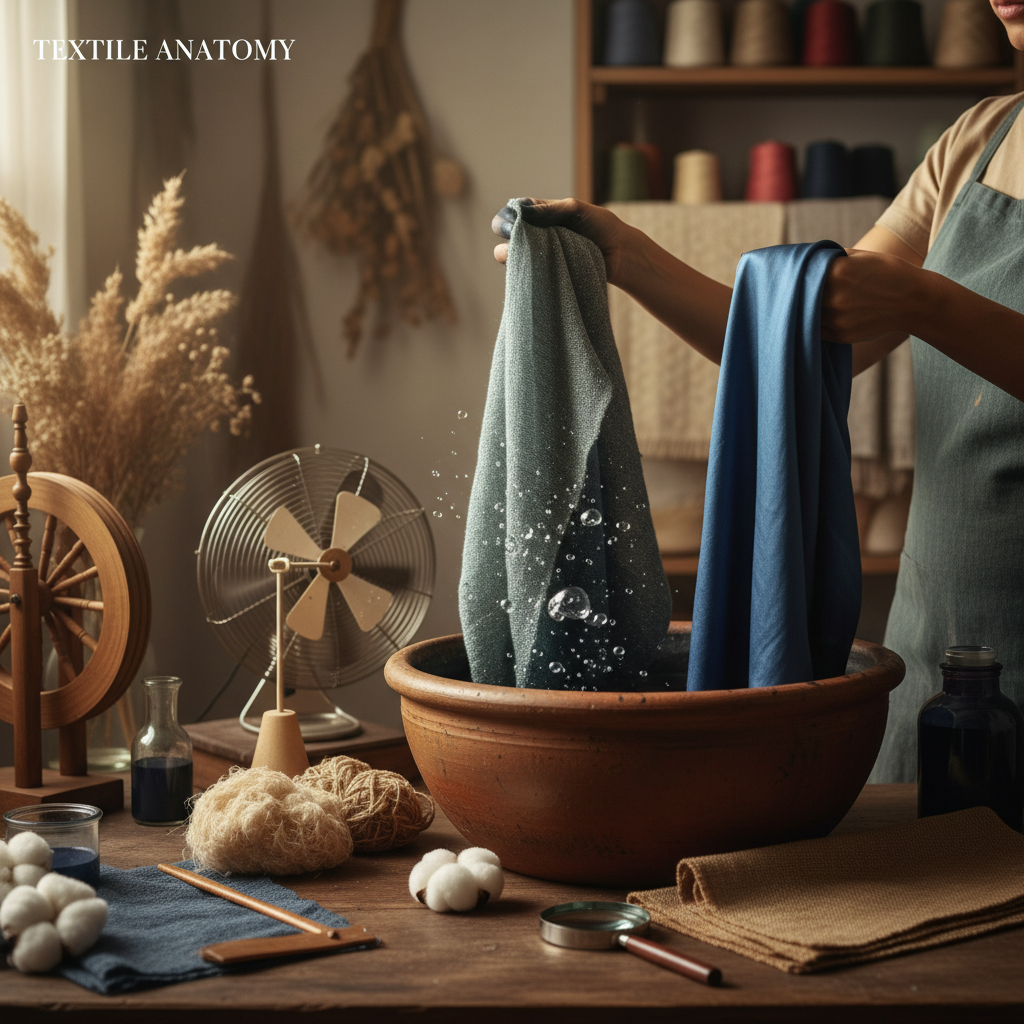
- Airflow: Khadi wins on pure airflow. Because the handspun yarn is less dense and more uneven than mill-spun linen yarn, the weave is naturally more "open." This allows heat to escape the body more efficiently.
- Moisture Management: Organic Linen takes the lead in moisture absorption. If you are designing for a climate that is both hot and extremely humid, linen’s ability to wick sweat away from the skin is unparalleled.
- Weight (GSM): The breathability is also heavily dependent on the GSM (Grams per Square Meter). A lightweight Handspun Cotton Khadi will always feel cooler than a heavy-weight organic linen.
For designers, the choice often comes down to the intended "vibe" of the garment. Khadi offers a rustic, artisanal and soft feel that gets better with every wash. Organic linen offers a sharp, cooling and prestigious feel that commands attention in formal summer settings.
Expert Tip: When selecting sustainable summer fabrics, always request a swatch kit. Seeing the light filtration through the fabric and feeling the texture against the skin is the only way to truly gauge breathability. You can find our Organic Khadi Cotton Swatches here to start your comparison.
Sustainability and Social Ethics: The Deeper Comparison
In the modern B2B landscape, the "story" behind the fabric is as important as the fabric itself. When you are looking into khaadi online shopping, you are engaging with an ethical supply chain that prioritizes people over machines.
The Carbon Footprint
- Khadi: Near-zero. The process is manual. The primary carbon cost is transportation.
- Organic Linen: Low, but higher than Khadi. The retting, scutching, and spinning of linen usually involve some level of machinery, even if the farming is organic.
Livelihood Support
Khadi is a decentralized industry. It provides employment to rural women and men in their own villages, preventing forced urban migration. This social sustainability is a massive USP for brands that want to market "slow fashion." Organic linen, while sustainable for the planet, is often produced in more industrialized settings (though European linen has high labor standards).
Durability and Longevity
Both fabrics are incredibly durable. Linen is known as the world's strongest natural fiber, and Khadi, due to the lack of chemical stress on the fibers during spinning, lasts for decades. In fact, both fabrics are "heirloom quality," meaning they don't end up in landfills after one season, the ultimate goal of sustainability.
Common Mistakes to Avoid When Buying Sustainable Fabrics Online
- Confusing "Handloom" with "Handspun": All Khadi is handloom, but not all handloom is Khadi. Khadi must be handspun. If the yarn is perfectly uniform, it’s likely mill-spun cotton on a handloom, which lacks the unique breathability of true Khadi.
- Ignoring GSM: A 200 GSM Khadi will be too heavy for a summer breeze. For summer collections, aim for 60-110 GSM.
- Not Factoring in Shrinkage: Natural, handwoven fabrics will shrink. Always ask your supplier if the fabric is pre-washed or RFD (Ready for Dyeing).
- Assuming All Linen is Organic: Conventional linen still uses chemicals. Always look for "Organic" or GOTS-certified linen to ensure environmental standards.
Pro Tip: Before placing a bulk order, read our guide on 5 tips for buying fabrics online to ensure you are getting authentic, high-quality materials.
Conclusion: Which Fabric Should You Choose?
The winner of the Khaadi vs Organic Linen debate depends entirely on your brand's identity and your customers' needs.
If your brand values the "human touch," heritage, and maximum airflow, then khadi cotton is your best choice. The unique texture and the story of the weaver add a layer of soul to the garment that machines simply cannot replicate.
If your brand leans toward a minimalist, luxury aesthetic with high moisture-wicking requirements, Organic Linen is the way to go. Its crispness and durability make it a perennial favorite for high-end summer fashion.
At Anuprerna, we believe in the power of both. By choosing these sustainable summer fabrics, you are not just making a fashion statement; you are making a commitment to the planet and the artisans who keep these traditions alive. Ready to explore? You can buy khadi fabric online and start your journey toward a more ethical collection today.
More Blogs
khadi jeans for men: styling sustainable denim
eco-friendly trims: sourcing sustainable fashion accessories
how to choose the right fabric wholesaler for your brand
what to look for in a silk manufacturer before you source
how does sustainable sourcing affect clothing quality?

what is a sustainable designer? roles, responsibilities, and impact