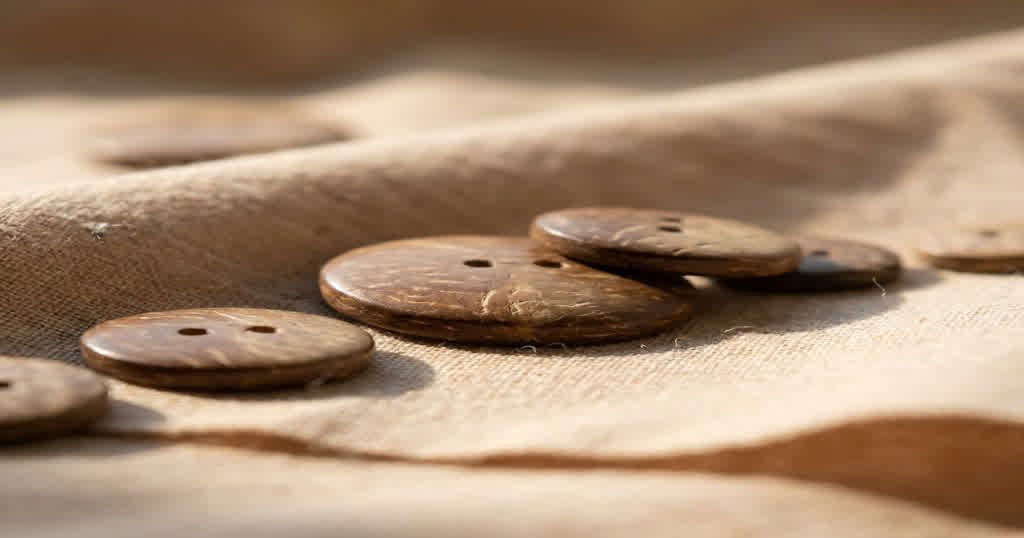
Eco-Friendly Trims: Sourcing Sustainable Fashion Accessories

A designer finalizes a collection using certified organic cotton, only to realize the zippers, threads, and buttons attached will sit in a landfill for centuries. Sustainable fashion accessories are often the final, overlooked hurdle in garment manufacturing, turning an otherwise biodegradable piece into a recycling liability. Before the mass adoption of synthetic polymers in the 1920s, garment closures were exclusively crafted from natural materials like horn, bone, wood, and hand-twisted natural fiber cords. Today, rural Indian craft clusters within decentralized supply chains still preserve these techniques, offering a viable path away from plastic.
The shift toward sustainable fashion sourcing requires scrutinizing every component, down to the sewing thread. Achieving true circularity means replacing polyester and nylon with biodegradable alternatives that perform under industrial stress. For a B2B brand, the decision to source Sustainable trims affects garment longevity, dye uptake, and the ability to secure strict environmental certifications.
The 5% Problem: Why Sustainable Trims Make or Break Garment Circularity
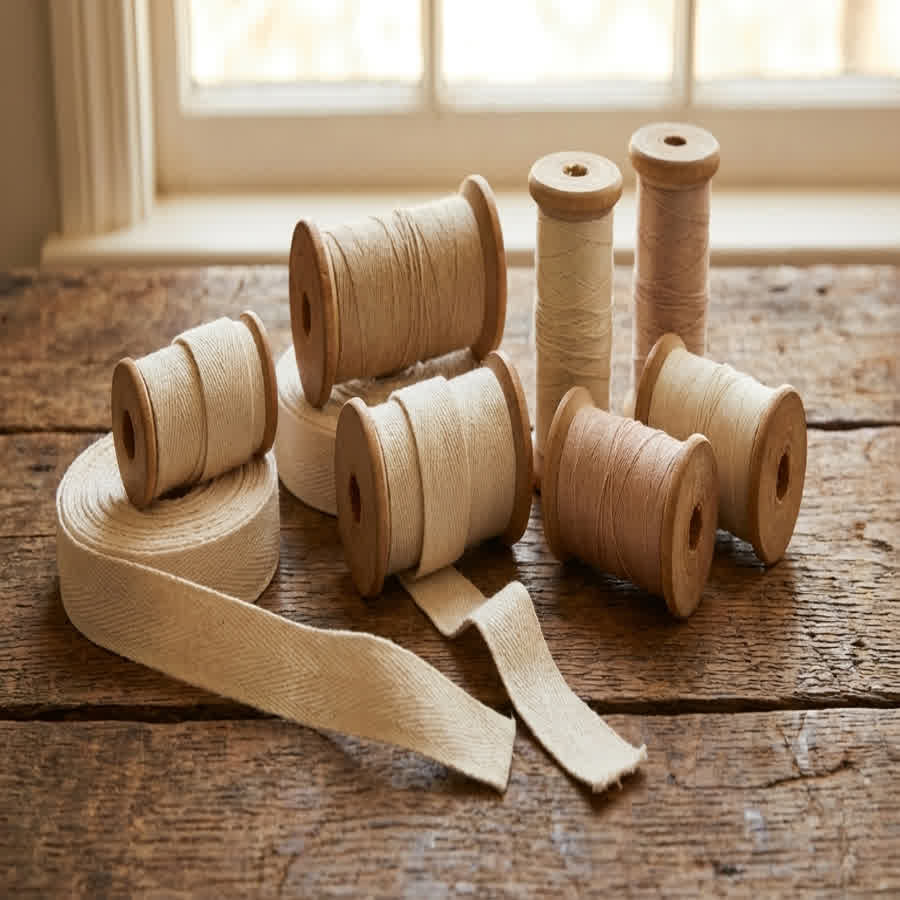
Sustainable trims are essential because the 5% of a garment made up of conventional polyester threads, nylon zippers, and plastic buttons prevents the entire piece from being recycled or biodegrading. A brand can achieve 95% sustainability in its base fabrics, but failing to secure eco-friendly closures renders the final product incompatible with mechanical or chemical recycling systems. This small fraction of synthetic material acts as a contaminant, forcing recyclers to discard otherwise valuable organic textiles into landfills.
The Recycling Bottleneck
Conventional garment manufacturing relies heavily on virgin microplastic shedding components that disrupt end-of-life processing. When a consumer discards a cotton shirt sewn with polyester sewing threads and plastic buttons, the natural fibers decompose while the synthetic trims persist for centuries. During mechanical recycling, synthetic threads can tangle in shredding machinery, while chemical recycling processes are often contaminated by the distinct polymer structures of nylon zippers. This creates a significant barrier for brands aiming for zero-waste credentials.
To eliminate this bottleneck, designers must evaluate their sustainable fashion sourcing protocols at a granular level. Replacing synthetics requires understanding the specific properties of natural alternatives:
- High tensile strength is necessary for seams, making Tencel or Lyocell threads ideal replacements for polyester.
- Biodegradable zippers utilizing organic cotton tapes and metal teeth ensure the closure can be separated and recycled efficiently.
- Natural button materials like wood or shell decompose naturally without leaving toxic residues in the soil.
Achieving Full Garment Circularity
Sourcing Sustainable trims is the final hurdle for achieving strict environmental standards like Cradle-to-Cradle certification. Without these components, a garment cannot claim full circularity, as the synthetic elements break the biological nutrient cycle. Brands must look beyond the main fabric yardage and audit their entire bill of materials to ensure every component aligns with their environmental goals.
We see designers increasingly specifying organic cotton twill tapes with a GSM of 150 to 250 for drawstrings, necklines, and seam reinforcements. These high-density tapes provide the necessary structural integrity while maintaining a soft, natural hand-feel. By integrating these biodegradable components, a brand ensures that every element of the garment supports a closed-loop system, protecting both the environment and the integrity of the textile recycling industry.
Material Science of Sustainable Fashion Accessories: From Corozo to Coconut
Natural button alternatives like Corozo and coconut shell offer high scratch resistance, excellent durability, and superior eco-friendly dye compatibility compared to synthetic plastics. Understanding the material science behind these components allows designers to replace polyester without sacrificing performance or aesthetic appeal. Sustainable fashion accessories must withstand the same industrial washing, pressing, and wearing conditions as their conventional counterparts to be viable for B2B manufacturing.
Corozo and Coconut Shell Properties
Corozo, often called vegetable ivory, is derived from the Tagua nut and is highly valued for its hydrophilic properties. This porous cellular structure allows it to absorb eco-friendly dyes deeply, resulting in rich, colorfast finishes that resist fading even after repeated industrial laundering. It provides a smooth, polished surface that enhances the visual appeal of tailored garments, making it a premium choice for high-end shirting and outerwear.
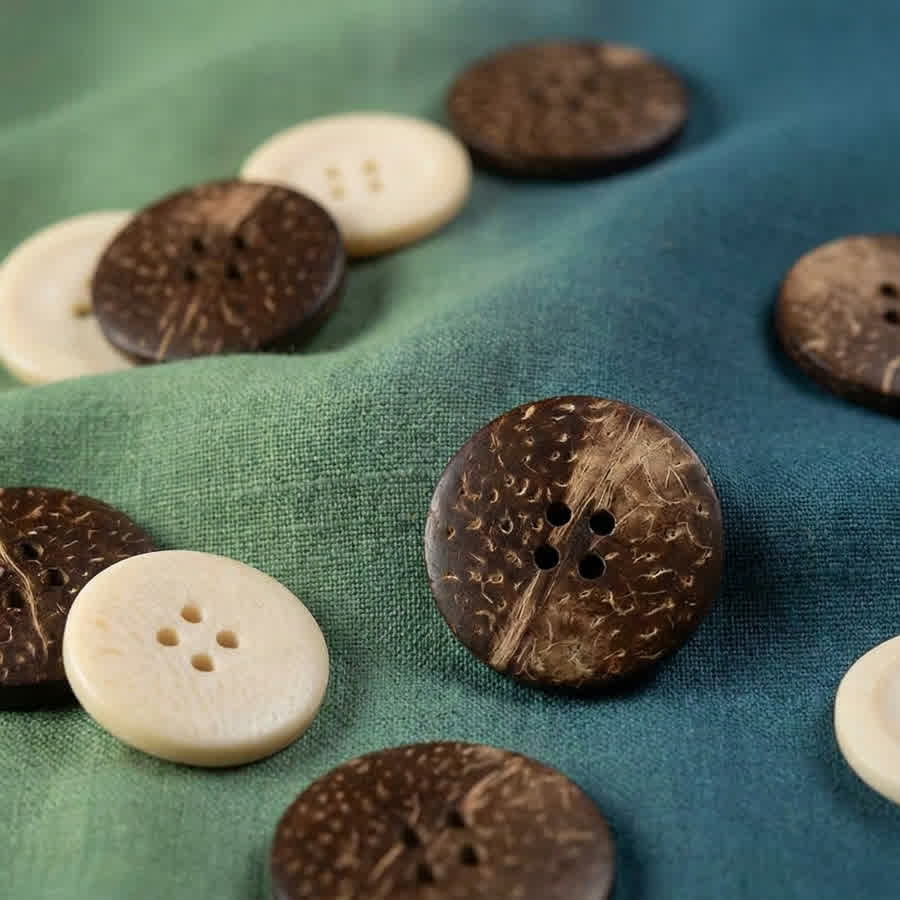
Coconut shell buttons offer a different set of technical advantages for sustainable fashion sourcing, particularly for casual and resort wear. Their biological composition is crucial for long-term garment longevity:
- High lignin content gives coconut shell exceptional rigidity and resistance to physical impact.
- Natural moisture resistance prevents the buttons from swelling, cracking, or degrading during standard washing cycles.
- Textural variations provide a distinct, organic aesthetic that highlights the natural origin of the material.
High-Performance Natural Threads
Replacing synthetic sewing threads is a critical technical challenge in sustainable manufacturing. Standard organic cotton thread often lacks the high tensile strength required for high-stress seams in heavy garments like denim, canvas, or structured twill. To solve this, the industry utilizes Tencel and Lyocell sewing threads, which are spun from sustainably harvested wood pulp using a closed-loop solvent spinning process.
These cellulosic threads provide the necessary durability while eliminating virgin microplastic shedding during domestic washing and industrial processing. For applications requiring slight stretch or extreme tension, corespun threads featuring an organic cotton outer layer and a recycled rPET core offer a transitional solution. By specifying these precise Sustainable trims, a sourcing lead ensures the garment remains structurally sound throughout its intended lifecycle without compromising on ecological standards.
Artisan-Crafted Closures: Decentralizing the Trim Supply Chain
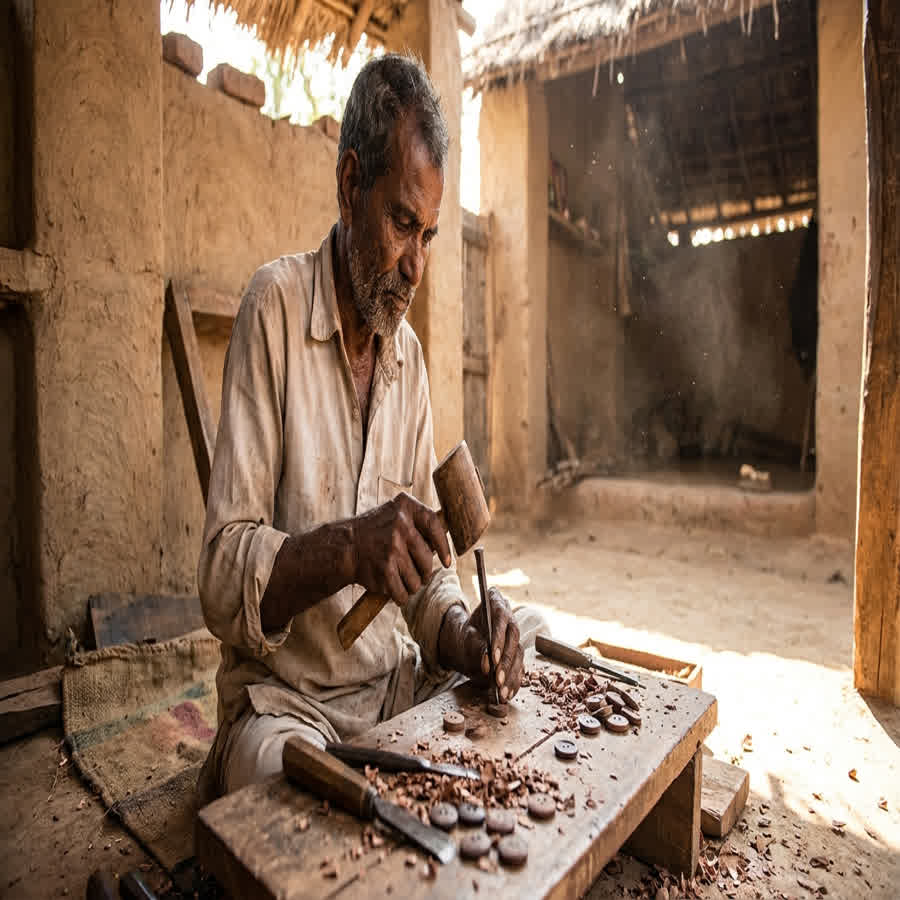
Sourcing artisan-crafted closures from decentralized rural clusters preserves heritage techniques, empowers local communities, and provides brands with unique, low-MOQ sustainable trims. Rather than relying on mass-manufactured industrial alternatives, integrating hand-carved wooden buttons or hand-spun tassels shifts the narrative toward socio-economic impact. This approach transforms sustainable fashion accessories from a simple environmental checkbox into a powerful tool for community empowerment and cultural preservation.
Empowering Rural Craft Clusters
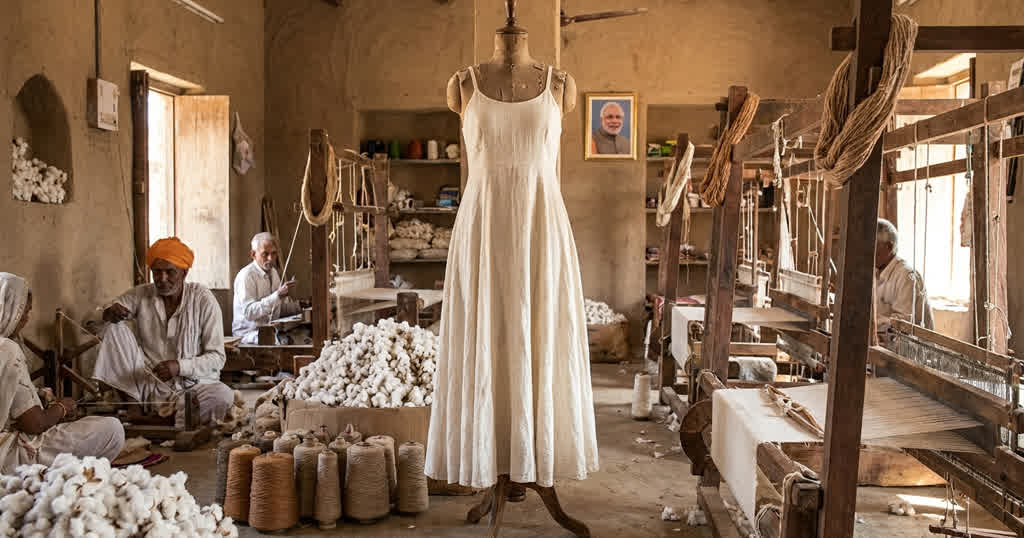
At Anuprerna, our supply chain connects directly with artisans in regions like Murshidabad, Malda, and Karnataka. These craftspeople utilize generations of knowledge to produce natural-dyed cords, intricately knotted closures, and handwoven cotton tapes. By engaging with a decentralized supply chain, brands bypass the opaque, centralized factory models that dominate conventional trim manufacturing and often obscure labor practices.
This direct relationship offers significant advantages for boutique designers and sourcing managers seeking ethical alternatives:
- Low minimum order quantities (MOQs) allow independent brands to source custom trims without overproducing or tying up capital.
- Traceable origins provide a transparent narrative, detailing exactly where, how, and by whom the components were made.
- Fair wage distribution ensures that the economic benefits of production remain within the rural communities, supporting local development.
Zero-Waste Craftsmanship
Artisanal production naturally aligns with strict zero-waste credentials, as rural clusters have historically maximized the utility of every raw material. Many of our craft clusters utilize upcycled handloom scraps to create intricate fabric buttons, braided belts, and decorative tassels. This method ensures that valuable raw materials are kept in circulation rather than discarded as floor waste in cutting rooms.
The resulting Sustainable trims carry a distinct, tactile warmth that machine-made plastics simply cannot replicate. A handwoven drawstring or a meticulously carved coconut button adds intrinsic value and a unique story to the final garment. Through this model of sustainable fashion sourcing, designers secure high-quality components while actively supporting the preservation of indigenous textile crafts and reducing industrial waste.
Certification Standards: Ensuring Your Trims are Eco-Friendly
Brands verify the sustainability of their trims by ensuring all components meet strict criteria set by certifications like GOTS, OEKO-TEX Standard 100, and Cradle to Cradle. Securing these certifications requires a comprehensive, documented audit of every zipper, label, and thread used in production. Sustainable fashion accessories must comply with the same rigorous chemical and environmental standards as the primary fabric, leaving no room for unverified synthetic components.
GOTS and Accessory Criteria
The Global Organic Textile Standard (GOTS) mandates that all accessories meet specific chemical input requirements to maintain the integrity of the organic label. For a garment to achieve full certification under GOTS 6.0, its Sustainable trims must be free of toxic heavy metals, formaldehyde, and aromatic solvents. Plastic components, if used as a last resort, must be strictly free of PVC, phthalates, and BPA, requiring extensive laboratory testing.
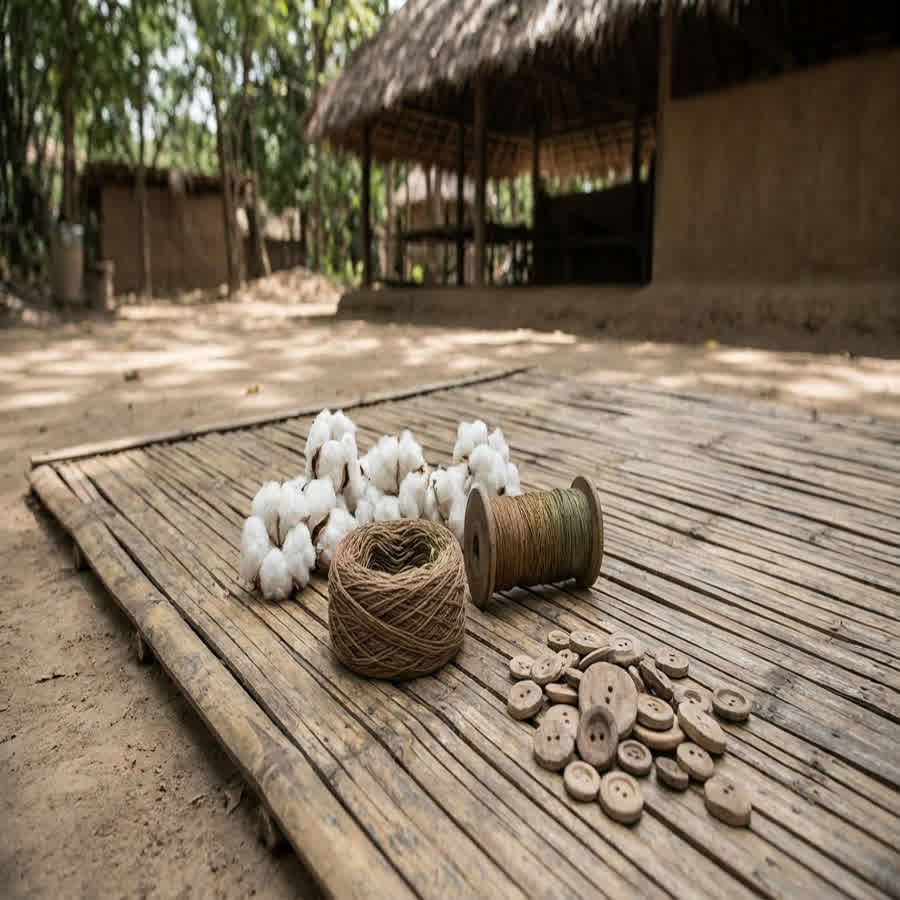
Using natural, untreated materials simplifies this compliance process significantly for sourcing teams. When a designer specifies organic cotton tapes or raw wooden buttons, they eliminate the risk of chemical contamination and bypass costly synthetic testing. This proactive approach to sustainable fashion sourcing ensures the entire bill of materials aligns directly with organic standards from the initial design phase.
OEKO-TEX and Chemical Safety
OEKO-TEX Standard 100 focuses specifically on consumer safety, testing for harmful substances in finished textiles and their attached components. Every single element, including sewing threads, woven labels, and metal hardware, must pass these tests for the garment to carry the certification label. This is particularly crucial for trims that sit directly against the skin, such as inner waistbands, neck labels, or pocket linings.
To meet these stringent benchmarks, sourcing managers must demand absolute transparency from their suppliers regarding:
- Dyeing processes, ensuring that all colorants used on cords and tapes are azo-free and environmentally safe.
- Coating materials, verifying that any waxes or finishes applied to wooden buttons are natural and non-toxic.
- Base fiber origins, confirming that cellulosic threads like Lyocell are sourced from sustainably managed forests.
By prioritizing certified sustainable fashion accessories, brands protect both the end consumer and the environment, solidifying their commitment to responsible, transparent manufacturing.
frequently asked questions
Can natural buttons like coconut or wood withstand industrial washing and dyeing processes?
Yes, high-density natural materials like coconut shell and Corozo are highly durable and can withstand industrial processing. Coconut shell is rich in lignin, providing exceptional rigidity, while Corozo absorbs eco-friendly dyes beautifully due to its porous nature. Wood buttons may require natural wax coatings to prevent waterlogging during heavy washing cycles, ensuring they maintain their structural integrity.
What are a strong sustainable alternatives to polyester sewing thread?
A strong sustainable alternatives for high-stress seams are Lyocell (Tencel) threads or corespun organic cotton with a recycled rPET core. While standard organic cotton thread is widely used, it has lower tensile strength and may snap under industrial tension. Utilizing cellulosic threads provides the necessary durability while eliminating virgin microplastic shedding during the garment's lifecycle.
How does sourcing sustainable trims impact GOTS certification for a garment?
Sourcing sustainable trims directly determines whether a garment can achieve GOTS certification, as all accessories must meet strict chemical input criteria. Under GOTS guidelines, any plastic trims must be entirely free of PVC, phthalates, and BPA. Utilizing untreated sustainable fashion accessories like organic cotton tapes and natural wooden buttons simplifies compliance and guarantees the entire piece meets organic standards.
Does Anuprerna supply artisan-made sustainable trims alongside handloom fabrics?
Yes, Anuprerna supplies artisan-crafted trims, including handwoven cotton tapes, drawstrings, and naturally sourced buttons through our decentralized network. This allows brands to consolidate their sustainable fashion sourcing by acquiring both base fabrics and eco-friendly closures from a single, traceable origin. Our artisans utilize heritage techniques to produce these components, ensuring high quality and low minimum order quantities.
Are metal zippers considered sustainable fashion accessories?
Metal zippers are considered sustainable when paired with organic cotton tapes and designed for easy removal during the recycling process. Unlike nylon coil zippers, metal teeth can be melted down and repurposed, supporting full garment circularity. Sourcing managers should ensure the metal is free from toxic heavy metals and electroplated using eco-friendly processes to maintain environmental compliance.
More Blogs

khadi jeans for men: styling sustainable denim
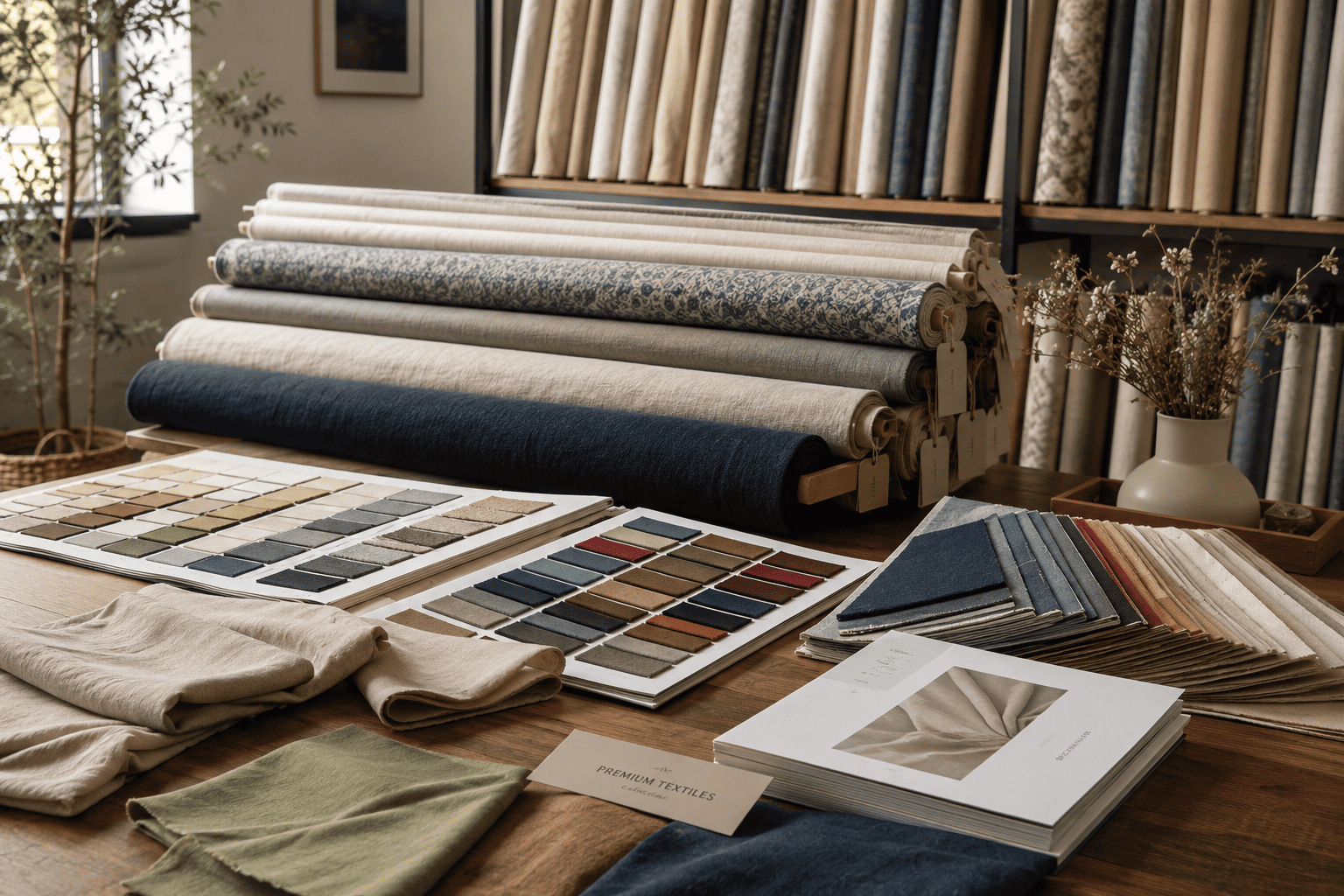
how to choose the right fabric wholesaler for your brand
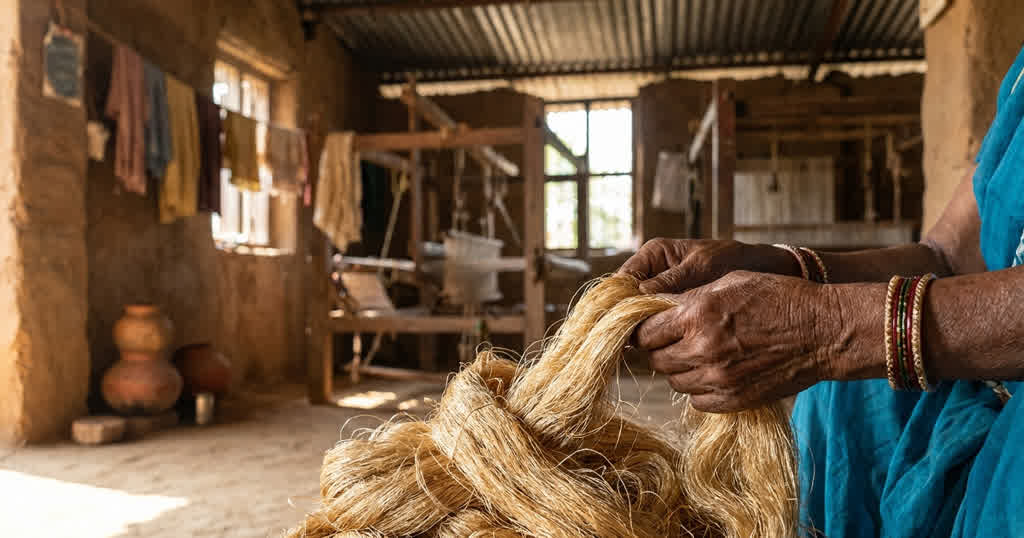
what to look for in a silk manufacturer before you source
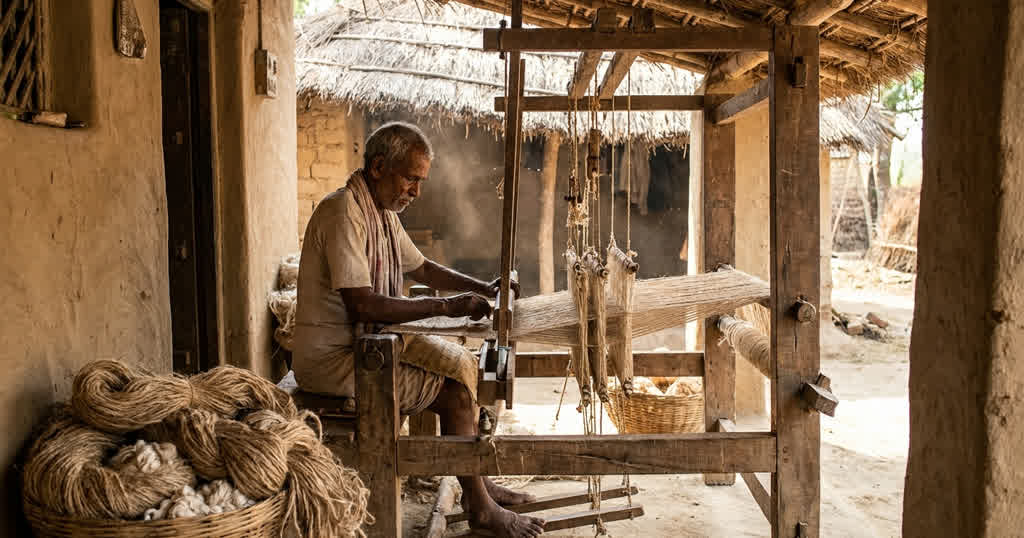
how does sustainable sourcing affect clothing quality?

what is a sustainable designer? roles, responsibilities, and impact
how celebrity endorsements are shaping the future of sustainable textiles