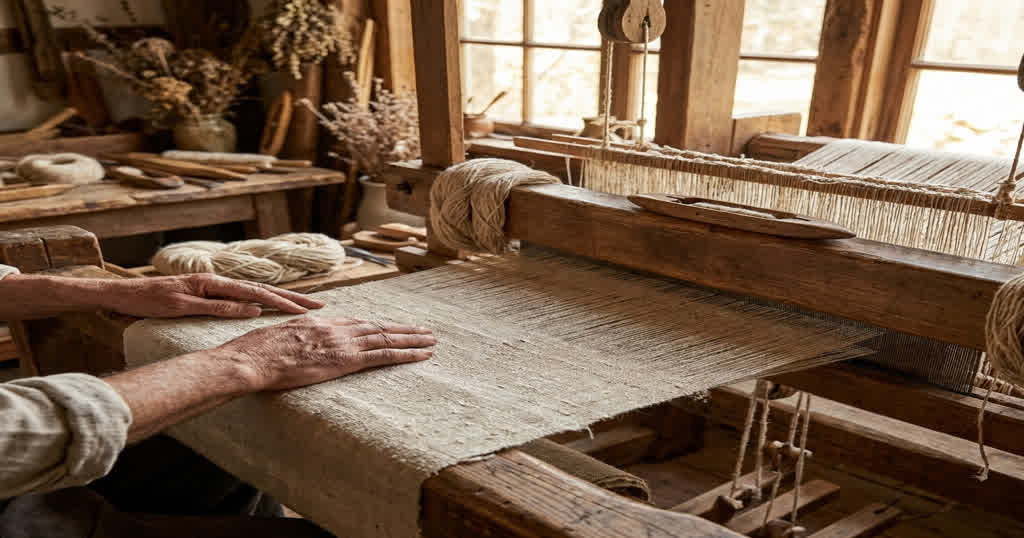
How Emerging Eco-Conscious Brands Source Fabrics: A Guide for New Designers

Finding reliable suppliers willing to offer custom yardage without demanding industrial minimums is the primary hurdle in sustainable fabric sourcing for designers. A bootstrapped label cannot absorb the financial risk of ordering thousands of meters of conventional textiles just to meet factory quotas. Instead, independent creators need access to low-impact textiles that align with strict environmental criteria while allowing for small-batch sampling. The shift away from centralized powerlooms requires a completely different approach to procurement, focusing on direct relationships rather than anonymous catalogs.
This transition matters because consumers now demand verifiable proof behind every environmental claim, rejecting the opaque practices of mass production. By partnering with a decentralized artisan supply chain, a brand secures exclusive materials while supporting rural livelihoods. This guide breaks down the technical specifications, timeline adjustments, and strategic steps required to build a transparent, zero-carbon production model from the ground up.
Decoding the Decentralized Supply Chain: Beyond the Factory Floor
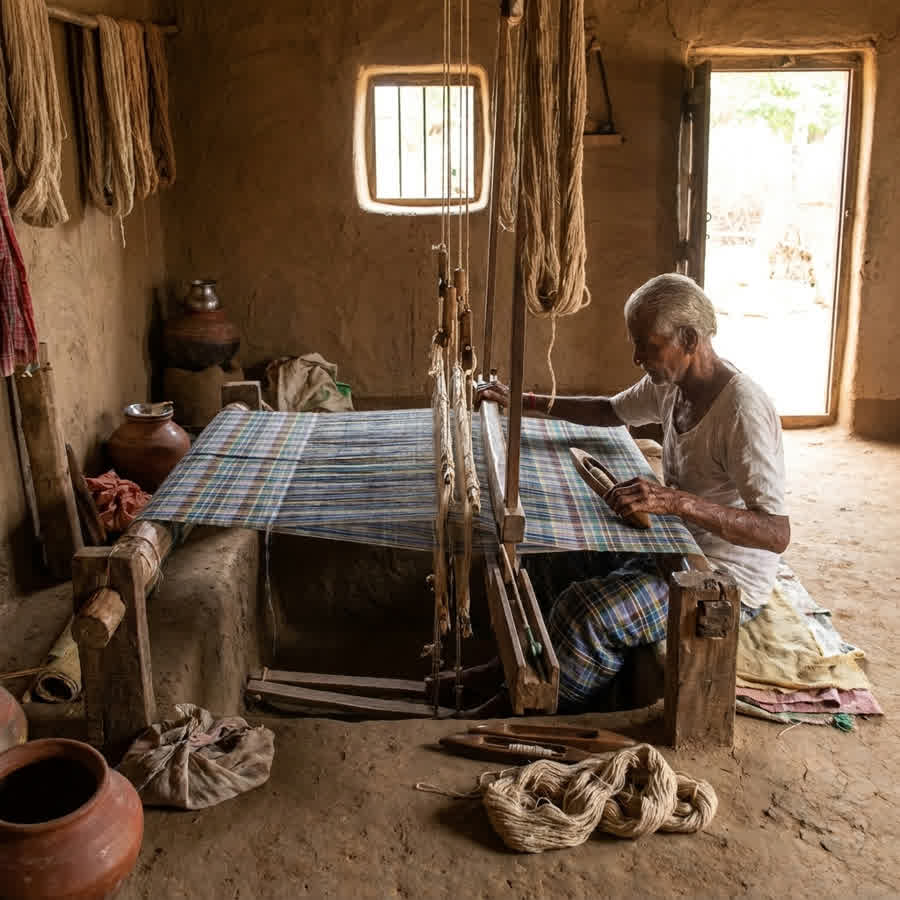
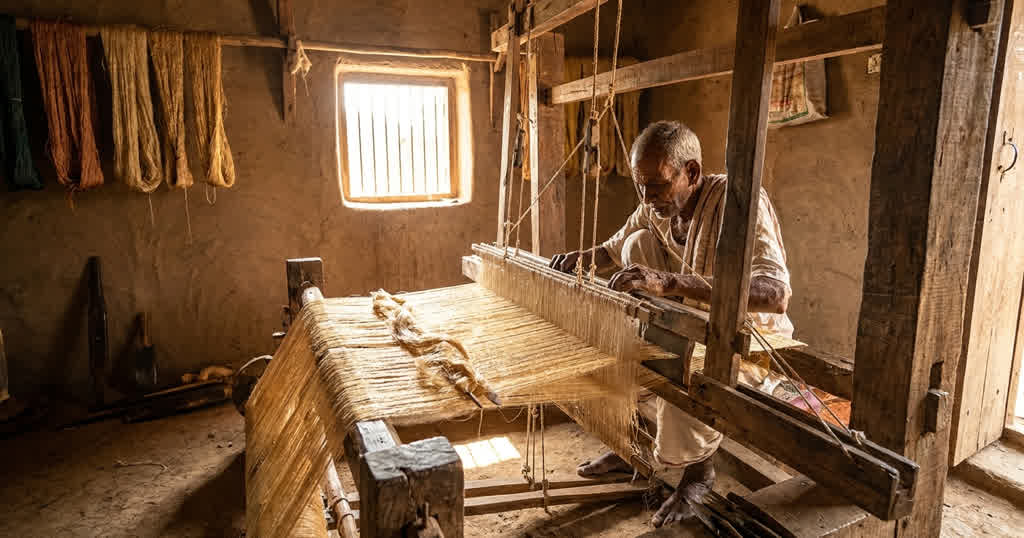
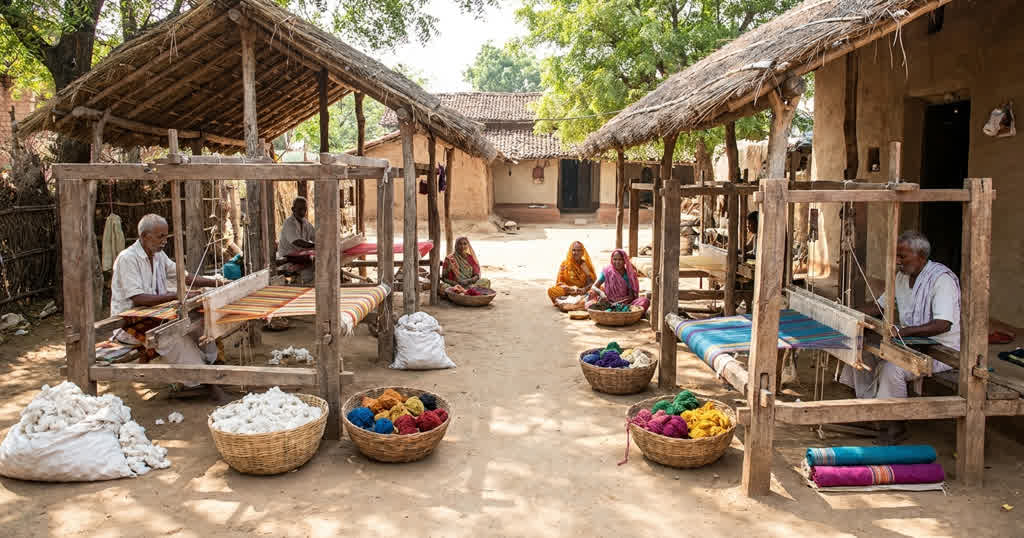
Sourcing directly from rural artisan clusters means replacing the centralized factory floor with a network of independent weaving villages, where production timelines depend on manual labor and natural weather cycles. This model prioritizes village-level self-reliance over rapid industrial output, offering designers a transparent alternative to mass manufacturing.
The Mechanics of Village-Level Weaving
The foundation of this system is rooted in India's historical Khadi movement, which champions Gram Swaraj or village self-governance. At Anuprerna, we work with generational artisan clusters across regions like Bengal, where weaving happens in the artisans' own homes. This decentralized production model eliminates the heavy carbon footprint associated with large-scale industrial mills. Designers gain access to unique textiles, but they must understand that the process is entirely manual.
The Mechanics of Village-Level Weaving (continued)
Because the infrastructure relies on human energy rather than electricity, the technical workflow differs significantly from conventional sourcing. A standard order moves through several distinct, hand-operated stages before reaching the cutting table.
- Hand-spinning: Artisans manually twist fibers into yarn, creating a high tensile strength and a distinct, uneven texture.
- Yarn sizing: Weavers apply natural starches like rice water to the yarn, requiring dry weather for proper curing.
- Manual drafting: The warp threads are individually drawn through the heddles of the loom, a meticulous process ensuring structural integrity.
Timeline Differences and Socio-Economic Impact
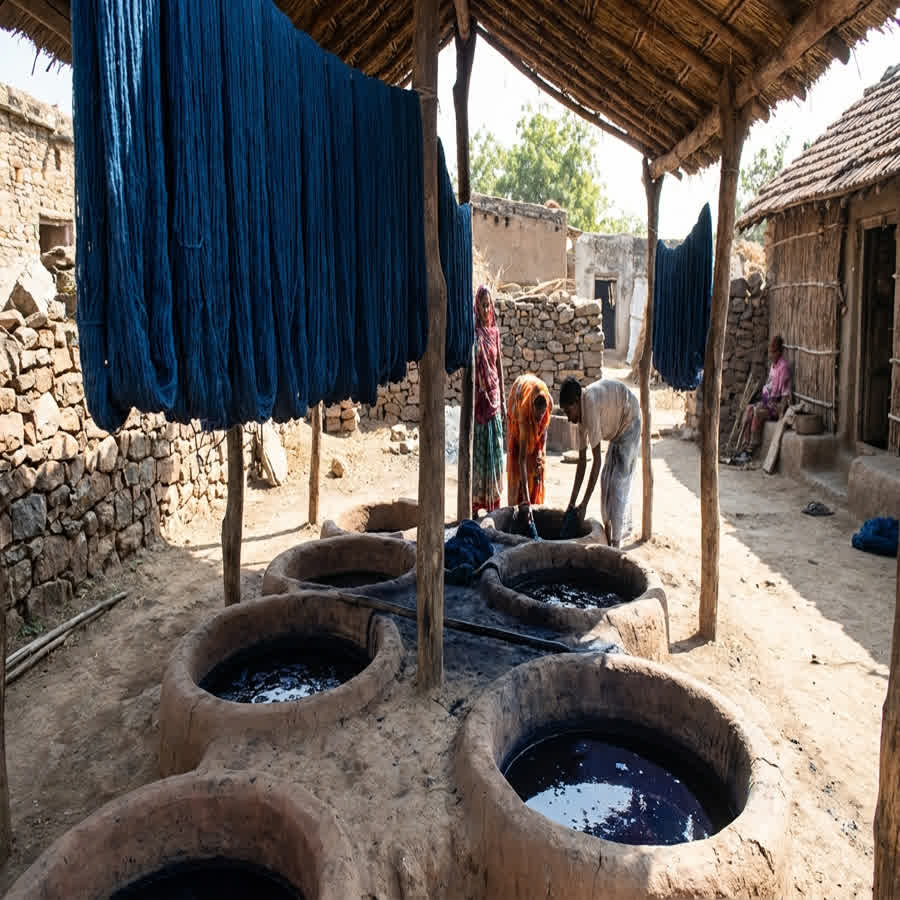
Transitioning to sustainable fabric sourcing for designers requires adjusting seasonal calendars to accommodate these manual processes. Unlike powerlooms that churn out thousands of meters a day, a traditional pit loom produces only a few meters daily. Weather conditions directly impact production, as high humidity can delay the drying of zero-chemical natural dyes. Brands must factor these natural rhythms into their critical paths to avoid launch delays.
The extended timeline directly translates into profound socio-economic benefits for the weaving communities. By committing to this heritage-driven sourcing, brands provide consistent, fair-wage work that keeps traditional skills alive. This approach prevents the forced migration of artisans to urban factories, preserving the cultural fabric of rural Bengal. The resulting textiles carry an authentic narrative that resonates deeply with conscious consumers seeking verifiable traceability.
Manage MOQs: How Emerging Brands Can Source Without Overstocking
Emerging brands can avoid overstocking by utilizing available stock fabrics for initial sampling and negotiating low minimums directly with artisan networks for custom production. This strategy minimizes financial risk while allowing designers to test sustainable fabric sourcing for designers before committing to larger volumes.
Strategic Sampling with Stock Fabrics
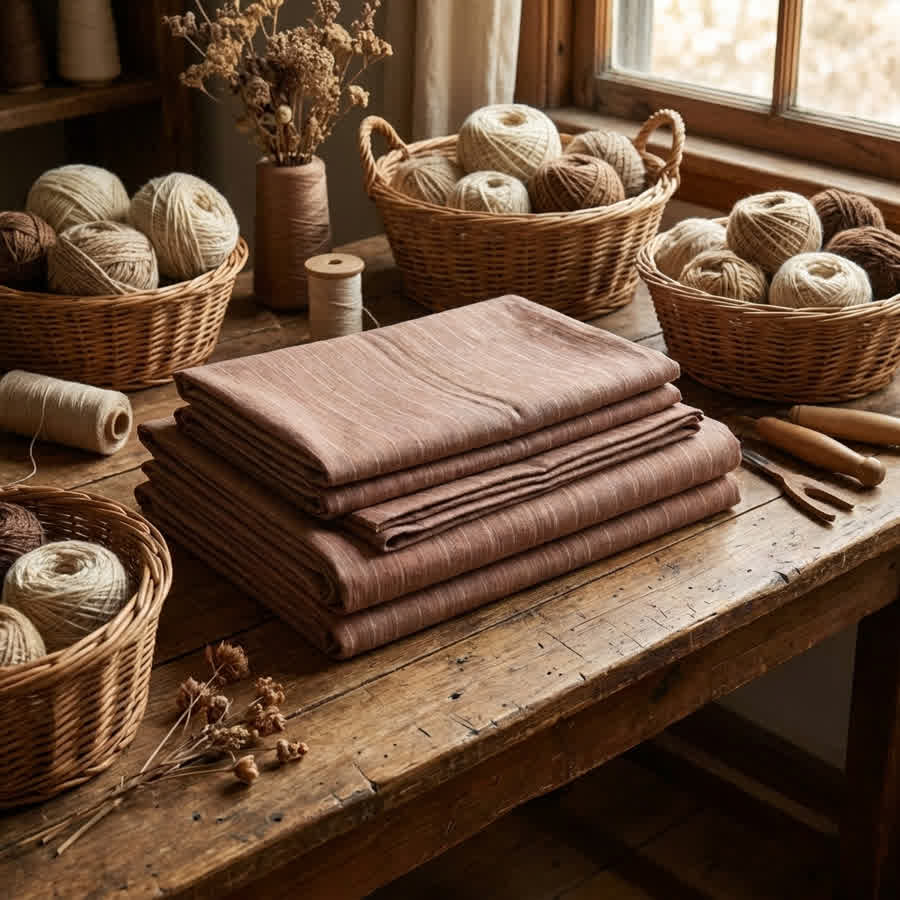
The most effective way to begin a relationship with a decentralized supply chain is by ordering from existing inventory. Industrial mills often demand Minimum Order Quantities exceeding 1,000 meters, which forces small labels into holding deadstock. In contrast, artisan networks frequently maintain a rotating inventory of staple textiles like plain weave cottons or raw silks. Designers can request small cut lengths to test the drape and dye uptake before designing a full collection.
Strategic Sampling with Stock Fabrics (continued)
Testing these stock materials provides crucial data on how the fabric behaves during garment construction. A designer can evaluate the shrinkage tolerance and seam slippage without a massive upfront investment.
- Pattern testing: Use 5 to 10 meters of stock fabric to create initial toiles and refine the garment fit.
- Wash testing: Subject the sample yardage to standard laundering to measure the natural dimensional stability of the handwoven fibers.
- Dye compatibility: Apply natural or low-impact dyes to small swatches to observe the color yield and fastness.
Scaling Up with Handloom Weavers
Once the sampling phase proves successful, brands can confidently transition to custom weaving with manageable minimums. Because handlooms operate on a smaller scale, clusters can often accommodate custom orders starting at just 50 to 100 meters. This flexibility is a core advantage of B2B textile sourcing through artisan networks, allowing brands to scale production in tandem with customer demand.
When placing a custom order, clear communication regarding technical specifications is critical to ensure the final yardage meets expectations. Designers must provide precise details to the weaving cluster.
- Target GSM: Specify the exact weight required, ensuring the fabric density matches the intended garment type.
- Yarn count: Define the thickness of the warp and weft threads to control the final texture and opacity.
- Selvedge finish: Request specific edge binding techniques to maximize the usable width and reduce cutting room waste.
By scaling gradually, conscious brands maintain strict control over their inventory and cash flow. This measured approach aligns perfectly with modern ESG standards, ensuring that no excess fabric ends up in landfills.
Material Science for the Conscious Designer: Selecting the Right GSM and Drape
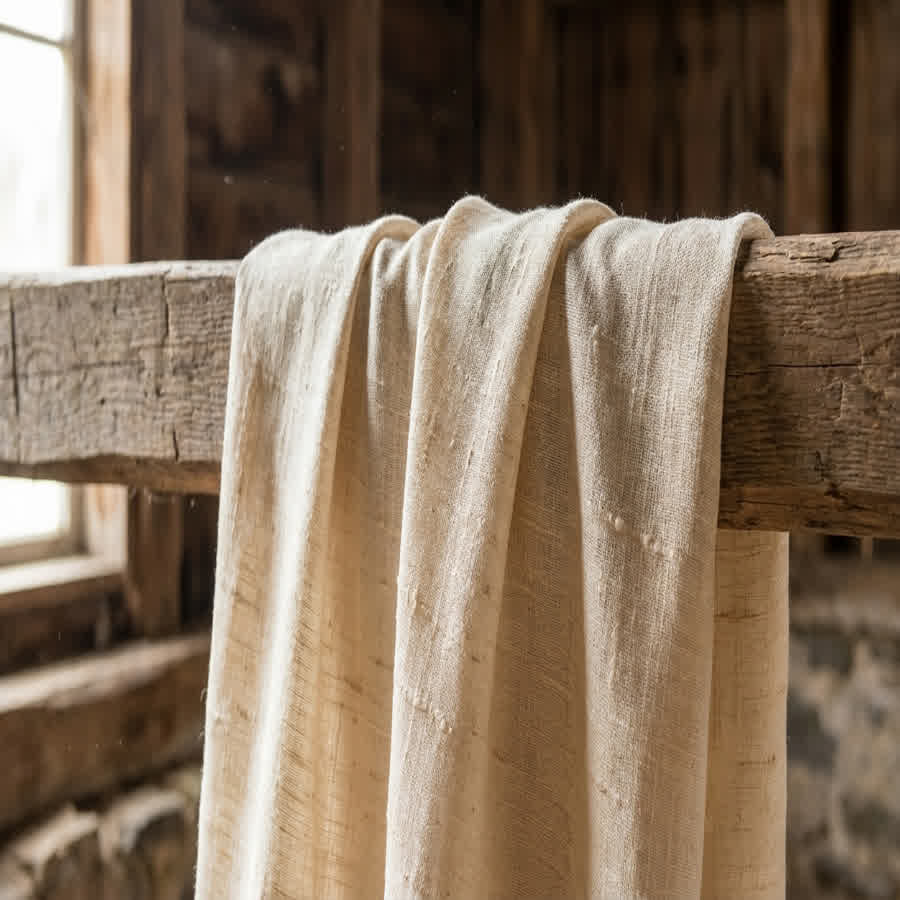
Selecting the right fabric requires matching the specific GSM, tensile strength, and fiber properties of handwoven materials to the structural demands of the intended garment. Understanding the material science behind breathable, low-impact textiles ensures the final product delivers both durability and the desired aesthetic.
Technical Properties of Ahimsa Silk and Kala Cotton
Handwoven fibers possess distinct physical characteristics that dictate their performance on the cutting table and the body. Ahimsa (Peace) Silk, typically woven at a GSM of 40 to 80, is produced without boiling the silkworm, resulting in a slightly textured, matte finish. This cruelty-free silk retains a high degree of natural sericin retention, giving it a dry, crisp hand-feel that softens beautifully over time. It offers excellent thermal regulation, making it ideal for trans-seasonal collections.
Technical Properties of Ahimsa Silk and Kala Cotton (continued)
Conversely, Kala Cotton is a resilient, rain-fed crop indigenous to India, naturally resistant to pests and requiring no irrigation. Woven at a heavier GSM of 100 to 150, it features a dense, highly durable structure. The hand-spinning process gives Kala Cotton its signature slub textures, which trap air and increase the fabric's overall breathability. Both materials exhibit an exceptionally high affinity for zero-chemical natural dyes, absorbing pigments deeply into the fiber core.
Matching Tensile Strength to Garment Types
The structural integrity of a garment depends entirely on pairing the right weave with the correct silhouette. Sustainable fabric sourcing for designers requires analyzing the stress points of a design and selecting a textile that can withstand that specific tension. Hand-spun yarns naturally possess high tensile strength, but their loose weave structures require careful handling during construction.
Designers must evaluate the fabric weight and drape to ensure successful pattern execution.
- Lightweight silks (GSM 40-60): Best suited for bias-cut dresses, flowing blouses, and garments requiring a fluid, liquid drape.
- Mid-weight cottons (GSM 80-110): Ideal for structured shirting, tailored tunics, and everyday wear needing reliable seam stability.
- Heavyweight weaves (GSM 120-150): Necessary for outerwear, light jackets, and trousers where high abrasion resistance and a rigid structure are mandatory.
By aligning the material specifications with the garment's function, designers prevent premature wear and tear. This technical precision is the foundation of creating long-lasting, sustainable fashion that performs as well as it looks.
Traceability as a Feature: Building Your Brand's Story with Verifiable Sourcing
Brands build verifiable sourcing stories by meticulously documenting the journey of their fibers from the farm to the artisan cluster, providing consumers with transparent proof of ethical production. This level of traceability transforms supply chain transparency from a backend compliance requirement into a powerful, front-facing marketing asset.
Documenting the Sourcing Journey
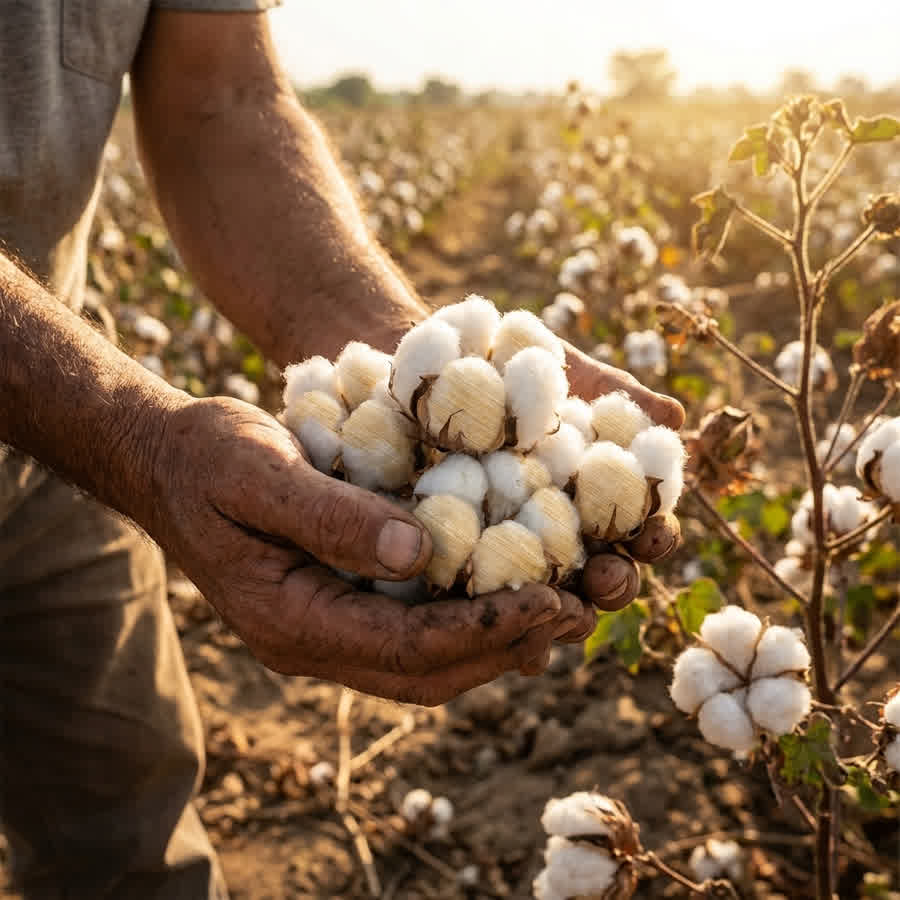
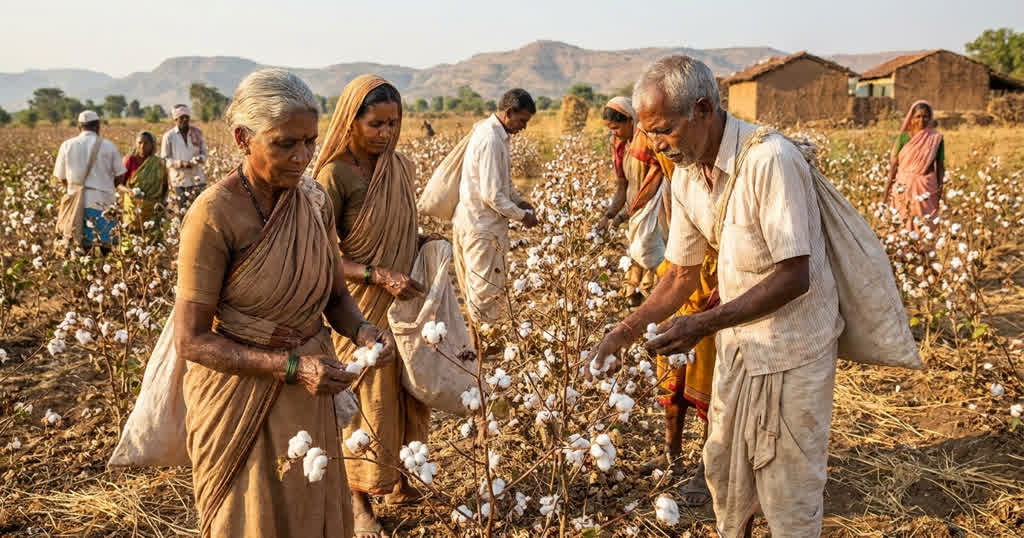
Authentic storytelling relies on concrete data rather than vague environmental claims. When practicing sustainable fabric sourcing for designers, a brand must track the exact origin of the raw materials, noting the specific district and the farming methods used. At Anuprerna, we map the journey of our fibers from the cotton fields of Gujarat to the weaving clusters in Murshidabad. Capturing this data allows designers to prove their zero-waste credentials and validate their commitment to ethical labor.
Documenting the Sourcing Journey (continued)
To build a credible narrative, sourcing leads should request specific documentation from their supply partners at every stage of production.
- Fiber origin certificates: Documents verifying the agricultural source, such as the rain-fed origins of organic Kala Cotton.
- Dye house logs: Records detailing the exact botanical ingredients used in the natural dyeing process, ensuring no heavy metals are present.
- Artisan wage records: Proof of fair compensation within the decentralized clusters, confirming adherence to ethical labor standards.
Meeting B2B Compliance and Consumer Demand
Modern buyers and regulatory bodies increasingly require strict adherence to environmental and social governance frameworks. By sourcing through a documented decentralized artisan network, brands naturally align with these rigorous ESG standards. This proactive approach to compliance protects the label from accusations of greenwashing, which can severely damage a brand's reputation in the current market.
Consumers now expect to know exactly who made their clothes and under what conditions. Sharing the technical details of the handloom weaving process educates the customer on the true value of the garment. When a designer explains the 60-day lead time required for custom yardage, it frames the product as an exclusive, story-rich investment. This transparency builds deep brand loyalty, proving that ethical procurement is both a moral imperative and a sound business strategy.
frequently asked questions
What is a realistic MOQ for custom handloom fabrics for a new designer?
While industrial mills require 1,000+ meters, decentralized artisan networks like Anuprerna can often accommodate custom handloom orders starting at 50-100 meters. Sampling can typically be done with as little as 5-10 meters from available stock. This low **Minimum Order Quantity** allows independent labels to test new designs without tying up capital in excess inventory.
How do I account for inconsistencies in handwoven fabrics during production?
Designers should factor a 5-10% wastage allowance into their markers and market these 'imperfections' as hallmarks of authentic artisan craftsmanship. Handloom fabrics inherently feature slubs and slight color variations due to manual weaving and **natural dyeing processes**. These unique variations prove the textile's handmade origin and should be highlighted as a premium feature of **sustainable fabric sourcing for designers**.
What certifications should I look for when sourcing sustainable fabrics?
Look for GOTS (Global Organic Textile Standard) for organic fibers, OEKO-TEX for chemical safety, and Fair Trade or Craftmark certifications to ensure ethical labor practices. These credentials verify the authentic handloom origins within **artisan weaving clusters** and guarantee the absence of harmful substances. Securing these certifications is a critical step in meeting modern **ESG standards** and proving your brand's commitment to transparency.
How does the lead time for handloom sourcing compare to powerloom?
Handloom lead times are inherently longer, typically 60-90 days for custom weaving, as they depend on weather conditions and manual labor. The natural drying required for yarn sizing and **zero-chemical natural dyes** cannot be artificially rushed. Designers must build this extended timeline into their seasonal production calendars to ensure a smooth **B2B textile sourcing** experience.
Why is Kala Cotton considered a highly sustainable choice for designers?
Kala Cotton is highly sustainable because it is a rain-fed, indigenous crop that requires no artificial irrigation or chemical pesticides to thrive. Woven typically at a **GSM of 100 to 150**, it yields a durable, breathable fabric with excellent structural integrity. Choosing this fiber supports **village-level self-reliance** while drastically reducing the agricultural water footprint of a fashion collection.
More Blogs
why organic fabric suppliers are growing in india
jacquard fabric in modern fashion
how silk manufacturers preserve traditional craftsmanship
indian fabric wholesale: a guide to sourcing handwoven textiles
how indian fabric exporters meet global quality standards
jacquard vs embroidery: what's the difference?