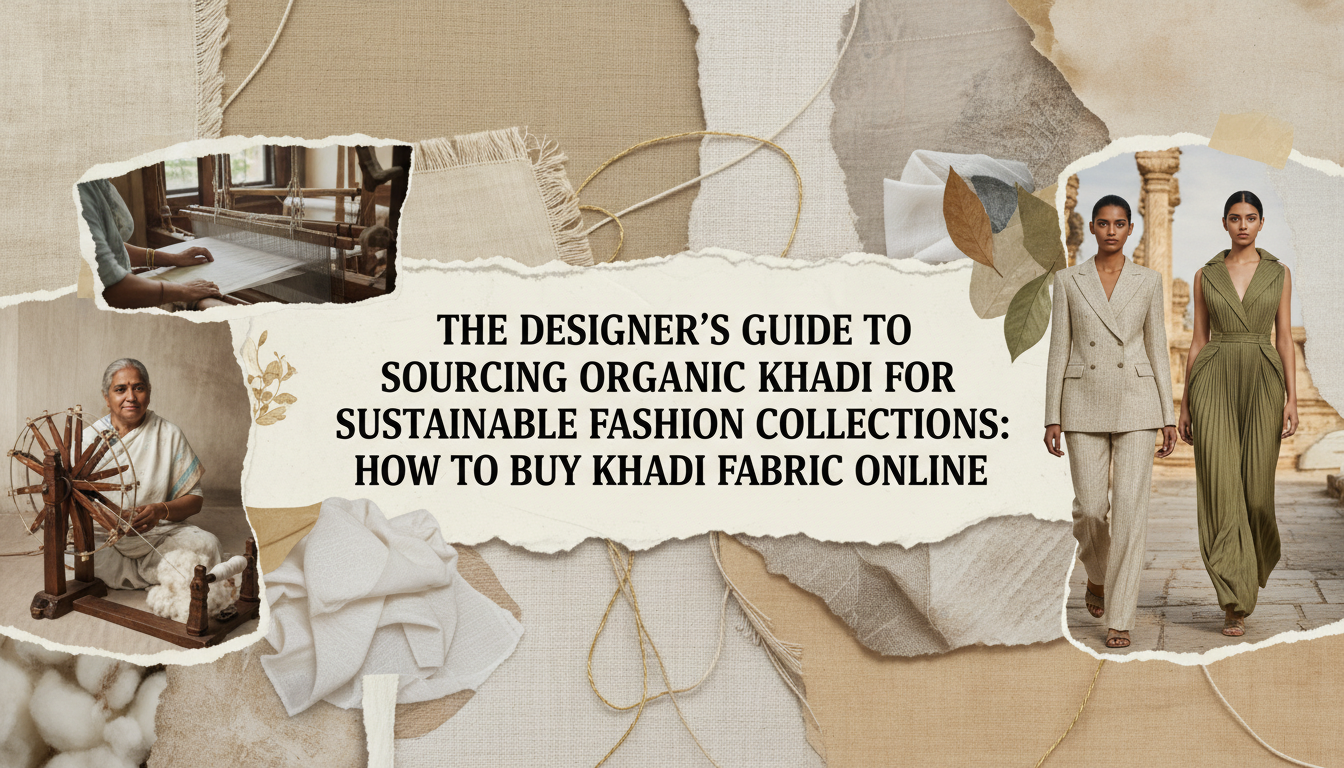
The Designer’s Guide to Sourcing Organic Khadi for Sustainable Fashion Collections: How to Buy Khadi Fabric Online

In an era where the fashion industry is under intense scrutiny for its environmental footprint, designers and brand owners are pivoting toward materials that tell a story of restoration rather than depletion. Organic Khadi stands at the pinnacle of this movement. Often referred to as the "Fabric of Freedom," Khadi is more than just a textile; it is a philosophy of self-reliance and ecological harmony. However, for a modern designer, the transition from conceptualizing a sustainable collection to finding reliable textile wholesale suppliers can be fraught with challenges.
The primary hurdle lies in authenticity. As demand for "eco-friendly" labels grows, the market has been flooded with power-loom imitations masquerading as hand-spun heritage fabrics. For a B2B buyer, the quest to buy khadi fabric online requires a discerning eye and a strategic approach to sourcing. This guide aims to bridge the gap between traditional Indian craftsmanship and contemporary global fashion needs. We will explore the technical nuances of organic khadi sourcing, the importance of GOTS certified khadi, and how to navigate the digital landscape to find high-quality, sustainable khadi material that elevates your brand’s narrative and quality standards.
The Essence of Organic Khadi: Why It Matters for Your Collection
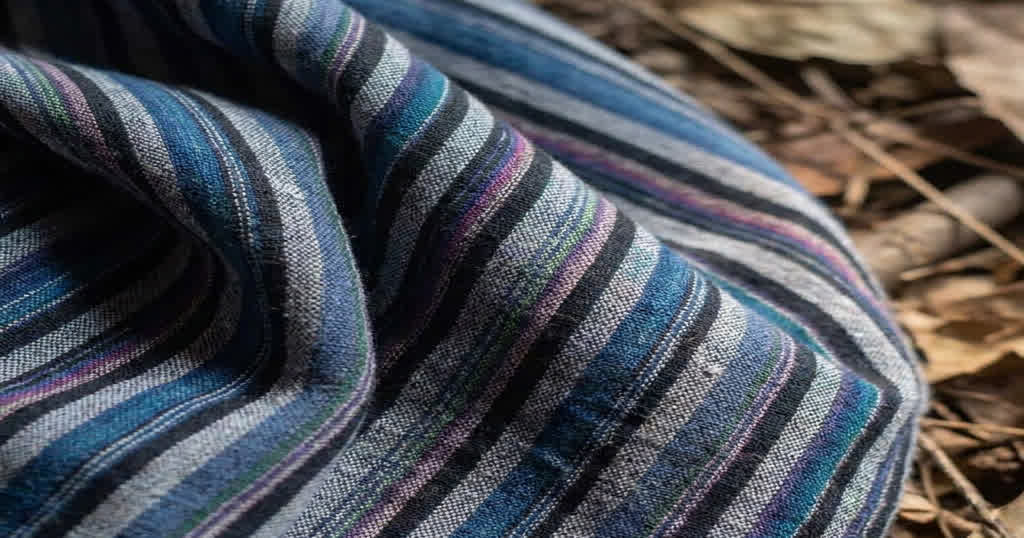
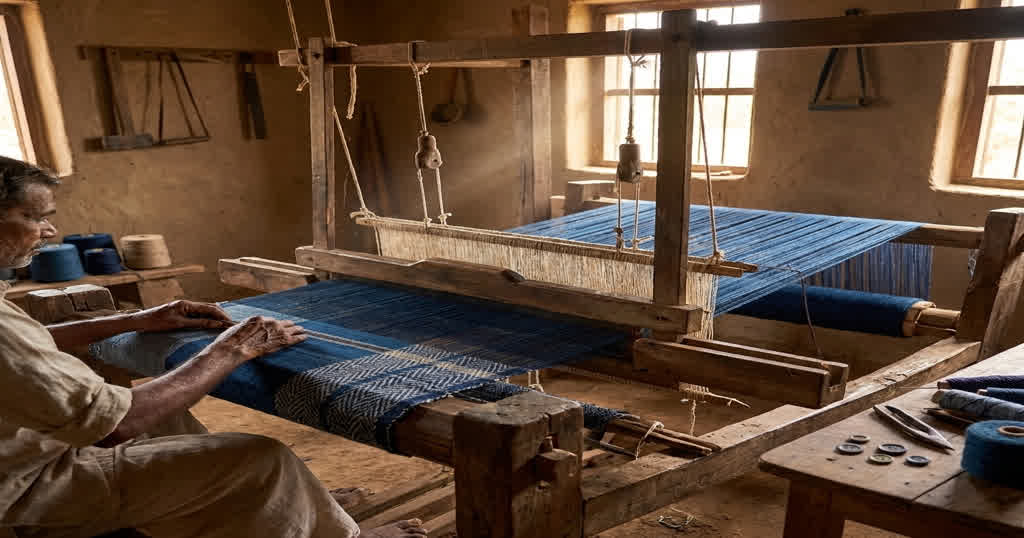
Before you look to buy khadi fabric online, it is crucial to understand what sets organic Khadi apart from conventional handloom fabrics. Khadi is uniquely defined by its production process: it is both hand-spun and hand-woven. This dual-manual process imparts a characteristic "slub" or irregularity to the yarn, creating a breathable, high-thermal-resistance fabric that stays cool in summer and warm in winter.
The Zero-Carbon Footprint of Hand-Spinning
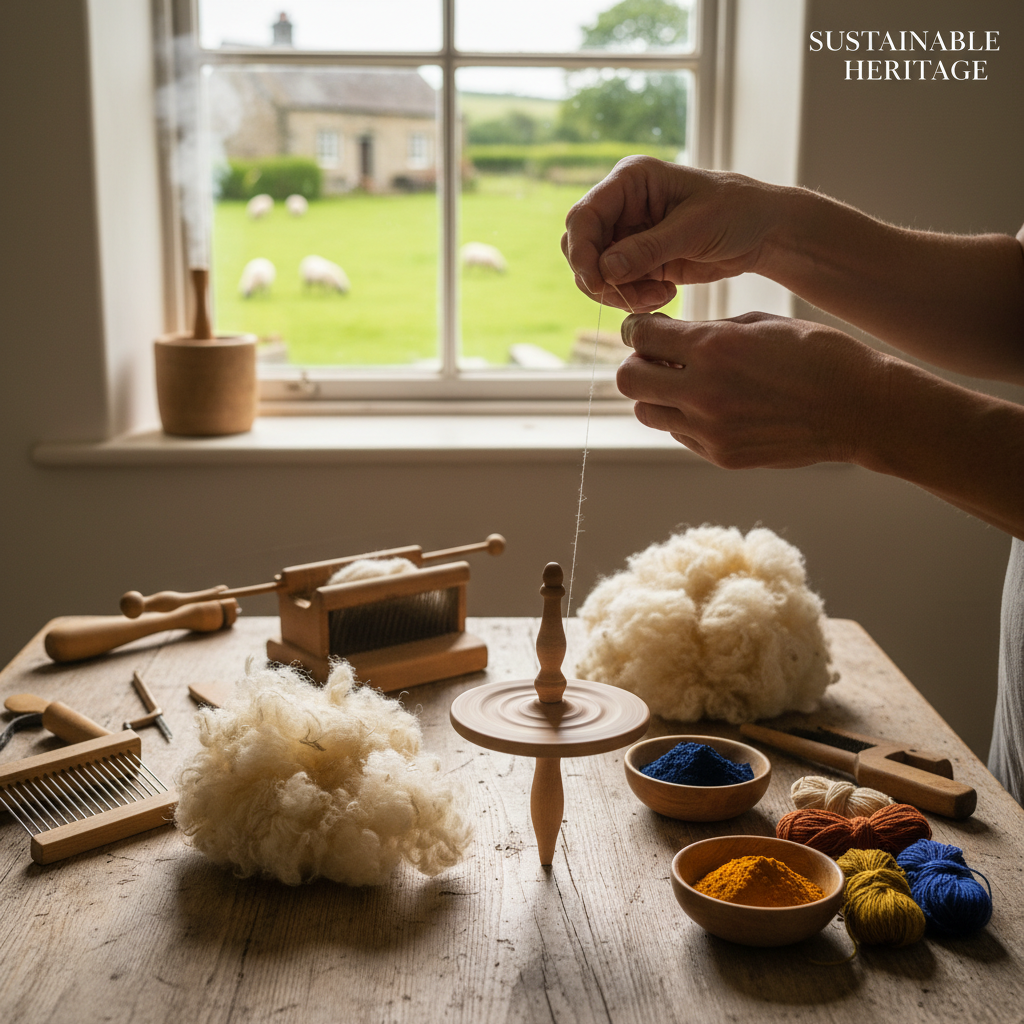
Unlike industrial textiles, authentic Khadi uses the Charkha (spinning wheel). This process consumes zero electricity. When you opt for organic khadi sourcing, you are choosing a material that has been grown without synthetic pesticides and processed without fossil-fuel-reliant machinery. For a sustainable brand, this is a powerful marketing asset. It allows you to claim a near-zero carbon footprint for your raw material stage, a feat almost impossible with machine-made synthetics or even conventional mill-made cotton.
The Aesthetic Superiority of "Human" Imperfections
Designers often choose Khadi for its tactile richness. The slight variations in the weave are not defects; they are the "fingerprints" of the artisan. This organic texture provides a depth that flat, mill-made fabrics cannot replicate. When sourcing sustainable khadi material, you are investing in a textile that ages beautifully, becoming softer with every wash while maintaining its structural integrity.
Navigating the Digital Marketplace: How to Buy Khadi Fabric Online Safely
The shift toward digital B2B sourcing has made it easier to connect with Indian heritage, but it has also increased the risk of purchasing "pseudo-khadi." To successfully buy khadi fabric online, a designer must look beyond the product photos.
Verifying Authenticity in a Virtual Space
When browsing through textile wholesale suppliers, the first thing to check is their transparency regarding the production cluster. Authentic Khadi is usually tied to specific geographical regions in India, such as West Bengal, Gujarat, or Andhra Pradesh. A reputable supplier will be able to tell you not just the composition, but the story of the weavers.
For a deeper dive into what makes a fabric truly authentic, you can refer to our guide on buying khadi cotton fabric online and what authentic really means. Understanding these nuances ensures that your investment supports genuine craft rather than mass-produced imitations.
The Role of Sampling in B2B Sourcing
You should never commit to a wholesale order without a rigorous sampling phase. Because Khadi is handmade, there can be slight variations between batches. When you buy khadi fabric online, request "swatch kits" or "header samples" first. This allows you to test the GSM (grams per square meter), the drape and the shrinkage—which is typically higher in hand-spun fabrics.
Technical Specifications: Organic Khadi Sourcing for High-End Fashion
Sourcing for a collection requires more than just an aesthetic choice; it requires technical compatibility. Whether you are designing structured outerwear or flowing summer dresses, the type of Khadi you choose is paramount.
Understanding GSM and Weave Structures
- Lightweight Khadi (60-100 GSM): Ideal for scarves, inner linings, or ethereal summer shirts. Often uses fine counts of hand-spun yarn.
- Mid-weight Khadi (120-200 GSM): The "workhorse" of the collection. Perfect for dresses, trousers, and button-downs.
- Heavyweight Khadi (250+ GSM): Best suited for jackets, upholstery, or structured winter wear.
GOTS Certified Khadi: The Gold Standard
For global brands, GOTS certified khadi is the ultimate verification of sustainability. The Global Organic Textile Standard (GOTS) ensures that from the cotton farm to the spinning center and the dye house, no harmful chemicals were used, and fair labor practices were followed. When you buy khadi fabric online with GOTS certification, you are securing a paper trail that is essential for international customs and sustainability reporting.
Dyeing and Finishing
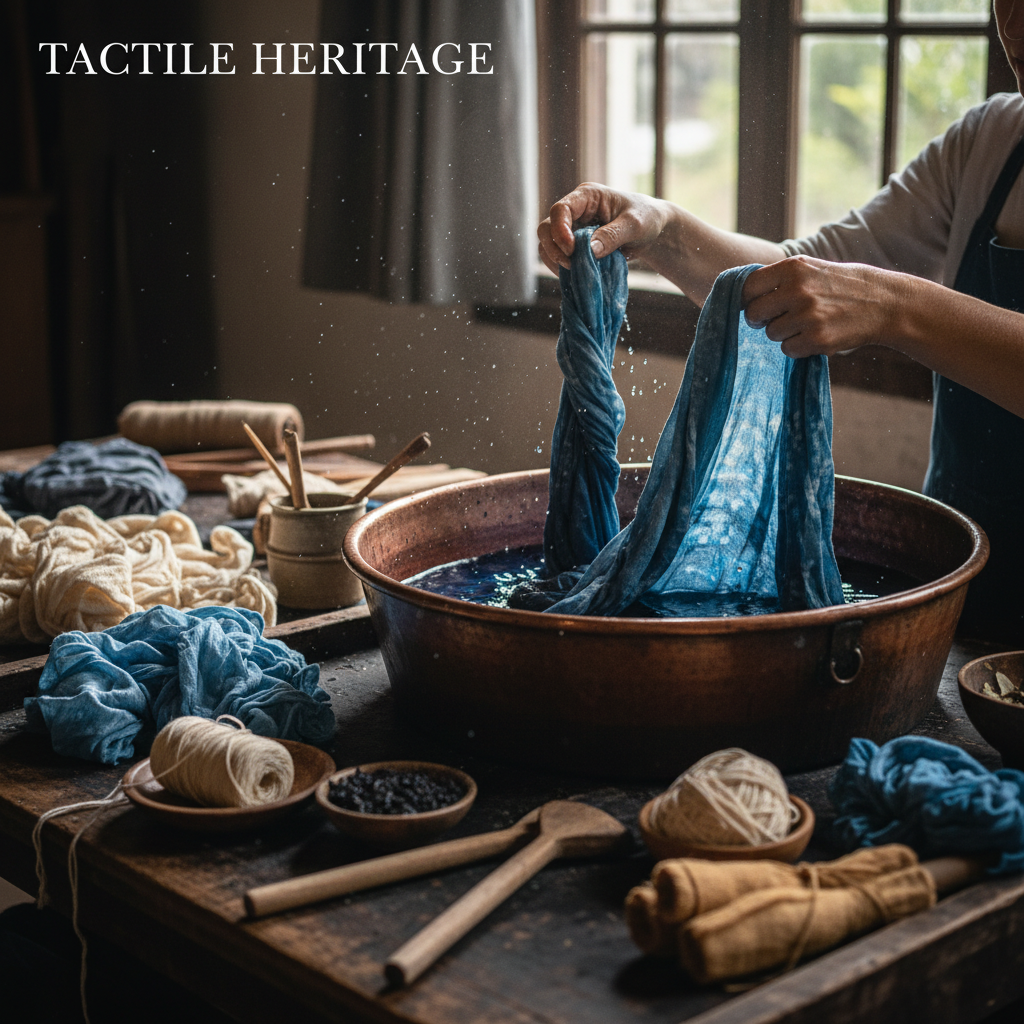
Sustainable Khadi is often paired with natural dyes (indigo, madder, pomegranate) or low-impact AZO-free dyes. If your collection requires specific Pantone matching, discuss this with your textile wholesale suppliers early on. Hand-woven fabrics take dyes differently than machine-made ones, often resulting in a beautiful, slightly heathered effect.
Strategic Partnerships with Textile Wholesale Suppliers
Sourcing is not a one-time transaction; it is a partnership. To build a successful sustainable brand, you need a supplier who understands the constraints of a growing label.
Managing MOQs and Lead Times

One of the biggest hurdles in organic khadi sourcing is the production time. Since the fabric is hand-woven, a single weaver might only produce 4-5 meters a day. When planning your collection, factor in lead times of 8-12 weeks for custom weaves.
Understanding how to navigate these logistics is key to a smooth launch. For more insights, read our guide on navigating MOQs and sampling protocols for sustainable brands.
Quality Assurance and Testing
Before the fabric leaves the warehouse, it should undergo quality checks. Authentic Khadi may have "neps" or small knots, which are part of its charm, but structural integrity must be maintained. For B2B buyers, we recommend performing specific quality tests for B2B sourcing to ensure the fabric meets international garment-making standards.
The Economic and Social Impact of Your Sourcing Choice
When you choose to buy khadi fabric online from ethical manufacturers like Anuprerna, your purchase ripples through rural Indian communities.
Supporting Artisan Ecosystems
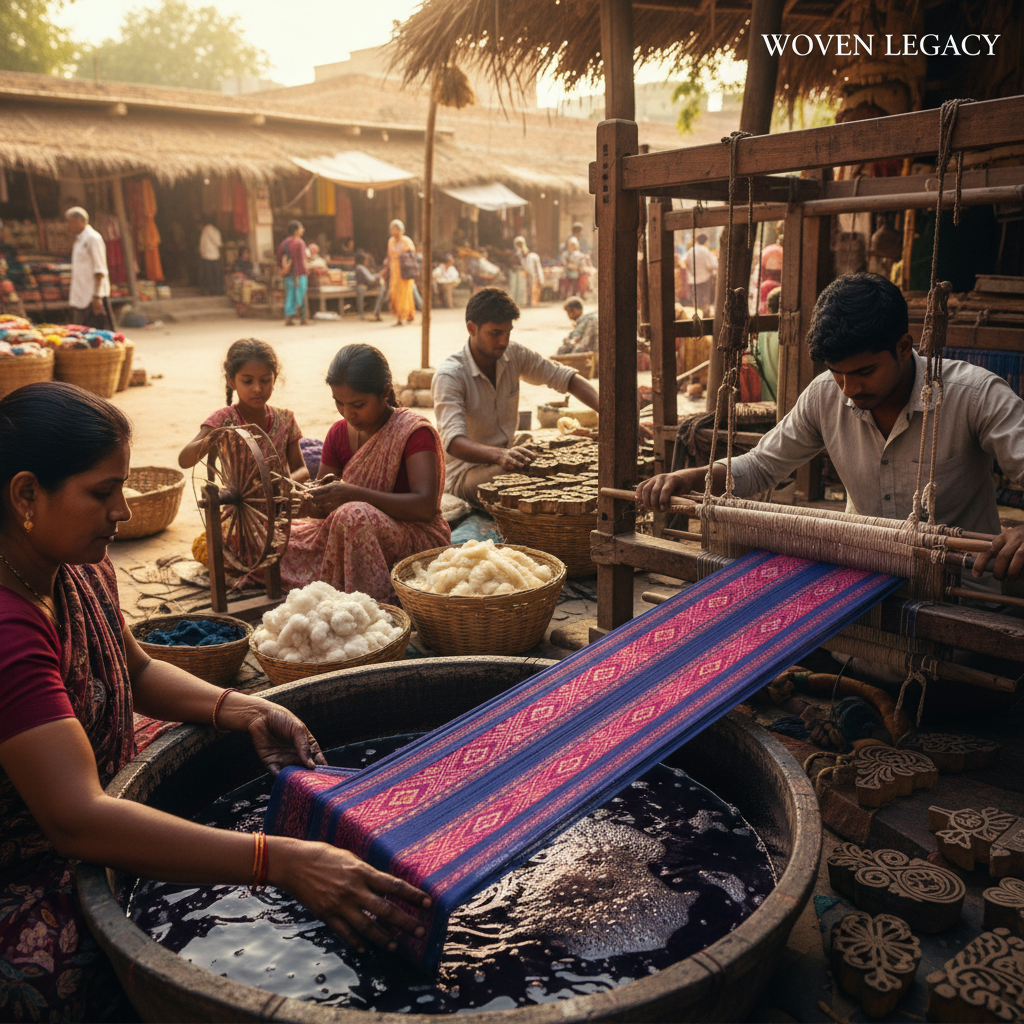
Khadi production is decentralized. It provides employment to women in their homes (spinning) and weavers in village clusters. By integrating sustainable khadi material into your collection, you are helping to preserve a craft that is thousands of years old. This social impact is a key pillar of "Slow Fashion" and provides your customers with a meaningful reason to choose your brand over fast-fashion competitors.
Transparency and Traceability
Modern consumers demand to know "Who made my clothes?" By partnering with transparent textile wholesale suppliers, you can provide the exact origin of your fabric. This level of traceability is becoming a legal requirement in many European markets and a competitive advantage in North America.
Conclusion: Weaving a Sustainable Future
Sourcing organic khadi is a journey that requires patience, education, and a commitment to ethical excellence. By learning how to effectively buy khadi fabric online, understanding the technicalities of GOTS certified khadi, and building strong relationships with textile wholesale suppliers, you position your fashion brand at the forefront of the sustainable revolution.
At Anuprerna, we specialize in connecting global designers with the rich textile heritage of East India. Our commitment to handwoven excellence ensures that every meter of fabric you source from us supports an artisan and respects the earth. Whether you are looking for Tussar silk or organic cotton Khadi, our curated collections are designed to meet the rigorous standards of the modern fashion industry.
Ready to start your sustainable collection? Explore our wholesale Khadi collection here.
most asked questions
How can I tell if the Khadi I buy online is truly hand-spun?
To verify if you are getting authentic sustainable khadi material, look for the "slub" texture. Hand-spun yarn has subtle variations in thickness that machine-spun yarn lacks. Another test is the "burn test"—pure organic cotton Khadi will smell like burning paper and leave a fine grey ash. However, the most reliable way when you buy khadi fabric online is to request a certificate of authenticity or GOTS documentation from your supplier.
Is organic Khadi suitable for high-fashion garments?
Absolutely. Many luxury designers use Khadi because of its unique drape and the "prestige" of being handmade. Because organic khadi sourcing allows for custom weaves, you can request specific patterns like Jamdani or Twill that add a high-fashion edge to the rustic base of the fabric. It is a favorite for sustainable luxury brands focusing on minimalism and texture.
What are the typical MOQs when sourcing from textile wholesale suppliers in India?
MOQs (Minimum Order Quantities) vary. For stock items, some textile wholesale suppliers may allow as little as 10-20 meters. However, for custom-dyed or custom-woven GOTS certified khadi, MOQs typically range from 50 to 100 meters per color/style. This is because setting up a handloom for a specific design is a labor-intensive process.
Does Khadi fabric shrink significantly?
Yes, as a hand-woven natural fiber, Khadi can shrink between 3% to 10% depending on the weave density. When you buy khadi fabric online, always ask if the fabric has been pre-shrunk or "sanforized." If not, it is standard practice for designers to wash the fabric before cutting or to factor the shrinkage into their pattern making.
How do I care for garments made from organic Khadi?
To maintain the longevity of sustainable khadi material, we recommend hand washing in cold water with mild, eco-friendly detergents. Avoid harsh bleaching agents. Since Khadi is a breathable, living fabric, it benefits from air drying in the shade to prevent color fading, especially if natural dyes were used during the organic khadi sourcing process.
More Blogs

how celebrities who care about the environment are changing fashion
life cycle assessment (lca) in fashion: measuring your brand's true impact
how to source ethical raw silk for your fashion label
top commercial uses of natural dyes in sustainable fashion
how eco friendly celebrities are changing the fashion industry
how to become an ethical fashion designer: a sourcing guide