The Ultimate Fashion Dictionary: Essential Clothing Terminology

A misaligned tech pack sent to a rural weaving cluster often results in weeks of delayed sampling and wasted yardage. Building a precise fashion dictionary bridges the gap between a creative vision and the physical constraints of the loom. When a buyer requests a lightweight summer fabric but fails to specify the exact yarn count, the resulting textile might lack the required drape or tensile strength.
Establishing a shared vocabulary transforms how brands interact with decentralized artisan supply chains. A standardized understanding of clothing terminology ensures that every specification translates accurately across borders. This clarity protects profit margins, honors the traditional crafting process, and aligns modern sustainability goals with actual production capabilities.
Decoding the Fashion Dictionary: Why Precise Terminology Matters in B2B Sourcing

Precise terminology in B2B sourcing acts as the definitive operational blueprint that prevents costly sampling errors and aligns a brand's aesthetic vision with actual artisan capabilities. A shared vocabulary ensures that a request for a specific drape translates accurately to the loom. This clarity protects profit margins and honors the traditional crafting process.
Historically, the foundation of our fashion terminology originated in European haute couture and the rigid specifications of industrial revolution mass-manufacturing. Factories required standardized language to produce identical garments at scale. Today, that vocabulary has expanded to accommodate modern sustainable and decentralized artisan supply chains. We now integrate traditional Indian handloom terms into the global lexicon to facilitate ethical sourcing.
The Evolution of Sourcing Vocabulary
The shift from centralized factories to rural weaving clusters demands a highly specific fashion dictionary to prevent miscommunication. When we work with artisans in Murshidabad, using the correct regional and technical terms ensures the fabric meets international standards. A buyer must articulate their needs using precise clothing terminology rather than vague aesthetic descriptions. This exactness bridges the gap between Western design studios and traditional Indian looms.
To build a reliable supply chain, sourcing managers must master specific vocabulary that dictates material performance. Relying on accurate definitions provides several distinct advantages for production:
- Minimizing sampling iterations by providing exact yarn specifications before the first prototype is woven.
- Standardizing quality control across different decentralized clusters using uniform measurement metrics.
- Protecting profit margins by eliminating wasted yardage caused by misinterpreted design briefs.
- Honoring artisan expertise by communicating in terms that respect traditional weaving mathematics.
Mitigating Risk Through Clear Specifications
A comprehensive understanding of textile terminology directly impacts a brand's ability to scale sustainable collections. If a designer requests a crisp, dry hand-feel but fails to specify the twist of the yarn, the resulting fabric will likely fail quality control. Clear specifications remove the guesswork from the artisan's loom. This rigorous approach to language guarantees that the final textile matches the initial tech pack.
We consistently see that brands with a strong grasp of technical definitions experience faster turnaround times. By speaking the same language as the weavers, buyers build trust and ensure long-term sourcing reliability. Accurate communication is the most effective tool for maintaining consistency in a decentralized production model.
Textile Terminology: From Warp and Weft to GSM and Yarn Count
Core textile terminology defines the physical architecture of a fabric, relying on exact metrics like GSM, yarn count, and warp-weft interlacing to dictate material performance. These technical parameters determine how a fabric will drape, dye, and endure daily wear. B2B buyers must specify these metrics to ensure the textile meets their exact functional requirements.
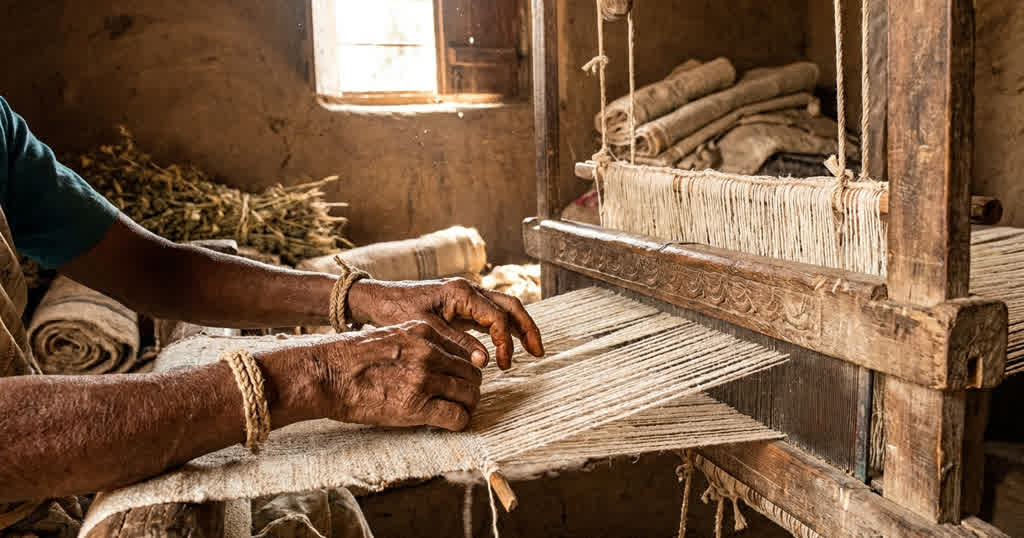
The foundation of any woven fabric lies in the interlacing of the warp and weft yarns. The warp consists of the longitudinal threads held in tension on the loom, while the weft is the transverse yarn drawn through them. Understanding this grid is essential for determining the tensile strength metrics of the final material. A dense warp sett creates a stronger fabric suitable for structured garments.
Understanding Fabric Weight and GSM
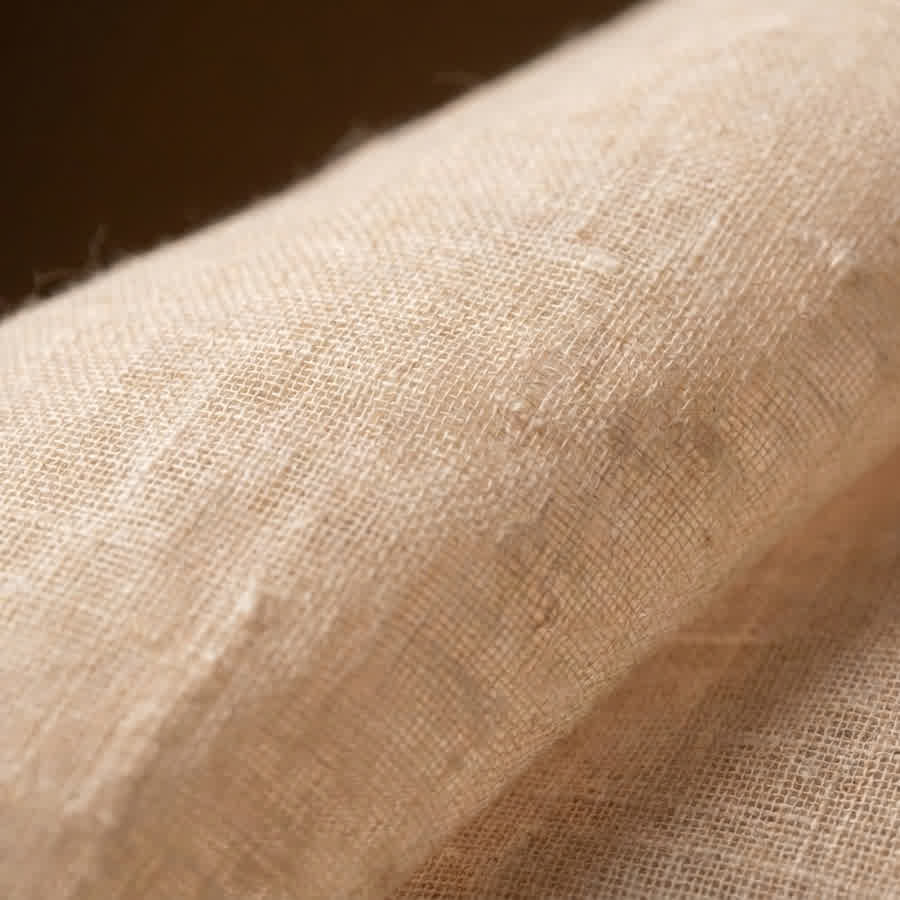
Grams per Square Meter, or GSM, is the standard metric used to communicate fabric weight and density. Specifying the correct GSM prevents a factory from weaving a textile that is too sheer or too heavy for the intended silhouette. We categorize our handloom fabrics into specific weight classes to guide designers in their sourcing decisions. Selecting the appropriate weight is a critical step in the apparel design definition process.
Different garments require distinct weight categories to achieve the desired fluid drape or structural integrity. We guide our B2B partners using these standard GSM ranges:
- 50-80 GSM for sheer silks and lightweight overlays that require maximum breathability.
- 100-140 GSM for standard shirting fabrics, offering a balance of opacity and comfort.
- 150-200 GSM for mid-weight cottons and linens used in trousers or structured dresses.
- 250+ GSM for heavy outerwear and upholstery textiles demanding high durability.
The Architecture of the Loom
Beyond weight, the yarn count dictates the fineness and texture of the individual threads used in the weave. A higher yarn count indicates a finer thread, resulting in a smoother, more luxurious fabric surface. When we source from clusters in Karnataka, specifying the exact count ensures the silk retains its natural luster. This level of detail is a mandatory component of any professional fashion dictionary.
The interplay between yarn count and the weaving technique ultimately defines the fabric's character. A plain weave offers maximum durability, while a satin weave provides a smooth, lustrous finish at the expense of some tensile strength. Designers must balance these technical specifications with their aesthetic goals to create successful, long-lasting garments.
Apparel Design Definition: Translating Concepts into Tech Packs

An apparel design definition translates the conceptual silhouette and functional requirements of a garment into a standardized tech pack for accurate manufacturing. This translation converts creative ideas into actionable data that a weaving cluster or factory can execute. Without this technical blueprint, the vision of the designer remains disconnected from the reality of production.
A modern fashion designer definition extends far beyond sketching silhouettes on paper. Today, a designer acts as a supply chain collaborator who must integrate sustainable material science with precise clothing terminology. They are responsible for selecting the correct fibers, specifying the dye uptake requirements, and detailing the construction methods. This technical literacy is what separates a conceptual artist from a successful B2B apparel professional.
The Role of the Tech Pack
The tech pack serves as the definitive contract between the design studio and the manufacturing partner. It eliminates ambiguity by detailing every measurement, stitch type, and fabric requirement in universally understood terms. When working with decentralized artisans, a highly detailed tech pack is the only way to ensure consistency across multiple looms. This document relies heavily on a standardized fashion dictionary to convey complex instructions.
To prevent costly errors, a comprehensive tech pack must include several critical technical components. We require our B2B partners to provide the following details before sampling begins:
- Detailed flat sketches showing the garment from multiple angles with all seams clearly marked.
- A complete Bill of Materials (BOM) listing the exact fabrics, trims, and threads required.
- Precise GSM and yarn count specifications to ensure the fabric weight matches the design intent.
- Graded measurement charts that dictate the exact dimensions for every size in the production run.
Standardizing Garment Construction
Clear communication regarding garment construction is vital for maintaining quality control and brand integrity. Terms like selvedge finish, bias cut, and French seam must be used correctly to dictate how the fabric is handled. Misusing this fashion terminology can result in garments that twist, fray, or fail to drape correctly on the body. Precision in language directly correlates to precision in tailoring.
By standardizing these definitions, brands can confidently scale their production across different regions and artisan groups. A unified vocabulary allows a sourcing manager in London to communicate flawlessly with a master weaver in Bengal. This clarity is the foundation of a reliable, ethical, and highly efficient decentralized supply chain.
The Textile Industry Definition: Understanding the Modern Sustainable Supply Chain
The modern textile industry definition encompasses a decentralized ecosystem that prioritizes ethical production, traceability, and low-impact materials over conventional high-waste manufacturing. This shift reflects a growing demand from B2B buyers for transparency at every stage of the supply chain. Understanding this ecosystem is crucial for brands looking to align their sourcing practices with rigorous sustainability standards.
Historically, the industry relied on opaque, centralized factories that prioritized speed and volume over environmental stewardship. Today, the definition has expanded to include rural artisan clusters, organic farming cooperatives, and zero-waste production facilities. This evolution requires a new fashion dictionary to accurately describe the processes and materials involved. Buyers must now understand terms related to carbon footprints, water usage, and fair trade certifications.
Decentralized Artisan Clusters
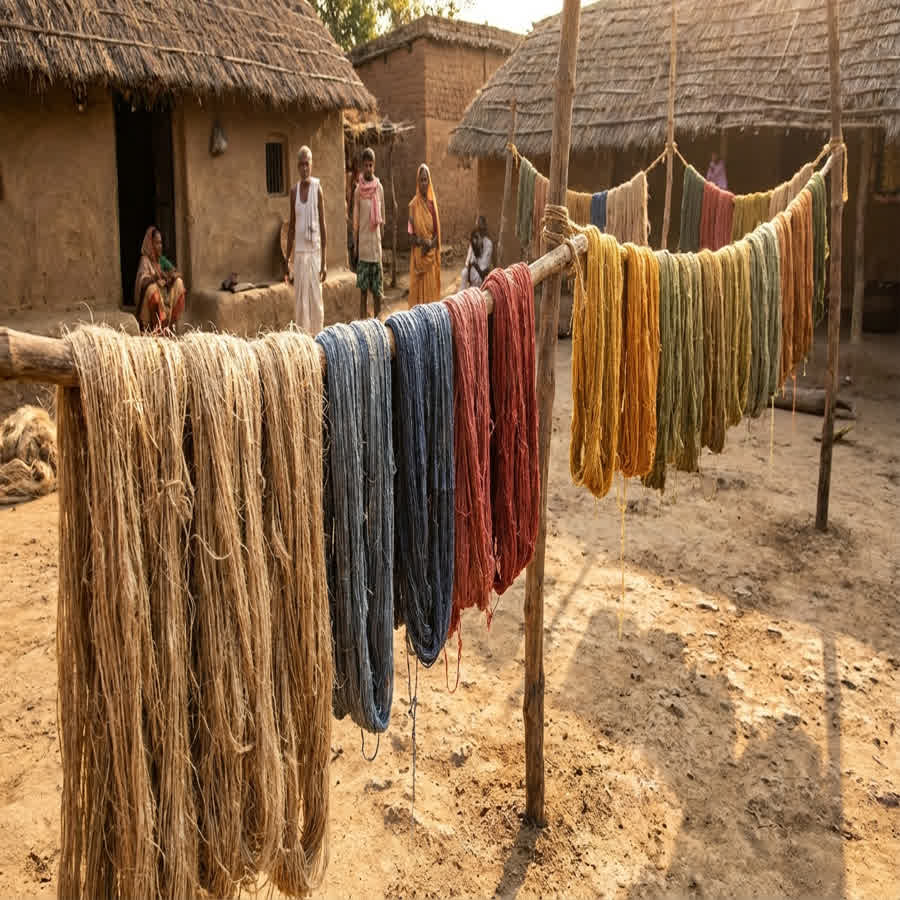
At the heart of this new industry model are the decentralized artisan clusters that produce heritage textiles. We currently work with multiple handloom communities across Bengal, integrating their traditional skills into the global market. These clusters offer a sustainable alternative to mass production, utilizing manual looms that require zero electricity. This method of manufacturing drastically reduces the carbon footprint of the final garment.
Partnering with these communities requires a deep understanding of their specific operational capabilities and constraints. B2B sourcing managers must adapt their procurement strategies to accommodate the realities of handloom production:
- Longer lead times to account for the manual preparation of the warp and the intricate weaving process.
- Natural variations in the fabric that should be celebrated as a hallmark of authentic artisan craftsmanship.
- Lower minimum order quantities (MOQs), which allow brands to test new designs without committing to massive inventory.
- Direct traceability back to the specific village and weaver responsible for creating the textile.
Redefining B2B Distribution
The integration of these artisan clusters into the global market is redefining how B2B distribution operates. Brands are moving away from anonymous wholesale purchasing in favor of direct, transparent partnerships with producers. This approach requires a shared textile terminology to ensure that both parties understand the technical and ethical requirements of the order. Clear communication builds the trust necessary for long-term collaboration.
By adopting this updated textile industry definition, brands can confidently market their products to conscious consumers. The ability to trace a garment from the cotton farm to the final stitch provides a powerful narrative advantage. This transparency is no longer just a marketing tool; it is a fundamental requirement for operating in the modern fashion sector.
Essential Clothing Terminology for Handloom and Artisanal Fabrics

Essential clothing terminology for artisanal fabrics bridges global sourcing standards with specific indigenous techniques like Jamdani and Khadi to ensure accurate cross-cultural production. Integrating these regional terms into a standard tech pack allows designers to specify complex hand-woven motifs and textures. This specialized vocabulary is essential for brands committed to authentic, heritage-driven sourcing.
The global fashion dictionary often lacks the nuance required to describe the intricacies of Indian handloom weaving. A generic term like "cotton plain weave" fails to capture the unique properties of a hand-spun, hand-woven fabric. By adopting the correct regional terminology, sourcing managers can precisely communicate their requirements to the artisans. This exactness honors the craft and prevents the dilution of traditional techniques.
Indigenous Weaving Techniques
Understanding the specific names and properties of indigenous textiles is the first step in successful artisan sourcing. Khadi, for example, refers to a fabric that is both hand-spun and hand-woven, resulting in a highly breathable material with a distinct, slubby texture. Specifying Khadi in a tech pack dictates a completely different production process than requesting standard mill-made cotton. This level of detail is a critical component of accurate fashion terminology.
Beyond basic weaves, India is home to complex supplementary weft and resist-dyeing techniques that require precise definitions. We educate our B2B partners on the following essential handloom terms:
- Jamdani, a discontinuous supplementary weft technique where motifs are woven directly into the fabric by hand.
- Ikat, a resist-dyeing process where the yarns are bound and dyed before weaving to create distinctive, blurred patterns.
- Matka silk, a rough handloom silk fabric made from the waste mulberry silk without removing its natural gum.
- Kala cotton, an indigenous, rain-fed cotton variety known for its high drought tolerance and rugged texture.
Communicating with Weaving Clusters
When a designer incorporates these terms into their apparel design definition, they provide the weaver with clear, actionable instructions. Requesting a 120-count Jamdani motif on a sheer silk base gives the artisan the exact parameters needed to set up the loom. This technical clarity eliminates the need for multiple rounds of sampling and reduces material waste. It is the most effective way to bridge the gap between a Western design studio and a rural Indian village.
Mastering this specialized textile terminology empowers brands to create highly specific, sustainable collections. It allows them to move beyond generic commercial fabrics and offer their customers garments with genuine heritage and traceability. A precise vocabulary is the foundation for maximizing the capabilities of the decentralized artisan supply chain.
frequently asked questions
What is the standard textile industry definition for sustainable sourcing?
In B2B contexts, sustainable sourcing refers to procurement practices that prioritize environmental stewardship and social equity. This often involves partnering with decentralized supply chains, utilizing natural fibers, and employing low-impact dyes, contrasting sharply with conventional, high-waste mass-manufacturing. A clear fashion dictionary helps brands verify these practices through standardized certifications and traceable supply chain documentation.
How does an apparel design definition differ from a tech pack?
An apparel design definition outlines the conceptual, aesthetic, and functional framework of a garment. A tech pack, however, is the technical blueprint derived from that definition, containing exact measurements, specific textile terminology, GSM requirements, and construction details required by the manufacturer or artisan. The design definition provides the vision, while the tech pack provides the mathematical and material reality.
Why is understanding specific textile terminology crucial for working with handloom weavers?
Handloom production relies on precise technical language regarding warp, weft, reed, and pick counts. Using accurate textile terminology ensures the artisan understands the exact fabric weight, drape, and motif placement required, which minimizes costly iterations and honors the traditional crafting process. Without this shared vocabulary, a designer's request for a *soft, fluid drape* might be misinterpreted on the loom.
What defines a fashion designer in the context of a decentralized supply chain?
A fashion designer definition in this context extends beyond a creator of silhouettes; they are a supply chain collaborator who integrates traditional artisan capabilities, sustainable material science, and technical clothing terminology to produce ethical, scalable garments. They must balance aesthetic desires with the physical constraints of handloom weaving and natural dyeing processes.
What is the difference between warp and weft in textile terminology?
The warp refers to the longitudinal yarns held in tension on a loom, while the weft is the transverse yarn drawn through the warp to create cloth. Understanding this distinction is vital for specifying fabric drape, tensile strength, and pattern alignment in B2B sourcing. A dense warp sett creates a stronger fabric structure that directly impacts the garment's longevity.
More Blogs
the evolution of sustainable fashion design: techniques and trends

how celebrities who care about the environment are changing fashion

life cycle assessment (lca) in fashion: measuring your brand's true impact

how to source ethical raw silk for your fashion label

top commercial uses of natural dyes in sustainable fashion
how eco friendly celebrities are changing the fashion industry