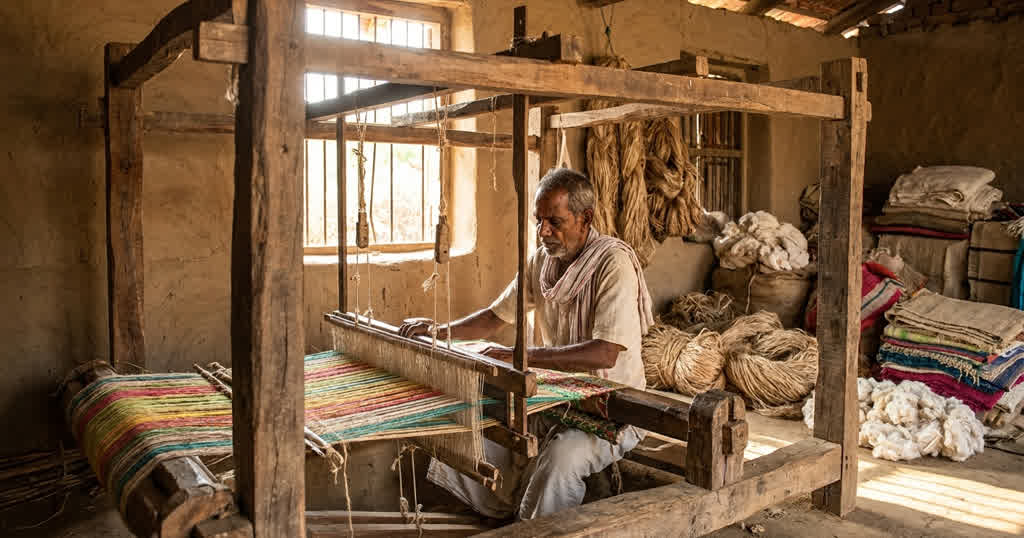
Textile Export Wholesale: Everything Buyers Need to Know

A designer planning a sustainable summer collection often faces a critical bottleneck at the sourcing stage. Securing reliable textile export wholesale requires balancing the need for precise technical specifications with the demand for an authentic, traceable supply chain. Buyers are moving away from opaque factories, seeking instead the crisp, breathable hand-feel of natural fibers woven by skilled artisans.
The stakes for procurement have shifted from simple cost-per-meter calculations to long-term brand value and compliance. Sourcing from decentralized clusters in regions like Bengal offers access to centuries-old weaving traditions, but it demands a clear understanding of export-grade artisan textiles. From verifying azo-free dyeing to managing international logistics, buyers must evaluate their partners rigorously to ensure consistent quality and ethical production.
Understanding the Textile Industry of India: Beyond the Industrial Mills
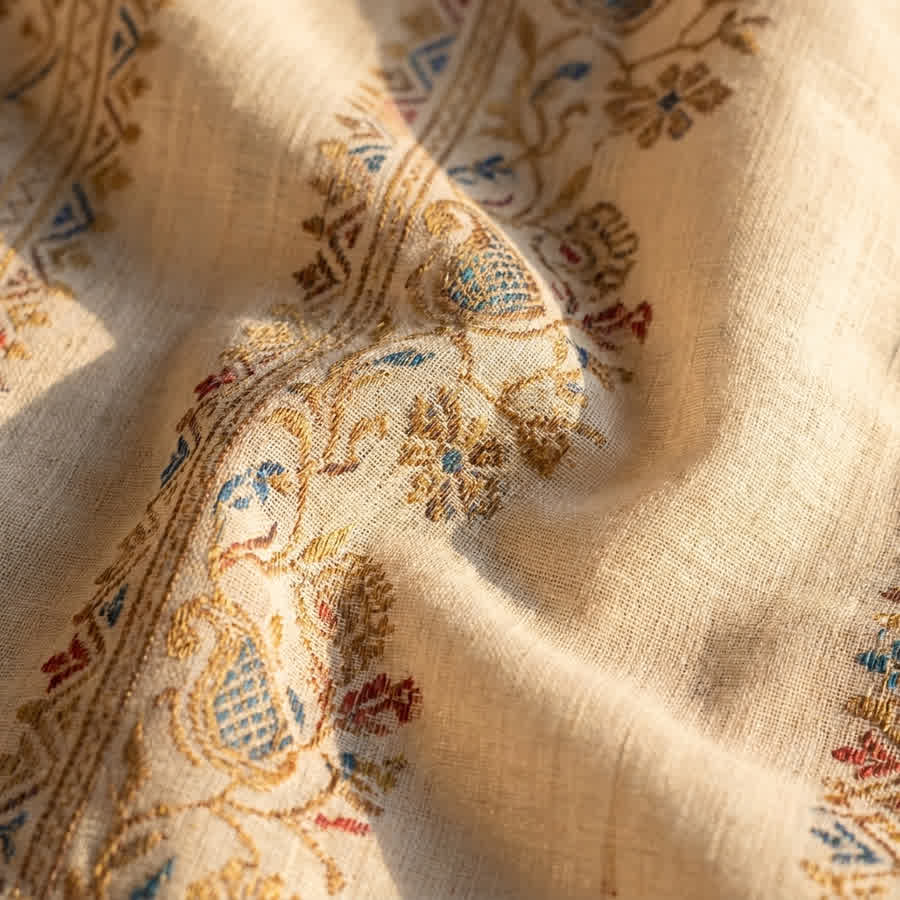
The Indian textile sector extends far beyond mechanized factories, rooted deeply in a decentralized network of rural artisan clusters across regions like Murshidabad and Malda. Buyers looking for textile export wholesale partners are increasingly bypassing conventional mills to source directly from these heritage weaving communities. This shift allows brands to secure unique, high-quality materials while supporting ethical supply chains that prioritize human skill over machine speed.
The Historical Backbone of Global Trade
India's legacy as a global textile powerhouse predates industrialization by centuries. Long before the rise of power looms, districts in Bengal formed the backbone of early global trade routes. Artisans in these regions perfected the creation of complex fabrics, establishing a standard for export-grade artisan textiles that remains highly sought after by contemporary designers.
The historical significance of these regions is tied to specific weaving techniques that require immense skill and patience. Buyers sourcing from the textile industry of India gain access to these specialized methods, which produce fabrics with distinct structural properties and exceptional longevity.
- Jamdani weaving: A supplementary weft technique creating intricate, breathable motifs directly on the loom without floating threads on the reverse.
- Muslin production: Known for its exceptionally fine yarn counts, offering a sheer, weightless drape ideal for summer apparel and resort wear.
- Khadi spinning: Hand-spun and hand-woven textiles that provide excellent thermal regulation and a unique, textured finish due to the natural variations in the yarn.
Shifting from Mass Production to Traceability
Modern B2B buyers require more than just bulk yardage. They need reliable fabrics wholesale suppliers who can provide complete transparency from yarn procurement to final finishing. Decentralized artisan networks offer a level of traceability that opaque factories simply cannot match, allowing brands to verify the exact origin of their raw materials.
Working with rural handloom weavers allows brands to document the exact origin of their materials. We currently work with multiple artisan clusters across Bengal, ensuring that every meter of fabric carries an authentic narrative. This decentralized approach supports low MOQs, enabling independent designers to produce sustainable collections without the burden of massive inventory commitments.
Sourcing Textile Fabrics Online: How to Vet Fabric Wholesale Suppliers
Vetting digital suppliers requires a strict evaluation of their physical sampling process, ethical certifications, and supply chain transparency. When procuring textile fabrics online, buyers must look beyond digital images to verify the technical consistency and ethical claims of their potential partners. A rigorous vetting process ensures that the final bulk delivery matches the initial design specifications.
Evaluating Digital Swatch Books and Physical Samples
The transition from digital browsing to physical procurement is a critical phase in B2B sourcing. A reliable supplier will bridge this gap by offering comprehensive sampling options before requiring bulk commitments. Evaluating these physical samples allows designers to test the tensile strength consistency and dye uptake of the fabric under real-world conditions.
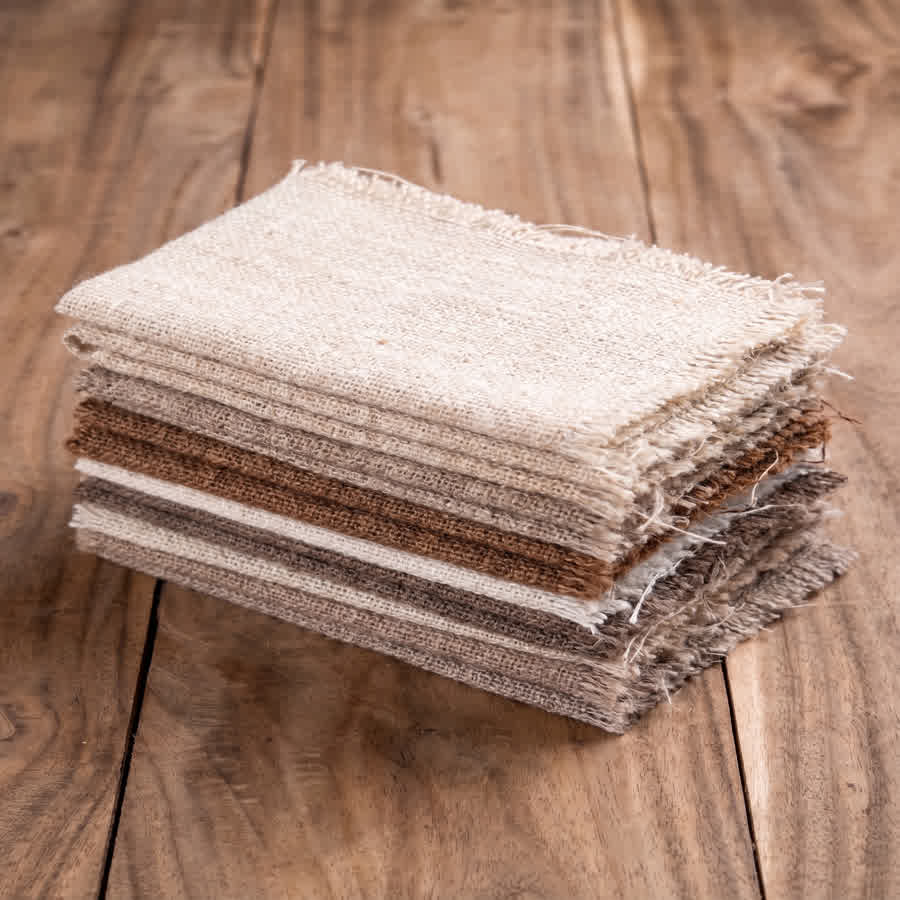
A rigorous sampling process protects buyers from inconsistent quality and unverified vendors. When reviewing physical samples from fabric wholesale suppliers, sourcing agents should assess several key technical parameters to ensure the fabric meets international standards.
- GSM verification: Ensuring the fabric weight matches the digital specifications, whether it is a 40 GSM sheer cotton or a 250 GSM structured linen.
- Color fastness: Testing the stability of the natural dyes to prevent bleeding or fading during garment washing and prolonged sun exposure.
- Weave density: Checking the tightness and uniformity of the interlacing yarns to guarantee durability and prevent seam slippage in the final garment.
Verifying Ethical Claims and Supply Chain Transparency
Procuring authentic handloom textiles requires diligence to avoid middlemen who misrepresent machine-made fabrics as artisan-crafted. Buyers must demand clear documentation detailing the production process and the specific artisan clusters involved. Transparent textile manufacturers will openly share their supply chain mapping, including the exact locations of their spinning, dyeing, and weaving facilities.
Ethical sourcing also involves verifying the working conditions and compensation of the artisans. Suppliers should provide evidence of fair wages and safe environments, often validated by third-party audits or recognized craft marks. By prioritizing transparency, brands can confidently market their zero-waste credentials and artisan narratives to their end consumers.
The Mechanics of Textile Export Wholesale: Compliance, Certifications, and Logistics
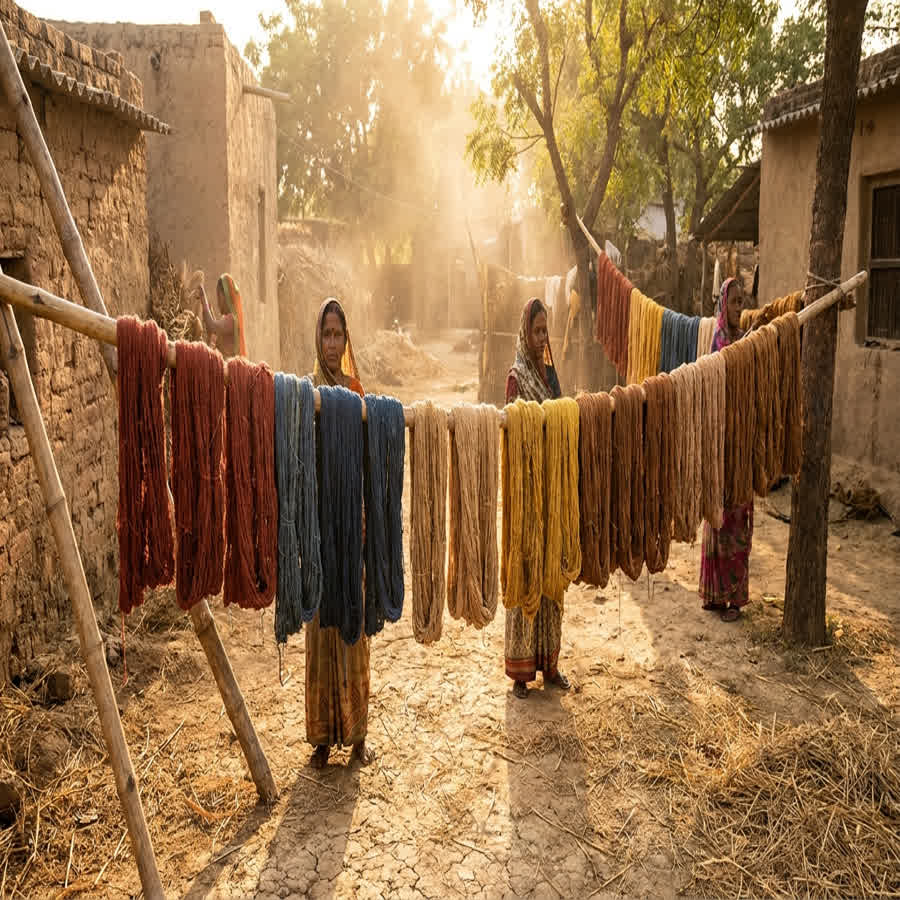
Successful international procurement depends on strict adherence to chemical safety standards, accurate customs documentation, and verified organic certifications. Managing textile export wholesale requires a thorough understanding of the regulatory frameworks that govern global trade and environmental safety. Buyers must ensure their partners are fully equipped to handle these complex logistical requirements.
Essential Certifications for International Markets
Exporting textiles to regions like Europe or North America necessitates compliance with stringent environmental regulations. Buyers must ensure their fabric wholesale suppliers hold the appropriate certifications to avoid customs rejections and protect their brand reputation. These certifications validate the safety and sustainability of the materials at a molecular level.
Securing the right documentation is a non-negotiable aspect of modern B2B sourcing. Key certifications for export-grade artisan textiles focus on both environmental impact and consumer safety, providing a verifiable trail of compliance.
- REACH compliance: A mandatory European Union regulation ensuring all dyes and finishes are free from harmful chemicals and heavy metals.
- GOTS certification: The Global Organic Textile Standard, which verifies the organic status of fibers like cotton and linen from harvesting through manufacturing.
- Azo-free dyeing: Documentation proving the absence of azo colorants, which can release carcinogenic amines upon prolonged skin contact.
Customs Clearance and Export Documentation
The logistical side of the textile industry of India involves precise paperwork to facilitate international shipping. Accurate Harmonized System (HS) codes are critical for determining import duties and ensuring smooth customs clearance. Misclassification can lead to significant delays and unexpected financial penalties for the importing brand.
Reliable suppliers manage this process by providing detailed commercial invoices, packing lists, and certificates of origin. They coordinate with freight forwarders to optimize shipping routes, whether dispatching a small batch of textile fabrics online via air freight or larger bulk orders through sea cargo. Proper packaging, including moisture-resistant wrapping, ensures the fabrics arrive maintaining their dry, crisp hand-feel and structural integrity.
Why Artisan-Made is the Future of Textile Manufacturers
Artisan manufacturing provides brands with bespoke structural capabilities, low environmental impact, and complete traceability that power loom synthetics cannot match. As the industry shifts toward sustainable practices, decentralized textile manufacturers offer a viable, high-quality alternative to conventional industrial production. This method of creation prioritizes material integrity and long-term garment longevity.
Bespoke Weave Capabilities and Technical Specs
Handloom weaving allows for a high degree of customization that is difficult to achieve on mechanized looms. Artisans can adjust the tension and yarn combinations to create specific textures and weights tailored to a designer's exact requirements. This flexibility is a major advantage for brands seeking unique textile export wholesale solutions.
The technical parameters of artisan textiles are carefully controlled to meet export standards. Buyers can specify exact requirements for their collections, ensuring the final product aligns with their design vision and performance needs.
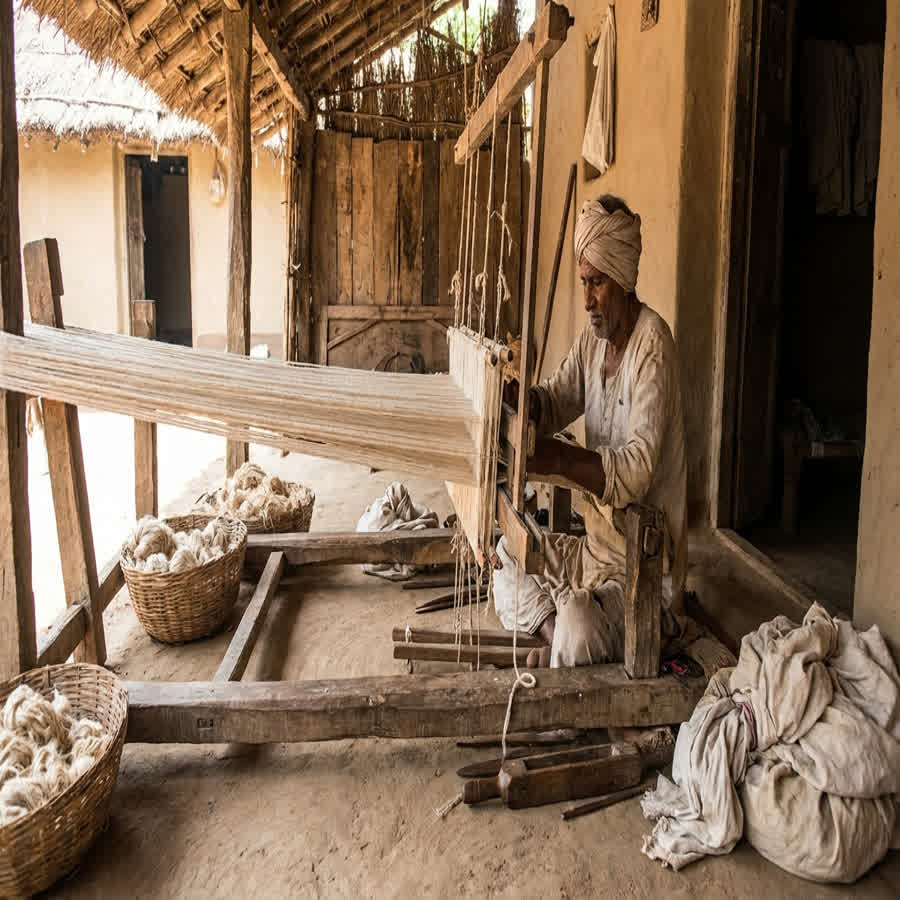
- Custom GSM ranges: Adapting the fabric weight from 40-80 GSM for lightweight summer apparel up to 150-250 GSM for structured outerwear.
- Natural fiber focus: Utilizing materials like cotton, linen, silk, and Ahimsa silk, which offer superior breathability and biodegradability.
- Selvedge finishing: Creating clean, tightly woven edges that prevent unraveling and reduce fabric waste during garment construction.
Traceability and Zero-Waste Credentials
The environmental footprint of handloom weaving is significantly lower than that of industrial manufacturing. The process relies on human energy rather than electricity, drastically reducing carbon emissions. By partnering with rural fabric wholesale suppliers, brands actively participate in a low-impact production model that respects both the environment and the maker.
This decentralized approach inherently supports sustainable fashion principles. The careful, deliberate pace of artisan weaving minimizes overproduction and aligns perfectly with the demand for low MOQs. Brands can confidently promote their collections knowing they are backed by a transparent supply chain that values heritage craftsmanship and environmental responsibility.
frequently asked questions
What types of natural fibers are best suited for export-grade artisan textiles?
Cotton, linen, conventional silk, and Ahimsa silk are the most reliable natural fibers for high-quality export-grade artisan textiles. These materials offer excellent dye uptake, consistent tensile strength, and superior breathability. Working with these specific fibers allows artisans to weave fabrics across a wide range of weights suitable for diverse fashion applications.
What are the standard MOQs for textile export wholesale from artisan clusters?
Unlike conventional textile manufacturers that require thousands of meters, decentralized artisan networks like Anuprerna offer flexible Minimum Order Quantities (MOQs). For in-stock fabrics, MOQs can be as low as 10-50 meters, while custom bespoke weaves typically start at 100-200 meters, enabling brands to produce sustainable, zero-waste collections.
How do I ensure quality control when buying textile fabrics online from India?
To ensure quality, partner with fabric wholesale suppliers that provide a transparent sampling process. Request physical swatch cards before bulk ordering to verify the GSM and texture firsthand. Reliable suppliers will also conduct rigorous quality checks for color fastness, shrinkage, and weaving defects, providing detailed inspection reports prior to international dispatch.
What certifications should fabric wholesale suppliers provide for international export?
For sustainable textile export wholesale, look for certifications such as GOTS (Global Organic Textile Standard) for organic fibers and REACH compliance ensuring azo-free and safe dyes. Additionally, Fair Trade or Craftmark certifications are crucial as they validate the ethical treatment, safe working conditions, and fair wages of the artisans involved.
What is the typical lead time for wholesale textile exports from India?
Lead times vary based on the order type, generally ranging from 1-2 weeks for in-stock items to 45-90 days for custom production. In-stock textile fabrics online can be dispatched rapidly via air freight. However, custom artisan weaves require longer timelines to account for yarn procurement, natural dyeing, hand-weaving, and finishing.
More Blogs
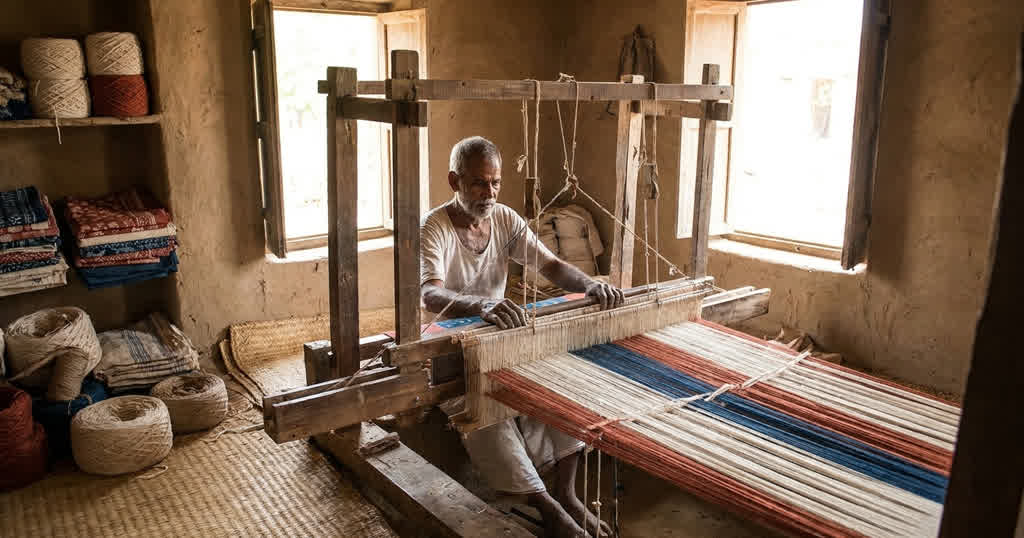
indian fabric wholesale: traditional techniques & modern textile design
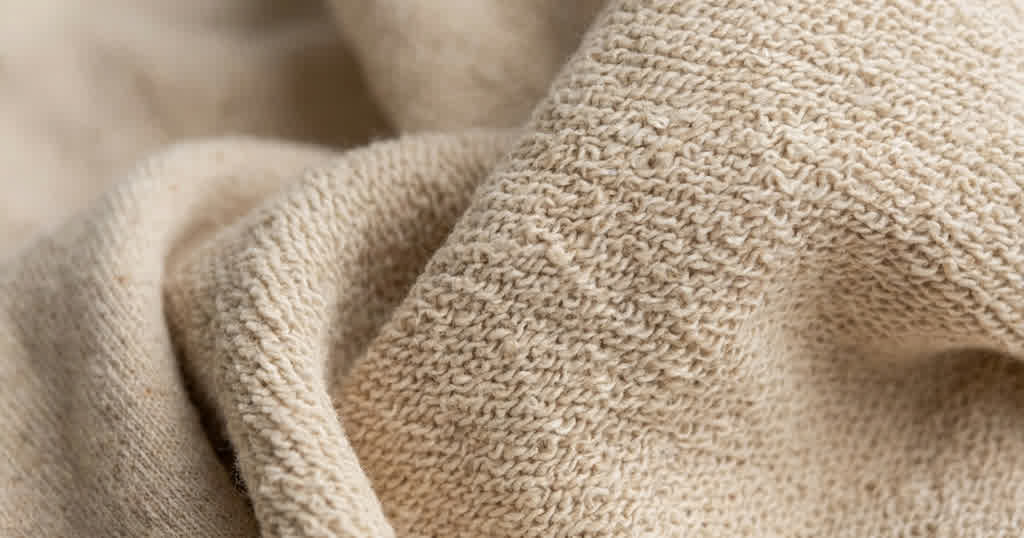
what is french terry material? a deep dive into loop-back cotton
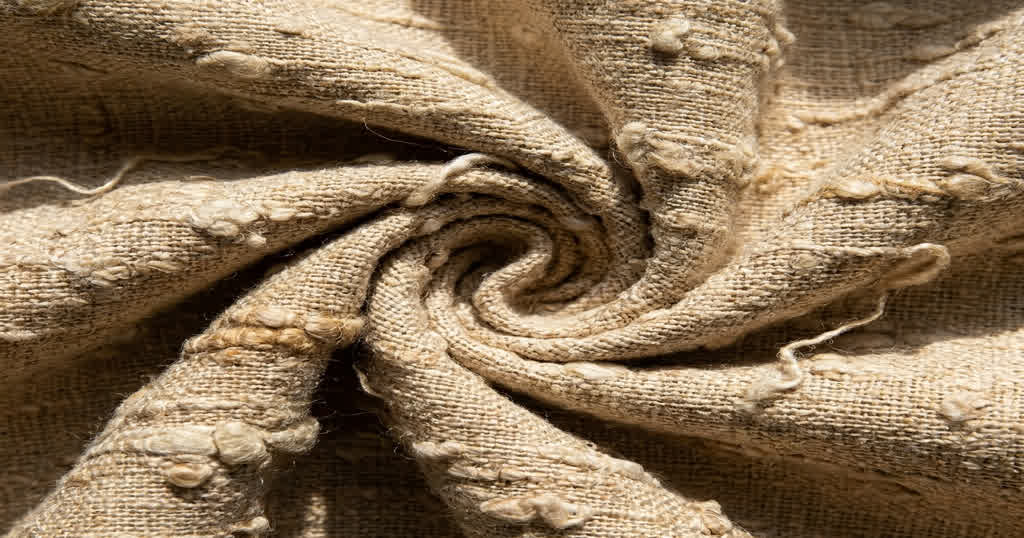
how to sew with raw silk: tips for textile designers
designing with honeycomb material: best uses for waffle weave textiles
raschel knit vs warp knit: understanding the differences
jamdani fabric online: what it is, how to identify authentic jamdani from bengal & how to buy