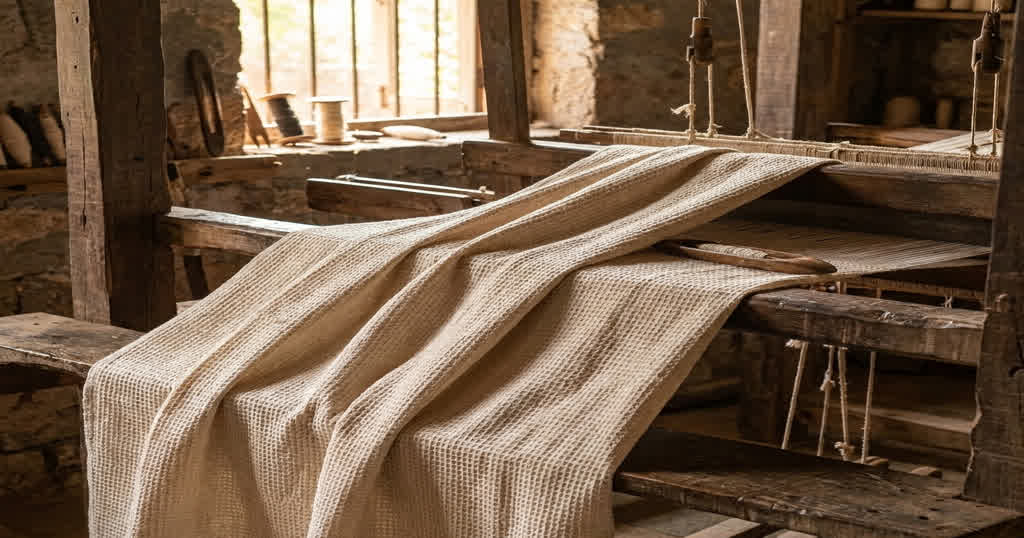
Designing with Honeycomb Material: Best Uses for Waffle Weave Textiles

Designers are actively moving away from synthetic blends that rely on elastane for stretch, seeking out mono-materials that offer both texture and performance. The structural brilliance of honeycomb material provides an immediate solution, utilizing complex interlacing to create a highly tactile, three-dimensional grid. Originating as a utilitarian weave designed for maximum moisture absorption, this textile has deep roots in traditional Indian handloom clusters. Artisans historically utilized complex warp and weft interlacing on pit looms to create these cellular structures long before the advent of industrial dobby looms.
For a fashion brand or independent designer, selecting a waffle weave textile is a technical choice that dictates garment longevity, thermal regulation, and the brand's sustainability narrative. As buyers shift towards multi-functional textiles, handloomed honeycomb fabrics bridge the gap between sustainable resort wear and luxury home goods. The fabric offers a premium, textured aesthetic with built-in functionality and a verifiable artisan backstory. Understanding the precise specifications of this weave ensures accurate sourcing and superior final products.
The Architecture of Honeycomb Material: Decoding the 3D Waffle Weave
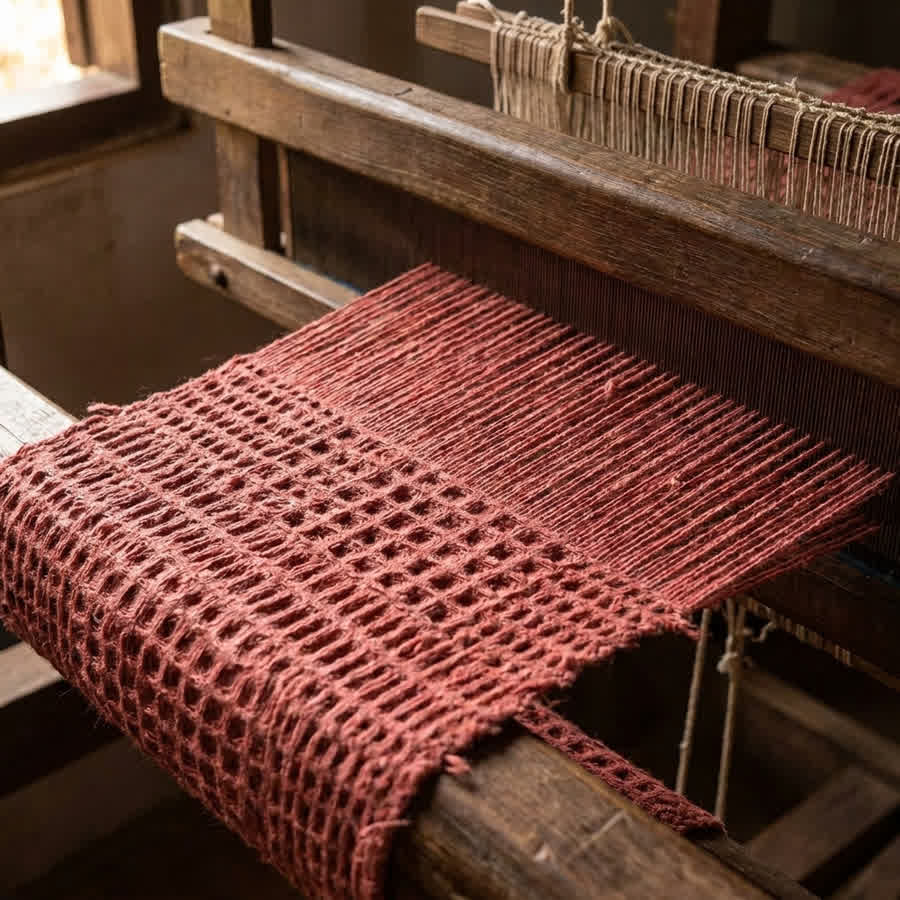
The three-dimensional structure of honeycomb material is achieved by varying the lengths of warp and weft floats, creating raised ridges and recessed hollows that naturally regulate temperature and provide stretch. This precise geometric interlacing forms a grid of cellular pockets that trap air and absorb moisture without requiring synthetic additives.
The Mechanics of Warp and Weft Floats
The defining characteristic of a waffle weave lies in its specific loom setup and drafting plan. Weavers manipulate the warp and weft interlacing to create distinct high and low points across the fabric surface. The longest floats form the raised borders of the cell, while the shortest interlacements create the recessed center.
This variation in yarn tension and placement results in a highly textured surface area. The increased surface area directly enhances the fabric's capillary action, allowing it to draw moisture away from the skin rapidly. For designers, this means the textile offers exceptional performance in humid climates or damp environments.
The Mechanics of Warp and Weft Floats (continued)
To achieve this complex structure, artisans rely on specific technical parameters:
- Float length variation: Alternating long and short floats to build the three-dimensional grid.
- Yarn twist calibration: Using low-twist yarns to maximize softness and absorbency within the cellular pockets.
- Loom tensioning: Carefully managing warp tension on traditional pit looms to prevent distortion of the grid.
Thermal Regulation and Mechanical Stretch
The recessed hollows within the weave act as micro-insulators. These pockets trap a layer of still air against the body, providing exceptional thermal insulation in cooler temperatures while remaining highly breathable in the heat. This dual-action temperature control makes the fabric highly versatile across different seasons.
The undulating structure yields a natural mechanical stretch. As the fabric moves, the ridges and hollows expand and contract, offering flexibility and ease of movement. This inherent elasticity eliminates the need for spandex or elastane, allowing brands to maintain strict zero-waste credentials and ensure the final garment is fully biodegradable.
Apparel to Home: Calibrating GSM for Distinct Product Lines
Selecting the correct weight for honeycomb material requires matching the GSM (grams per square meter) to the end-use, utilizing 150-220 GSM for breathable apparel and 300-450+ GSM for highly absorbent home textiles. Calibrating this density dictates the fabric's drape, durability, and moisture-wicking capacity.
Lightweight Specifications for Resort Wear
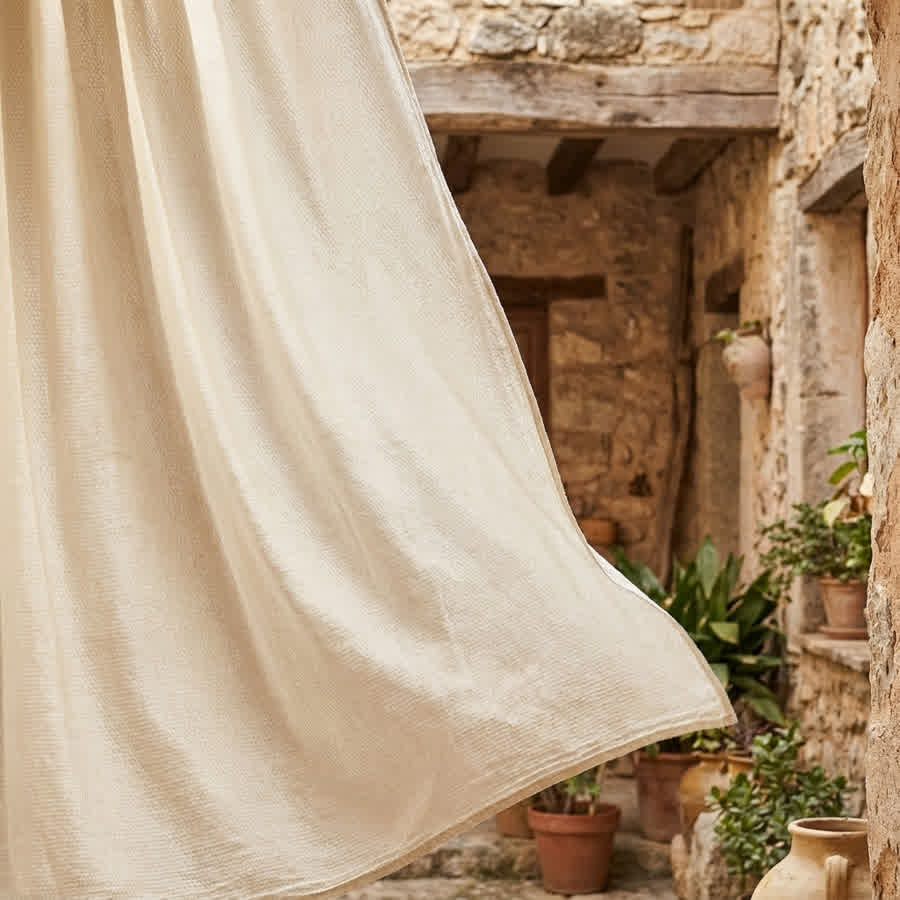
For sustainable resort wear and summer collections, designers typically specify a lightweight waffle weave falling between 150 and 220 GSM. At this density, the fabric maintains a soft, fluid drape while retaining its signature three-dimensional texture. The lower yarn count ensures maximum airflow, making it ideal for warm-weather garments.
Garments constructed from this weight category benefit from the fabric's natural breathability and quick-drying properties. We frequently see this GSM applied to beach cover-ups, relaxed loungewear, and unstructured summer shirting. The mechanical stretch at this weight provides comfort without adding unnecessary bulk to the silhouette.
Lightweight Specifications for Resort Wear (continued)
When sourcing lightweight honeycomb fabrics, designers should consider these specific attributes:
- High breathability: The open cellular structure allows body heat to escape rapidly.
- Fluid drape: Lower GSM fabrics mold comfortably to the body without stiffness.
- Rapid drying: Thinner ridges and hollows release trapped moisture efficiently.
Heavyweight Specifications for Luxury Home Goods
Luxury home goods, such as bath towels, robes, and heavy throws, require a significantly denser construction. Sourcing managers typically target a heavyweight specification ranging from 300 to 450+ GSM. This increased density deepens the cellular pockets, exponentially increasing the fabric's capacity for moisture absorption.
The thicker yarns used in these heavier weights create a plush, substantial hand-feel that consumers associate with premium quality. The deep grid structure acts like a sponge, utilizing capillary action to pull water away from the skin instantly. Despite their thickness, these textiles dry faster than traditional terry cloth due to the increased surface area of the waffle grid.
The Handloom Advantage: Why Artisanal Waffle Outperforms Powerloom
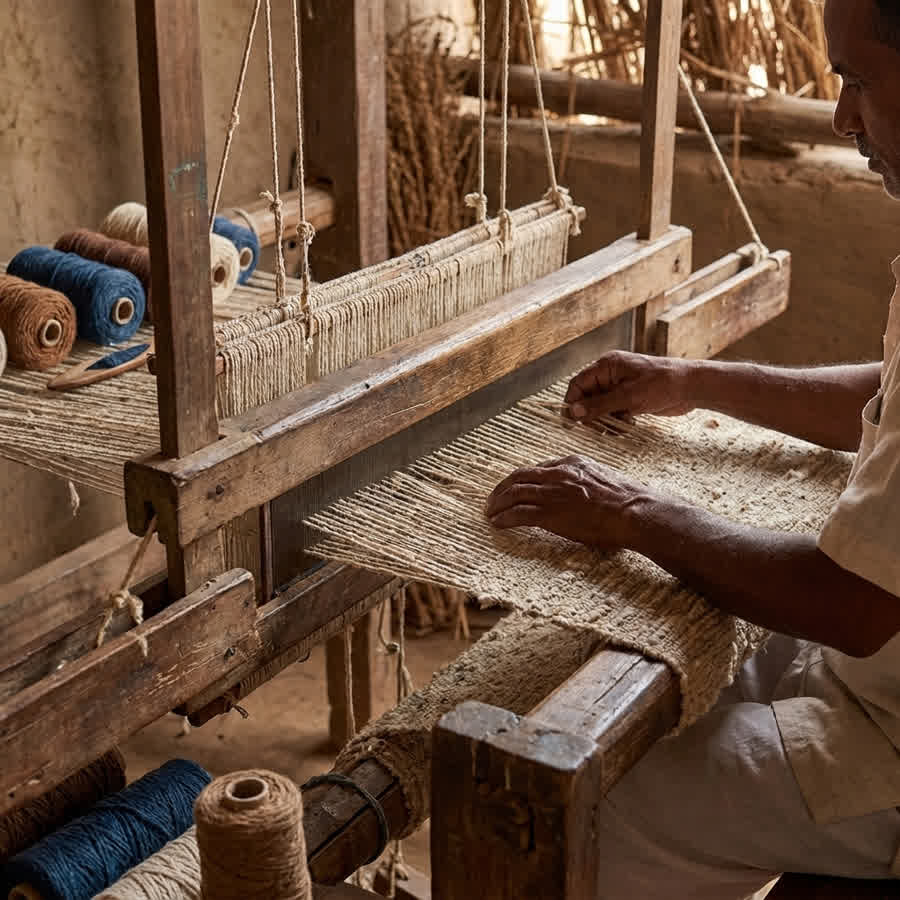
Artisanal handloomed honeycomb material outperforms powerloom alternatives by maintaining a softer yarn tension, which preserves the natural loft and breathability of the fiber. This decentralized production method also offers a significantly lower carbon footprint and a transparent, verifiable supply chain for B2B buyers.
Superior Breathability and Yarn Tension
Industrial powerlooms operate at high speeds, requiring tightly twisted yarns and high tension to prevent breakage during weaving. This aggressive processing flattens the cellular pockets of a waffle weave, resulting in a stiffer, less absorbent fabric. In contrast, handloom weavers operate at a rhythmic, human pace.
This slower process allows artisans to use softer, lower-twist yarns and maintain gentle tension across the warp. The resulting textile possesses a spongy, voluminous hand-feel that industrial machines cannot replicate. The deeper, uncompressed hollows trap more air, directly enhancing both the thermal insulation and the moisture-wicking capabilities of the fabric.
Superior Breathability and Yarn Tension (continued)
The technical benefits of hand-tensioned weaving include:
- Preserved yarn loft: Low-tension weaving keeps the cotton fibers plump and absorbent.
- Deeper cellular structure: Gentle handling prevents the 3D grid from flattening out.
- Enhanced softness: Lower twist yarns create a gentle tactile experience against the skin.
Decentralized Production and Carbon Footprint
Beyond the physical properties of the cloth, the method of production carries significant weight for ESG reporting. Anuprerna operates a decentralized artisan supply chain, working directly with rural Indian handloom weavers in specific clusters. This model entirely bypasses the heavy energy consumption associated with centralized, fossil-fuel-powered textile mills.
By relying on human-powered pit looms, the production of this fabric generates a verifiable low carbon footprint. For sourcing leads and independent designers, this provides a concrete, data-backed sustainability narrative. The choice to source handloomed textiles directly supports rural economies while aligning with strict environmental targets.
Handling Shrinkage and Dimensional Stability in Waffle Textiles
To manage the natural contraction of honeycomb material, manufacturers must implement strict pre-washing protocols and adjust pattern grading to account for a 7-10% shrinkage rate. Because the three-dimensional grid relies on floating yarns, the fabric naturally condenses when first exposed to water and agitation.
Pre-Washing Protocols for B2B Manufacturing
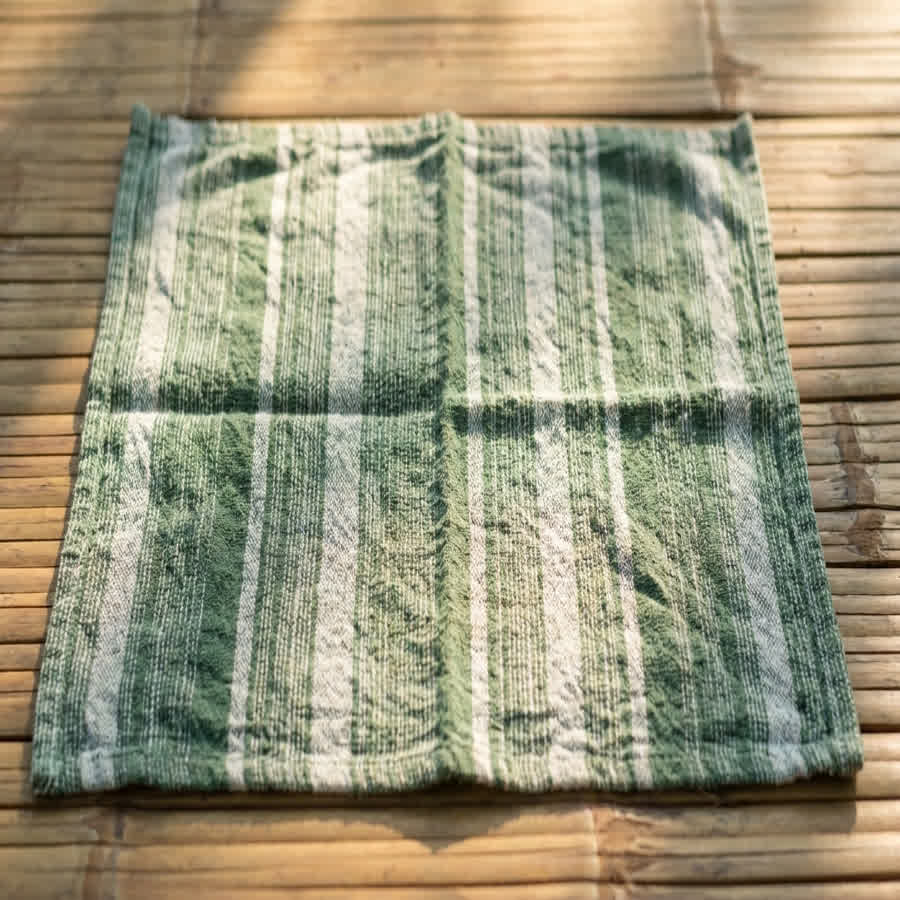
The very structure that gives waffle weave its plush texture also makes it highly susceptible to dimensional changes. When the fabric is washed, the yarns swell and the warp and weft floats pull tighter together, deepening the cellular pockets. If this occurs after a garment is sewn, it will lead to severe puckering and size distortion.
To ensure dimensional stability, B2B buyers must integrate a pre-washing protocol into their manufacturing timeline. Washing the yardage before cutting allows the fabric to reach its fully contracted, stable state. This step also enhances the fabric's softness, bringing out the full volume of the 3D grid.
Pre-Washing Protocols for B2B Manufacturing (continued)
Effective stabilization requires specific handling steps:
- Hot water immersion: Exposing the raw yardage to expected consumer washing temperatures.
- Tumble drying: Using mechanical agitation to encourage the cellular structures to fully contract.
- Relaxation period: Allowing the fabric to rest flat before cutting to release residual tension.
Pattern Grading Adjustments
Even with rigorous pre-washing, designers must account for the fabric's unique behavior during the drafting phase. The inherent mechanical stretch of the waffle grid means the fabric will behave differently than a flat plain weave. Pattern makers must adjust their grading rules to accommodate both the initial shrinkage and the fabric's elasticity.
We recommend adding specific ease allowances to patterns designed for this textile. Because the fabric expands and contracts with movement, garments often require less wearing ease than rigid fabrics, but more length allowance to counter vertical contraction. Factoring these dimensional stability metrics into the initial tech pack prevents costly fit issues during production.
Customizing Honeycomb Material: Natural Dyes and Fiber Blends
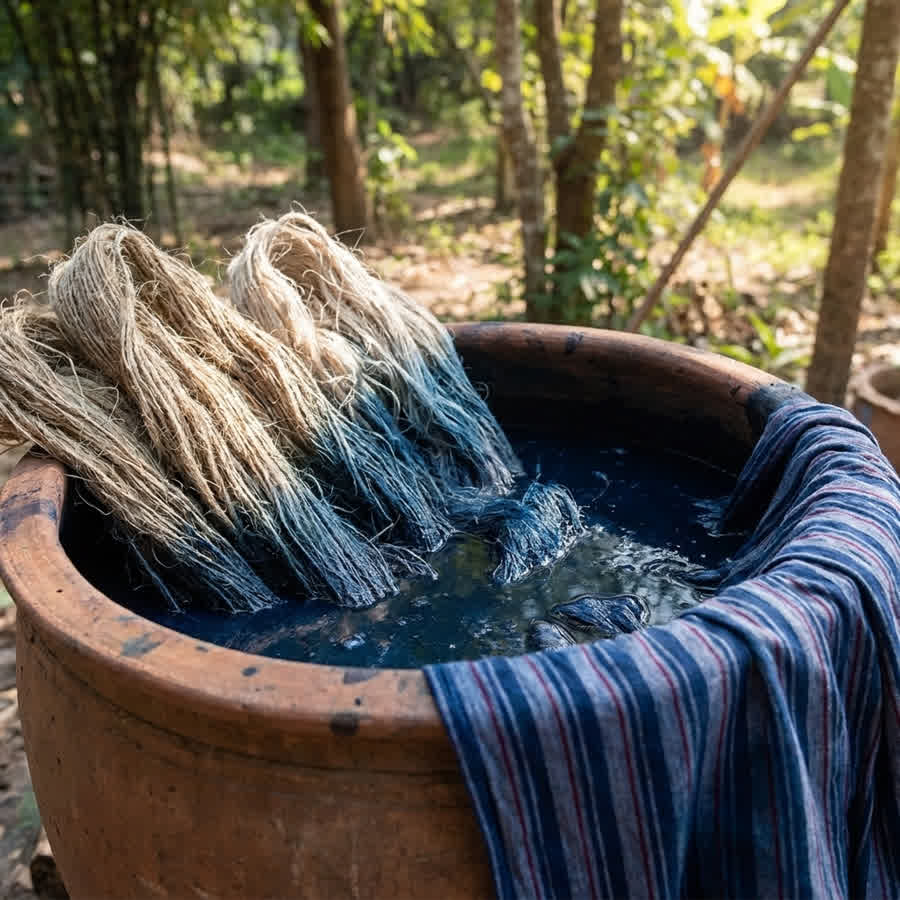
B2B buyers can customize honeycomb material by blending organic cotton with durable bast fibers and utilizing natural dyes that interact uniquely with the fabric's textured surface. These bespoke modifications allow brands to tailor the textile's performance metrics and aesthetic profile to specific collection requirements.
Blending Organic Cotton and Bast Fibers
While pure cotton remains the standard for waffle weaves due to its high absorbency, blending fibers alters the fabric's structural integrity. Introducing bast fibers, such as linen or hemp, into the warp or weft significantly increases the tensile strength of the cloth. This is particularly valuable for heavy-duty home goods that undergo frequent laundering.
A cotton-linen blend offers a dry, crisp hand-feel while maintaining the deep cellular pockets necessary for moisture management. The linen adds a subtle slub texture to the grid, enhancing the visual complexity of the weave. This specific fiber blend also improves the fabric's resistance to abrasion, extending the lifespan of the final product.
Blending Organic Cotton and Bast Fibers (continued)
Key advantages of blending bast fibers into waffle weaves include:
- Increased tensile strength: Hemp and linen provide a durable framework for the floating yarns.
- Enhanced longevity: The fabric resists pilling and wear during heavy consumer use.
- Distinctive texture: The natural irregularities of bast fibers add a premium, rustic aesthetic.
Calibrating Natural Dye Baths for 3D Textures
The high surface area of a waffle weave presents unique challenges and opportunities for natural dyeing. The raised ridges and deep hollows absorb dye at different rates, often resulting a beautiful, tonal depth across the fabric. Achieving consistent color requires precise dye bath calibration.
Because the fabric is so absorbent, it pulls pigment from the vat rapidly. Dyers must carefully manage the temperature and agitation to ensure the dye penetrates evenly into the recessed cellular pockets. When executed correctly, natural dyes like indigo or madder highlight the architectural beauty of the grid, offering designers a highly textured, ecologically sound material.
Explore Our Collection
Anuprerna works directly with handloom artisan clusters to weave honeycomb material for designers and brands building considered collections. To source it for your next line, explore the range below.
frequently asked questions
What is the expected shrinkage rate for handloomed honeycomb material?
Due to its 3D cellular structure, untreated waffle weaves can shrink between 7-10% upon first wash. We highly recommend pre-washing or garment-washing, and factoring this contraction into your initial pattern grading to ensure accurate sizing in the final product.
Can honeycomb material be woven using natural dyes?
Yes, the textured surface absorbs natural dyes beautifully, creating a rich, tonal depth. However, the high surface area and deep pockets require precise dye bath calibration to ensure even penetration across the ridges and hollows.
Does the waffle weave require synthetic fibers to achieve stretch?
No, the unique interlacing of warp and weft floats creates a natural mechanical stretch. This allows the fabric to expand and contract comfortably without the need for elastane or spandex, keeping the textile 100% biodegradable.
What are the minimum order quantities (MOQs) for custom handloomed honeycomb fabrics?
Because Anuprerna operates a decentralized artisan supply chain, we can accommodate relatively low MOQs for custom weaves, often starting around 100-200 meters. This flexibility allows brands to test specific GSMs and dye lots before scaling up to larger production runs.
How does the GSM of a waffle weave affect its end-use application?
The GSM directly dictates the fabric's thermal insulation and moisture capacity, with lightweight fabrics (150-220 GSM) suited for breathable apparel and heavyweights (300-450+ GSM) required for absorbent bath goods. Selecting the correct density ensures the textile performs optimally for its specific product category.
More Blogs
indian fabric wholesale: traditional techniques & modern textile design
textile export wholesale: everything buyers need to know
what is french terry material? a deep dive into loop-back cotton
how to sew with raw silk: tips for textile designers
raschel knit vs warp knit: understanding the differences
jamdani fabric online: what it is, how to identify authentic jamdani from bengal & how to buy