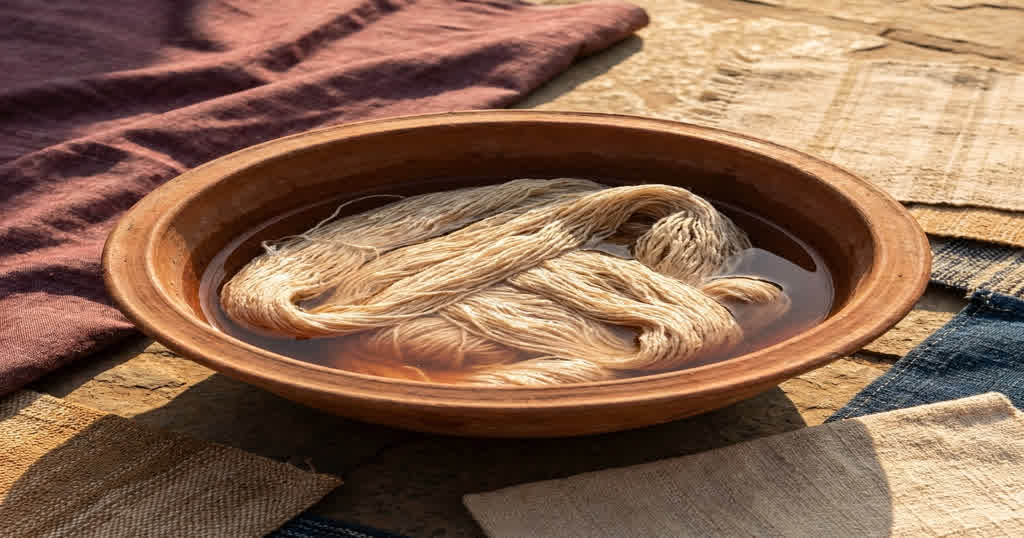
Does Khadi Cotton Shrink? A Complete Wash and Care Tutorial

A designer finalizing tech packs for a new summer collection often faces a critical material science question before approving the first sample cut: does khadi cotton shrink? Because this heritage fabric is crafted without the high-tension machinery of industrial mills, the yarn retains a natural, relaxed state that fundamentally alters its dimensional stability when exposed to water.
Understanding the exact mechanics of this contraction prevents costly post-production fit issues and minimizes consumer returns. For a sustainable fashion brand or a CMT production unit, accounting for exact shrinkage tolerances ensures accurate pattern grading, sizing consistency, and compliance in garment care labeling.
The Mechanics of Hand-Spun Yarn: Why Does Khadi Cotton Shrink?
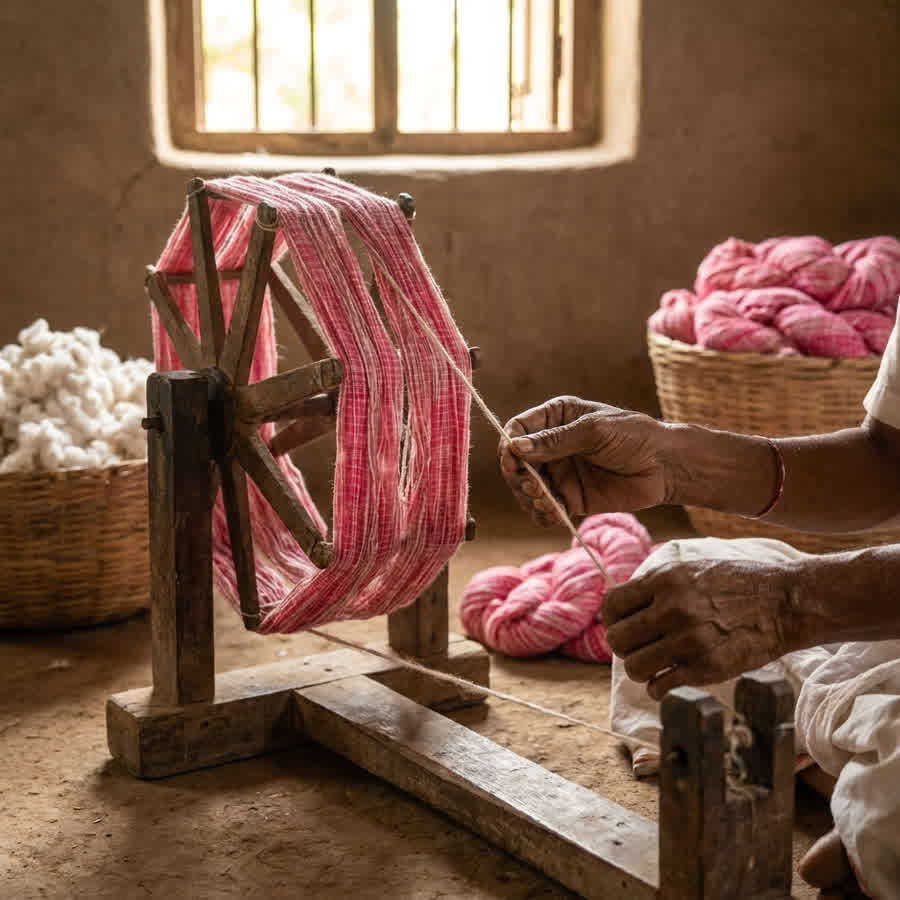
Khadi cotton shrinks because its hand-spun yarns possess a lower twist multiplier and are woven without industrial tension, causing the fibers to swell and contract significantly upon their first exposure to water. To understand why does khadi cotton shrink, a designer must look at the structural differences between mill-made textiles and artisan-crafted fabrics.
The Role of the Twist Multiplier
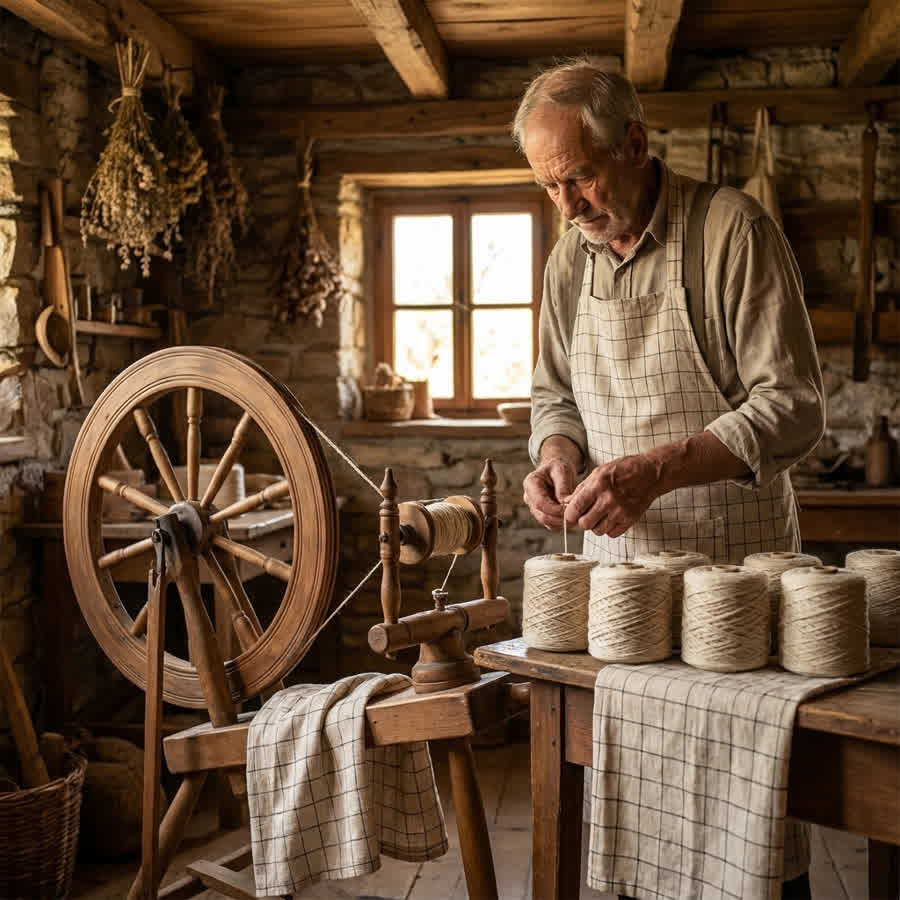
The origins of this fabric in the Indian Swadeshi movement established it as a strictly hand-spun and handwoven material. This manual spinning process results in a yarn with a lower twist multiplier (TM) compared to conventional ring-spun cotton. A lower TM means the individual cotton fibers are packed less densely, leaving microscopic pockets of air within the yarn structure.
When these low-twist yarns absorb water during a wash cycle, the individual cotton fibers swell in diameter. This swelling forces the yarn to shorten in length to accommodate the increased width, a process known as relaxation shrinkage. Because hand-spun yarn lacks the rigid, tightly bound structure of industrial yarn, this contraction is more pronounced.
Tensionless Weaving and Fiber Relaxation
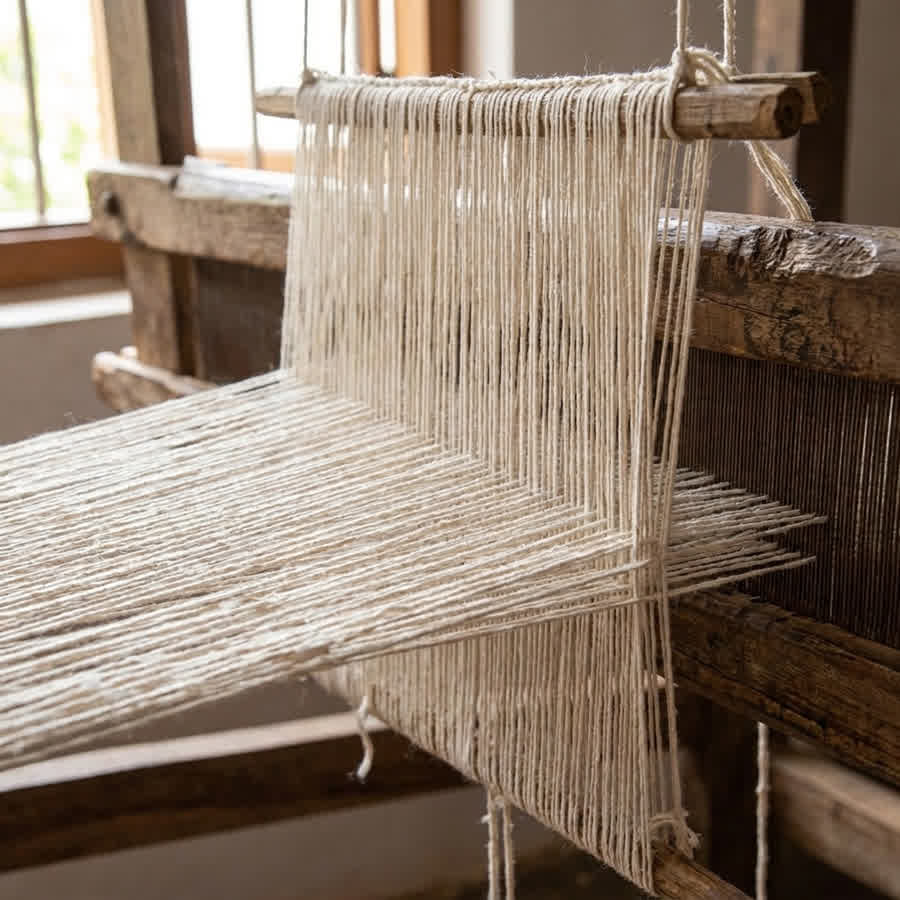
Beyond the spinning process, the handloom weaving technique itself contributes to the fabric's dimensional changes. Industrial power looms operate under extreme tension, stretching the warp yarns tightly to maximize production speed. Handlooms in clusters across Bengal operate with a looser interlacing, creating a fabric that typically ranges from 80 to 150 GSM for apparel weights.
This tensionless weaving process leaves the fabric in a highly relaxed state. When a buyer asks why does khadi cotton shrink, the answer lies in this lack of mechanical stress. The primary factors driving this contraction include:
- Fiber swelling, where water absorption increases the diameter of the cotton staple.
- Yarn crimping, where the swollen warp and weft threads bend around each other more sharply.
- Structural consolidation, where the loose handwoven grid tightens into a denser matrix.
Warp vs. Weft: Calculating Khadi Shrinkage Percentages for Pattern Grading
B2B designers must account for a standard relaxation shrinkage of 5-7% in the warp direction and 2-4% in the weft direction when grading patterns for Khadi cotton garments. Accurate calculation of these percentages is a mandatory step before initiating bulk production to ensure the final garment matches the intended sizing charts.
Standard Shrinkage Tolerances
The discrepancy between warp and weft shrinkage rates stems directly from the physics of the handloom. During weaving, the warp yarns are held taut across the loom frame, while the weft yarns are gently beaten into place by the weaver. Upon the first wash, the tensioned warp yarns seek to return to their natural, un-stretched state, resulting in a higher contraction rate.
For standard apparel-weight fabrics, designers should anticipate specific dimensional changes. The expected shrinkage tolerances generally follow these parameters:
Standard Shrinkage Tolerances (continued)
- Warp contraction typically measures between 5% and 7%, affecting the vertical length of a garment.
- Weft contraction usually measures between 2% and 4%, affecting the horizontal width across the chest or hips.
- GSM increase occurs as the fabric condenses, often resulting in a slightly heavier, more opaque textile post-wash.
Adjusting Tech Packs for Dimensional Change
A B2B fabric sourcer must integrate these percentages directly into their technical specification packs. If a brand is cutting unwashed yardage, the pattern maker must mathematically increase the dimensions of the paper pattern to offset the expected loss. Failing to add this shrinkage allowance will result in garments that fit perfectly off the sewing machine but drop a full size after the consumer's first laundry cycle.
For example, a dress designed to have a finished length of 100 centimeters must be cut at approximately 107 centimeters to absorb a 7% warp shrinkage. Designers must also consider how this contraction affects seam placements and dart alignments. Calculating these variables early in the sampling phase protects the brand's reputation for consistent, reliable sizing.
Pre-Washing vs. Garment Washing: A Strategic Guide for CMT Units
CMT units must choose between pre-shrinking yardage before cutting to guarantee dimensional stability or utilizing garment washing post-production to achieve a specific soft, lived-in hand-feel. Each method presents distinct advantages and operational challenges for a B2B fashion brand managing a decentralized supply chain.
Pre-Shrinking Yardage Before Cutting
Pre-washing the fabric yardage before it reaches the cutting table is the most reliable method for controlling unpredictable dimensional changes. By forcing the relaxation shrinkage to occur in the raw material stage, the pattern maker can cut the fabric exactly to the finished specifications. This approach eliminates the need for complex mathematical grading adjustments and ensures high sizing consistency across bulk orders.
However, processing large volumes of handwoven fabric requires specialized equipment and significant floor space. The primary benefits of pre-shrinking yardage include:
Pre-Shrinking Yardage Before Cutting (continued)
- Exact pattern matching, allowing for precise alignment of stripes or woven motifs.
- Prevention of seam puckering, which occurs when the fabric shrinks but the polyester sewing thread does not.
- Standardized fabric width, giving the cutting department a stable canvas to work with.
Post-Production Garment Washing
Alternatively, some brands prefer to cut and sew the unwashed fabric, subjecting the fully assembled piece to a garment washing process. This method is often chosen to enhance the tactile qualities of the cotton, yielding a supple, textured drape that appeals to boutique consumers. Garment washing also removes any residual sizing starches applied by the weavers during the looming process.
While this method streamlines the initial cutting phase, it requires rigorous testing during the sample development stage. The CMT unit must sew multiple prototypes and wash them under commercial conditions to measure the exact contraction. If a designer is still wondering does khadi cotton shrink uniformly across different dye lots, garment washing will quickly reveal any inconsistencies in the yarn tension or weave density.
Standardized Wash and Care Protocols for Khadi Garment Labels
Standardized care labels for Khadi garments must specify cold water washing, mild pH-neutral detergents, and line drying in the shade to prevent progressive shrinkage and fiber degradation. Providing exact, compliance-ready care instructions is a critical responsibility for boutique brand owners to prevent end-consumer returns.
Washing Temperature and Detergent Specifications
The delicate nature of hand-spun yarn requires gentle laundering practices to maintain its structural integrity. Hot water accelerates the swelling of the cotton fibers, drastically increasing the shrinkage percentage and potentially causing the natural dyes to bleed. B2B brands must explicitly instruct their customers to use cold water, ideally keeping the temperature below 30 degrees Celsius.
The choice of cleaning agent is equally important for preserving the fabric's lifespan. Harsh chemical detergents can strip the natural oils from the cotton, leaving the garment feeling brittle. A standardized garment care label should mandate the following washing protocols:

Washing Temperature and Detergent Specifications (continued)
- Cold water cycles exclusively, utilizing a gentle or hand-wash machine setting.
- pH-neutral liquid detergents to protect both the cellulose fibers and the artisanal dye formulations.
- Minimal mechanical agitation to prevent the low-twist yarns from fraying or pilling.
Drying and Ironing Best Practices
Drying methods significantly impact the final dimensions of a handwoven garment. The intense heat and tumbling action of a commercial dryer will force the fabric into a state of progressive shrinkage, where the garment continues to contract slightly with every subsequent wash. To maintain the intended fit, consumers must bypass the dryer entirely.
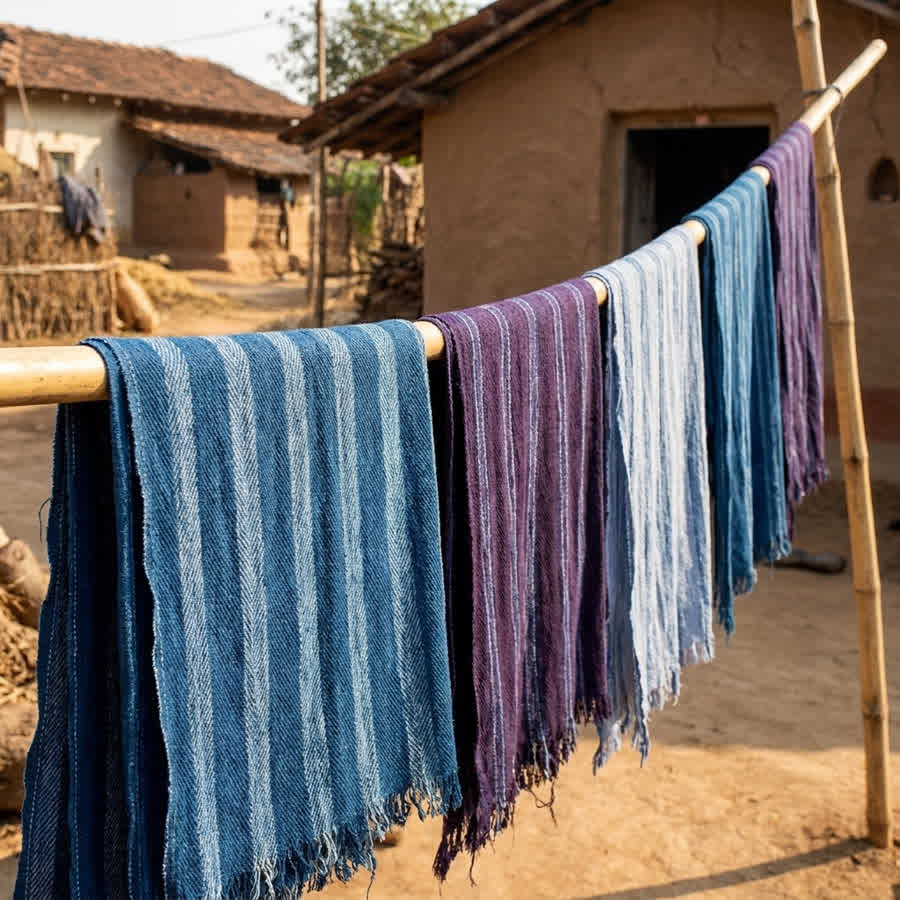
Brands should advise their customers to gently reshape the damp garment and line dry it in a shaded area. Direct sunlight can rapidly fade natural indigo or madder root dyes. For ironing, the fabric responds best to a medium-heat setting applied while the cotton is still slightly damp, which helps relax the warp and weft crimp and restores the garment's crisp, tailored appearance.
How Anuprerna Mitigates Unpredictable Shrinkage in Artisan Supply Chains
We mitigate unpredictable shrinkage by standardizing yarn sourcing across our decentralized weaving clusters and offering commercial pre-shrinking finishes for B2B wholesale orders. Managing a rural artisan supply chain requires rigorous quality control to provide designers with the reliable technical specifications they need for bulk manufacturing.
Standardizing the Decentralized Supply Chain
At Anuprerna, we work extensively with weaving communities across Bengal, from Murshidabad to Burdwan. A common challenge in handloom sourcing is the natural variance between different weavers. To address the question of does khadi cotton shrink differently from village to village, we implement strict yarn standardization protocols.
By supplying our artisans with consistent, high-quality yarn spun on the semi-mechanized Ambar Charkha, we achieve a more uniform twist multiplier. This consistency directly translates to more predictable dimensional changes. Our quality control measures focus on:
Standardizing the Decentralized Supply Chain (continued)
- Standardized yarn counts, ensuring the raw material behaves predictably during the dyeing and weaving phases.
- Regulated reed and pick densities, maintaining a consistent GSM across different production batches.
- Centralized quality inspections, where sample yardage is tested for exact warp and weft contraction rates.
Commercial Pre-Shrinking and Finishing Options
We understand that many independent designers and CMT units lack the infrastructure to process and pre-wash hundreds of meters of raw fabric. To support our B2B partners, we offer specialized pre-shrinking finishes before the fabric is shipped. This value-added service stabilizes the textile, locking the fibers into their relaxed state.
By opting for pre-washed yardage, a sustainable fashion designer can bypass complex grading calculations and proceed directly to cutting. We provide transparent data on the residual shrinkage of our finished fabrics, ensuring our partners can confidently design, grade, and manufacture garments that maintain their intended fit long after the consumer's first wash.
frequently asked questions
What is the average shrinkage percentage of unwashed Khadi cotton?
Unwashed Khadi cotton typically experiences a relaxation shrinkage of 5-7% in the warp direction and 2-4% in the weft direction, depending on the specific GSM and yarn count. This contraction occurs because the hand-spun yarns and tensionless handwoven structure allow the cotton fibers to swell and crimp significantly upon their first exposure to water.
Should we pre-wash Khadi fabric yardage before cutting patterns?
Yes. For structured garments, pre-washing yardage or applying a commercial pre-shrinking finishing process is highly recommended to ensure dimensional stability and prevent seam puckering after the final garment is washed. Pre-shrinking allows the pattern maker to cut the fabric to exact specifications without relying on complex mathematical grading adjustments.
Does the shrinkage rate differ between Ambar Charkha and traditional hand-spun Khadi?
Yes. Traditional hand-spun yarn has a lower, more irregular twist, often resulting in slightly higher and more variable shrinkage compared to the semi-mechanized Ambar Charkha yarn, which has a more consistent twist multiplier. The Ambar Charkha provides a more uniform yarn structure, which translates to more predictable dimensional changes for bulk B2B manufacturing.
Does the GSM of Khadi cotton affect its shrinkage rate?
Yes. Lighter weight Khadi fabrics with a lower GSM generally exhibit higher shrinkage percentages because the looser weave structure allows more room for the yarns to crimp and contract when wet. Heavier fabrics with a denser interlacing restrict fiber movement, resulting in slightly lower overall dimensional changes.
Can Khadi cotton garments be tumble dried?
For B2B care labels, you should strongly advise against tumble drying. The mechanical agitation and high heat will cause excessive progressive shrinkage and prematurely degrade the delicate hand-spun fibers. Line drying in the shade is the only recommended method to preserve the garment's fit and protect natural dye formulations.
More Blogs
how to wash khadi clothes: a step-by-step care guide
how to care for your wall art
guide to accommodate for fabric shrinkage
an introductory guide to garment analysis
how to nurture your natural-dyed clothing
handmade textiles care guide