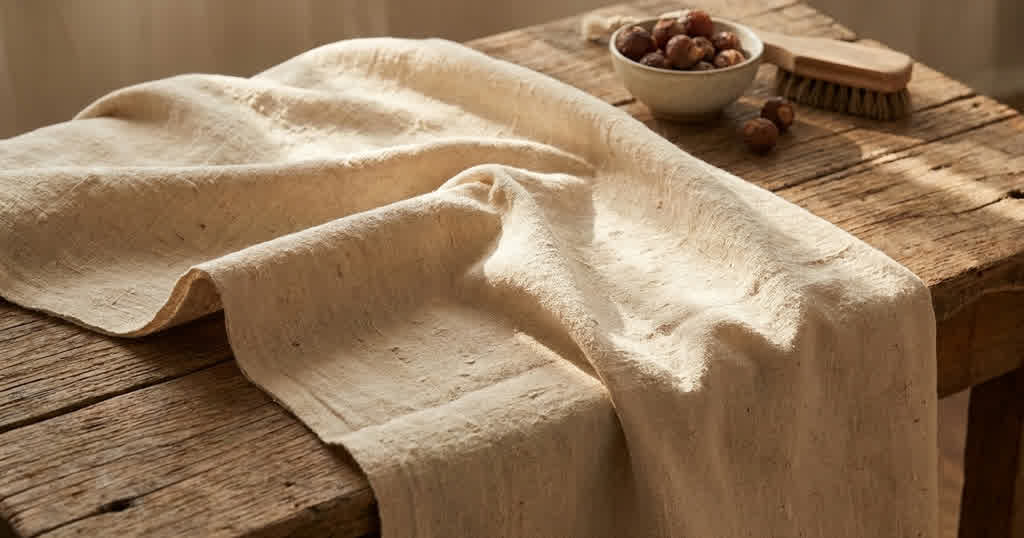
How To Wash Khadi Clothes: A Step-By-Step Care Guide

A designer finalizes a collection using handwoven fabrics from rural Indian clusters, only to face a critical technical hurdle before production begins. Knowing exactly how to wash khadi clothes dictates whether a carefully drafted pattern will hold its shape or suffer from post-purchase returns. The inherent artisanal nature of this fabric, championed during India's Swadeshi movement for self-reliance, means no two yards are identical. Standard synthetic care instructions fail to protect the structural integrity of a unique, breathable weave.
Formulating accurate wash-care labels requires a deep understanding of handspun yarns, natural dye chemistry, and pre-production shrinkage. By mastering these technical specifications, sustainable fashion brands can extend garment lifecycles and align their collections with strict circular fashion principles.
The Material Science of Khadi: Why Handspun Yarn Behaves Differently in Water
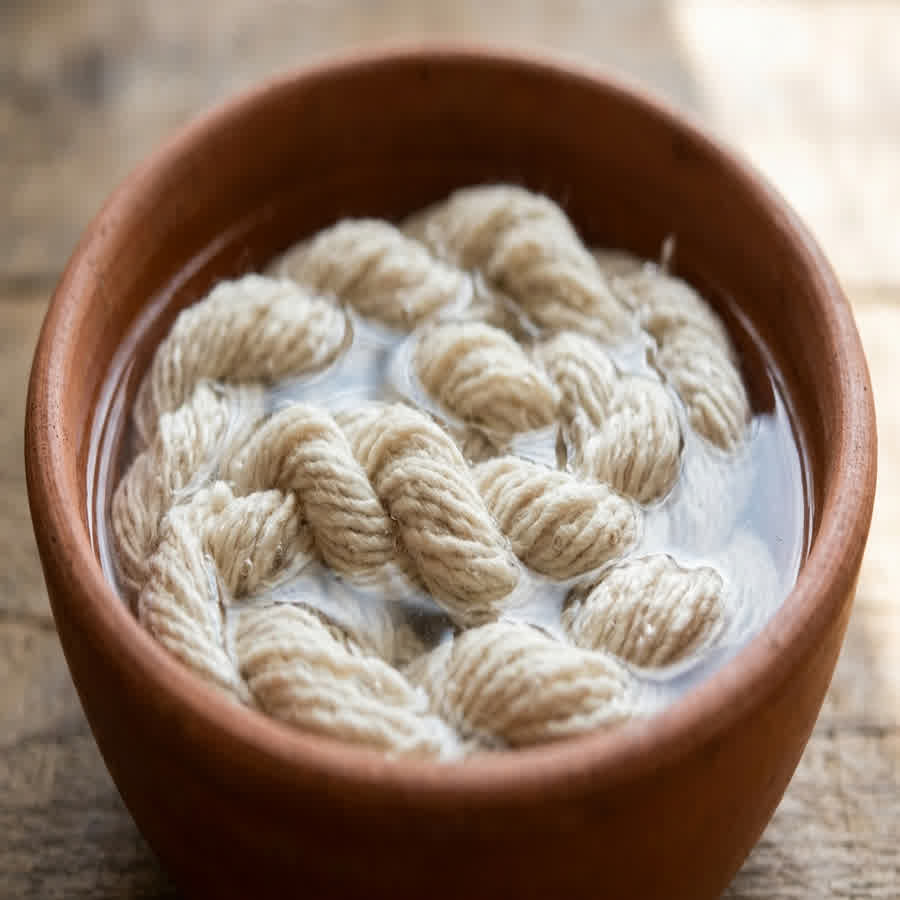
Handspun Khadi yarns behave differently in water because their low twist multiplier allows fibers to swell and absorb moisture rapidly, unlike tightly wound mill-spun yarns. This rapid absorption alters the fabric's dimensional stability during the washing process.
Understanding the Low Twist Multiplier
Khadi yarns, whether spun from cotton, silk, or wool, are crafted by hand. This manual process results in a lower twist multiplier, meaning the individual fibers are bound together with less tension. While this creates high breathability and a soft, textured hand-feel, it leaves the yarn vulnerable to mechanical stress.
The presence of natural slubs (thicker, uneven sections of yarn) adds to the fabric's visual appeal but creates points of varied tension. When submerged in water, these slubs absorb moisture at different rates. Designers must account for this uneven swelling when drafting care instructions for their collections.
Managing Water Absorption and Abrasion
Because the fibers are loosely twisted, Khadi holds significant water weight. This makes low-GSM variants (typically between 70 and 100 GSM) highly susceptible to high-abrasion damage. Agitation in a standard washing machine can cause the swollen fibers to snap or pill.
To protect the structural integrity of the fabric, wet processing must minimize friction. B2B buyers should specify the following parameters for their manufacturing and care guidelines:
- Gentle submersion: Soak the fabric without wringing or twisting to prevent yarn slippage.
- Cold water temperatures: Keep water below 30 degrees Celsius to limit fiber swelling and preserve the natural slubs.
- Minimal agitation: Avoid harsh mechanical action that degrades the low-GSM variants over time.
Understanding this material science is the first step in determining how to wash khadi clothes safely. By respecting the physics of handspun yarn, brands ensure their garments maintain their crisp, airy drape long after the first wash.
Pre-Production vs. Post-Purchase: A B2B Guide to Khadi Shrinkage
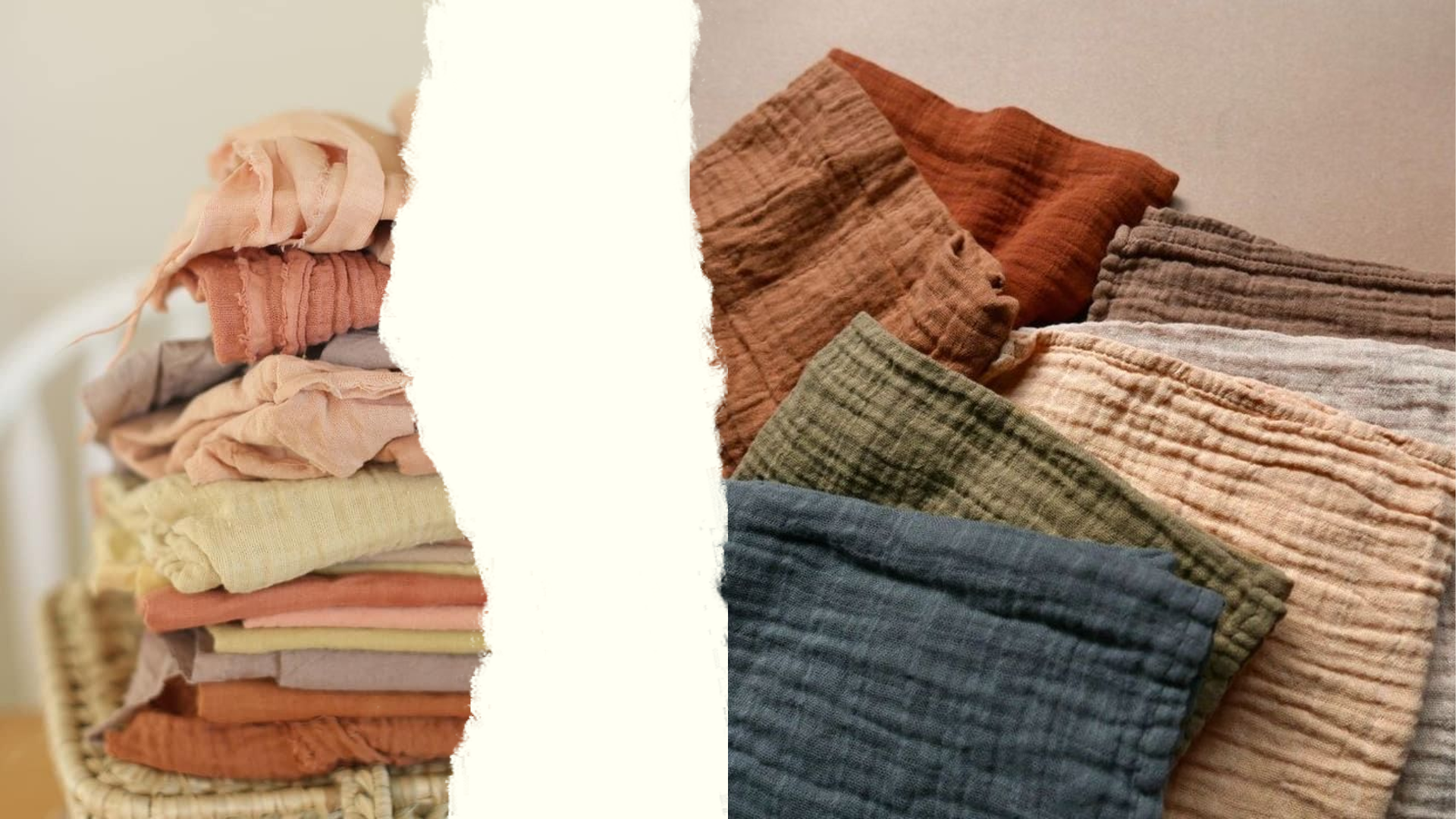
B2B buyers must manage Khadi shrinkage by factoring a standard 3-5% dimensional reduction into their pre-production pattern making, or by sourcing pre-washed fabrics. Because handspun yarns relax upon their first contact with water, this initial contraction is an unavoidable physical property of the textile.
Calculating Warp and Weft Relaxation
During the handweaving process, artisans apply tension to the warp threads on the loom. Once the fabric is cut from the loom and exposed to moisture, this tension releases, causing warp and weft relaxation. This relaxation translates directly into fabric shrinkage.
For a standard cotton Khadi, the shrinkage tolerance typically hovers between 3% and 5%. If a designer cuts a pattern without accounting for this reduction, the final garment will distort after the consumer's first wash. Sourcing managers must test a sample yard from every new batch to measure the exact dimensional reduction.
Pre-Washing Strategies for Pattern Making
To prevent post-purchase returns, sustainable fashion brands have two primary options for managing shrinkage. The chosen strategy depends on the brand's production timeline and access to industrial washing facilities.
Implementing a strict pre-production protocol ensures the fabric reaches its final dimensions before the scissors ever touch it. Brands should consider these standard industry practices:
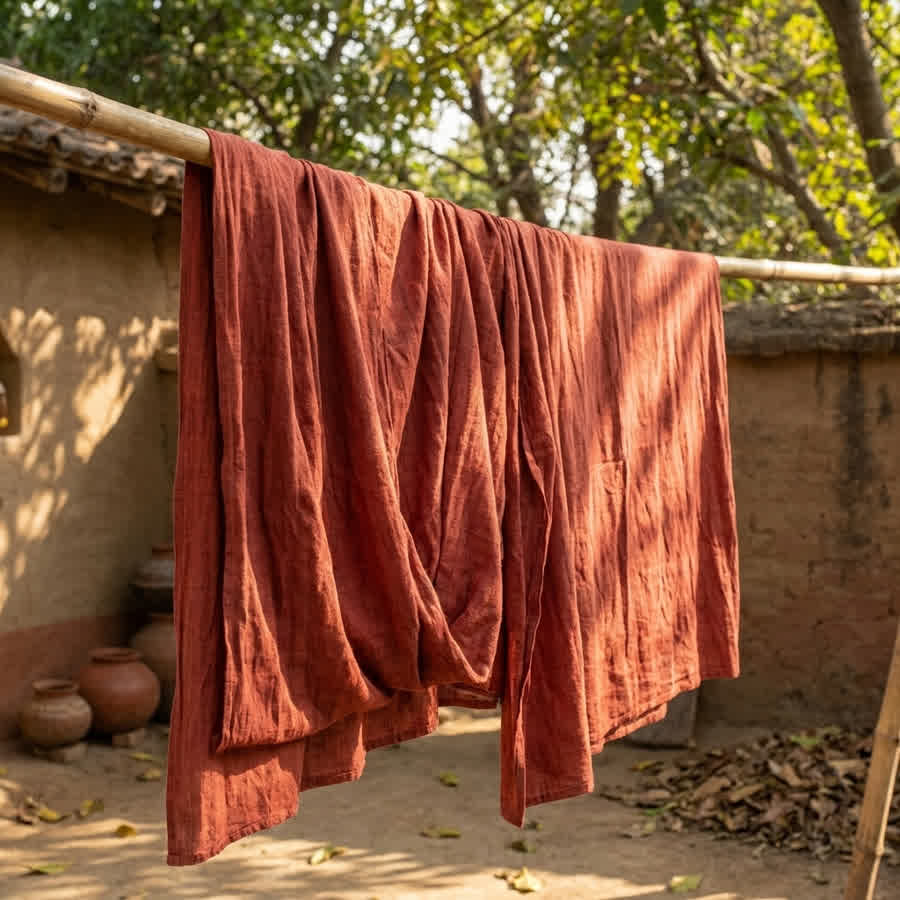
- In-house pre-washing: Submerge the yardage in cold water and shade dry it to force the warp and weft relaxation before cutting.
- Pattern grading adjustments: Add a calculated 5% margin to the garment's length and width during the pattern making phase.
- Sourcing pre-shrunk yardage: Partner with artisan clusters that offer washed and finished textiles, reducing the shrinkage tolerance risk at the factory level.
Addressing shrinkage before production is a critical component of knowing how to wash khadi clothes at scale. It protects the brand's reputation and guarantees the consumer receives a garment with a consistent, reliable fit.
Step-by-Step: How To Wash Khadi Clothes (A strong Care Label Blueprint)
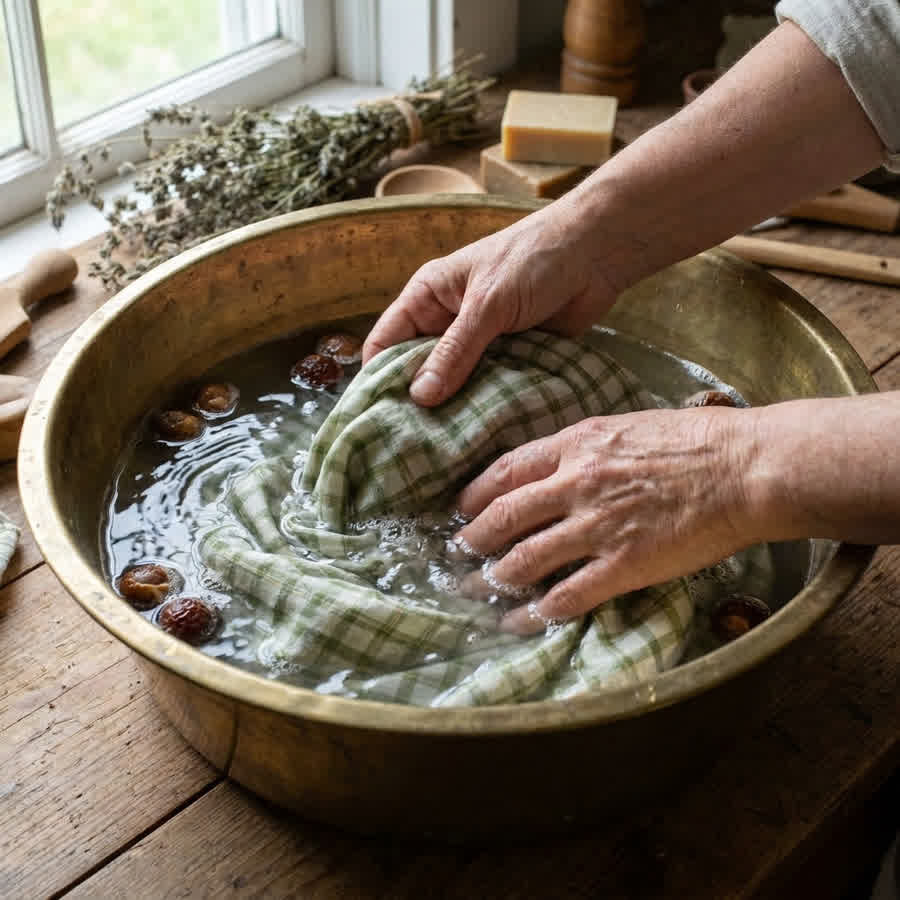
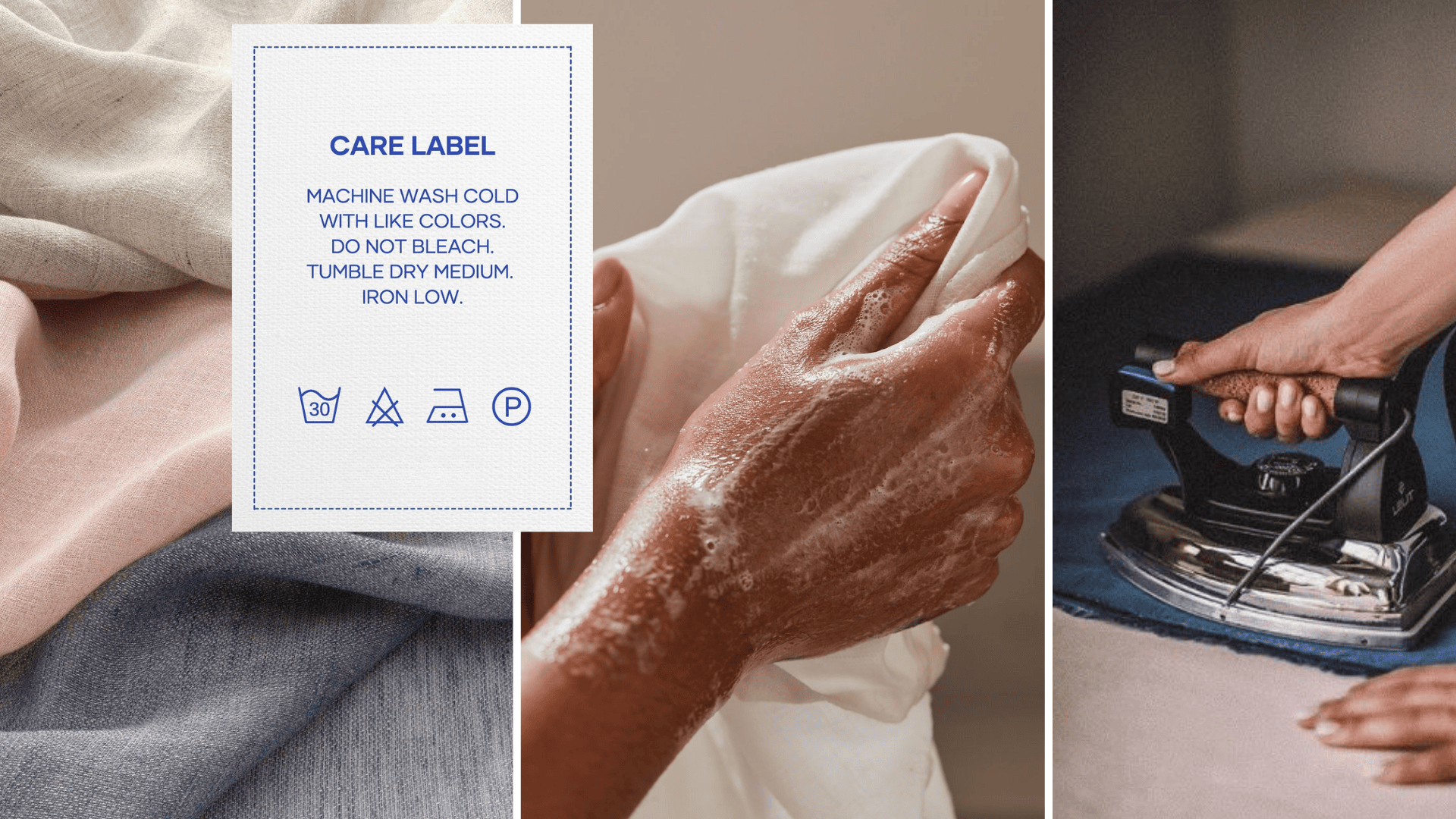
A strong care label for Khadi must instruct consumers to hand wash the garment in cold water using a pH-neutral detergent, followed by tension-free shade drying. This specific protocol prevents fiber degradation, minimizes shrinkage, and protects the delicate handwoven structure.
Formulating the Wet Washing Protocol
Translating technical textile data into a consumer-friendly care label blueprint requires clarity and precision. Because Khadi lacks the chemical finishes of mass-produced textiles, it demands a gentle approach to soil removal. Harsh commercial detergents strip the natural oils from cotton and silk fibers, leaving them brittle.
Brands must explicitly recommend pH-neutral environments for all wet processing. This prevents the alkaline damage commonly caused by standard laundry powders. A proper set of instructions on how to wash khadi clothes should include these exact steps:
Formulating the Wet Washing Protocol (continued)
- Cold water immersion: Submerge the garment in water no warmer than 30 degrees Celsius to protect the delicate handwoven structure.
- Mild liquid detergent: Use a specialized, pH-neutral detergent free from optical brighteners or heavy enzymes.
- Gentle hand agitation: Swirl the fabric softly without scrubbing, wringing, or twisting the handspun yarns.
Drying and Ironing Specifications
The drying phase is just as critical as the washing phase for maintaining garment shape. Wet Khadi is heavy, and hanging it on a standard wire rack will cause the shoulders to stretch and the hem to warp. Tension-free shade drying is mandatory to preserve the silhouette.
Direct sunlight acts as a bleaching agent, which will rapidly fade both natural and low-impact synthetic dyes. Consumers should be instructed to lay the garment flat on a clean towel in a shaded, well-ventilated area.
For finishing, the care label blueprint should advise ironing the garment while it is still slightly damp. Using a warm iron on the reverse side smooths out the natural slubs without crushing the fabric's inherent soft, textured hand-feel.
Managing Natural Dyes: Preventing Color Bleeding in Handwoven Fabrics
To prevent color bleeding in natural-dyed Khadi, brands must instruct consumers to wash these garments separately for the first few cycles and avoid harsh alkaline soaps. Natural dyes lack the synthetic chemical binders found in commercial textiles, making them highly sensitive to pH fluctuations and friction.
The Chemistry of Natural Dyes and Mordants
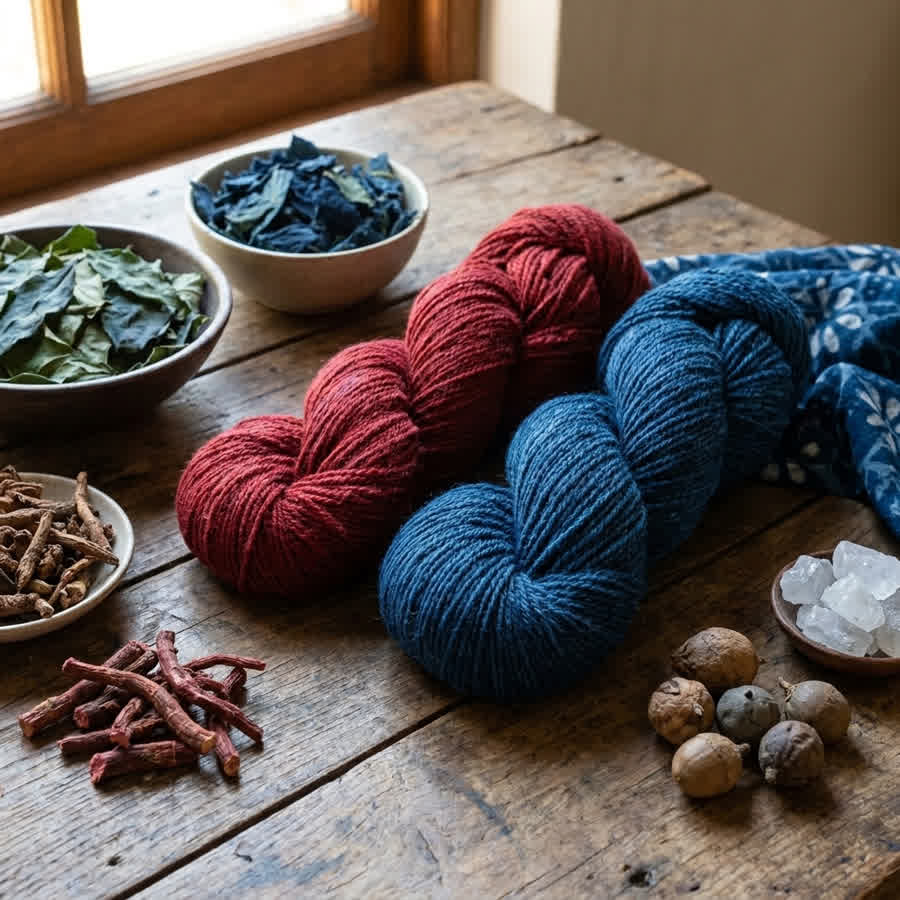
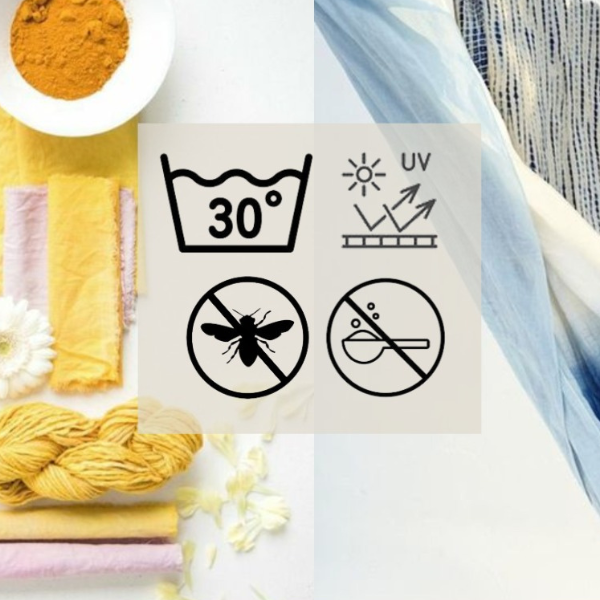
Artisans frequently color Khadi using plant-based extracts like indigo, madder, and marigold. To fix these colors to the fiber, they use natural mordants such as alum or iron vats. While this process is ecologically sound, the bond between the dye and the handspun yarns is primarily physical rather than chemical.
Because of this physical bond, a small amount of unfixed dye will naturally release during the first contact with water. This is a normal characteristic of plant-based extracts, not a defect in the manufacturing process. Exposing these dyes to highly alkaline detergents will break the mordant bond, causing premature fading.
Setting Consumer Expectations for Colorfastness
Boutique sourcing managers must educate their retail customers about the realities of natural dye chemistry. A garment that bleeds slightly in the wash is behaving exactly as a low-chemical textile should. Transparent communication prevents customer complaints and reduces return rates.
When outlining how to wash khadi clothes treated with natural colors, brands should include these specific colorfastness guidelines on their hang tags:
- Separate washing: Isolate the garment for the first two to three washes to catch any unfixed dye release.
- First-wash salt treatments: Recommend adding a tablespoon of plain salt to the cold water soak to help stabilize the natural mordants.
- Spot cleaning caution: Avoid aggressive rubbing on isolated stains, which will lift the color and create lighter patches on the handwoven fabrics.
By framing this maintenance as a hallmark of authentic artisanal craft, brands turn a potential technical limitation into a compelling story of heritage and purity.
Extending Garment Lifecycle: Khadi Care as a Circular Fashion Strategy
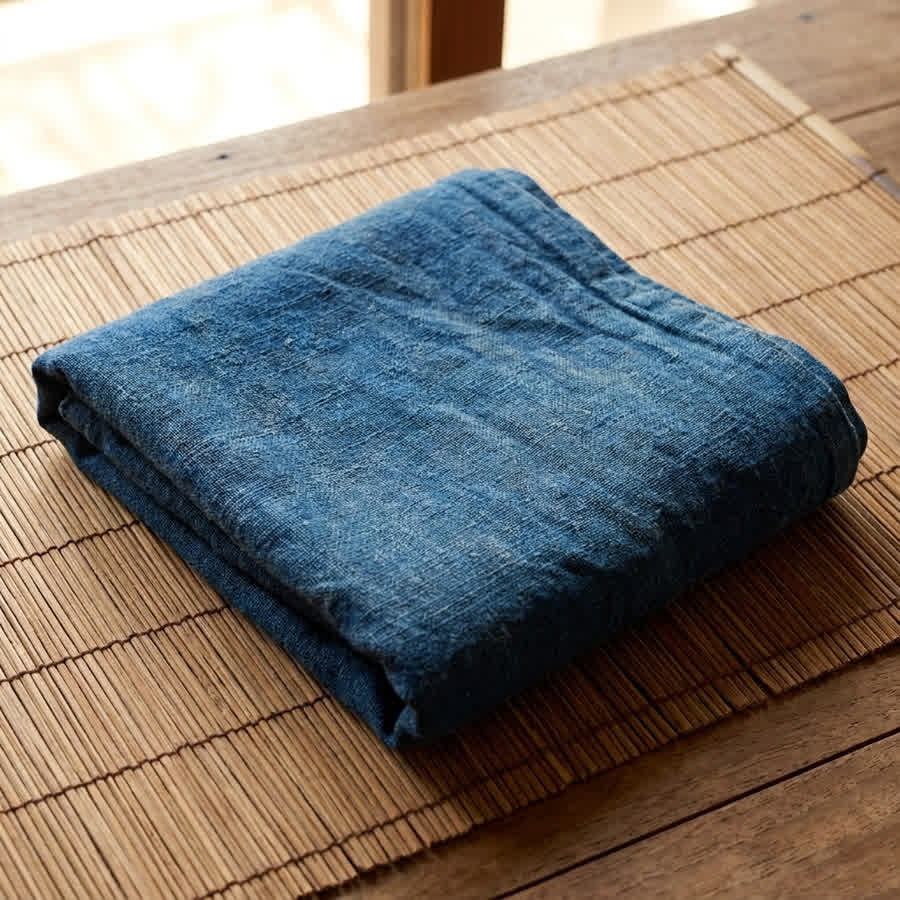
Proper Khadi care functions as a core circular fashion strategy by significantly extending the garment's usable life and reducing the need for frequent textile replacement. When brands educate their buyers on gentle maintenance, they actively lower the environmental impact of the consumer use phase.
Aligning Care with Zero-Waste Credentials
The sustainability of a garment is not determined solely by its agricultural origins; it is heavily influenced by how long it remains in active rotation. Khadi already boasts strong zero-waste credentials due to its manual spinning and weaving processes, which require zero electricity. However, improper washing can destroy these benefits in a single laundry cycle.
By teaching consumers how to wash khadi clothes correctly, designers ensure the fabric's breathable weave survives years of wear. A garment that avoids the high abrasion of a machine washer sheds fewer microfibers and maintains its structural integrity longer. This directly supports the principles of a circular fashion strategy.
Building Brand Loyalty Through Longevity
For a B2B fashion brand, durability is a powerful marketing tool. When a customer invests in a premium handloom piece, they expect it to last. Providing a detailed, scientifically backed garment lifecycle management plan proves that the brand cares about the product long after the point of sale.
Brands can integrate this education into their packaging and digital presence to build trust. Effective methods for sharing this heritage maintenance information include:
- Detailed digital guides: Linking a QR code on the care tag to a comprehensive page about the breathable weave and its specific needs.
- Repair and refresh programs: Offering in-house mending services for garments that experience natural wear along the handspun yarns.
- Phased washing advice: Reminding customers that Khadi grows softer with every gentle wash, improving its tactile drape over time.
Treating fabric care as an extension of the design process improve the perceived value of the collection. It transforms a simple piece of clothing into a lasting investment in sustainable craftsmanship.
Explore Our Collection
Anuprerna works directly with handloom artisan clusters to weave how to wash khadi clothes for designers and brands building considered collections. To source it for your next line, explore the range below.
frequently asked questions
What is the standard shrinkage tolerance for Khadi cotton after the first wash?
Handwoven Khadi typically experiences a 3-5% shrinkage in both warp and weft due to the relaxation of handspun yarns upon first contact with water. B2B buyers must account for this **shrinkage tolerance** during pattern making or opt to source pre-washed fabrics. Understanding this **dimensional reduction** prevents sizing issues in the final retail product.
Can Khadi garments be dry-cleaned, or is wet washing mandatory?
While gentle wet washing in cold water is ideal for Khadi cotton to maintain its natural softness, Khadi silk and Khadi wool blends often require dry cleaning to prevent structural distortion. Dry cleaning helps preserve the **natural sheen** and prevents severe shrinkage in these specific protein fibers. Brands should assess the exact fiber blend before finalizing their **garment lifecycle management** instructions.
How should brands advise consumers on washing natural-dyed Khadi?
Brands should explicitly recommend washing natural-dyed Khadi separately for the first 2-3 washes using a mild, pH-neutral detergent. Because natural dyes lack the harsh chemical binders of synthetic dyes, they may exhibit slight surface bleeding initially, though the core color remains intact. Protecting the **natural mordants** ensures the **plant-based extracts** retain their depth over time.
Does machine washing destroy Khadi fabric?
Harsh machine cycles cause high abrasion, which can lead to pilling, yarn slippage, or seam failure in low-GSM Khadi. While a gentle cold cycle in a mesh laundry bag is acceptable for heavier weights, hand washing remains the industry standard recommendation for maximum longevity. Avoiding mechanical stress protects the **low twist multiplier** of the **handspun yarns**.
Can low-GSM Khadi be tumble dried?
Tumble drying is strictly not recommended for low-GSM Khadi as the mechanical tumbling and high heat cause severe fiber degradation and excessive shrinkage. Instead, brands should instruct consumers to shade dry the fabric flat or on a padded hanger to maintain structural integrity. **Tension-free shade drying** protects the **delicate handwoven structure** from warping.
More Blogs
does khadi cotton shrink? a complete wash and care tutorial
how to care for your wall art
guide to accommodate for fabric shrinkage
an introductory guide to garment analysis
how to nurture your natural-dyed clothing
handmade textiles care guide