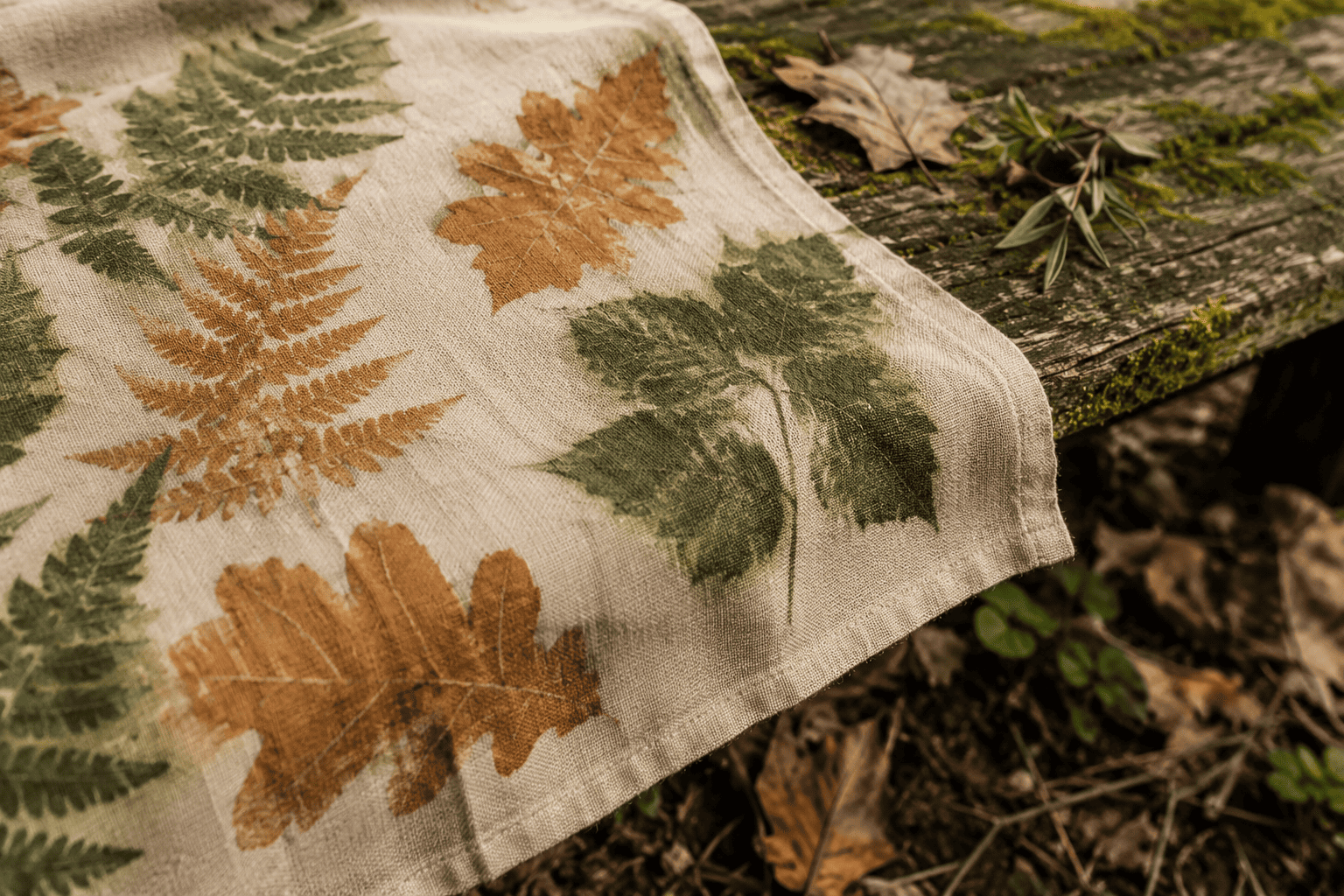
Eco Print Fabric: Why Botanical Textiles Are Becoming the Future of Sustainable Luxury

The textile industry is witnessing a growing appreciation for materials that celebrate nature rather than imitate it. Among these innovations, eco print fabric has emerged as one of the most distinctive choices for designers, artisans, and conscious fashion brands.
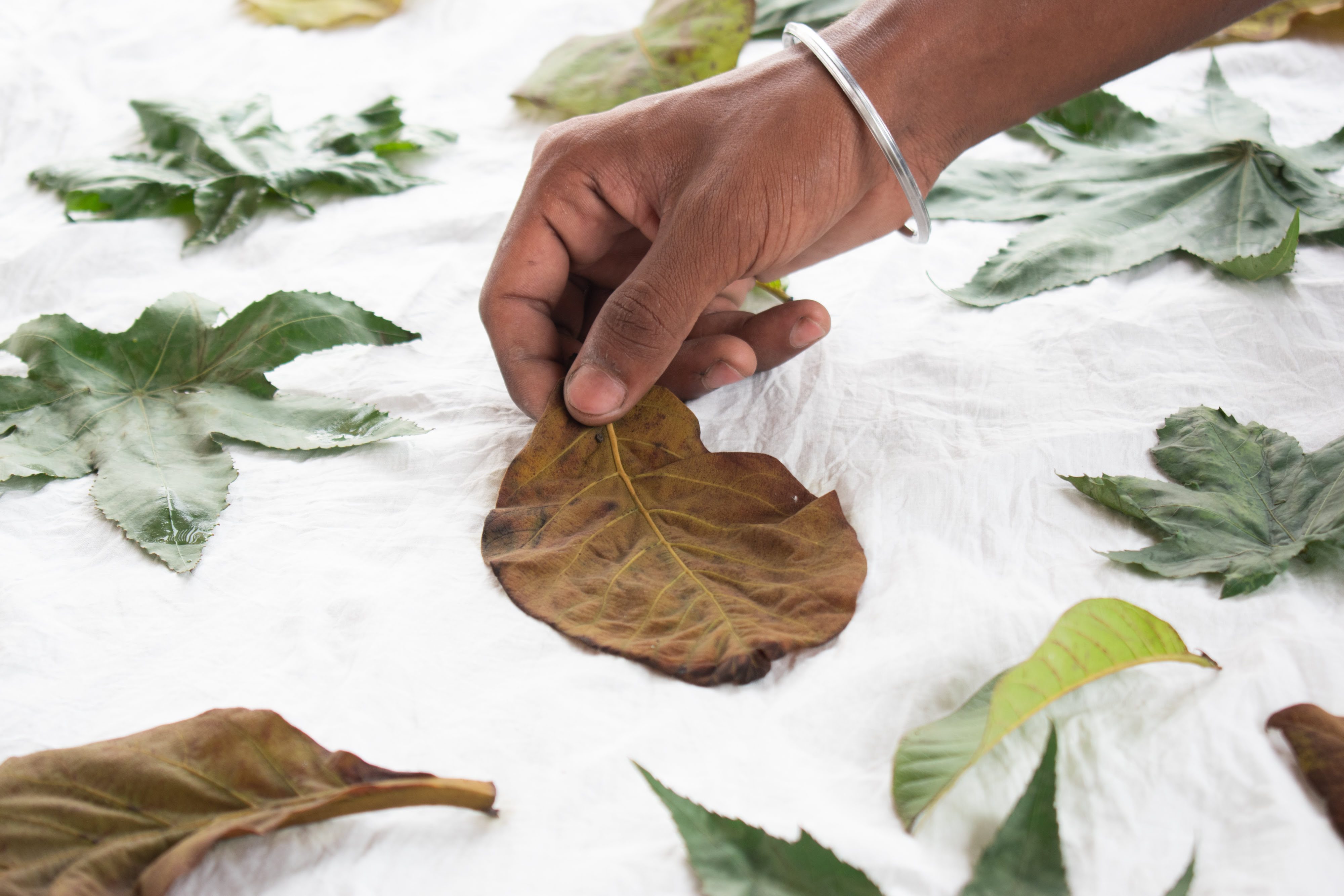
Unlike conventional printed textiles, eco print fabric captures the natural pigments, shapes, and delicate vein patterns of real leaves and flowers directly onto natural fibres. The result is a truly unique eco print textile, where every botanical impression reflects the character of the plant itself and no two pieces are ever identical.
From luxury apparel to home décor and artisan collections, eco-printed textiles are changing how we think about craftsmanship, sustainability, and individuality
What Is Eco Print Fabric?
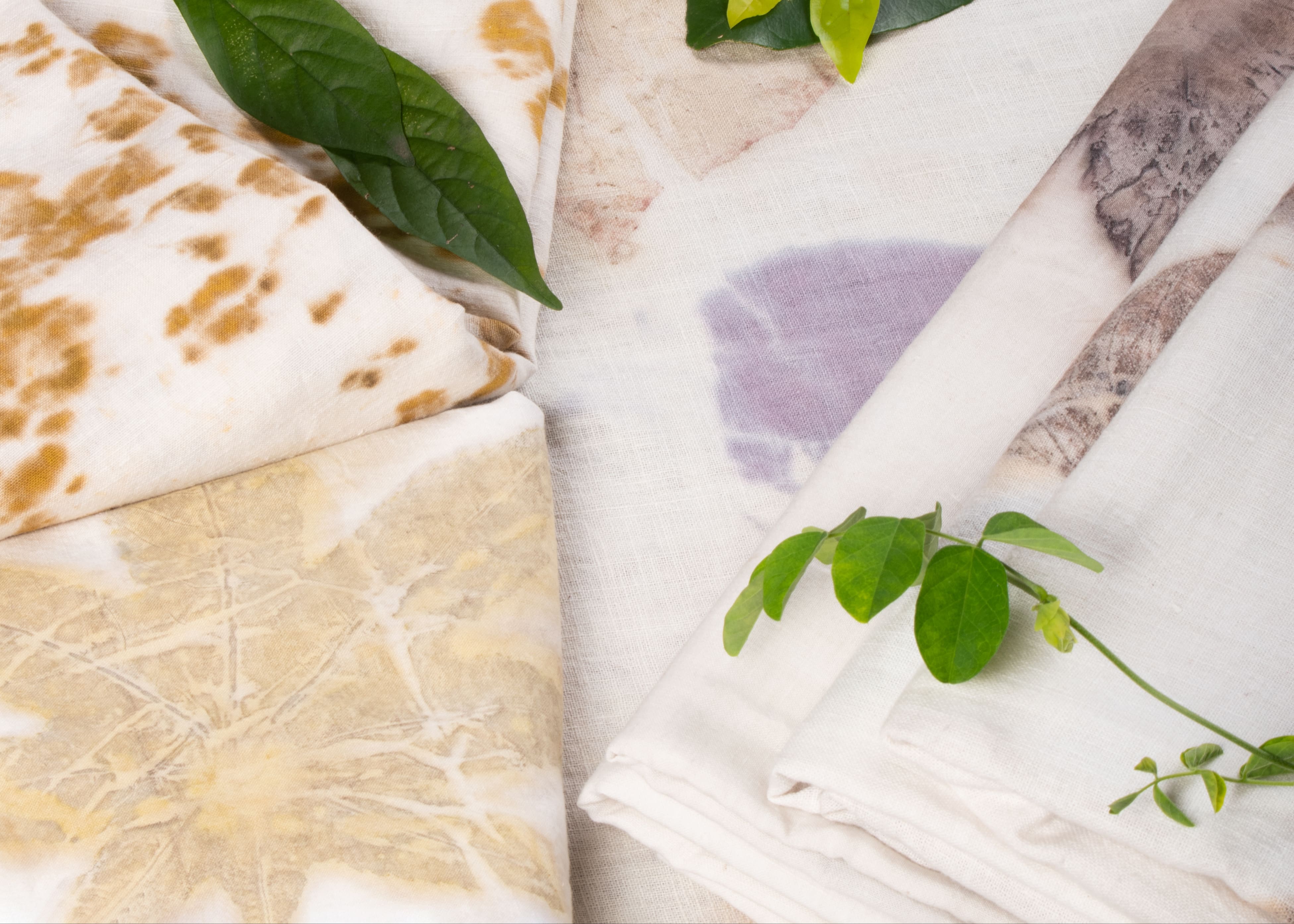
Eco print fabric is a handcrafted textile created by transferring the natural colours and botanical impressions of leaves, flowers, bark, and other plant materials directly onto fabric.
Often referred to as leaf printed fabric or botanical printed fabric,this technique works best on natural fibres such as silk, cotton, linen, wool, hemp, and bamboo. Instead of using synthetic printing methods, artisans rely on natural mordants, heat, and steam to permanently transfer botanical pigments and intricate leaf patterns onto the cloth.
If you're interested in how to eco print on fabric, the complete preparation, mordanting, bundling, steaming, and finishing process is explained in our dedicated Eco Printing Craft Guide. This article focuses on why eco print fabrics are becoming increasingly valued in sustainable fashion and luxury design.
Why Eco Print Textiles Stand Apart
An eco print textile offers something that machine printing cannot—authentic natural variation.
Every leaf reacts differently to the fabric. Seasonal changes, botanical species, moisture, and natural pigments all influence the final appearance, meaning every metre develops its own personality.
This individuality is exactly why eco print fabrics have become increasingly desirable for designers creating limited-edition collections, bespoke garments, and artisan home furnishings.
More Than a Leaf Printed Fabric
Although many people describe these textiles as leaf printed fabric, eco printing goes far beyond simply transferring leaf shapes onto cloth.
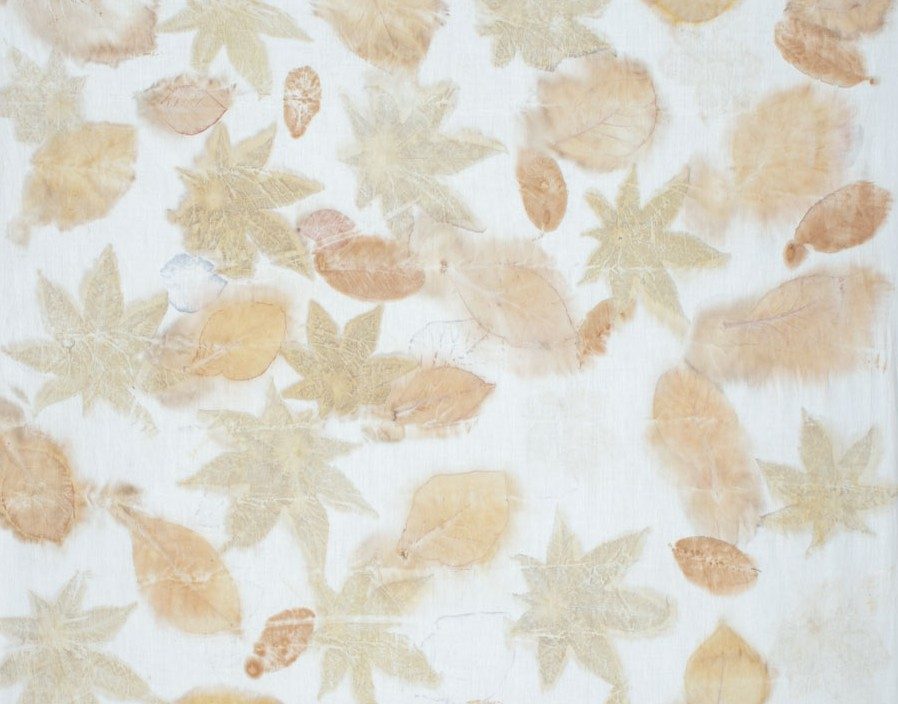
Each botanical contributes its own pigment, vein structure, and organic texture. Flowers add delicate colour transitions, bark introduces earthy tones, while tannin-rich leaves create beautifully detailed impressions with remarkable depth.
Rather than decorating a surface, eco printing allows nature itself to become part of the design process.
Best Leaves for Eco Printing
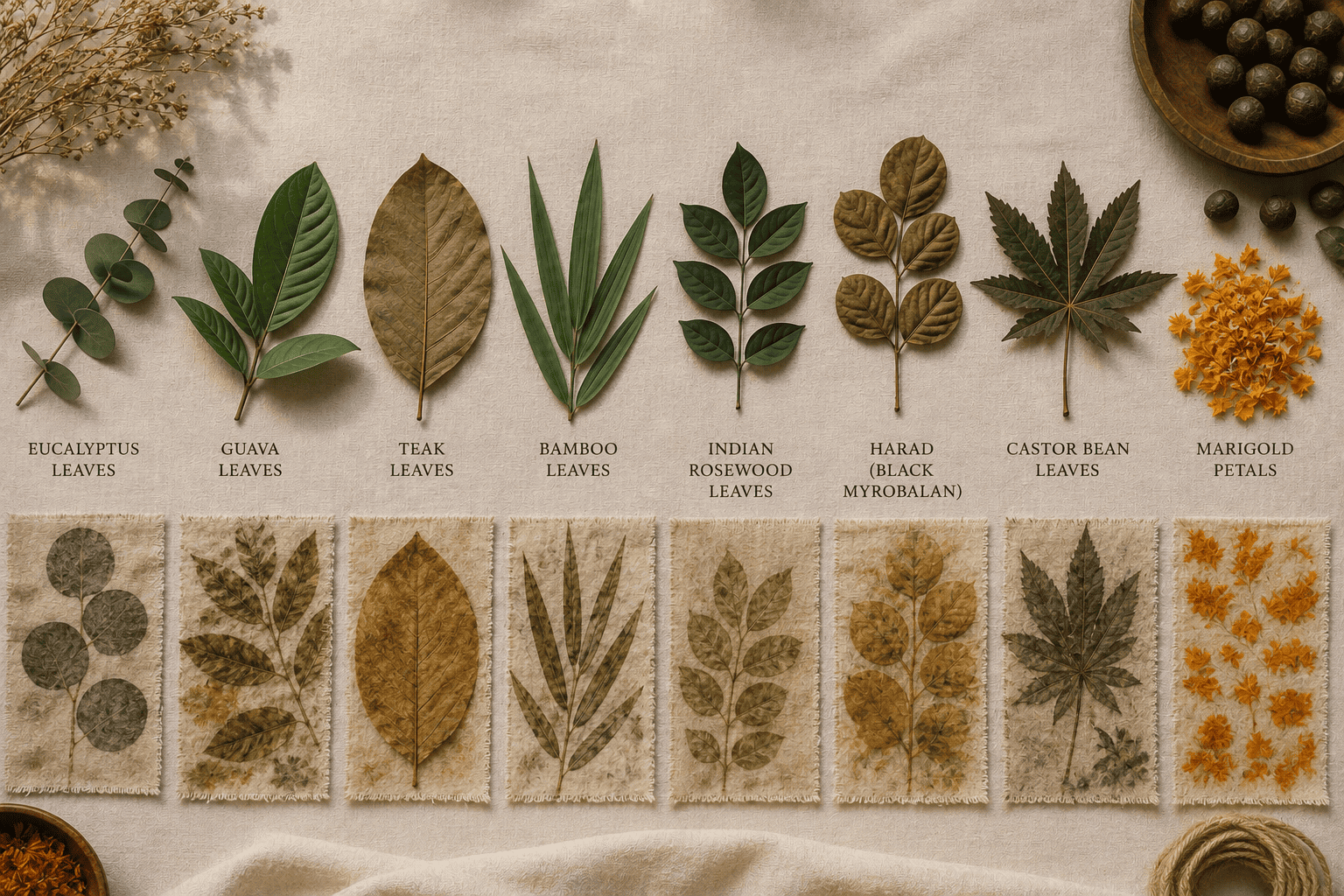
One of the most frequently asked questions is which leaves are best for eco printing.
While many botanicals can be used, some consistently produce beautifully detailed impressions because of their natural tannins and pigment content.
Popular choices include:
- Guava leaves
- Teak leaves
- Bamboo leaves
- Indian Rosewood leaves
- Harad (Black Myrobalan)
- Castor leaves
- Marigold Petal
Each botanical creates its own colour palette, texture, and level of detail, which is why eco printed fabrics are never exactly alike.
Eco Printing With Leaves on Fabric Is Inspiring Sustainable Luxury
The growing interest in eco printing with leaves on fabric reflects a broader movement toward slower, more thoughtful design.
Luxury consumers increasingly appreciate products that show visible craftsmanship rather than perfect uniformity. Designers are responding by choosing textiles that celebrate natural variation instead of hiding it.
Eco print fabrics meet this demand by combining botanical artistry, artisan skill, and sustainable production into textiles that feel both contemporary and timeless.
Why Designers Prefer Eco Print Fabric
Eco print fabrics have become increasingly popular because they offer:
- One-of-a-kind botanical patterns
- Natural aesthetic without repeated designs
- Handcrafted appeal
- Strong storytelling for luxury brands
- Compatibility with slow fashion collections
- Authentic artisan craftsmanship
- Sustainable production using natural fibres
Rather than following seasonal trends, eco print textiles embrace originality, timeless craftsmanship, and lasting value. Every eco print fabric carries unique botanical impressions that make each piece truly one of a kind. Explore Anuprerna's handcrafted Eco Print Fabric Collection and experience botanical textiles inspired by the beauty of nature.
frequently asked questions
Is eco print fabric colorfast enough for commercial fashion lines?
Yes. When properly mordanted with natural mineral salts like alum or iron, and cured correctly through controlled steaming, eco print textiles achieve excellent wash and light fastness suitable for luxury garments. Proper care instructions, such as using pH-neutral soap and a cold wash, further extend their vibrancy. The chemical bond formed between the tannins and the fiber ensures the prints resist fading under normal commercial wear.
Are the mordants used in eco print fabrics environmentally safe?
Authentic eco-printing utilizes safe, naturally occurring metallic salts like potassium aluminum sulfate or ferrous sulfate in low-impact quantities, ensuring a completely environmentally safe process. Combined with natural tannin-rich leaves, this creates a zero-toxic discharge system that protects local waterways. It is entirely safe for both the rural artisans handling the materials and the end consumer wearing the garment.
What is the difference between eco printing and traditional block printing?
Eco printing transfers pigments directly from actual plant matter onto the fabric through heat and pressure, whereas traditional block printing uses carved wooden blocks to stamp pre-mixed natural or synthetic dyes onto the cloth. The botanical contact method relies on the inherent natural tannins within the leaves themselves to create the design. This results in a highly detailed, photographic imprint of the plant structure rather than a repeated geometric or floral motif.
Which fabrics yield the sharpest botanical prints?
Protein fibers like Eri, Matka, or Mulberry silk yield the sharpest, most vibrant prints due to their high natural affinity for botanical dyes. Cellulosic fibers like linen and cotton require more intensive mordanting but offer beautiful, muted, earthy impressions. The choice of fiber directly dictates the final resolution and color saturation of the botanical transfer.
More Blogs
malmal cloth in english: understanding the global appeal of mul cotton
wholesale cotton fabric: how to choose the right supplier
screen printing on fabric: techniques, process & applications in fashion

linen gym wear: can you really workout in natural fibers?
what to look for during khadi online shopping?
top 5 upcycled fabric products you can make at home