
Linen Gym Wear: Can You Really Workout In Natural Fibers?

Activewear designers face a persistent contradiction when creating wellness-focused collections that rely entirely on microplastic-shedding synthetic fabrics. The push for biodegradable performance textiles has brought linen gym wear into the spotlight as a highly functional, sustainable alternative. Long before petroleum-based nylons dominated the market, flax-derived textiles served as the original performance fabric for labor-intensive work in hot climates. Today, the decision to source natural fibers is a technical choice that dictates moisture management, garment longevity, and a brand's zero-waste credentials.
By understanding the specific properties of the bast fiber, designers can engineer activewear that breathes, absorbs sweat, and withstands rigorous movement. Sourcing the right weave transforms a traditional heritage textile into a modern athletic staple.
Beyond Synthetics: The Material Science of Linen Gym Wear
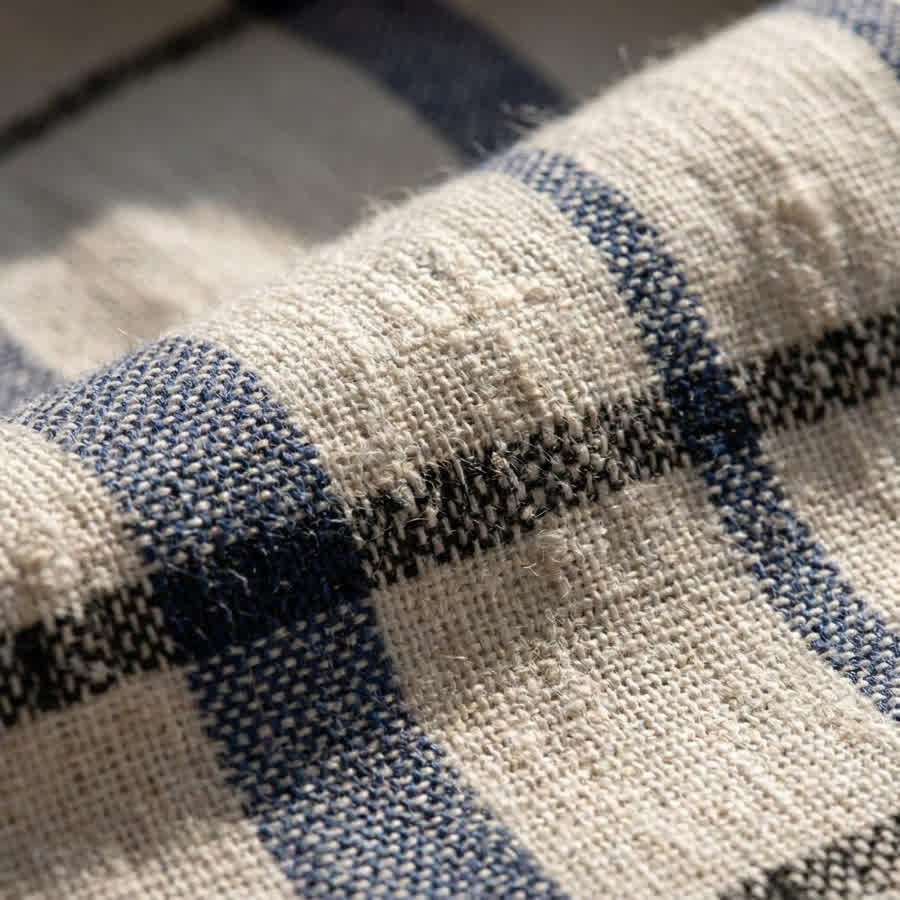
Yes, you can work out in natural fibers because the hollow structure of the flax fiber naturally regulates temperature and manages heavy moisture without trapping odor-causing bacteria. This inherent material science makes it a superior alternative to synthetic blends for breathable activewear. Understanding the cellular makeup of the plant reveals exactly why it performs so well under physical stress.
The Anatomy of the Bast Fiber
The performance capabilities of this textile begin at the agricultural level. Linen yarn is spun from the bast fiber, which is extracted from the inner bark of the flax plant stalk. This specific anatomical origin gives the fiber a hollow core, known as the lumen, which allows for rapid air circulation.
When woven into a garment, this hollow structure creates a microclimate between the fabric and the skin. The resulting thermoregulation properties ensure that the wearer remains cool during intense physical exertion. Designers choosing this material are actively utilizing a fiber engineered by nature to dissipate heat.
- Hollow lumen structure: Facilitates continuous airflow and prevents heat from being trapped against the body.
- High thermal conductivity: Moves heat away from the skin faster than conventional cotton or polyester.
- Low static generation: Prevents the fabric from clinging to the body during a workout, maintaining a crisp, dry hand-feel.
Moisture Management and Odor Resistance
Synthetic activewear often relies on chemical finishes to manage sweat, which wash away over time. In contrast, the natural hydrophilic properties of flax allow it to absorb up to 20% of its weight in water before it even begins to feel damp. Once moisture is absorbed, the open weave structure promotes rapid evaporation.
This rapid drying cycle is crucial for athletic apparel. Because moisture does not sit on the fabric, odor-causing bacteria cannot easily breed. The natural antibacterial resistance of the fiber means garments require less frequent washing, extending their lifespan.
- High absorption capacity: Pulls heavy sweat directly away from the skin without feeling heavy or saturated.
- Rapid evaporation rate: Dries significantly faster than cotton, keeping the athlete comfortable during long sessions.
- Inherent antimicrobial nature: Resists the buildup of bacteria, eliminating the permanent odors often found in older synthetic gym clothes.
From Linen Sheets to the Squat Rack: Engineering Mobility in Natural Fibers
To accommodate dynamic movement in rigid natural fibers, designers must rely on strategic bias cuts, relaxed silhouettes, and specific weave structures rather than inherent yarn elasticity. By engineering the garment's architecture, a fabric traditionally associated with bedding can successfully perform in the gym. The key lies in pattern making and understanding the physical limits of the material.
Overcoming Low Elasticity
Pure linen material has very low natural elasticity, meaning it will not stretch and snap back like spandex. If a designer attempts to create skin-tight leggings from pure flax, the seams will experience severe stress and eventually fail. To build functional athletic wear, the design must incorporate mechanical ease.
Designers achieve this by utilizing relaxed fits that allow the body to move freely within the garment. Incorporating strategic bias cuts allows the woven fabric to stretch diagonally across the body, providing essential give across the shoulders and hips. Adding gussets in high-movement areas further prevents seam blowout during deep stretches.
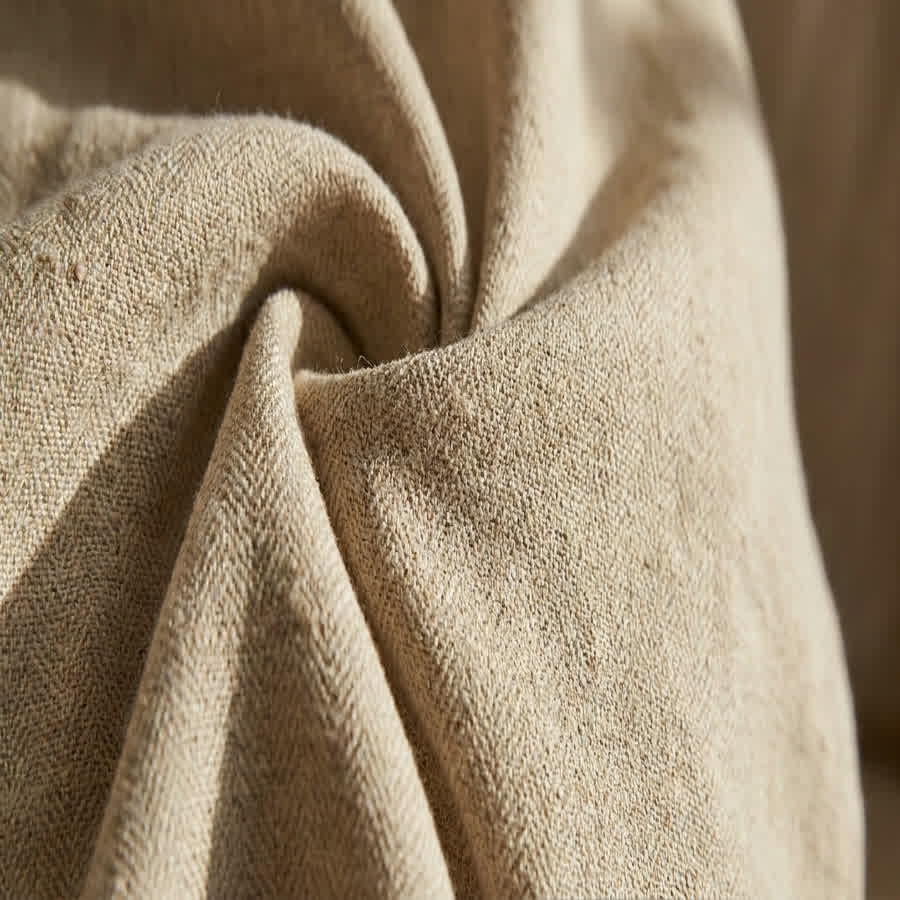
- Bias-cut paneling: Utilizes the natural diagonal stretch of a woven fabric to accommodate joint flexion.
- Diamond gussets: Placed in the crotch or underarm to distribute tension away from intersecting seams.
- Relaxed silhouettes: Ensures the fabric floats away from the skin, maximizing airflow and preventing movement restriction.
Tensile Strength Under Pressure
While it lacks stretch, flax is renowned for its exceptional durability. It possesses high tensile strength that actually increases by up to 20% when wet. This unique characteristic means that as an athlete sweats, the garment becomes stronger and more resistant to tearing.
This wet-strength makes it highly suitable for rigorous use and frequent washing. While lightweight weaves might resemble breathable linen sheets, activewear requires a slightly denser construction. By selecting a mid-weight GSM, designers ensure the fabric can withstand the friction of gym equipment without sacrificing its airy, breathable qualities.
- Increased wet strength: Protects the structural integrity of the garment during heavy perspiration.
- High abrasion resistance: Withstands rubbing against yoga mats, benches, and other athletic equipment.
- Longevity through washing: The fibers actually become softer and more pliable with each wash cycle, improving the tactile drape over time.
The Athleisure Evolution: Designing the Well suited Linen Co Ord Set Women Will Love

Linen excels in the athleisure market because its crisp aesthetic and high breathability transition perfectly from low-impact studio workouts to everyday street wear. Designing a cohesive set requires balancing functional mobility with a premium, structured drape. The modern consumer demands versatility, and natural fibers deliver a sophisticated visual appeal that synthetics cannot replicate.
Targeting Low-Impact Performance
High-impact sports like marathon running often require specialized compression gear, but the booming wellness sector is dominated by low-impact activities. Yoga, pilates, and mobility training are the well suited environments for a breathable linen outfit. These disciplines prioritize fluid movement, temperature control, and comfort over aggressive compression.
In a heated pilates studio, the fabric's ability to remain cool and dry against the skin is a significant advantage. The lack of synthetic compression allows for unrestricted deep breathing and abdominal expansion. Designers targeting this demographic are finding massive success by offering natural, non-restrictive alternatives to tight polyester sets.
- Studio-optimized breathability: Keeps practitioners comfortable in heated rooms or warm climates.
- Non-compressive comfort: Supports deep diaphragmatic breathing essential for yoga and meditation practices.
- Microplastic-free washing: Appeals to eco-conscious consumers who want to avoid shedding plastics into the water system after a sweaty session.
The Studio-to-Street Transition
The true commercial power of this textile lies in its aesthetic versatility. A well-tailored linen co ord set women can wear to a morning stretch class easily transitions to a casual brunch or errands. The natural luster and structured drape of the fabric improve the garment beyond standard gym attire.
This dual-purpose functionality justifies a premium price point for B2B brands. Consumers are actively seeking capsule wardrobes where their activewear doubles as daily wear. By focusing on elegant tailoring, neutral dye applications, and minimalist hardware, designers can create highly profitable, multi-functional collections.
- Improve visual texture: Provides a sophisticated, matte finish that looks intentional outside the gym.
- Versatile styling: Pairs easily with everyday footwear and accessories for a complete lifestyle look.
- Premium market positioning: Allows brands to command higher margins based on the fabric's heritage and sustainable profile.
Handloom Heritage: Customizing Linen Texture with Anuprerna's Artisans
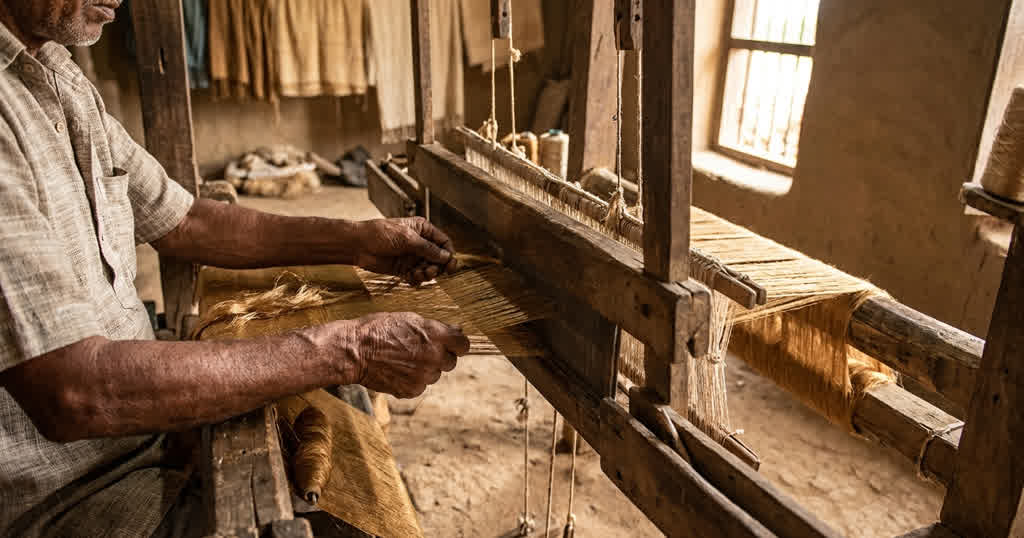
B2B buyers can achieve the exact performance specifications they need by partnering with rural artisans to customize the GSM, weave density, and finish of their textiles. This decentralized approach ensures the final fabric balances the necessary durability for activewear with a soft, skin-friendly hand-feel. Working directly with weaving communities offers distinctive control over the final product.
Engineering the Right GSM
Off-the-shelf fabrics often fail to meet the specific demands of athletic apparel. Through our decentralized network of weavers in rural India, we help designers engineer the exact specifications of their linen linen fabric. The weight, or Grams per Square Meter (GSM), is the most critical factor in balancing opacity, strength, and breathability.
For tops and loose tanks, a lighter GSM provides maximum airflow. For shorts or joggers, a denser warp and weft construction prevents transparency during deep squats while maintaining durability. Our artisans can adjust the loom settings to create a bespoke fabric architecture tailored to your specific garment requirements.
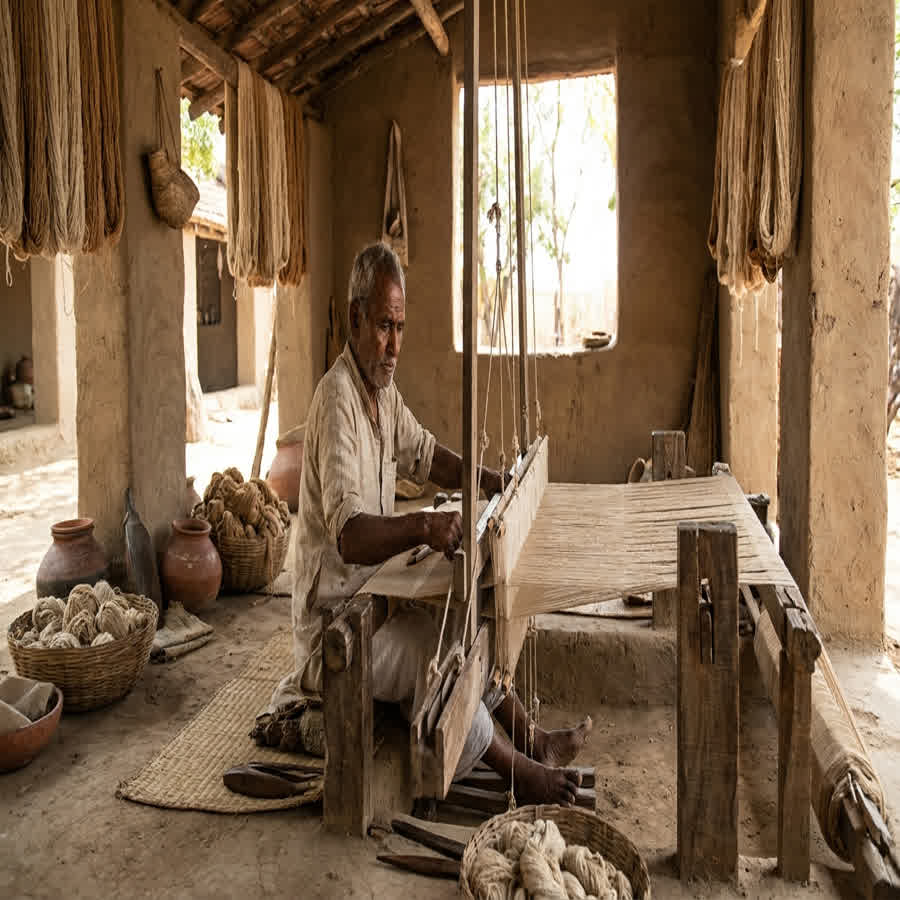
- Custom warp and weft density: Controls the exact weight and opacity of the final textile.
- Targeted GSM selection: Allows brands to source lightweight fabrics for tops and mid-weight fabrics for bottoms.
- Traceable supply chain: Provides designers with a transparent origin story to share with their eco-conscious customer base.
Refining the Tactile Experience
The raw bast fiber can sometimes feel stiff, which is undesirable for clothing meant to be worn during physical exertion. Customizing the linen texture involves specific finishing techniques to soften the yarn without degrading its tensile strength. Our artisans utilize traditional, low-impact washing methods to break in the fibers.
This careful finishing process results in a fabric that feels soft and supple against the skin from the very first wear. We prioritize finishes that retain the natural integrity of the yarn, avoiding harsh chemical softeners that wash out over time. The result is a high-performance, heritage-crafted textile ready for the modern activewear market.
- Mechanical softening: Uses physical manipulation rather than harsh chemicals to improve the fabric's drape.
- Low-impact finishing: Preserves the natural moisture-wicking and antibacterial properties of the raw fiber.
- Consistent quality control: Ensures every yard meets the strict durability standards required by B2B activewear brands.
Explore Our Collection
Anuprerna works directly with handloom artisan clusters to weave linen gym wear for designers and brands building considered collections. To source it for your next line, explore the range below.
frequently asked questions
Does pure linen material have enough stretch for activewear?
Pure linen yarn has very low natural elasticity. To make linen gym wear functional, designers utilize relaxed fits, gussets, bias cuts, or blend linen with natural stretch fibers (like organic cotton or a touch of elastane) to ensure full range of motion without compromising the fabric's integrity. The garment's architecture provides the mobility that the raw fiber lacks.
How does a linen outfit handle heavy sweating compared to polyester?
Linen is highly hydrophilic and can absorb up to 20% of its weight in moisture without feeling wet against the skin. Unlike polyester, which traps heat and breeds odor-causing bacteria, linen's breathable open structure allows for rapid moisture evaporation and natural antibacterial properties. This keeps the wearer significantly cooler and drier during intense sessions.
Can Anuprerna customize the linen texture for specific activewear needs?
Yes. Through our decentralized network of rural Indian artisans, B2B buyers can customize the weave structure, GSM, and finish of the linen linen fabric. We can engineer fabrics that mimic the softness of premium linen sheets while maintaining the tensile strength required for gym wear. This bespoke approach ensures the textile matches the exact functional requirements of your design.
What types of workouts are best suited for linen gym wear?
Linen is ideal for low-to-medium impact activities such as yoga, pilates, weightlifting, and mobility training. Its breathability makes it well suited for hot environments, though high-friction, high-impact sports may require specialized blends to prevent chafing. The fabric excels in environments where temperature regulation and fluid movement are the primary goals.
How does the GSM of linen affect its performance in gym wear?
The GSM directly dictates the fabric's opacity, durability, and airflow capabilities. A lower GSM creates a highly breathable, lightweight textile well suited for loose tanks, while a higher GSM provides the necessary opacity and abrasion resistance for shorts and trousers. Selecting the correct weight is crucial for balancing comfort with the physical demands of athletic movement.
More Blogs
how indian fabric exporters meet global quality standards
jacquard vs embroidery: what's the difference?
buy hemp fabric in bulk: what fashion brands need to know
khadi online shopping: what fabric details should you check?
a designer’s guide to sourcing silk from indian manufacturers
tussar silk fabric: characteristics, texture & a guide for designers