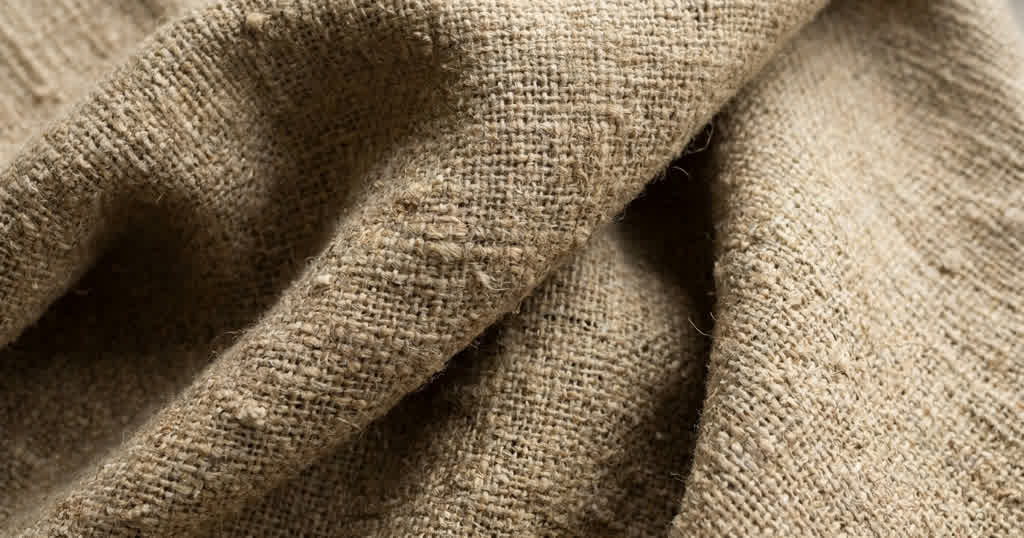
Buy Hemp Fabric for Clothing: From Fiber to Finished Textile
Designers are aggressively shifting away from synthetic blends and thirsty conventional cotton to meet stringent environmental goals. For a fashion brand building a sustainable collection, the decision to buy hemp fabric is a technical choice that directly impacts garment longevity, dye uptake, and the brand's overall sourcing narrative. Sourcing this material requires moving beyond generic industrial mills and understanding the tactile nuances of decentralized, rural-artisan production. By partnering with transparent supply chains, brands secure a premium textile that offers distinctive durability while directly empowering the weaving clusters that preserve these ancient techniques.
What is Hemp Fabric? The Anatomy of a High-Performance Bast Fiber
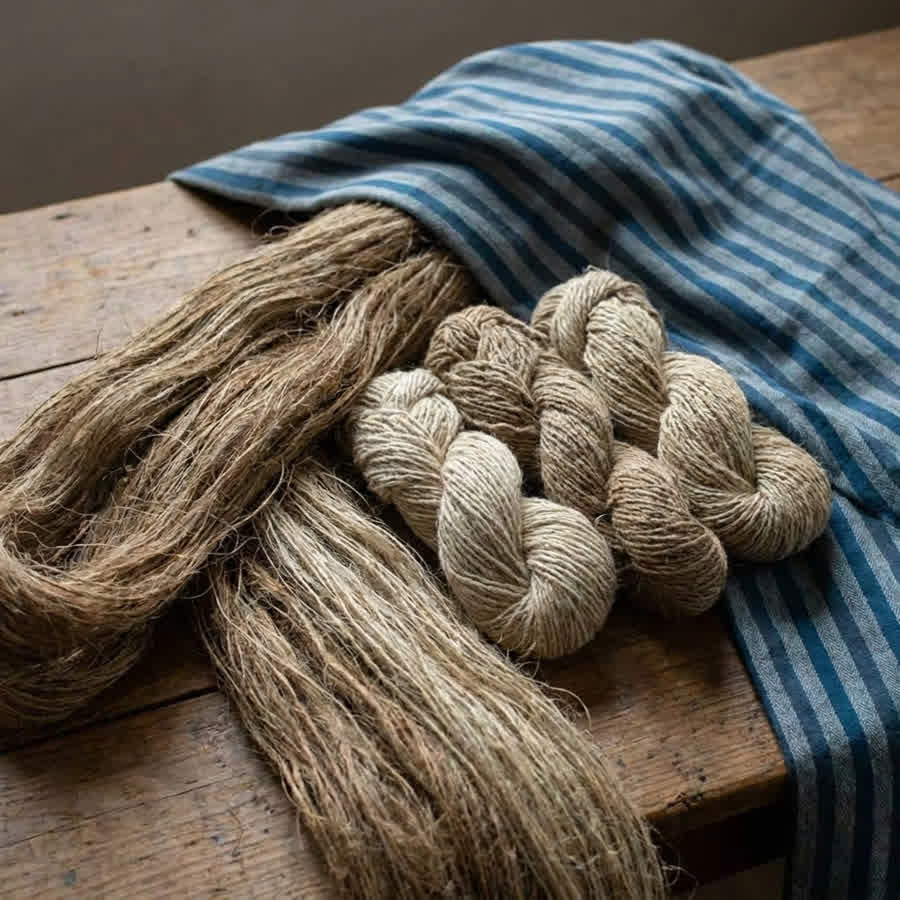
What is hemp fabric? It is a highly durable textile woven from the bast fibers of the plant stalk, offering exceptional tensile strength and natural thermoregulation for apparel.
The Science of Bast Fibers
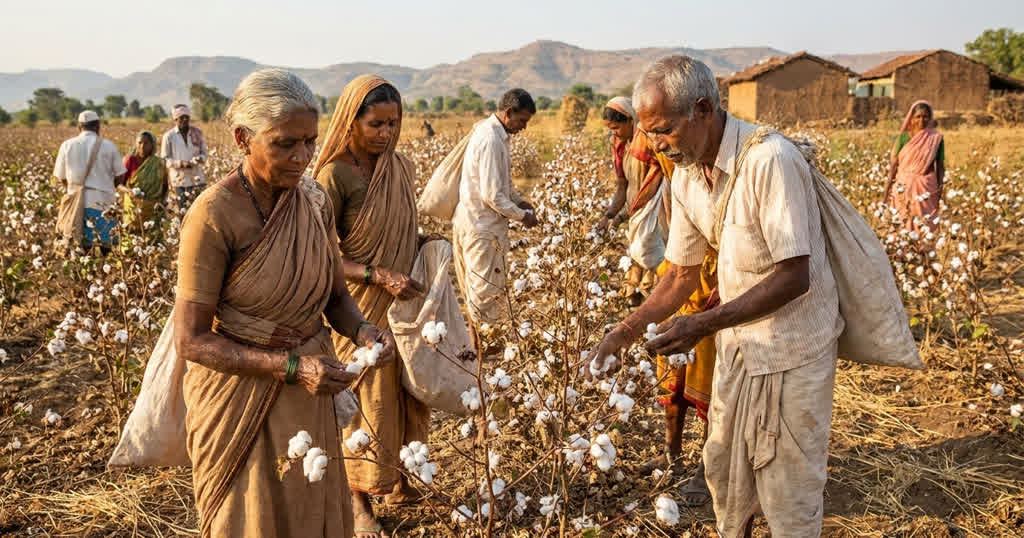
Hemp is one of the oldest cultivated bast fibers, which are the strong, woody fibers extracted from the inner bark of the stalk. In India, particularly across the Himalayan regions, hemp cultivation and hand-spinning have deep cultural roots. These rural communities utilized the fiber long before the industrial dominance of cotton.
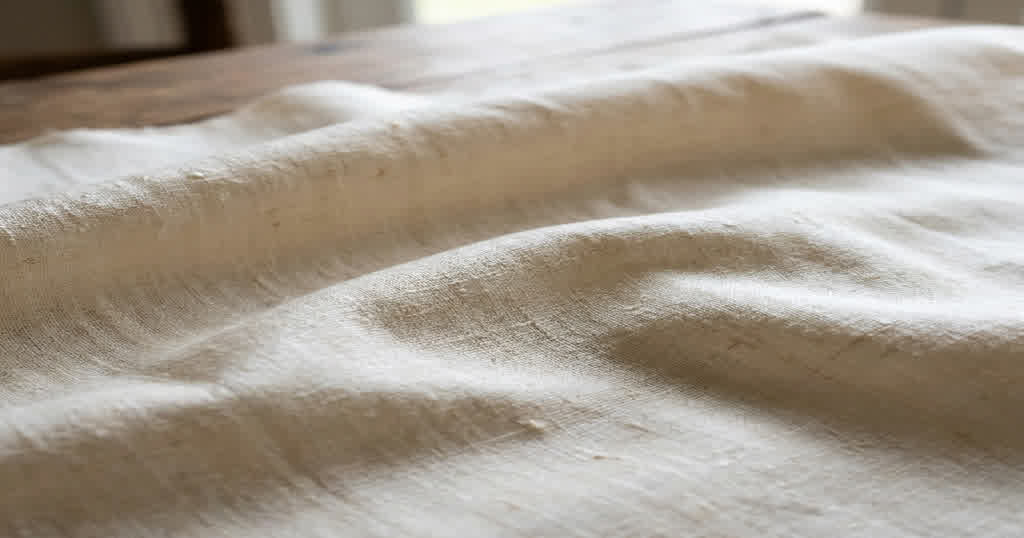
The fibers boast a highly porous structure that ensures superior moisture-wicking and breathability in the finished garment. Unlike synthetics, this natural fiber fabric breathes dynamically, adapting to the wearer's body temperature. The inherent material science of hemp also provides natural UV resistance and antimicrobial properties, making it ideal for high-performance clothing.
Performance Metrics for Apparel
When evaluating natural fiber fabrics for clothing, durability is a primary metric for designers. Hemp fibers possess exceptional tensile strength, meaning garments resist stretching and structural degradation over years of wear. This creates a textile with a uniquely dry, crisp hand-feel that softens beautifully with repeated washing, rather than breaking down.
By understanding these properties, brands can design pieces that last for years. To maximize these benefits, designers look for specific performance characteristics:
- High tensile strength: Ensures the garment maintains its shape and resists tearing under stress.
- Thermoregulating porosity: Traps air in cold weather while allowing heat to escape during summer.
- Antimicrobial resistance: Naturally inhibits odor-causing bacteria, reducing the need for frequent laundering.
- UV protection: Offers a natural barrier against sun exposure without chemical treatments.
From Stalk to Loom: The Artisanal Journey of Hemp Textile Manufacturers
The journey from stalk to loom relies on decentralized rural artisans who use sustainable retting, hand-spinning, and handloom weaving to produce premium hemp fabric cloth.
Sustainable Retting and Decortication
The process of creating this textile begins with sustainable retting, where moisture and bacteria naturally dissolve the cellular tissues surrounding the fiber bundles. We advocate for traditional dew retting or controlled water retting, strictly avoiding the harsh chemical enzymes used by mass-market hemp textile manufacturers.
This natural degradation preserves the structural integrity of the fiber. After retting, the stalks undergo decortication, a mechanical process to separate the valuable outer fibers from the woody core. This careful extraction ensures the raw material remains strong and ready for processing.
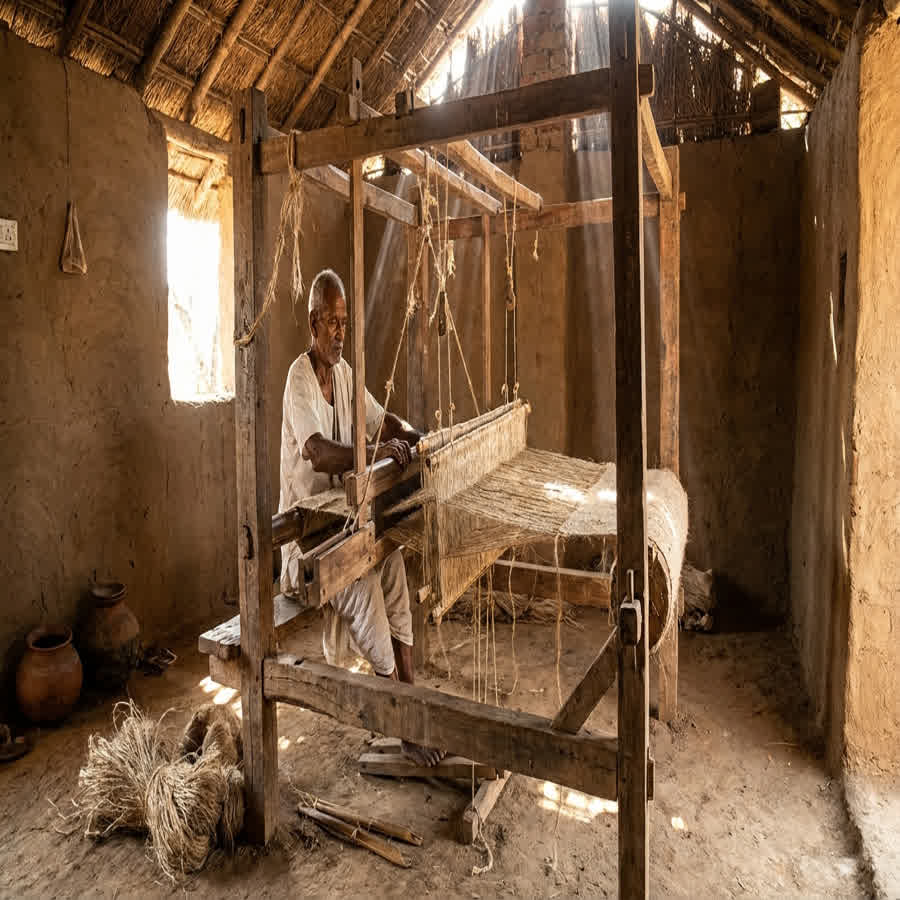
Hand-Spinning in the Himalayas
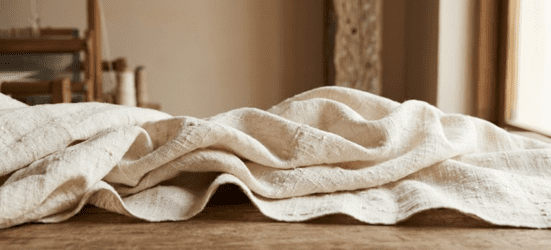
Once extracted, the raw material is transformed through intricate hand-spinning by rural communities. This decentralized approach creates a yarn with a distinct, slightly irregular texture that machine-milling simply cannot replicate. The hand-spun yarn is then passed to our handloom weavers, who meticulously craft the final textile using generations-old techniques.
This method directly empowers local artisans while providing designers with a fabric rich in character. This artisanal supply chain offers several distinct advantages for B2B buyers:
- Zero-toxic discharge: Traditional retting methods protect local waterways from chemical pollution.
- Textural depth: Hand-spinning introduces micro-variations that give the fabric a premium, artisanal drape.
- Cultural preservation: Sourcing directly from rural clusters sustains ancient Himalayan textile traditions.
- Traceable origins: A decentralized model allows brands to verify the exact origin of their hemp fabric cloth.
Decoding Blends: Why Organic Hemp Cotton Fabric is a B2B Bestseller
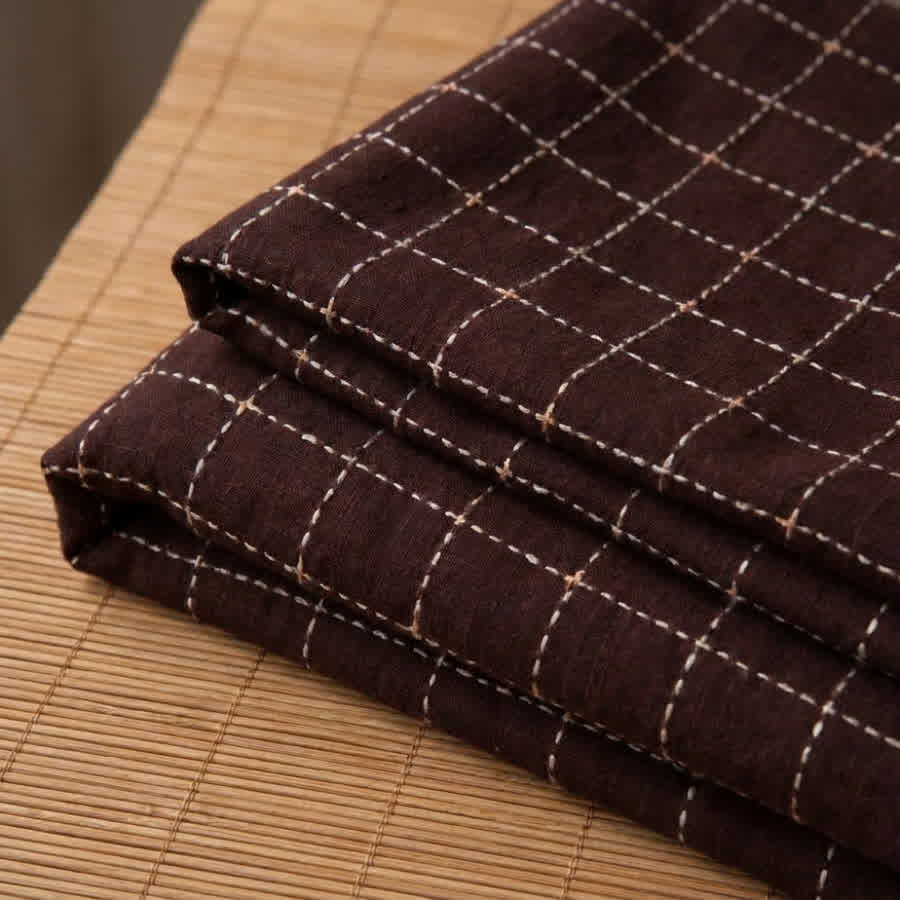
Blending hemp with organic cotton creates a highly versatile textile that combines the extreme durability of hemp with the immediate softness and superior drape of cotton.
The 55/45 Blend Standard
While 100% hemp is exceptionally strong, it can be initially stiff for certain delicate apparel applications. To optimize the tactile softness and drape, it is frequently blended into an organic hemp cotton fabric. The industry standard is typically a 55% hemp / 45% cotton ratio, which balances the structural integrity of the bast fiber with the familiar comfort of cotton.
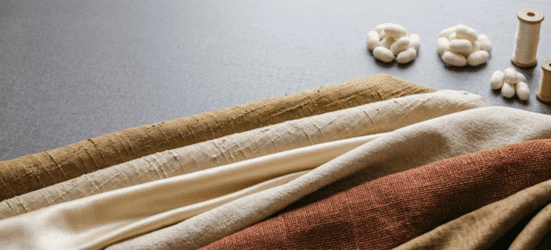
This specific hemp cotton fabric blend is highly receptive to natural dyes, ensuring vibrant, long-lasting color uptake for fashion collections. It allows designers to achieve the aesthetic of bamboo linen fabric or traditional linen with far greater longevity.
GSM Variations for Garment Design
Selecting the correct weight is critical when designing a new collection for retail. The GSM specifications dictate the fabric's ideal application, from breezy summer shirts to structured outerwear. By adjusting the blend and the weave density, artisans can produce a wide spectrum of textile weights.
This flexibility is why blends remain a staple for sustainable sourcing managers. Designers typically specify the following GSM ranges for their collections:
- 120-150 GSM: Ideal for lightweight shirting and breathable summer dresses, offering excellent moisture-wicking properties.
- 160-200 GSM: The standard for versatile, everyday apparel like trousers and mid-weight tunics.
- 250-350+ GSM: Best suited for heavy jackets, structured coats, and durable workwear requiring maximum tensile strength.
- Custom handloom weights: Artisans can adjust the warp and weft tension to create bespoke densities for specific B2B sourcing needs.
Sustainable Hemp Fabric vs. Other Natural Fiber Fabrics: A Comparative Analysis
Compared to conventional cotton, denim fabric, and linen, sustainable hemp fabric requires significantly less water, naturally resists pests without chemicals, and actively remediates the soil it grows in.
Water Consumption and Soil Health
Eco-conscious fashion labels are aggressively shifting toward hemp to meet stringent ESG goals and reduce their environmental footprint. Unlike conventional cotton, which is notoriously water-intensive, hemp requires minimal irrigation and thrives on natural rainfall.
Hemp cultivation requires no synthetic pesticides or herbicides, protecting local biodiversity. The plant's deep root system prevents soil erosion and engages in phytoremediation, actively drawing toxins out of the earth and restoring soil vitality for future crop cycles. This makes it a highly regenerative crop.
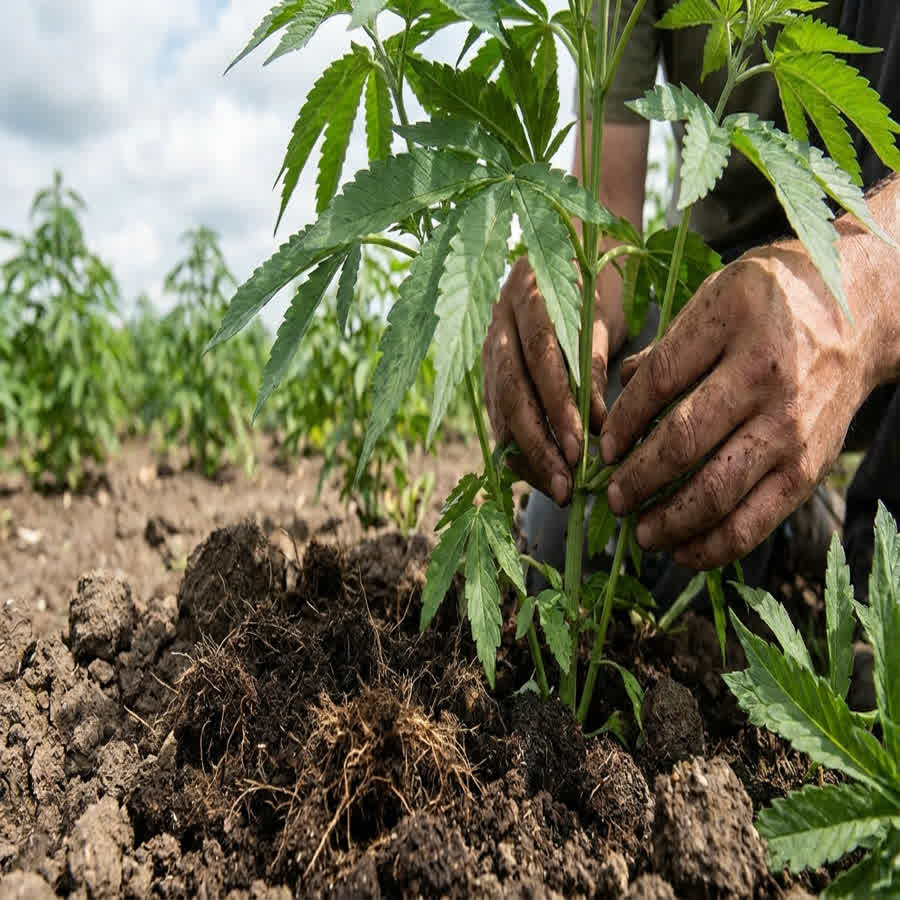
Longevity and Carbon Sequestration
When evaluating natural fiber fabrics, from banana fiber to hemp, the environmental impact extends far beyond the farming phase. Hemp is a powerful carbon sink, absorbing significant amounts of CO2 during its rapid growth cycle. In terms of garment lifecycle, the distinctive durability of hemp means clothing lasts longer, directly combating the fast-fashion waste crisis.
A garment that survives a decade of wear is inherently more sustainable than one that degrades after a single season. The comparative benefits of hemp over other fibers include:
- Minimal water footprint: Requires a fraction of the water needed for conventional cotton farming.
- Low-chemical cultivation: Naturally pest-resistant, eliminating the need for toxic agricultural inputs.
- Soil regeneration: Deep taproots aerate the soil and restore essential nutrients.
- Extended garment lifespan: High abrasion resistance ensures the textile outlasts standard cotton and linen alternatives.
How to Buy Hemp Fabric for Clothing: Sourcing Strategies for Conscious Brands
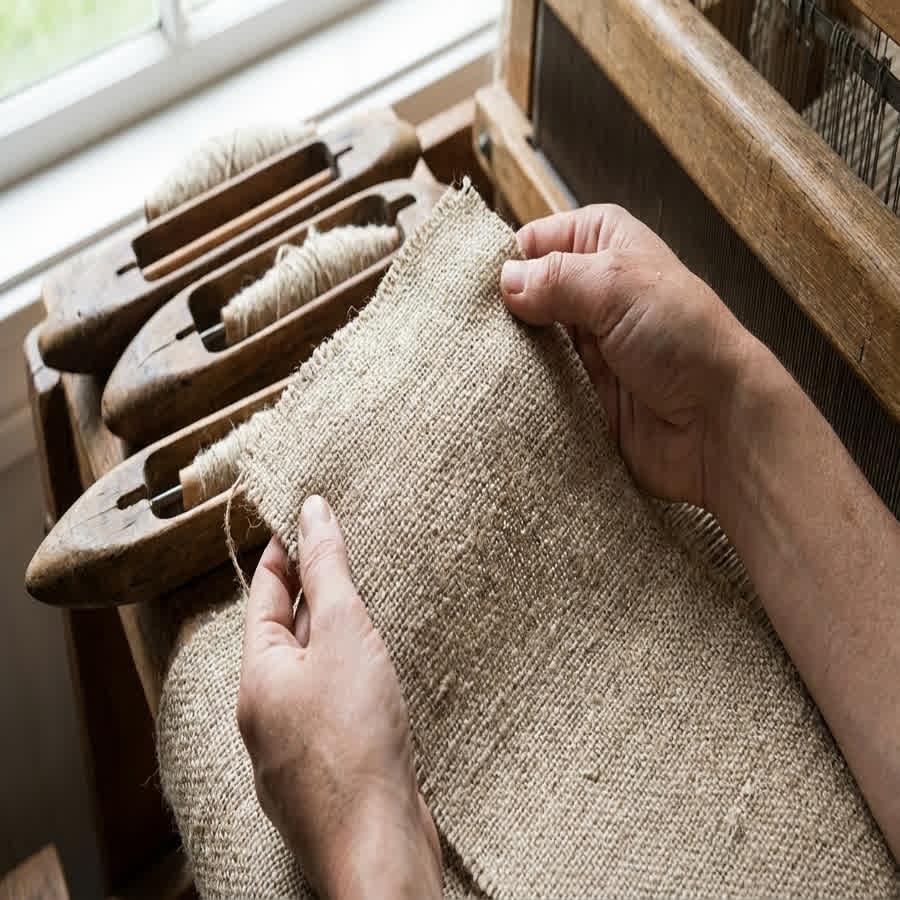
To successfully buy hemp fabric for clothing, brands must evaluate weave density, select the appropriate GSM for their specific garment, and verify the transparency of the artisan supply chain.
Evaluating Weave and GSM
When sourcing materials, B2B buyers must look beyond the basic fiber content and examine the structural integrity of the textile. Whether evaluating a standard plain weave or a complex jacquard fabric, a tight, uniform weave indicates skilled craftsmanship and ensures the garment will maintain its shape after washing. Designers must match the GSM specifications to their intended silhouette, ensuring the fabric provides the correct structural drape for the design.
Requesting physical swatches is essential to assess the dry, crisp hand-feel and verify the quality of the organic hemp cotton fabric. This tactile evaluation prevents costly production errors.
Verifying Supply Chain Transparency
Avoiding greenwashing requires partnering with reliable hemp textile manufacturers who offer complete traceability from farm to finished roll. Brands should seek out suppliers who operate a decentralized supply chain, directly supporting the rural artisans who cultivate and weave the fibers.
This approach not only guarantees a superior product but also provides a compelling narrative that resonates with eco-conscious consumers. To ensure ethical and high-quality sourcing, buyers should prioritize:
- Direct artisan partnerships: Confirms that the weavers receive fair compensation for their intricate handloom manufacturing.
- Traceable origins: Provides a clear, documented journey from the Himalayan farms to the finished hemp fabric cloth.
- Sustainable processing: Verifies the use of traditional dew retting rather than chemical extraction methods.
- Customization capabilities: Ensures the supplier can accommodate specific low-MOQ requirements and bespoke GSM requests.
Explore Our Collection
Anuprerna works directly with handloom artisan clusters to weave buy hemp fabric for designers and brands building considered collections. To source it for your next line, explore the range below.
frequently asked questions
Q: What is the ideal GSM for hemp fabric cloth used in summer apparel?
For summer apparel, a GSM of 120-160 is ideal. Lightweight sustainable hemp fabric or hemp cotton blends in this range offer excellent breathability and moisture-wicking properties without feeling stiff or heavy.
Q: How does organic hemp cotton fabric differ from 100% hemp textile?
100% hemp is highly durable but can be initially rigid, softening gradually over time. Blending it with organic cotton (often in a 55/45 or 60/40 ratio) immediately softens the hand-feel, improves the drape, and makes the textile easier to dye, making it highly versatile for everyday clothing.
Q: Are your hemp textile manufacturers using chemical or water retting?
Anuprerna advocates for sustainable, traditional dew retting or controlled water retting, strictly avoiding harsh chemical enzymes. This preserves the natural fiber's integrity, ensures a softer yarn for our handloom weavers, and aligns with our zero-toxic-discharge philosophy.
Q: Does natural fiber fabric like hemp shrink after the first wash?
Yes, natural fiber fabrics, including hemp, can experience 3-5% shrinkage. We highly recommend pre-washing or garment-washing the finished textile, especially for looser handloom weaves, to stabilize the dimensions before final retail production.
Q: Why should independent designers choose handloomed hemp over machine-milled options?
Independent designers should choose handloomed hemp because it offers a uniquely textured, premium drape and directly supports ethical, decentralized artisan supply chains. This traditional weaving method creates micro-gaps in the fabric for superior breathability, providing a distinct tactile quality that mass-produced industrial textiles cannot replicate.
More Blogs
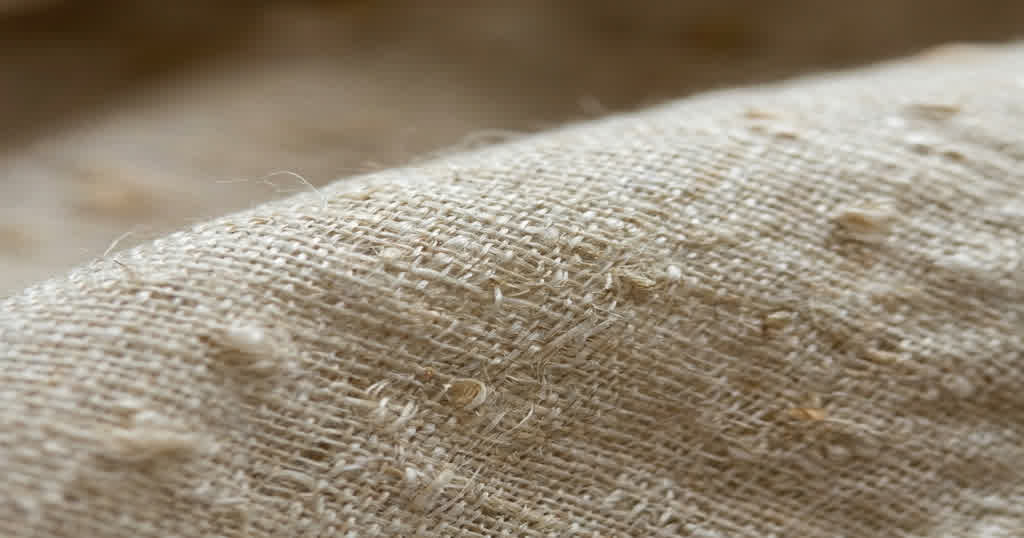
innovative banana fiber products: sustainable alternatives for brands
choosing the right silk fabric supplier for luxury fashion
khadi online shopping: how to choose the right fabric
choosing the right silk manufacturers in india: a buyer’s guide
why organic fabric suppliers are growing in india
jacquard fabric in modern fashion