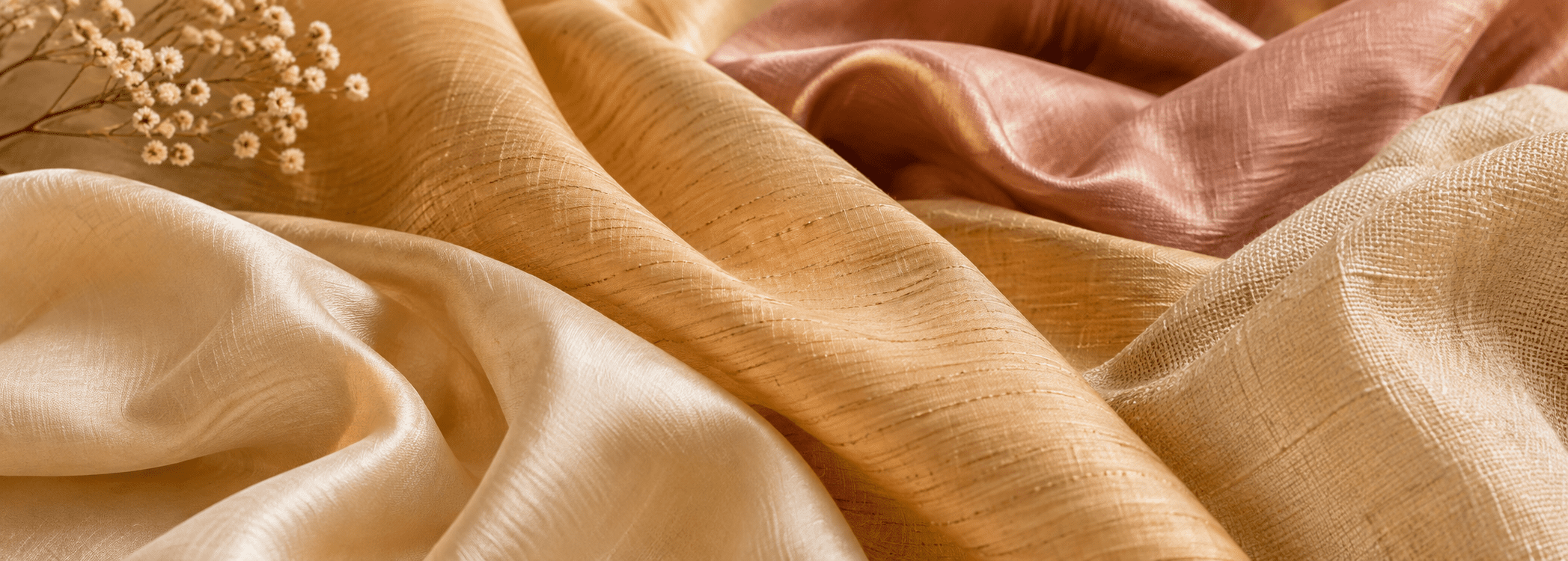
Lightweight Silk Fabric: A Guide to Types, Qualities & Indian Suppliers
Silk has long been valued for its natural lustre, smooth texture and elegant drape. Today, lightweight silk fabric is gaining attention among fashion designers, clothing brands and conscious consumers looking for textiles that combine comfort with sophistication. Its soft feel, fluid movement and natural character make it suitable for everything from everyday garments to occasion wear.
However, not all silk fabrics offer the same qualities. Different varieties, weaving techniques, yarn structures and finishing processes influence how a fabric feels, drapes and performs. Understanding these differences is essential when selecting the right silk for a garment or sourcing materials from reliable silk fabric suppliers.
India offers a diverse range of silk textiles, including Tussar, Mulberry, Eri, Muga and Matka silk. Each has distinctive characteristics, making it important to understand their qualities before choosing a fabric for your next collection.
What Is Lightweight Silk Fabric?
Lightweight silk fabric refers to silk textiles constructed with finer yarns, lighter fabric structures or less dense weaves. These fabrics generally have a soft hand feel, fluid drape and comfortable wearing quality.
Unlike heavier silk varieties designed for structured garments or elaborate occasion wear, lightweight silk is often preferred for flowing silhouettes, relaxed clothing and garments that require natural movement.
Silk is a natural protein fibre obtained from silkworm cocoons. Its natural composition gives it a smooth surface, subtle sheen and distinctive tactile quality.
Some important characteristics of lightweight silk include:
- Soft texture: Fine silk yarns create a smooth and comfortable surface.
- Fluid drape: Lightweight constructions fall naturally around the body.
- Natural lustre: Silk offers a gentle sheen that enhances the appearance of garments.
- Comfort: Depending on the weave and construction, silk can provide a comfortable wearing experience.
- Versatility: It can be used for dresses, shirts, scarves, blouses and other apparel.
When choosing a lightweight silk fabric, it is important to look beyond appearance. Fibre composition, yarn quality, weave density and finishing all influence the final textile.
Different Types of Silk Fabric Available in India
India has a rich textile heritage, with different silk varieties produced through traditional and contemporary processes. Understanding the types of silk fabric helps designers and buyers select materials that suit their intended garment, design and end use.
Here are five notable silk varieties worth exploring
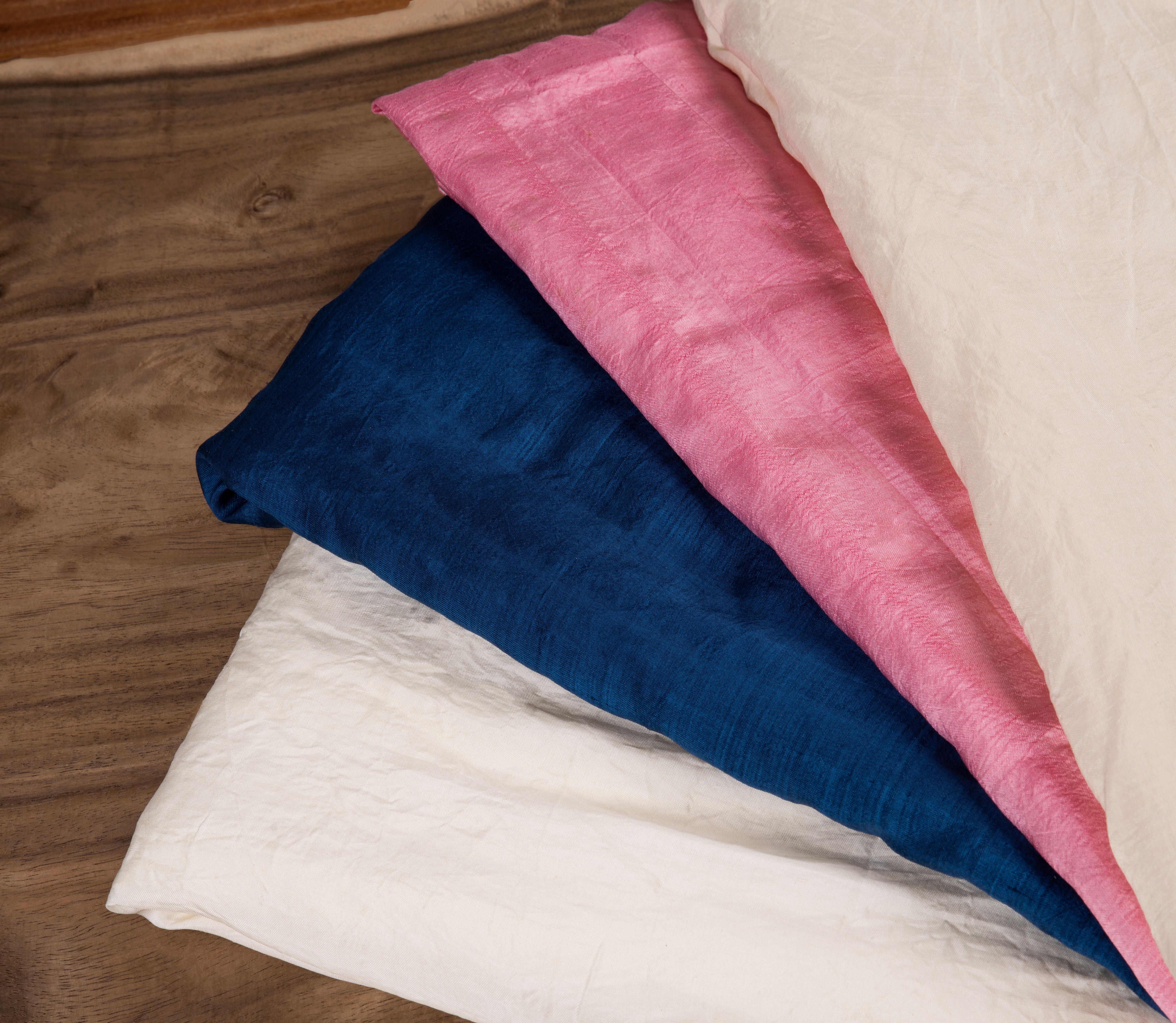
Mulberry Silk
Mulberry silk is one of the most widely recognised varieties of natural silk. It is produced by silkworms primarily fed on mulberry leaves.
Its smooth surface, relatively uniform filaments and natural sheen make it a popular choice for refined apparel.
Key qualities:
- Smooth and soft texture.
- Consistent appearance and natural lustre.
- Available in different fabric weights and weave constructions.
- Suitable for shirts, dresses, blouses and elegant occasion wear.
Mulberry silk is particularly suitable for garments where a refined finish and smooth drape are important.
Tussar Silk
Tussar silk, also known as wild silk, is appreciated for its distinctive texture and naturally rich appearance.
Unlike the smoother surface of Mulberry silk, Tussar often features a characteristic slub texture and an earthy golden or natural tone. These variations give the fabric an organic visual appeal.
Key qualities:
- Naturally textured surface.
- Subtle, understated lustre.
- Distinctive slub character.
- Suitable for dresses, shirts, jackets and contemporary ethnic wear.
Tussar silk is an interesting choice for designers who prefer fabrics with visible texture and individual character rather than a completely uniform finish.
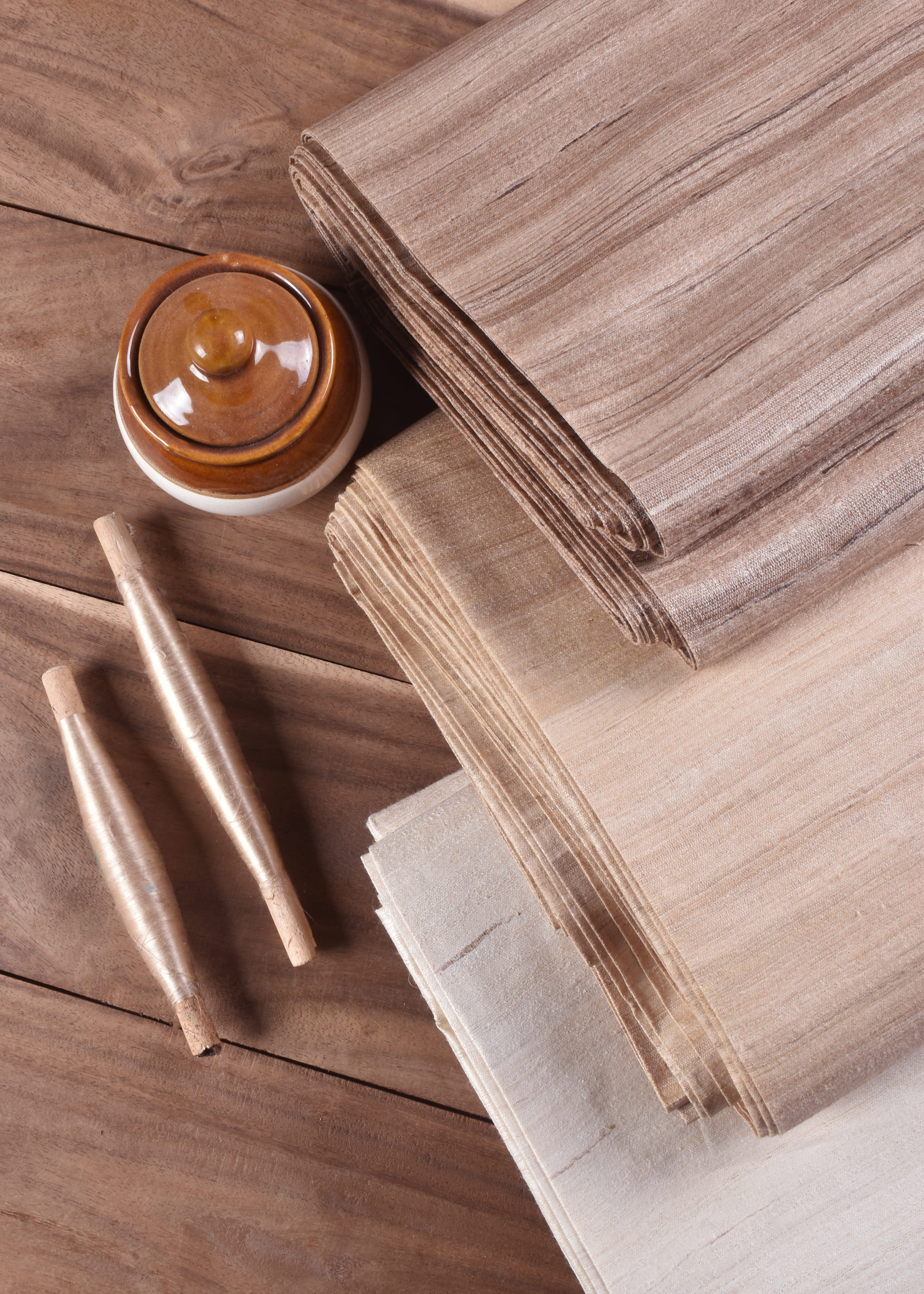
Eri Silk
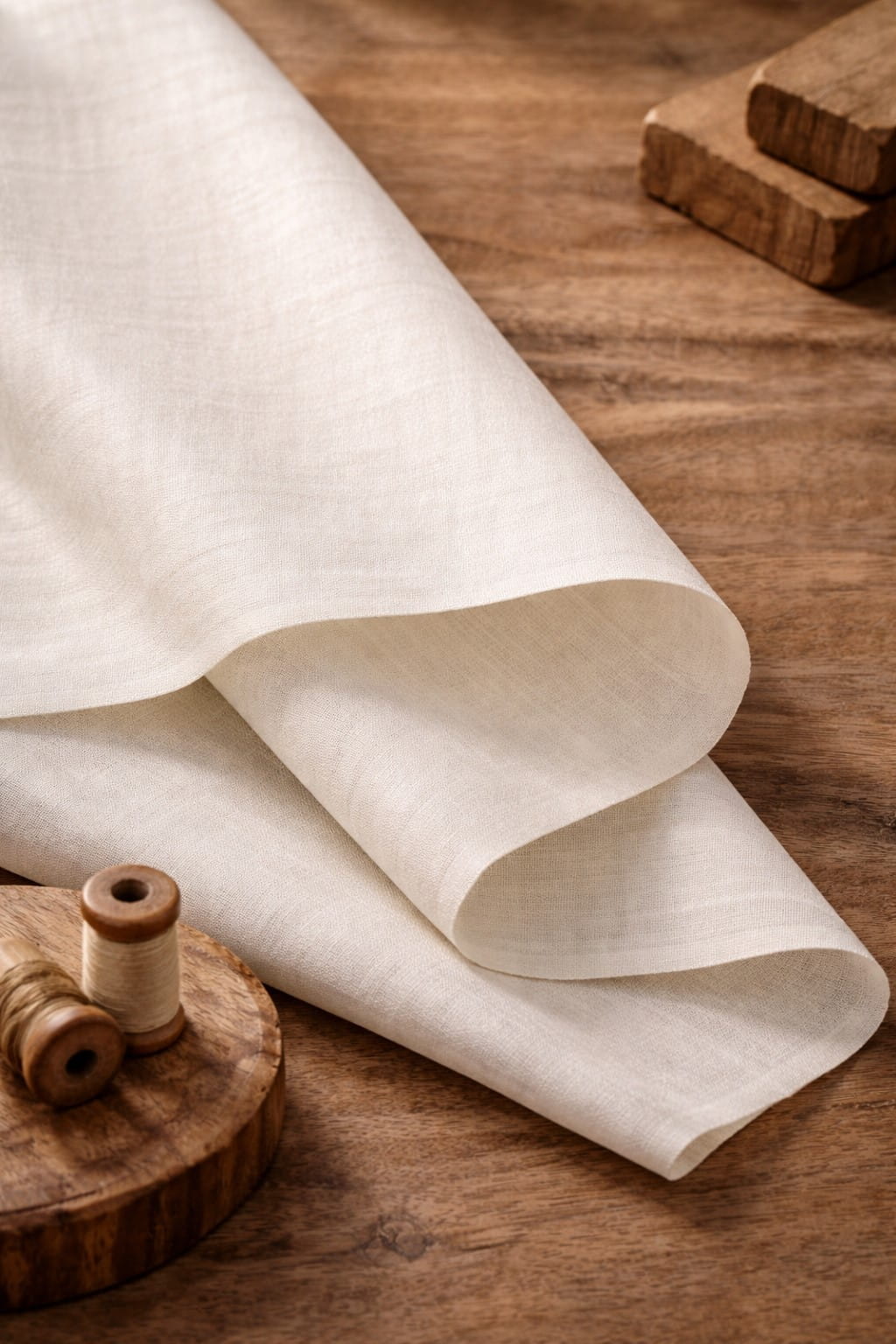
Eri silk is another distinctive Indian silk variety, traditionally associated with regions of Northeast India.
It is known for its soft, slightly textured appearance and relatively matte finish. Often called Peace Silk, Eri is associated with non-violent silk production practices, although sourcing and processing methods should always be verified with the supplier.
Key qualities:
- Soft and textured hand feel.
- Naturally understated appearance.
- Relatively matte surface.
- Suitable for relaxed apparel, scarves and contemporary garments.
Its distinctive character makes Eri an appealing option for designers exploring natural silk fabric with a more understated aesthetic.
Muga Silk
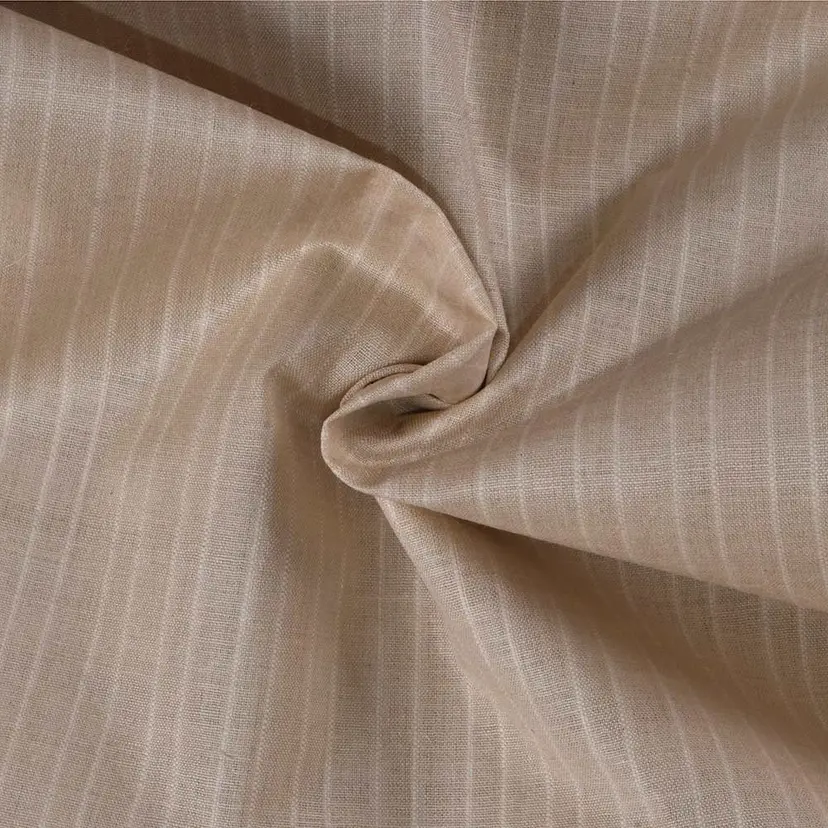
Muga silk is a rare and distinctive silk traditionally associated with Assam. It is especially recognised for its natural golden colour and characteristic sheen.
Unlike many lightweight silk options, Muga is often valued for its richness and durability. Its suitability for lightweight apparel depends on the particular fabric construction.
Key qualities:
- Natural golden appearance.
- Distinctive lustre.
- Strong and durable silk filaments.
- Used in traditional garments and premium occasion wear.
Matka Silk
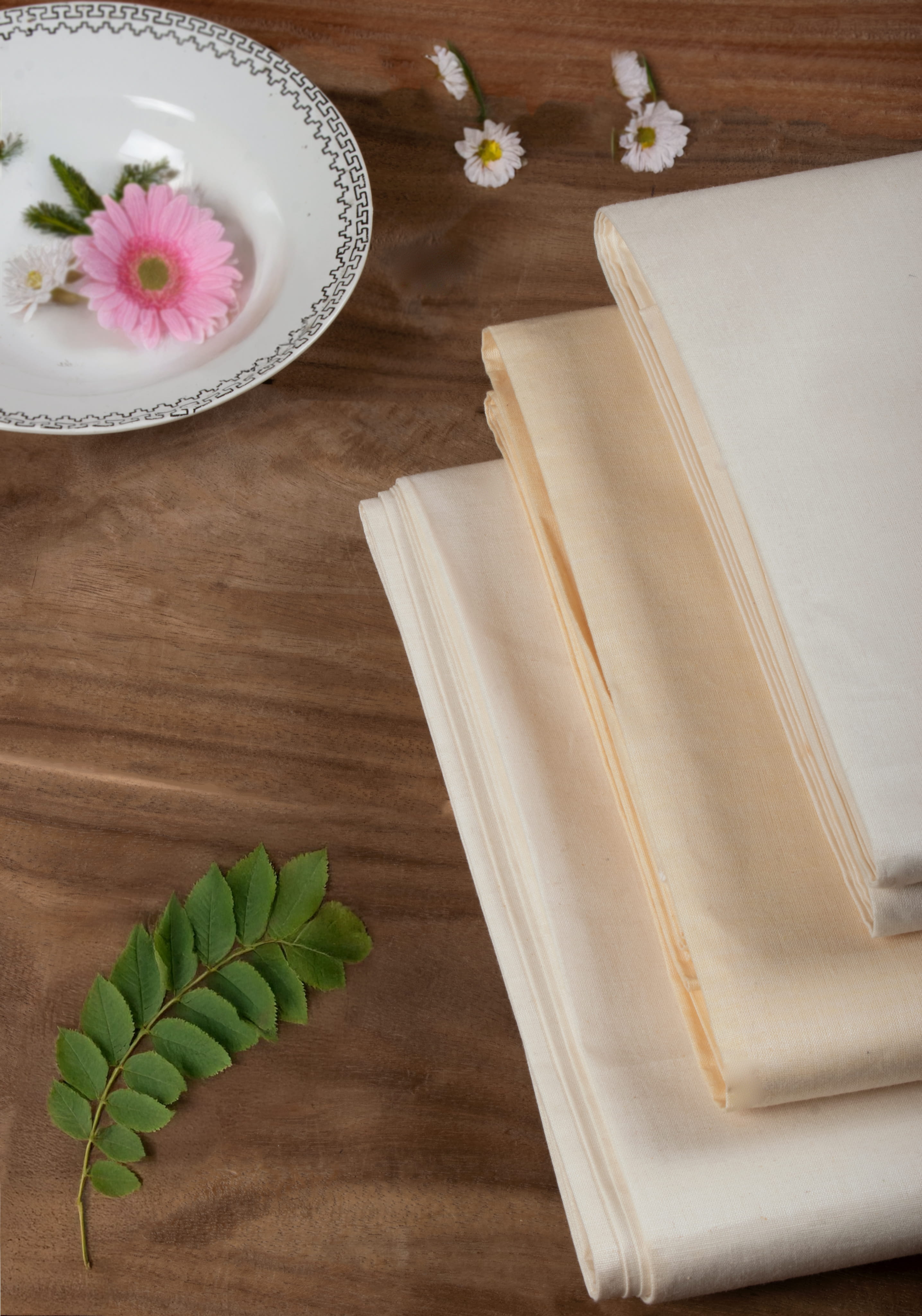
Matka silk is made using spun silk yarns, which give the fabric a slightly irregular, textured appearance.
Its natural surface character makes it different from the smoother varieties of silk. Depending on the yarn and weave, Matka silk can range from relatively lightweight to more substantial constructions.
Key qualities:
- Textured surface with natural irregularities.
- Subtle, understated finish.
- Distinctive yarn character.
- Suitable for dresses, jackets, shirts and structured silhouettes.
Matka silk works particularly well when a garment needs texture without relying on elaborate surface embellishment.
Explore Silk Fabric with the Right Supplier
Choosing lightweight silk fabric involves understanding more than its appearance. Fibre composition, yarn quality, weave construction and finishing all contribute to how a fabric feels and performs.
Whether you are developing a collection of flowing dresses, contemporary shirts or occasion wear, exploring different silk varieties can help you find textiles that align with your design vision.
Working with experienced silk fabric suppliers also makes it easier to evaluate material options, request samples and plan production with greater confidence.
At Anuprerna, we bring together distinctive natural textiles and traditional craftsmanship for designers, fashion brands and conscious businesses looking for thoughtfully developed fabrics.
Explore our [silk fabric collection] and discover textile options for your next collection. You can also [request fabric swatches] to experience the texture and character before making your selection.
frequently asked questions
Which silk fabric is best for lightweight clothing?
Mulberry, lightweight Tussar and certain Eri silk constructions can be suitable for lightweight clothing. The ideal choice depends on the fabric's weave, yarn thickness and intended garment.
Is silk a breathable fabric?
Silk is a natural protein fibre with moisture-absorption properties. Its breathability and wearing comfort depend on the fabric's weight, weave density, yarn structure and finishing.
How can I identify pure silk fabric?
Check the fibre composition, request supplier documentation and examine the fabric's construction. For more reliable verification, consider appropriate textile testing rather than relying only on appearance or traditional home tests.
Are handwoven silk fabrics suitable for contemporary fashion?
Yes. Handwoven silk fabrics can be used for contemporary dresses, shirts, tunics, jackets and occasion wear. Their natural textures and distinctive weave structures offer designers opportunities to create individual collections.
More Blogs
bamboo linen fabric: comfort meets sustainability
how to choose the right khadi fabric weight for different outfits
buy hemp fabric for clothing: from fiber to finished textile
innovative banana fiber products: sustainable alternatives for brands
choosing the right silk fabric supplier for luxury fashion
khadi online shopping: how to choose the right fabric