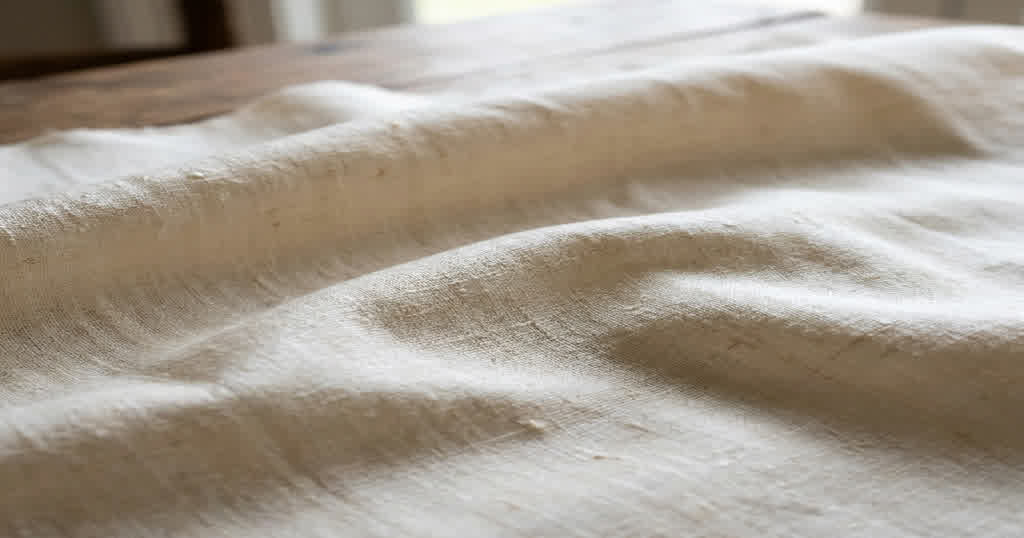
Choosing the Right Silk Fabric Supplier for Luxury Fashion

The search for reliable silk fabric suppliers often begins when a designer realizes that conventional, mass-produced synthetics no longer meet the expectations of a conscious consumer base. Sourcing teams face the immediate challenge of finding textiles that offer a dry, crisp hand-feel alongside verifiable environmental credentials. The decision to transition away from factory-farmed materials requires a deep understanding of fiber extraction, regional weaving techniques, and the structural integrity of the yarn itself. Selecting the correct partner dictates whether a collection achieves a premium drape or falls flat under the weight of inconsistent quality.
As the market pivots toward traceable, sustainable silk, understanding the mechanics of decentralized artisan supply chains becomes essential for securing authentic materials. This shift places a premium on low-carbon, intergenerational craft techniques that preserve the structural and aesthetic nuances of natural fibers.
Beyond Momme Weight: Evaluating the True Metrics of Luxury Silk
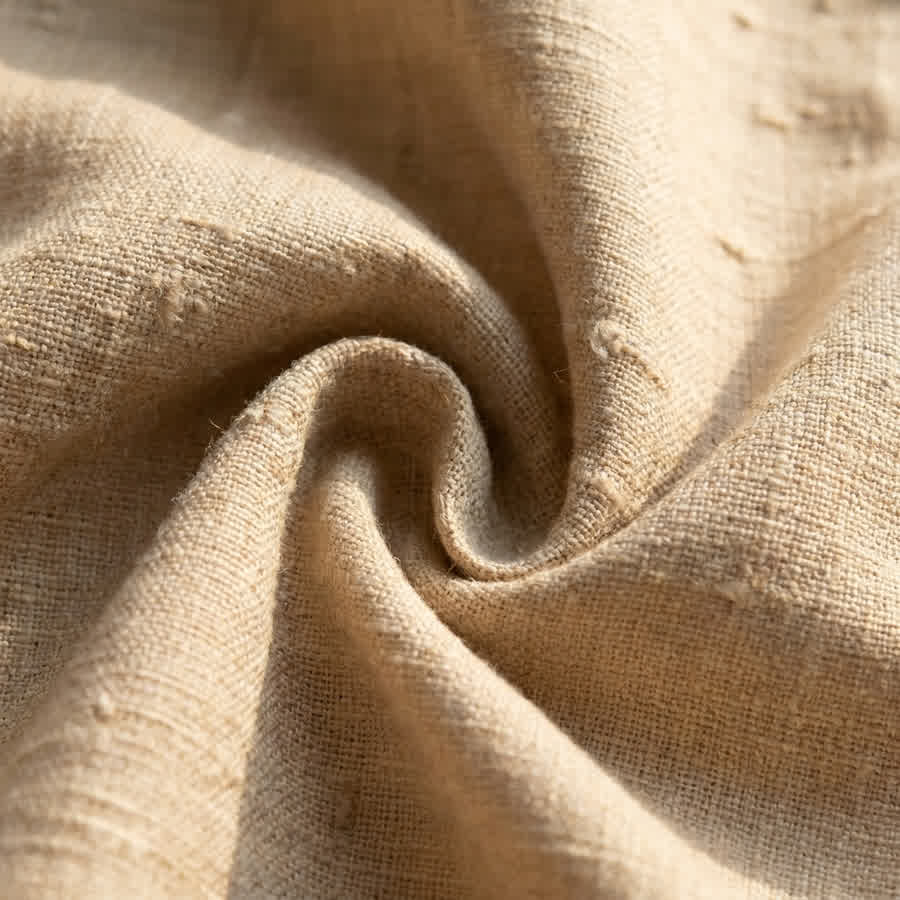
Evaluating luxury silk requires looking past standard momme weight to assess the specific GSM variations, weave structure, and tactile drape of the textile. While conventional industrial sourcing relies on uniform momme counts, high-end clothing demands the distinct textural profiles found in handwoven silk fabric.
The material science behind natural silk reveals a fiber composed of two primary proteins: fibroin, the structural center, and sericin, the natural gum coating. At a microscopic level, silk exhibits a high tensile strength that is comparable to steel wire of the exact same diameter. This structural integrity allows weavers to create textiles that are durable yet lightweight, offering excellent thermal regulation for the wearer.
Auditing Decentralized Artisan Networks
Establishing traceability requires a direct line of sight from the cocoon to the finished yardage. B2B buyers need absolute certainty regarding the ethical labor practices employed throughout the production cycle. Working with a decentralized artisan supply chain allows sourcing managers to verify that weavers set their own hours and work within their own communities.
To ensure strict ESG compliance, buyers should evaluate several key operational metrics:
- Fair wage distribution: Confirming that artisans receive direct, equitable payment for their specific weaving output.
- Cluster-level transparency: Identifying the exact villages and communities responsible for spinning and weaving the hand woven silk fabric.
- Chemical management: Verifying the use of AZO-free or natural dyes during the yarn preparation phase to prevent local water contamination.
Manage Silk Fabric Wholesale: Scaling Artisan Production for Luxury Brands
Scaling artisan production for silk fabric wholesale requires coordinating multiple rural weaving clusters through centralized yarn dyeing and strict quality control protocols. By distributing the weaving process across hundreds of skilled artisans, decentralized networks can meet B2B volume requirements without compromising the integrity of the craft.
Sourcing managers often worry that handloom production cannot meet the strict deadlines and volume demands of luxury fashion. However, a well-managed decentralized artisan supply chain scales horizontally, activating multiple looms simultaneously across different villages. This structural approach ensures that large meterage can be produced efficiently while maintaining the unique characteristics of the textile.
Centralized Dyeing and Lead Time Logistics
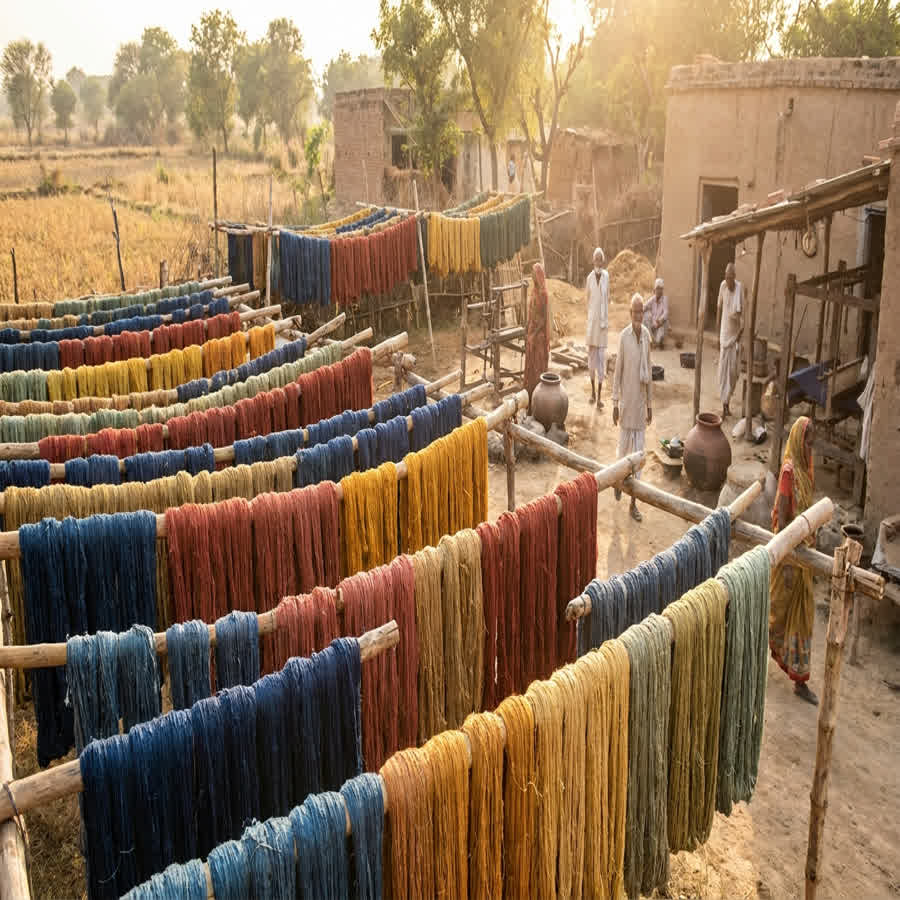
Color consistency is a primary concern when dealing with natural fibers and manual weaving techniques. To mitigate color discrepancies, the yarn is dyed in a centralized facility using precise, AZO-free formulations before being distributed to the individual weavers. This ensures that the entire silk fabric wholesale order maintains a uniform base hue.
Lead times in artisan production are naturally longer than factory manufacturing, requiring buyers to adjust their sourcing calendars. Designers must account for the time required to hand-spin the yarn, dye the batches, and manually weave the yardage. Partnering with experienced silk fabric suppliers ensures transparent communication regarding these timelines, allowing brands to plan their seasonal drops with confidence.
The Traceability Imperative: Vetting Silk Fabric Suppliers for ESG Compliance
Vetting silk fabric suppliers for ESG compliance means auditing their supply chain for transparent labor practices, low-carbon production methods, and verifiable origin data. A decentralized artisan network provides this transparency by connecting brands directly to the rural weaving clusters where the fiber is cultivated and spun.
The history of India's sericulture and handloom heritage is deeply rooted in specific geographic regions. The weaving clusters of Bengal, specifically the districts of Murshidabad and Malda, alongside the historic looms of Bhagalpur in Bihar, have cultivated indigenous silks for centuries. These decentralized artisan networks preserve intergenerational craft techniques that operate entirely outside the conventional factory model.
Measuring the Carbon Footprint of Handloom Weaving
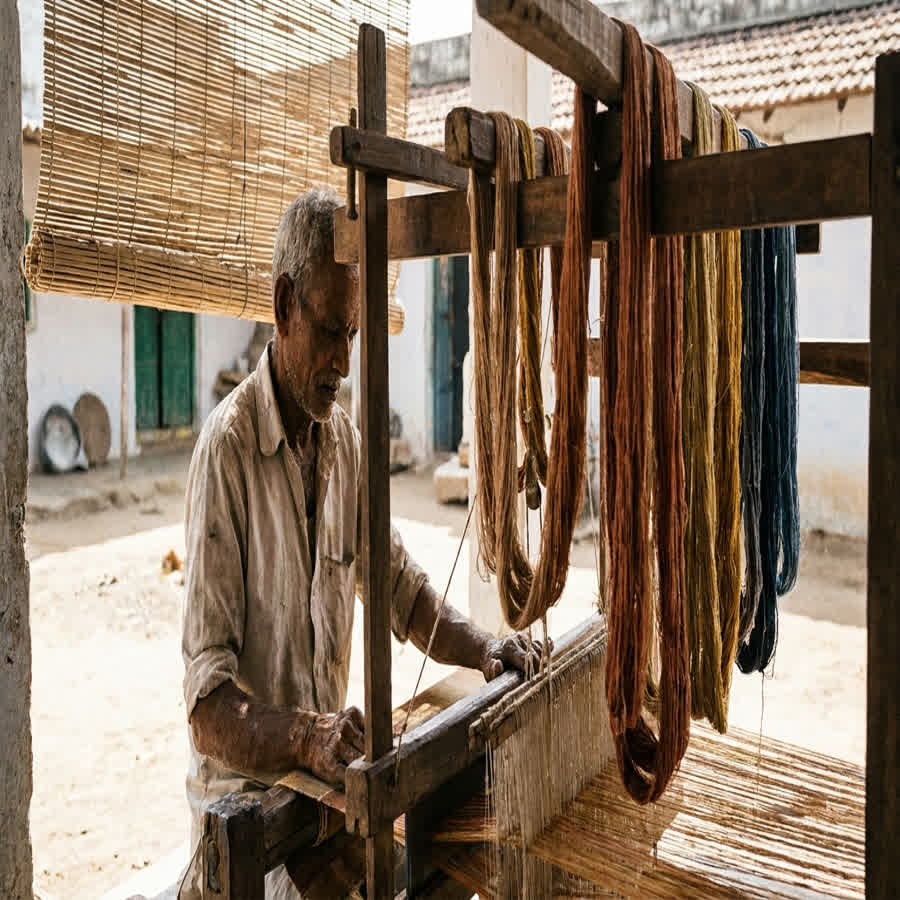
The environmental impact of textile production is a primary concern for conscious luxury brands. Handloom weaving is inherently a low-carbon process, relying on human kinetic energy rather than fossil-fuel-powered industrial machinery. This manual production method drastically reduces the overall emissions associated with manufacturing sustainable silk.
The decentralized model eliminates the need for massive, energy-intensive factory infrastructure. The yarn is processed and woven in rural settings, utilizing natural sunlight and ambient air drying. This approach provides silk fabric suppliers with a compelling, data-backed environmental narrative that designers can confidently pass on to their consumers.
Textural Profiles of Tussar and Matka
Tussar silk is a wild variety harvested from forests, where the silkworms feed on Arjun and Asan leaves rather than cultivated mulberry. The fibers are thicker and flatter than standard mulberry, which allows the handwoven silk fabric to hold structured silhouettes effectively. This makes Tussar an excellent choice for transitional outerwear and tailored separates.
Matka silk is created using the waste fibers from the standard silk reeling process. The thick, uneven yarns are hand-spun and woven into a dense, heavy fabric that mimics the drape of fine linen or tweed. By utilizing these specific Indian silk fabric varieties, designers can build collections that highlight the imperfect, bespoke nature of authentic artisan craftsmanship.
The Role of GSM in Garment Construction
Understanding the weight of the textile is critical when selecting silk fabric for clothing. In handloomed varieties, the weight is measured in Grams per Square Meter (GSM) rather than momme, providing a more accurate reflection of the fabric's density. The GSM ranges dictate the final application of the material on the cutting table.
Designers must match the specific GSM to their garment construction needs:
- 30 to 50 GSM: Ideal for sheer organza, offering a crisp, translucent finish for overlays and delicate shirting.
- 60 to 80 GSM: Suited for fluid blouses and bias-cut dresses requiring a soft, continuous drape.
- 80 to 120+ GSM: Necessary for heavy Matka or raw silk, providing the structural weight needed for tailored jackets and trousers.
Tensile Strength and Material Science
The inherent strength of the fiber determines how the fabric behaves under tension during both production and daily wear. Continuous filament silk provides a smooth, uniform surface that resists tearing, making it highly suitable for high-tension seams. When sourcing from specialized silk fabric suppliers, buyers must evaluate how the yarn was spun and prepared before weaving.
Hand-spun yarns introduce micro-variations that alter the tension across the warp and weft. These variations create a distinct slub texture that cannot be replicated by industrial machinery. This specific material profile justifies premium pricing, as it offers a tactile experience unique to sustainable silk production.
The Mechanics of Ahimsa Silk Extraction
Ahimsa, often referred to as peace silk, represents a fundamental shift in sericulture practices. Instead of boiling the cocoon intact, this method utilizes spun short-staple fibers collected only after the moth has naturally pierced the casing and emerged. This extraction process fundamentally alters the filament integrity of the resulting yarn.
The resulting textile boasts several unique physical properties:
- High breathability: The spun short-staple fibers create microscopic air pockets within the yarn, enhancing thermal regulation.
- Zero-waste credentials: The process utilizes damaged cocoons that conventional silk fabric suppliers would typically discard.
- Matte finish: The broken filaments absorb light differently, resulting in a muted, sophisticated aesthetic ideal for modern luxury.
Decoding Indian Silk Fabric: Tussar, Matka, and Ahimsa for Conscious Collections
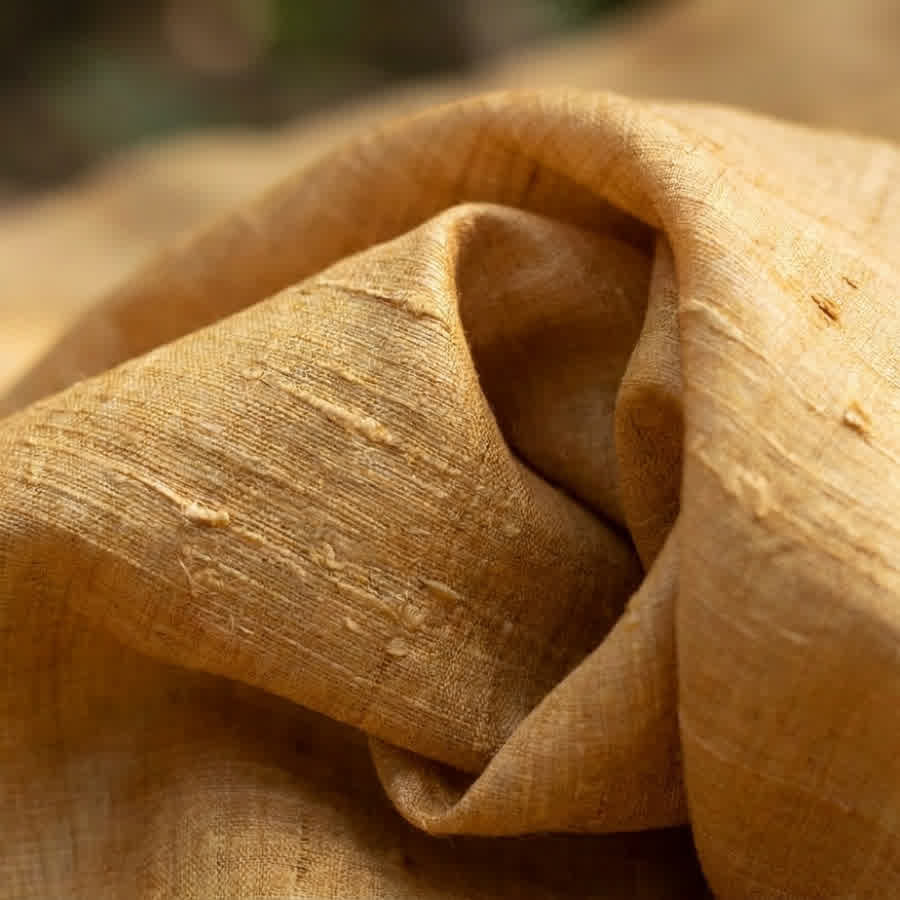
Indian silk fabric varieties like Tussar, Matka, and Ahimsa offer distinct aesthetic benefits through their unique extraction methods and natural slub textures. These indigenous fibers provide designers with highly breathable, zero-waste alternatives to conventional continuous-filament mulberry silk.
The shift away from mass-produced synthetic blends requires a deep understanding of specific silk cloth information. Each indigenous variety possesses a distinct material science profile based on the diet of the silkworm and the method of yarn extraction. These variations result in textiles that offer a dry, textured hand-feel rather than a high-gloss finish.
frequently asked questions
What is the difference in tensile strength between machine-reeled and hand-spun sustainable silk?
Machine-reeled continuous filament silk offers higher uniform tensile strength, ideal for sheer, high-tension garments. Hand-spun silk (like Matka or Eri) uses shorter, broken fibers from pierced cocoons. This results in a slightly lower tensile strength but offers superior breathability, a distinct slub texture, and zero-waste (Ahimsa) credentials highly prized in luxury fashion.
How do we ensure color consistency when sourcing handwoven silk fabric wholesale?
Color consistency in decentralized handloom weaving is managed through centralized yarn dyeing using AZO-free or natural dyes before the yarn is distributed to weavers. This is coupled with strict master-weaver quality control at the cluster level. However, luxury brands often celebrate the micro-variations (abrash) as a hallmark of authentic hand-woven silk fabric.
What GSM range is optimal for silk fabric for clothing in structured luxury garments?
For structured luxury garments such as tailored jackets or trousers, a GSM of 80 to 120+ is optimal. Indian silk fabric varieties like heavy Matka or Tussar provide this necessary weight and structural integrity, unlike lighter 30-50 GSM Mulberry silks which are better suited for fluid, bias-cut draping.
How does a decentralized artisan supply chain handle large B2B silk fabric wholesale orders?
Decentralized chains scale horizontally rather than vertically. Instead of one factory producing 10,000 meters, a network of 500 skilled rural weavers produces 20 meters each simultaneously. This requires strong cluster management, standardized loom setups, and digital tracking to ensure uniform quality and timely delivery for B2B buyers.
Why is handwoven silk fabric preferred over machine-loomed alternatives for sustainable luxury?
Handwoven silk fabric is preferred because it offers a distinct, bespoke texture and a significantly lower carbon footprint than machine-loomed textiles. The manual weaving process preserves the natural irregularities of the spun yarn, providing luxury designers with a unique tactile profile while directly supporting rural artisan economies.
More Blogs
khadi online shopping: how to choose the right fabric
choosing the right silk manufacturers in india: a buyer’s guide
why organic fabric suppliers are growing in india
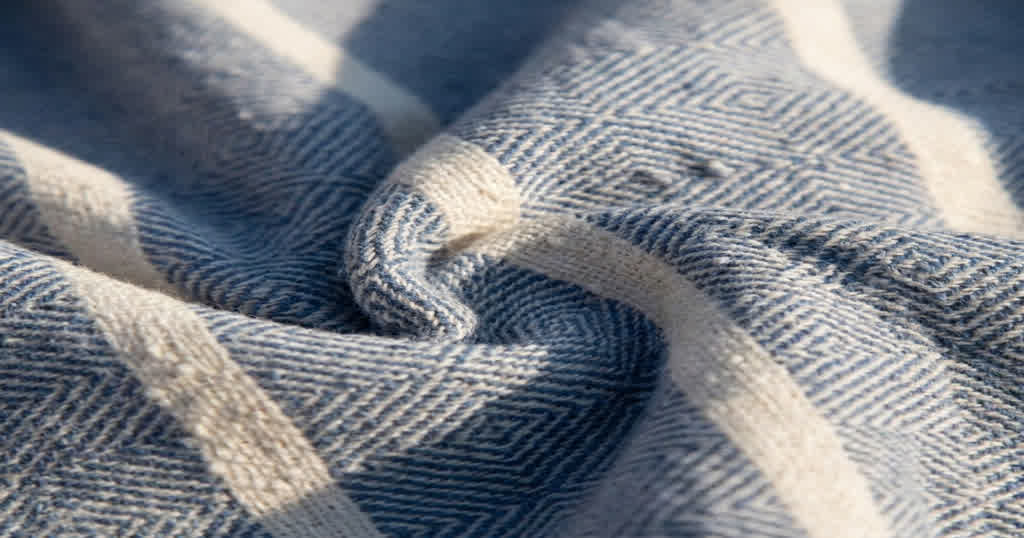
jacquard fabric in modern fashion
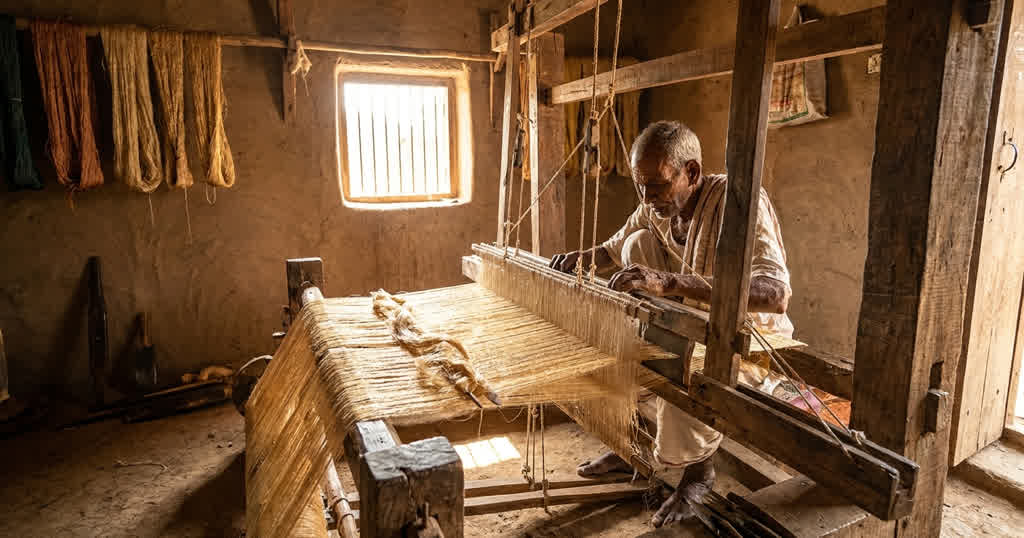
how silk manufacturers preserve traditional craftsmanship
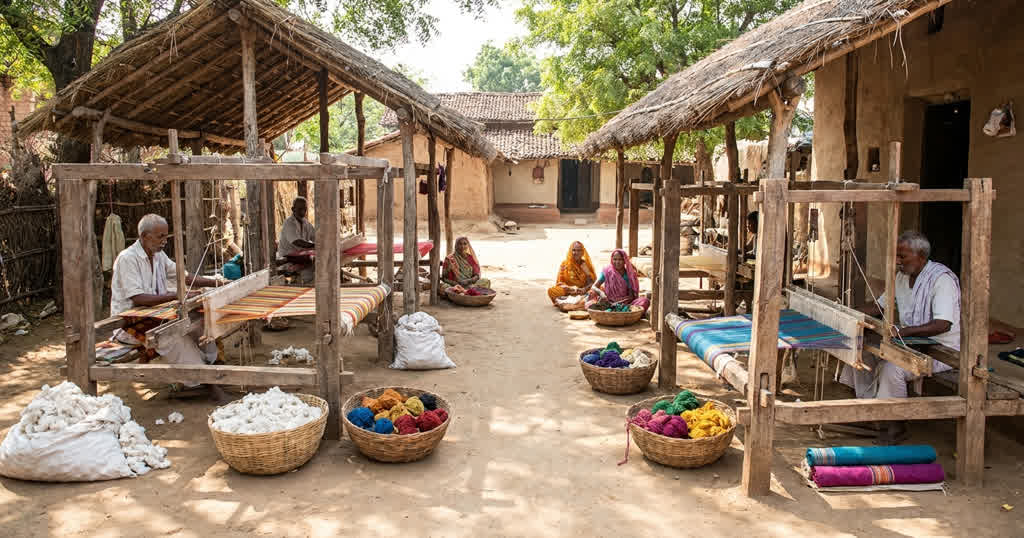
indian fabric wholesale: a guide to sourcing handwoven textiles