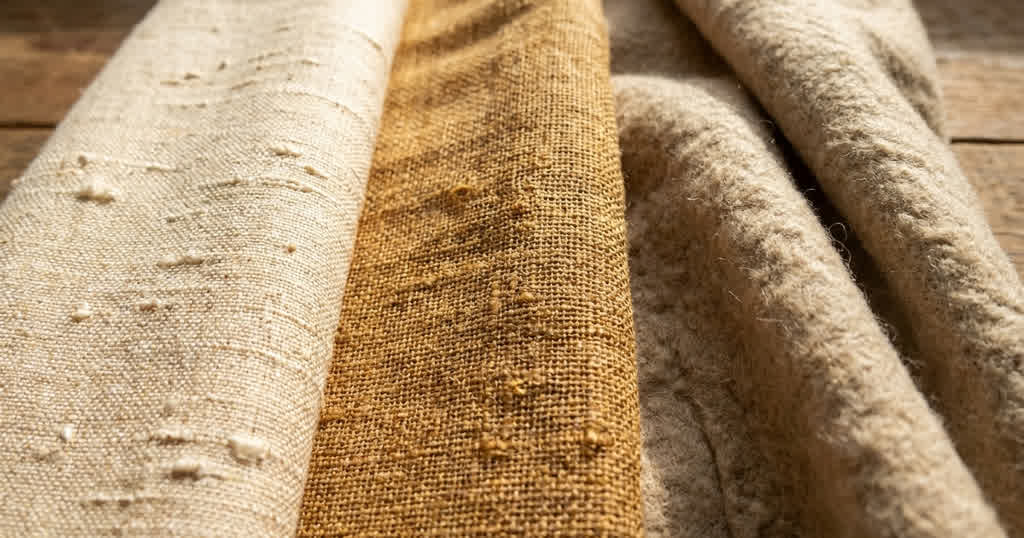
Raw Silk vs Tussar Silk vs Eri Silk: Key Differences & Characteristics

Selecting the right foundation for a sustainable collection often comes down to the specific tactile and structural properties of the textile. A designer evaluating raw silk against wilder regional varieties is making a technical decision that dictates garment longevity, drape, and the final retail narrative. India holds a unique position as the only region producing all commercially known varieties of silk, offering a spectrum of textures from crisp and structured to soft and isothermal. The shift away from synthetic blends requires an understanding of how natural fibers behave on the cutting table and in the dye bath.
Choosing between domesticated mulberry varieties and the indigenous Vanya (wild) silks of Eastern and Northeastern India impacts everything from dye uptake to zero-waste credentials. Understanding the distinct material science behind these fibers ensures accurate sourcing and a verifiable sustainability story.
Decoding Raw Silk: The Role of Sericin in Texture and Durability
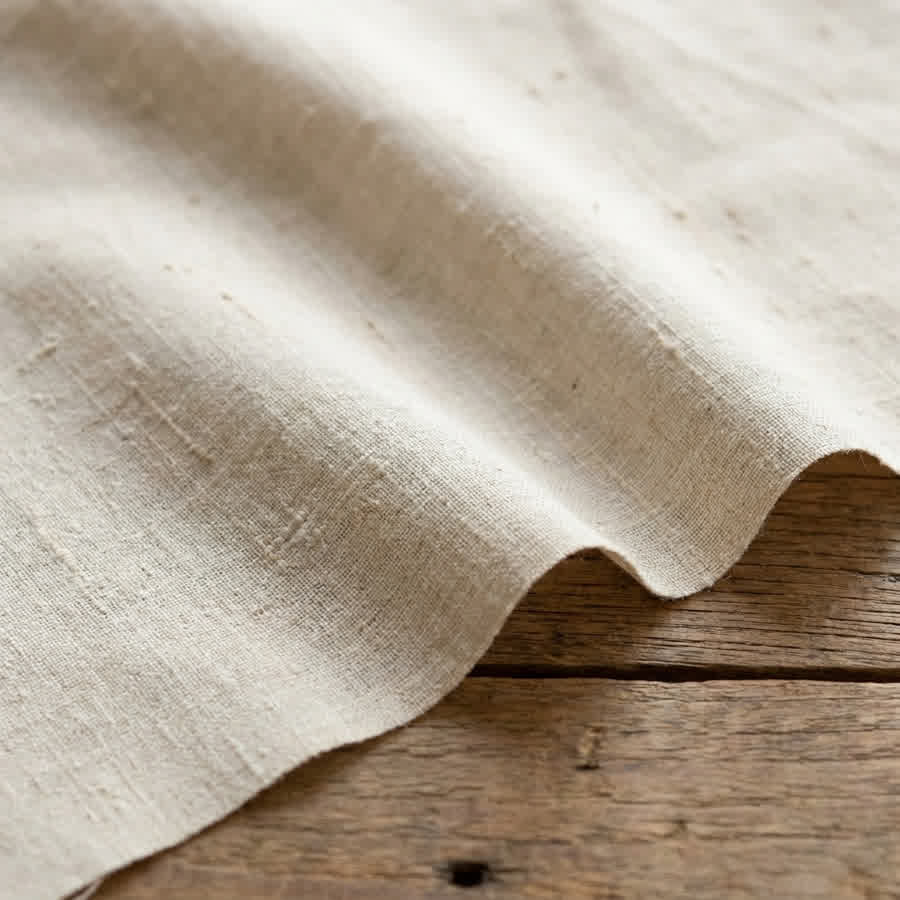
Raw silk retains its natural sericin gum, resulting in a crisp, structured fabric with a GSM of 60 to 120 that offers high tensile strength for tailored garments. Unlike fully degummed silks that fall into a fluid drape, this material holds its shape and resists collapsing. The presence of the natural gum gives the textile a distinct, slightly nubby surface that catches the light uniquely. This makes it an ideal choice for designers seeking architectural volume in their collections.
The Science of Sericin Retention
During conventional silk processing, the natural sericin is boiled away to create a smooth, shiny yarn. By skipping or minimizing this degumming step, the resulting yarn maintains a dry, crisp hand-feel. This retained protein coating acts as a protective layer around the fibroin core. It significantly increases the abrasion resistance of the final woven yardage, extending the lifespan of the garment.
The structural benefits of this process translate directly to garment performance on the cutting table. Designers rely on these specific properties when constructing pieces that require rigid forms and sharp lines. The key technical advantages include:
- Enhanced tensile strength due to the protective gum layer encasing the fiber.
- Distinctive nubby texture that adds visual depth to the surface of the fabric.
- Crisp drape that supports sharp pleating and complex tailoring techniques.
- Lower processing impact by eliminating the need for harsh degumming chemicals.
Structural Integrity for Tailored Garments
The inherent stiffness of this textile makes it highly predictable during the manufacturing process. Sourcing teams often specify this material for structured jackets, tailored trousers, and voluminous bridal wear. The fabric weight sits comfortably in the mid-range, providing enough substance without adding excessive bulk to the silhouette. This balance allows for precise seam construction and excellent shape retention over time.
When working with silk manufacturers, specifying the exact level of gum retention is a critical step. A partially degummed batch will behave very differently from a completely raw batch, altering the final fit of the garment. Clear communication regarding the desired drape characteristics ensures the final yardage meets the exact technical requirements of the pattern.
Tussar Silk: The Wild 'Vanya' Silk and Its Unique Dye Affinity
Tussar silk is a wild fiber characterized by short, flat filaments and a natural gold hue, offering high breathability and exceptional affinity for deep, complex natural dyes. Because the caterpillars forage on local oak and asan trees in the forests of Bengal and Jharkhand, the resulting fiber absorbs tannins directly from their diet. This creates a rich base color that ranges from pale honey to deep copper, depending on the specific harvest. The fabric typically falls within a GSM of 70 to 140, providing a substantial yet highly porous structure.
The Heritage of Vanya Silk
This textile belongs to the ancient Vanya (wild) silk tradition of India, deeply rooted in regional history. The indigenous tribal communities of Eastern India have harvested these forest cocoons for generations using traditional methods. Unlike domesticated mulberry varieties, these wild caterpillars are not reared indoors in controlled environments. This decentralized, forest-based cultivation supports biodiversity conservation and provides crucial rural livelihoods.
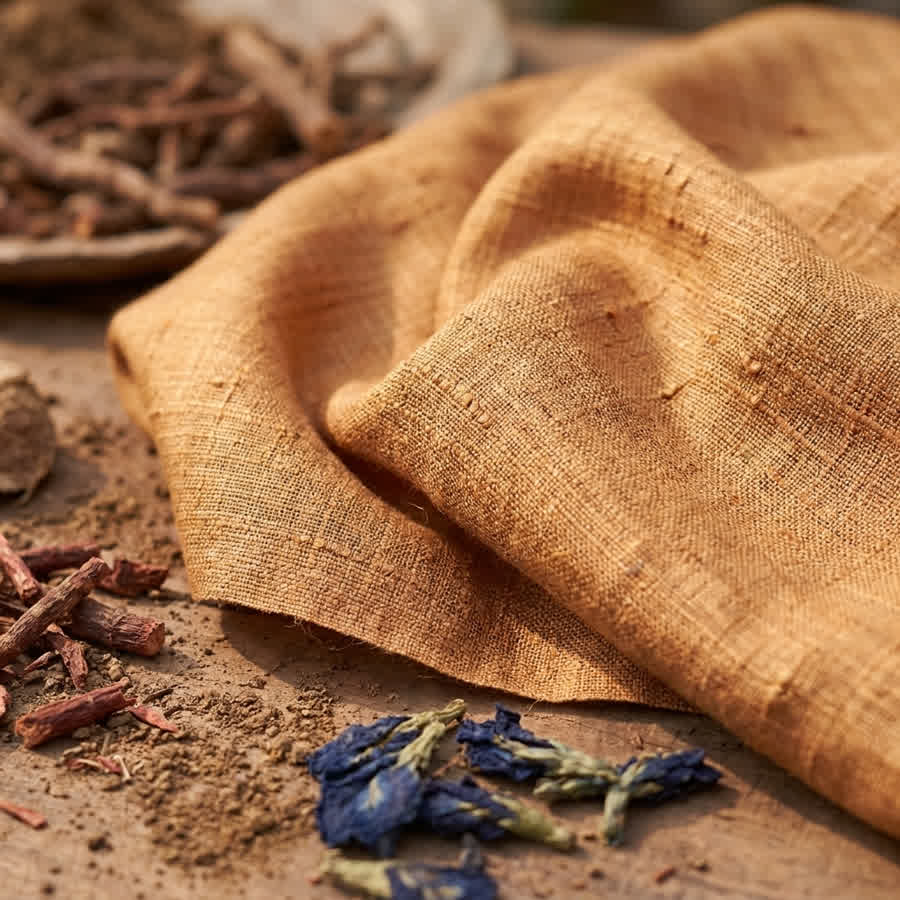
The physical structure of the yarn differs significantly from conventional continuous filaments found in standard commercial fabrics. The fibers are naturally shorter and flatter, which fundamentally changes how light reflects off the woven surface. This unique morphology provides several distinct advantages for apparel design:
- High breathability due to the porous nature of the flat fiber structure.
- Textured, matte finish that diffuses light rather than reflecting it sharply.
- Natural thermal regulation, keeping the wearer cool in warm and humid climates.
- Rich base tones that eliminate the need for harsh chemical bleaching processes.
Dyeing Short and Flat Fibers
The natural pigmentation of this material changes how it interacts with commercial and natural dye baths. When silk fabric suppliers apply natural dyes like madder or indigo, the underlying gold tone alters the final shade. This makes it impossible to achieve stark, bright pastels on this specific fiber. Instead, designers use this textile to achieve deep, earthy hues with complex, layered undertones.
The porous structure of the flat filaments allows for excellent dye penetration during the coloring process. Colors bind securely to the fiber core, resulting in strong colorfastness when processed correctly by skilled artisans. For a B2B fashion brand, this means the ability to offer rich, saturated seasonal palettes that synthetic alternatives simply cannot replicate.
Eri Silk: The Isothermal 'Peace Silk' Revolutionizing Sustainable Fashion
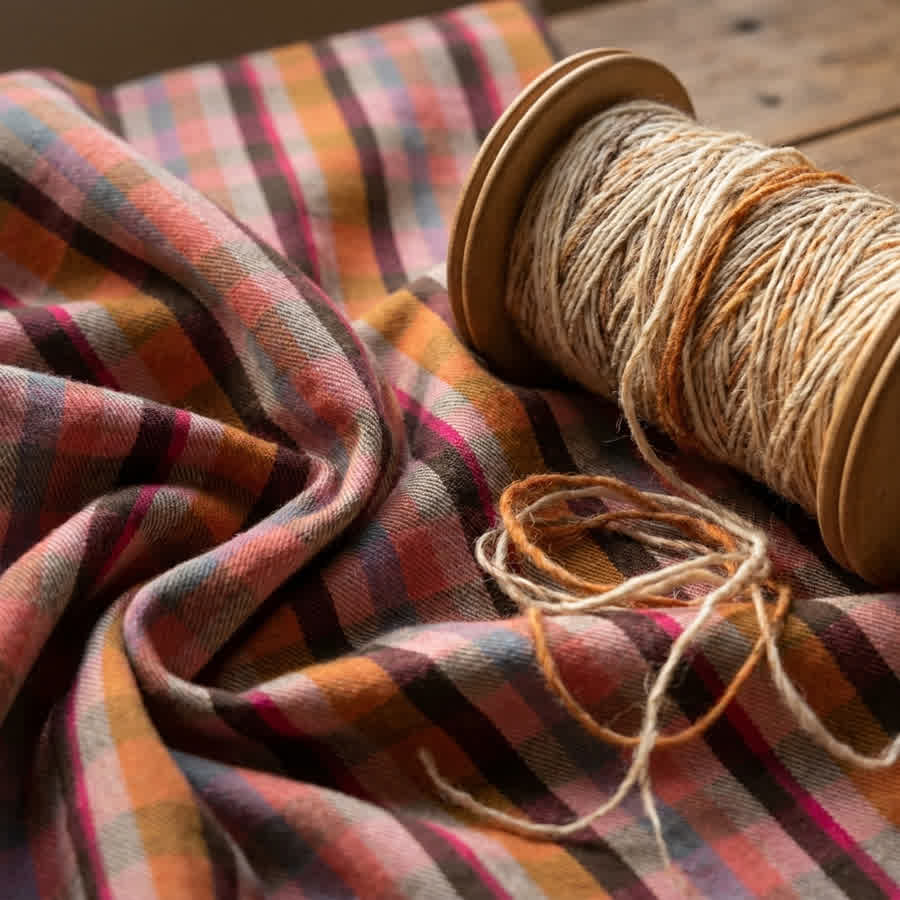
Eri silk is a spun, open-ended fiber that provides a dense, wool-like texture and isothermal properties, making it a completely cruelty-free option for heavy-weight sustainable garments. Unlike traditional continuous filaments, these cocoons are harvested only after the moth has naturally emerged and flown away. This ethical extraction process has earned it the global title of Ahimsa or peace silk. The resulting fabric is substantial and highly durable, typically weighing between a GSM of 100 to 200.
The Mechanics of Spun Silk
Because the cocoon is ruptured by the exiting moth, the fiber cannot be reeled in a single continuous thread. Instead, the short fibers must be spun together, much like traditional cotton or sheep wool. This spinning process introduces microscopic air pockets into the core yarn structure. The resulting spun silk lacks the high sheen of reeled varieties, offering a matte, highly textured surface that feels soft.
This unique mechanical structure makes it a favorite among designers focused on zero-waste credentials and strict ethical sourcing policies. The physical properties of this spun yarn offer specific, measurable benefits for technical apparel design:
- Wool-like drape that provides soft, heavy volume for winter collections.
- High durability due to the dense, spun yarn construction resisting friction.
- Cruelty-free certification, appealing directly to vegan-adjacent and eco-conscious markets.
- Excellent moisture wicking, keeping the skin dry while retaining body heat.
Isothermal Properties for Year-Round Wear
The trapped air within the spun yarn creates a highly effective natural insulating layer. This gives the textile remarkable isothermal properties, meaning it retains heat in the winter while remaining breathable in the summer. Designers frequently source this material as a sustainable, microplastic-free alternative to animal wools or synthetic fleeces. It offers the warmth of a heavy knit with the soft, tactile comfort of a luxury plant fiber.
When evaluating indian silk options for outerwear or heavy layering pieces, this material stands out for its performance. It takes natural dyes beautifully, though its dense structure requires longer dye baths for full color saturation. The heavy weight and soft hand-feel make it the ideal choice for transitional seasonal collections and premium loungewear.
Raw vs. Tussar vs. Eri: A Comparative Guide for B2B Sourcing
Comparing these three textiles requires evaluating their distinct GSM ranges, drape characteristics, and processing methods to match the correct fiber with specific garment applications. A sourcing manager must look beyond basic aesthetics to understand how the physical structure of the yarn dictates long-term performance. Each variety offers a unique combination of tensile strength, thermal regulation, and dye affinity. Selecting the wrong material can lead to construction failures, poor fit, or compromised design intent.
Evaluating Fabric Weight and Drape
The most immediate difference between these materials lies in their physical weight and how they fall on the body. Raw silk sits at the lighter end of the spectrum and delivers a crisp, structured drape due to its retained natural gum. Tussar silk occupies the middle ground, offering a breathable, slightly textured fall that works exceptionally well for flowing garments. The heaviest option is the spun peace silk, which provides a soft, dense, and wool-like drape suited for heavier construction.
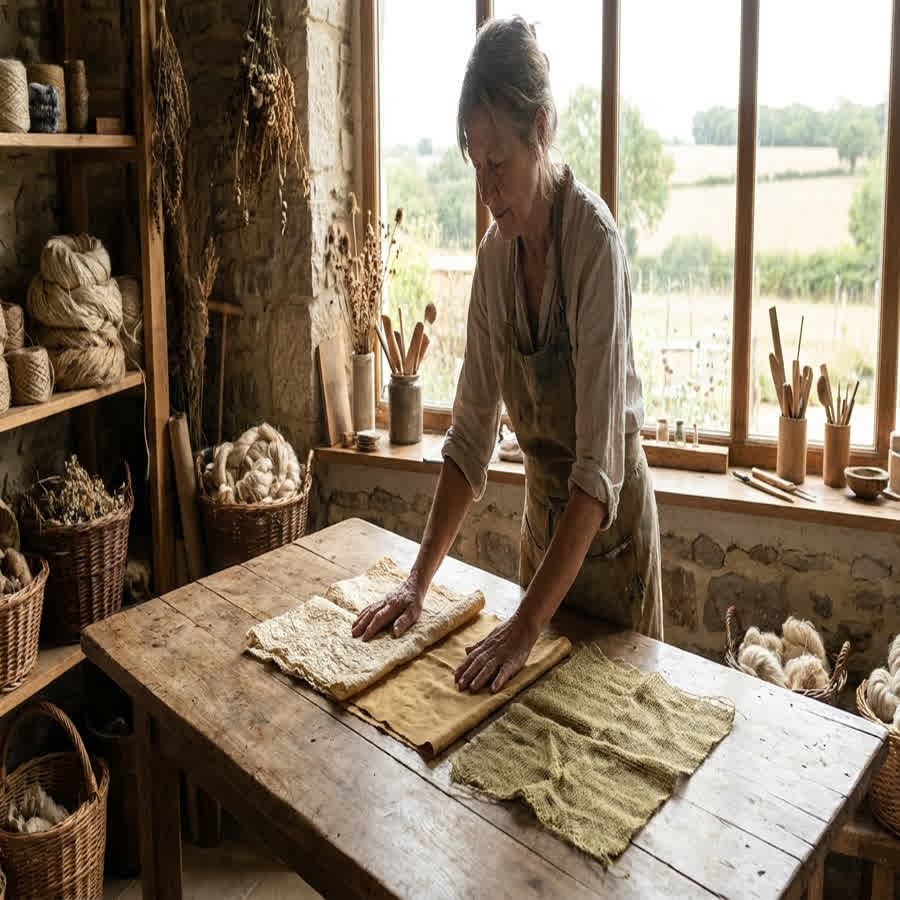
Understanding these structural differences is critical for accurate B2B sourcing and reducing sampling errors. Buyers should consider the following technical comparisons when planning a new sustainable collection:
- Yarn structure: Reeled continuous filaments (Raw) versus short flat filaments (Tussar) versus spun short fibers (Eri).
- Surface finish: Nubby and crisp (Raw) versus matte and porous (Tussar) versus dense and wool-like (Eri).
- Thermal behavior: Standard breathability (Raw) versus high cooling breathability (Tussar) versus isothermal insulation (Eri).
- Base color: Off-white (Raw) versus rich gold or copper (Tussar) versus creamy white (Eri).
Matching Material to End-Use
The intended application of the garment should always drive the initial material choice. Structured jackets, corsetry, and architectural dresses benefit immensely from the sericin retention found in the raw variety. The wild gold fibers are much better suited for breathable summer dresses, loose shirting, and garments requiring deep, earthy dye applications. The heavy, spun fibers are the optimal choice for winter layering, soft tailoring, and cruelty-free outerwear.
By aligning the fabric weight and structural properties with the specific design requirements, brands significantly reduce sampling waste. This technical approach to selecting silk fabrics ensures that the final product performs exactly as intended on the retail floor. It also guarantees that the brand's sustainability claims match the physical reality of the garment.
Partnering with Ethical Silk Fabric Suppliers in India
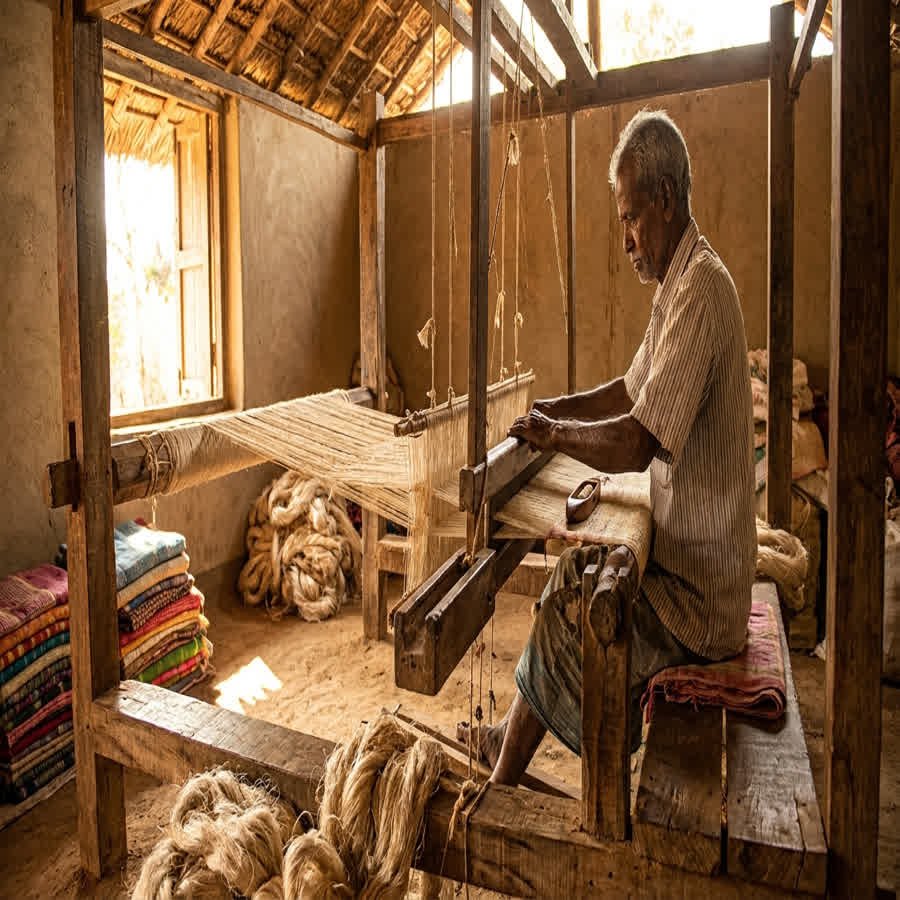
Sourcing commercial quantities of these specialized textiles requires partnering with decentralized artisan networks that can guarantee traceability, ethical production, and consistent quality control. The traditional handloom sector in India operates through regional clusters, each specializing in specific fiber types and ancestral weaving techniques. Working directly with these communities ensures that the sustainable textile manufacturing process remains transparent from the cocoon stage to the woven yardage. At Anuprerna, we bridge the gap between rural weavers and global fashion brands requiring reliable B2B supply chains.
The Decentralized Artisan Supply Chain
Our production model relies on a vast network of skilled artisans across Bengal, Jharkhand, and neighboring regions. This decentralized supply chain allows weavers to work from their own homes and communities, preserving local economies and family structures. By avoiding centralized factory production, we drastically reduce the carbon footprint associated with daily commuting and large-scale industrial operations. This model directly supports the indigenous communities that have safeguarded the Vanya silk heritage for centuries.
Partnering with authentic silk fabric suppliers provides tangible, verifiable benefits for B2B buyers focused on environmental and social governance. The distinct advantages of this sourcing model include:
- Direct financial support to rural weaving communities and independent cocoon rearers.
- Preservation of traditional handloom techniques and regional textile heritage.
- Lower environmental impact through manual weaving and natural processing methods.
- Customizable small-batch production that reduces deadstock and inventory waste.
Ensuring Quality and Traceability
A common concern when sourcing handloom textiles is maintaining strict consistency across large commercial orders. We address this by implementing rigorous grading systems directly at the cluster level before the fabric ships. Our team monitors the yarn spinning, dyeing, and weaving processes to ensure the final yardage meets strict B2B specifications. This hands-on approach guarantees consistency in weave density, GSM, and colorfastness across every roll.
Traceability is no longer optional for premium fashion brands operating under strict modern compliance standards. We provide complete visibility into the origins of our silk fabrics, detailing the specific district and cluster where the material was crafted. This verifiable data empowers designers to build authentic, transparent marketing narratives around their sustainable collections.
Explore Our Collection
Anuprerna works directly with handloom artisan clusters to weave raw silk for designers and brands building considered collections. To source it for your next line, explore the range below.
frequently asked questions
What is the difference in GSM and drape between Raw Silk and Eri Silk?
Raw silk typically ranges from 60 to 120 GSM and possesses a crisp, structured drape due to the retention of natural sericin. In contrast, Eri silk is heavier, typically falling between 100 and 200 GSM, and offers a soft, wool-like drape. This difference occurs because the peace silk fibers are spun from open cocoons rather than being continuously reeled, introducing air and volume into the yarn.
Is Tussar silk suitable for natural dyeing processes?
Yes, Tussar silk has excellent dye affinity and absorbs natural pigments exceptionally well. However, because it has a naturally rich gold or copper base tone, it interacts differently with dyes than bleached white silk. It is ideal for achieving deep, earthy, and complex hues rather than bright pastels, as the underlying natural color will always influence the final shade.
Why is Eri silk classified as 'Ahimsa' or Peace Silk?
Eri silk is classified as Ahimsa or peace silk because the cocoons are harvested only after the moth has naturally emerged and flown away. Unlike traditional production where the chrysalis is boiled inside the cocoon to extract a continuous filament, these cocoons are open-ended. This makes the resulting spun yarn a 100 percent cruelty-free material, highly sought after by ethical fashion brands.
How do decentralized silk manufacturers ensure quality consistency across different silk fabrics?
Decentralized manufacturers ensure consistency by implementing rigorous quality control and standardized grading systems directly at the regional cluster level. At Anuprerna, we combine traditional handloom expertise with modern B2B specifications to monitor the entire process. This hands-on oversight guarantees uniformity in weave density, GSM, and color fastness across all our commercial orders.
Can raw silk be used for fluid, bias-cut garments?
No, raw silk is generally not recommended for fluid, bias-cut garments because its retained sericin gum creates a stiff and crisp structure. If a designer requires a fabric that clings and flows along the body, a fully degummed silk or a soft spun variety is necessary. The raw variety is specifically engineered for architectural volume, sharp pleating, and tailored silhouettes that need to hold their shape.
More Blogs
why organic fabric suppliers are growing in india
jacquard fabric in modern fashion
how silk manufacturers preserve traditional craftsmanship
indian fabric wholesale: a guide to sourcing handwoven textiles
how indian fabric exporters meet global quality standards
jacquard vs embroidery: what's the difference?