Raw Silk Fabric: Types, Properties, Weights & Uses
Raw silk fabric is a natural silk textile known for its distinctive slub texture, subtle matte appearance, and organic irregularities. Unlike fully degummed silk, it retains some of the natural characteristics of silk fibres, giving it a more textured surface and a different feel from smooth, highly processed pure silk fabrics. Depending on the variety and construction, raw silk can be lightweight and fluid or heavier and more structured.
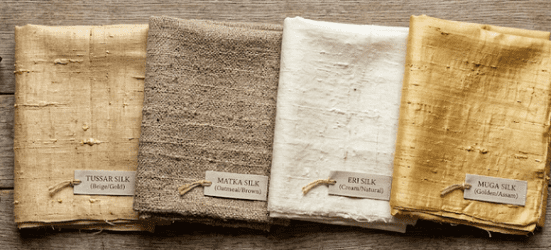
For fashion designers, apparel manufacturers, and textile sourcing teams, understanding raw silk is essential when selecting fabrics for garments, accessories, and home furnishings. Indian raw silk offers several distinctive varieties, including Tussar, Matka, Eri, Muga, and Ketya, each with its own texture, weight, origin, and applications.
Before sourcing raw silk material, buyers should consider its fibre characteristics, weaving technique, GSM, drape, durability, and production practices. This guide explores the different types of raw silk fabrics, their properties, weight classifications, sustainable sourcing considerations, and creative uses in contemporary fashion.
What Is Raw Silk Fabric?
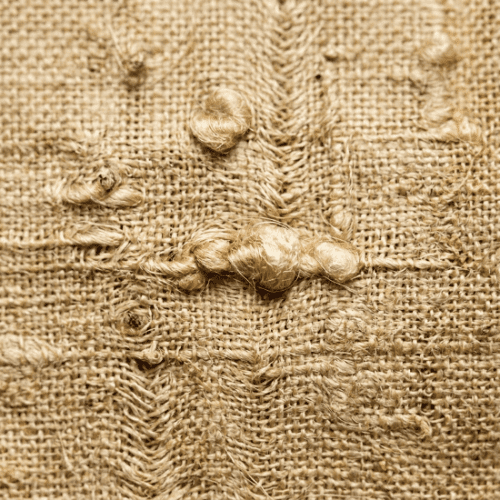
Raw silk fabric is made from silk yarn that has undergone limited processing compared with fully degummed silk. It retains a characteristic natural texture, often featuring small knots, uneven thickness, and visible slubs that distinguish it from smoother silk textiles.
One of the natural components associated with silk is sericin, a protein that binds the silk filaments together in the cocoon. During conventional silk processing, sericin is removed through degumming to create a softer and smoother surface. Raw silk may retain some sericin depending on its processing method.
What Makes Raw Silk Different?
The most recognisable feature of raw silk is its irregular texture. Rather than having a perfectly smooth surface, the yarn can contain natural variations that give the fabric depth and character.
Key characteristics include:
- Natural slub texture: Irregular knots and variations in yarn thickness create a distinctive surface.
- Matte appearance: Many raw silk varieties have a subtle sheen rather than a highly reflective finish.
- Structured feel: Depending on the yarn and weave, raw silk can offer body and shape retention.
- Breathability: Silk fibres can absorb moisture and provide comfort across different seasons.
- Natural variation: Differences in colour, texture, and yarn thickness contribute to the individuality of the material.
For designers, these characteristics make raw silk a versatile choice for garments that require texture, structure, and a refined natural appearance.
Why Do Designers Choose Raw Silk Fabrics?
Raw silk fabrics are valued for their combination of texture, versatility, and natural character. They can be adapted to different garment constructions, from lightweight dresses to structured jackets and occasionwear.
Here are four reasons designers consider raw silk for contemporary collections.
1. Distinctive Surface Texture
Natural slubs and irregularities create visual depth, making raw silk suitable for minimalist designs that rely on fabric texture rather than elaborate embellishments.
2. Versatile Fabric Construction
Different silk yarns and weaving techniques produce fabrics with varying levels of softness, weight, and structure. This allows designers to select suitable constructions for different apparel categories.
3. Rich Colour and Surface Character
The natural texture of raw silk can create interesting variations in how dyed colours appear across the fabric. This makes it particularly appealing for collections that highlight earthy tones and understated colour palettes.
4. Craftsmanship and Heritage
Many Indian raw silk fabrics are produced through traditional hand-spinning and handloom weaving practices. These processes preserve regional textile knowledge and provide opportunities for artisan-led production.
What Are the Different Types of Indian Raw Silk?
Indian raw silk includes several varieties that differ in their silkworm species, yarn preparation, texture, and weaving traditions. Tussar, Matka, Eri, and Muga are four recognised commercial silk varieties, while Ketya is a distinctive regional handloom textile made using leftover Tussar fibres and other yarns.
Understanding these differences helps buyers choose the right raw silk cloth material for their intended application.
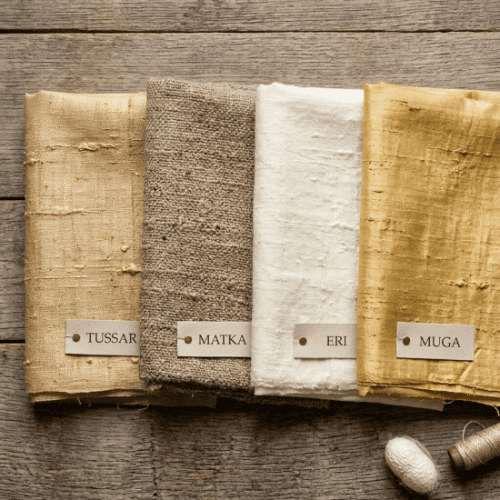
1. Tussar Silk – The Natural Golden Texture
Tussar silk, also known as wild silk, is produced from silkworms that are generally raised in forest environments. It is particularly associated with eastern and central India and is recognised for its naturally warm golden-beige tones and textured surface.
Key characteristics:
- Naturally textured yarn with visible irregularities.
- Distinctive golden and earthy colour variations.
- Crisp handfeel with a relatively structured appearance.
- Suitable for traditional and contemporary garments.
Creative applications: Tussar silk fabric is commonly used for sarees, jackets, blazers, dresses, kurtas, dupattas, and occasionwear. Its natural texture makes it suitable for designs that combine traditional craftsmanship with contemporary silhouettes.
2. Matka Silk – The Textured Handspun Fabric
Matka silk is a textured handloom silk fabric made from spun silk waste, primarily associated with Mulberry silk processing. The yarn is generally handspun, resulting in an irregular, slightly coarse texture.
Its appearance can resemble linen or tweed, although it retains the characteristics of silk.
Key characteristics:
- Handspun yarn with visible texture.
- Slightly coarse and irregular surface.
- Good body and shape retention depending on construction.
- Suitable for structured garment designs.
Creative applications: Matka silk is often selected for jackets, structured dresses, lehengas, waistcoats, skirts, and other occasionwear. It is also suitable for textile collections where the surface texture is an important design feature.
3. Eri Silk – The Warm and Textured Peace Silk
Eri silk, also called Endi silk, is known for its soft, wool-like texture and relatively warm feel. It is produced from the Eri silkworm, which feeds primarily on castor leaves.
Unlike conventional silk harvesting, Eri production traditionally allows the moth to emerge from the cocoon before the remaining fibres are processed. This is why Eri is commonly associated with Ahimsa or Peace Silk.
Key characteristics:
- Soft, textured and relatively warm surface.
- Matte appearance.
- Comfortable feel with natural irregularities.
- Associated with non-violent silk production.
Creative applications: Eri silk is used for shawls, scarves, jackets, winter garments, kurtas, and contemporary clothing. Its texture makes it particularly suitable for designs that prioritise comfort and natural aesthetics.
4. Muga Silk – The Naturally Golden Silk
Muga silk is a rare variety traditionally associated with Assam. It is recognised for its naturally golden colour, durability, and distinctive sheen.
Unlike many other silk varieties, Muga is particularly valued for its characteristic golden appearance, which can develop a richer lustre with proper care.
Key characteristics:
- Naturally golden colour.
- Distinctive sheen and surface character.
- Strong silk fibres.
- Closely connected with Assamese textile heritage.
Creative applications: Mug silk is traditionally used for sarees and ceremonial garments. Contemporary designers also explore it for luxury accessories, jackets, and premium fashion details.
5. Ketya Silk – A Distinctive Bengal Handloom Textile
Ketya silk is a distinctive handloom textile associated with West Bengal. It is made using leftover or broken fibres from hatched Tussar silkworm cocoons, which are handspun into yarn. These yarns can be woven alongside Matka, Tussar, Khadi, or cotton yarns to create a richly textured fabric.
Ketya is also known as a Peace Silk because its production uses fibres remaining after the moth has emerged from the cocoon.
Key characteristics:
- Textured surface with an organic appearance.
- Handspun yarn made from leftover silk fibres.
- Can incorporate different yarns in the warp and weft.
- Associated with traditional Bengal handloom craftsmanship.
Creative applications: Ketya silk is suitable for jackets, dresses, kurtas, skirts, scarves, and home textile applications where a distinctive surface texture is desired.
Raw Silk Fabric Properties: Understanding Texture, Drape and Durability
The properties of raw silk fabric depend on its fibre type, yarn construction, weaving technique, and weight. These factors influence its texture, appearance, and suitability for different garments.
Key properties include:
- Texture: Natural slubs, knots, and variations in yarn thickness create a distinctive surface.
- Appearance: Usually matte or subtly lustrous, depending on the silk variety and finishing.
- Drape: Lightweight fabrics offer a softer fall, while heavier varieties provide more structure.
- Breathability: Silk fibres absorb moisture, contributing to wearing comfort.
- Durability: Depends on fibre quality, yarn construction, and weaving density.
- Colour: Natural shades range from golden and beige to cream and off-white.
What Is the Difference Between Raw Silk and Pure Silk Fabrics?
Pure silk refers to fibre composition, while raw silk describes the processing and characteristic texture of the material. A fabric can be 100% silk and still have the natural slubs and irregularities associated with raw silk.
When sourcing raw silk material, always check its fibre composition, yarn construction, and finishing details.
How to Choose the Right Raw Silk Fabric Weight?
Fabric weight is an important consideration when sourcing raw silk fabrics for apparel and textile production. It influences the fabric's drape, structure, opacity, and suitability for different garment categories.
Silk weight is commonly measured using two units: Momme (mm) and Grams per Square Metre (GSM).
- Momme: A traditional unit used to measure the weight of silk fabric. One Momme is approximately 4.34 GSM.
- GSM: Measures the weight of one square metre of fabric and is commonly used in textile sourcing.
Raw Silk Weight Classification
Raw silk fabrics are available in different weights, making them suitable for a range of garment applications. The following are general sourcing guidelines, as actual weight varies depending on yarn thickness, weaving construction, and finishing.
- Lightweight (8–12 Momme / 35–52 GSM): Soft and lightweight, suitable for scarves, flowing dresses, overlays, and delicate linings.
- Medium Weight (14–19 Momme / 61–82 GSM): Offers a balance of drape and structure, making it suitable for shirts, blouses, kurtas, and summer dresses.
- Heavyweight (20+ Momme / 87+ GSM): Provides greater body and structure, ideal for jackets, structured dresses, trousers, and occasionwear.
Why Does Ply Matter in Raw Silk?
Ply refers to the number of individual yarn strands twisted together to create a thicker yarn. In raw silk production, you may encounter terms such as 2-ply and 4-ply.
The number of plies can influence yarn thickness, surface texture, and fabric construction.
- Single-ply yarn: Often creates a finer and lighter yarn, depending on its thickness.
- 2-ply yarn: Combines two strands to create a more substantial yarn.
- 4-ply yarn: Uses four strands and can produce a thicker yarn with a more pronounced surface.
However, ply alone does not determine fabric weight or strength. Buyers should evaluate yarn count, weaving construction, and finished GSM together.
How to Source Raw Silk Material Responsibly?
Sourcing raw silk involves more than selecting a colour or texture. For fashion brands and textile buyers, the quality of the yarn, weaving technique, production practices, and consistency between batches all influence the final product.
Here are some important considerations when sourcing Indian raw silk.
1. Understand the Silk Variety
Start by identifying the type of silk that suits your design requirements. Tussar, Matka, Eri, Muga, and Ketya have different textures and characteristics.
For example, Tussar is suitable for structured garments with an organic surface, while Eri offers a softer, warmer character.
2. Check Fibre Composition
Always confirm whether the fabric is made from 100% silk or a blend of silk with cotton or other fibres. This is particularly important when sourcing textured silk fabrics that incorporate different yarns.
3. Evaluate Fabric Weight and Construction
Request the GSM, width, weave details, and yarn specifications before confirming a bulk order. These details help designers understand how the fabric will behave during cutting, stitching, and garment construction.
4. Request Swatches Before Bulk Production
A digital image cannot fully communicate the texture, thickness, and drape of raw silk. Physical swatches allow buyers to evaluate the fabric under different lighting conditions and assess its suitability for their designs.
Common Mistakes to Avoid When Buying Raw Silk Fabric
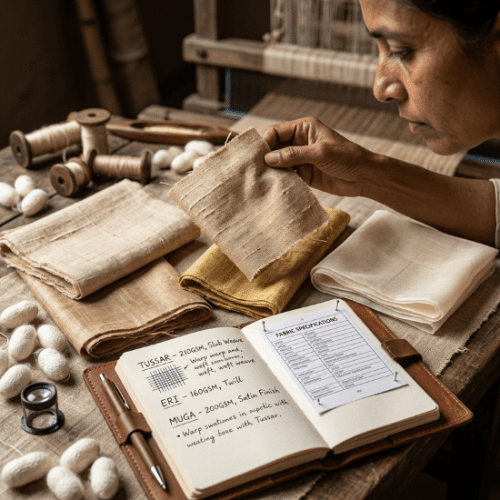
Raw silk has natural variations, and understanding these characteristics is essential when evaluating fabric quality. Here are some common mistakes buyers should avoid.
1. Expecting a Perfectly Smooth Surface
Slubs, knots, and variations in yarn thickness are natural characteristics of many raw silk fabrics. Buyers should distinguish these features from actual manufacturing defects such as oil stains, holes, or weaving damage.
2. Ignoring Shrinkage
Silk fabrics may change in dimensions during washing or finishing. The extent of shrinkage depends on the fibre, weave, dyeing, and finishing process. Always request shrinkage information and conduct a wash or care test before bulk production.
3. Overlooking Colour Fastness
Traditional dyeing and finishing methods can affect colour retention. Request colour-fastness information and test a sample before using the fabric in production.
4. Confusing Raw Silk with Dupioni Silk
Both fabrics can feature irregularities and slubs, but they are not identical. Dupioni is typically woven using yarns formed from double cocoons, producing distinctive irregular slubs and a crisp surface. Raw silk is a broader textile description and can have different constructions and finishes.
5. Choosing Fabric Without Checking Its End Use
A lightweight raw silk fabric may work well for a flowing dress, while a heavier Matka construction may be more appropriate for a structured jacket. Always match fabric weight and drape with the intended garment.
Creative Uses of Raw Silk Fabric in Contemporary Fashion
Raw silk offers designers several possibilities because different varieties provide different levels of texture, weight, and structure. From everyday clothing to occasionwear, its natural surface can add character to contemporary designs.
1. Raw Silk Dresses and Contemporary Apparel
A raw silk dress can combine a refined silhouette with the fabric's naturally textured surface. Lightweight and medium-weight constructions can work well for A-line dresses, midi dresses, tunics, and relaxed silhouettes.
For designers, raw silk offers an alternative to highly polished fabrics when creating understated occasionwear and contemporary apparel.
2. Structured Jackets and Blazers
Tussar and Matka silk are interesting options for structured garments. Their textured surfaces and varying levels of body can complement tailored jackets, waistcoats, blazers, and contemporary outerwear.
3. Scarves and Accessories
Silk scarves, stoles, and accessories allow designers to highlight the texture and colour variations of different silk varieties. Eri and Tussar, for example, offer distinct surface characteristics for accessory collections.
4. Bridal and Festive Wear
Heavier raw silk constructions can be used for festive garments, lehengas, skirts, jackets, and occasionwear. Matka and Tussar are particularly interesting for designers who want garments with structure and an organic textile finish.
5. Home Furnishings and Interior Textiles
Raw silk can also be explored for selected interior applications, including decorative cushions, curtains, and upholstery. However, suitability depends on the fabric's construction, abrasion resistance, finishing, and maintenance requirements.
An Expert Tip: Experiment with Natural Fibre Blends
Designers can explore silk-cotton blends to combine the natural character of silk with the different handfeel and structure of cotton. The final result depends on the yarn composition and weaving technique, making sampling important before production.
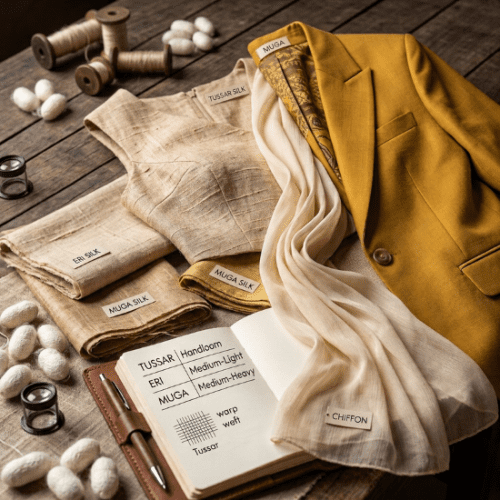
Raw silk fabric offers designers and textile buyers a distinctive combination of natural texture, versatility, and traditional craftsmanship. From the golden character of Tussar and Muga to the structured texture of Matka and the softness of Eri, every variety offers different possibilities for contemporary fashion.
Understanding fabric properties, weight, yarn construction, and ethical production practices makes it easier to select the right raw silk material for your collection.
At Anuprerna, we bring together traditional handloom craftsmanship and contemporary textile requirements to offer distinctive fabrics for designers, brands, and conscious fashion businesses.
Looking to explore raw silk fabrics for your next collection? Browse our range, request swatches, or connect with our team to discuss your sourcing requirements.
most asked questions
What is the difference between raw silk and Matka silk?
Matka silk is actually a type of raw silk. It is specifically made from the waste of Mulberry silk and is hand-spun. While all Matka silk is raw silk, not all raw silk is Matka. Other types of raw silk include Tussar, Eri, and Muga, each coming from different silkworm species and having different textural properties.
Is raw silk the same as pure silk?
Yes, raw silk is "pure" in the sense that it is made from 100% silk fibers. The "raw" designation refers to the processing method—specifically that the sericin (silk gum) has not been fully removed. This gives the raw silk fabric its characteristic textured feel and matte appearance, unlike the shiny finish of degummed silks like satin or charmeuse.
Does raw silk fabric wrinkle easily?
Raw silk is actually more wrinkle-resistant than many other types of silk or linen. Because of its natural texture and the presence of sericin, it has a certain "bounce" and resilience. Any wrinkles that do form tend to look more natural and less "messy" than those on a smooth silk surface. A quick steam is usually enough to refresh the garment.
How do I care for garments made from raw silk material?
Most raw silk material should be dry cleaned to maintain its structure and color. However, some varieties like Eri silk can be hand-washed in cold water with a pH-neutral detergent. Always avoid wringing the fabric; instead, roll it in a towel to remove excess moisture and air dry in the shade to prevent the sun from fading the natural dyes.
Can raw silk be used for summer clothing?
Absolutely. Raw silk is highly breathable and has excellent moisture-wicking properties. It keeps the wearer cool in the summer by allowing air to circulate. Lightweight versions of raw silk are particularly popular for summer dresses, shirts, and tunics.
What is the difference between raw silk and Matka silk?
Raw silk is a broad category of silk textiles that retain a natural, textured character. Matka silk is a specific type of textured silk made from spun silk waste, generally using handspun yarn. Therefore, Matka is one variety within the broader raw silk category.
Is raw silk the same as pure silk?
Not exactly. Pure silk generally describes the fibre composition, while raw silk refers to the processing and characteristic texture of the fabric. A raw silk fabric can be made from 100% silk fibres, but the terms do not mean the same thing.
Does raw silk fabric wrinkle easily?
Raw silk can develop creases depending on its fibre characteristics, yarn construction, and weave. Some textured varieties may make minor creases less visually noticeable than smooth silk fabrics. Proper storage and fabric care help maintain its appearance.
What is the difference between GSM and Momme in silk?
GSM measures the weight of fabric per square metre, while Momme is a traditional silk-weight measurement. One Momme is approximately 4.34 GSM. Both can help buyers compare fabric weights, although the weave and yarn construction also affect the fabric's performance.
More Blogs
lightweight silk fabric: a guide to types, qualities & indian suppliers
bamboo linen fabric: comfort meets sustainability
how to choose the right khadi fabric weight for different outfits
buy hemp fabric for clothing: from fiber to finished textile
innovative banana fiber products: sustainable alternatives for brands
choosing the right silk fabric supplier for luxury fashion