Innovative Banana Fiber Products: Sustainable Alternatives for Brands
Designers seeking vegan, biodegradable fabrics that mimic the drape of silk are increasingly turning to innovative banana fiber products. Sourcing materials that meet strict environmental criteria without sacrificing tactile luxury is a persistent challenge for production teams. Agricultural byproducts offer a direct solution to this material deficit, transforming farm waste into high-value textiles. The decision to integrate these materials affects garment longevity, dye uptake, and the brand's overall sustainability narrative.
By partnering with decentralized rural Indian weavers, we help brands secure a reliable supply chain while directly supporting artisanal communities. This shift from synthetic blends to traceable, plant-based textiles provides a concrete pathway to meeting corporate ESG goals.
What Are Natural Fibres? The Rise of Banana Fiber in Circular Fashion
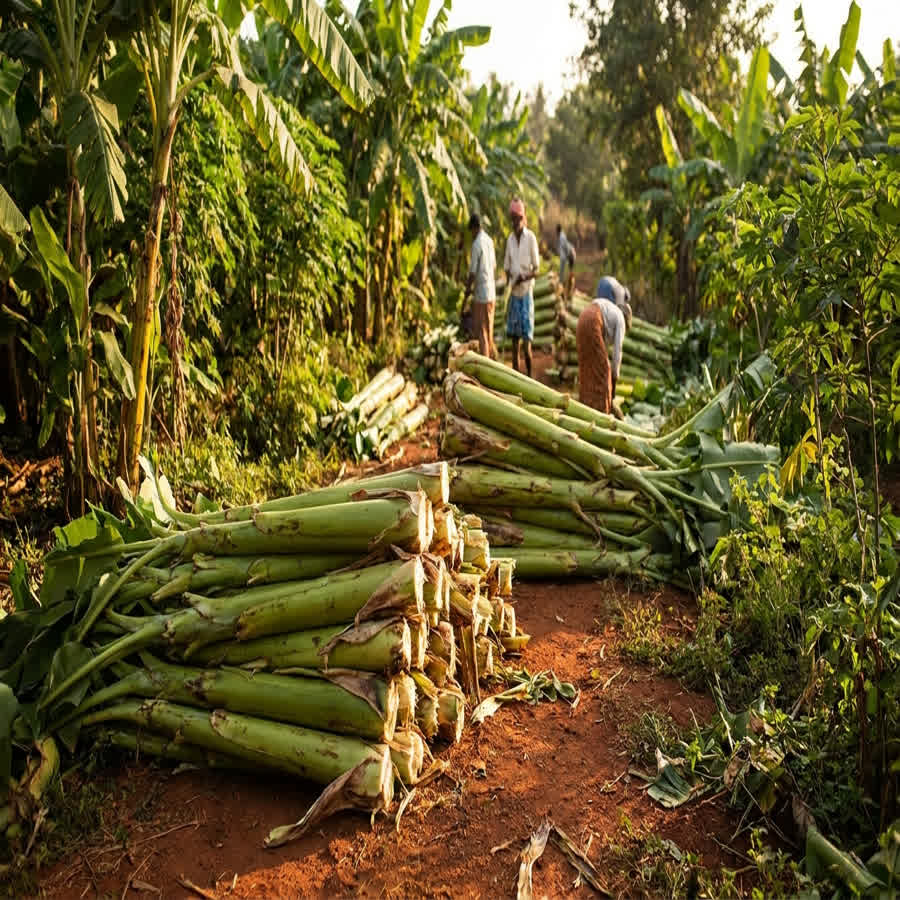
Natural fibres are materials derived directly from plants, animals, or minerals, and banana fiber represents a critical agricultural waste-to-wealth innovation for circular fashion. This bast fiber utilizes the discarded stalks of the Musa sapientum plant, offering a zero-waste alternative to resource-heavy synthetics.
Defining Sustainable Textile Materials
Understanding sustainable textile materials what are natural fibres requires looking at the entire lifecycle of the plant. Unlike conventional cotton which demands high water input, banana plants are cultivated primarily for food. The fibrous stalks are traditionally left to rot or burned, creating excess carbon emissions.
Converting this waste into banana fiber textiles intercepts that agricultural runoff. The resulting material boasts a low carbon footprint and requires minimal chemical processing during extraction. For a sourcing lead, this translates to a verifiable, clean supply chain.
Key properties of these natural plant fibers include:
- High cellulose content ensuring structural integrity and strength.
- Inherent biodegradability at the end of the garment's lifecycle.
- Minimal water usage since the plant is already irrigated for fruit production.
This makes the material highly attractive for brands building a circular portfolio. The transition to these fibers directly addresses the industry consensus demanding lower-impact raw materials.
The Zero-Waste Agricultural Narrative
The history of this material spans centuries, with ancient roots in India and Japan, where it is known as Bashofu. Historically prized for ceremonial garments and durable ropes, the fiber is now being adapted for modern B2B fashion. Weavers in rural Indian clusters across Karnataka and Bengal utilize these historical techniques to process the raw stalks.
This decentralized approach ensures that banana fiber products carry a strong socio-economic backstory. Brands can market a textile that actively reduces farm waste while providing supplementary income to agricultural workers. The resulting fabric offers a unique artisanal texture that cannot be replicated by industrial extrusion.
From Stem to Spool: The Anatomy of Banana Fiber Yarn
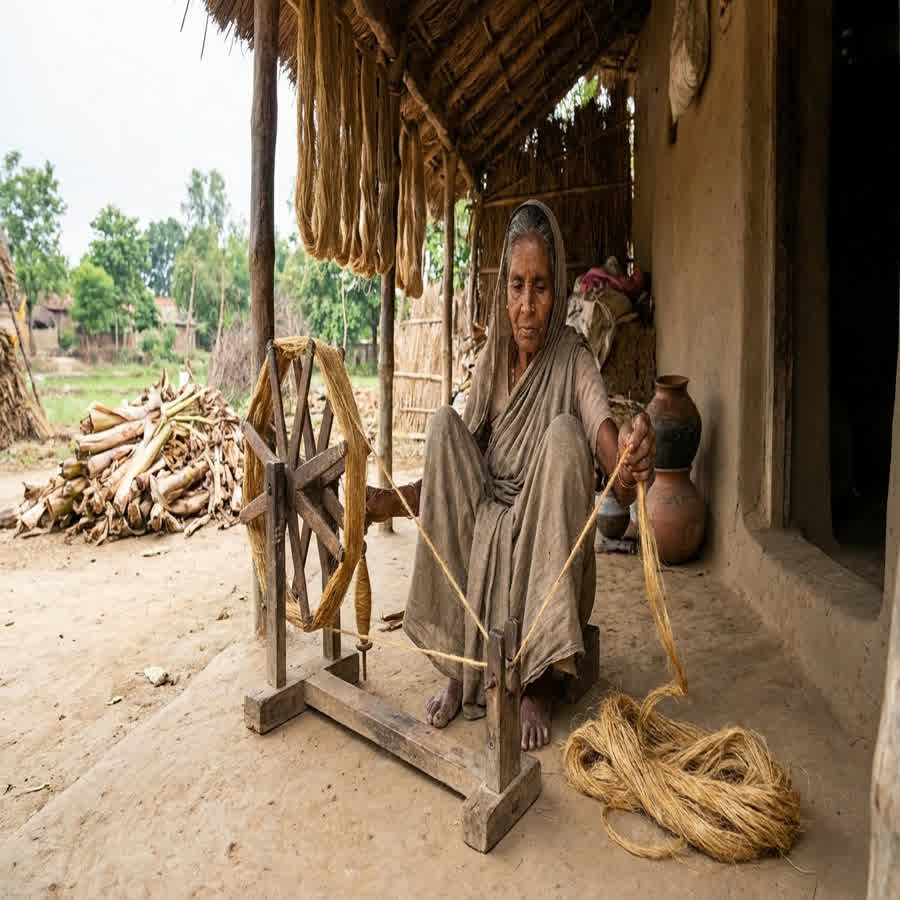
Banana fiber yarn is extracted from the inner bark of the banana stalk through a labor-intensive scraping process, yielding a bast fiber with exceptionally high tensile strength. The raw material is then cleaned, softened, and hand-spun into durable threads ready for the loom.
The Extraction of Bast Fibers
The journey of banana fiber yarn begins immediately after the fruit harvest. Artisans split the pseudo-stem into long strips, separating the outer sheaths from the finer inner layers. The finer inner layers produce the softest fibers, which are ideal for apparel.
Workers use a specialized scraping tool to remove the non-fibrous biomass, revealing the strong bast fiber underneath. This mechanical extraction avoids the heavy chemical retting processes often associated with other industrial fibers. The extracted strands are then washed and sun-dried, preserving their natural integrity.
Material Science and Tensile Strength
From a material science perspective, the fiber is characterized by its high cellulose and lignin content. This specific composition dictates what is banana fiber capable of, making it highly durable and naturally resistant to UV radiation. The structural makeup allows the yarn to withstand significant tension during the handloom weaving process.
Key technical specifications of the spun yarn include:
- High tensile strength that prevents breakage on the loom.
- Excellent moisture absorption for comfortable wear in humid climates.
- Natural sheen that closely mimics the visual properties of silk.
Because the yarn retains a dry, crisp hand-feel, it requires careful spinning to achieve the desired softness. Spinners often treat the raw threads with natural oils or blend them with other fibers to improve pliability. This meticulous preparation ensures the final spool meets the strict quality standards required by B2B buyers.
The resulting spools are transported to our decentralized weaving clusters across Bengal. Here, our master weavers assess the thickness and uniformity of the yarn before setting up the warp. This localized supply chain maintains the artisanal quality of the material while supporting rural economies.
Decoding Banana Fiber Fabric: Texture, Blends, and GSM
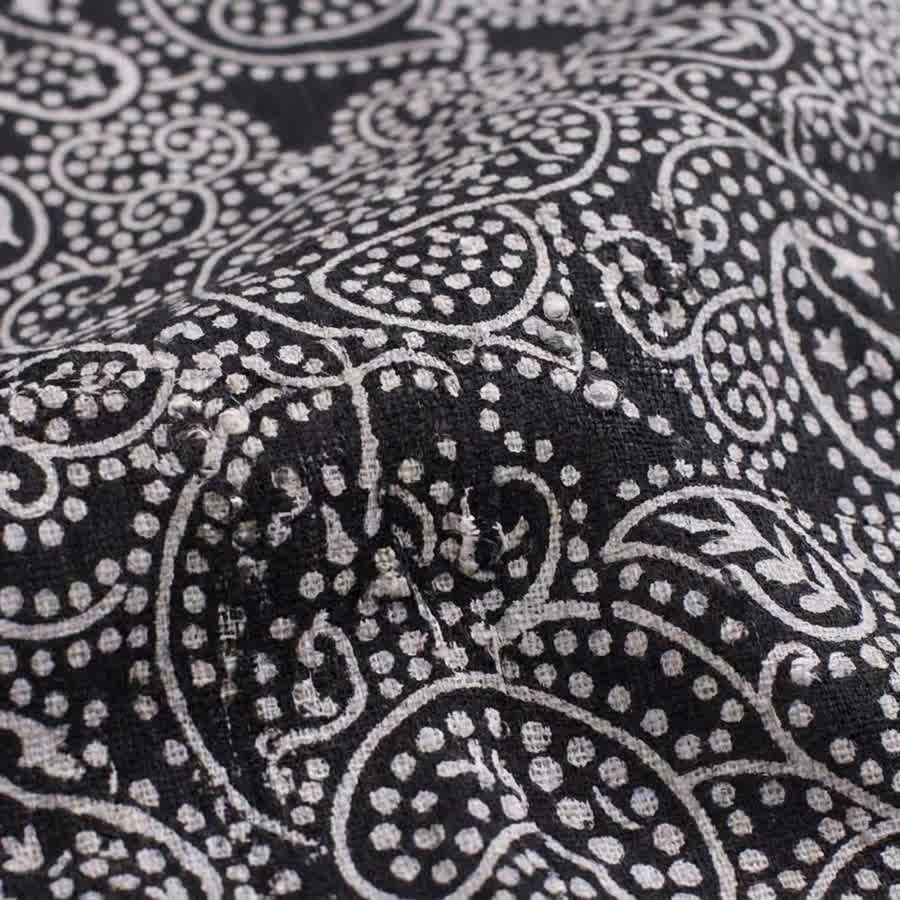
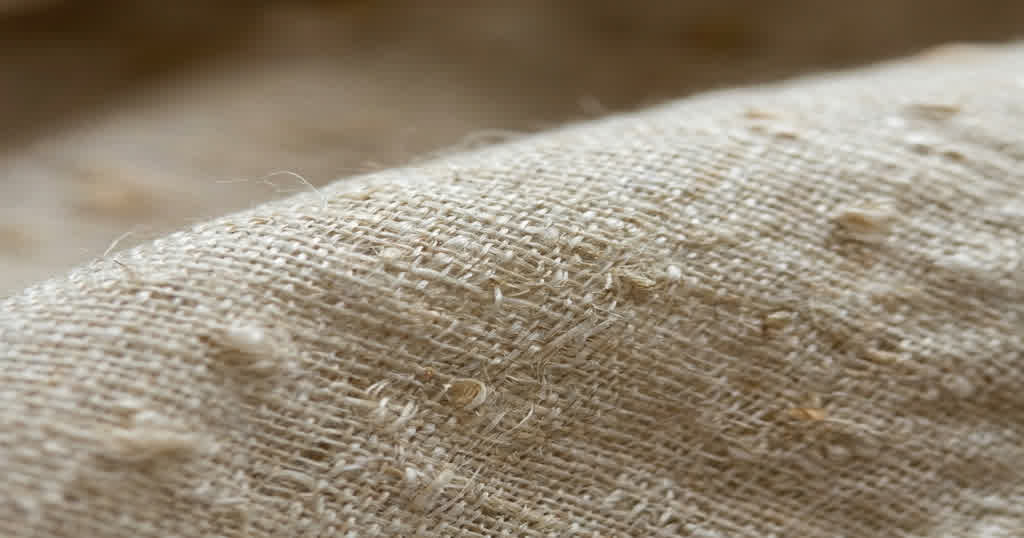
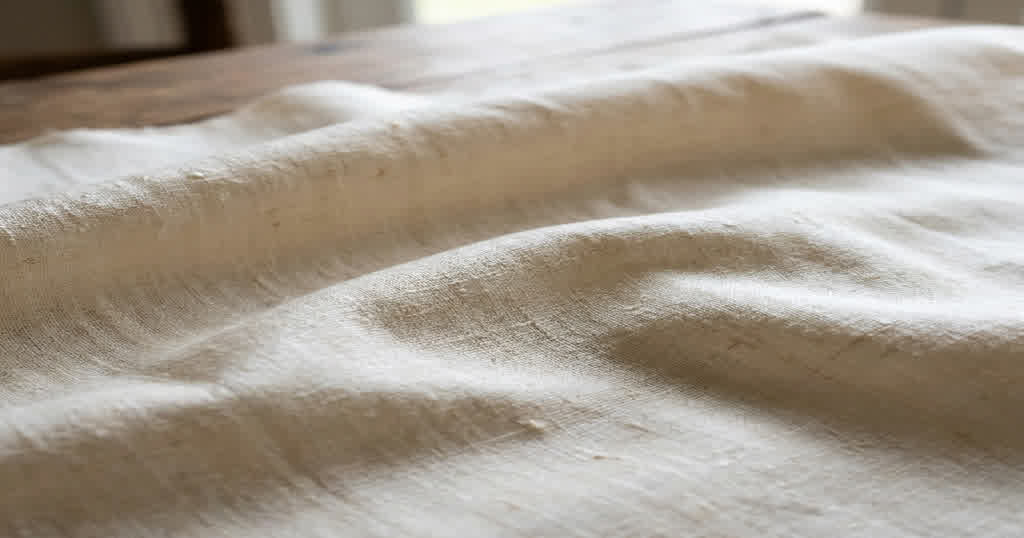
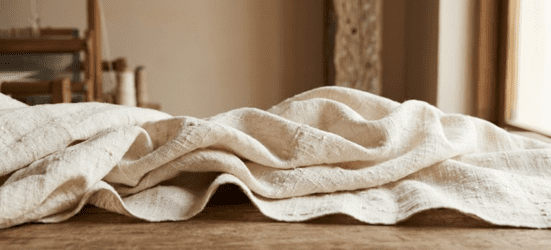
Banana fiber fabric typically features a GSM range of 80 to 200, and its texture is heavily influenced by how it is blended with organic cotton or Ahimsa silk. Varying the banana fiber content allows weavers to engineer specific drape, breathability, and tactile qualities for different garment types.
Blending for Drape and Breathability
Pure banana fiber fabric can be quite stiff, making it excellent for structured pieces but less ideal for flowing silhouettes. To achieve a softer drape, weavers frequently blend it with organic cotton or cruelty-free silk. The specific banana fiber content dictates the final behavior of the textile on the cutting table.
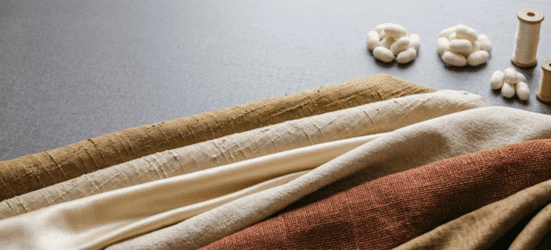
A 50/50 blend with Ahimsa silk yields a fabric with a luxurious, smooth finish and excellent dye uptake. Conversely, blending with cotton produces a more matte, breathable material suited for everyday wear. These strategic combinations allow designers to specify exact performance metrics for their collections.
Understanding GSM in Banana Fiber Textiles
The weight of the fabric is a critical specification for any sourcing manager. Banana fiber textiles are highly adaptable, with weavers capable of adjusting the density based on the client's needs. The GSM (Grams per Square Meter) directly impacts the fabric's opacity and structural rigidity.
Common GSM profiles for these textiles include:
- 80-100 GSM for lightweight, sheer applications like scarves and overlays.
- 120-150 GSM for standard shirting and breathable banana fiber clothing.
- 180-200 GSM for heavier jackets, structured trousers, and light upholstery.
By specifying the exact GSM and blend ratio, brands can source materials tailored to their seasonal requirements. The natural moisture-wicking properties remain intact across these different weights, ensuring comfort for the end user. This technical flexibility makes the fabric a highly viable alternative to conventional synthetics.
Innovative Products from Banana Fiber: Beyond Traditional Apparel
The versatility of banana fiber products extends from high-end apparel to durable home textiles, artisanal rugs, and structural accessories. Because the material can be spun into varying thicknesses, it serves as a foundation for a wide array of sustainable goods.
Premium Banana Fiber Clothing
In the fashion sector, banana fiber clothes are gaining traction as a premium vegan option. Designers utilize the finer, silk-blended fabrics for resort wear, evening gowns, and tailored suits. The material's natural sheen enhances the visual appeal of these garments without relying on animal-derived proteins.
The high moisture absorption rate makes these garments exceptionally comfortable in warm climates. Additionally, the fabric takes natural and azo-free dyes beautifully, allowing for rich, colorfast collections. Brands can confidently market these pieces as both luxurious and environmentally responsible.
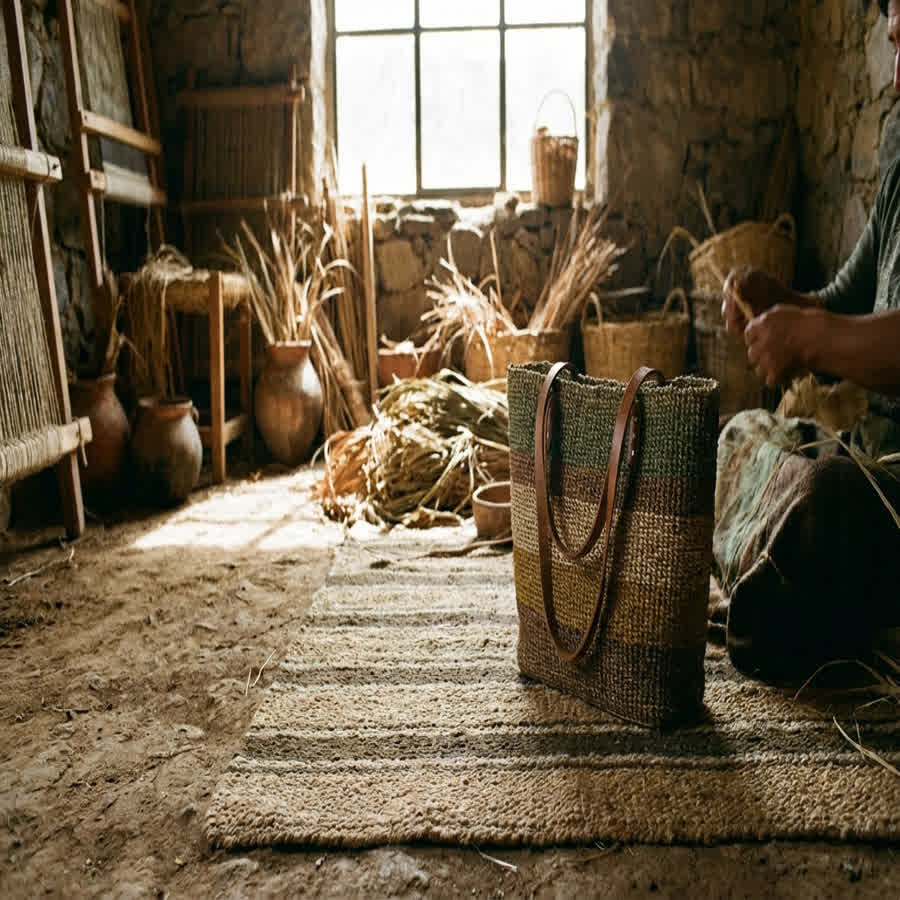
Artisanal Accessories and Home Textiles
Beyond apparel, the coarser outer layers of the stalk are utilized for heavier products from banana fiber. These thicker yarns are ideal for items that require high abrasion resistance and structural memory. B2B buyers frequently source these heavier weaves for interior design and lifestyle collections.
Popular non-apparel applications include:
- Woven floor mats and rugs that utilize the fiber's natural durability.
- Structured handbags and hats that benefit from the stiff, crisp texture.
- Heavyweight upholstery fabrics designed for longevity and UV resistance.
This diversification allows brands to build comprehensive collections around a single sustainable material. By sourcing different grades of the fiber from the same decentralized supply chain, companies streamline their purchasing while maximizing their positive social impact. The ability to utilize the entire plant stalk reinforces the zero-waste philosophy at the core of this material.
Manage Banana Fiber Price: Cost vs. Value in B2B Sourcing
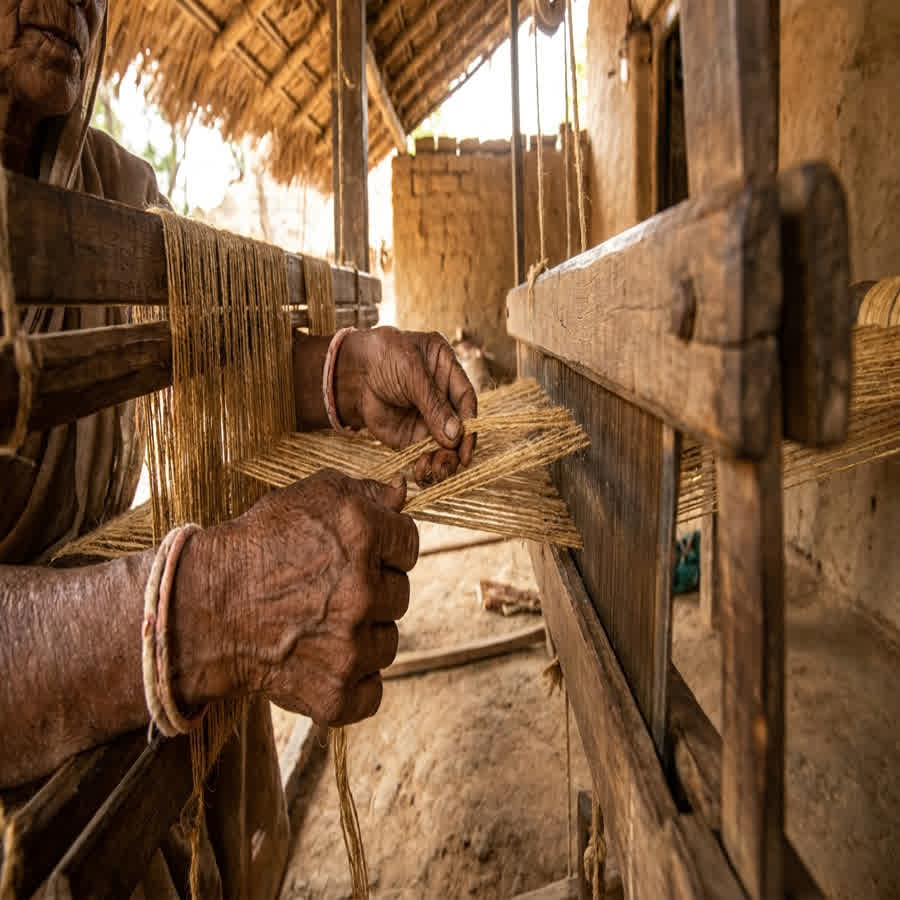
The banana fiber price reflects the highly labor-intensive extraction and hand-spinning processes required to produce this premium artisanal textile. While the initial cost per meter is higher than conventional cotton, B2B buyers justify the premium through the material's zero-waste origins, extreme durability, and strong ESG narrative.
The Labor-Intensive Extraction Process
Understanding the pricing requires examining the manual labor involved in its creation. Unlike synthetic extrusion, every step of processing this bast fiber is done by hand in rural clusters. Artisans manually scrape, clean, and spin the fibers, a process that limits daily yield but ensures exceptional quality.
This decentralized manufacturing model directly supports rural economies and preserves traditional handloom techniques. The cost structure incorporates fair wages for these skilled workers, moving away from the exploitative pricing models of fast fashion. For sourcing managers, this transparency is a critical component of the purchasing decision.
Justifying the Premium for ESG Goals
While the upfront cost is higher, the long-term value of these textiles aligns perfectly with modern corporate requirements. Brands are increasingly required to prove the traceability and environmental impact of their supply chains. Investing in banana fiber products provides a verifiable, positive impact story that resonates with conscious consumers.
The value proposition for B2B buyers includes:
- Verifiable artisanal origins that satisfy strict supply chain audits.
- Exceptional material longevity reducing the frequency of garment replacement.
- Direct alignment with ESG targets through waste reduction and rural employment.
By framing the cost as an investment in both quality and ethics, brands can confidently position their collections in the premium market. The unique tactile properties and the compelling farm-to-fabric narrative provide a distinct competitive advantage. The pricing accurately reflects the true cost of sustainable, equitable textile production.
Explore Our Collection
Anuprerna works directly with handloom artisan clusters to weave banana fiber products for designers and brands building considered collections. To source it for your next line, explore the range below.
frequently asked questions
Is banana fiber suitable for high-end apparel?
Yes, banana fiber fabric has a natural sheen and drape comparable to silk. When blended with cotton or silk, it produces luxurious, breathable banana fiber clothing ideal for premium and resort wear collections.
What is the typical banana fiber price per meter for B2B orders?
Banana fiber price varies based on the blend, GSM, and weave complexity. Because extraction and hand-spinning are labor-intensive, it commands a premium over conventional cotton, typically reflecting its artisanal value, zero-waste origins, and high durability.
How does banana fiber content affect the durability of textiles?
Banana fiber has exceptionally high tensile strength due to its high cellulose content. Higher banana fiber content increases the fabric's overall durability, resistance to pilling, and moisture-wicking capabilities, making products from banana fiber highly long-lasting.
Can banana fiber yarn be dyed using natural dyes?
Absolutely. Banana fiber is highly absorbent and takes natural and azo-free dyes exceptionally well, resulting in rich, colorfast banana fiber textiles that align perfectly with sustainable and non-toxic manufacturing practices.
Is banana fiber biodegradable?
Yes, banana fiber is completely biodegradable and compostable at the end of its lifecycle. Because it is a natural plant-based material with high cellulose content, it breaks down naturally without releasing microplastics, making it essential for circular fashion models.
More Blogs
buy hemp fabric for clothing: from fiber to finished textile
choosing the right silk fabric supplier for luxury fashion
khadi online shopping: how to choose the right fabric
choosing the right silk manufacturers in india: a buyer’s guide
why organic fabric suppliers are growing in india
jacquard fabric in modern fashion