Why B2B Brands Are Switching to Bamboo Linen Fabric for Summer Collections

The global fashion landscape is undergoing a seismic shift. As climate change intensifies and consumer awareness regarding environmental impact peaks, B2B brands are no longer looking for just "aesthetic" fabrics; they are seeking performance-driven, ethical solutions. For summer collections, the traditional dominance of pure cotton and pure linen is being challenged by a sophisticated newcomer: bamboo linen fabric.
This blend represents the perfect marriage of ancient textile wisdom and modern ecological innovation. While linen offers the timeless crispness and breathability that summer demands, bamboo infuses the textile with an unparalleled softness, drape and antimicrobial properties. For fashion houses and labels, switching to this blend isn't just a trend, it’s a strategic move to meet the demands of a "conscious" market that refuses to compromise on luxury or ethics.
In this comprehensive guide, we will explore why the bamboo linen blend is becoming the "Goldilocks" of summer textiles, the technical advantages it offers to designers, and how B2B brands can navigate sustainable fashion sourcing to create collections that resonate with the modern consumer.
The Science of Comfort: Bamboo Linen Blend Benefits
When we talk about summer fashion, the primary technical challenge is thermoregulation. The human body needs to breathe, and the fabric must facilitate moisture wicking without becoming heavy or losing its shape. This is where the bamboo linen fabric excels.
1. Superior Thermoregulation and Breathability
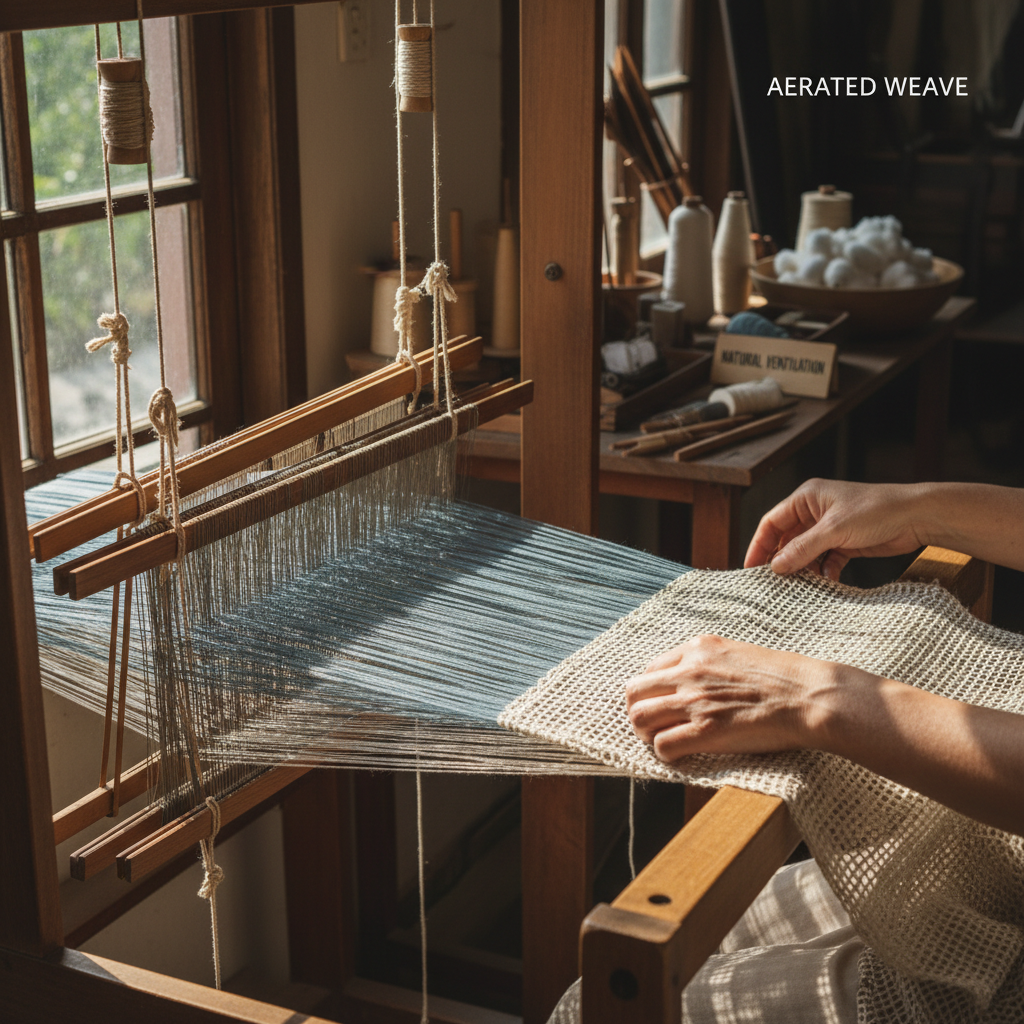
Linen is famous for its hollow fibers, which allow air to circulate freely. However, pure linen can sometimes feel stiff or abrasive against sensitive skin. Bamboo, on the other hand, is naturally cool to the touch. When blended, the resulting textile possesses a micro-structure that pulls heat away from the body more efficiently than cotton. This makes it an ideal candidate for skin-friendly textiles, which are increasingly viewed as the "next luxury" in the fashion industry.
2. Moisture Wicking and Antimicrobial Properties
One of the standout bamboo linen blend benefits is its ability to absorb up to three times its weight in water. Bamboo contains a unique bio-agent called "Bamboo Kun," which provides natural antibacterial and antifungal properties. For summer garments, where perspiration is inevitable, this means the fabric stays fresher for longer, reducing the need for frequent washing and thus extending the garment's lifecycle.
3. The Perfect Drape
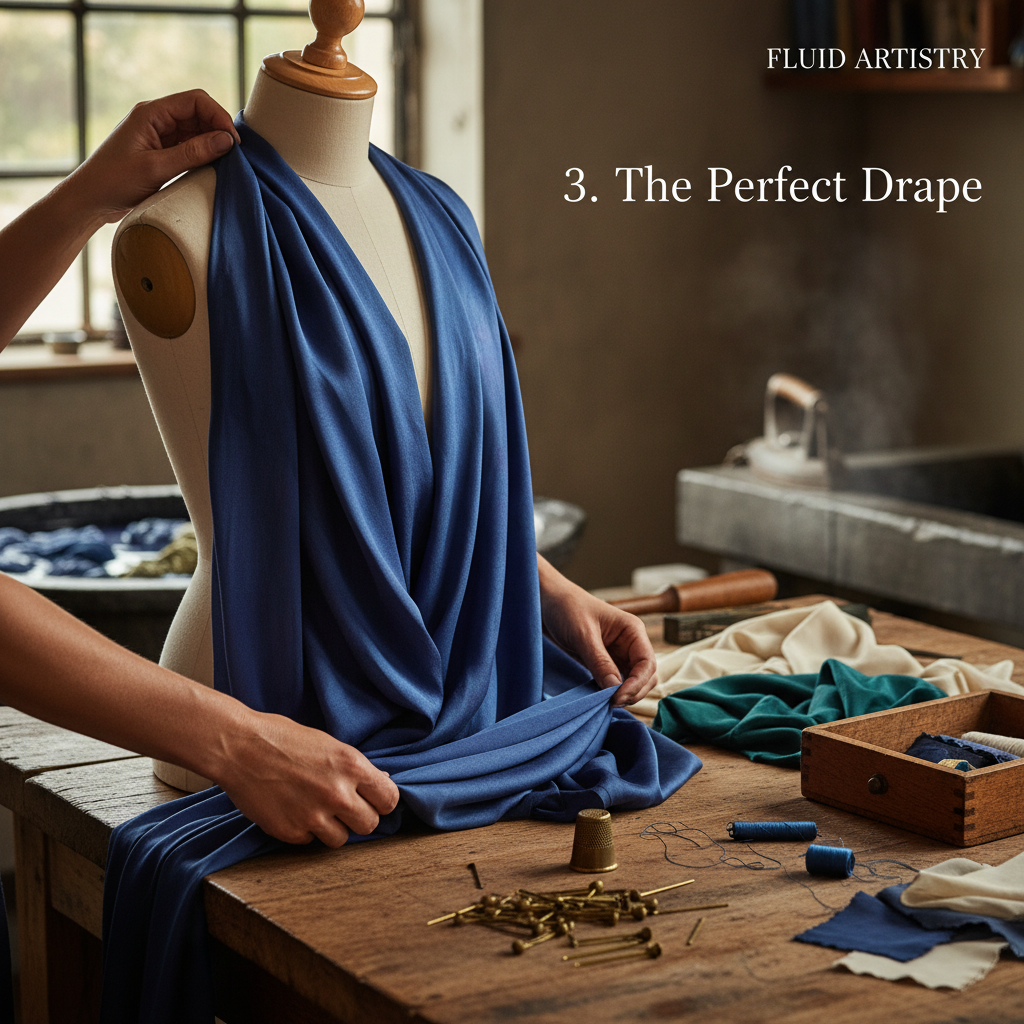
Pure linen is notorious for its "crunchy" texture and aggressive wrinkling. While some consumers love the "honest" look of linen wrinkles, many B2B brands find it a hurdle for formal or contemporary wear. Bamboo adds a silky luster and a fluid drape to the linen's structural integrity. The result is a fabric that holds its shape but flows with the body, offering a sophisticated silhouette that pure linen often lacks.
Expert Tip: For high-end resort wear, look for a bamboo-linen blend with a GSM (Grams per Square Meter) between 110 and 150. This weight ensures the fabric is opaque enough for trousers and dresses while remaining light enough for tropical climates.
Why B2B Brands are Prioritizing Sustainable Fashion Sourcing
In the B2B sector, "sustainability" is no longer a buzzword; it is a compliance requirement and a brand pillar. Selecting the right materials is the first step in building a transparent supply chain.
The Ecological Edge of Bamboo and Flax
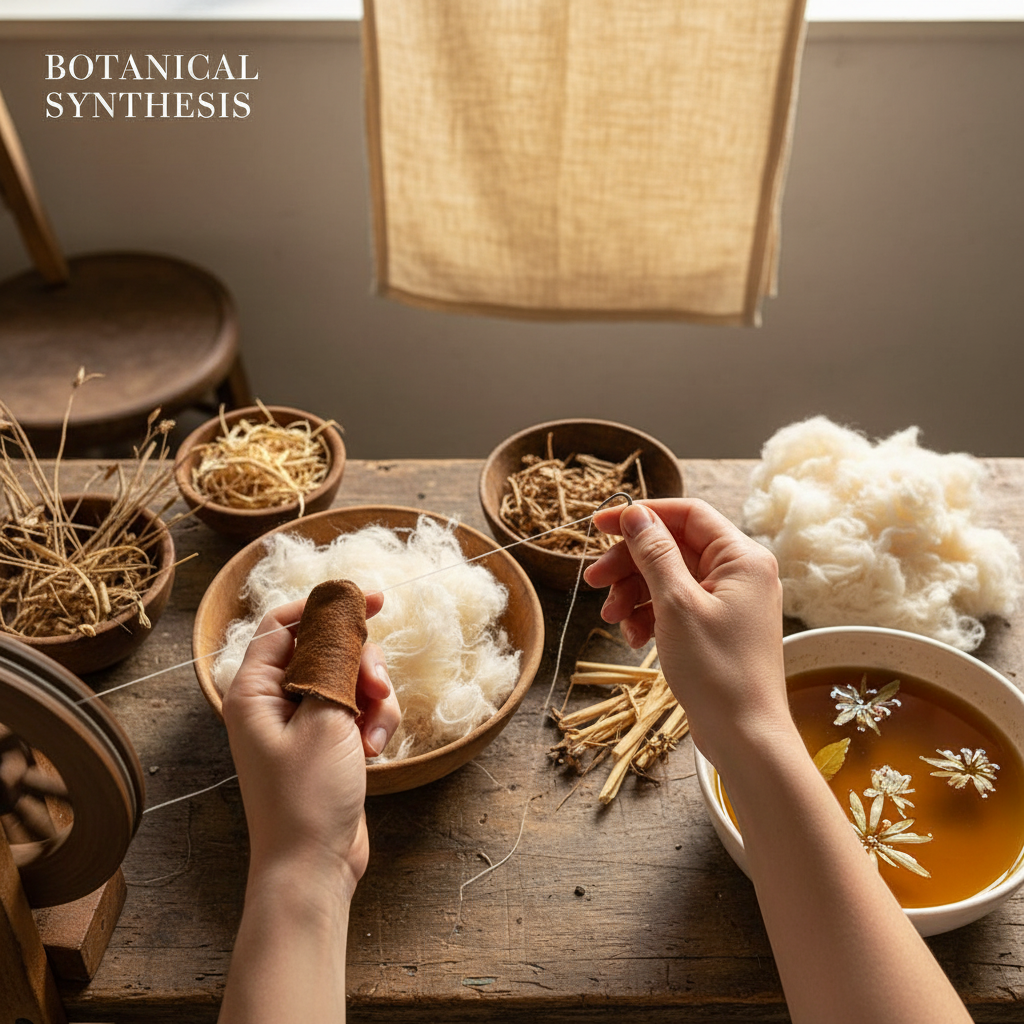
Both components of the bamboo linen blend are environmental heavyweights. Flax (the source of linen) is a resilient plant that requires far less water and fewer pesticides than conventional cotton. Bamboo is one of the fastest-growing plants on earth, capable of regenerating without the need for replanting.
However, the sustainability of the fabric also depends on the manufacturing process. This is why many global brands are looking toward organic fabric suppliers in India who specialize in traditional, low-carbon production methods. At Anuprerna, we focus on handwoven techniques that bypass the heavy energy consumption of industrial power looms, ensuring that the "eco-friendly" label is backed by genuine artisanal practice.
Meeting the Demand for Transparency
Modern consumers are savvy. They check QR codes on labels to trace the origin of their clothes. By sourcing a bamboo linen blend that is handwoven by artisan communities, brands can tell a compelling story of heritage and ethical impact. You aren't just selling a shirt; you are selling the story of a weaver in East India who used age-old techniques to create a modern masterpiece.
For brands looking to deepen their understanding of this process, our strategic guide to sourcing fabrics wholesale in India provides a roadmap for navigating the complexities of the Indian textile market.
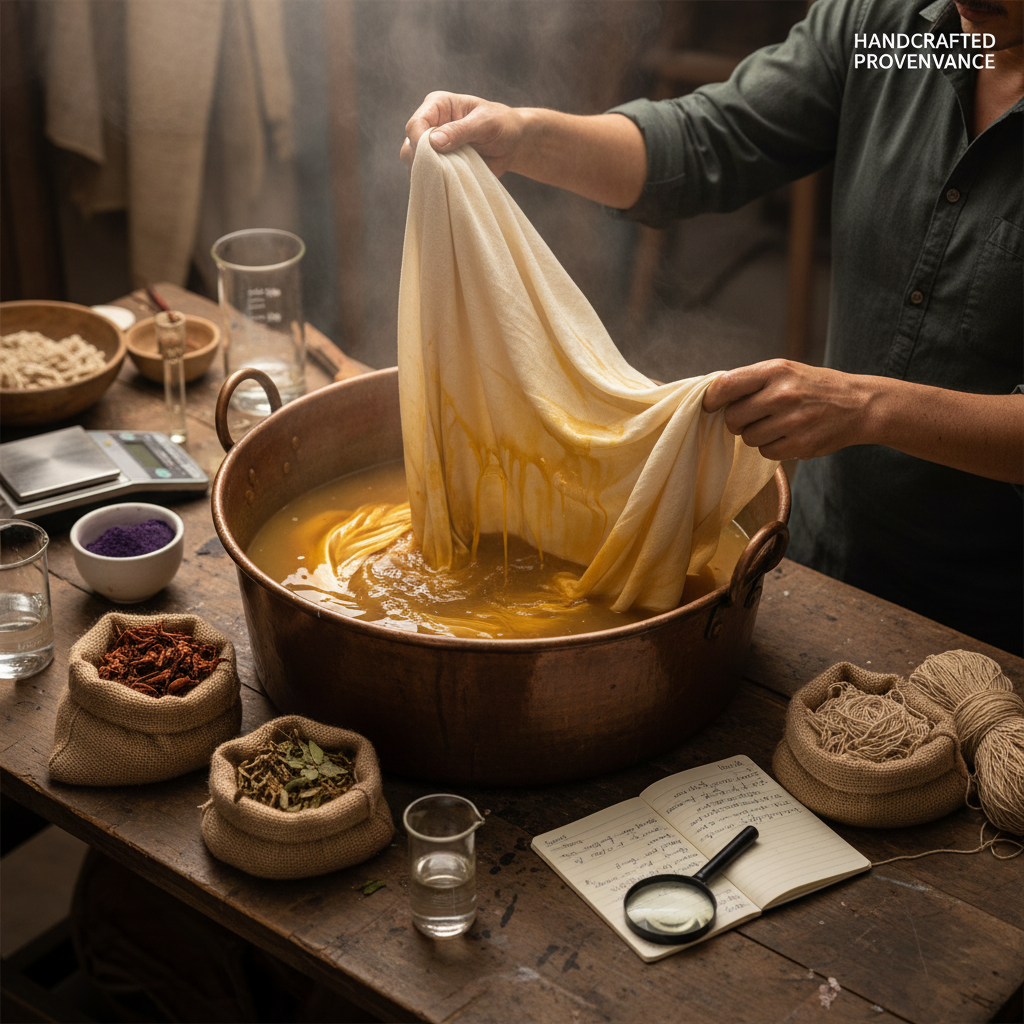
Designing for the Modern Consumer: Versatility of Bamboo Linen
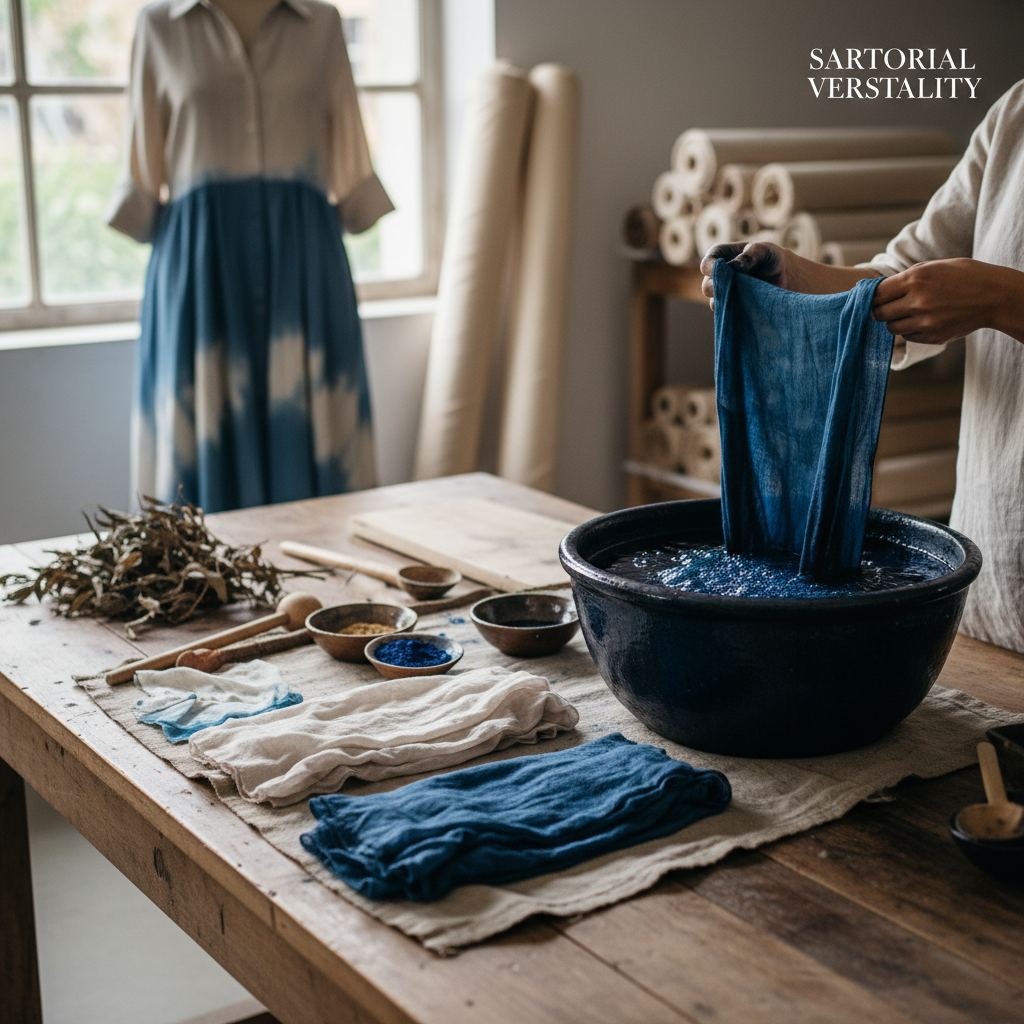
One of the reasons B2B brands are switching to this blend is its incredible versatility across different product categories. Unlike some niche fabrics, bamboo linen fits seamlessly into various fashion segments.
1. Luxury Loungewear and Sleepwear
The softness of bamboo makes the blend comfortable enough for skin-contact garments, while the linen ensures the pieces look "dressed up" enough for the "work-from-home" era.
2. Contemporary Office Wear
Summer in the city requires clothing that can transition from a humid commute to a climate-controlled office. A bamboo linen blazer or a pair of tailored trousers offers the professional structure of linen with the crease-resistance provided by the bamboo fibers.
3. Sustainable Resort Wear
For brands targeting the travel and vacation market, the bamboo linen blend is a dream. It is lightweight for packing, dries quickly,and the natural luster of the bamboo gives it a premium "high-end" feel that justifies a luxury price point.
Product Spotlight
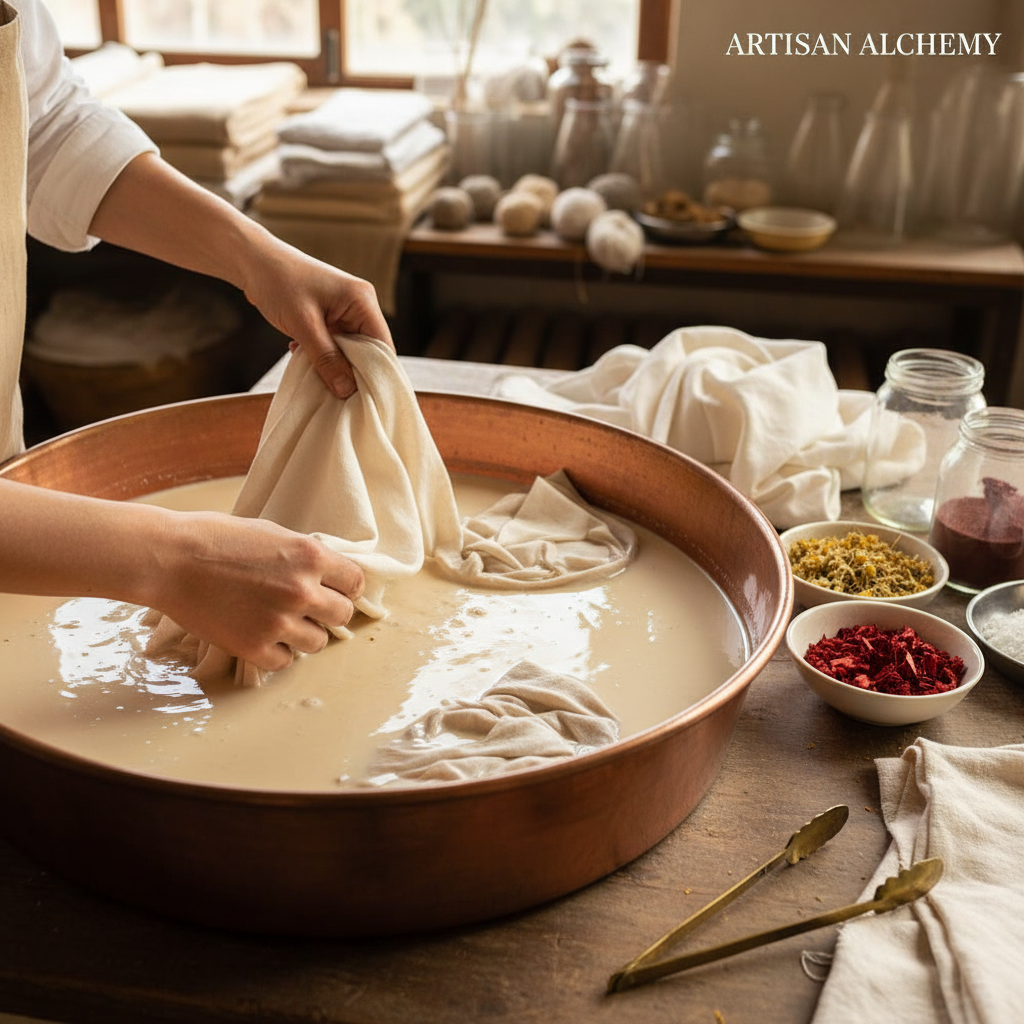
Blends that Bridge the Gap
While bamboo linen is a powerhouse, brands often experiment with other blends to achieve specific textures. For instance, those looking for a slightly more rustic or textured feel might explore a piece like our Plain White Linen and Cotton Blend, or for a more opulent sheen, our Plain Natural Matka Silk Linen Blend. These variations allow designers to create a cohesive collection with diverse tactile experiences.
Common Mistakes to Avoid in Sustainable Fabric Sourcing
Switching to eco-friendly materials is a journey, and there are pitfalls that B2B brands should be aware of to ensure their collection's success.
- Ignoring the Processing Method: Not all bamboo is created equal. Ensure your supplier uses a "closed-loop" process where chemicals are recycled, or opt for mechanical processing if available.
- Overlooking Lead Times for Handwoven Fabrics: Handweaving is a slow, deliberate art. Brands switching from power-loom fabrics to artisanal handwoven bamboo linen must plan their production cycles 4-6 months in advance.
- Misjudging Shrinkage: Both bamboo and linen have natural shrinkage rates. Always request pre-shrunk samples or conduct rigorous wash tests before finalizing your patterns.
- Failing to Educate the End Consumer: If you don't tell your customers why you chose a bamboo linen blend, they might just see it as "another fabric." Use your marketing channels to highlight the best sustainable fabrics for apparel and why this blend is superior.
How to Implement Bamboo Linen in Your Next Collection: A Step-by-Step Guide
For B2B brands ready to make the switch, here is a practical framework to get started:
- Define Your Aesthetic: Decide if you want a smooth, sateen-like finish (higher bamboo content) or a textured, earthy feel (higher linen content).
- Request Swatches: Start by ordering sample headers. Feel the weight, check the transparency, and observe how the fabric reacts to light.
- Prototype and Wear-Test: Create a "hero" garment from your collection and have it wear-tested. Check for pilling, breathability, and how the "wrinkle-recovery" performs in real-world conditions.
- Verify the Supply Chain: Work with partners like Anuprerna who provide transparency into the artisan clusters involved in the weaving process.
- Marketing Alignment: Prepare your sales team with the technical "Eco-friendly fabric properties" so they can communicate value to retail buyers or direct consumers.
Conclusion
The move toward bamboo linen fabric is more than a seasonal trend; it is a reflection of a maturing fashion industry that values performance as much as it values the planet. By combining the strength and heritage of linen with the softness and sustainability of bamboo, B2B brands can offer products that truly stand out in a crowded market.
At Anuprerna, we believe that the future of fashion lies in the hands of our artisans. By choosing handwoven blends, brands support traditional craftsmanship while embracing modern textile innovation. Whether you are designing a minimalist summer line or a high-end resort collection, the bamboo linen blend offers the quality, ethics, and "skin-feel" that today's consumers demand.
Ready to elevate your summer collection? Explore our range of handwoven sustainable fabrics and join the movement toward a more conscious fashion future.
most asked questions
Is bamboo linen fabric truly sustainable?
Yes, but with nuances. The sustainability depends on the "closed-loop" processing of bamboo and the low-impact cultivation of flax. When sourced from ethical organic fabric suppliers in India who utilize handweaving, the carbon footprint is significantly lower than mass-produced synthetic or conventional cotton fabrics. It is biodegradable and requires fewer resources to produce.
How does the bamboo linen blend feel compared to 100% linen?
A bamboo linen blend is significantly softer than 100% linen. While pure linen can feel stiff and "scratchy" initially (softening only after many washes), the bamboo component provides an immediate "silky" hand-feel. It also reduces the sharp, deep creases typical of pure linen, resulting in a softer, more manageable drape.
What are the care instructions for garments made from this blend?
To maintain the integrity of the handwoven fibers, we recommend hand washing or using a gentle machine cycle with eco-friendly detergents. Avoid bleach and tumble drying. Ironing while the fabric is slightly damp will yield the best results, though many prefer the natural, soft-tumbled look of the blend.
Can I use bamboo linen fabric for winter collections as well?
While it is a "summer superstar" due to its breathability, the bamboo linen blend is surprisingly cross-seasonal. Bamboo fibers have a cross-section filled with micro-gaps that provide insulation. In cooler weather, it can be layered to trap heat, though it is primarily marketed for spring/summer due to its moisture-wicking properties.
Why should B2B brands source this fabric from India specifically?
India, particularly East India, has a rich heritage of handweaving and natural fiber processing. By sourcing from India, brands gain access to unique textures that power looms cannot replicate. Furthermore, working with specialized manufacturers allows for smaller minimum order quantities (MOQs) and a higher degree of customization in weaves and blends.
More Blogs
how celebrities who care about the environment are changing fashion
life cycle assessment (lca) in fashion: measuring your brand's true impact
how to source ethical raw silk for your fashion label
top commercial uses of natural dyes in sustainable fashion
how eco friendly celebrities are changing the fashion industry
how to become an ethical fashion designer: a sourcing guide