
How Celebrities Who Care About The Environment Are Changing Fashion

A high-profile red carpet appearance no longer just dictates seasonal color palettes; it sets rigorous new standards for supply chain transparency. When a prominent actor or musician chooses to wear a sustainable fashion designer, the immediate media scrutiny shifts from the silhouette to the origin of the fibers. Stylists and public relations teams now demand comprehensive proof of ethical production methods before a garment ever reaches the spotlight. This intense visibility forces emerging labels to rethink their entire sourcing strategy, moving away from opaque factory lines toward verifiable, low-impact material origins.
The stakes for securing a traceable supply chain have never been higher for independent labels. As public figures advocate for climate action, their wardrobe choices act as a catalyst for preserving decentralized rural heritage crafts. This shift transforms traditional Indian handloom techniques from niche cultural artifacts into highly sought-after luxury statements. Understanding this dynamic is essential for brands aiming to align their material choices with the rigorous expectations of modern eco-advocacy.
The Red Carpet Ripple Effect: How Celebrity Advocacy Drives B2B Sourcing
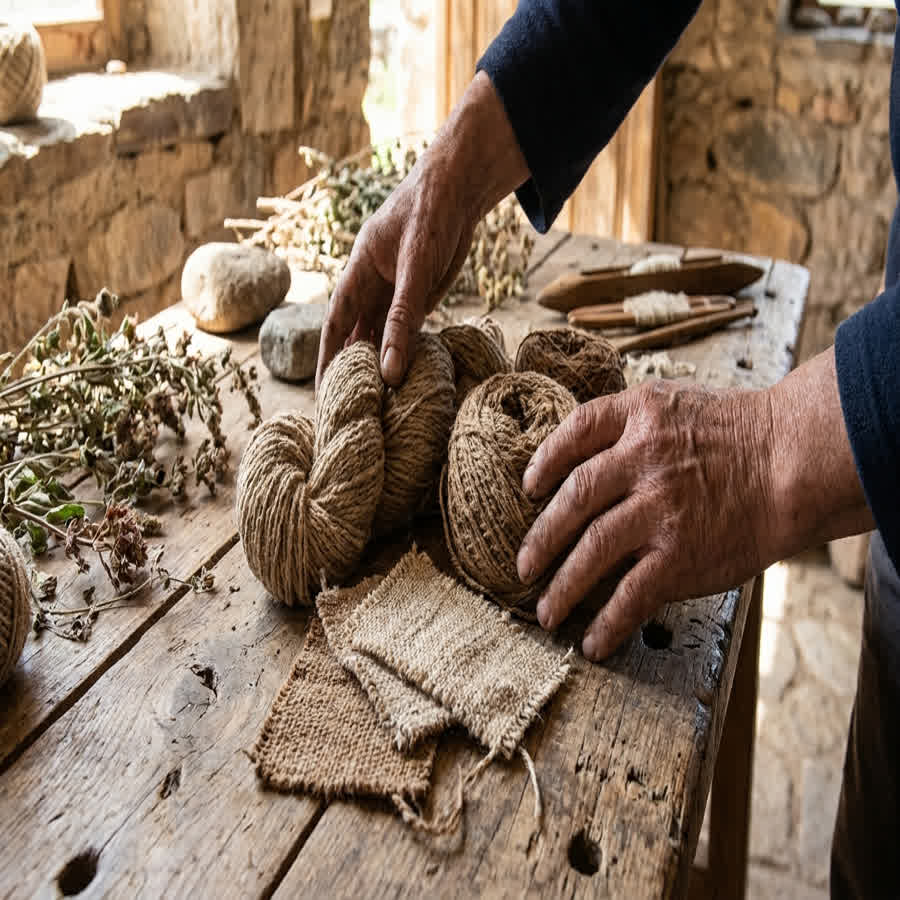
Celebrity advocacy drives B2B sourcing by creating immediate consumer demand for verifiable, low-impact materials, forcing brands to secure transparent supply chains. A single high-profile endorsement of an ethical garment can deplete a brand's inventory overnight. This sudden surge requires a sustainable fashion designer to have a reliable, scalable network of artisans ready to meet the demand without compromising on ecological standards. The focus has decisively shifted from fast-fashion volume to the documented provenance of the textiles.
The Shift to Heritage Crafts
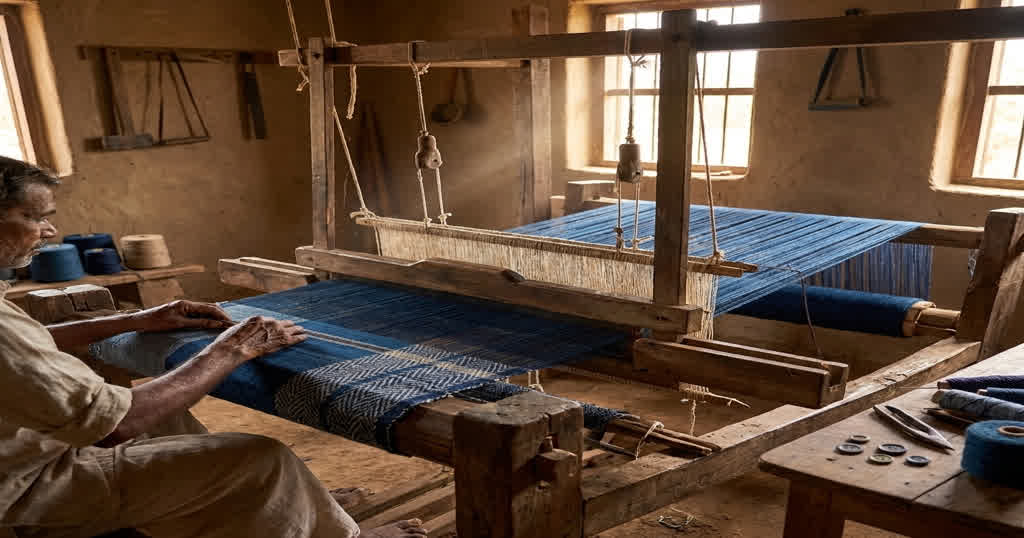
Public figures are increasingly rejecting synthetic blends in favor of heritage handloom techniques. This transition highlights traditional methods like Jamdani and Khadi as premium luxury statements with deep socio-economic roots. When a celebrity wears a handwoven piece, they are endorsing the decentralized artisan networks that produced it. This visibility brings rural craftsmanship to the global stage, proving that true luxury lies in the time and skill invested in the fabric.
To meet this new standard, brands must prioritize specific material properties that align with high-end expectations. Sourcing teams look for distinct characteristics that signify both quality and environmental responsibility.
- High-drape organic cotton: Utilizing 60s to 120s count yarns ensures a fluid, elegant fall suitable for couture applications.
- Zero-electricity production: Handloom weaving inherently maintains a low carbon footprint, appealing directly to climate-conscious advocates.
- Socio-economic impact: Partnering with rural weavers provides a verifiable narrative of artisan empowerment and fair wages.
Securing Traceable Supply Chains
The pressure to match the ethical standards championed by eco-conscious celebrities falls heavily on B2B buyers. Stylists require extensive documentation proving the zero-waste credentials of a garment before approving it for a major event. This necessitates a shift away from opaque intermediaries toward direct partnerships with the weavers. By integrating a traceable supply chain, brands can confidently market the authentic narrative of their collections.
Working directly with clusters in regions like Murshidabad or Malda allows a sustainable fashion designer to monitor every step of production. This direct line of communication ensures that the final textile meets the rigorous quality control standards expected by luxury clientele. It also provides the factual backing needed to survive the intense scrutiny of modern fashion journalism.
From PR to Production: What Ethical Fashion Designers Need in a Supply Chain
Ethical fashion designers need a supply chain that guarantees strict material compliance, such as Azo-free dyes and organic fibers, alongside total transparency to pass the rigorous vetting of celebrity stylists. A compelling design is no longer sufficient to secure a red-carpet placement. Public relations teams act as gatekeepers, demanding proof that the textile manufacturing process aligns with the public figure's environmental stance. This requires sourcing directors to build networks that offer both high-performance fabrics and unimpeachable ethical credentials.
Technical Material Specifications
High-profile garments demand fabrics that deliver exceptional visual impact while maintaining strict ecological standards. The material science behind these textiles is precise, requiring specific yarn counts and dyeing techniques. A sustainable fashion designer must source materials that offer a luxurious, soft hand-feel without relying on toxic chemical finishes.
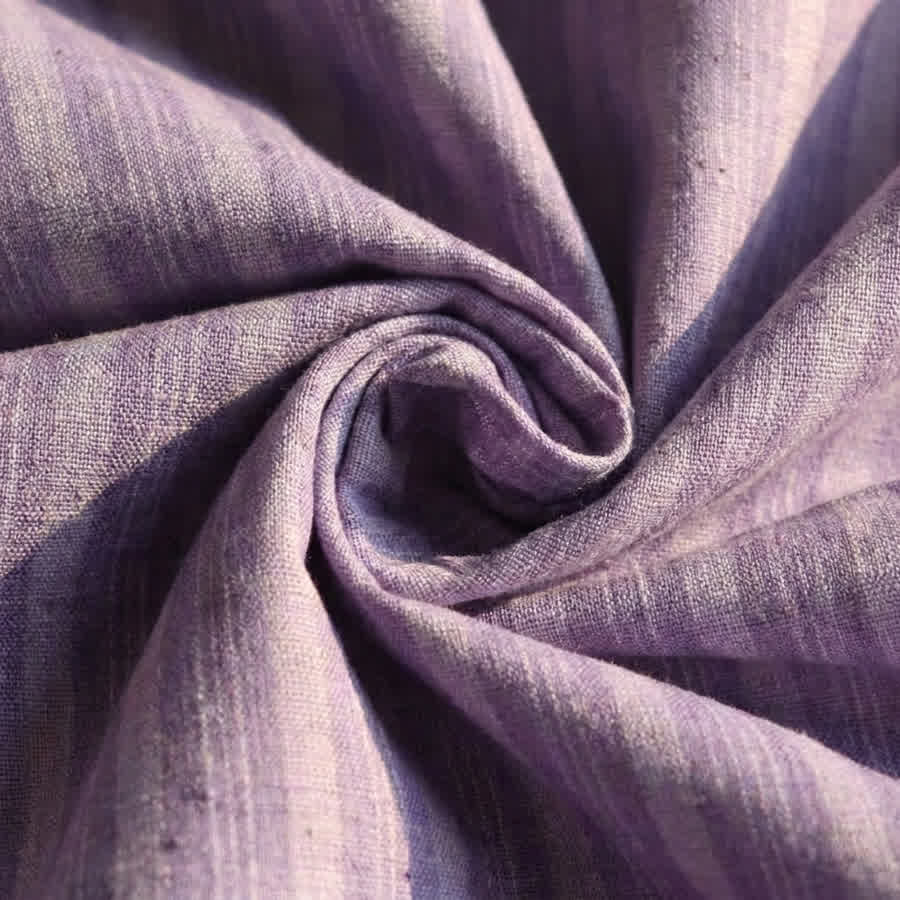
Meeting these technical requirements involves selecting fibers and processes that prioritize both performance and planetary health.
- Ahimsa (peace) silk: This cruelty-free alternative offers high tensile strength and excellent sericin retention, making it ideal for structured couture applications.
- Fine count organic cotton: Utilizing 80s to 120s count yarns provides the breathability and drape necessary for high-end garments.
- Azo-free or natural dyes: These coloring methods ensure zero chemical runoff and maintain skin-safe properties, crucial for both the wearer and the local water supply.
Passing the Stylist Audit
When a celebrity stylist requests a pull, they often require a detailed breakdown of the garment's origin. They look for a verifiable ethical backstory that can be shared with the press. If a brand cannot provide the exact district where the bast fiber was harvested or the weaving cluster that crafted the fabric, they risk losing the placement. Transparency is now a mandatory component of luxury marketing.
To survive this audit, brands must partner with suppliers who maintain meticulous records of their production methods. This level of detail allows ethical fashion designers to confidently answer questions about water usage, dye toxicity, and labor conditions. Providing this data upfront builds trust with high-profile advocates and secures the brand's reputation as a leader in responsible fashion.
Spotlight on Sustainable Fashion Brands India: The Handloom Advantage
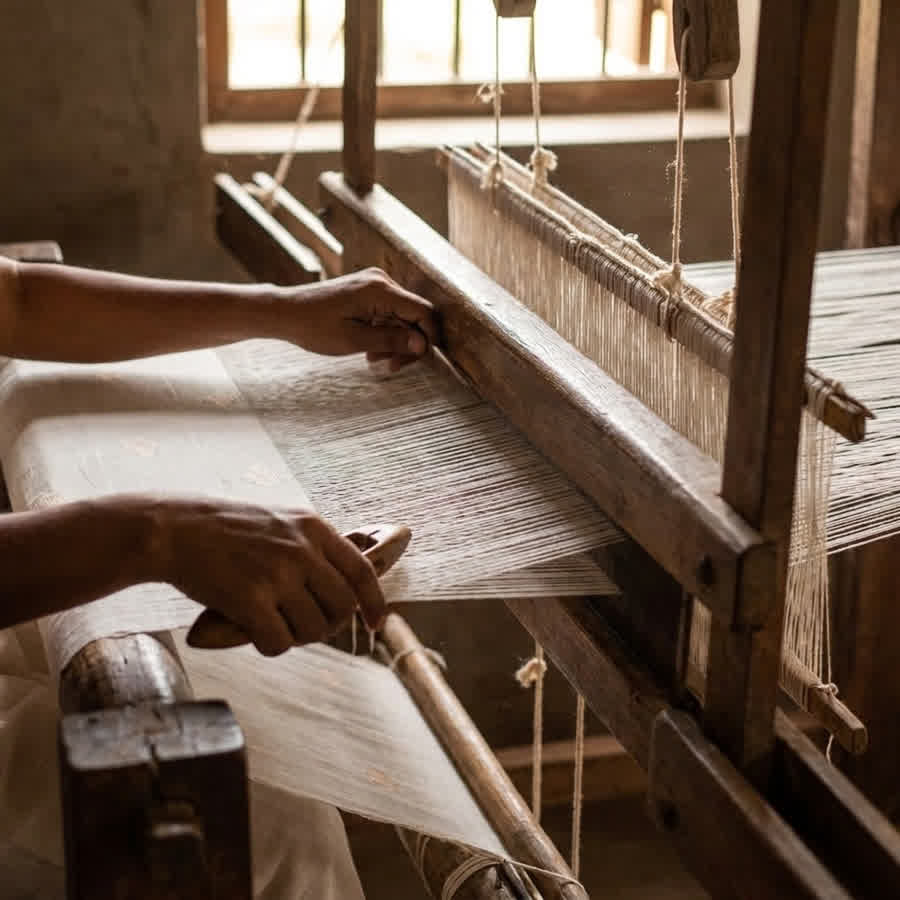
The handloom advantage for sustainable fashion brands india lies in their ability to produce luxury, zero-electricity textiles that offer an authentic, low-impact narrative for eco-conscious elites. As international markets search for alternatives to industrial manufacturing, the traditional looms of Bengal and Karnataka present a ready-made solution. These decentralized systems operate entirely without power, drastically reducing the carbon footprint of the final garment. This inherent sustainability makes Indian handlooms highly attractive to buyers seeking to align with celebrity-driven environmental campaigns.
The Luxury of Zero-Electricity Production
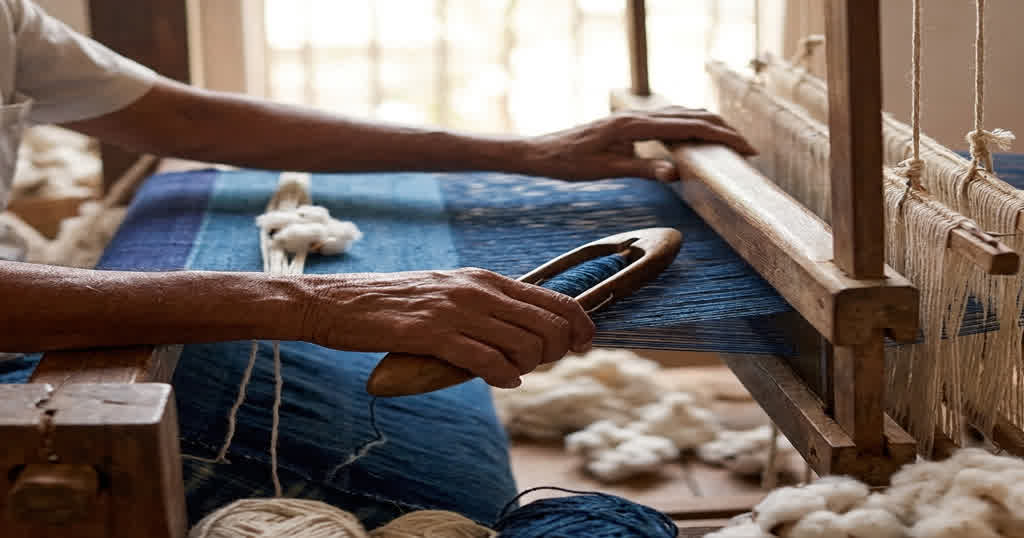
The definition of luxury is shifting from well-made machine uniformity to the unique, tactile variations of human craftsmanship. Handwoven fabrics possess a distinct character that cannot be replicated by automated power looms. For a sustainable fashion designer, these subtle irregularities are not defects; they are proof of the authentic artisanal process. This shift in perception positions handloom textiles at the pinnacle of eco-couture.
Sourcing from these traditional networks provides specific benefits that resonate with high-end consumers and advocates alike.
- Minimal environmental impact: The reliance on human energy ensures a zero-electricity weaving process, aligning with strict climate goals.
- Superior fabric breathability: The lower tension of hand-operated looms results in a looser weave, offering a soft, airy drape ideal for premium collections.
- Preservation of heritage techniques: Supporting these methods keeps complex weaves like Jamdani alive, adding cultural value to the garment.
Empowering Rural Weavers
The appeal of sustainable fashion brands india extends beyond the physical properties of the fabric. The social impact of sourcing from rural clusters provides a compelling narrative for public relations. By directing capital to decentralized artisan networks, brands actively participate in poverty alleviation and community development. This tangible socio-economic benefit is exactly the type of story that eco-conscious celebrities want to amplify.
Working with these communities requires a commitment to fair trade practices and consistent orders. A sustainable fashion designer must prioritize long-term partnerships over seasonal trend-chasing to ensure the stability of the weaving clusters. This dedication to artisan empowerment not only secures a reliable supply of high-quality textiles but also builds a brand identity rooted in genuine social responsibility.
Building a Celebrity-Worthy Narrative with Decentralized Artisan Networks
B2B buyers can build a celebrity-worthy narrative by utilizing decentralized artisan networks to transparently market the social impact, heritage, and low carbon footprint of their garments. When a public figure champions a cause, they require concrete evidence to support their statements. A vague claim of being eco-friendly will not withstand media scrutiny. By sourcing through a transparent supply chain, brands can provide the exact details needed to craft a compelling, fact-based story.
Marketing Social Impact
The modern luxury consumer buys into the values of a brand as much as the aesthetic of the clothing. Highlighting the direct connection between a garment and the rural Indian handloom weavers who crafted it creates a powerful emotional resonance. A sustainable fashion designer can use this narrative to differentiate their collections in a crowded market. The story of the fabric becomes a core component of the brand's identity.
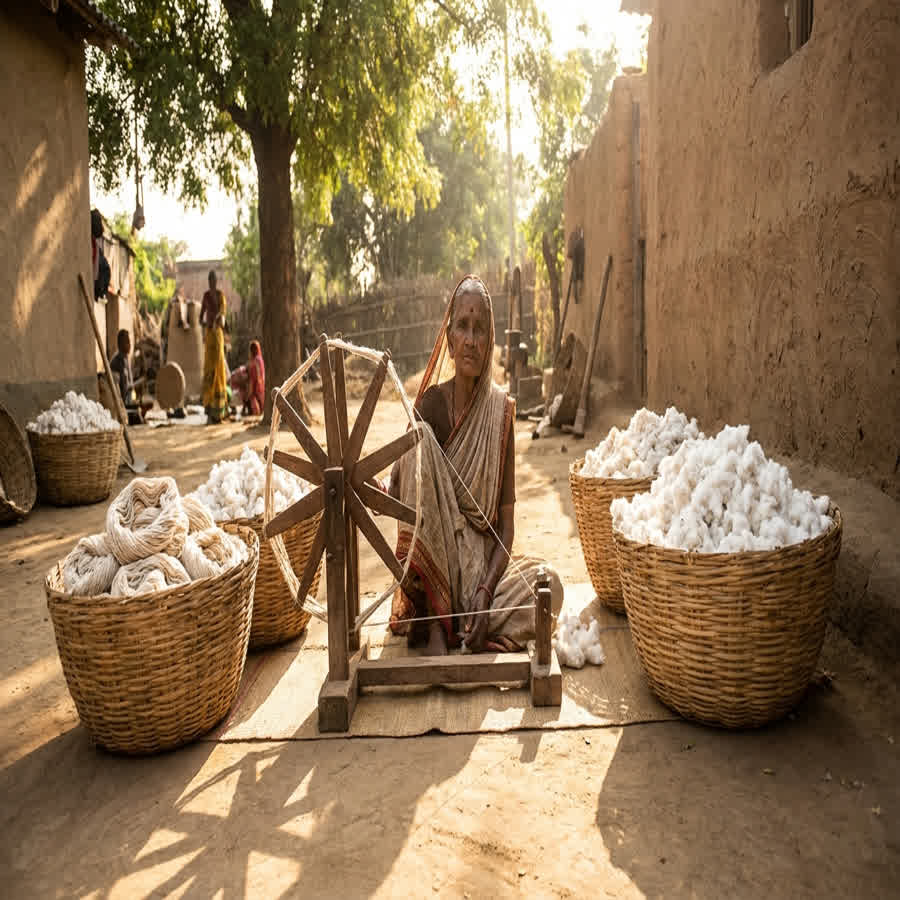
To effectively communicate this impact, brands should focus on specific, verifiable metrics that demonstrate their commitment to ethical sourcing.
- Traceability to the loom: Providing the exact location of the weaving cluster proves the authenticity of the supply chain.
- Documented fair wages: Highlighting the financial stability brought to the artisans reinforces the brand's socio-economic responsibility.
- Low minimum order quantities: Supporting networks that offer flexible MOQs allows emerging designers to participate in ethical sourcing without overproducing.
The Anuprerna Decentralized Model
We operate a decentralized artisan supply chain that connects B2B buyers directly with skilled weavers across India. This model eliminates opaque middlemen, ensuring that a sustainable fashion designer knows exactly where and how their fabric is made. By organizing these independent clusters, we provide the quality control standards and reliable communication necessary for international commerce. This structure balances the slow, deliberate pace of artisanal craft with the strict deadlines of the fashion calendar.
Partnering with a structured network allows brands to access heritage handloom techniques without the traditional logistical headaches. We handle the complexities of coordinating multiple rural clusters, ensuring that the Azo-free dyed yarns and organic fibers meet exact specifications. This reliability enables ethical fashion designers to focus on creating celebrity-worthy garments, confident that their material sourcing is both ecologically sound and socially impactful.
frequently asked questions
How can a sustainable fashion designer ensure their fabrics meet the ethical standards expected by high-profile advocates?
Designers must source from transparent, decentralized supply chains that provide traceability down to the weaver level, utilizing verifiable fair-trade practices, organic yarns, and documented artisan empowerment initiatives. By maintaining direct communication with weaving clusters, brands can secure the necessary documentation to prove their zero-waste credentials to stylists and public relations teams.
Why are sustainable fashion brands in India increasingly favored by international ethical fashion designers?
India offers a unique combination of heritage handloom techniques, low-carbon production methods, and a rich narrative of artisan empowerment that resonates deeply with global luxury markets seeking authentic sustainability. The ability to source zero-electricity textiles like Khadi and Jamdani provides a compelling, verifiable story that aligns perfectly with celebrity-driven environmental campaigns.
What are the technical specifications of fabrics preferred for high-end sustainable couture?
High-end sustainable couture often utilizes fine counts of 80s to 120s organic cotton, Ahimsa silk, or linen blends, dyed with natural or Azo-free reactive dyes to ensure excellent drape, breathability, and zero toxic discharge. These specific material properties guarantee a luxurious hand-feel and high tensile strength while maintaining strict ecological compliance.
Does sourcing from decentralized artisan networks increase lead times for ethical fashion designers?
While handloom production is inherently slower than power looms, partnering with an organized B2B network ensures streamlined communication, rigorous quality control, and predictable timelines, balancing artisanal pacing with commercial deadlines. Structured supply chains manage the logistical complexities of rural clusters, allowing designers to plan their seasonal collections with confidence.
How do Azo-free dyes contribute to the environmental goals of a sustainable fashion designer?
Azo-free dyes eliminate the release of toxic, carcinogenic compounds into local waterways, ensuring zero chemical runoff and maintaining skin-safe properties for the end consumer. By specifying these compliant dyeing methods, brands protect the health of the artisans and the surrounding ecosystem, fulfilling a critical requirement for eco-conscious advocacy.
More Blogs
life cycle assessment (lca) in fashion: measuring your brand's true impact
how to source ethical raw silk for your fashion label
top commercial uses of natural dyes in sustainable fashion
how eco friendly celebrities are changing the fashion industry
how to become an ethical fashion designer: a sourcing guide
what makes an ethical fashion designer? core principles & practices