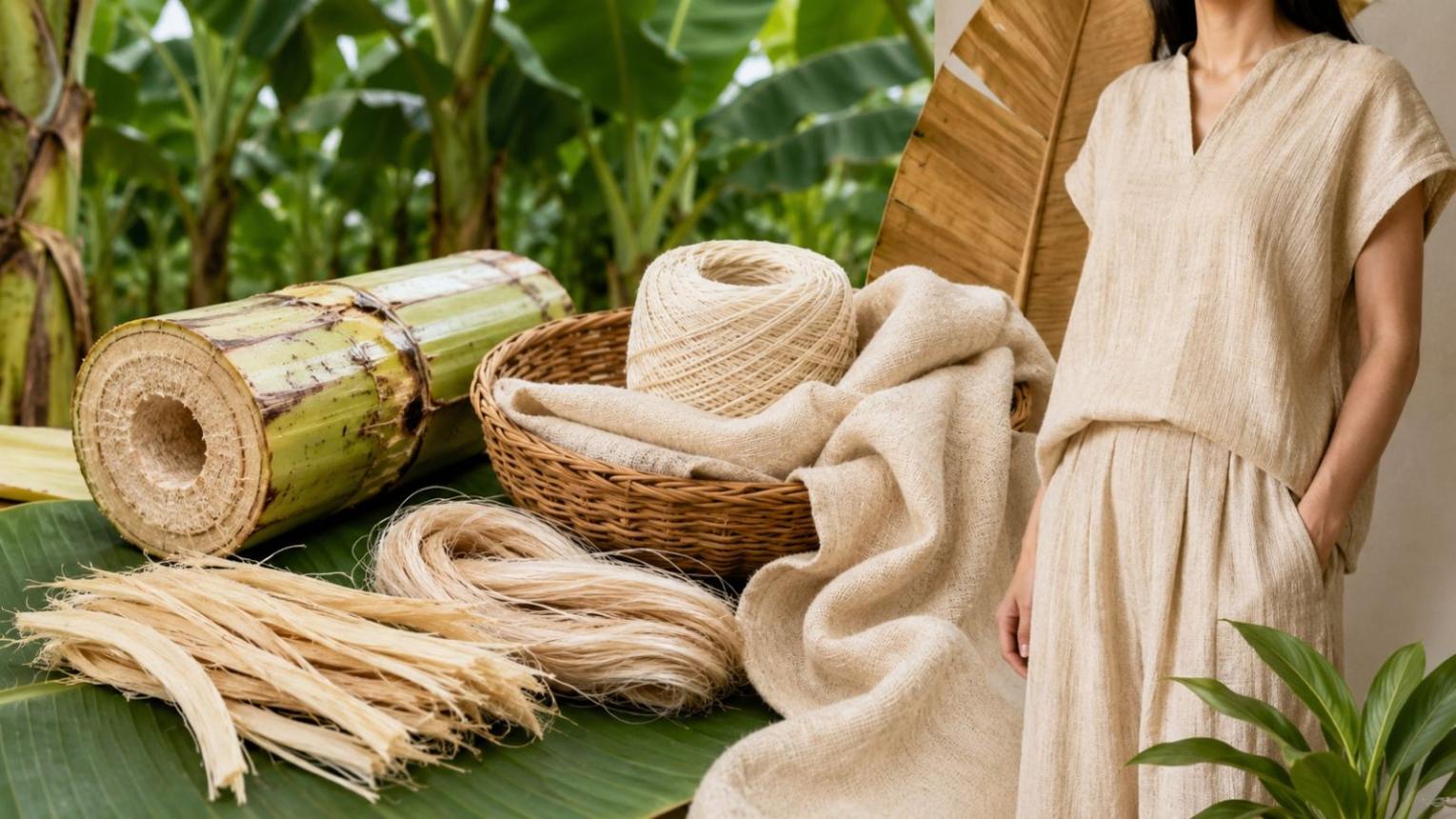
Banana Fiber Fabric: From Banana Plant to Sustainable Textile

Banana fiber fabric is a natural textile material derived from banana plants, offering potential applications in clothing, home furnishings, handicrafts, and other sustainable products. Also known as musa textile fiber or banana silk, banana fiber is valued for its strength, durability, softness, and moisture-handling properties, depending on its processing and construction.
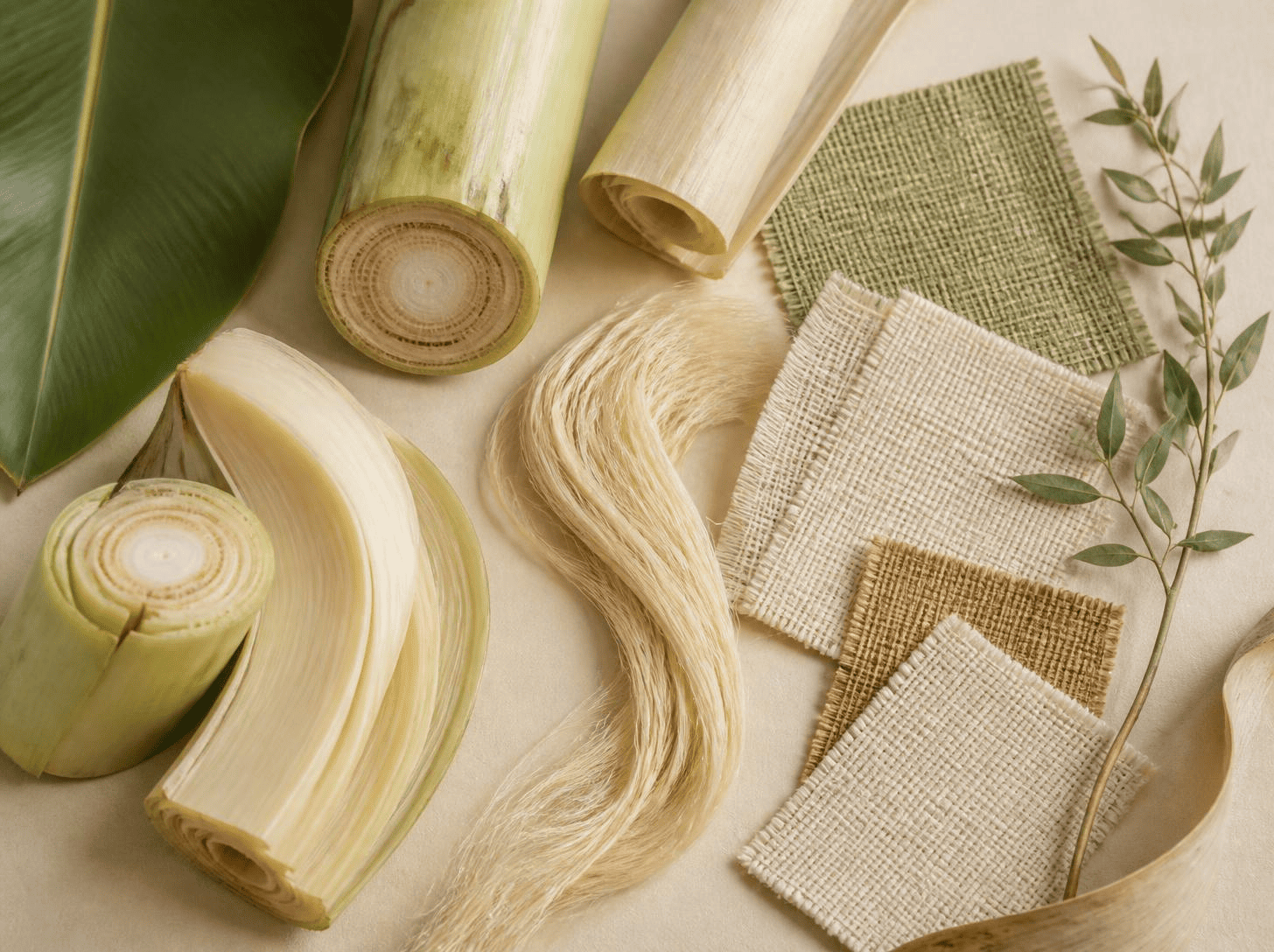
The fibers are extracted from parts of the banana plant, primarily the pseudostem, through mechanical and other processing methods. They can then be refined, spun into banana fiber yarn, and woven or blended with other natural fibers to create different textile materials.
At Anuprerna, we are actively pursuing banana fiber and fabric as a strategic initiative aligned with our ethos of sustainability and dedication to quality. We believe in exploring innovative and eco-friendly materials to enhance our product offerings while minimizing environmental impact.
What Is Banana Fiber Fabric?
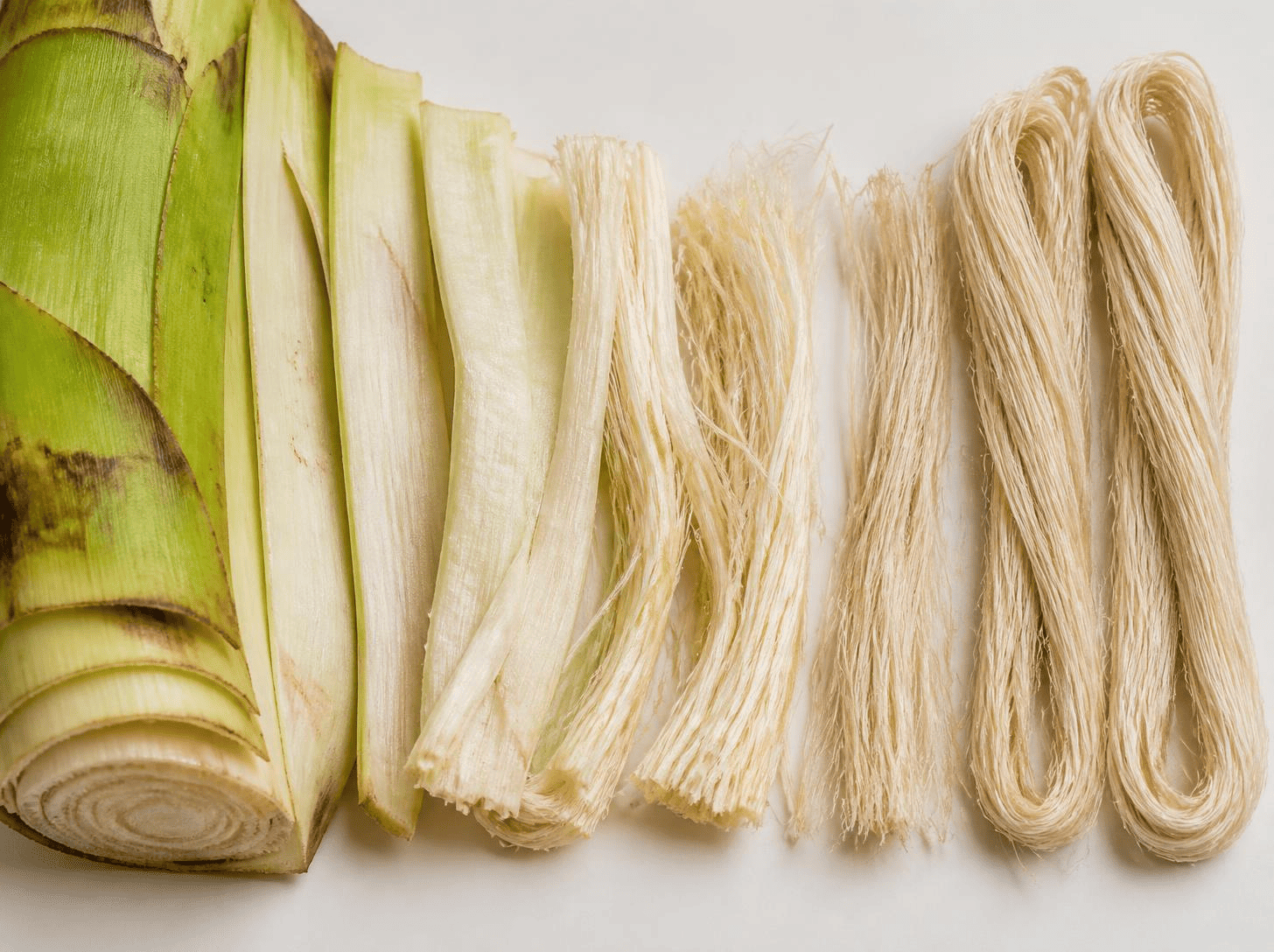
Banana fiber is a natural plant-based fiber obtained from banana plants. It is used in the production of textiles and other products, depending on the fiber quality, extraction process, and manufacturing method.
Banana fiber textiles have gained attention as an alternative material within the growing sustainable fabrics industry. Its characteristics, including strength, durability, and texture, make it suitable for exploring applications in apparel, home furnishings, and handicrafts.
The amount of usable fiber obtained from banana plants, sometimes referred to as banana fiber amount, depends on factors such as the banana variety, plant maturity, plant part used, and extraction method. Therefore, fiber yield can vary between sources and processing conditions.
Origin and Significance of Banana Fiber
Banana fiber has a rich history rooted in various cultures worldwide. Traditionally, banana plant fibers have been used in textiles, traditional garments, ceremonial robes, and handicrafts.
With growing interest in sustainable fabric alternatives, banana fiber clothing and other banana-based textile products have attracted attention in the fashion industry. The material offers opportunities to explore plant-based resources for clothing, home furnishings, and other applications.
Banana fiber, also referred to as musa textile fiber, is recognized for its natural origin and range of mechanical properties. Its suitability for textile production depends on how the fibers are extracted, processed, spun, and woven.
Is Banana Fiber a Sustainable Fabric Material?
Banana fiber is a plant-based material that can be explored as part of sustainable fabric development. Its production may make use of banana plant materials, including parts of the pseudostem that remain after agricultural activities.
However, the sustainability of banana fiber depends on several factors, including extraction methods, energy consumption, chemical treatments, fiber blends, and the overall manufacturing process.
Ongoing research and future development of banana fiber focuses on improving manufacturing methods, advanced fiber blends, chemical enhancements, sustainable processing, and other technologies. These developments aim to improve the quality, functionality, and adaptability of banana fiber textiles across multiple industries.
As interest in sustainable fabrics continues to grow, banana fiber remains an area of exploration within natural and alternative textile materials.
How Is Banana Fiber Fabric Made?
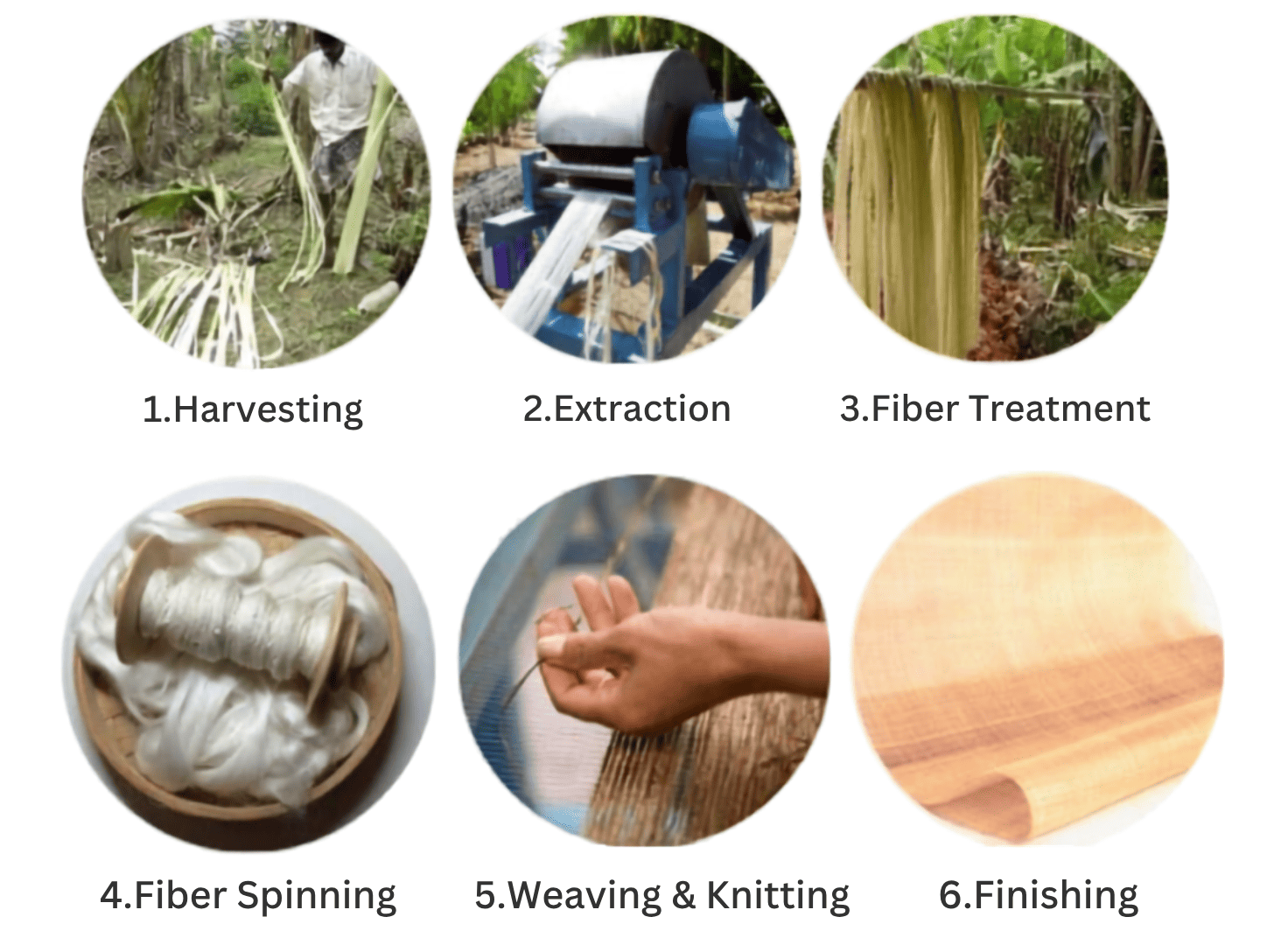
The banana fiber manufacturing process involves several stages, from harvesting the plant material to producing usable fibers and fabric.
1. Harvesting
Mature banana plants are carefully selected and harvested. The outer layers of the plant are removed, and usable inner fiber material is identified for further processing.
2. Fiber Extraction
The extracted material undergoes a process called decortication, where fibers are separated from the plant's stem. This can be performed manually or using mechanical decorticators.
3. Fiber Treatment
The extracted fibers are washed to remove impurities and dried to achieve the desired moisture content. Depending on the intended application, additional treatments may be used to improve fiber quality and processing performance.
4. Banana Fiber Yarn Production
The dried banana fibers are spun into yarn using traditional or modern spinning techniques, depending on the desired end product. Banana fiber yarn may be used in its pure form or blended with other fibers to enhance particular characteristics.
5. Weaving or Knitting
Banana fiber yarn is woven or knitted into fabric using traditional or advanced weaving and knitting machines. The resulting banana fiber textile can vary in texture, weight, appearance, and performance.
6. Finishing
After weaving or knitting, the banana fiber fabric may undergo finishing processes such as dyeing, printing, and coating, depending on the desired functional and aesthetic properties of the end product.
Properties of Banana Fiber
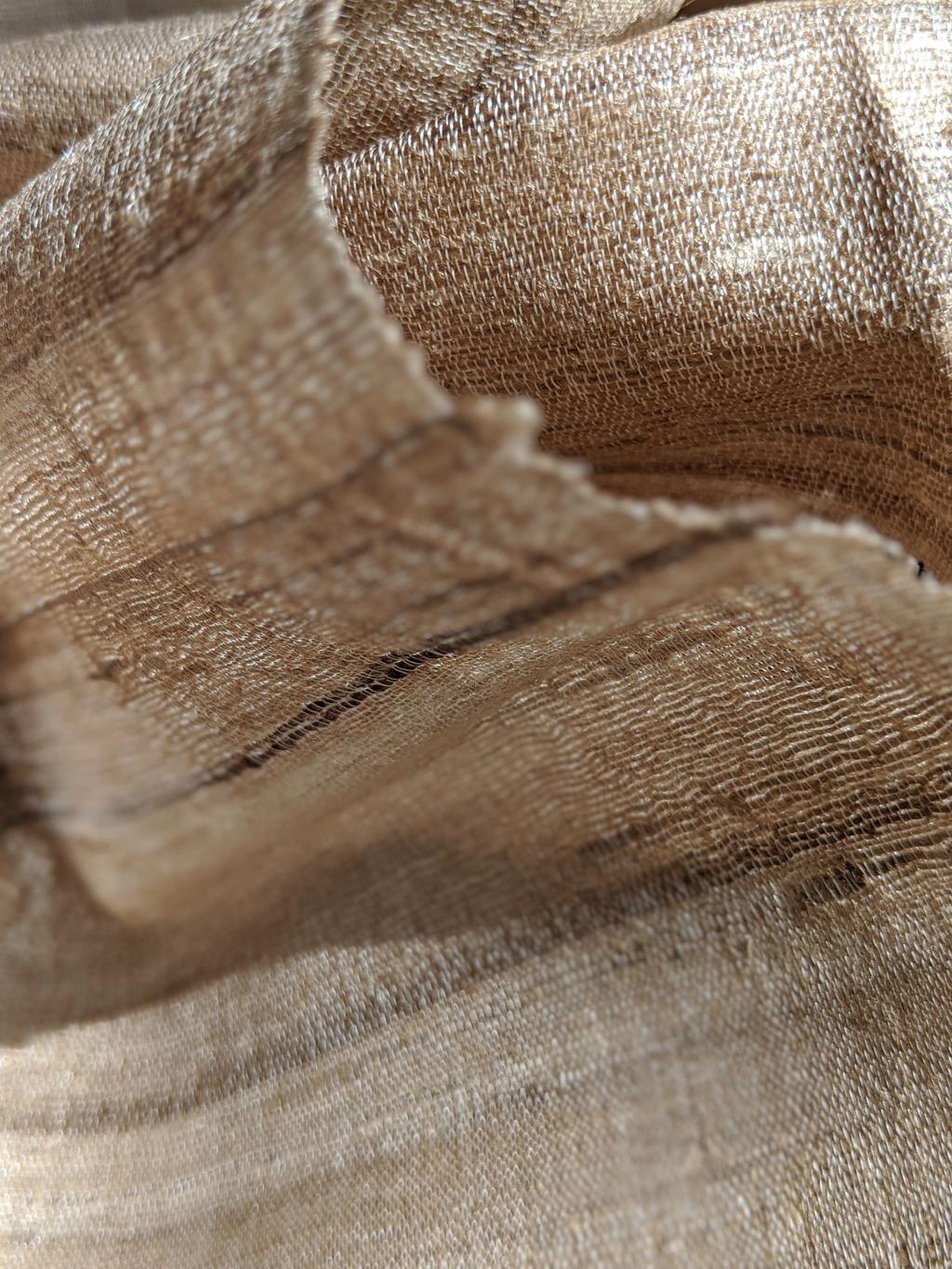
Banana fiber exhibits a range of characteristics that make it a material of interest for different applications. These properties depend on the fiber source, extraction method, processing, and fabric construction.
Strength and Durability
Banana fiber is known for its strength and durability. Its mechanical properties can make it suitable for applications where resistance to wear and long-term use are important. Actual performance varies depending on the fiber and textile construction.
Lightweight
Some banana fiber materials can be lightweight, making them suitable for applications where ease of use and comfort are important. The final weight depends on the yarn, weave, blend, and finishing process.
Softness
Banana fiber can offer a distinctive texture and feel. When appropriately processed or blended, it may be used in textile products designed for comfortable wear and other applications.
Moisture Absorption
Banana fiber has moisture-absorbing characteristics. Its ability to manage moisture in finished clothing depends on the fiber structure, yarn construction, fabric weave, and finishing.
Thermal Regulation and Breathability
The breathability and thermal behavior of banana fiber fabric depend on the material's construction and blend. These characteristics can influence its suitability for different climates and apparel applications.
Applications of Banana Fiber Fabric
Banana fiber can be used across multiple industries, including textiles, apparel, home furnishings, handicrafts, and paper production. The specific applications depend on the fiber quality and manufacturing process.
1. Textiles and Banana Fiber Clothing
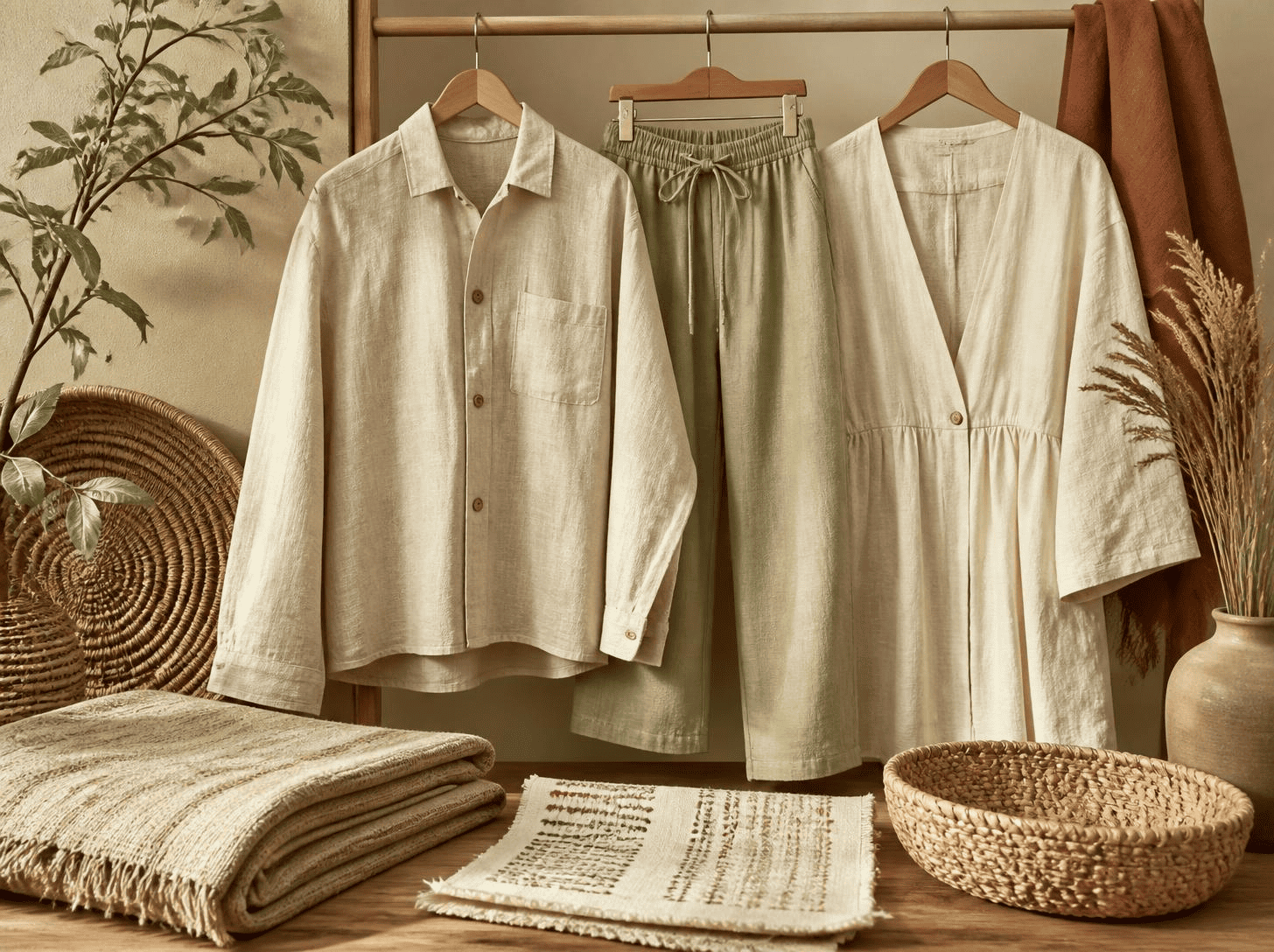
Banana fiber clothing includes potential applications in garments such as shirts, dresses, and other apparel. The material's texture, strength, and moisture-related properties make it an area of interest for sustainable textile development.
Banana fiber can also be blended with other natural fibers to create fabrics with different characteristics and performance requirements.
2. Home Furnishings
Banana fiber can be woven into rugs, carpets, curtains, and upholstery fabrics. Its natural appearance and durability make it suitable for exploring eco-conscious home furnishing products.
3. Handicrafts
Artisans incorporate banana fiber into handicrafts such as bags, baskets, and decorative items. Its natural appeal and strength can support the creation of unique products.
4. Paper and Packaging
Banana fiber can be processed into paper, offering an alternative material for certain paper applications. Its suitability for packaging depends on the processing method and required performance characteristics.
5. Banana Plant Fiber Products
Banana plant fiber can contribute to the development of different eco-friendly products. Applications may include handicrafts, packaging, and textile materials, depending on manufacturing processes and end-use requirements.
Banana Fiber in the Future of Sustainable Textiles
As manufacturers and consumers, the development of banana fiber continues to involve research into extraction techniques, fiber processing, yarn production, and textile applications.
Explore sustainable fabric options; natural fibers such as banana fiber may offer opportunities for material innovation. The future development of banana fiber textiles will depend on improving processing efficiency, product quality, durability, and environmental performance.
At Anuprerna, our interest in banana fiber reflects our commitment to exploring innovative materials and expanding the possibilities of responsible textile development.
Banana fiber fabric represents an opportunity to explore natural materials and innovative approaches to textile development. From its plant-based origins to its potential applications in banana fiber clothing, home furnishings, and handicrafts, this material offers possibilities for creating diverse textile products.
As interest in sustainable fabrics continues to grow, ongoing research and responsible manufacturing can help improve the quality, functionality, and accessibility of banana fiber textiles. At Anuprerna, we believe exploring natural fibers and thoughtful craftsmanship is an important part of shaping a more conscious future for textiles.
related questions
Which country is the largest producer of banana fiber today?
India stands as the foremost producer of banana fiber today, with a significant banana cultivation industry of 28.4 million tonnes per year.
How do I care for banana fabrics?
Care instructions depend on the fabric's fiber blend, construction, dye, and finishing. Follow the manufacturer's recommendations. Gentle washing and air drying may be appropriate for some materials, but the correct method should be confirmed for the specific fabric.
What are the applications of banana fiber in home decor?
Banana fiber can be used in home decor products such as lampshades, curtains, table runners, napkins, rugs, and other furnishings, depending on the material's processing and construction.
Can banana fabric be dyed in various colors?
Yes, banana fiber materials can be processed using different dyeing methods, depending on the fiber characteristics and fabric construction. Dye selection and treatment influence the final color, appearance, and durability.
Can banana fiber fabric be purchased wholesale?
Yes. Banana fiber fabrics can be sourced in bulk by designers, manufacturers, and textile distributors. Wholesale supply allows businesses to integrate this sustainable material into large-scale production for garments, accessories, and interior textiles.
Is banana fiber suitable for clothing?
The availability of banana fiber fabric for wholesale depends on the supplier, material specifications, minimum order quantities, and current stock. Buyers should confirm the fabric's composition, constructio
More Blogs
why organic fabric suppliers are growing in india
jacquard fabric in modern fashion
how silk manufacturers preserve traditional craftsmanship
indian fabric wholesale: a guide to sourcing handwoven textiles
how indian fabric exporters meet global quality standards
jacquard vs embroidery: what's the difference?