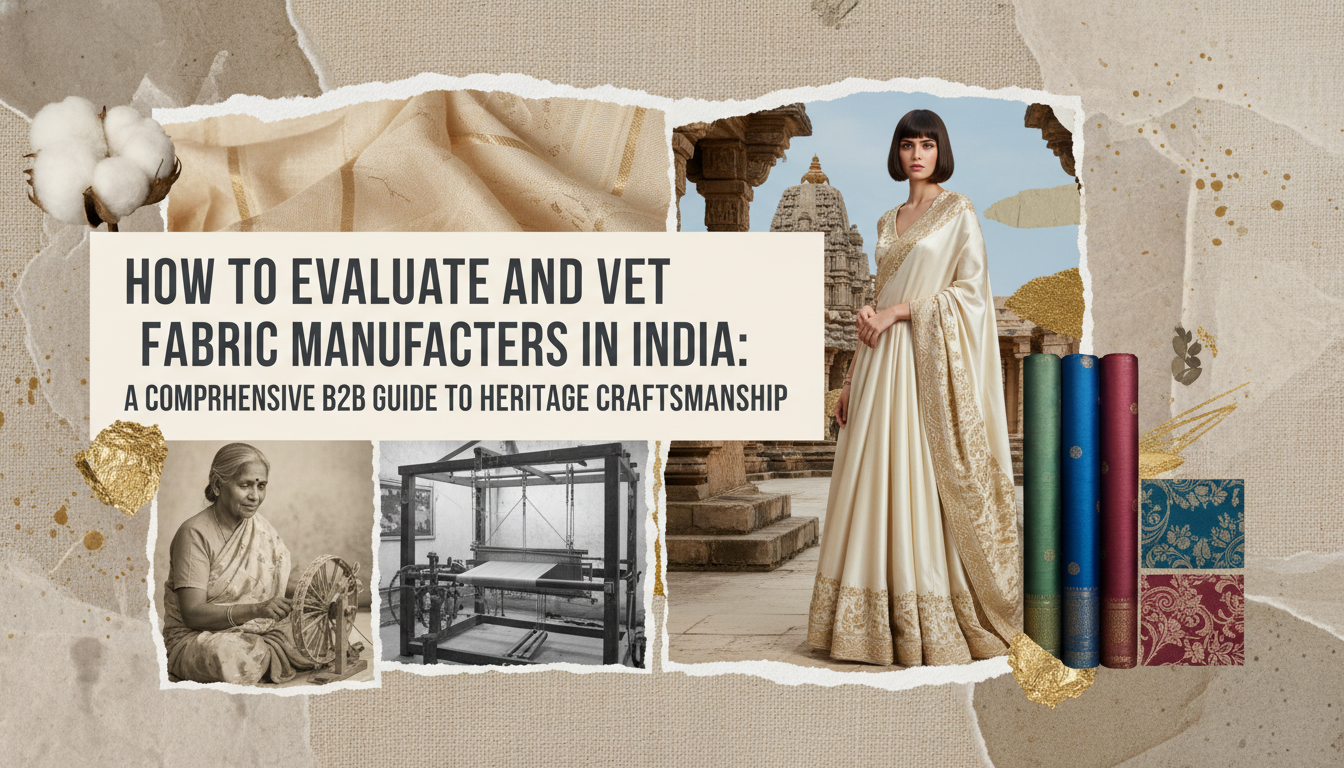
How to Evaluate and Vet Silk Fabric Manufacturers in India: A Comprehensive B2B Guide

Sourcing silk from India offers a gateway to some of the world's most exquisite, heritage-rich textiles. From the lustrous sheen of Mulberry to the rich, organic texture of tussar silk, India’s silk industry is a vibrant ecosystem of tradition and craftsmanship. However, for international fashion brands and boutique labels, finding the right silk fabric suppliers can be a daunting task. The market is vast, ranging from large-scale industrial mills to small-scale artisan clusters, and the gap between a high-quality sample and a bulk order can sometimes be significant.
The challenge lies not just in finding a supplier, but in verifying their ethical standards, production capacity, and consistency in quality. In an era where transparency and sustainability are non-negotiable, a surface-level evaluation is no longer enough. Whether you are looking for Indian premium silk fabric swatches to start your collection or planning a large-scale textile export wholesale partnership, you need a robust vetting process.
This guide provides a step-by-step framework to evaluate and vet silk fabric manufacturers in India, ensuring your supply chain is as resilient and ethical as the fabrics you create.
Understanding the Landscape of Silk Fabric Manufacturers in India
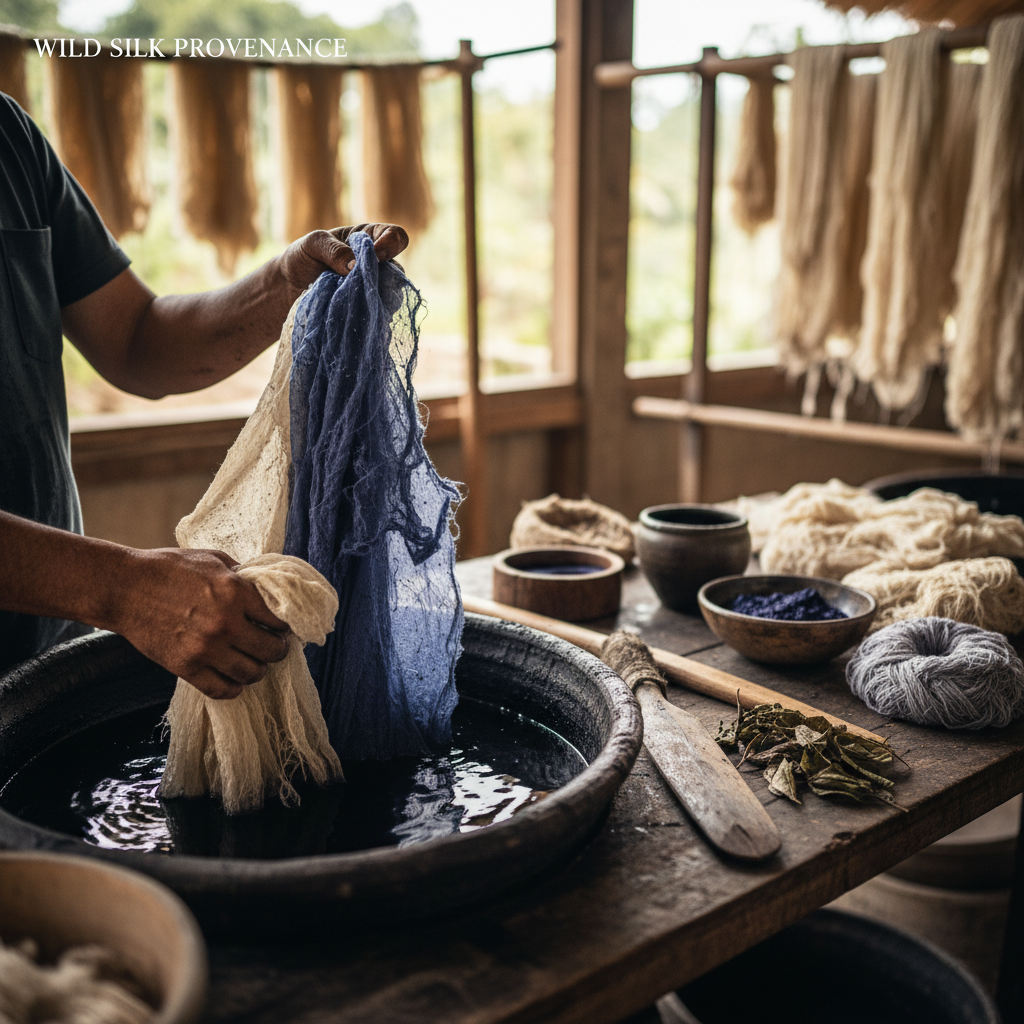
Before you begin the silk supplier verification process, it is crucial to understand the diverse nature of silk production in India. India is the only country in the world that produces all four commercial varieties of silk: Mulberry, Tussar, Muga, and Eri.
The Regional Specializations
Silk production in India is deeply regional. For instance, Southern India is renowned for its heavy Mulberry silks, while Eastern India—specifically West Bengal, Bihar, and Odisha—is the heartland of wild silks like Tussar and eri silk. Understanding these regions helps you narrow down your search for silk fabric suppliers based on the specific aesthetic and functional properties you require.
Handloom vs. Power-loom
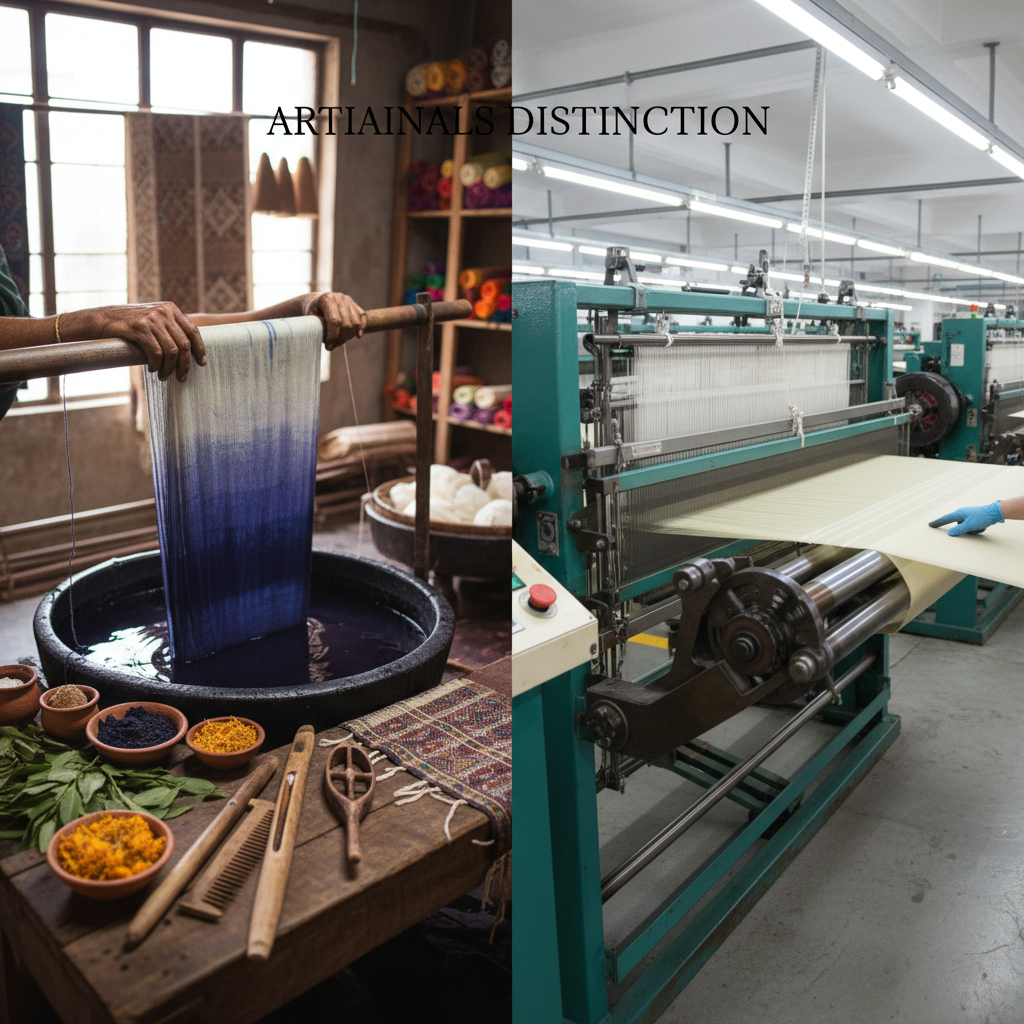
One of the most critical distinctions to make when evaluating silk fabric manufacturers in India is the method of production.
- Power-loom: Focuses on high-volume, uniform production. It is cost-effective but often lacks the unique character and breathability of traditional weaves.
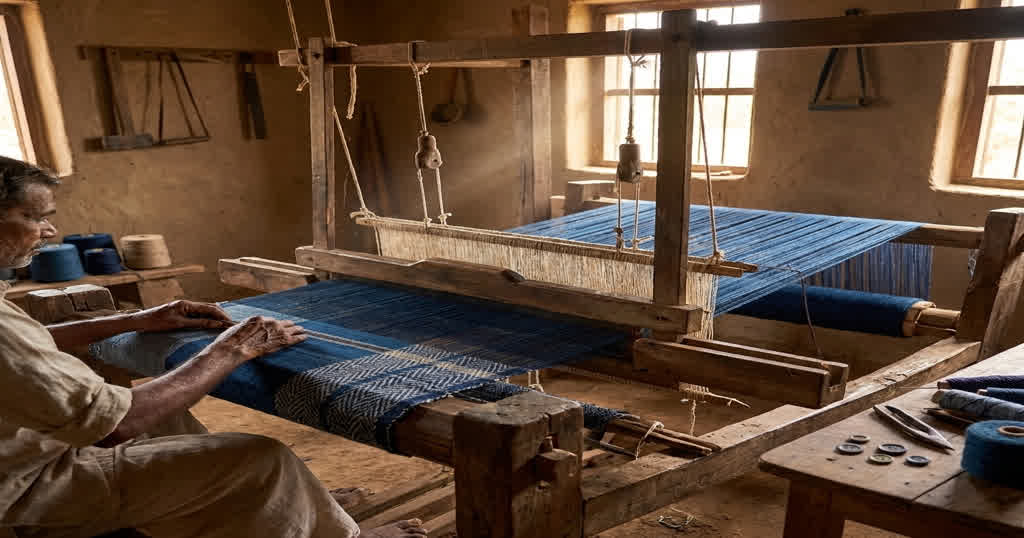
- Handloom: This is where Anuprerna specializes. Handwoven silk supports artisan communities and results in a fabric with a "human" touch—slight variations that indicate authenticity and luxury. When vetting, ask if the supplier owns their looms or works with a decentralized network of artisans.
Expert Tip: If a supplier claims to provide "handmade" silk at power-loom prices, proceed with caution. Authentic handloom silk requires significant time and skill, which is reflected in its fair-market pricing.
Key Criteria for Evaluating Silk Fabric Suppliers
When you begin shortlisting potential partners, you need a standardized set of criteria to compare them effectively. A reliable supplier should be more than just a vendor; they should be a partner in your brand's growth.
Technical Expertise and Product Range

Does the manufacturer specialize in the specific type of silk you need? For example, if your brand focuses on sustainable luxury, you might look for suppliers who offer plain natural tussar eri silk blends. Check if they understand the technicalities of GSM (Grams per Square Meter), weave structures (like Chanderi or Jamdani), and dyeing processes (natural vs. AZO-free synthetic).
Certifications and Compliance
While many traditional Indian artisans may not hold expensive international certifications, a reputable B2B manufacturer should be able to demonstrate compliance with ethical standards. Look for:
- Silk Mark: A certification from the Silk Board of India ensuring the purity of the silk.
- Fair Trade practices: Evidence that weavers are paid living wages and work in safe conditions.
- Environmental standards: Information on water usage and chemical disposal during the dyeing process.
Communication and Transparency
In textile export wholesale, clear communication is the foundation of success. Evaluate how quickly they respond to inquiries and their willingness to share details about their supply chain. A transparent supplier will be happy to explain where their cocoons are sourced and how their tussar silk is processed.
Conducting a Silk Factory Audit and Supplier Verification
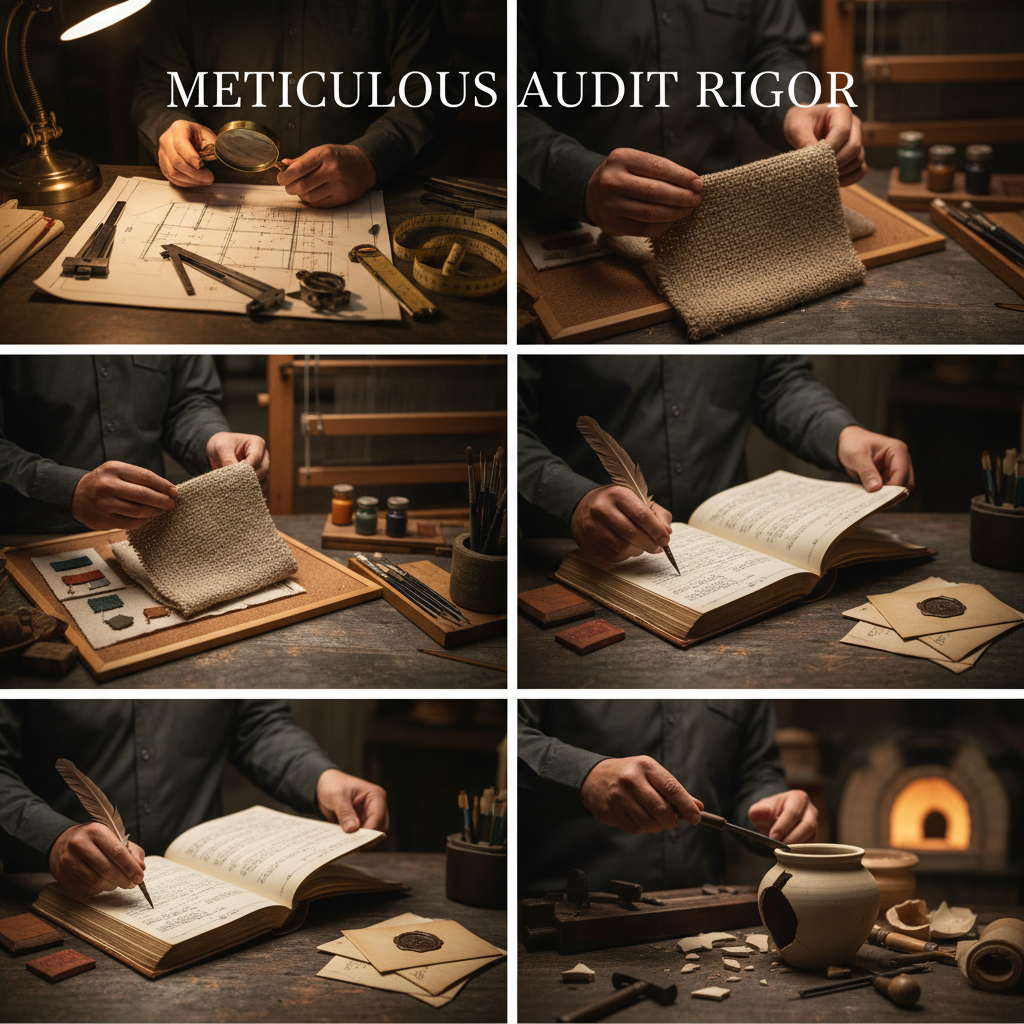
A formal silk factory audit is the most effective way to mitigate risk. While a physical visit is ideal, virtual audits have become increasingly common and effective.
Step-by-Step Audit Process
- Pre-Audit Documentation: Request copies of business licenses, GST registration (in India), and any quality certifications.
- On-Site (or Virtual) Tour:
- The Loom Shed: Observe the working conditions. Is there adequate lighting and ventilation? Are the looms well-maintained?
- Storage Area: Check how raw silk yarn and finished fabrics are stored. Silk is sensitive to moisture and pests; it should be kept in a clean, dry environment.
- Dye House: If they do in-house dyeing, check their waste management. Sustainable manufacturers will have systems to treat effluent water.
- Interviews with Staff: If possible, speak with the production managers and weavers. This helps verify that the "artisan-made" claims align with the reality on the ground.
- Sample Reconciliation: Ask to see a fabric currently on the loom and compare it to the samples they sent you previously. This ensures consistency between "showroom quality" and "production quality."
Common Mistakes to Avoid
- Ignoring the "Middleman" Risk: Some "manufacturers" are actually traders who outsource to various unknown workshops. This makes quality control and ethical auditing nearly impossible. Always confirm that your supplier has direct control over the production process.
- Overlooking Lead Times: Silk production, especially handwoven, is slow. A supplier promising 5,000 meters of handwoven plain natural pure tussar silk chanderi in two weeks is likely being dishonest about their capacity or production method.
Assessing Quality and Craftsmanship
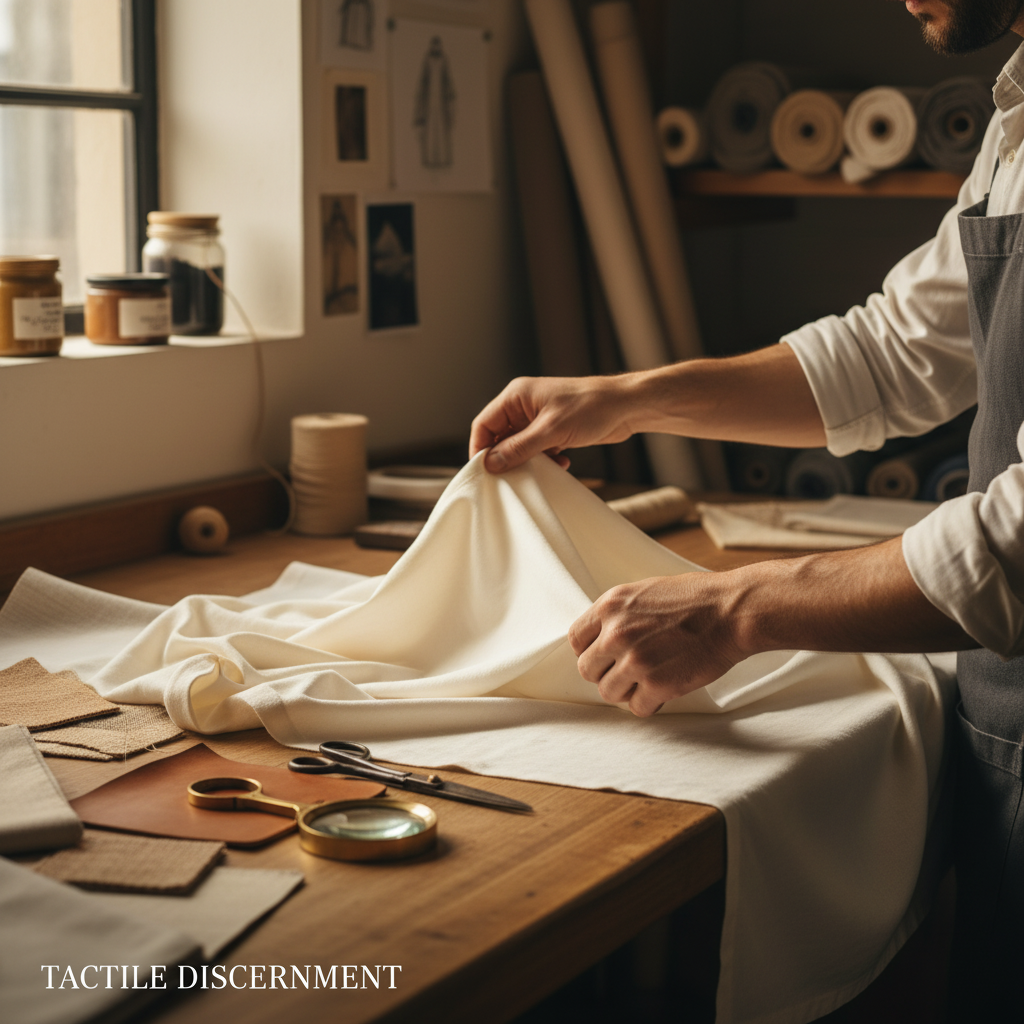
Evaluating Silk Fabric Quality and Craftsmanship
The Importance of Sampling
Always start by ordering silk fabric swatches. This allows you to test:
- Color Fastness: Does the dye bleed when wet?
- Shrinkage: How does the fabric react to steam or washing?
- Tensile Strength: Is the weave tight and durable, especially for seams?
Evaluating Wild Silks (Tussar and Eri)
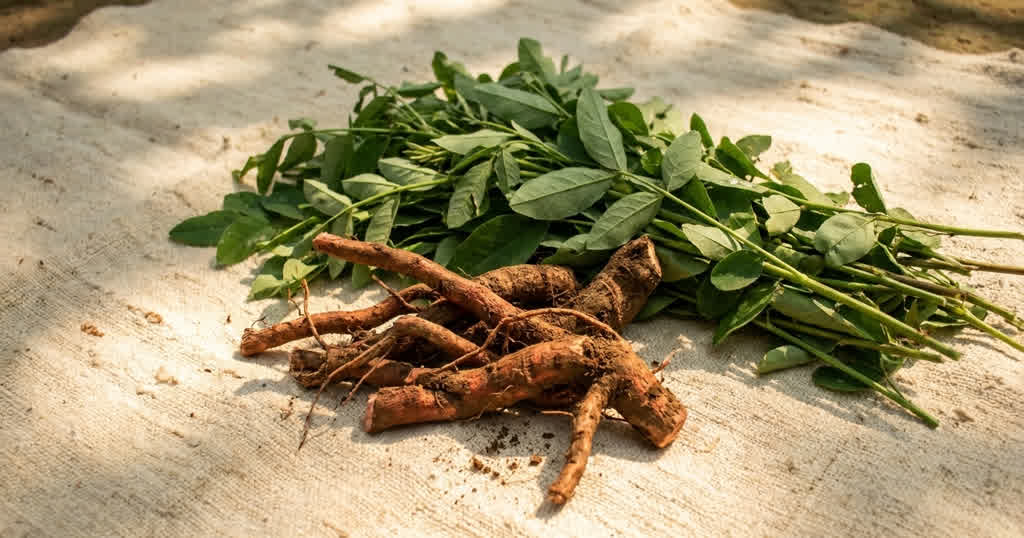
When evaluating suppliers of tussar silk, look for the characteristic golden sheen and slightly coarse texture. For eri silk, which is often called "peace silk" because the moth leaves the cocoon naturally, the fabric should feel warm and wool-like. A quality supplier will be able to explain the nuances of these fibers and why they are superior for certain applications.
Navigating Logistics and Textile Export Wholesale
The final stage of vetting silk fabric suppliers involves their ability to deliver the goods to your doorstep. Logistics in India can be complex, and a supplier who understands the nuances of international shipping is invaluable.
Understanding Export Documentation
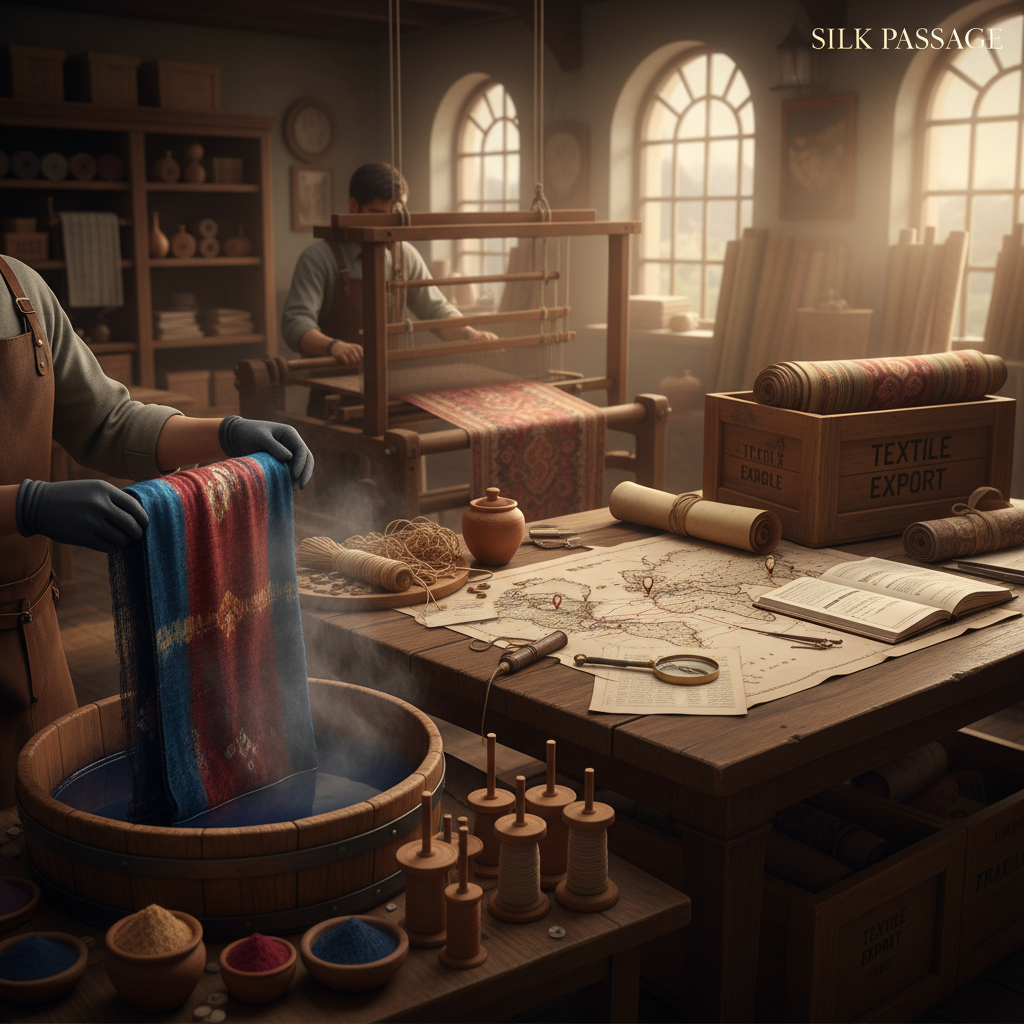
A reliable partner should be well-versed in the requirements for textile export wholesale, including:
- Certificate of Origin
- Commercial Invoice and Packing List
- Bill of Lading / Airway Bill
- Compliance with the destination country’s textile labeling laws.
Scaling from Samples to Bulk
Many suppliers excel at small orders but struggle with the consistency required for bulk production. During your vetting process, ask about their "Minimum Order Quantity" (MOQ) and how they handle quality control for larger runs. Do they have an internal QC team that inspects every meter? For more detailed insights on this, refer to our guide on navigating the logistics of fabrics wholesale.
Conclusion
Evaluating and vetting silk fabric manufacturers in India is a journey that requires patience, due diligence, and a deep appreciation for the craft. By focusing on transparency, conducting thorough audits, and prioritizing quality over the lowest price, you can build a supply chain that not only delivers beautiful products but also supports the incredible artisan communities of India.
At Anuprerna, we pride ourselves on being more than just silk fabric suppliers. We are custodians of textile heritage, committed to ethical manufacturing and the highest standards of quality. Whether you are exploring our collection of premium silks or looking for a long-term manufacturing partner, we invite you to experience the transparency and craftsmanship that defines our work.
Ready to start your sourcing journey? Contact us today to request a consultation or order your first set of swatches.
most asked questions
How can I tell if a silk supplier in India is truly sustainable?
To verify sustainability, look beyond marketing buzzwords. Ask for specific details: Are they using GOTS-certified dyes? Do they support "Peace Silk" (Eri silk) where the silkworm is not harmed? Most importantly, ask about their social sustainability—how they ensure fair wages for their weavers. A truly sustainable supplier will have a clear, traceable supply chain from cocoon to cloth.
What is a Silk Factory Audit, and is it necessary for small orders?
A silk factory audit is a systematic review of a manufacturer's facilities, processes, and labor practices. While a full third-party audit might be expensive for a small boutique order, a "mini-audit" via video call or a detailed questionnaire is essential for any B2B relationship. It ensures you aren't unknowingly supporting sweatshops or receiving power-loom fabric disguised as handloom.
Why is Tussar silk more expensive than some other varieties?
Tussar silk is a "wild silk," meaning the cocoons are collected from the forest rather than raised in a controlled environment. The process of harvesting, reeling, and hand-weaving this silk is labor-intensive and dependent on nature. Its unique texture, natural gold hue, and durability make it a premium choice for luxury fashion, justifying its higher price point compared to mass-produced Mulberry silk.
What are the typical lead times for silk fabric manufacturers in India?
For handwoven silk, lead times typically range from 4 to 12 weeks, depending on the complexity of the weave and the quantity. This includes yarn preparation, dyeing, loom setting, and the weaving process itself. If you are sourcing from textile export wholesale stock, delivery can be much faster (1-2 weeks), but custom orders require a realistic timeline to ensure quality.
Can I trust online silk fabric suppliers without visiting India?
Yes, you can build a successful relationship remotely if you follow a strict vetting process. Start with small sample orders, request a virtual tour of the production facility, and check for trade references. Using a reputable manufacturer like Anuprerna, which has a documented history of working with international brands, provides an extra layer of security and professional communication.
More Blogs

how celebrities who care about the environment are changing fashion
life cycle assessment (lca) in fashion: measuring your brand's true impact
how to source ethical raw silk for your fashion label
top commercial uses of natural dyes in sustainable fashion
how eco friendly celebrities are changing the fashion industry
how to become an ethical fashion designer: a sourcing guide