Commercial Applications: How to Choose the Right Jamdani Fabric Wholesaler and Weave Weights

In the world of luxury textiles, Jamdani stands as the "figured muslin" a pinnacle of handloom weaving that combines ethereal transparency with intricate, floating motifs. For fashion designers, boutique owners, and procurement managers, sourcing Jamdani is not merely about aesthetics; it is about understanding the technical nuances that dictate how the fabric performs in a commercial setting.
As a premier jamdani fabric wholesaler, Anuprerna understands that the "feel" of a fabric is just as important as its "specifications." Whether you are designing a summer collection for a boutique in Brooklyn or sourcing sustainable materials for a high-fashion house in Manhattan, the weight and density of the weave measured in GSM (Grams per Square Meter) and yarn count are the most critical factors in your decision-making process.
This guide will walk you through the various jamdani fabric types, their technical specifications, and how to choose the right weave weight for your specific industrial or fashion application.
Jamdani Fabric Types and Their Commercial Weights
Choosing the right weight is a balancing act between the desired aesthetic and the functional requirements of the garment or product. Here is a breakdown of common jamdani fabric types based on weight:
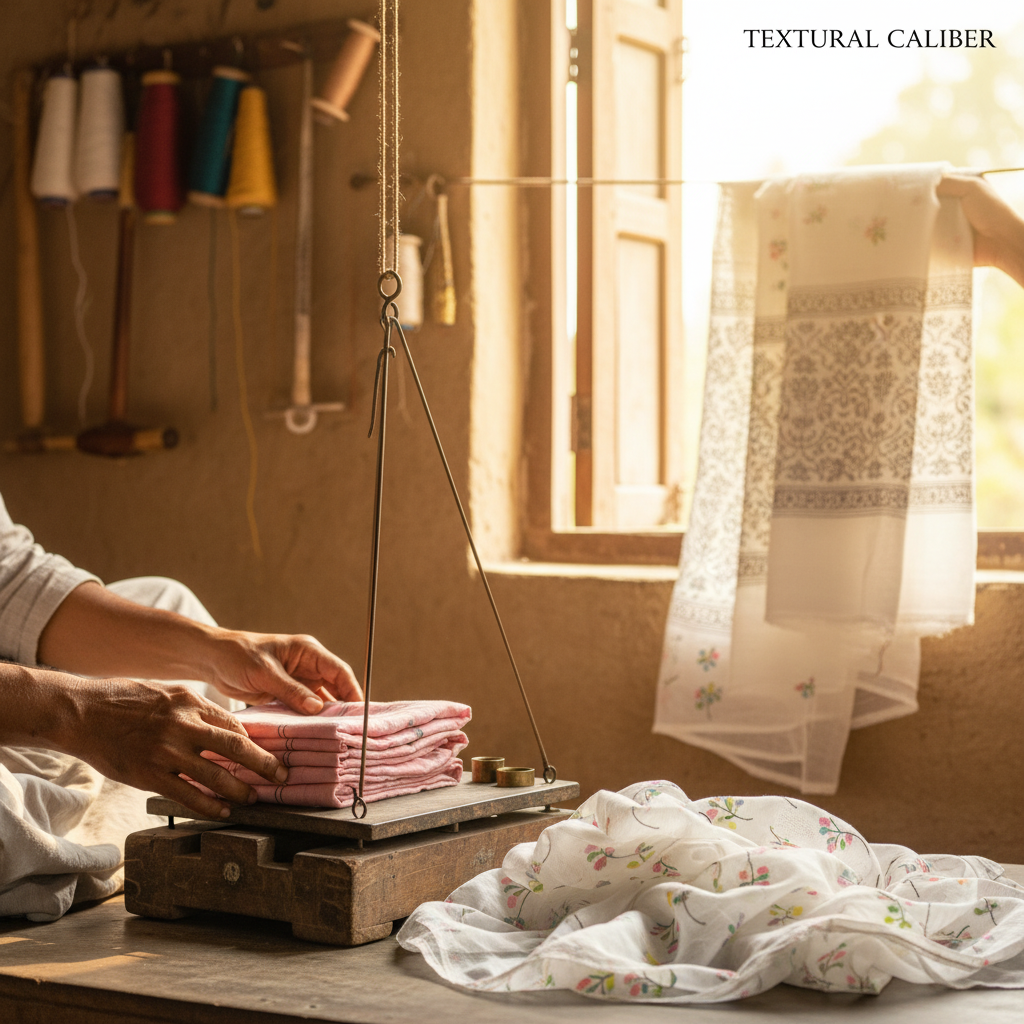
From 30 to 180 GSM: A Practical Guide to Jamdani Fabric Weights
1. Gossamer/Lightweight Jamdani (30 - 60 GSM)
This is the traditional "Airy" Jamdani. It is characterized by its extreme sheerness.
- Commercial Use: High-end evening wear, bridal veils, and luxury scarves.
- Pros: Unmatched elegance and breathability.
- Cons: Very delicate; requires specialized stitching and care.
- B2B Insight: Often sought after by designers in Toulouse and other fashion hubs for its artisanal "haute couture" appeal.
2. Mid-Weight Apparel Jamdani (70 - 110 GSM)
This is the "workhorse" of the Jamdani world. It strikes a balance between the sheer beauty of the craft and the durability needed for ready-to-wear collections.
- Commercial Use: Men’s and women’s shirts, summer dresses, tunics, and layered skirts.
- Pros: Opaque enough for most garments without needing a heavy lining; easier to handle in industrial sewing machines.
- Cons: Still requires gentle handling compared to powerloom fabrics.
- B2B Insight: This weight is the most popular for brands looking to scale their sustainable collections while maintaining an artisanal story.
3. Heavy-Weight/Industrial Jamdani (120 - 180+ GSM)
While less common in traditional circles, heavier Jamdani is gaining traction for industrial jamdani use in home textiles and structured fashion.
- Commercial Use: Throw pillows, lightweight curtains, table runners, and structured jackets or "shackets."
- Pros: High durability and distinct texture; the motifs appear more prominent and "embossed."
- Cons: Loses the signature "sheer muslin" look.
Industrial Jamdani Use: Beyond the Saree
While Jamdani is historically associated with the Indian Saree, its commercial applications have expanded globally. As a jamdani fabric wholesaler, Anuprerna has seen a surge in demand for non-traditional uses.
Sustainable Fashion Collections
In cities like New York City, designers are increasingly using Jamdani for contemporary silhouettes. The fabric's story of being "woven air" adds immense marketing value to sustainable brands. By utilizing different weights, a designer can create a cohesive collection—using lightweight Jamdani for tops and mid-weight versions for coordinated bottoms.
Interior Design and Home Decor
The "Industrial Jamdani" (heavier weights) is finding a home in luxury interior design. Because the motifs are hand-inserted, each yard of fabric is a piece of art. Interior designers use these fabrics for:
- Window Treatments: The way light filters through the supplementary weft motifs creates a unique play of shadows.
- Accents: Using Jamdani for pillow covers or bed runners in boutique hotels.
Sourcing for Global Markets
Navigating the complexities of international trade is vital for B2B buyers. If you are a designer outside India, understanding the logistics of fabric wholesale and bulk textile export is as important as choosing the fabric itself. Anuprerna ensures that every shipment meets international quality standards while supporting the artisan communities of East India.
How to Evaluate a Jamdani Fabric Wholesaler
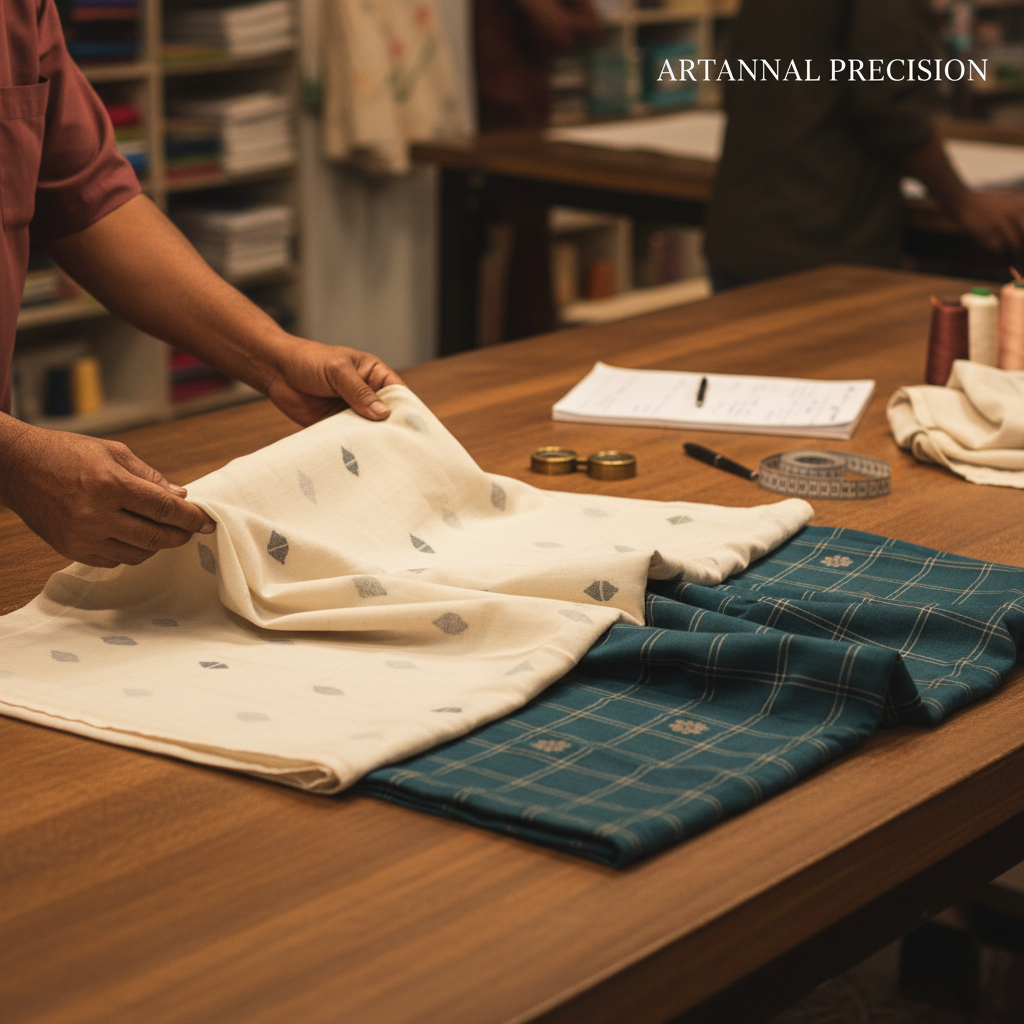
Not all Jamdani is created equal. With the rise of "look-alike" powerloom fabrics, B2B buyers must be vigilant. Here is what to look for in textile wholesale suppliers:
- Authenticity of Technique: Ensure the fabric is truly hand-woven. Look for the slight irregularities that characterize human touch—these are marks of quality, not defects.
- Fiber Purity: Authentic Jamdani should be made from natural fibers like cotton, silk, or a cotton-silk blend. For those interested in the premium end, exploring the properties of raw silk can offer insights into how silk-based Jamdani performs.
- Ethical Certifications: Does the wholesaler support artisan welfare? Anuprerna’s model is built on transparency and fair wages, ensuring that your purchase contributes to the preservation of this UNESCO-recognized craft.
- Customization Capabilities: Can the wholesaler adjust the GSM or motif density for your specific project? A true partner will work with their weavers to meet your technical specs jamdani requirements.
Conclusion
Choosing the right Jamdani weave weight is a strategic decision that impacts the drape, durability, and price point of your final product. From the ethereal 30 GSM muslins that define luxury to the sturdier 120 GSM weaves suited for modern lifestyle products, Jamdani offers a versatile canvas for creativity.
As a dedicated jamdani fabric wholesaler, Anuprerna is committed to bridging the gap between traditional East Indian craftsmanship and global commercial needs. By understanding the technical specifications and selecting the appropriate weight for your application, you can create products that are not only beautiful but also tell a story of sustainability and cultural heritage.
Ready to explore our collection for your next project? Browse our extensive range of handloom fabrics or contact our team for custom wholesale inquiries.
most asked questions
What is the difference between hand-woven Jamdani and powerloom "Jamdani"?
Authentic Jamdani is made using a discontinuous supplementary weft technique where motifs are added by hand during the weaving process. Powerloom versions are usually "Jacquard" weaves that mimic the look but lack the delicacy, the "floating" feel of the motifs, and the breathability of the hand-loomed original. For a jamdani fabric wholesaler, authenticity is the primary value proposition.
Can Jamdani fabric be used for high-traffic commercial upholstery?
Generally, no. Even the heaviest Jamdani (150+ GSM) is a delicate hand-woven textile. While it is excellent for decorative pillows, curtains, or light-use accents, it does not have the rub-count (Martindale) required for heavy-duty sofa upholstery. It is best suited for "accent" pieces in luxury interiors.
How do I care for garments made from lightweight Jamdani?
Lightweight Jamdani (30-60 GSM) should always be dry-cleaned or very gently hand-washed in cold water with mild detergents. Because the motifs are "floated" on the surface, they can snag if washed with items containing zippers or hooks. Providing clear care labels is essential for B2B brands selling Jamdani products.
What are the typical lead times when ordering from a jamdani fabric wholesaler?
Since Jamdani is hand-woven, lead times are longer than powerloom fabrics. Depending on the complexity of the motifs and the quantity, it can take anywhere from 4 to 12 weeks. We recommend B2B clients plan their collections at least two seasons in advance to account for the artisanal production process.
Is Jamdani always made of cotton?
While cotton (muslin) is the most traditional base, Jamdani can be woven on silk, linen, or blends. Cotton-silk blends are particularly popular in the wholesale market because they offer the matte elegance of cotton with the slight sheen and strength of silk, making them versatile for various jamdani fabric types.
More Blogs

how celebrities who care about the environment are changing fashion
life cycle assessment (lca) in fashion: measuring your brand's true impact
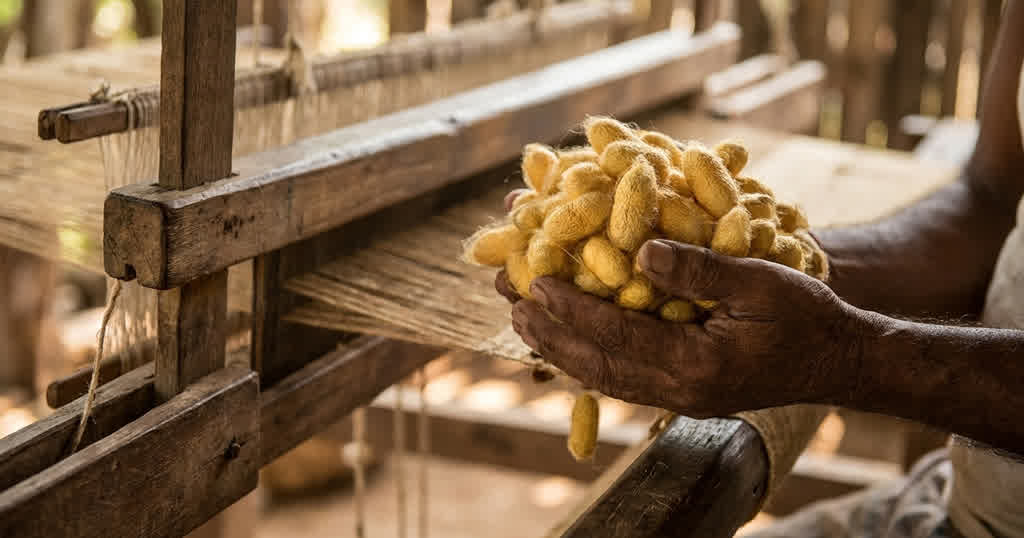
how to source ethical raw silk for your fashion label
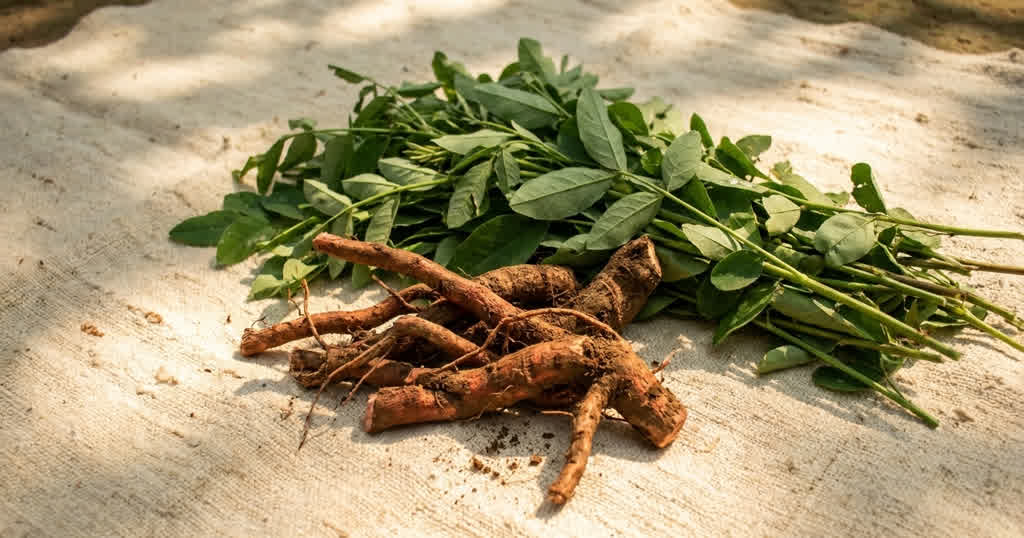
top commercial uses of natural dyes in sustainable fashion
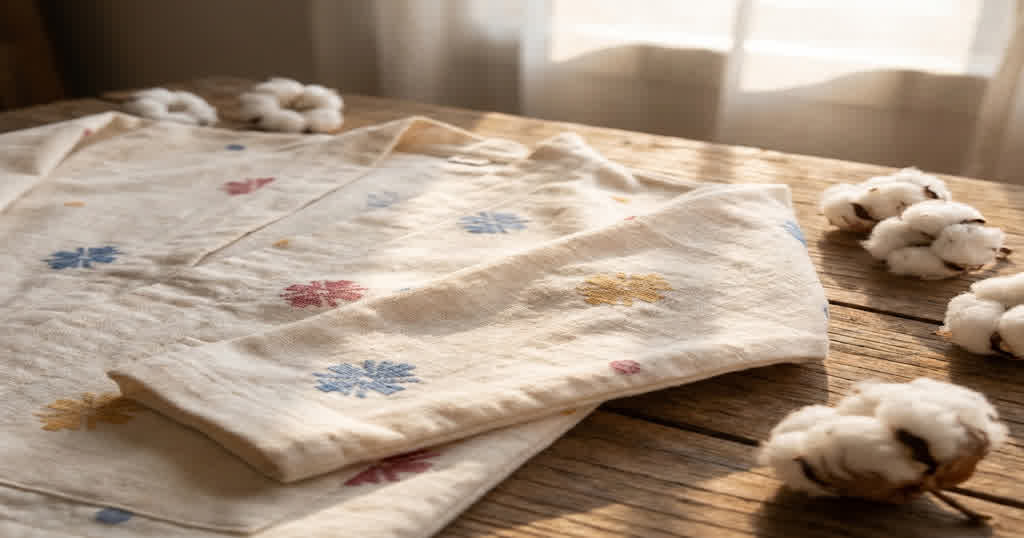
how eco friendly celebrities are changing the fashion industry
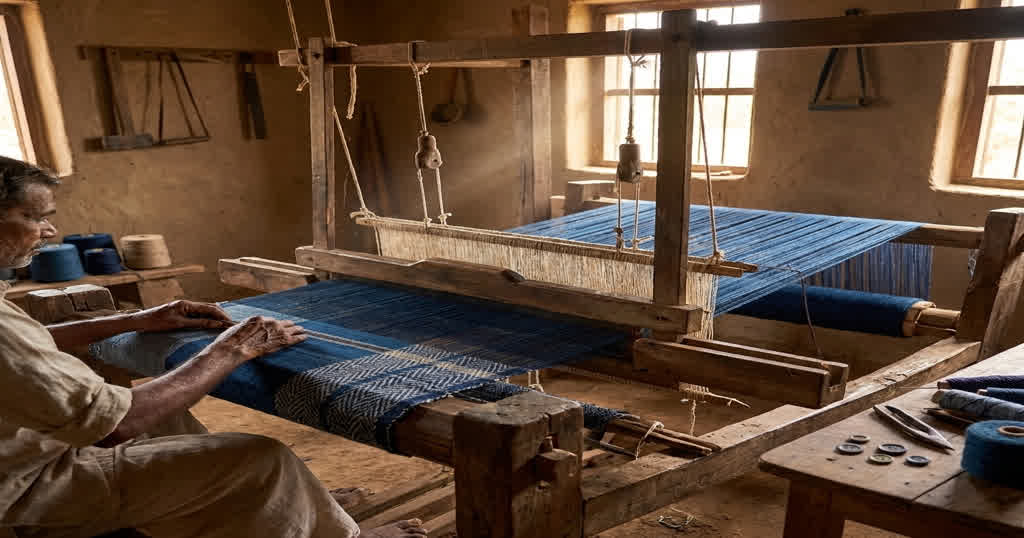
how to become an ethical fashion designer: a sourcing guide