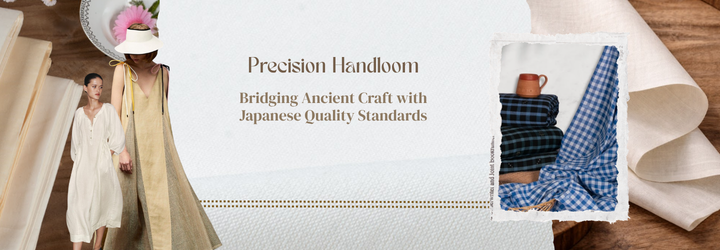
Precision Handloom: Bridging Ancient Craft with Japanese Quality Standards

The perception of handloom often carries connotations of inconsistency, a challenge Anuprerna directly addresses with its tech-enabled model. Our proprietary workflow templates meticulously track each stage from "Yarn -> Fabric -> Garment," ensuring unparalleled transparency and quality control. This digital oversight, combined with centralized processing units, standardizes production while preserving the unique character of artisanal work. We understand the Japanese market's stringent demands for precision and reliability.
Anuprerna's commitment to quality extends to every fiber and weave. Our centralized quality control (QC) points rigorously inspect fabrics for adherence to technical specifications, including GSM, weave density and dye fastness. This hybrid approach allows us to deliver the consistent quality expected by global B2B partners, even with our decentralized production model. The result is a reliable supply of high-density, sustainably produced Indian fabrics.
Standardizing Artisanal Excellence
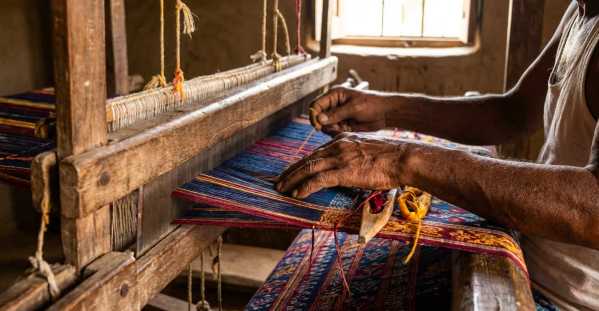
Standardizing Artisanal Excellence
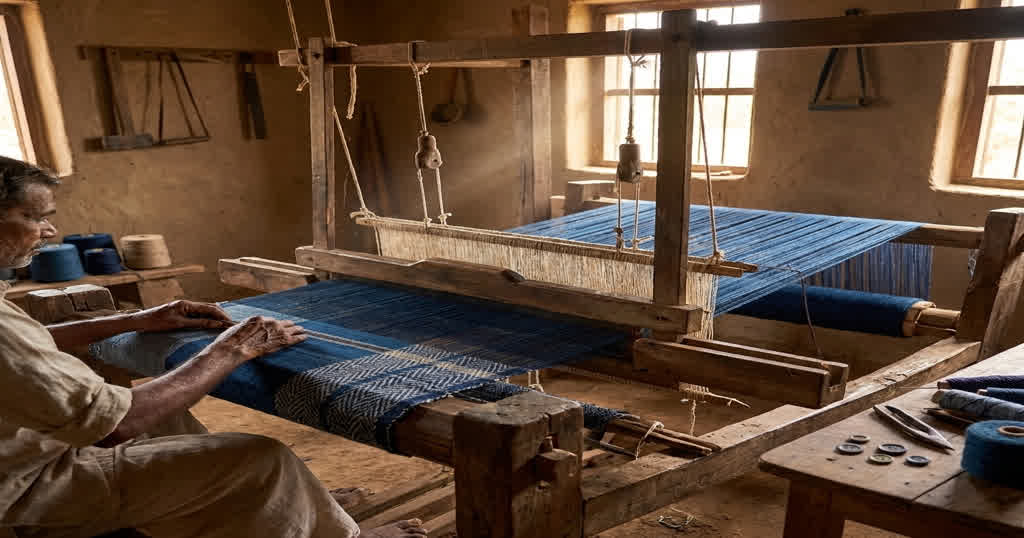
Our network of over 150 artisans across 25+ clusters operates with standardized processes, guided by our technology. This ensures that while the craft remains hand-based, the output meets industrial-grade reliability. We bridge the gap between traditional techniques and modern market demands through continuous training and precise technical specifications. This meticulous approach is crucial for launching our Indian fabrics into a market as discerning as Japan.
Every batch undergoes thorough checks, from yarn count verification to final fabric inspection. This rigorous quality assurance system guarantees that the inherent beauty of handloom is delivered with consistent technical performance. Our goal is to provide Indian fabrics that not only tell a story but also perform flawlessly in diverse applications.
The Functional Aesthetics of Khadi and Jamdani
The Functional Aesthetics of Khadi and Jamdani
Khadi, a cornerstone of our portfolio, exemplifies functional aesthetics. Handspun yarn gives it an irregular texture, which is a celebrated feature, not a defect. This unique characteristic also contributes to its superior breathability, making it comfortable across various climates. Khadi typically ranges from 80-200 GSM, offering versatility for apparel and home textiles.
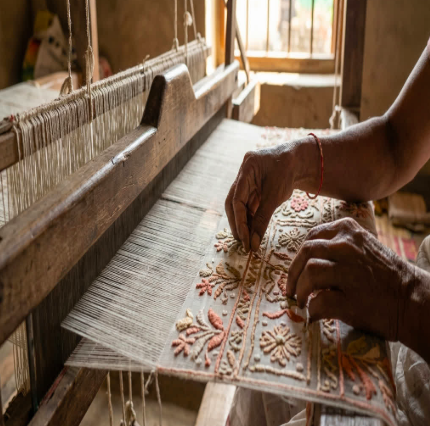
Jamdani, often described as "embroidery on the loom," showcases intricate discontinuous weft techniques. This creates delicate, floating motifs on fine muslin, typically using 80s-120s cotton counts. The time-intensive nature of Jamdani weaving results in fabrics of exceptional detail and artistry. Both Khadi and Jamdani resonate with the Japanese appreciation for natural materials, understated elegance and profound craftsmanship.
Verifiable Impact: The Japanese Imperative for Ethical Textile Sourcing
Verifiable Impact: The Japanese Imperative for Ethical Textile Sourcing
The Japanese B2B market increasingly prioritizes verifiable sustainability and ethical sourcing, moving beyond mere aesthetic appeal. Anuprerna's model is built on these foundational principles, offering a transparent supply chain that aligns perfectly with Japan's growing corporate social responsibility (CSR) initiatives. We provide certified (GOTS, Silk Mark) technical fabrics with complete 'fiber-to-fashion' traceability. Our commitment is to both environmental stewardship and social upliftment.
Our sustainability narrative is grounded in specific, measurable pillars, not generic buzzwords. We believe in demonstrating tangible impact at every stage of our production process. This commitment ensures that every meter of Indian fabrics sourced from Anuprerna contributes positively to both people and the planet. We offer a partnership that extends beyond material acquisition, fostering genuine, positive change.
Pillars of Sustainable Production
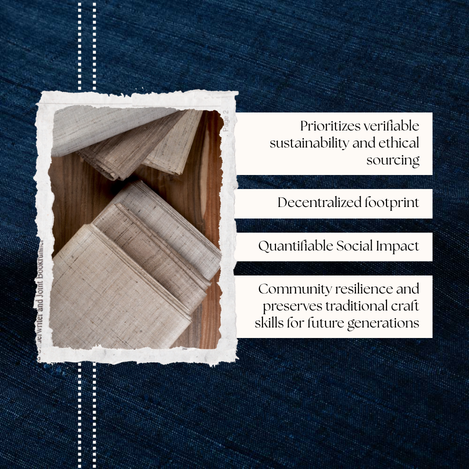
Pillars of Sustainable Production
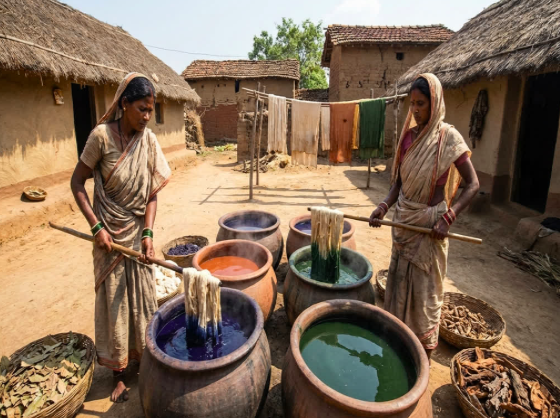
Anuprerna's production model boasts a decentralized footprint, with artisans working from their low-energy village homes. This significantly reduces the carbon emissions associated with large-scale factory operations. Our centralized dyeing and processing units are powered by harvested solar energy, further minimizing our environmental impact. This innovative approach ensures that our Indian fabrics are produced with a minimal ecological footprint.
Chemical safety is paramount in all our processes. We strictly utilize Azo-free, certified natural dyes, ensuring that our textiles are safe for both artisans and end-users. This adherence to stringent chemical safety standards is critical for meeting the high environmental and health benchmarks of the Japanese market. Our commitment to clean production is unwavering.
Quantifiable Social Impact
Quantifiable Social Impact
Our mission extends to empowering rural Indian artisans, providing them with stable and significantly increased incomes. Artisans working with Anuprerna typically earn ₹10,000 - ₹12,000 per month, representing a 3x-4x increase compared to traditional artisan wages. This income stabilization directly impacts over 600 lives annually, considering an average of four dependents per artisan.
This direct economic empowerment fosters community resilience and preserves traditional craft skills for future generations. Our partnership with organizations like Nest for decentralized artisan compliance and 60 Decibels for impact measurement ensures our data is robust and verifiable. Sourcing Indian fabrics from Anuprerna means investing in a supply chain that genuinely transforms lives and communities.
Beyond Aesthetics: Technical Specifications of Anuprerna's Indian Silks for Japanese Design
Beyond Aesthetics: Technical Specifications of Anuprerna's Indian Silks for Japanese Design
Anuprerna's portfolio of Indian silks offers a rich tapestry of textures and properties, meticulously detailed for the discerning Japanese designer. Matka Silk, derived from mulberry silk waste, presents a unique rough, slubby texture. This material embodies a "Peace Silk" ethos, as the cocoons are often allowed to complete their natural cycle before processing. Matka Silk typically ranges from 100-250 GSM, providing excellent drape and durability for a variety of applications.
Tussar and Ketya are wild silks, naturally cultivated and known for their rich, golden sheen and textured hand-feel. These silks typically range from 80-150 GSM, offering a lighter yet robust option. Their inherent natural variations in color and texture add an organic depth that is highly valued in premium design. These Indian fabrics are not just materials; they are expressions of natural artistry.
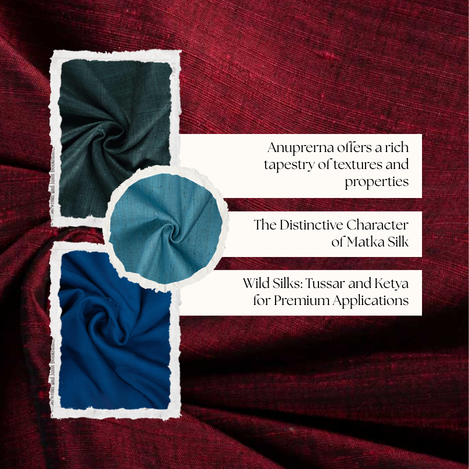
Textured Silks Defined by Character and Craft
Textured Silks Defined by Character and Craft
The Distinctive Character of Matka Silk
Matka Silk's unique texture, akin to a fine linen or raw dupion, makes it highly suitable for structured garments and luxurious interior textiles. Its slubby surface adds visual interest and a tactile dimension that differentiates it from smoother silks. The natural variations inherent in Matka Silk ensure each piece possesses a subtle individuality. This makes it an ideal choice for designers seeking authenticity and character.
The excellent drape of Matka Silk allows it to be fashioned into elegant apparel such as kimonos, scarves, and sophisticated formal wear. Its durability also lends itself well to homeware applications, including cushion covers and bedspreads. The "Peace Silk" aspect further enhances its appeal for brands committed to ethical sourcing.
Wild Silks: Tussar and Ketya for Premium Applications
Tussar and Ketya silks, with their natural golden hues, offer a luxurious alternative for designers. Their textured hand-feel and inherent sheen make them perfect for high-end apparel like stoles, scarves, and evening wear. The subtle irregularities in these wild silks contribute to their unique charm and sophisticated appeal. They provide a natural elegance that is difficult to replicate.
These Indian fabrics are also well-suited for premium interior applications, adding a touch of organic luxury to any space. All our silk processing utilizes Azo-free, certified natural dyes, ensuring vibrant and lasting colors that meet international standards. The natural variations in these silks ensure that each product is truly one-of-a-kind.
Decentralized Production, Centralized Assurance: Anuprerna's Model for Japanese Market Reliability
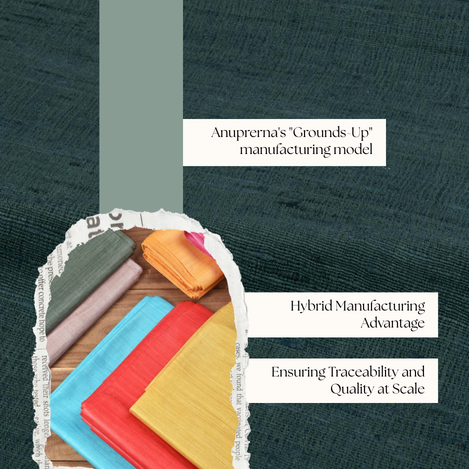
Decentralized Production, Centralized Assurance: Anuprerna's Model for Japanese Market Reliability
Anuprerna's "Grounds-Up" manufacturing model is a unique selling proposition, particularly for a demanding market like Japan. Unlike traditional traders, we organize production from the root level, directly empowering artisans. Our model combines decentralized home-based production with centralized tech, quality control, and processing. This innovative structure ensures both artisanal integrity and scalable reliability.
This hybrid approach directly addresses potential concerns about consistency and volume in artisan-based supply chains. Our network of 150+ artisans across 25+ clusters provides a robust and flexible production capacity. We aggregate this capacity efficiently, ensuring that even large-volume B2B orders can be fulfilled with consistent quality and timely delivery. Our commitment is to deliver reliable Indian fabrics.
The Hybrid Manufacturing Advantage
The Hybrid Manufacturing Advantage
Our decentralized production allows artisans to work from their homes, fostering community well-being and reducing the environmental footprint of commuting. This model also preserves traditional craft techniques by integrating them into a modern supply chain. The home-based nature of production ensures that the unique character of each handloom fabric is maintained. This contributes to the authenticity of our Indian fabrics.
Simultaneously, our centralized units handle critical processes like dyeing, finishing, and rigorous quality checks. This centralization ensures uniformity in technical specifications and adherence to international standards. It provides the necessary oversight to guarantee that every meter of fabric meets the high expectations of our global partners. This dual approach is key to our success.
Ensuring Traceability and Quality at Scale
Ensuring Traceability and Quality at Scale
Anuprerna's proprietary tech stack is central to our ability to ensure traceability and consistent quality. Our workflow templates track every step, from the sourcing of yarn to the final fabric inspection. This 'fiber-to-fashion' transparency provides our Japanese partners with complete visibility into their supply chain. Such detailed tracking is crucial for building trust and ensuring compliance.
Our model is designed for scalable output without compromising on the artisanal quality that defines our Indian fabrics. We can ramp up production by engaging more artisans within our network, all while maintaining strict quality control through our centralized systems. This ensures that Anuprerna can be a reliable, long-term sourcing partner for the Japanese market, offering both unique products and operational excellence.
The Tactile Advantage: Integrating Unique Indian Handloom Textures into Japanese Collections
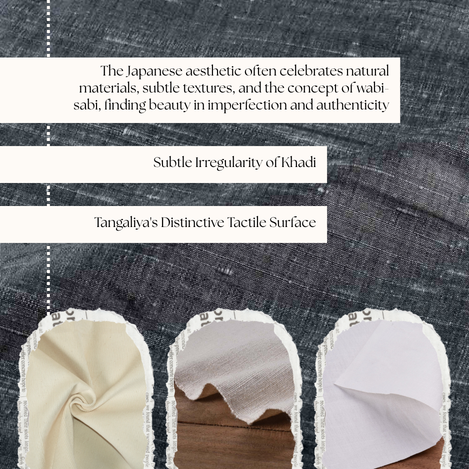
The Tactile Advantage: Integrating Unique Indian Handloom Textures into Japanese Collections
The Japanese aesthetic often celebrates natural materials, subtle textures, and the concept of wabi-sabi, finding beauty in imperfection and authenticity. Anuprerna's Indian fabrics, with their unique tactile qualities and visual depth, offer a compelling value proposition for Japanese designers. These handloom textiles provide a distinct differentiation that goes beyond mere material acquisition, offering a story and a profound sensory experience.
Our fabrics are not mass-produced uniform sheets; they are canvases of human touch and natural variation. This inherent character allows designers to create collections that resonate with a deeper appreciation for craftsmanship and material integrity. Integrating these unique textures can elevate any collection, providing an authentic and luxurious feel.
most asked questions
What is the typical lead time for a custom order of Jamdani fabric, and how is quality consistency maintained across batches?
Lead times for custom Jamdani, given its 'embroidery on the loom' complexity, typically range from 8-12 weeks for initial production runs, depending on motif intricacy and order volume. Quality consistency is maintained through Anuprerna's proprietary workflow templates, which track yarn specifications, loom settings, and motif execution. Centralized QC at our processing units ensures adherence to predefined technical specifications and aesthetic standards before dispatch.
Can Anuprerna provide GOTS-certified organic cotton Khadi, and what are the minimum order quantities (MOQs) for such specialized fabrics?
Yes, Anuprerna offers GOTS-certified organic cotton Khadi, leveraging our direct artisan network for fiber sourcing and handspinning. MOQs for specialized fabrics like GOTS Khadi are generally 300-500 meters per colorway, depending on the specific weave and yarn count. We can discuss specific project requirements to accommodate bespoke orders.
How does Anuprerna ensure chemical safety and dye fastness for fabrics destined for the Japanese market, particularly for apparel applications?
Chemical safety is paramount. Anuprerna strictly utilizes Azo-free, certified natural dyes in our solar-powered processing units. All dyeing processes adhere to international standards, and we conduct rigorous lab testing for color fastness to washing, rubbing, and light exposure to ensure compliance with the stringent requirements of the Japanese apparel market.
What is the typical GSM range and tensile strength profile for Anuprerna's Matka Silk, and how does its texture compare to other raw silks?
Anuprerna's Matka Silk typically ranges from 100-250 GSM, offering a robust yet pliable hand-feel. Its tensile strength is comparable to other medium-weight silks, providing excellent durability. The texture is distinctly slubby and irregular, more akin to a fine linen or raw dupion silk, but with the inherent sheen and drape characteristic of mulberry silk, making it unique among raw silk varieties.
How does Anuprerna's decentralized production model impact scalability and reliability for large-volume B2B orders from Japan?
Our decentralized, home-based production model, supported by a network of 150+ artisans across 25+ clusters, is specifically designed for scalable output. While production occurs in villages, our centralized tech, QC, and processing units ensure consistent quality and timely delivery. This hybrid model allows us to aggregate capacity efficiently, providing the reliability and volume required for significant B2B orders while maintaining artisanal integrity and transparency.
More Blogs

how celebrities who care about the environment are changing fashion
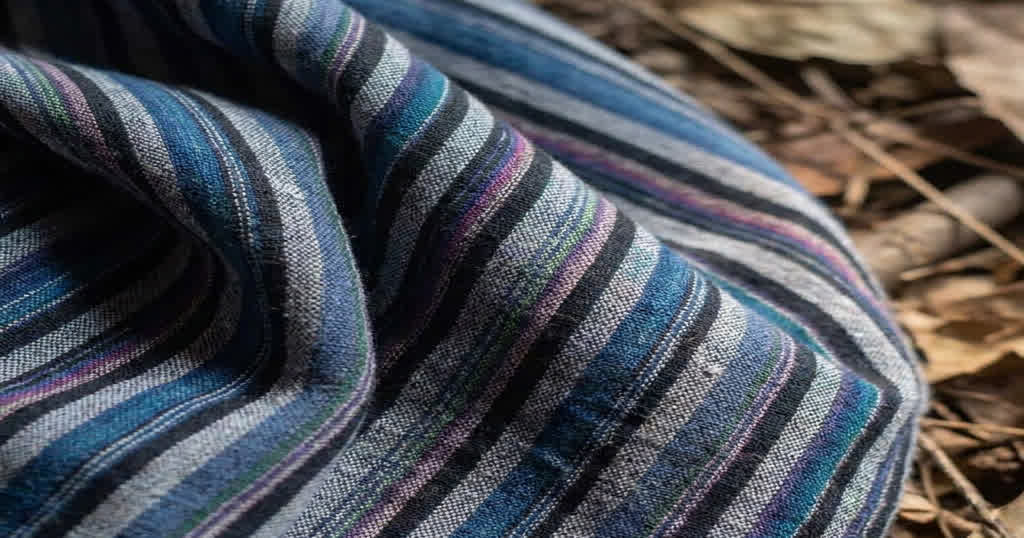
life cycle assessment (lca) in fashion: measuring your brand's true impact
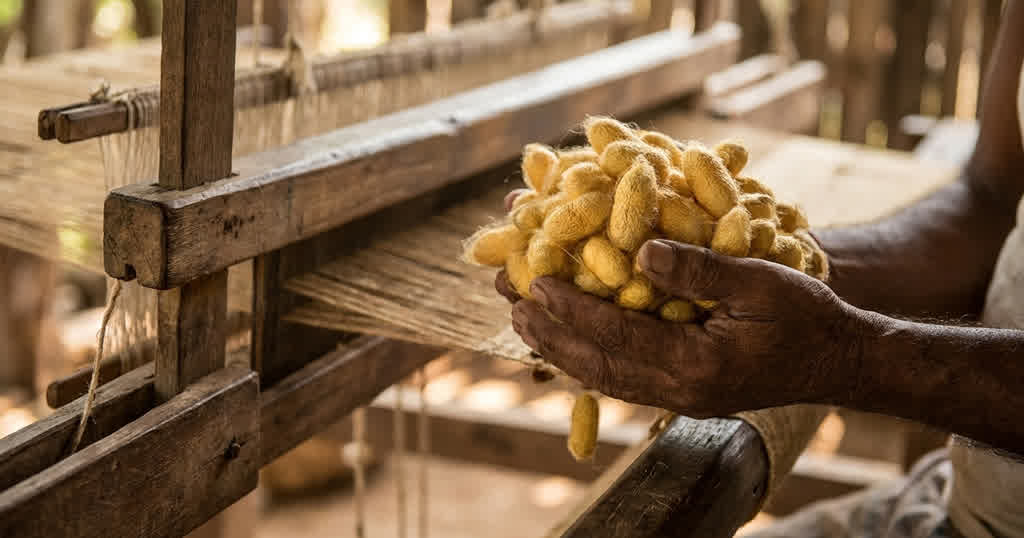
how to source ethical raw silk for your fashion label
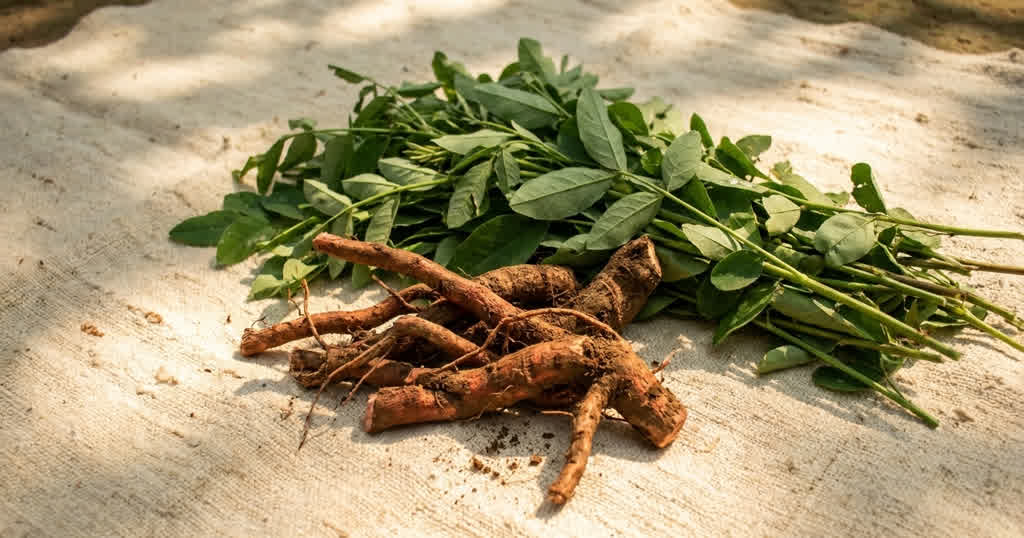
top commercial uses of natural dyes in sustainable fashion
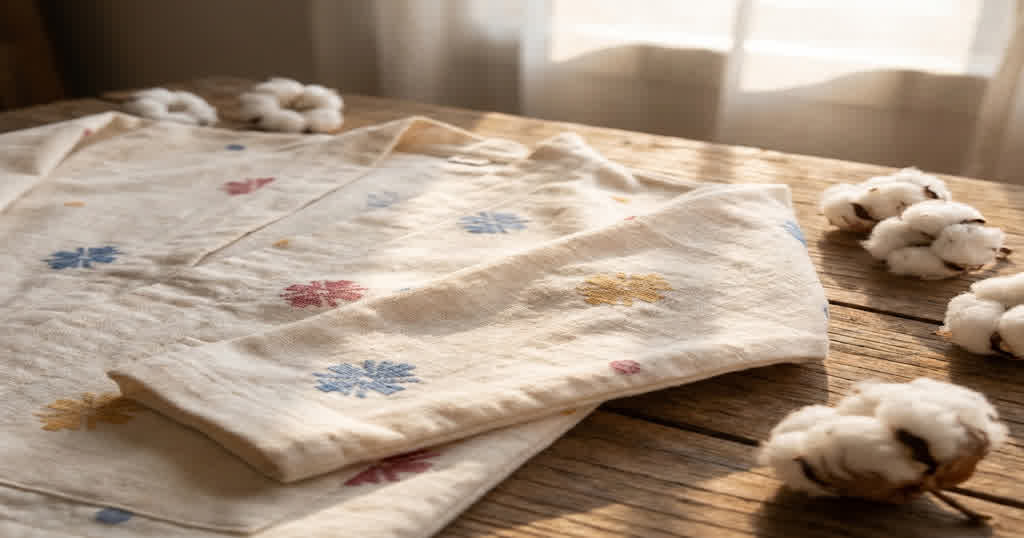
how eco friendly celebrities are changing the fashion industry
how to become an ethical fashion designer: a sourcing guide