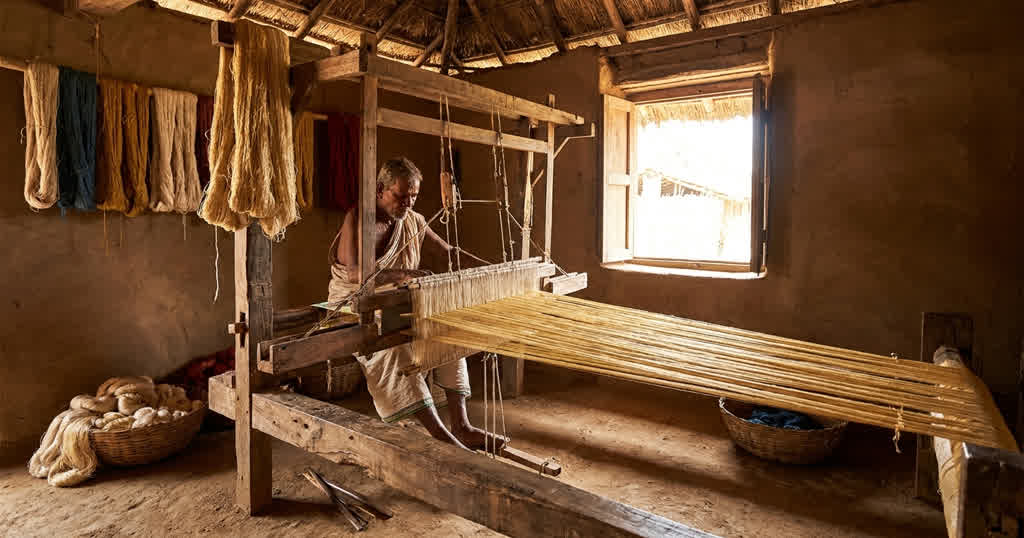
A Designer’s Guide to Sourcing Silk from Indian Manufacturers

Finding a reliable Silk manufacturer who can provide transparent origins and consistent quality is a persistent challenge for independent fashion labels. Designers often face a choice between opaque, mass-produced synthetic blends and highly expensive, low-traceability conventional silks. The shift toward low-impact materials requires a deeper understanding of regional weaving clusters and the specific properties of indigenous fibers. The stakes for material selection go beyond aesthetics, directly impacting garment longevity, dye uptake, and a brand's sustainability narrative.
Sourcing directly from rural artisan networks preserves indigenous sericulture while offering the technical specifications required for premium collections. This guide breaks down the essential material science and logistics needed to source ethically from India.
Beyond Mulberry: Decoding India’s Indigenous Silk Varieties
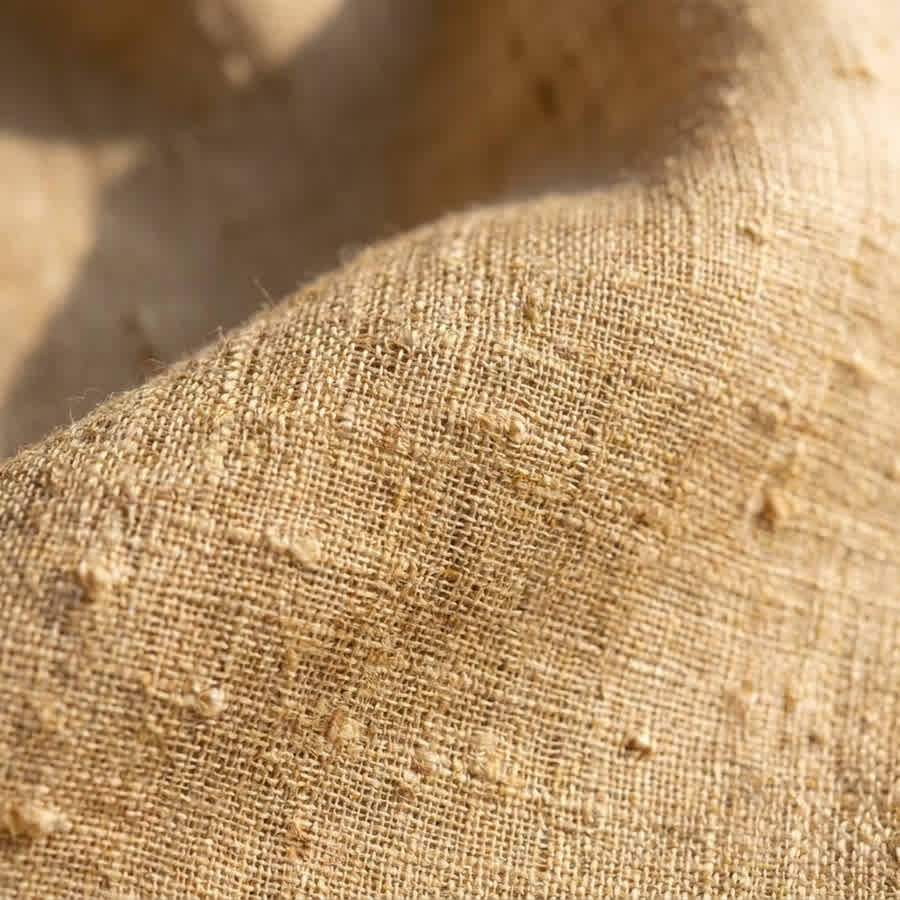
India's indigenous silk varieties, including Tussar, Eri, and Matka, differ from conventional mulberry silk by offering distinct GSM ranges, higher tensile strength, and unique textural profiles. These wild and semi-wild fibers provide designers with traceable, low-impact materials that perform exceptionally well in structured garments.
The Technical Specs of Wild Silks
The history of India's silk heritage is deeply rooted in regional weaving clusters, from the royal Murshidabad silks of Bengal to the wild Tussar of Jharkhand. These decentralized artisan networks have preserved indigenous sericulture and hand-spinning techniques for centuries. Understanding the material science behind these fibers is essential for making informed textile sourcing decisions.
Indian artisan silks vary widely in their technical specifications, offering distinct advantages for different garment applications. Designers must match the specific fiber properties to their intended silhouette and drape requirements.
- Delicate Organza (20-30 GSM): This lightweight fabric offers high sheer and a crisp drape, making it ideal for voluminous, structured overlays.
- Wild Tussar (80-120 GSM): This variety provides high tensile strength and rich, porous textures due to the tannin-rich diets of wild silkworms.
- Hand-spun Matka (100-150 GSM): This fabric retains sericin for a distinct, linen-like slub texture and excellent breathability.
Ahimsa and Peace Silk Traditions
Beyond the physical specifications, the method of silk extraction plays a crucial role in a brand's sustainability narrative. Ahimsa silk, also known as peace silk, allows the moth to emerge from the cocoon before the fiber is harvested. This non-violent approach appeals to consumers seeking cruelty-free textiles.
Sourcing Ahimsa silk requires partnering with a knowledgeable Silk manufacturer who can verify the extraction process at the cluster level. The resulting fibers often possess a slightly matte finish and a softer, more organic hand-feel compared to conventionally reeled silk. This unique texture makes it highly desirable for premium boutique collections.
The Decentralized Advantage: Sourcing from an Artisan Silk Manufacturer
Sourcing from a decentralized artisan Silk manufacturer guarantees complete supply chain transparency, fair wages, and direct access to heritage weaving clusters. This model contrasts sharply with centralized factory production, ensuring that every meter of fabric supports rural handloom weavers and preserves indigenous craft.
Contrasting Centralized and Decentralized Models
Modern B2B designers are pivoting away from mass-produced powerloom silks toward traceable, low-impact materials. Traditional fabric manufacturers in india often rely on centralized, high-volume facilities that obscure the origins of the raw silk. This opacity makes it difficult for brands to verify their ESG goals or ensure fair labor practices.
A decentralized supply chain operates entirely differently, connecting buyers directly with specific regional clusters like Malda or Murshidabad. This direct relationship eliminates middlemen markups and provides a transparent farm-to-fabric narrative.
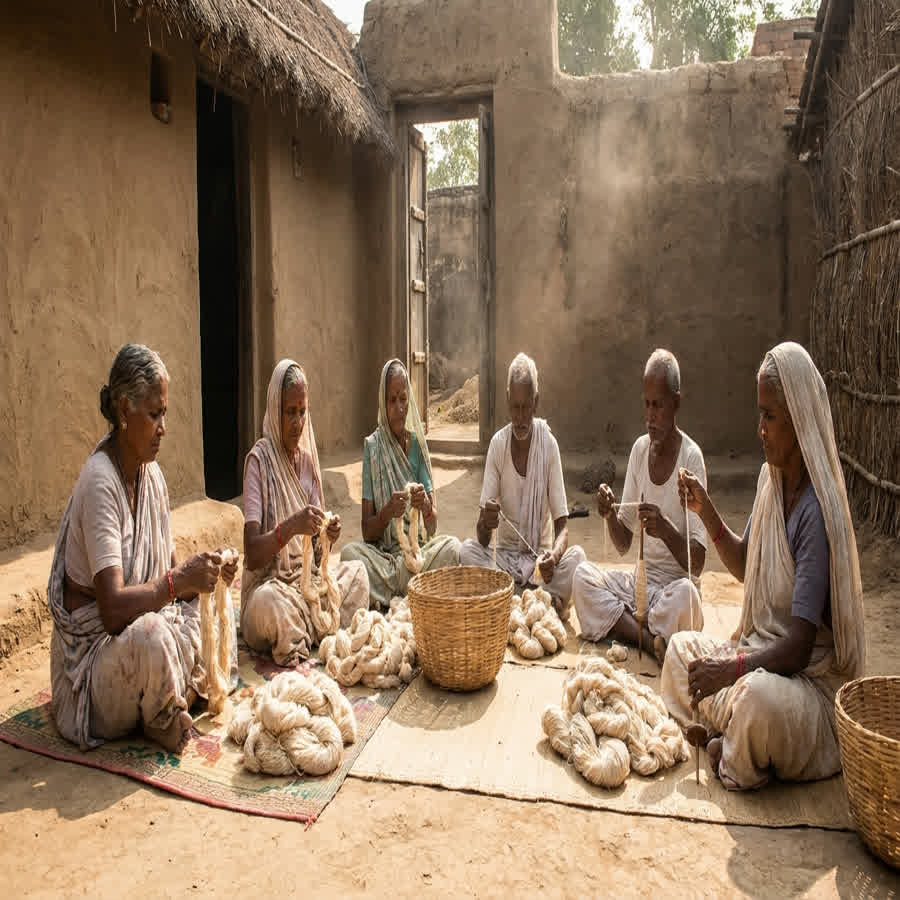
- Direct Cluster Access: Buyers communicate directly with the source, ensuring accurate translation of custom design requirements.
- Fair Wage Verification: Decentralized models prioritize equitable compensation, directly supporting the artisan livelihoods within rural communities.
- Heritage Preservation: By choosing handloom over powerloom, brands actively fund the continuation of indigenous weaving techniques.
Traceability and Ethical Production
For a boutique brand sourcing manager, proving the ethical origins of a collection is just as important as the fabric quality. A decentralized network provides detailed traceability reports, documenting the journey from the specific sericulture farm to the final handwoven textile. This level of detail is rarely available through conventional wholesale channels.
Working with transparent fabric exporters from india allows designers to confidently market their garments as ethically produced. The resulting textiles carry a genuine story of origin, adding significant value to the final retail product. This authentic narrative is a powerful tool for connecting with conscious consumers.
Manage MOQs and Lead Times with Textile Exporters in India
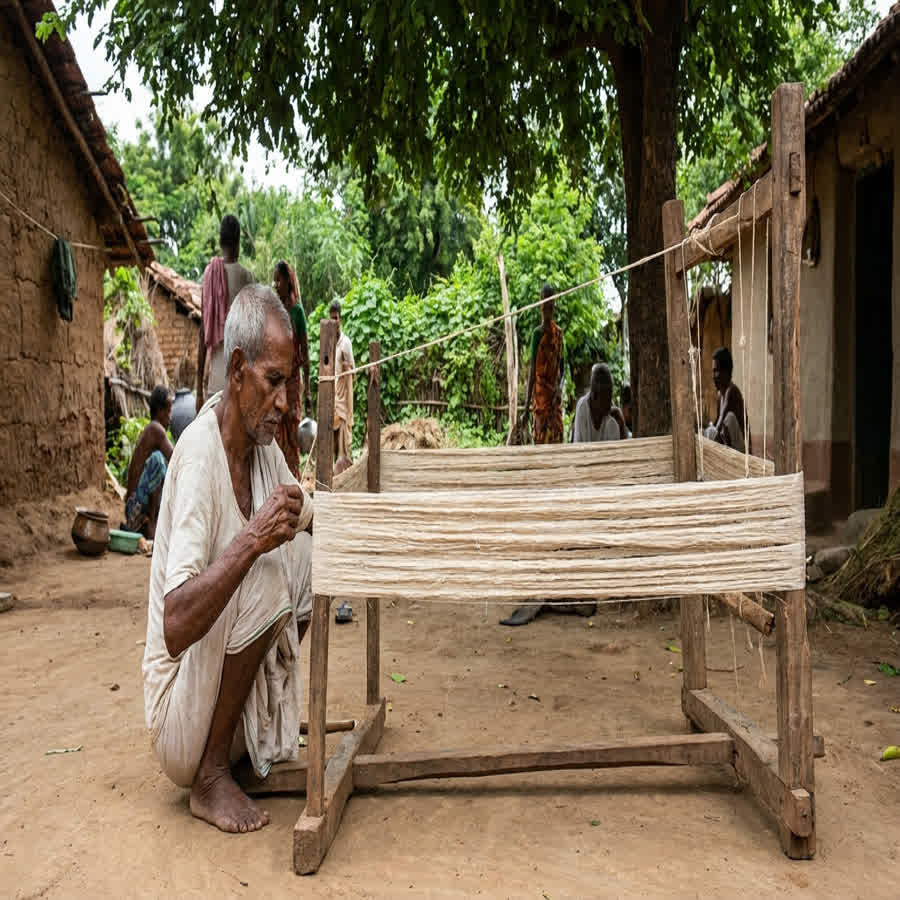
Lead times and MOQs with artisan textile exporters in india are highly flexible, typically starting at 10 to 50 meters for in-stock fabrics and 100 to 200 meters for custom developments. This adaptability allows independent designers to manage textile export wholesale logistics without the financial burden of massive factory minimums.
Structuring Custom Weaving Timelines
Understanding the production timeline is critical when working with rural handloom clusters. Unlike automated powerlooms, artisan weaving is a deliberate, multi-step process that requires careful planning. Designers must account for yarn procurement, natural dyeing, warping, and the physical weaving process.
A reliable Silk manufacturer will provide a clear production schedule, outlining each phase of development. This transparency helps brands align their fabric delivery with their seasonal manufacturing deadlines.
- Yarn Dyeing (1-2 weeks): Natural and azo-free dyes require precise application and curing times to ensure colorfastness.
- Warping and Loom Setup (1 week): Preparing the loom is a highly technical skill that dictates the final fabric structure.
- Hand-weaving (2-4 weeks): The actual weaving speed depends on the complexity of the motif and the specific GSM requirements.
Managing Wholesale Logistics
Coordinating international shipping and customs can be complex for independent labels. Partnering with experienced textile exporters in india streamlines this process, ensuring that all necessary documentation is accurate. This includes certificates of origin and any required sustainability credentials.
Flexible MOQs are a significant advantage for brands testing new silhouettes or launching limited capsule collections. By ordering smaller quantities of textile export wholesale fabrics, designers minimize deadstock and reduce financial risk. This lean approach to inventory management is a cornerstone of sustainable fashion business models.
Quality Control in Handloom Silk: Slubs, Sericin, and Structural Integrity
Quality control in handloom silk focuses on verifying structural integrity, precise GSM consistency, and rigorous colorfastness rather than expecting machine-made uniformity. Natural slubs and slight texture variations are inherent hallmarks of authentic hand-spun silk, not manufacturing defects.
Assessing Sericin and Slub Textures
Educating buyers on how to assess hand-spun silk quality is a primary responsibility for any transparent Silk manufacturer. In varieties like Matka, the retention of sericin, the natural gum produced by the silkworm, creates a distinct, linen-like slub texture. These variations in yarn thickness give the fabric its unique character and excellent breathability.
Designers must understand that these organic irregularities are proof of the hand-spinning process. A perfectly uniform surface often indicates that the fabric was woven on a powerloom using heavily processed, commercially reeled yarn.
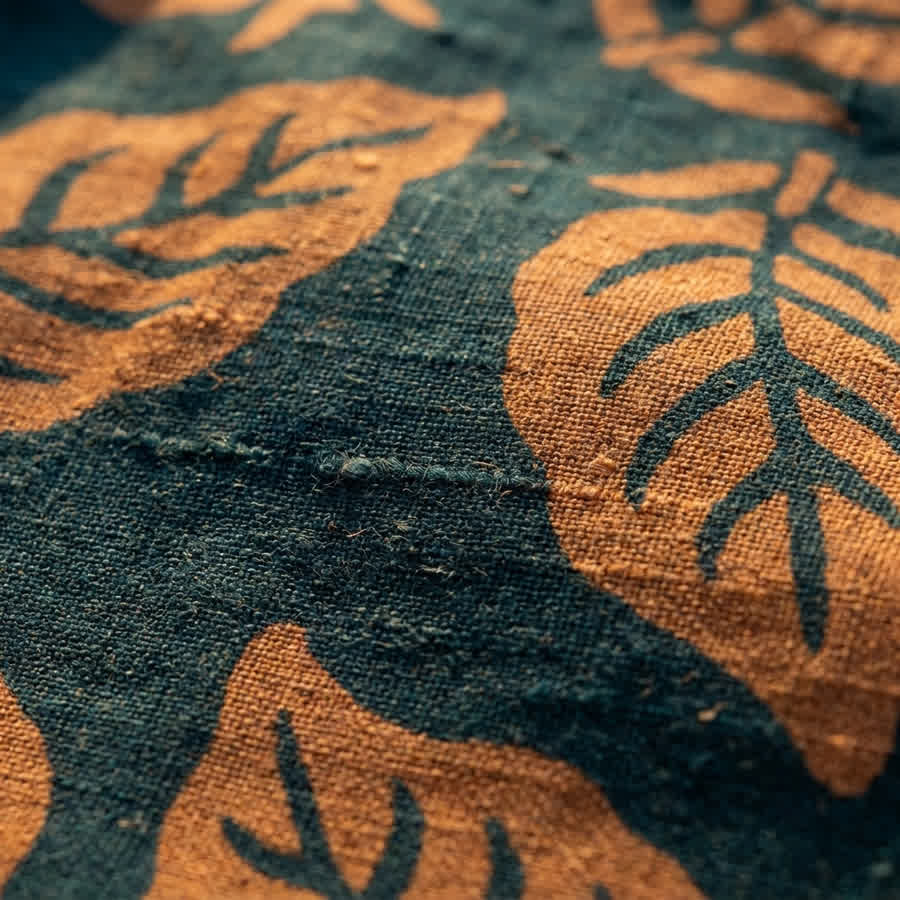
- Sericin Retention: Leaves a protective coating on the fiber, resulting in a slightly stiffer, dry hand-feel that softens beautifully over time.
- Natural Slubs: Occur naturally during hand-spinning, adding visual depth and a rich, tactile surface to the finished garment.
- GSM Consistency: While textures vary, the overall weight must remain within the specified range, such as maintaining 100-150 GSM for Matka silk.
Ensuring Colorfastness and Durability
Beyond texture, assessing the durability and dye uptake of artisan silks is crucial for garment longevity. Wild silks like Tussar possess high tensile strength, making them highly resistant to tearing and abrasion. This structural integrity ensures that the fabric can withstand the rigors of garment construction and daily wear.
Reputable fabric manufacturers in india conduct rigorous colorfastness testing to ensure that dyes do not bleed or fade prematurely. This is especially important for deep, saturated hues achieved through natural or azo-free dyeing methods. Consistent dye penetration is a key indicator of high-quality yarn preparation and expert finishing.
Explore Our Collection
Anuprerna works directly with handloom artisan clusters to weave Silk manufacturer for designers and brands building considered collections. To source it for your next line, explore the range below.
frequently asked questions
What is the difference between sourcing from a traditional silk manufacturer and a decentralized artisan network?
Traditional fabric manufacturers in india often rely on centralized powerlooms for mass production, which can obscure traceability. A decentralized network like Anuprerna connects you directly with rural handloom clusters, ensuring fair wages, complete supply chain transparency, and access to authentic, heritage weaves. This direct connection eliminates middlemen and guarantees that your sourcing budget directly supports the artisan communities.
How do fabric exporters from India handle quality consistency in hand-spun silks?
In hand-spun and handwoven silks like Matka or Tussar, natural slubs and slight texture variations are inherent characteristics, not defects. Quality control focuses on structural integrity, precise GSM consistency, such as maintaining 100-150 GSM for Matka, and rigorous colorfastness testing rather than absolute machine-made uniformity. A reliable Silk manufacturer will document these quality checkpoints before shipping.
What are the typical MOQs for textile export wholesale when sourcing artisan silk?
Unlike large-scale mills that require 1000+ meters, decentralized artisan networks offer flexible MOQs to support sustainable brands. MOQs typically start from 10-50 meters for in-stock fabrics and 100-200 meters for custom hand-woven developments. This flexibility allows independent designers to access premium textile export wholesale pricing without overcommitting to large inventory volumes.
How can I verify the authenticity of the silk sourced from textile exporters in India?
Authentic handloom silk can be verified through certifications like Silk Mark India, which guarantees the purity of natural silk. Additionally, partnering with a transparent supplier who provides detailed traceability reports back to the specific weaving cluster ensures you are getting genuine artisan fabric. Requesting documentation of the supply chain is a standard practice for verifying ethical origins.
What is the GSM range for indigenous Indian silks like Tussar and Matka?
Indigenous Indian silks typically range from 80 to 150 GSM, depending on the specific fiber and weaving technique. Tussar silk generally falls between 80-120 GSM, offering high tensile strength, while hand-spun Matka silk sits at 100-150 GSM, providing a distinct, linen-like texture. Understanding these specifications helps designers select the correct weight for their specific garment applications.
More Blogs
how indian fabric exporters meet global quality standards
jacquard vs embroidery: what's the difference?
buy hemp fabric in bulk: what fashion brands need to know
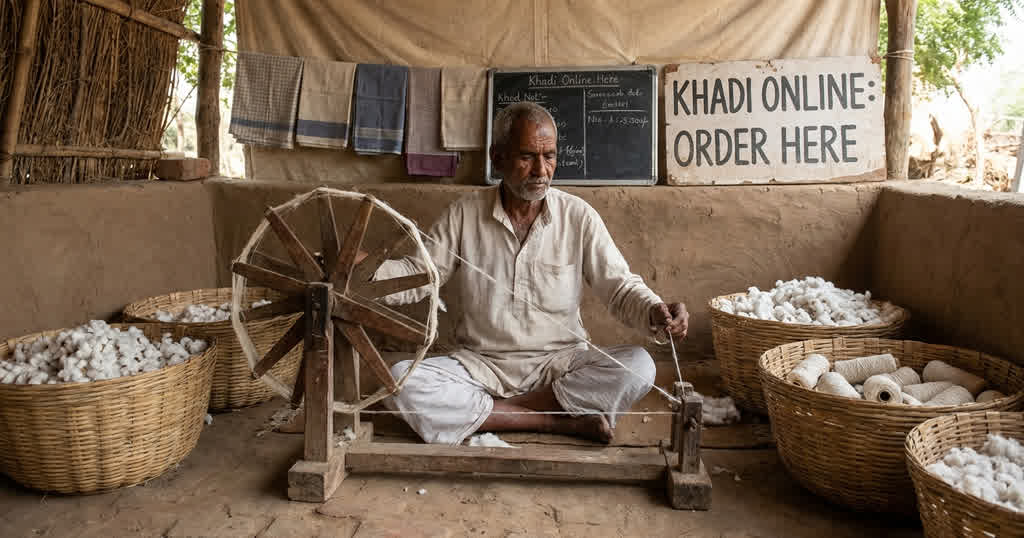
khadi online shopping: what fabric details should you check?
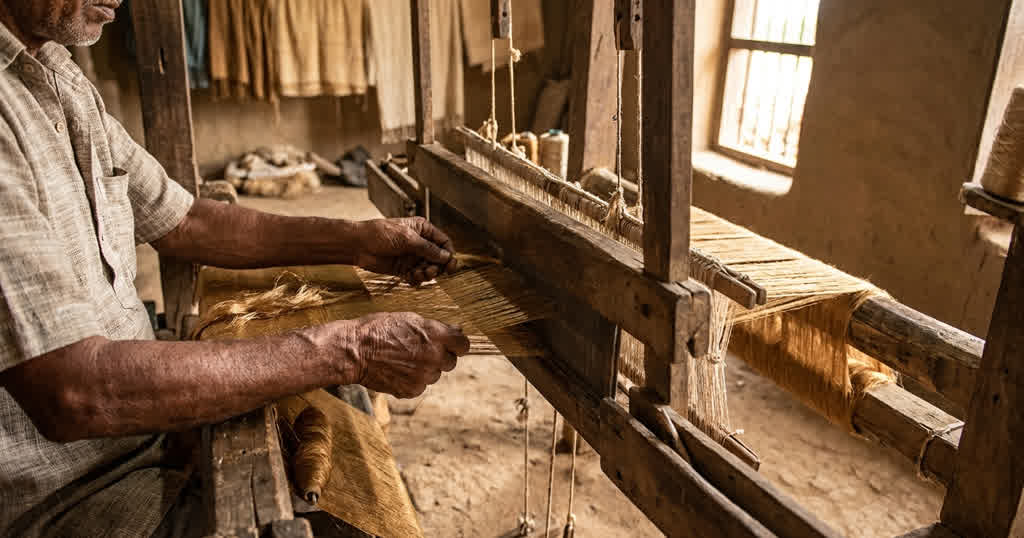
tussar silk fabric: characteristics, texture & a guide for designers
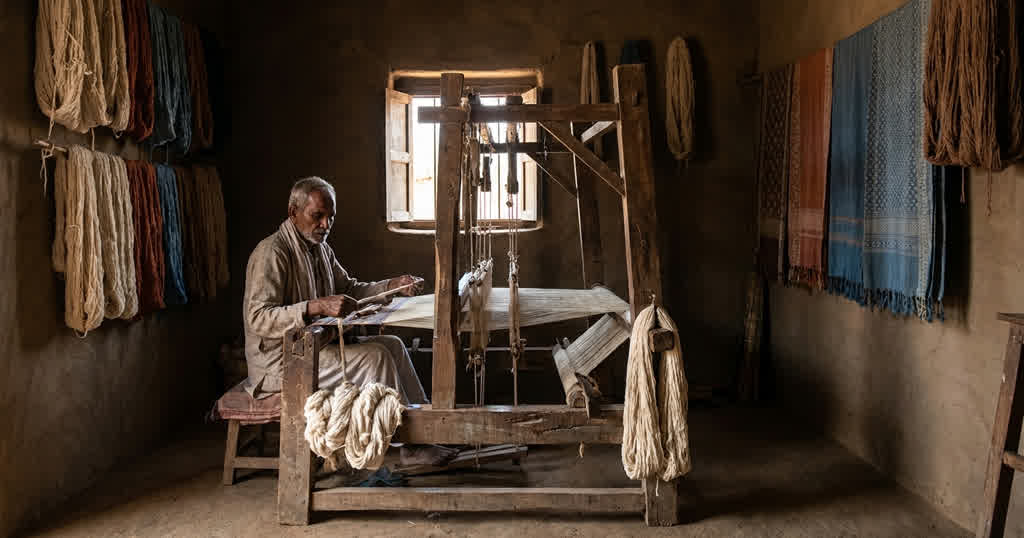
jacquard fabric supplier: a guide for designers & fashion brands