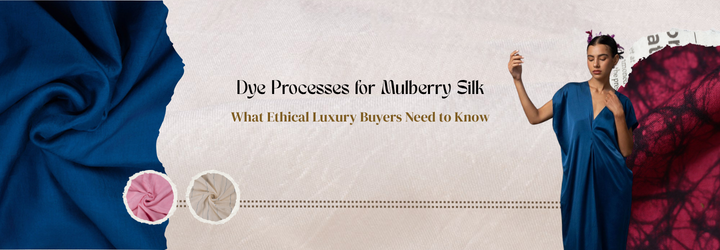
Mulberry Silk Fabric in Natural & Dyed Shades: What Luxury Sustainable Brands Need to Know Before Ordering

TL;DR
- Mulberry silk accounts for nearly 79% of the global silk market; it is the gold standard for luxury natural fiber.
- Undyed / Natural white: the cleanest base for overdying, bridal, or minimalist luxury collections
- Navy: deep, structured, and commercially versatile; strong colorfastness with azo-free dye
- Blush / Dusty Rose: highest demand across resort and occasion wear; available in natural and synthetic dye options
- For luxury wholesale buyers, the most important decisions are momme weight, dye type, and whether you need GOTS certification for your target market.
- Start with a SwatchKit; silk shade, drape, and handle must be evaluated in person before bulk ordering.
Mulberry silk is the only fabric that enters a room before you do. Its sheen, its drape, and the quiet authority it brings to a garment have made it the defining fiber of luxury fashion for centuries. For sustainable fashion brands operating at the premium end of the market, it occupies a unique position: it is simultaneously the most luxurious natural fiber and, when ethically sourced, one of the most compelling sustainability stories you can tell.
But sourcing mulberry silk wholesale requires more precision than sourcing cotton or even khadi. Momme weight, shade consistency, dye process, and supplier traceability all carry greater consequence at the price point silk commands.
This guide is written specifically for luxury sustainable fashion brands and ethical apparel buyers who are evaluating mulberry silk wholesale sourcing across natural undyed, navy, and blush shades and need to understand the buying decision before committing to an order.
Market context: The global mulberry silk market was valued at USD 6.06 billion in 2023 and is projected to reach USD 10.59 billion by 2030, growing at a CAGR of 8.3% (Virtue Market Research). Mulberry silk alone accounts for approximately 79% of the global silk market (Future Market Insights, 2025); its dominance is driven by superior fiber quality, consistent texture, and unmatched luster. For sustainable brands, the supply-chain story is equally compelling: India's sericulture industry supports over 7.6 million livelihoods across 51,000 villages (International Sericultural Commission).
Why Mulberry Silk Is the Right Choice for Luxury Sustainable Collections
Balancing Aesthetic Excellence with Premium Market Value
The case for mulberry silk in an ethical fashion collection is both aesthetic and commercial. On the aesthetic side, no other natural fiber replicates its drape, its light-reflective surface, or its temperature-regulating performance.
On the commercial side, it commands premium retail pricing, and increasingly, the 'ethical silk' provenance story commands a premium on top of that premium.
Key properties that make mulberry silk the right choice for luxury sustainable collections:
- Natural protein fibre: mulberry silk is made from fibroin, a protein produced by Bombyx mori silkworms. It is naturally hypoallergenic, breathable, and biodegradable, making it one of the most skin-compatible luxury fibers.
- Exceptional drape: silk's low density and smooth surface create a fluid drape that no synthetic or even other natural fibre can fully replicate, essential for evening wear, resort pieces, and any garment where movement defines the design
- Temperature regulation: silk's natural protein structure allows it to manage moisture and regulate body temperature—warm in cool conditions, cool in warm ones
- Longevity: well-cared-for silk garments can last 10–15 years or more, a central argument in the 'buy less, buy better' sustainability narrative
Dyeability: silk accepts both natural and azo-free synthetic dyes with exceptional depth and vibrancy. The same dye will appear richer on silk than on any cotton equivalent
The ethical dimension is increasingly decisive for luxury buyers. India's mulberry sericulture cluster employs over 8.25 million people in rural communities, a socio-economic contribution that brands can speak to directly when communicating their sourcing story to conscious consumers.
The Anuprerna Mulberry Silk Shade Guide
A Wholesale Sourcing Reference
Below is a buyer-oriented shade reference for Anuprerna's main palette of mulberry silk. Each section covers the dye method, momme guidance, color fastness, and application suitability.
1. Undyed / Natural White Mulberry Silk
Natural white mulberry silk is the fiber at its purest, with no dye, minimal processing beyond reeling and weaving, and the clean, neutral tone that only undyed silk produces. It is the preferred base for brands that want to overdye in-house, develop their own color story, or work with the inherent natural luminosity of unprocessed silk.
- Dye method: Undyed / natural silk colour
- Typical momme range: 12–22 momme (lighter weights for scarves and tops, heavier for structured garments)
- Tone: Pure white to very pale cream, depending on the reeling batch; slight natural variation is inherent
- Best for: Bridal collections, minimalist luxury, overdye-ready fabric for in-house colour development, resort wear
MOQ at Anuprerna: Low MOQ available; contact for current minimums
Undyed silk is also the most versatile wholesale option for brands that work with multiple color palettes season to season and prefer to apply color post-sourcing.
2. Navy Mulberry Silk
Navy is the most commercially versatile of the dyed silk shades; it reads as both formal and relaxed depending on the cut and construction, making it a reliable seller across eveningwear, tailoring, resort, and contemporary luxury RTW. On mulberry silk, navy takes on a depth and richness that is simply not achievable on cotton.
- Dye method: Azo-free synthetic dye provides the deep, consistent navy tone with excellent batch reproducibility
- Colorfastness: Wash Grade 4–5; Rub fastness Grade 4, suitable for commercial production
- Typical momme range: 16–22 momme; heavier weights produce a more structured, tailored drape
- Best for: Eveningwear, luxury tailoring, shirt and trouser separates, resort collections, scarves
Seasonal relevance: Autumn/Winter core; year-round in resort and occasionwear
A note for buyers at the transactional stage: navy mulberry silk at 18–22 momme is one of the most frequently reordered SKUs in the Anuprerna wholesale range. Buyers who begin with a swatch order typically move to bulk within two to three months.
3. Blush & Dusty Rose Mulberry Silk
Blush and dusty rose are the fastest-growing shades in the ethical luxury silk category, driven by consistently strong demand from resort brands, bridal designers, and premium occasionwear labels in European and North American markets. On mulberry silk, these tones achieve a depth and luminosity that cotton-based alternatives cannot replicate.
- Dye method: Available in both azo-free synthetic (for consistent, reproducible blush) and natural dye options (for a more organic, slightly variable rose tone)
- Natural dye note: Rose madder- and cochineal-free natural pink dye fabrics are available for brands requiring fully chemical-free provenance; these have a softer, slightly more muted tone
- Colorfastness: Azo-free synthetic: Grade 4–5. Natural dye: Grade 3–4 communicates as a 'living colour' characteristic
- Best for: Resort and bridal collections, luxury occasionwear, scarves, fine accessories
- Buyer tip: Blush tones vary significantly between artificial and natural light; always evaluate swatches in both conditions before approving
Understanding Momme Weight
The Most Important Specification for Silk Wholesale Buyers
Momme (mm) is the weight measurement specific to silk, the equivalent of GSM in cotton. For buyers unfamiliar with the metric, it is the single most important specification to understand before placing a wholesale silk order.
- 12–14 momme: Lightweight, excellent drape, ideal for scarves, linings, light blouses, and layering pieces. More delicate; requires careful handling in production
- 16–18 momme: The most commercially versatile range is suitable for dresses, blouses, shirts, and light jackets. Balances drape and durability well
19–22 momme: Heavier, more structured; excellent for tailoring, trousers, and outerwear-weight silk pieces. Better durability and wash performance
A note on momme and price: heavier momme weights require more raw silk per meter and carry a higher per-meter cost. For buyers building a business case, factor momme weight into your cost-per-garment modeling, not just the per-meter price.
Buyer insight: India is the world's second-largest producer of raw silk and the largest consumer of mulberry, accounting for over 75% of India's production, with 23,131 tonnes produced between April and December 2024 (Fibre2Fashion / Data Bridge Market Research).
Dye Processes for Mulberry Silk
What Ethical Luxury Buyers Need to Know
Key dyeing methods, sustainability impact, and sourcing checks
Silk's exceptional dyeability is one of its most commercially valuable properties, but it also means that dye choice has a significant impact on both the final product and the sustainability story you can tell.
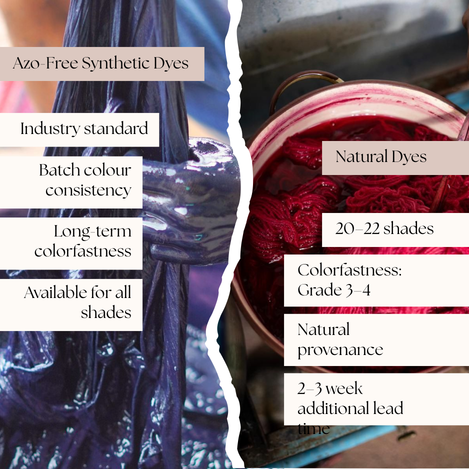
Azo-Free Synthetic Dyes
- Industry standard for consistent, reproducible color; no azo amines; compliant with EU REACH and Oeko-Tex requirements
- Colorfastness: Grade 4–5 across wash and rub, reliable for commercial production
- Available for all shades in the Anuprerna range
Best for: Any shade where batch consistency and long-term colorfastness are priorities
Natural Dyes
- Available in a growing range of 20–22 shades, primarily for brands requiring fully traceable, chemical-free provenance
- Shades available include indigo, turmeric yellow, rose madder, pomegranate, myrobalan, and iron-mordanted grey and black
- Colorfastness: Grade 3–4 lower than synthetic, but the shade evolution over time is a feature for slow fashion brands
- Best for: Brands building a 'natural provenance' narrative with consumers who value artisanal dye processes
Requires a 2–3 week additional lead time versus azo-free synthetic
At Anuprerna, natural dye orders can be accompanied by full documentation on dye source and process, important for brands making verified natural dye claims in their consumer communications.
What Makes Anuprerna's Mulberry Silk Different for Luxury Wholesale Buyers
Quality, traceability, and finish standards tailored for bulk luxury sourcing
Premium fabric sourcing for luxury sustainable brands requires more than good fiber. It requires a supplier who understands the brand's positioning, the importance of consistency across bulk orders, and the growing need for a transparent, verifiable supply chain story.
- Artisan sericulture sourcing: Anuprerna's mulberry silk is sourced from artisan clusters within India's traceable, short supply chain, with the social impact narrative that luxury ethical brands need
- 500+ skilled artisan weavers: fair wages and safe conditions, verified through third-party impact measurement
- ArtisanFlow platform: Anuprerna's proprietary supply chain tool gives B2B partners real-time production visibility critical for luxury brands managing long lead times and collection deadlines
- Low MOQ: designed for sustainable labels building capsule collections or testing new silk shades before scaling to volume
- GOTS-certified, azo-free dyes as standard: with natural dye documentation available for brands requiring full chemical-free provenance
Swatch ordering: essential for silk color, drape, and hand must be evaluated in studio conditions before any bulk commitment
The global silk fabric market is projected to grow from USD 16.54 billion in 2023 to USD 31.65 billion by 2032 at a CAGR of 7.5% (Dataintelo). For luxury sustainable brands, securing a reliable, traceable silk supply chain now is a strategic advantage as demand accelerates and verified ethical sourcing becomes a baseline expectation in premium markets.
How to Start Your Mulberry Silk Wholesale Order
A practical checklist for sourcing, sampling, and placing your first bulk order
The recommended sequence for new wholesale partners:
- Order a SwatchKit: Request swatches of your target shades in your preferred momme range. Evaluate color under both natural and artificial light, check drape, and assess hand—all critical for silk.
- Specify momme weight and dye preference: Confirm the weight range for each garment type in your collection. Inform the team whether you need azo-free synthetic, natural dye, or undyed. This affects lead time, pricing, and available certifications.
- Confirm width: Mulberry silk is available in standard widths to confirm your pattern-cutting requirements before sample yardage to avoid wastage.
- Request sample yardage: Cut and sew a test garment. Wash test under your production conditions. Check colorfastness and drape retention after washing before bulk commitment.
- Place wholesale order: Once the sample is approved, confirm shade, momme, quantity, dye process, and delivery schedule with the Anuprerna wholesale team.
Ready to Source Mulberry Silk for Your Luxury Sustainable Collection?
Evaluate quality, shades, and MOQ before you place bulk orders
Anuprerna's SwatchKit lets you evaluate mulberry silk in your target shades and momme weights before committing to bulk. Request yours and experience the difference that artisan-sourced, ethically produced silk makes to your finished garments and your brand story.
→ Order Your Mulberry Silk SwatchKit | Explore ArtisanFlow | Contact the Wholesale Team
frequently asked questions
Can I order multiple silk shades in a single wholesale shipment?
Yes. Anuprerna's low MOQ structure means you can consolidate multiple shades into a single order, provided each shade meets the minimum per-shade threshold. Contact the team for current minimums by momme weight.
How do I ensure color consistency across a large bulk order of navy or blush silk?
Azo-free synthetic dyed silk offers the best batch-to-batch consistency.
Is Anuprerna's mulberry silk available with GOTS certification?
GOTS-certified, azo-free dye is the standard for the Anuprerna silk range. For full GOTS fiber-to-fabric certification, please inquire directly about the certification scope depending on the specific order and fiber sourcing traceability required.
What is the minimum care instruction for mulberry silk garments?
At 16 momme and above, mulberry silk can typically be hand-washed in cool water with a gentle detergent or machine-washed on a silk or delicate cycle. Lighter momme weights (12–14 mm) are better suited to hand washing or dry cleaning. Anuprerna can provide specific care guidance based on the momme and dye process of your order.
How do natural-dyed silk shades perform over the lifetime of a garment?
Natural-dyed silk shades will evolve over time, indigo will fade towards lighter blue-grey, turmeric yellow will soften, and rose madder pinks will develop a more muted tone. For slow fashion brands, this is a genuine product feature: the 'living color' narrative resonates strongly with conscious consumers who value impermanence and natural processes. If your market requires color stability across the garment lifecycle, azo-free synthetic dyes are the better technical choice.
More Blogs

khadi jeans for men: styling sustainable denim
eco-friendly trims: sourcing sustainable fashion accessories
how to choose the right fabric wholesaler for your brand
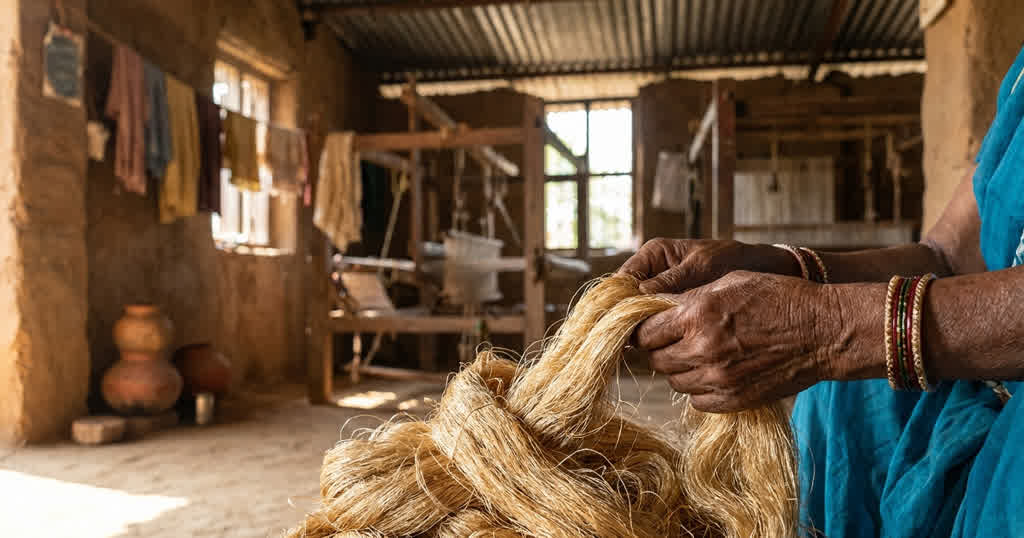
what to look for in a silk manufacturer before you source
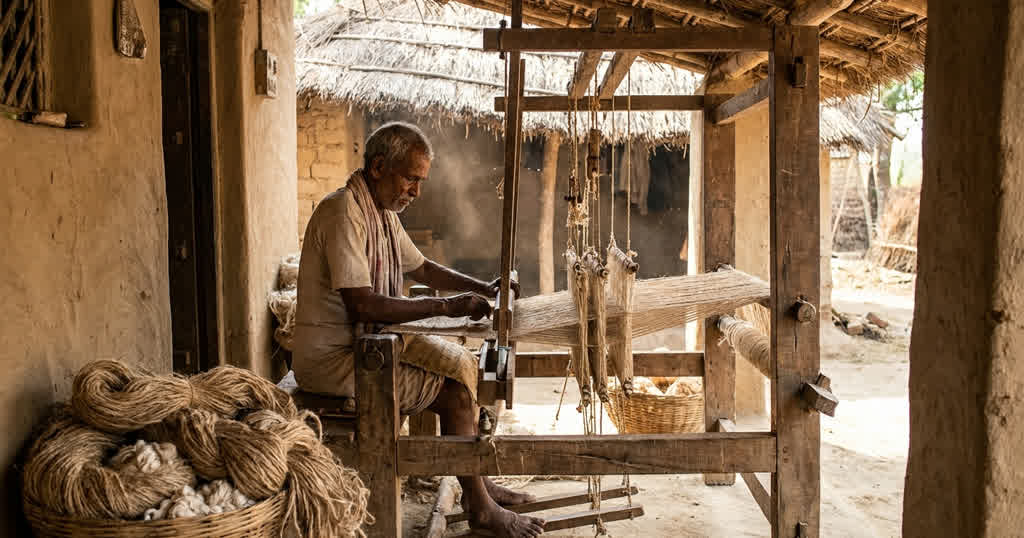
how does sustainable sourcing affect clothing quality?

what is a sustainable designer? roles, responsibilities, and impact