How Does Sustainable Sourcing Affect Clothing Quality?

A designer unrolls a fresh batch of sample yardage, noting the crisp, dry hand-feel of the cotton, only to find the structure degrading after a single wash test. The disconnect between aesthetic appeal and physical longevity is a constant friction point in textile procurement, making sustainable sourcing a technical necessity rather than just an environmental preference.
The shift toward ethical clothing production directly alters the material science of the fabric itself. By moving away from high-speed manufacturing, designers can preserve the natural staple length and structural integrity of the fibers, ensuring the final garment survives years of wear. This approach allows buyers to market their collections based on tangible product longevity, proving that responsible procurement results in a physically superior textile.
The Science of Slow: How Ethical Clothing Production Preserves Fiber Integrity
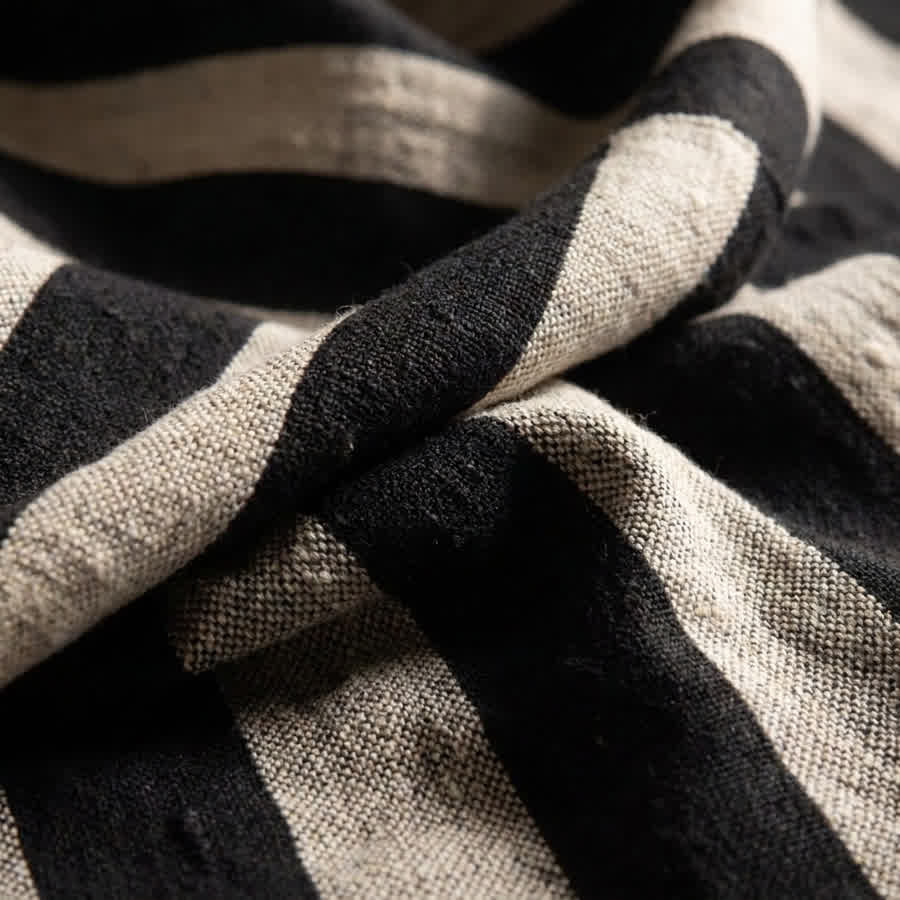
Ethical clothing production preserves fiber integrity by replacing high-heat, high-tension mechanical stress with gentle, decentralized hand-spinning and handloom weaving. This slow-craft approach prevents the microscopic fracturing of cellulose and protein fibers, resulting in a physically stronger textile.
Mechanical Stress in Conventional Weaving
Conventional power looms operate at extreme speeds, subjecting yarns to immense friction and tension. To survive this process, fibers are often coated in heavy synthetic sizing and subjected to high heat. This mechanical stress causes microscopic breaks in the yarn structure, leading to fabrics that pill, thin, and tear prematurely.
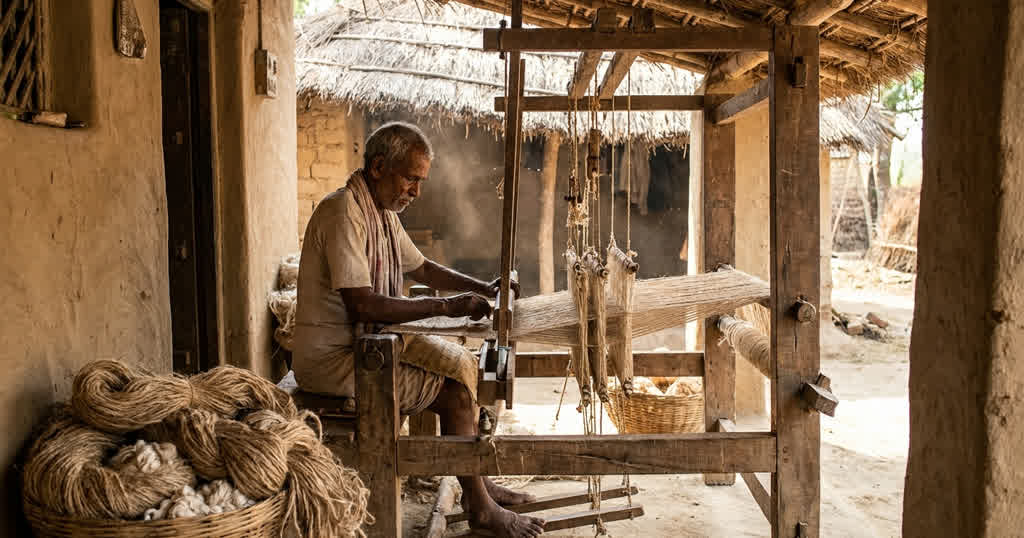
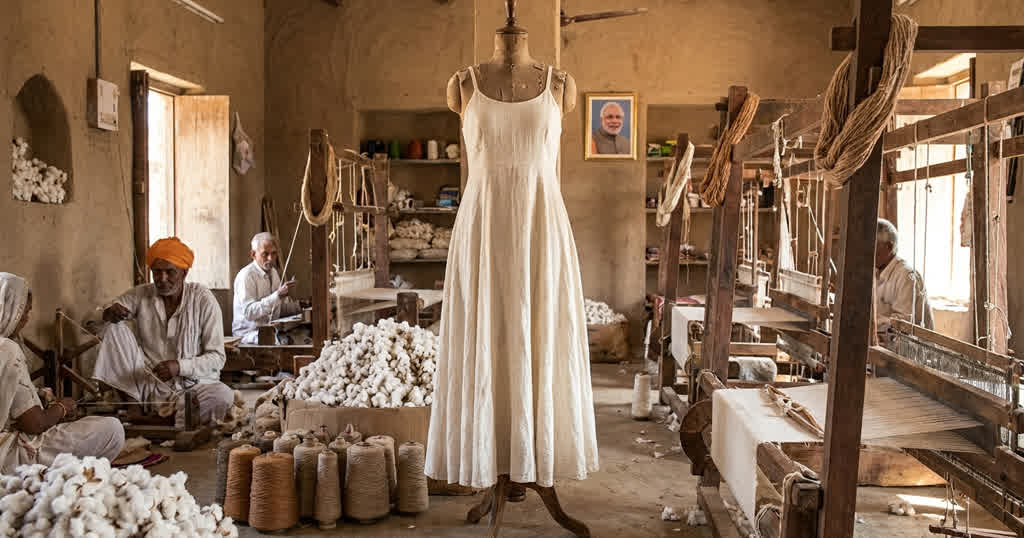
By contrast, traditional Indian handloom weaving operates at a human pace. The reduced tension on the warp and weft allows the yarn to retain its natural crimp and elasticity. This gentle handling ensures the fabric maintains a soft, breathable texture without sacrificing its underlying strength.
To understand the physical benefits of this slow process, buyers should look at specific mechanical advantages:
- High tensile strength: Gentle weaving prevents the snapping of individual filaments, keeping the yarn intact.
- Natural elasticity: Fibers retain their inherent bounce, improving the drape and recovery of the final garment.
- Reduced friction damage: Operating without high-speed metal shuttles minimizes surface abrasion on the raw yarn.
The Structural Advantage of Hand-Spun Yarns
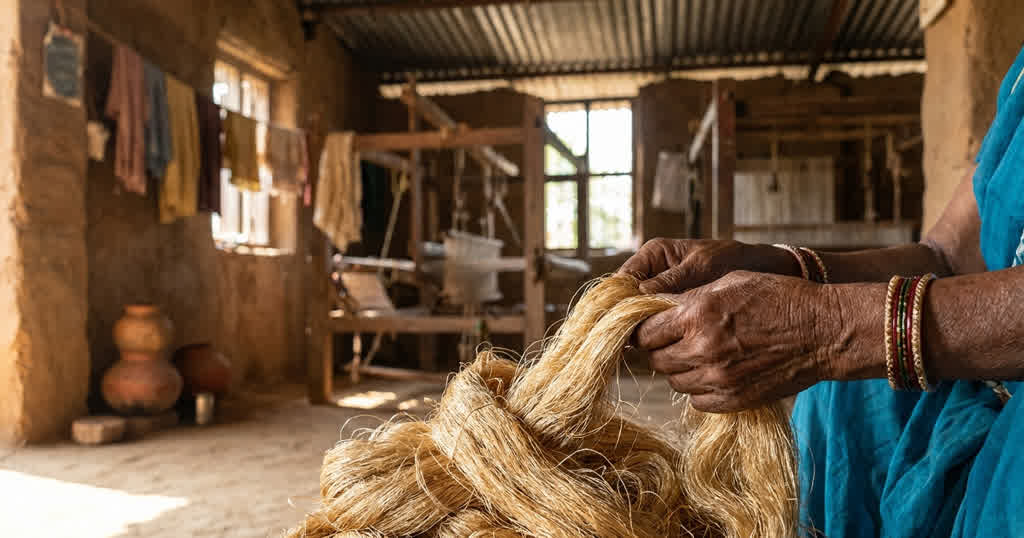
Historically, traditional Indian hand-spinning practices, such as the creation of Khadi textiles, were designed to maximize the lifespan of natural fibers. Hand-spinning induces significantly less stress on the raw material compared to industrial ring spinning. This method creates heirloom-quality garments that soften with age rather than degrading.
When sustainable fashion brands specify hand-spun yarns, they are investing in material longevity. The irregular twist of a hand-spun yarn traps microscopic pockets of air, offering superior thermal regulation properties. This results in a textile that is not only highly durable but also exceptionally comfortable against the skin.
Chemical Processing vs. Natural Dyes: The Impact on Fabric Longevity
Avoiding harsh synthetic bleaches and toxic chemical stripping during sustainable sourcing prevents the premature degradation of cellulose fibers, directly extending the lifespan of the fabric. Natural dyeing processes maintain the inherent strength and moisture-wicking properties of the raw material, creating a more resilient textile.
The Hidden Cost of Chemical Stripping
Conventional textile manufacturing relies heavily on aggressive chemical treatments to prepare fabrics for synthetic dyes. Processes like heavy bleaching and mercerization strip away the natural waxes and proteins that protect the fiber. While this creates a uniform surface for bright synthetic colors, it fundamentally weakens the cellular structure of the cotton or silk.
When fibers are stripped of their natural defenses, they become brittle. This chemical fatigue is a primary cause of premature wear in fast fashion garments. Ethical cloth, on the other hand, bypasses these destructive preparation stages. By retaining the natural integrity of the fiber, the resulting fabric exhibits superior abrasion resistance and a longer usable life.
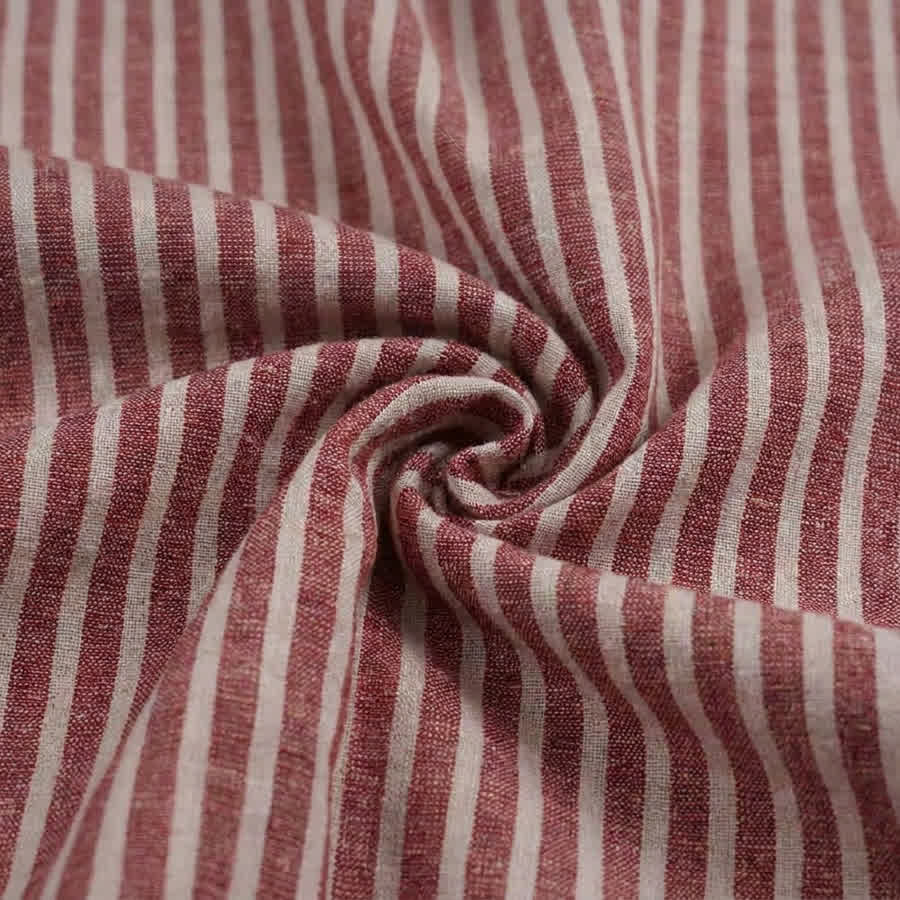
The absence of harsh chemicals provides several measurable benefits for the final textile:
- Sericin retention: In peace silks, retaining natural proteins keeps the fabric strong and gives it a rich, organic luster.
- Cellulose preservation: Unbleached cotton maintains its full staple length, preventing early pilling and thinning.
- Enhanced breathability: Without synthetic resin coatings, the fabric allows air and moisture to pass through freely.
Natural Mordanting and Fiber Health
Natural dyes require specific mordanting processes to bond color to the fabric. Instead of using toxic heavy metals, sustainable artisans use natural metallic salts like alum, which bond with the fibers without destroying them. This gentle chemistry ensures the dye uptake is successful while keeping the yarn supple and strong.
For ethical slow fashion brands, this chemical restraint is a major selling point. The resulting garments do not off-gas toxic residues and they maintain their soft, natural hand-feel wash after wash. By prioritizing natural chemistry, designers guarantee that their collections offer both ecological safety and long-term durability.
Why Top Sustainable Fashion Brands Rely on Decentralized Artisan Supply Chains
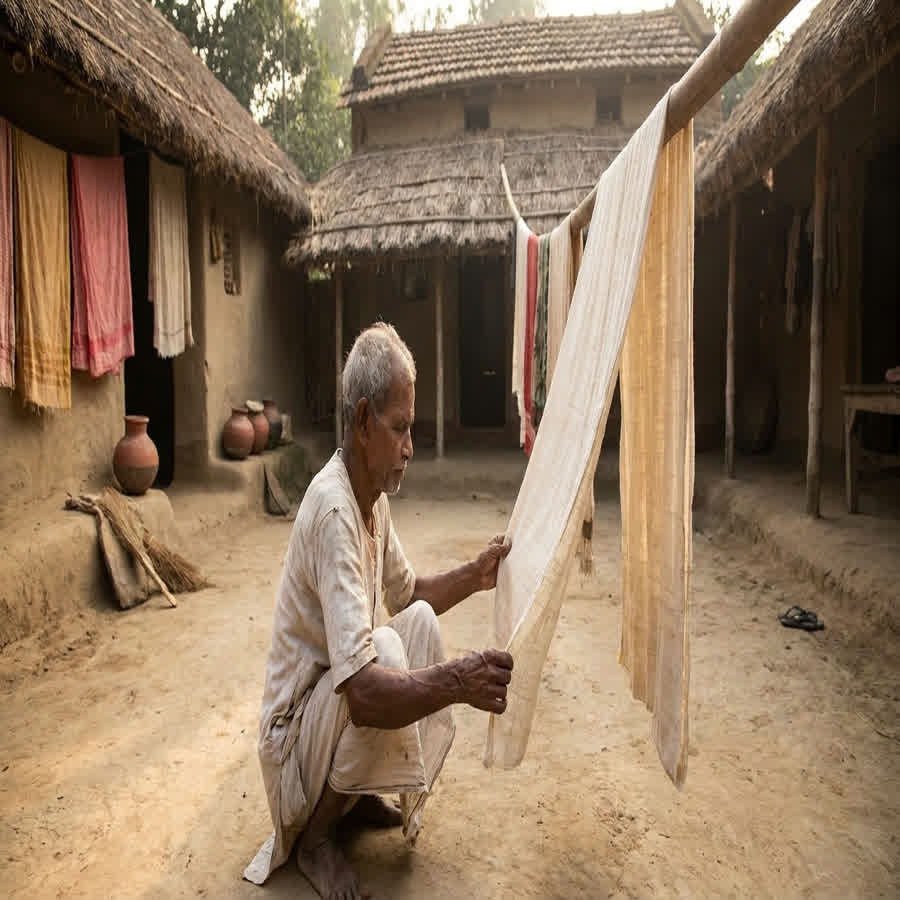
Top sustainable fashion brands rely on decentralized artisan supply chains because meticulous human oversight at every stage of weaving replaces automated mass production, ensuring premium quality control. This localized approach transforms ethical labels into purveyors of bespoke, heritage-rich luxury, offering a level of craftsmanship that industrial factories cannot replicate.
Human Oversight in Small-Batch Production
In a conventional factory setting, automated looms can weave yards of defective fabric before a machine operator notices a snapped warp thread. In a decentralized artisan network, the weaver is intimately connected to the loom. If a thread breaks or a tension issue arises, the artisan stops immediately, correcting the flaw by hand.
This continuous, inch-by-inch quality control is the hallmark of rural Indian handloom weavers. It ensures that every meter of fabric meets exacting standards before it ever leaves the village. For a B2B sourcing manager, this means receiving bulk orders with fewer structural defects and a higher yield of usable yardage.
Working with decentralized clusters offers distinct operational advantages for buyers:
- Immediate defect correction: Artisans fix weaving errors in real-time, ensuring a well-made final roll.
- Customizable weave structures: Small-batch production allows designers to request specific tension adjustments for unique textures.
- Zero-waste credentials: Careful human handling reduces the amount of fabric discarded due to machine errors.
Traceability as a Quality Metric
Most competing articles focus on generic green factory metrics, but true ethical fashion requires deep traceability. When a brand sources from specific clusters in regions like Murshidabad or Malda, they are buying into generations of specialized weaving knowledge. This geographical traceability acts as a strict quality assurance protocol.
By proving exactly where and how a fabric was made, designers can justify premium price points to their consumers. The narrative of artisan craftsmanship is backed by the physical superiority of the cloth. This allows brands to market their collections on the basis of tangible product excellence, moving beyond simple environmental guilt to offer genuine luxury.
Evaluating Ethical Cloth: GSM, Drape, and Durability Metrics
B2B buyers evaluate ethical cloth by measuring specific technical indicators like accurate GSM, tensile strength, and colorfastness, proving that these textiles meet rigorous commercial standards. By verifying these metrics, designers can confidently market sustainable clothing based on proven physical performance and structural reliability.
Weight and Breathability Standards
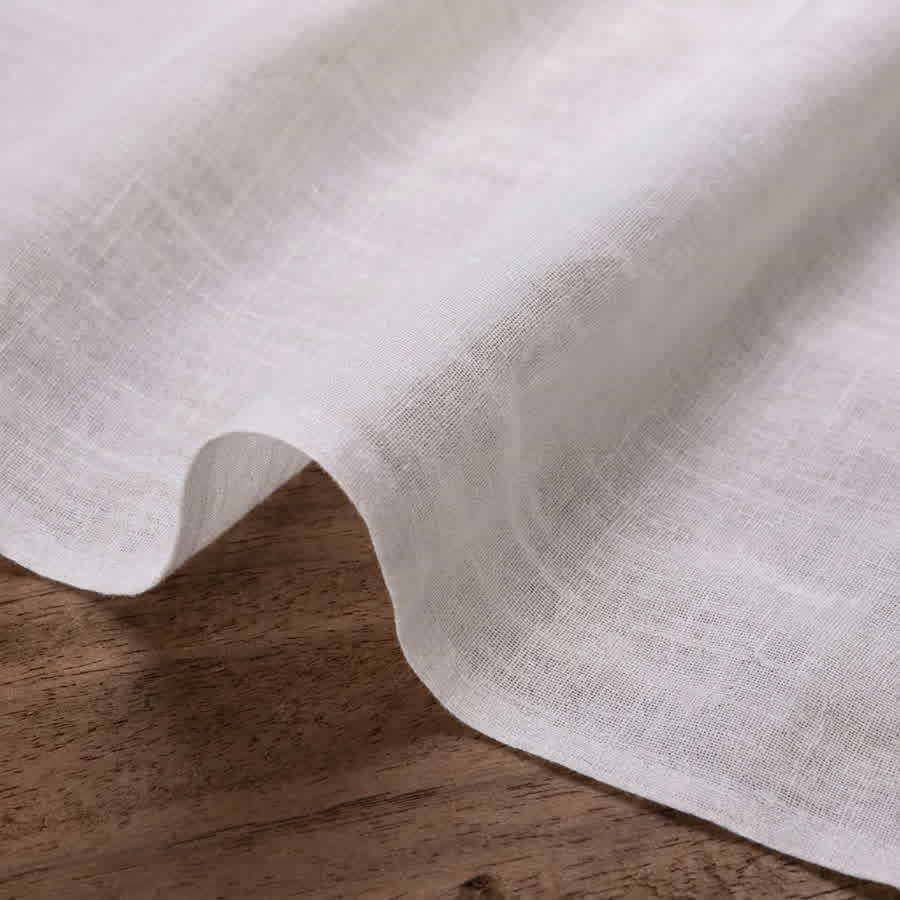
Handwoven textiles offer a massive range of weights, proving that sustainable options are highly versatile. Buyers can source everything from breathable 60 GSM muslins for summer shirting to durable 200+ GSM heavy cottons for structured jackets. This precise control over fabric weight allows designers to execute complex silhouettes without compromising on their ethical values.
The specific GSM of a handwoven fabric directly influences its moisture-wicking properties and thermal regulation. A lightweight organic cotton muslin will offer a soft, airy drape, while a heavier hand-spun weave provides structural integrity and warmth. Understanding these metrics is crucial for a B2B sourcing director looking to build a cohesive, multi-season collection.
When evaluating a new supplier, buyers should request specific technical data:
- Accurate GSM testing: Ensure the fabric weight matches the technical specification sheet for consistent garment draping.
- Shrinkage tolerances: Verify the dimensional stability of the fabric after a standard wash cycle.
- Colorfastness ratings: Check how well the natural dyes resist fading under UV exposure and standard laundering.
Assessing Structural Integrity
The true test of ethical clothing production is how the fabric behaves under stress. Buyers must assess the structural integrity of the weave, looking closely at the selvedge and the consistency of the weft packing. A well-made handloom fabric will exhibit a tight, uniform structure that resists seam slippage during garment construction.
By prioritizing these technical metrics, brands can prove that their sustainable sourcing strategy yields a superior product. The resulting garments will hold their shape, retain their color, and resist physical degradation far longer than conventionally processed alternatives. This data-driven approach arms designers with the facts they need to succeed in the competitive B2B fashion market.
frequently asked questions
Q: Does sustainable sourcing mean sacrificing fabric consistency in B2B production?
A: No. While handwoven ethical cloth features slight natural variations, which are highly sought after as a hallmark of luxury, strict decentralized quality assurance protocols ensure structural consistency, accurate GSM, and reliable performance across bulk orders. Artisans monitor the loom continuously, correcting tension issues in real-time to deliver uniform, high-quality yardage.
Q: How do natural dyes affect the longevity and quality of ethical clothing?
A: Natural dyes require specific mordanting processes that bond with fibers without the harsh, fiber-degrading chemicals found in synthetic dyes. This results in fabrics that maintain their natural softness and tensile strength longer, provided they are cared for according to slow fashion standards. By avoiding heavy bleaches, the cellular structure of the yarn remains entirely intact.
Q: Why is hand-spun organic cotton considered stronger than conventional machine-spun cotton?
A: Hand-spinning induces significantly less mechanical stress and heat on the cotton fibers. This gentle processing preserves the natural staple length and structural integrity of the fiber, resulting in a highly durable, breathable fabric ideal for ethical slow fashion brands. The irregular twist also creates microscopic air pockets, enhancing the thermal properties of the garment.
Q: Can ethical slow fashion brands scale production using handloom textiles?
A: Yes. By partnering with established decentralized artisan networks, brands can secure consistent bulk yardage while maintaining the bespoke quality of handwoven fabrics. Coordinating across multiple weaving clusters allows a B2B sourcing manager to meet high volume demands without resorting to industrial power looms.
Q: How does sustainable clothing justify a premium price point to consumers?
A: Sustainable clothing justifies its cost through proven physical superiority, offering longer-lasting wear, better breathability, and a documented heritage narrative that mass-produced garments lack. When buyers can point to specific metrics like preserved staple length and low-chemical processing, the premium price reflects tangible, long-term product value.
More Blogs
khadi jeans for men: styling sustainable denim
eco-friendly trims: sourcing sustainable fashion accessories
how to choose the right fabric wholesaler for your brand
what to look for in a silk manufacturer before you source
what is a sustainable designer? roles, responsibilities, and impact
how celebrity endorsements are shaping the future of sustainable textiles