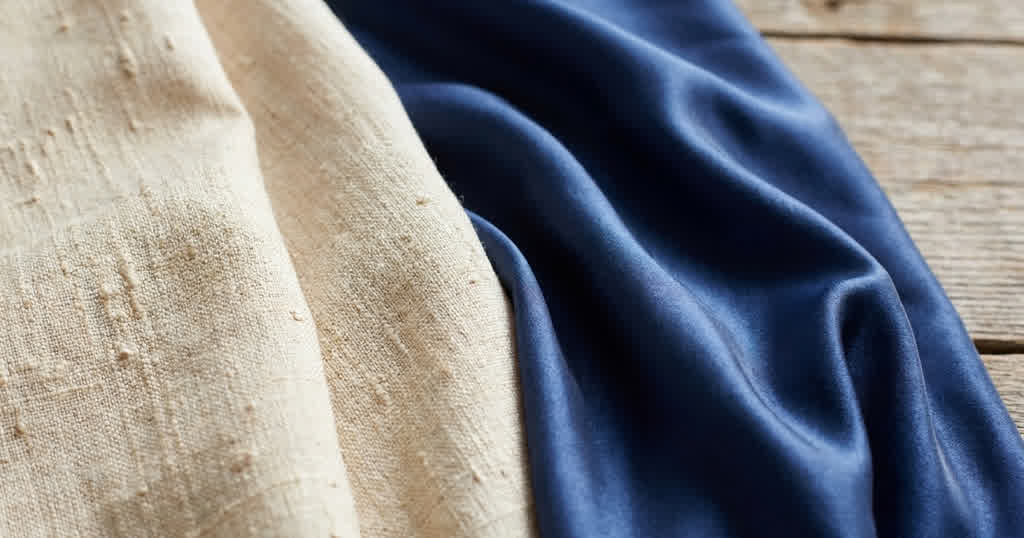
Raw Silk vs Mulberry Silk Durability: Which is Better for Your Collection?

A designer reviewing a prototype often faces a critical material failure, such as a split seam on a bias-cut dress or pilling on a structured jacket. Understanding raw silk vs mulberry silk durability is the exact technical foundation required to prevent these costly production errors. The decision between these two fibers dictates how a garment handles friction, tension, and daily wear over its lifecycle. Choosing the wrong fabric profile leads to high return rates and dilutes a brand's sustainability claims.
By analyzing the specific material science properties of each textile, sourcing teams can match the correct tensile strength and abrasion resistance to their specific silhouettes. This technical alignment ensures garments survive multiple seasons while maintaining their intended crisp, dry hand-feel or fluid drape.
The Science of Silk Strength: Filament Length vs. Sericin Retention
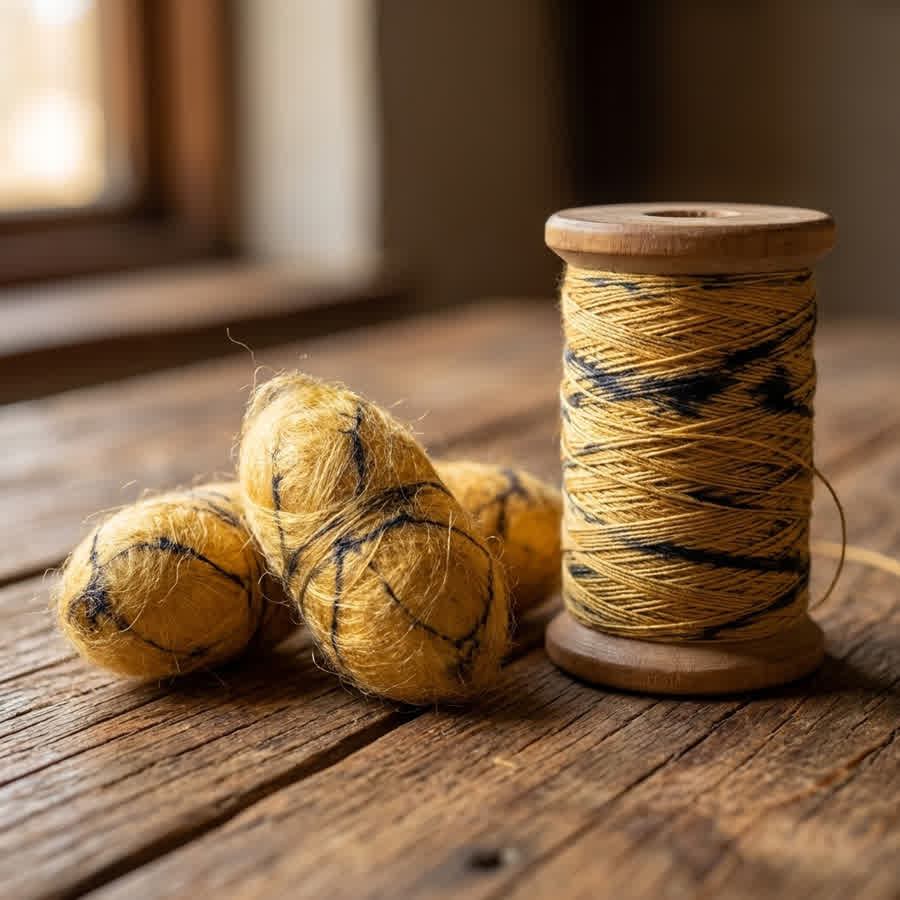
Mulberry silk provides superior tensile strength due to its long, unbroken filaments, while raw silk offers higher abrasion resistance because its retained natural gum acts as a protective shield. The structural differences between these two textiles begin at the fiber level and dictate their performance in finished garments.
The Continuous Filament of Bombyx Mori
Mulberry silk traces its origins to ancient Chinese sericulture, utilizing the Bombyx mori moth to produce highly refined yarns. The defining characteristic of this fiber is its continuous filament structure, which can reach up to 900 meters in length. This unbroken length gives the yarn exceptional tensile strength, typically measuring between 2.4 to 3.6 g/denier.
Because the yarn lacks the weak points found in short-staple spun fibers, it resists snapping under direct pulling forces. However, to achieve its signature smooth, liquid drape, the fiber is fully degummed. Removing the natural gum lowers the abrasion resistance of the final fabric, making it more susceptible to surface wear if subjected to heavy friction.
Sericin as a Natural Protective Coating
Raw silk takes a different approach, rooted deeply in rural Indian handloom clusters where minimal processing is the standard. Instead of stripping the fiber bare, raw silk retains 20 to 30 percent of its natural sericin. This retained gum acts as a hardened, protective coating around the fibroin core.
This minimal processing creates a distinct set of physical properties that benefit specific garment types:
- Increased GSM: The retained gum and thicker yarns push the fabric weight higher, typically reaching 80 to 150+ GSM compared to lightweight mulberry at 20 to 60 GSM.
- Superior abrasion resistance: The sericin coating absorbs surface friction, preventing the inner fibers from breaking or pilling during heavy wear.
- Structural stiffness: The gum adds a crisp, architectural body to the fabric, allowing it to hold sharp pleats and tailored shapes.
Understanding this balance between filament length and gum retention is the first step in specifying the correct material for a production run.
Raw Silk vs Mulberry Silk Durability in Everyday Wear
In daily wear, raw silk excels in high-friction garments like structured jackets, whereas mulberry silk is best suited for low-friction, high-drape pieces where seam stress is managed through careful pattern making. Evaluating raw silk vs mulberry silk durability requires looking at how these fabrics behave once cut, sewn, and worn by the end consumer.
Managing Friction and Pilling
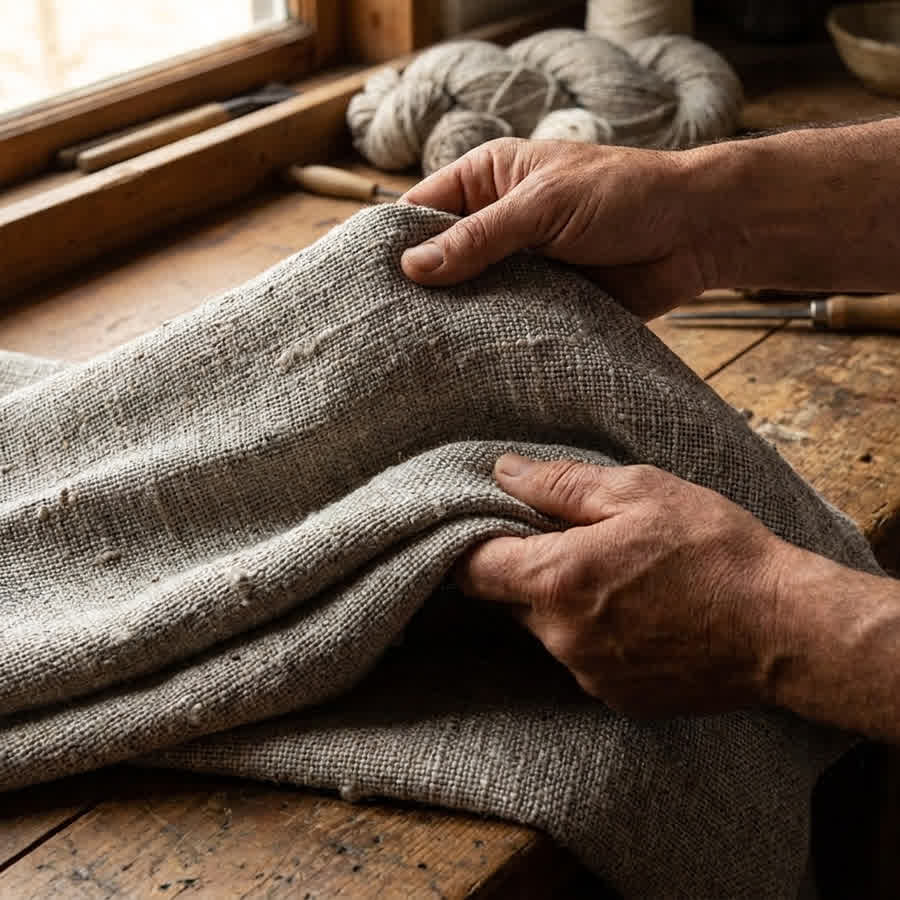
Garments experience friction constantly, whether from a crossbody bag strap rubbing against a shoulder or trousers brushing against seating surfaces. Raw silk handles this surface abrasion exceptionally well due to its higher GSM and protective gum layer. The textured, slubby surface hides minor wear, and the stiffened fibers resist breaking into pills.
Conversely, fully degummed mulberry silk requires careful placement within a collection to avoid premature surface degradation. The buttery, soft finish that defines luxury eveningwear is vulnerable to snagging and abrasion. Designers must specify this fabric for garments that float away from the body or experience minimal contact with rough surfaces.
Seam Stress and Garment Construction
When constructing a garment, the tension placed on the seams determines the lifespan of the piece. Mulberry silk relies on its high tensile strength to hold tight stitches without the yarns snapping. However, if a lightweight 20 GSM chiffon is fitted too tightly, the yarns may shift, causing seam slippage even if the fibers themselves do not break.
Raw silk behaves differently under seam stress. The retained sericin locks the woven yarns in place, creating a highly stable grid that resists shifting.
To maximize the lifespan of these textiles, technical designers should implement specific construction techniques:
- French seams: Enclosing the raw edges prevents fraying in lightweight, degummed mulberry fabrics.
- Reinforced stitching: Using a shorter stitch length distributes tension evenly across high-stress areas in tailored raw silk garments.
- Strategic ease: Adding sufficient wearing ease prevents tight fits from pulling against the woven warp and weft.
How Handloom Weaving Impacts Silk Longevity
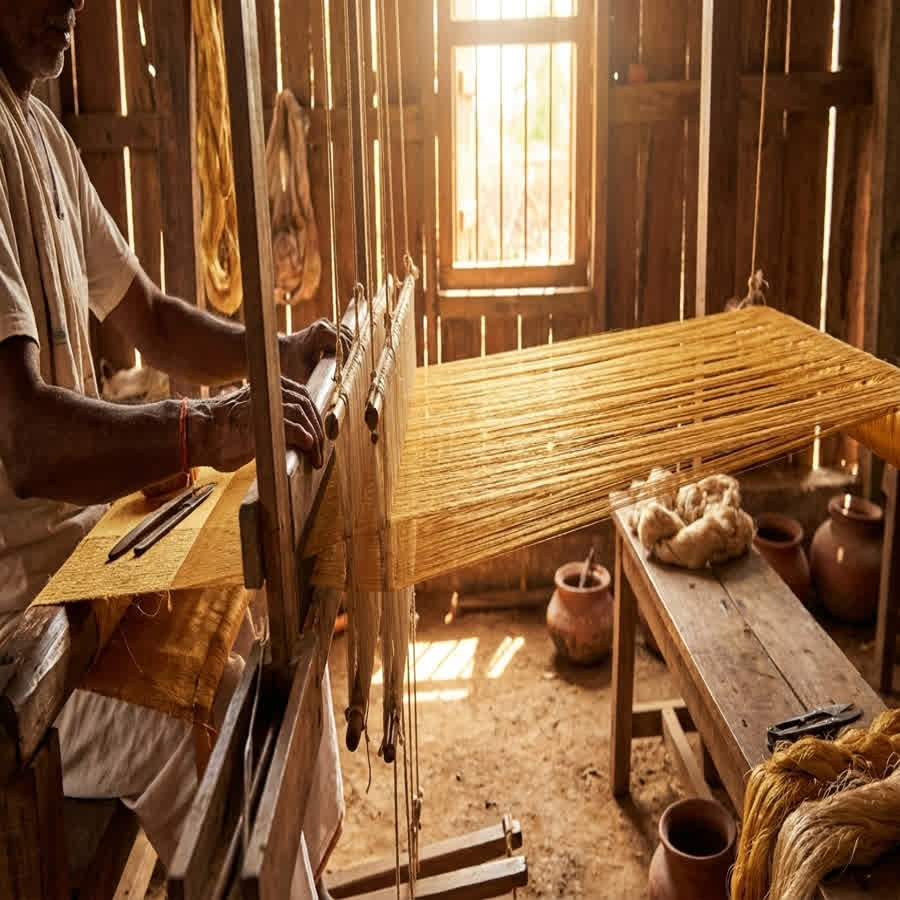
Handloom weaving preserves the natural elasticity and strength of silk fibers by applying less mechanical tension and heat than industrial power looms, resulting in a longer-lasting fabric. At Anuprerna, we work directly with rural artisans who utilize traditional wooden looms to craft textiles that maintain their structural integrity.
Low-Tension Processing
Industrial power looms operate at high speeds, subjecting yarns to extreme tension and friction during the weaving process. This aggressive mechanical action can cause micro-tears in the continuous filaments, weakening the overall fabric before it even reaches the cutting table. Handloom weaving operates at a human pace, applying gentle, controlled tension to the warp.
This low-tension environment is crucial for maintaining raw silk vs mulberry silk durability. Because the yarns are not stretched to their breaking point, they retain their natural elasticity. When a consumer wears a handloomed garment, the fabric can stretch and recover naturally, reducing the likelihood of blown seams or torn panels.
Preserving Organic Integrity
The artisanal weaving process also avoids the high heat and chemical sizing often required in mass-production facilities. By keeping the processing minimal, the organic integrity of the fiber remains intact. This is particularly important for raw silk, where the goal is to preserve the rustic, textural appeal of the natural gum.
Sourcing handloomed textiles provides several distinct advantages for a B2B fashion brand:
- Enhanced fiber lifespan: The absence of micro-damage during weaving translates directly to a longer garment lifecycle.
- Unique tactile variations: The human element introduces slight, beautiful irregularities that give the fabric a rich, artisanal hand-feel.
- Decentralized production: Working with rural clusters supports ethical supply chains while securing high-quality, durable silk yardage.
By choosing handloomed materials, designers invest in a fabric that is structurally sound from the moment it comes off the loom.
Sourcing Strategy: Matching Silk Durability to Your Collection's Needs
Selecting the right silk requires matching the fabric's specific durability profile to the garment's silhouette, using raw silk for structured, high-wear items and mulberry silk for fluid, draped designs. A successful sourcing strategy relies on aligning the material science data with the intended end-use of the product.
Specifying for Structured Silhouettes
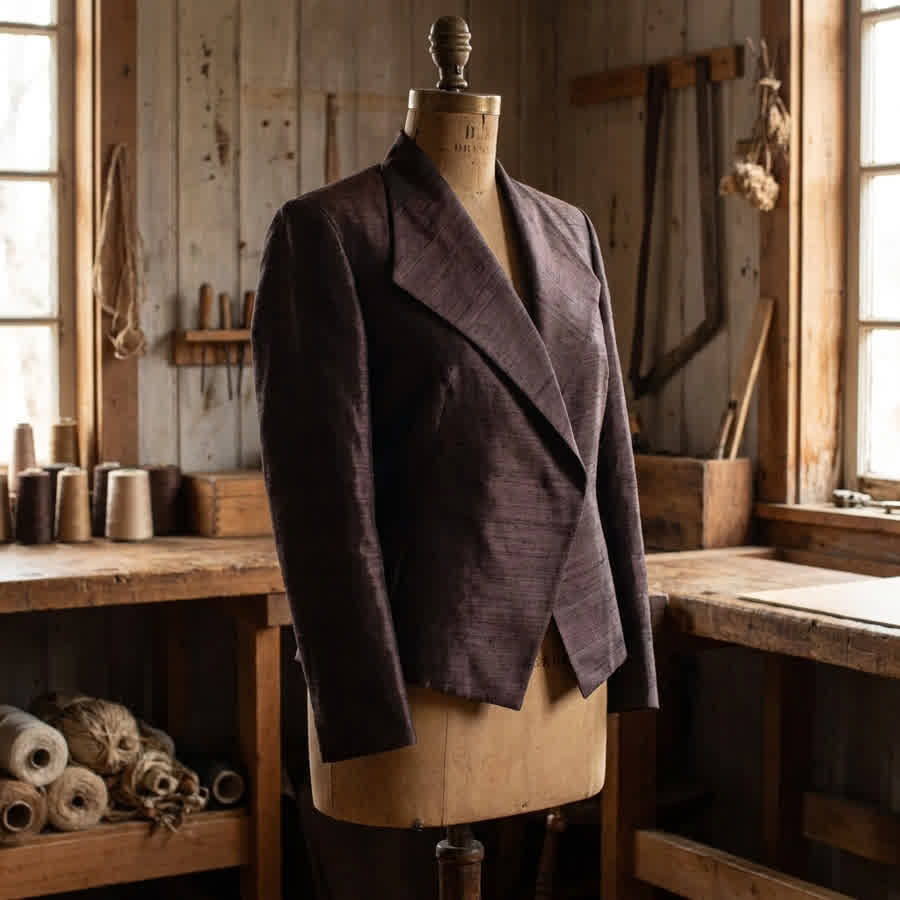
When designing outerwear, trousers, or tailored blazers, the fabric must hold its shape and withstand daily friction. Raw silk is the optimal choice for these applications due to its heavyweight GSM and protective gum coating. The crisp, architectural drape supports sharp tailoring, while the high abrasion resistance ensures the garment will not pill at the elbows or seat.
Brands focusing on quiet luxury often utilize the textural appeal of raw silk to differentiate their structured pieces from synthetic alternatives. The matte finish and slubby texture communicate a clear sustainability narrative, appealing to consumers who value natural, minimally processed materials.
Designing for Fluidity and Drape
For eveningwear, blouses, and bias-cut dresses, the priority shifts from abrasion resistance to fluid movement and tensile strength. Mulberry silk excels in this category. The continuous filament yarns provide the necessary strength to support flowing silhouettes without adding bulk.
To successfully integrate these fabrics into a collection, sourcing managers evaluating silk fabric suppliers should follow a clear specification process:
- Define the friction level: Assess whether the garment will experience high surface rubbing or if it will hang freely away from the body.
- Check the GSM requirements: Specify 80 to 150+ GSM raw silk fabrics for tailoring, and 20 to 60 GSM degummed mulberry for draping.
- Align the aesthetic: Match the smooth, lustrous finish of mulberry or the matte, rustic texture of raw silk to the brand's visual identity.
By applying these technical parameters, designers can confidently balance raw silk vs mulberry silk durability across their entire range.
Explore Our Collection
Anuprerna works directly with handloom artisan clusters to weave raw silk vs mulberry silk durability for designers and brands building considered collections. To source it for your next line, explore the range below.
frequently asked questions
Does the sericin in raw silk make it more durable than mulberry silk?
Yes, in terms of abrasion resistance. The retained sericin acts as a natural protective coating around the fibroin core, giving raw silk a heavier, more structured feel that resists rubbing and wear better than fully degummed mulberry silk.
Which silk has a higher tensile strength for high-stress seams?
Mulberry silk typically has higher tensile strength. Because it is spun by the Bombyx mori moth in a single, continuous filament that can reach up to 900 meters, it lacks the weak points found in spun short-staple yarns, making it highly resistant to pulling and seam slippage when woven densely.
How does the GSM differ between raw and mulberry silk, and how does it affect durability?
Raw silk generally has a higher GSM (80-150+) due to the retained gum and thicker, slubby yarns, offering strong durability for outerwear and structured pieces. Mulberry silk is highly versatile, ranging from very low (20 GSM for chiffon) to high (100+ GSM for heavy crepe); higher GSM mulberry weaves offer excellent longevity while maintaining drape.
How does the handloom process affect the durability of these silks?
Handloom weaving applies less mechanical stress and tension to the yarns compared to industrial power looms. This gentle processing prevents micro-tears in the silk filaments, preserving the natural elasticity and overall lifespan of both raw and mulberry silk fabrics.
Can raw silk and mulberry silk be blended for balanced durability?
Yes, blending raw and mulberry silk yarns creates a fabric that balances the high tensile strength of continuous filaments with the abrasion resistance of retained sericin. Weavers often use a strong mulberry warp paired with a textured raw silk weft to achieve a textile that offers both structural stability and a *rich, tactile hand-feel*.
More Blogs
how indian fabric exporters meet global quality standards
jacquard vs embroidery: what's the difference?
buy hemp fabric in bulk: what fashion brands need to know
khadi online shopping: what fabric details should you check?
a designer’s guide to sourcing silk from indian manufacturers
tussar silk fabric: characteristics, texture & a guide for designers