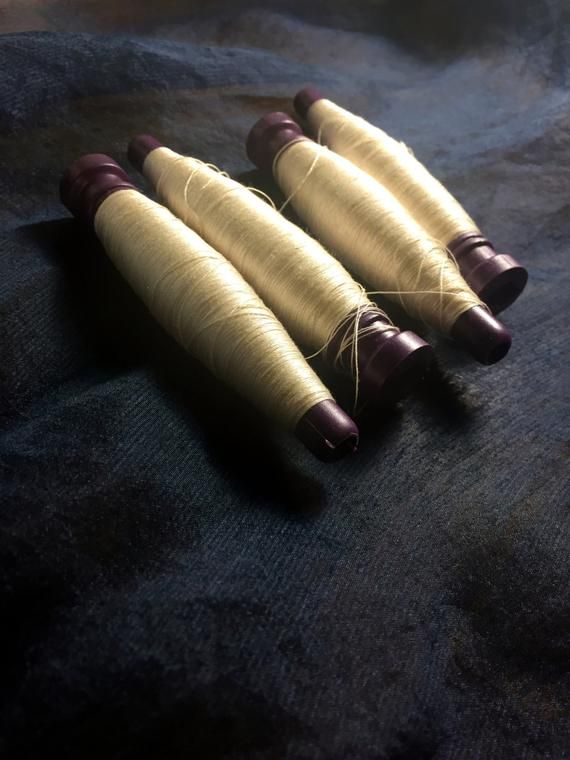
Mulberry silk: The gold standard

Silk, with its unparalleled elegance and luxurious feel, has been a cherished fabric for centuries. Among the myriad types of silk available, mulberry silk reigns supreme. Sourced from the coveted mulberry silk worm (Bombyx mori), this exquisite material is renowned for its sumptuous softness, luminous sheen, and exceptional durability.
Mulberry silk's majesty is unmatched, with a history dating back thousands of years. This prized fabric has been coveted by royalty, fashion icons, and arbiter of taste of luxury alike.
Why is mulberry silk so exquisite ?
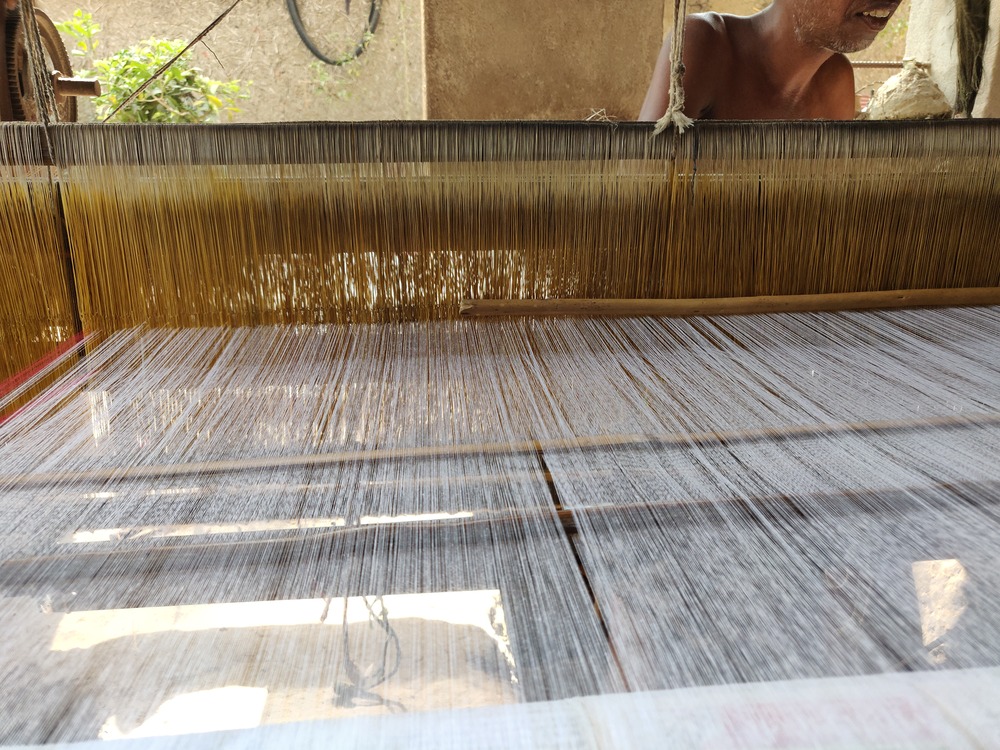
Mulberry silk is renowned for its exquisite quality, largely due to the meticulous production process and unique characteristics of the fibers. This silk boasts remarkable consistency and uniformity, resulting in a smooth, lustrous fabric. The round, fine fibers of Mulberry silk contribute to its incredibly soft texture, which is highly prized in luxury garments and bedding.
Additionally, Mulberry silk is one of the strongest natural fibers, ensuring durability and longevity. Its natural sheen adds an element of elegance, making it ideal for high-end fashion. Furthermore, Mulberry silk's excellent breathability and temperature-regulating abilities keep wearers comfortable across seasons, cool in summer, and warm in winter. These qualities collectively make Mulberry silk an epitome of luxury and sophistication.
How is mulberry silk produced ?
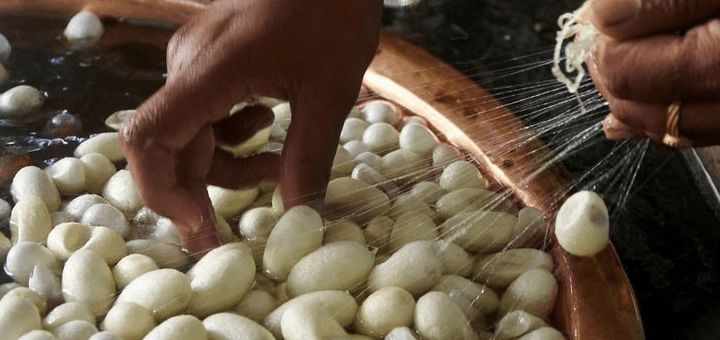
Mulberry silk production begins with the cultivation of mulberry trees, whose leaves feed the Bombyx mori silkworms. The silkworms spin cocoons from a continuous silk filament. These cocoons are carefully harvested and then boiled to soften the sericin, a protein that holds the cocoon together. The softened cocoons are unwound to extract the silk fibers, which are then spun into threads. These threads undergo further processing, such as dyeing and weaving, to produce luxurious Mulberry silk fabric. This meticulous process results in the highest quality silk known for its softness, strength, and lustrous appearance.
History and origin of mulberry silk
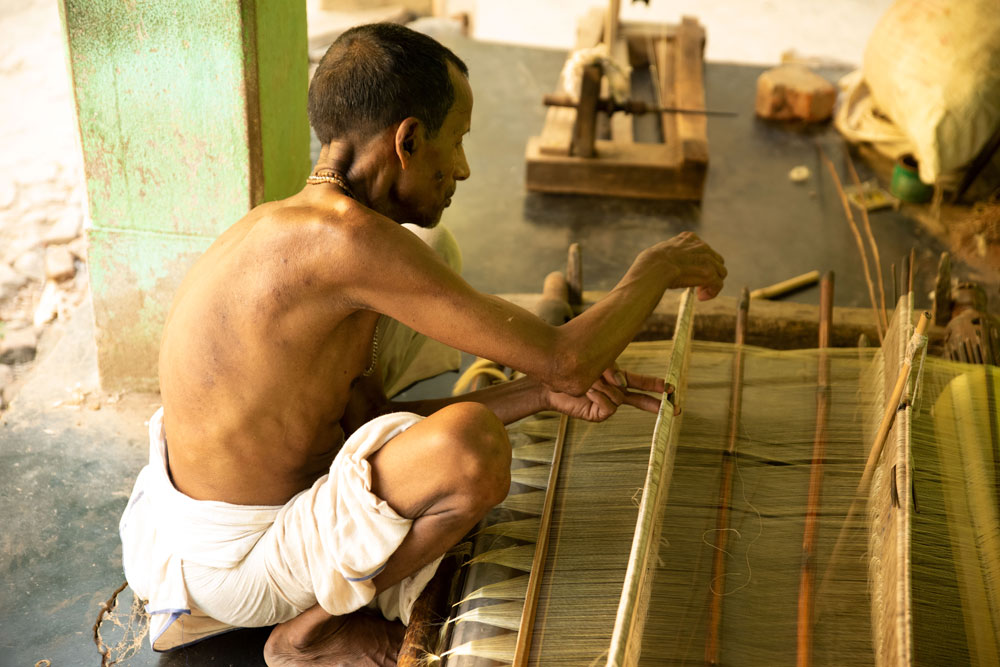
Mulberry silk, originated around 3000 BCE, holds a storied history steeped in craftsmanship and cultural significance. The discovery of silk production, attributed to Empress Leizu's encounter with a silkworm cocoon, led to the development of sericulture focused on the Bombyx mori silkworms and their exclusive diet of Mulberry leaves. Silk's allure spread along the Silk Road, linking China to distant civilizations and enriching global trade with its luxurious appeal.
Silk became a symbol of royalty and prestige in Chinese culture, adorning emperors and courts with its intricate weaves and vibrant colors. Over millennia, silk production techniques evolved and spread to neighboring regions and beyond, influencing diverse textile traditions. India, renowned for its rich textile heritage, embraced Mulberry silk through trade routes, likely brought by merchants traveling the Silk Road. This cultural exchange enriched India's silk traditions, leading to the development of renowned varieties like Kanchipuram and Banarasi silk, blending ancient craftsmanship with regional influences to create exquisite textiles that continue to captivate global admiration today.
Benefits of using Mulberry silk
One of its main advantages lies in its hypoallergenic properties, making it ideal for those with sensitive skin or allergies. Mulberry silk is also breathable and temperature-regulating, keeping you cool in summer and warm in winter. Its natural protein structure contributes to moisture-wicking abilities, keeping you dry and comfortable throughout the night.
Additionally, mulberry silk is durable and tends to be less prone to pilling or tearing compared to synthetic fabrics. Moreover, its natural composition means it's biodegradable and sustainable, aligning with eco-friendly practices. Overall, mulberry silk offers a luxurious experience coupled with practical benefits, making it a preferred choice for those seeking comfort, quality, and sustainability in their textiles.
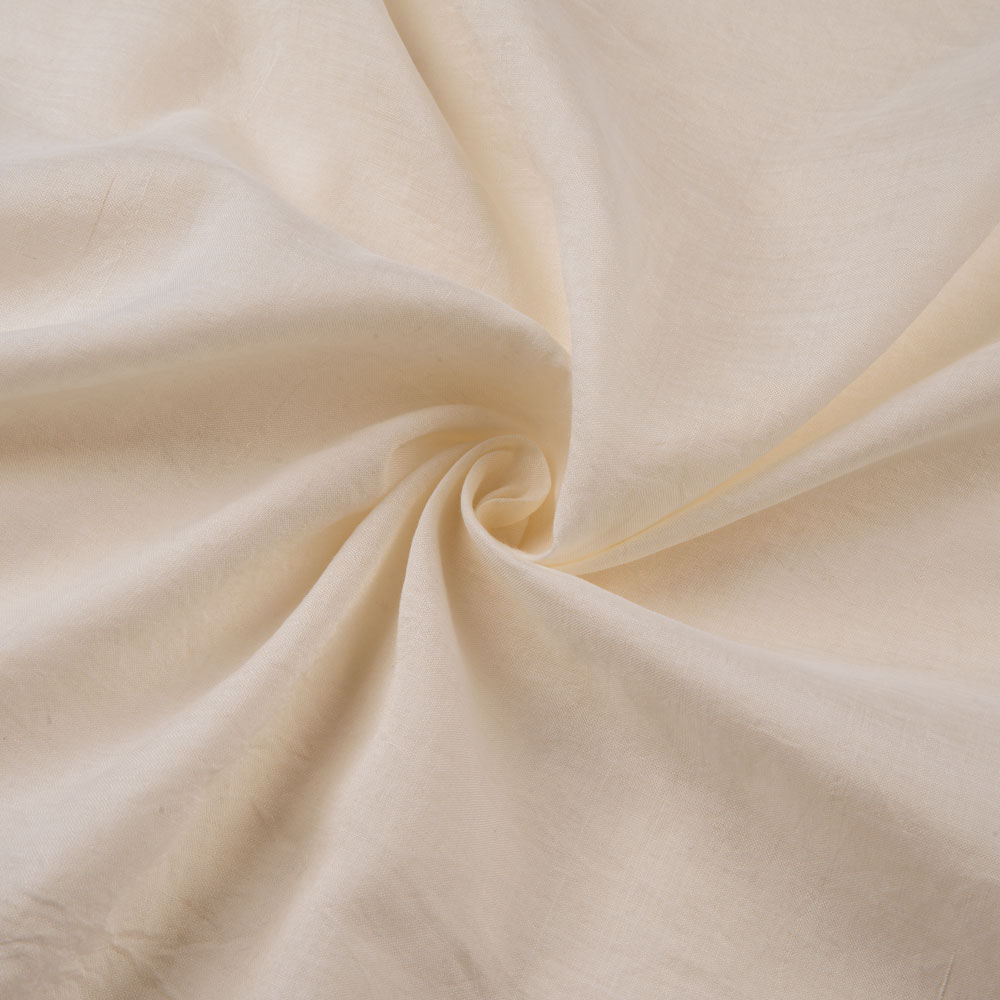
Other types of Indigenous Silks
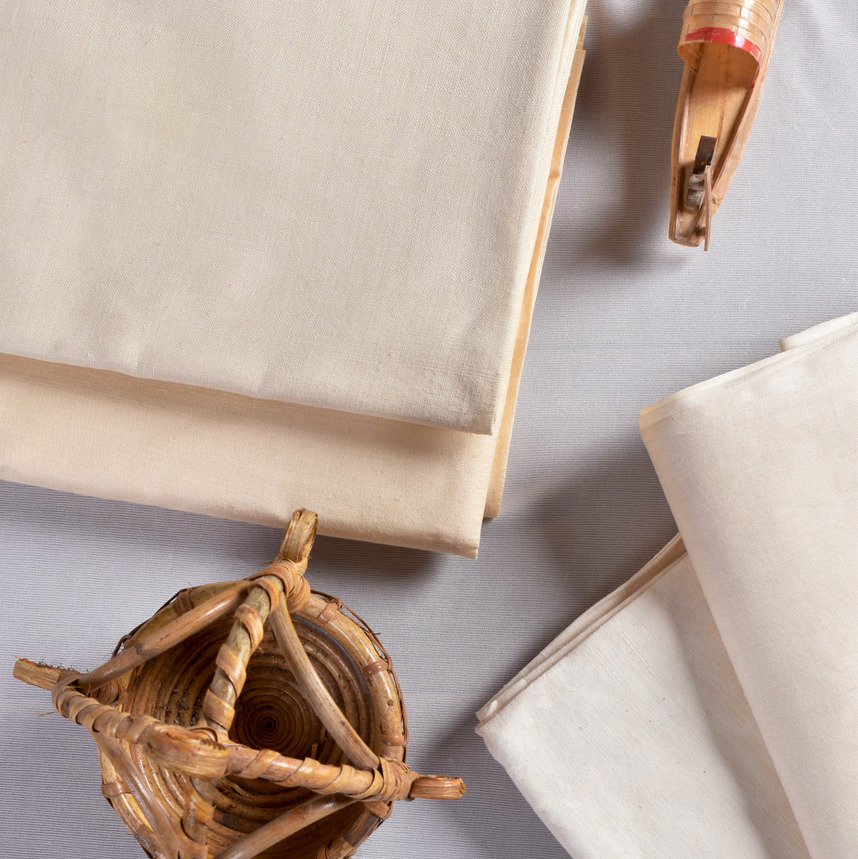
Several types of silk beyond mulberry silk were historically used for their unique properties. Tussar silk, produced from Antheraea moths, is coarser and more textured with a natural golden sheen. It is used in sarees, furnishings, and textiles requiring a lustrous appearance due to its rich texture and durability. Eri silk, made from Samia cynthia ricini silkworms that feed on castor plants, is known for its thermal properties, softness, and strength. It's often used in shawls, scarves, and garments suitable for cooler climates. Muga silk, native to Assam, India, and produced by Antheraea assamensis, has a natural golden-yellow hue and is highly durable. Its unique color and longevity make it prized for traditional attire and high-quality garments. These silks were valued for their distinct textures, colors, and functional benefits in different cultural and climatic contexts.
Summary
While the development of various types of silk caters to diverse needs and preferences, Mulberry silk stands out due to its unparalleled quality, consistency, and luxurious feel. Its natural sheen and hypoallergenic properties further enhance its appeal, making it ideal for high-end fashion garments, elegant evening wear, and luxurious bedding. Compared to other silks like Tussar or Eri, which may have coarser textures or unique characteristics suited for specific uses, Mulberry silk excels in applications where comfort, durability, and sophistication are paramount. Its ability to regulate temperature makes it perfect for year-round use in clothing and sleepwear, while its strength ensures lasting beauty and elegance. This combination of qualities ensures that Mulberry silk remains the gold standard in the world of luxurious textiles, setting it apart as the epitome of silk excellence.
related questions
What grade of mulberry silk is best?
The best grade of mulberry silk is Grade 6A, which is the highest quality. It features the longest, finest, and most uniform fibers, resulting in a smooth, durable, and luxurious fabric perfect for high-end silk products.
How long does mulberry silk last?
Mulberry silk can last for many years, typically 10-15 years or more, with proper care. Its durability depends on factors like handling, washing, and storage, ensuring longevity and maintaining its luxurious quality over time.
Is mulberry silk eco-friendly?
Yes, mulberry silk is eco-friendly. It is produced using sustainable practices, with minimal environmental impact. The silkworms are fed organically, and the production process generates low waste, making it a renewable and biodegradable natural fiber.
Why is silk obtained by mulberry silk most popular?
Mulberry silk is most popular due to its exceptional quality, smooth texture, and luxurious feel. It is produced by silkworms fed exclusively on mulberry leaves, resulting in strong, fine, and uniform fibers that are highly sought after in textiles.
Does mulberry silk wrinkle easily?
No, mulberry silk does not wrinkle easily. Its natural protein fibers have good elasticity and resilience, helping it resist wrinkles. While it can develop minor creases, these are typically less pronounced and easily smoothed out compared to other fabrics.
More Blogs
how indian fabric exporters meet global quality standards
jacquard vs embroidery: what's the difference?
buy hemp fabric in bulk: what fashion brands need to know
khadi online shopping: what fabric details should you check?
a designer’s guide to sourcing silk from indian manufacturers
tussar silk fabric: characteristics, texture & a guide for designers