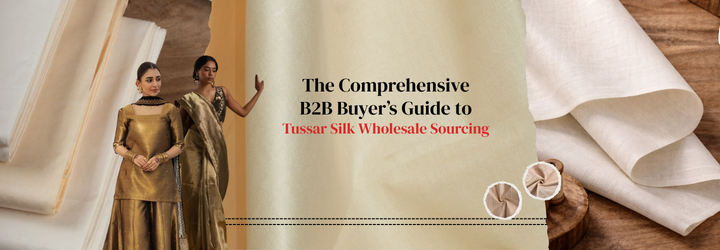
The Comprehensive B2B Buyer’s Guide to Tussar Silk Wholesale Sourcing

Tussar silk, often called Wild Silk or Vanya Resham, stands apart in the world of luxury textiles for its raw texture, natural deep-gold tone, and high breathability. Harvested from silkworms that thrive in the forests of East India, it is inherently different from cultivated mulberry silk, both in character and in sourcing complexity.
For B2B buyers, sourcing tussar silk wholesale comes with real trade-offs. How do you verify genuine handloom against powerloom replicas? How ethical is the supply chain behind the fabric? And how do you manage consistency in a textile defined by natural variation?
This guide outlines the practical realities of sourcing bulk tussar fabric, helping designers and procurement teams evaluate quality, sustainability, and supplier credibility when working with wholesale silk suppliers in India.
Understanding the Anatomy of Tussar Silk
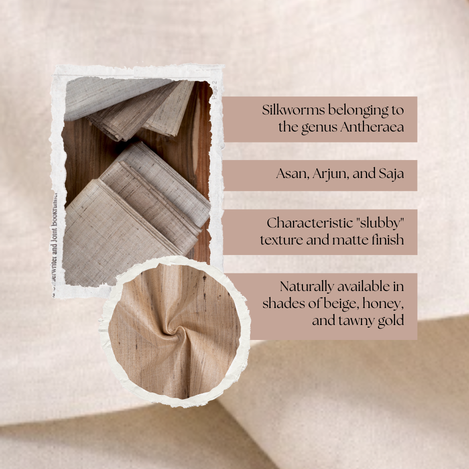
Before diving into the logistics of wholesale procurement, it is essential to understand what makes tussar silk a premium choice for global brands. Tussar is produced by larvae of several species of silkworms belonging to the genus Antheraea. These silkworms live in the wild, feeding on local trees like Asan, Arjun, and Saja, rather than being reared in controlled indoor environments on mulberry leaves.
This "wild" origin results in a shorter fiber length compared to mulberry silk, which gives Tussar its characteristic "slubby" texture and matte finish. It is naturally available in shades of beige, honey, and tawny gold, reducing the need for heavy chemical bleaching.
The Different Grades of Tussar
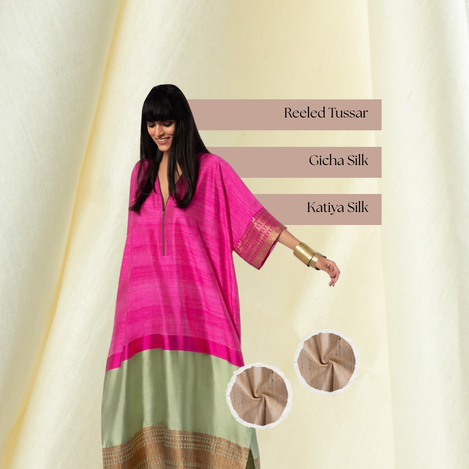
When sourcing bulk tussar fabric, you will encounter various grades:
- Reeled Tussar: The finest quality, where the silk filament is continuously unwound from the cocoon. This results in a smoother, more lustrous fabric suitable for high-end evening wear.
- Gicha Silk: Produced from cocoons that cannot be reeled traditionally. The yarn is hand-drawn, resulting in a highly textured, thick, and rustic appearance.
- Katiya Silk: Spun from the waste of the reeling process, offering a more cotton-like feel while retaining the strength of silk.
For brands looking to explore these textures firsthand, ordering a swatch kit like our Indian Premium Silk Fabric Swatches is a crucial first step in the B2B journey to ensure the hand-feel aligns with your design vision.
Expert Tip: Always ask your supplier for the "denier" or weight of the yarn. For Tussar, a higher denier usually indicates a heavier, more durable fabric, while a lower denier suggests a more delicate, drape-friendly material.
Why Tussar Silk is the Choice for Sustainable Brands
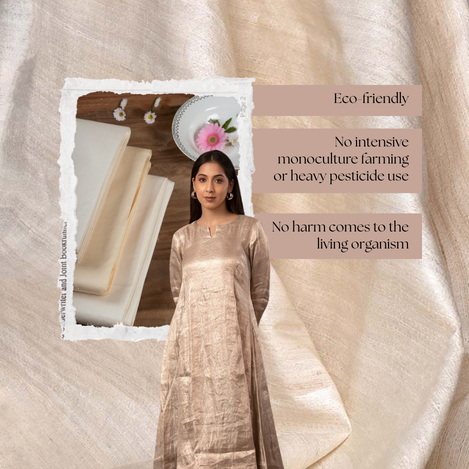
In the modern B2B landscape, sustainability is no longer a “nice-to-have” but is a market requirement. Tussar silk is inherently more eco-friendly than many other textiles. Because the silkworms are wild-reared, they do not require the intensive monoculture farming or heavy pesticide use associated with large-scale mulberry plantations.
Furthermore, many Tussar varieties can be produced as "Peace Silk" or Ahimsa Silk. In this process, the silk is harvested only after the moth has naturally emerged from the cocoon, ensuring no harm comes to the living organism. For brands focused on ethical fashion, sourcing pieces like our Indian Peace Silk Fabric Swatches allows you to market a product that is as compassionate as it is beautiful.
The Social Impact of Wholesale Sourcing
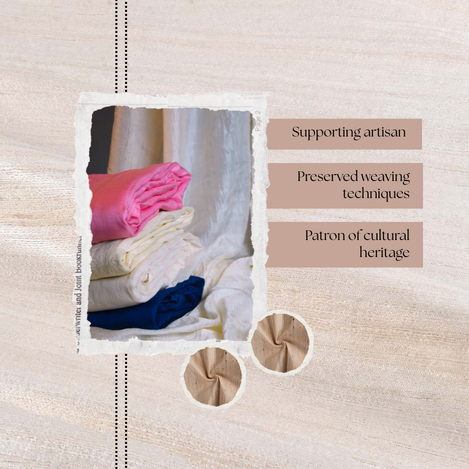
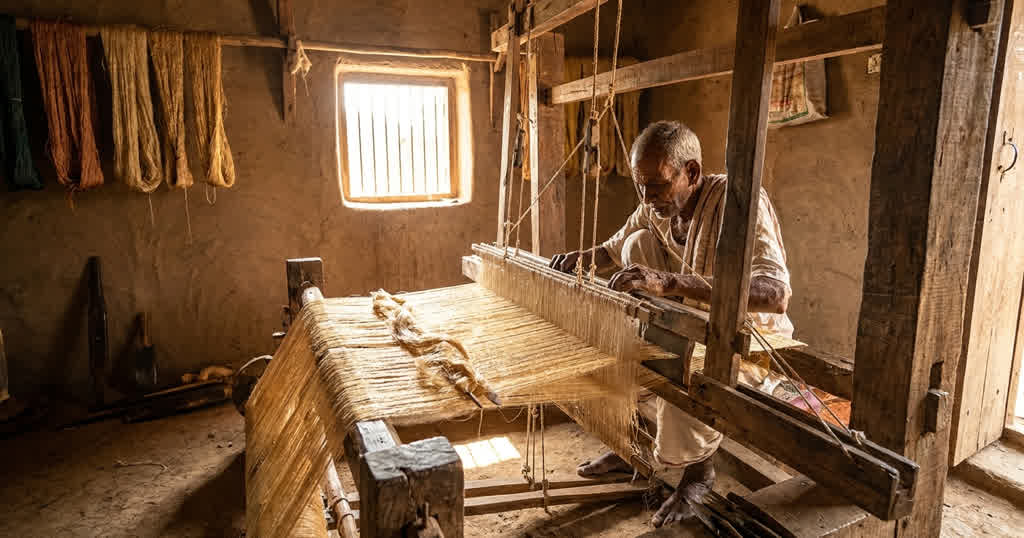
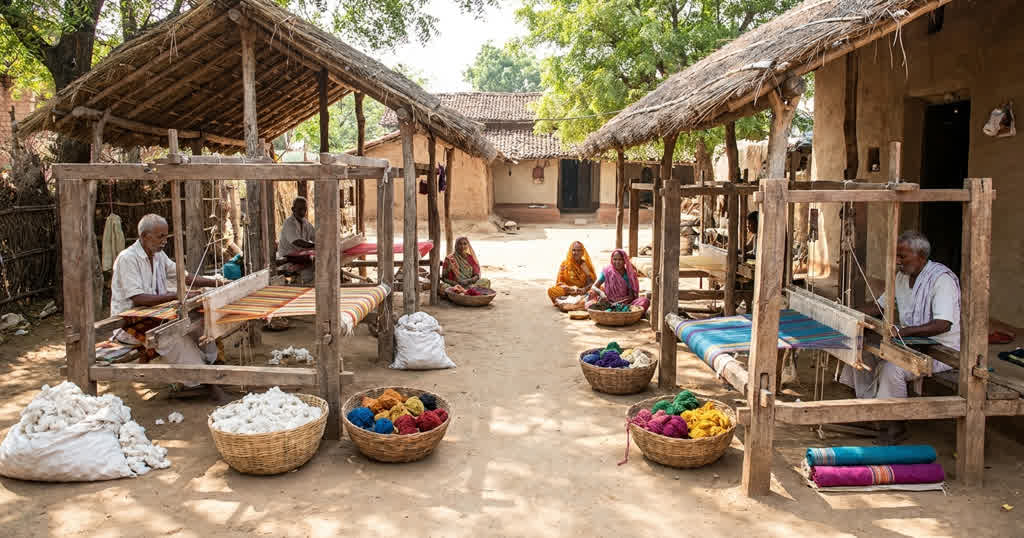
When you choose to source tussar silk wholesale from authentic Indian manufacturers, you are directly supporting artisan communities in states like West Bengal, Bihar, and Jharkhand. These communities have preserved weaving techniques for generations. By integrating these fabrics into your collection, your brand becomes a patron of cultural heritage, a story that resonates deeply with conscious consumers.
Strategic Sourcing: Finding Wholesale Silk Suppliers in India
Selecting the right partner is the most critical decision in your procurement process. The Indian textile market is vast, and not all suppliers operate with the same level of transparency.
Here is a step-by-step guide to evaluating wholesale silk suppliers in India:
1. Verification of Authenticity
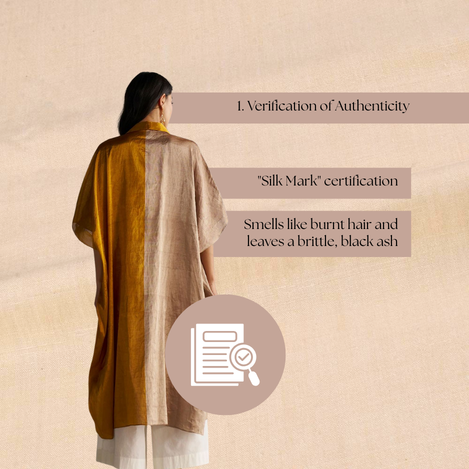
The market is often flooded with "Art Silk" (artificial silk) or polyester blends passed off as genuine Tussar. A reliable supplier should be able to provide a "Silk Mark" certification or be willing to perform a burn test. Genuine tussar silk smells like burnt hair and leaves a brittle, black ash, whereas synthetics will melt and smell like plastic.
2. Capacity and Scalability
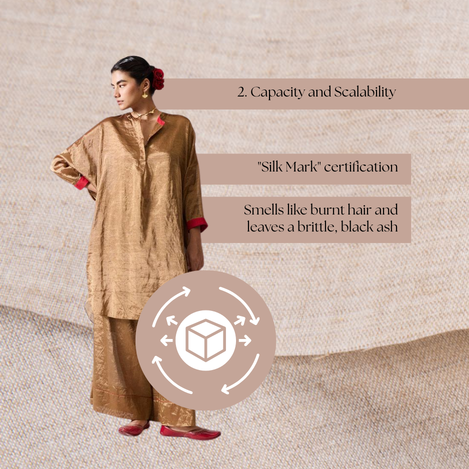
While handloom Tussar is artisanal, B2B buyers need to know if a supplier can handle bulk tussar fabric orders. Ask about their monthly production capacity and the number of looms they operate. At Anuprerna, we bridge the gap between traditional craftsmanship and modern B2B needs, ensuring that even large orders maintain the integrity of the handwoven process.
3. Customization and Sampling
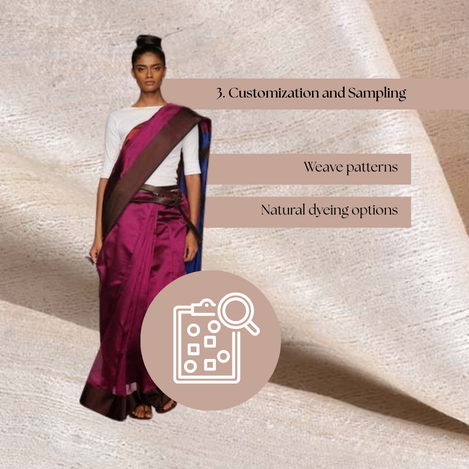
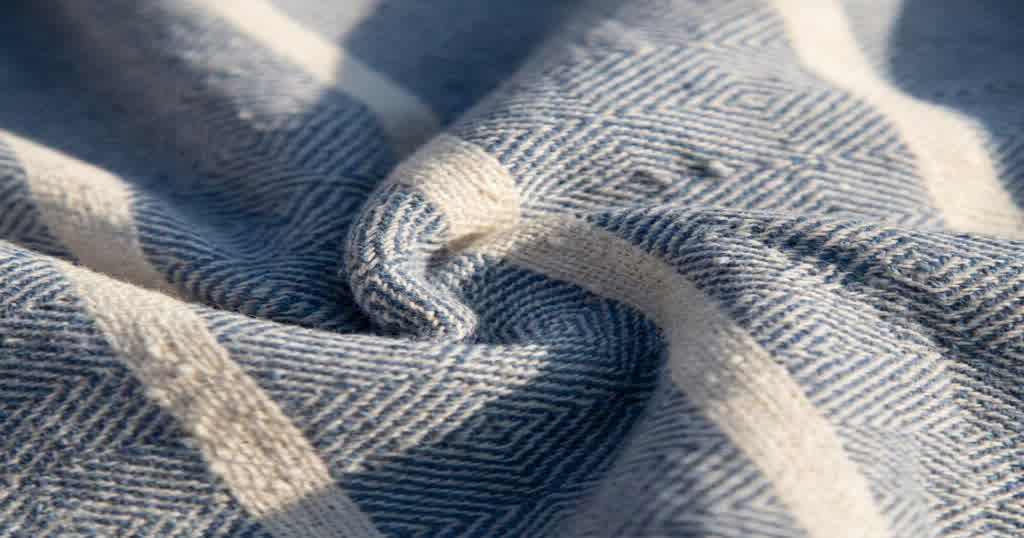
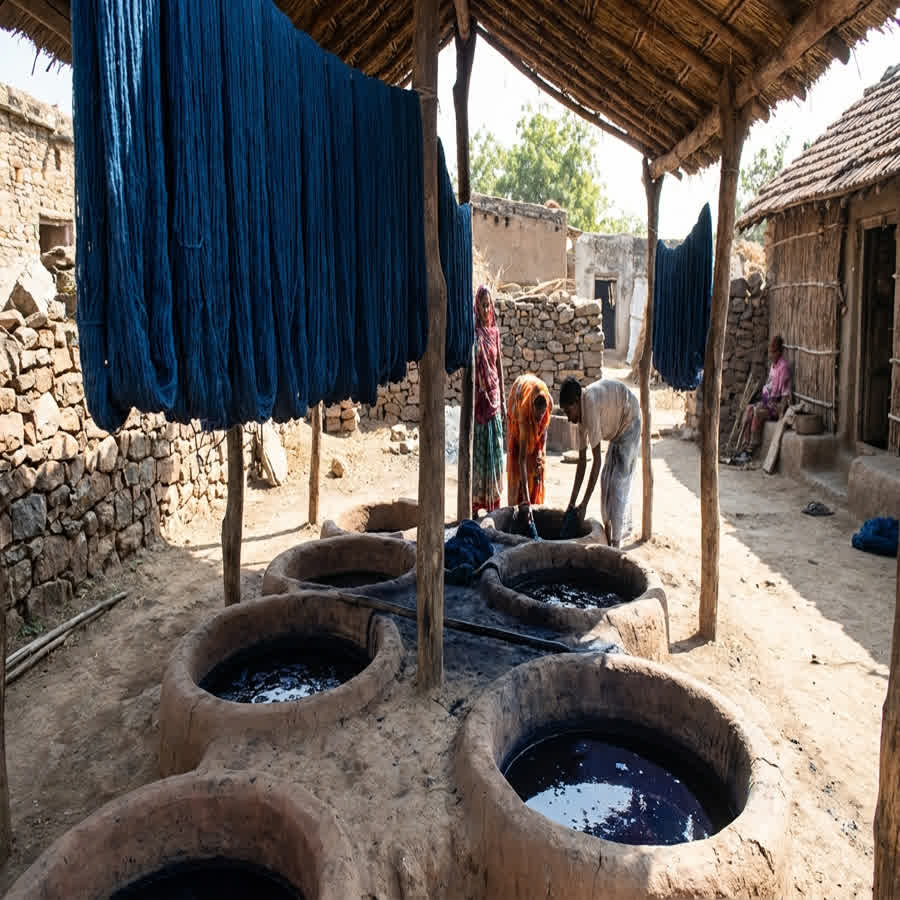
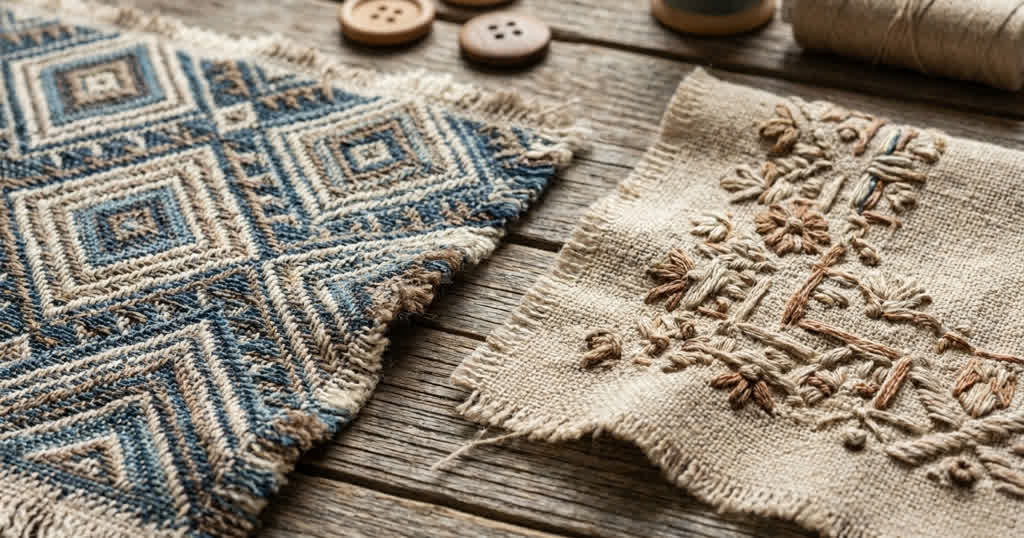
A premium supplier should offer customization in terms of weave patterns (like herringbone or diamond) and natural dyeing options. Before committing to a large order, always review Indian Premium Silk Fabric options to understand the breadth of what is possible.
4. Ethical Transparency
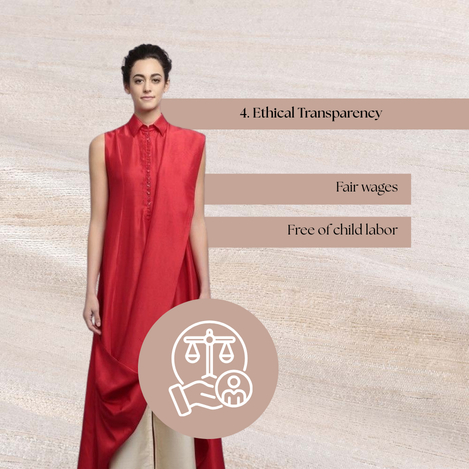
Inquire about the working conditions of the weavers. Are they paid fair wages? Is the facility free of child labor? Reliable partners will be transparent about their supply chain, from cocoon harvesting to the final weave.
Pro Tip: If a wholesale price seems too good to be true, it likely is. Authentic Tussar involves labor-intensive hand-spinning and weaving; significantly low prices often indicate a powerloom imitation or a synthetic blend.
Technical Specifications for B2B Buyers
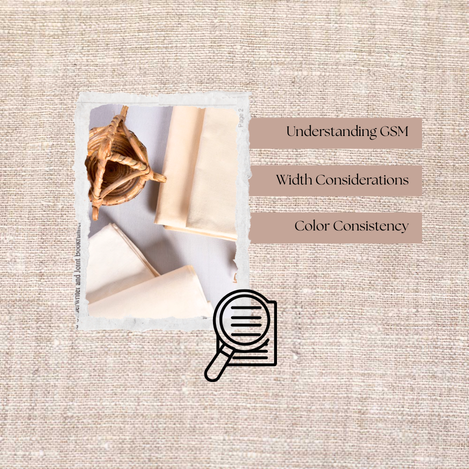
your purchase order should be as specific as possible
Understanding GSM (Grams per Square Meter)
The weight of Tussar can vary significantly:
- Lightweight (60-80 GSM): Ideal for scarves, stoles, and delicate overlays.
- Medium Weight (80-120 GSM): Perfect for shirts, dresses, and light tunics.
- Heavyweight (120-200+ GSM): Best suited for jackets, trousers, and home upholstery.
Width Considerations
Most handloom Tussar is woven on looms with a width of 44 to 46 inches. If your patterns require a wider width (like 58 inches), you must communicate this early, as it may require specialized looms and affect the lead time.
Color Consistency in Natural Fabrics
Because Tussar is a natural fiber, slight color variations (batch-to-batch) are expected. This is not a defect but a hallmark of genuine wild silk. However, for B2B brands, consistency is key. Ensure your supplier uses standardized dyeing processes if you require specific Pantone shades. You can learn more about managing these expectations in our guide on Smart Sourcing and Buying Wholesale Fabrics.
Common Mistakes to Avoid in Tussar Sourcing
- Ignoring Lead Times: Handweaving is a slow process. A bulk order of 500 meters can take several weeks or even months. Plan your seasonal collections well in advance.
- Skipping the Sampling Phase: Never go straight to bulk. Always test a sample for shrinkage, color fastness, and drape.
- Overlooking Shipping and Logistics: When sourcing from wholesale silk suppliers in India, factor in customs duties and international shipping costs. Choose a supplier experienced in global exports to ensure smooth documentation.
- Misunderstanding "Slubs": Some buyers mistake the natural lumps and bumps (slubs) in Tussar for defects. Educate your quality control team that these are inherent characteristics of wild silk.
Choose Tussar Silk With Intent, Not Assumption
Sourcing tussar silk for your brand is more than a simple transaction; it is an investment in quality and a commitment to sustainable fashion. Its unique texture and golden luster offer a point of differentiation in a crowded market of mass-produced textiles. By partnering with the right wholesale silk suppliers in India, you can ensure that your bulk tussar fabric is ethically produced, authentically handwoven, and of the highest premium quality.
At Anuprerna, we specialize in connecting global brands with the rich heritage of Indian textiles. Whether you are looking for raw Tussar or refined Peace Silk, our team is dedicated to supporting your sourcing journey with transparency and expertise. Explore our collection of Tussar Silk fabrics today and take the first step toward a more sustainable and beautiful collection.
most asked questions
What is the difference between Tussar silk and Mulberry silk?
Tussar silk is a "wild" silk produced by silkworms that feed on forest trees, resulting in a shorter, more textured fiber with a natural golden-brown hue. Mulberry silk comes from domesticated silkworms fed exclusively on mulberry leaves, resulting in long, smooth, and highly lustrous white fibers. In the tussar silk wholesale market, Tussar is preferred for its organic, rustic look and superior breathability compared to the more "slippery" feel of Mulberry.
How can I verify if a wholesale supplier is providing genuine Tussar?
Authenticity can be verified through the "Burn Test." Take a small thread of the fabric and light it. Genuine tussar silk will smell like burning hair, the flame will extinguish quickly, and it will leave a crushable black ash. If it melts into a hard bead or smells like chemicals/plastic, it is synthetic. Additionally, look for suppliers who provide Silk Mark certification or have a transparent traceable supply chain back to the weaving clusters.
Is Tussar silk suitable for vegan or cruelty-free brands?
While traditional Tussar involves boiling the cocoons with the larvae inside, it can be produced as "Ahimsa" or "Peace Silk." In this method, the moth is allowed to emerge from the cocoon before the silk is harvested. If your brand requires cruelty-free materials, specifically request "Ahimsa Tussar" from your wholesale silk suppliers in India. You can find these options in our Peace Silk swatch sets.
Does Tussar silk shrink, and how should it be cared for?
Tussar silk has a natural shrinkage of about 3-5%. It is highly recommended to pre-wash the fabric or factor this into your pattern cutting. For garment care, Tussar should ideally be dry cleaned to maintain its texture and sheen. If washing is necessary, use a mild silk-approved detergent and cold water, and never wring the fabric. As a B2B buyer, providing these care instructions to your end customers is vital for product longevity.
More Blogs
why organic fabric suppliers are growing in india
jacquard fabric in modern fashion
how silk manufacturers preserve traditional craftsmanship
indian fabric wholesale: a guide to sourcing handwoven textiles
how indian fabric exporters meet global quality standards
jacquard vs embroidery: what's the difference?