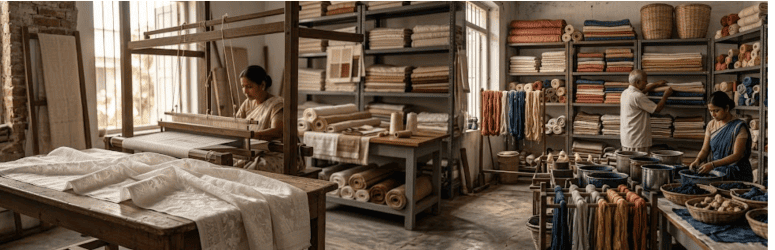
Handwoven Jamdani vs Machine-Made: What Wholesale Buyers Should Know

In today's textile market, buyers have more choices than ever before. While machine-made fabrics offer speed and lower production costs, handcrafted textiles continue to hold unmatched value in quality, craftsmanship, and brand storytelling. For fashion labels, designers, boutiques, and exporters, understanding the difference between authentic handwoven Jamdani and machine-made alternatives is essential before making a sourcing decision.
As a trusted Jamdani fabric wholesaler, Anuprerna works closely with skilled artisans to preserve one of India's finest weaving traditions while meeting the needs of modern businesses. Whether you're planning a premium clothing collection or sourcing textiles for wholesale, knowing what sets handwoven Jamdani apart can help you invest wisely.
Understanding the Art of Jamdani
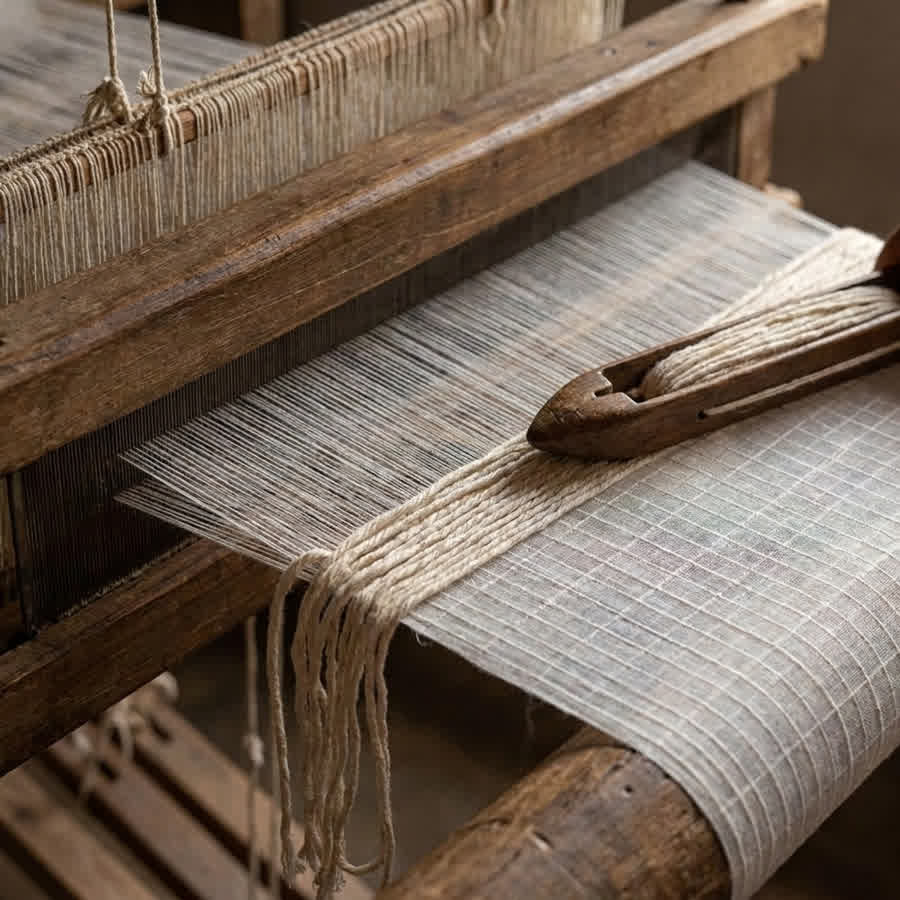
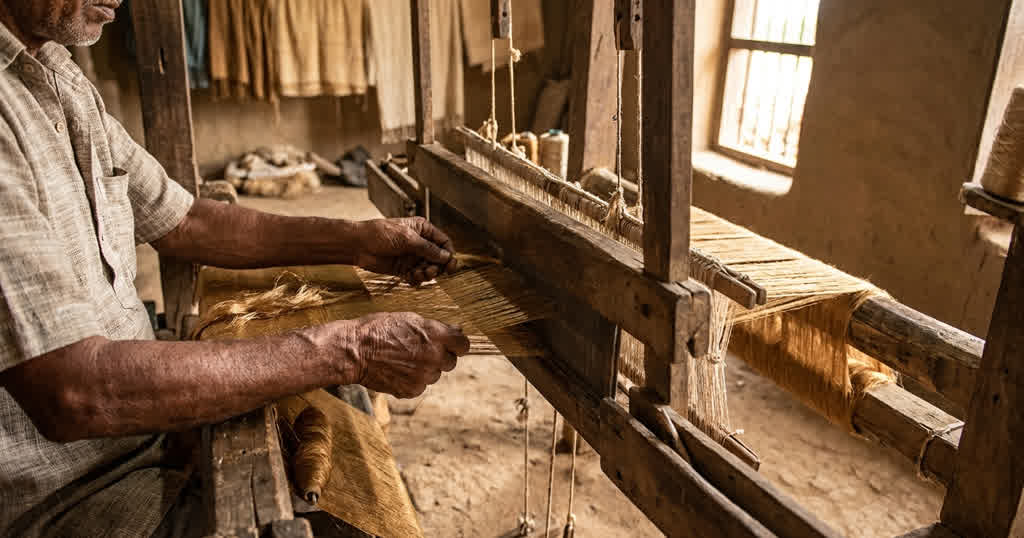
Jamdani is a centuries-old handloom weaving technique where intricate motifs are woven directly into the fabric instead of being printed or embroidered afterward. Traditionally crafted on fine cotton or muslin, each motif is individually inserted by hand, making every metre of fabric unique.
Unlike mass-produced textiles, handwoven Jamdani reflects patience, craftsmanship, and artistic precision. No two pieces are exactly alike, giving designers and customers something truly distinctive.
At Anuprerna, every fabric celebrates India's weaving heritage while maintaining the quality standards expected by contemporary fashion brands.
The Jamdani Weaving Process: Why It Matters
One of the biggest differences between authentic and machine-made fabrics lies in the Jamdani weaving process.
Handwoven Jamdani
- Every motif is woven manually by skilled artisans.
- Patterns are created thread by thread during weaving.
- Requires days—or sometimes weeks—to complete.
- Slight natural variations make every fabric exclusive.
Machine-Made Alternatives
- Patterns are mechanically produced using computerized looms.
- Faster production with minimal artisan involvement.
- Uniform appearance but lacks handcrafted character.
- Designed primarily for volume rather than craftsmanship.
For premium fashion brands, these differences directly influence product value, customer perception, and long-term brand positioning.
Handwoven Jamdani or Machine-Made: What's the Difference?
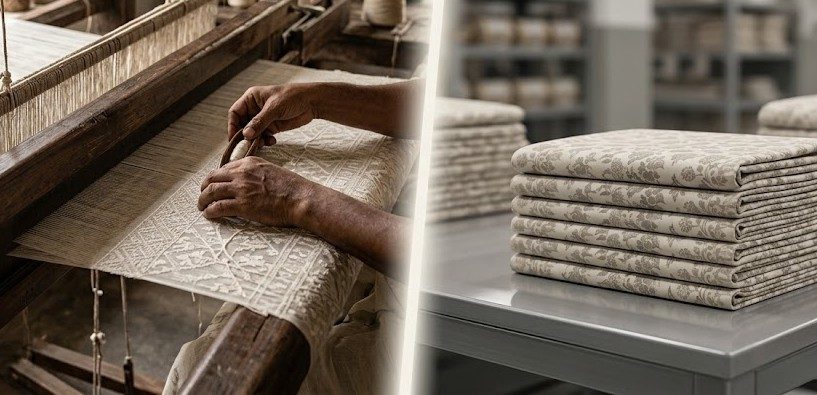
The difference between handwoven Jamdani and machine-made fabric lies in the craftsmanship behind every thread. Authentic Jamdani is woven by skilled artisans who create each motif by hand, resulting in a fabric that is soft, breathable, and uniquely textured. No two pieces are exactly alike, making every metre a reflection of true craftsmanship.
Machine-made fabrics are produced for speed and uniformity, with repeated patterns and a consistent finish. While suitable for mass production, they lack the individuality and artisanal value of handwoven textiles.
For brands and wholesale buyers seeking premium quality, sustainability, and timeless appeal, authentic handwoven Jamdani offers far more than fabric—it offers heritage, exclusivity, and lasting value.
Why Wholesale Buyers Choose Handwoven Jamdani
For wholesale buyers, selecting the right fabric is about more than cost—it's about quality, authenticity, and long-term value. Handwoven Jamdani offers a unique combination of craftsmanship and heritage that helps brands create collections with lasting appeal
- Premium Positioning
Handwoven Jamdani adds authenticity and craftsmanship, helping brands position their collections in the premium market. - Better Storytelling
Every fabric reflects artisan heritage, giving brands a meaningful story to share with customers. - Superior Fabric Feel
Jamdani muslin fabric is lightweight, breathable, and ideal for premium apparel. - Sustainable Production
Handloom weaving supports low-impact, ethical production and slow fashion. - Long-Term Brand Trust
Authentic handcrafted textiles encourage customer confidence and repeat purchases.
Khadi Jamdani Fabric: Where Heritage Meets Comfort
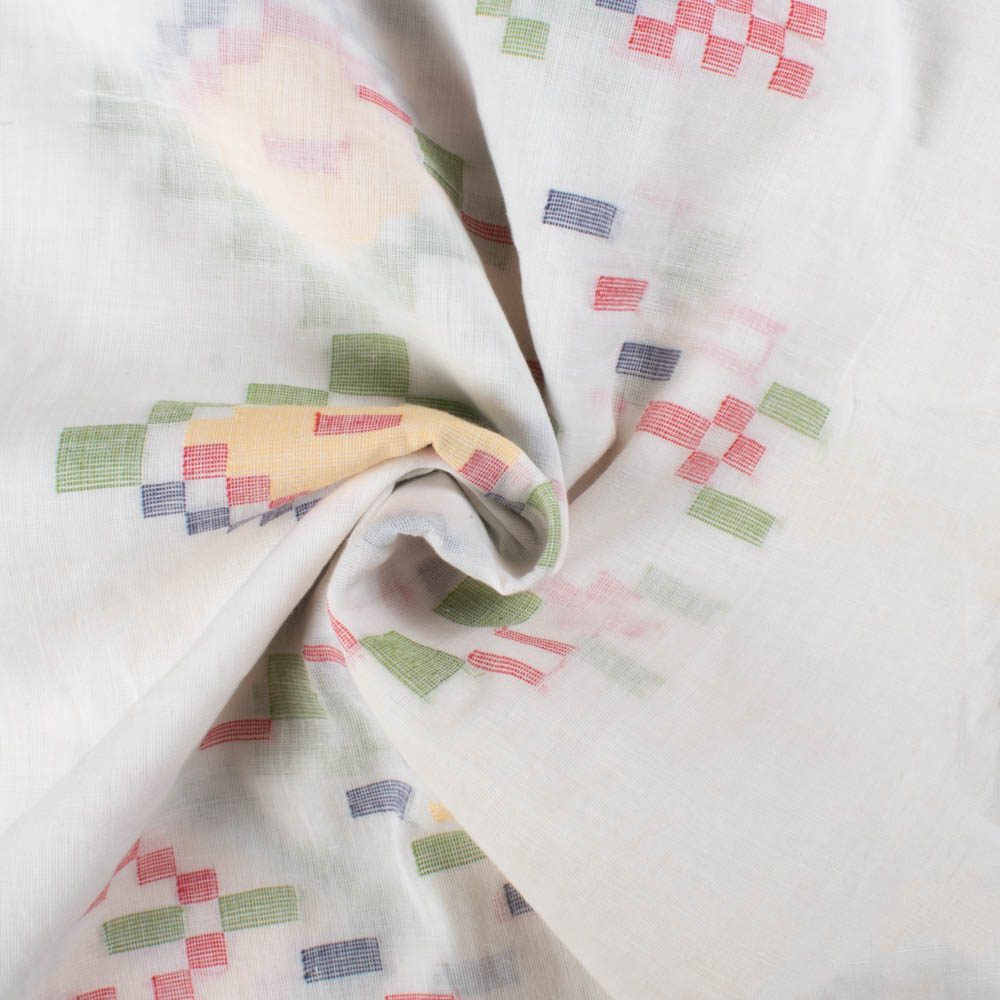
An increasingly popular choice among designers is Khadi Jamdani fabric, which beautifully combines handspun Khadi with traditional Jamdani weaving techniques.
This fabric offers:
- Excellent breathability
- Rich handcrafted texture
- Lightweight comfort
- Natural appearance
- Timeless appeal suitable for contemporary and ethnic collections
Khadi Jamdani works exceptionally well for kurtas, shirts, dresses, jackets, co-ord sets, scarves, and artisanal fashion collections.
Choosing the Right Jamdani Fabric Wholesaler
Not every supplier offers genuine handwoven Jamdani. When selecting a wholesale partner, consider:
- Direct artisan sourcing
- Transparent weaving practices
- Consistent fabric quality
- Custom and bulk order capabilities
- Reliable production timelines
- Sustainable and ethical manufacturing
At Anuprerna, we collaborate directly with weaving communities to ensure every fabric reflects authentic craftsmanship while meeting professional sourcing standards.
Whether you're an emerging label or an established fashion house, partnering with the right Jamdani fabric wholesaler ensures consistency, quality, and long-term reliability.
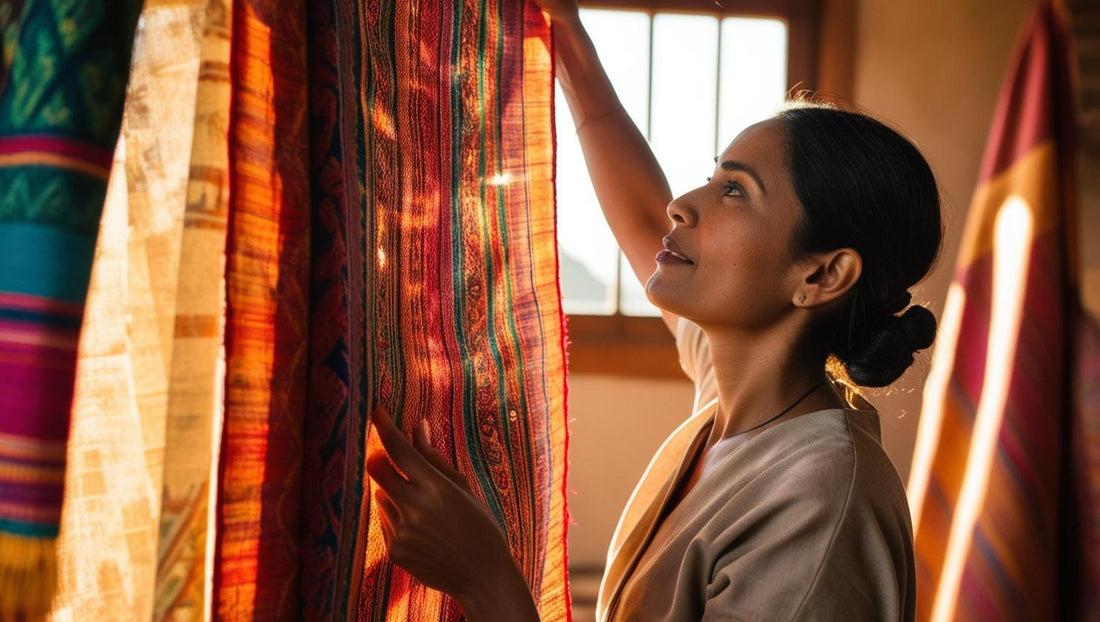
Wholesale Solutions for Designers and Fashion Brands
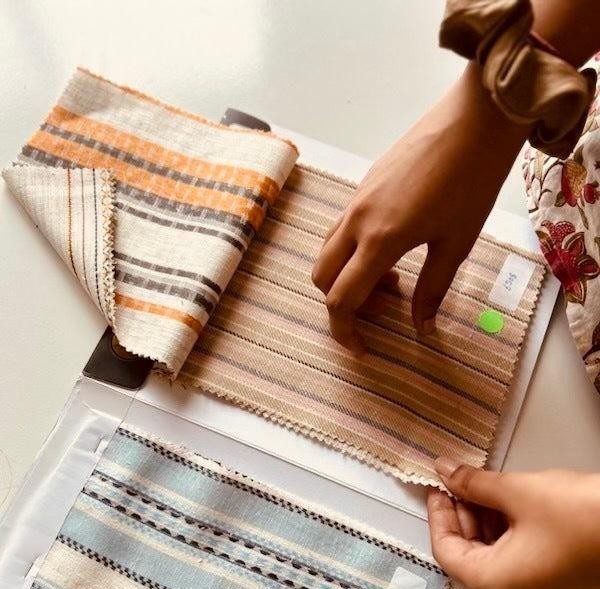
Growing brands often require flexible sourcing options beyond ready stock.
Anuprerna supports businesses with:
- Bulk wholesale fabric orders
- Made-to-order production
- Custom colour development
- Designer sampling
- Export-ready quality
- Fabric swatches for collection planning
For brands searching for Jamdani dress material wholesale, our collections are designed to support everything from boutique capsules to large-scale production while maintaining artisan craftsmanship.
Can You Buy Jamdani Dress Material Online?
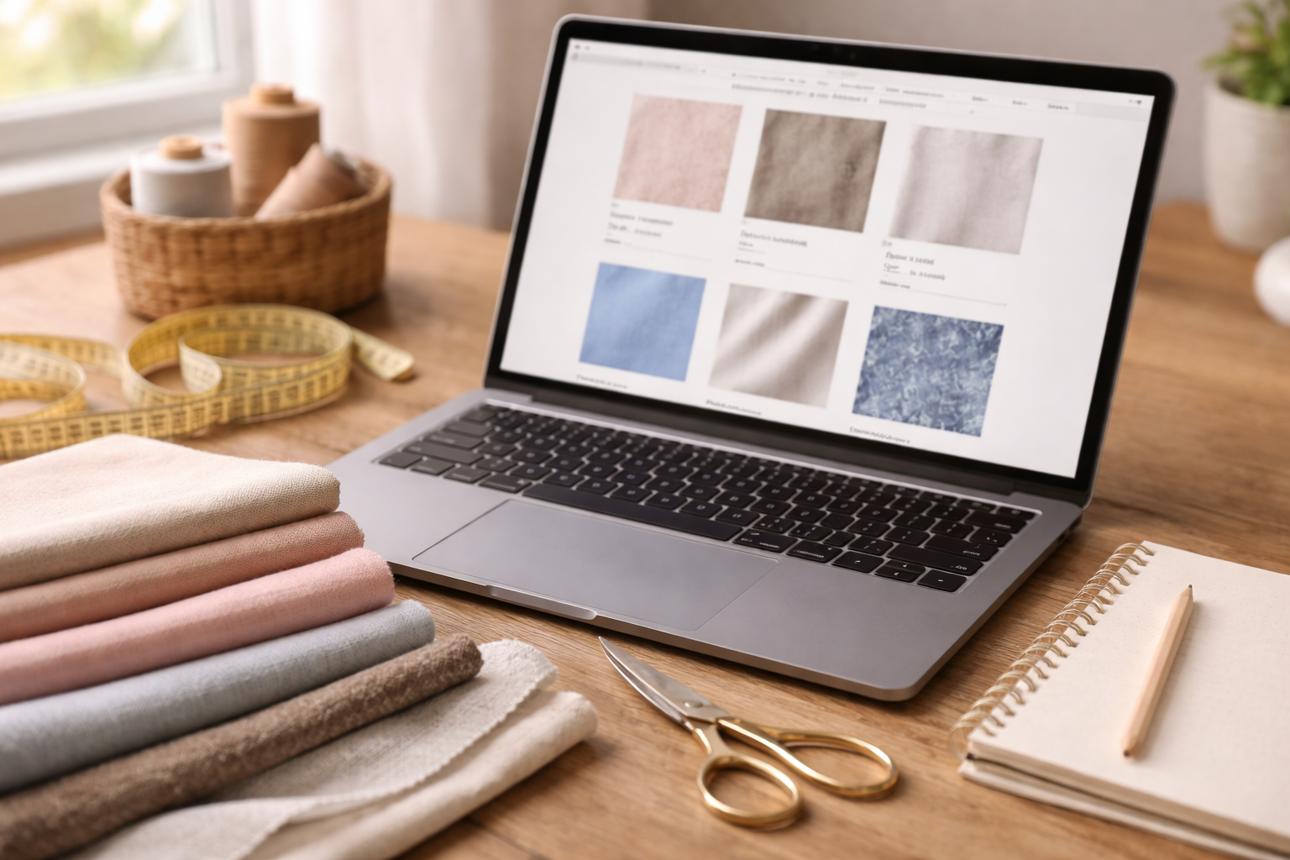
Absolutely. Today, designers and businesses can conveniently source Jamdani dress material online before committing to larger orders. Sampling fabrics helps evaluate texture, weave quality, colours, and suitability for upcoming collections.
At Anuprerna, buyers can explore curated handwoven textiles online before placing wholesale or made-to-order enquiries, making the sourcing process easier and more transparent.
Why Fashion Brands Partner with Anuprerna
At Anuprerna, we bring together traditional craftsmanship and dependable wholesale sourcing to support designers, retailers, and fashion brands worldwide. Every fabric is ethically sourced, artisan-crafted, and thoughtfully woven using heritage techniques to meet contemporary design needs.
From Jamdani muslin fabric and Khadi Jamdani fabric to custom and bulk wholesale orders, our collections are created to offer exceptional quality, authenticity, and flexibility. Whether you're exploring the Jamdani weaving process, sourcing Jamdani dress material online, or placing Jamdani dress material wholesale orders, Anuprerna helps you create collections that celebrate India's textile heritage while standing out in today's market.
frequently asked questions
What type of yarn is best suited for the supplementary weft in Jamdani weaving?
Thicker cotton, silk, or metallic zari yarns are best suited for the supplementary weft as they provide the necessary opacity and texture against the sheer base. The contrast between the fine **80s to 100s count yarn** of the muslin and the thicker motif thread is what gives Jamdani its signature three-dimensional appearance. Designers can select the weft material based on the desired luster and **structural integrity** of the final garment.
Is Jamdani always made of cotton?
While cotton (muslin) is the most traditional base, Jamdani can be woven on silk, linen, or blends. Cotton-silk blends are particularly popular in the wholesale market because they offer the matte elegance of cotton with the slight sheen and strength of silk, making them versatile for various jamdani fabric types.
How do I care for garments made from lightweight Jamdani?
Lightweight Jamdani (30-60 GSM) should always be dry-cleaned or very gently hand-washed in cold water with mild detergents. Because the motifs are "floated" on the surface, they can snag if washed with items containing zippers or hooks. Providing clear care labels is essential for B2B brands selling Jamdani products.
Do Anuprerna offer wholesale orders for handwoven Jamdani fabrics?
Yes. Anuprerna supplies authentic handwoven Jamdani fabrics for designers, fashion brands, boutiques, exporters, and retailers. We offer flexible wholesale, made-to-order, and bulk sourcing options to suit different production requirements.
More Blogs
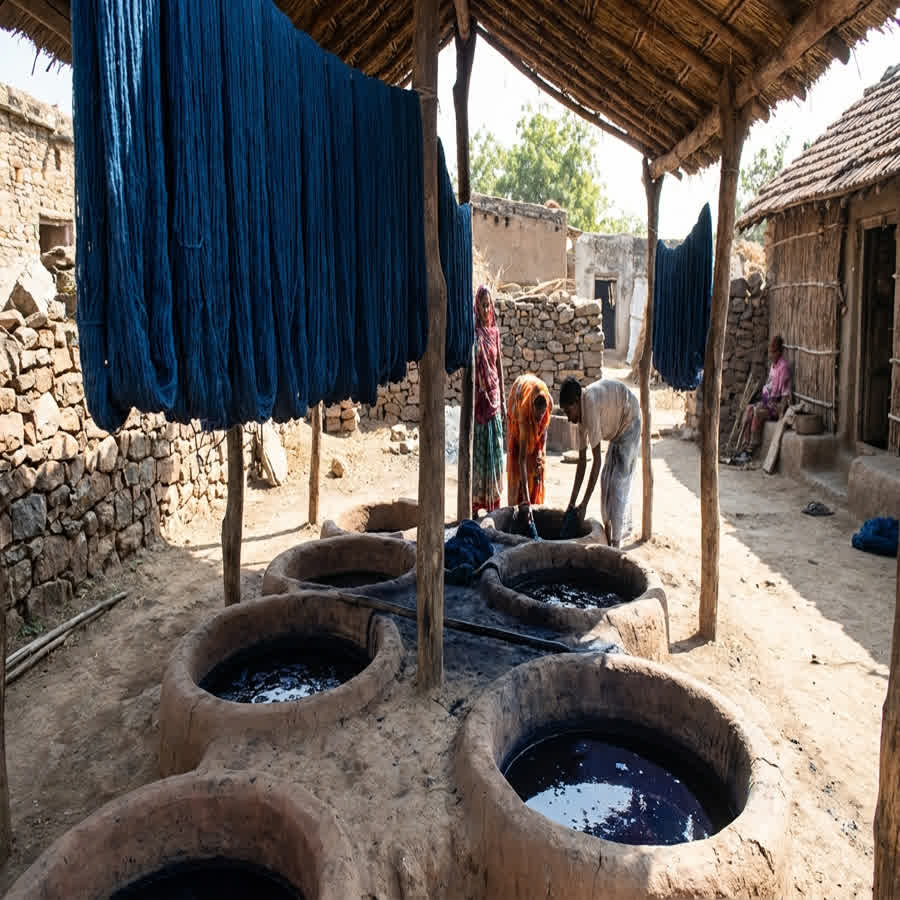
how indian fabric exporters meet global quality standards
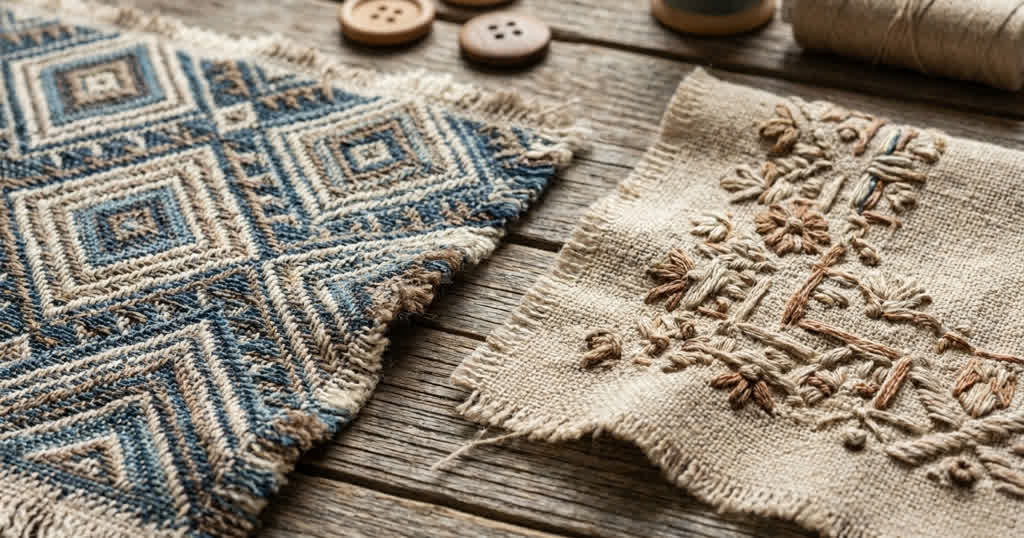
jacquard vs embroidery: what's the difference?
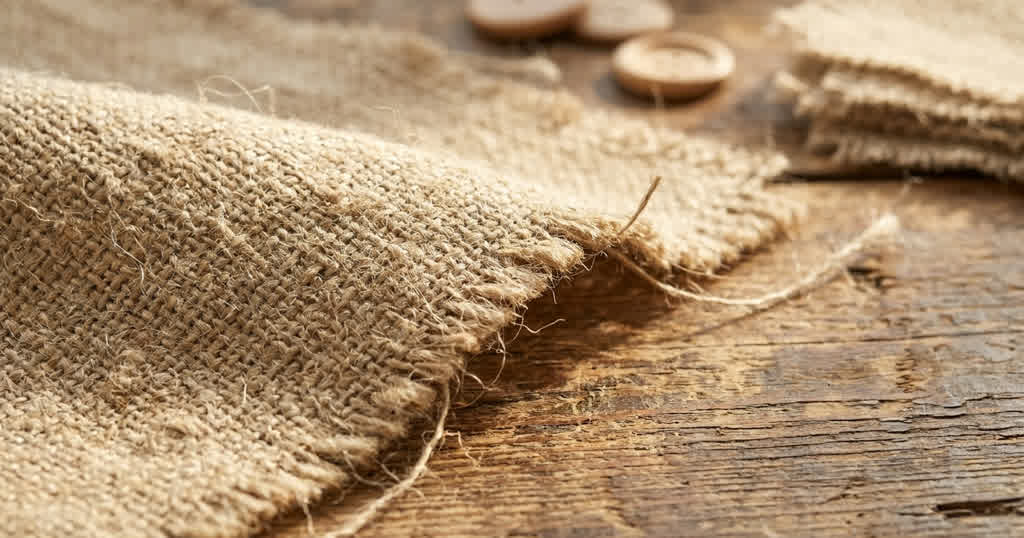
buy hemp fabric in bulk: what fashion brands need to know
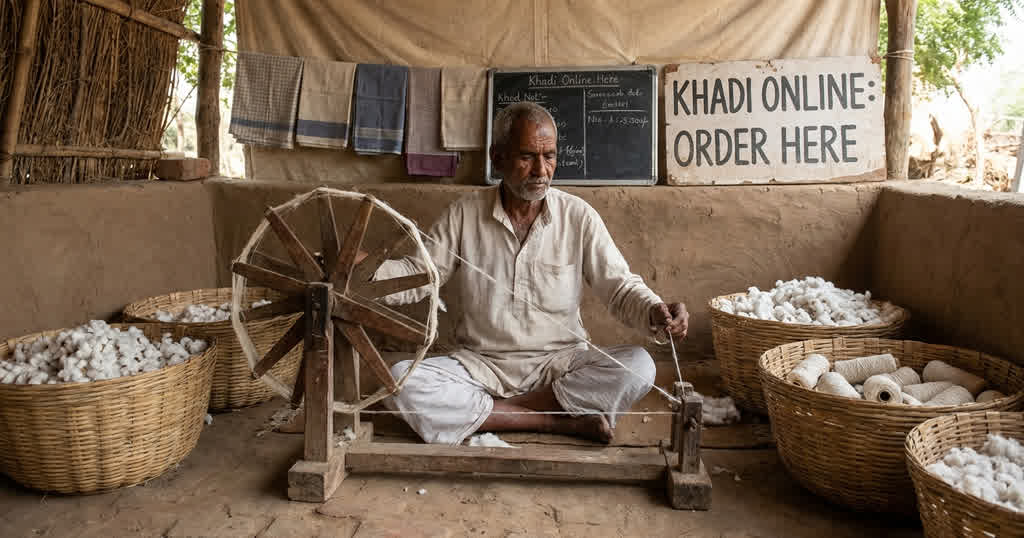
khadi online shopping: what fabric details should you check?
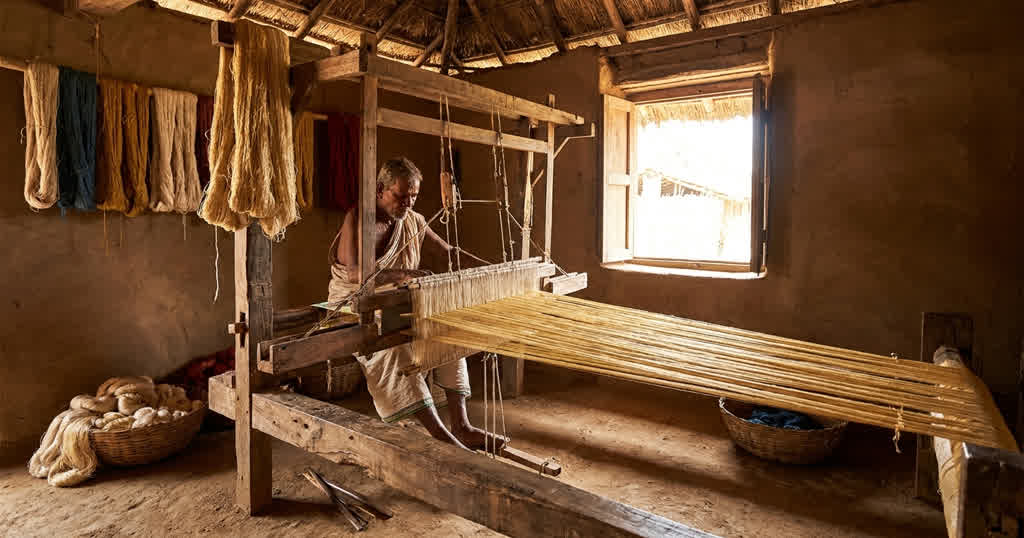
a designer’s guide to sourcing silk from indian manufacturers
tussar silk fabric: characteristics, texture & a guide for designers