Khadi Cotton Fabric Leads India's Climate-Friendly Textile Movement

Fashion labels face mounting pressure to reduce their environmental impact, making the search for a verifiable zero-carbon textile a central challenge for sourcing teams. Sourcing khadi cotton fabric directly addresses this pressure by offering a material produced entirely without electricity, cutting out the heavy emissions associated with conventional spinning and weaving mills. The decision to integrate this heritage textile goes beyond simple aesthetics or a slubby, organic feel. It represents a measurable reduction in Scope 3 emissions and a direct investment in decentralized rural economies.
Understanding the technical properties of this hand-spun, handwoven material allows designers to build collections that are both structurally sound and rigorously sustainable.
The Science of Zero-Carbon: How Khadi Cotton Fabric Lowers Scope 3 Emissions
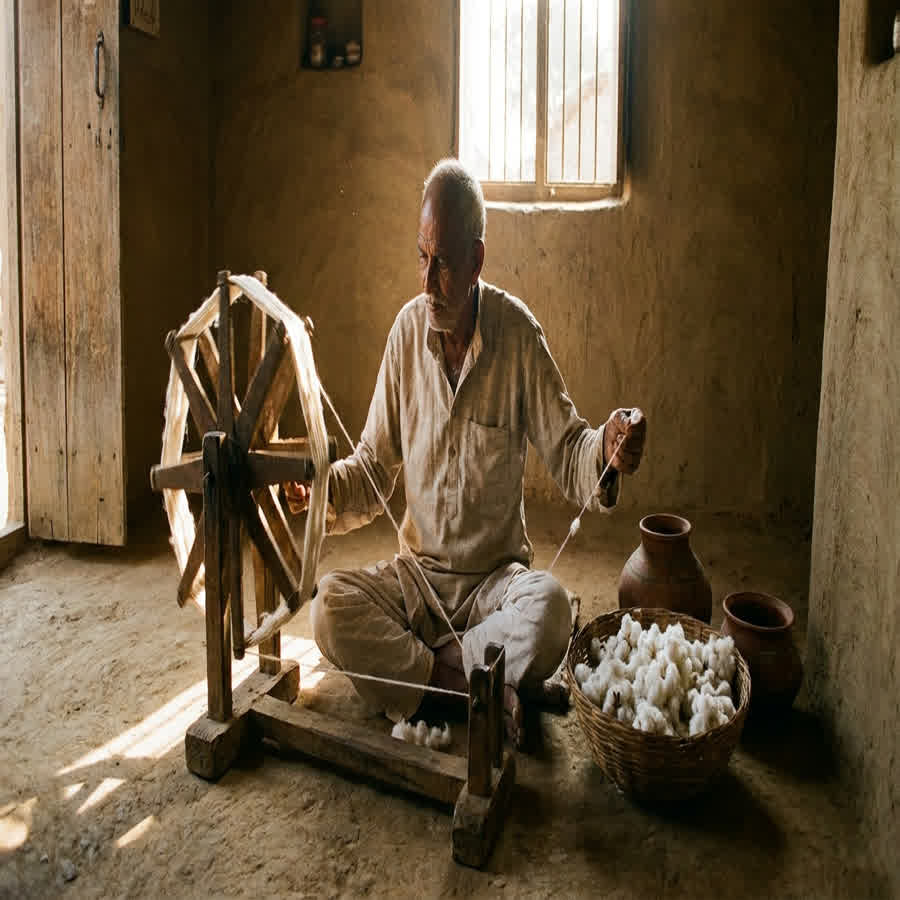
Khadi cotton fabric helps reduce Scope 3 emissions because its yarn spinning and weaving rely on human effort rather than fossil-fuel-powered machinery. With little to no electricity used during production, it offers a verifiable near-zero-carbon textile option.
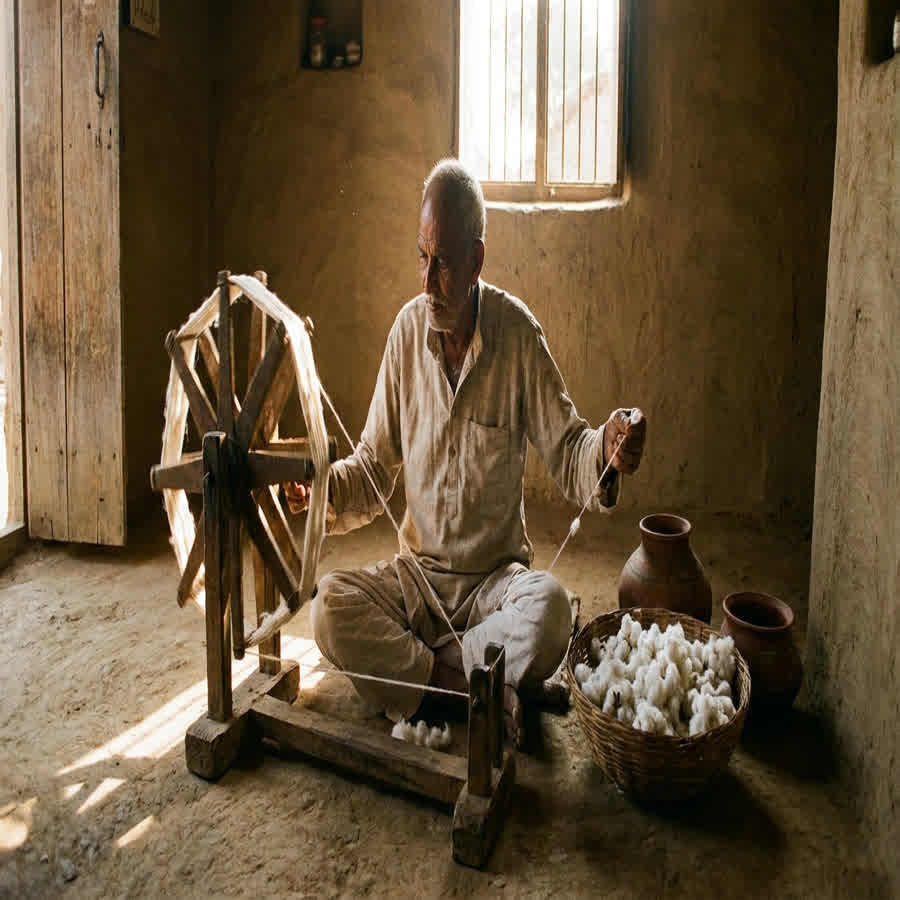
Unlike conventional cotton, which depends on energy-intensive spinning mills and automated looms, authentic khadi cotton is hand-spun on a traditional charkha and woven by skilled artisans. This manual process significantly lowers the fabric's carbon footprint. For brands looking to buy khadi fabric online through transparent supply chains, choosing khadi means avoiding the high industrial emissions of conventional textile manufacturing while supporting a more climate-conscious textile industry.
Quantifying the Climate Impact
Replacing mill-made textiles with hand-spun alternatives creates a measurable shift in a brand's environmental reporting. The absence of automated machinery means the primary energy source is the artisan's labor. This shift from mechanical to human energy provides a highly effective method for reducing a brand's overall carbon output.
To understand the specific climate benefits, sourcing teams should look at the production stages:
- Zero-electricity spinning: The charkha operates entirely on manual power, eliminating the carbon emissions tied to industrial yarn production.
- Manual pit loom weaving: Weavers interlace the warp and weft using wooden handlooms, requiring no grid power.
- Localized processing: Decentralized clusters often handle sizing and dyeing within the same geographic area, reducing transportation emissions between facilities.
By integrating these zero-carbon steps, khadi cotton fabric provides a clear, auditable path to lowering a brand's overall environmental impact. The data gathered from this decentralized process supports rigorous ESG reporting and helps brands avoid accusations of greenwashing.
Thermoregulation and Tensile Strength: The Material Science of Khadi
The unique material science of khadi relies on its hand-spun yarn, which naturally forms microscopic air pockets that regulate temperature and increase tensile strength over time. This distinct architecture makes the fabric highly breathable in summer while providing surprising insulation during cooler months.
The Architecture of Porous Yarn
Industrial spinning forces cotton fibers into tight, uniform alignment, creating a dense and flat yarn. Hand-spinning on a charkha introduces a natural, irregular twist to the fibers. This manual tension creates a porous yarn structure with built-in air pockets throughout the thread.
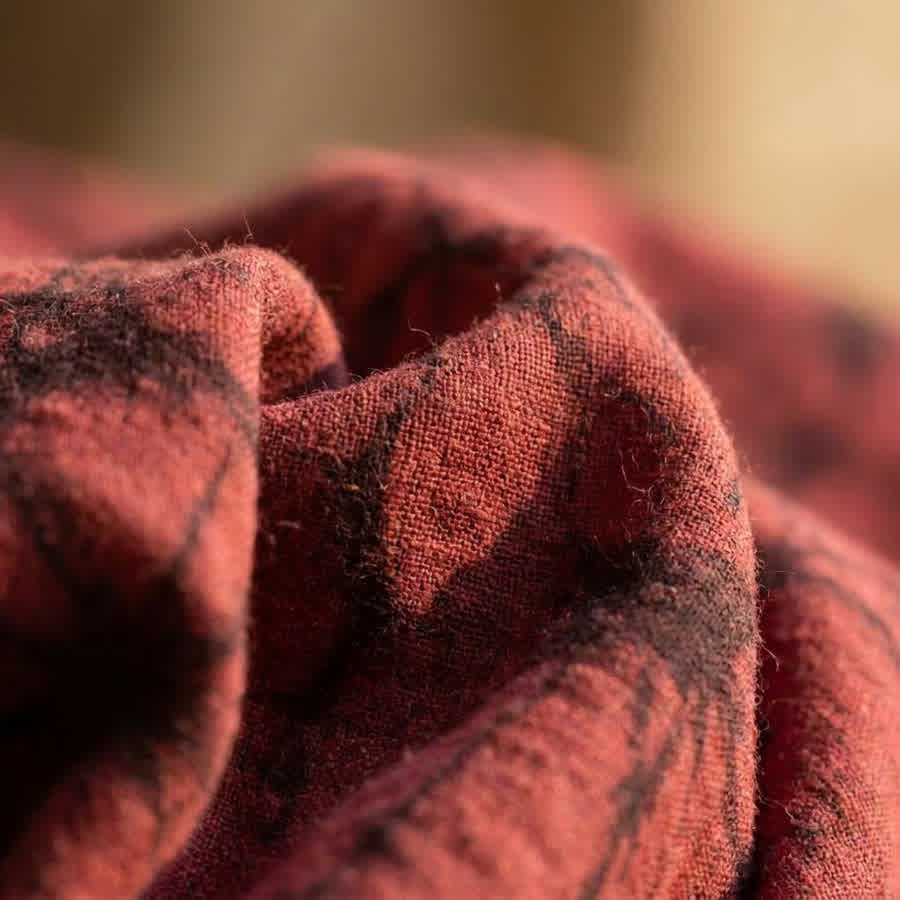
These microscopic gaps allow air to circulate freely, giving the textile its famous thermoregulating properties. The fabric breathes efficiently, wicking moisture away from the skin, which results in a dry, crisp hand-feel. Because the yarn is not subjected to the extreme stress of high-speed industrial machines, the natural integrity of the cotton fiber remains intact. This gentle processing preserves the natural waxes of the cotton, contributing to the fabric's soft drape.
GSM Variations and Structural Longevity
Designers often require specific weights for different garment applications, and khadi cotton fabric offers significant versatility. The fabric is available in a wide range of weights, allowing for precise sourcing based on the season and silhouette. Buyers can request specific yarn counts to achieve the exact drape required for their technical packs.
When planning a collection, buyers can specify the exact weight needed:
- 70 to 90 GSM: Ideal for sheer applications, lightweight summer shirts, and delicate scarves.
- 120 to 150 GSM: The standard weight for structured dresses, everyday shirting, and breathable trousers.
- 200 to 250 GSM: A heavyweight option suited for light jackets, durable outerwear, and home textiles.
A defining characteristic of this textile is its tensile strength, which actually improves with washing. The water causes the hand-spun fibers to contract and lock together more tightly, increasing the fabric's durability. This structural evolution, combined with the yarn's distinct, slubby texture, ensures that garments maintain their physical integrity and visual character for years.
Decentralized Supply Chains: Empowering Rural Artisans Through B2B Sourcing
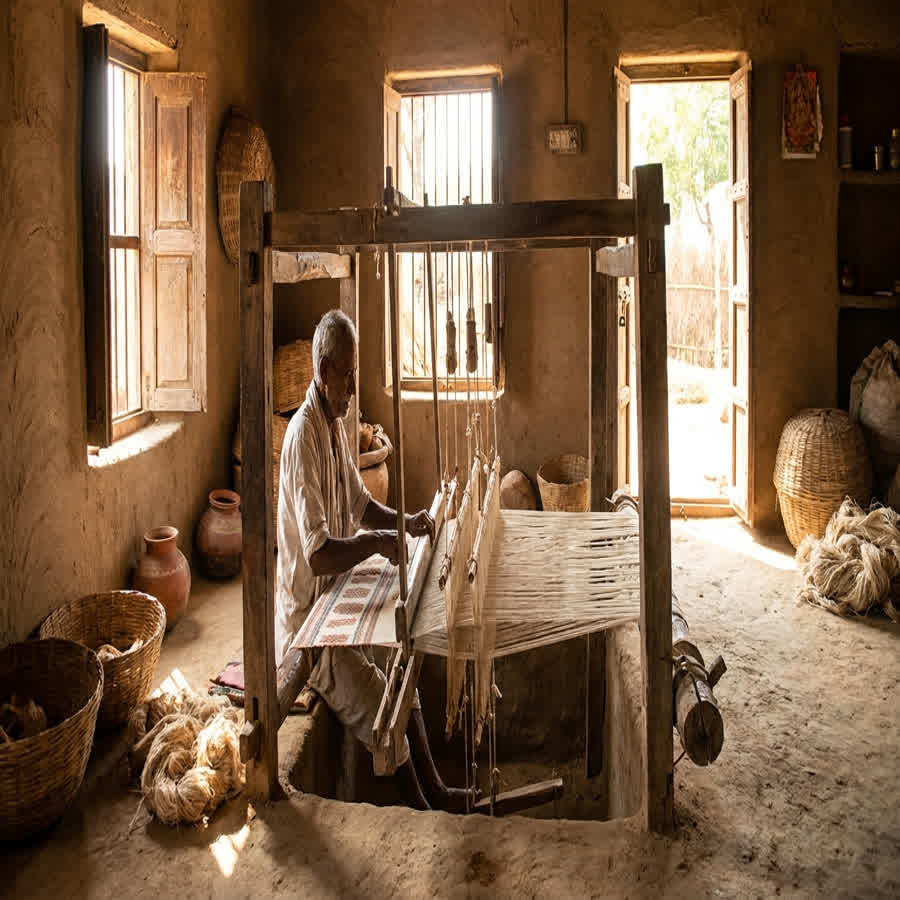
B2B sourcing of khadi empowers rural artisans by utilizing a decentralized supply chain that distributes production directly to village-based weavers rather than centralized urban factories. This model ensures fair wages, preserves heritage skills, and keeps economic benefits within rural communities.
The Swadeshi Legacy in Modern Sourcing
The origins of this textile are deeply rooted in the Swadeshi movement led by Mahatma Gandhi, where it was conceptualized as a tool for self-reliance and rural empowerment. Today, that political symbol has evolved into a globally recognized standard for ethical textile production. At Anuprerna, we work directly with rural Indian handloom weavers, maintaining this legacy of decentralized manufacturing.
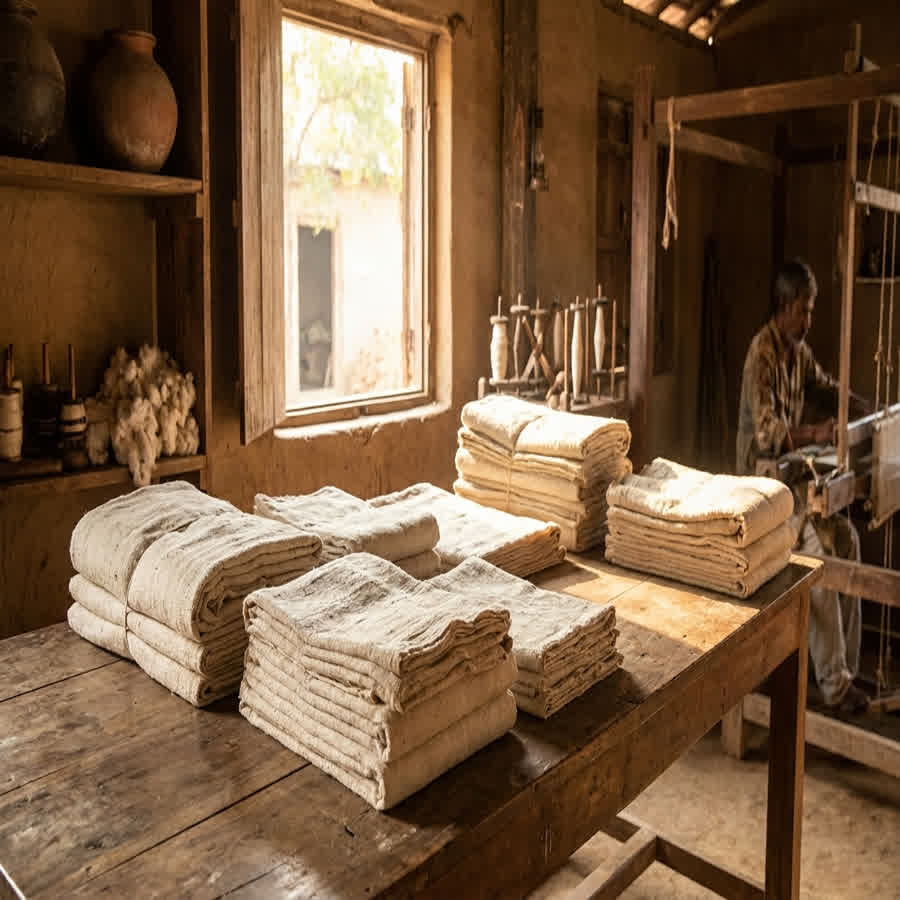
Instead of forcing workers to migrate to crowded industrial centers, the work travels to the artisans. Weavers operate their pit looms from their own homes or small village clusters in regions like Murshidabad and Malda. This decentralized artisan network allows families to remain together and sustain their local economies while producing commercial-grade textiles.
Measurable Socio-Economic Impact
For a fashion brand, the social sustainability of a supply chain is just as critical as its environmental footprint. Sourcing khadi cotton fabric provides a tangible socio-economic impact that brands can transparently share with their customers. Buyers can trace their orders back to specific weaving communities, proving their commitment to fair trade practices.
Working with a structured artisan network guarantees several key social benefits:
- Direct economic empowerment: Capital flows directly to the rural weavers and spinners, bypassing exploitative middlemen.
- Preservation of heritage skills: Consistent B2B orders ensure that the knowledge of the charkha and pit loom is passed down to the next generation.
- Ethical working conditions: Artisans set their own pace in their home environments, avoiding the harsh conditions of industrial sweatshops.
By choosing to integrate these fabrics, sourcing managers actively support a fair-wage ecosystem. This transparent approach to production provides brands with a powerful, verifiable narrative of social responsibility that resonates strongly with modern consumers.
Manage Khaadi Online Shopping for B2B: Quality, Consistency, and Customization
Securing digital sourcing for artisanal fabrics requires partnering with a structured supplier who can translate handmade variations into standardized B2B metrics like consistent GSM, reliable yarn counts, and strict quality control. This ensures that brands can secure wholesale volumes without sacrificing the authentic character of the textile.
Standardizing the Artisanal Process
One of the primary concerns for sourcing managers engaging in khaadi online shopping is the fear of inconsistent quality. Because the yarn is spun by hand and woven on manual looms, slight variations in texture are inevitable and celebrated. However, commercial production demands structural reliability to ensure garments drape and fit correctly.
We bridge this gap by implementing rigorous quality checks at the cluster level. While the slubby, organic texture remains intact, we standardize the technical specifications. We monitor the yarn count consistency, ensure uniform dyeing processes, and measure the fabric width to meet commercial cutting requirements. This meticulous oversight allows designers to plan large-scale production runs with confidence.
Securing Reliable Wholesale Volumes
Finding a dependable source to buy khadi fabric online means looking for a partner capable of scaling production while respecting the artisan's pace. Decentralized networks require careful logistical management to consolidate yardage from multiple village clusters into a single, cohesive wholesale order. We manage this consolidation process to provide a reliable supply chain for our B2B partners.
To successfully source these materials digitally, B2B buyers should expect specific operational standards:
- Customizable MOQs: Flexible minimum order quantities that accommodate both boutique capsule collections and larger seasonal runs.
- Standardized GSM metrics: Clear communication of fabric weight, ensuring the delivered yardage matches the designer's technical pack.
- Transparent lead times: Accurate production schedules that account for the manual nature of hand-spinning and weaving, preventing supply chain delays.
By establishing these professional frameworks, we ensure that khadi cotton fabric meets the strict logistical demands of modern fashion brands. Buyers receive the authentic artisanal product backed by the reliability of a structured B2B supplier.
Beyond Aesthetics: Why Global Brands are Shifting to Khadi Cotton
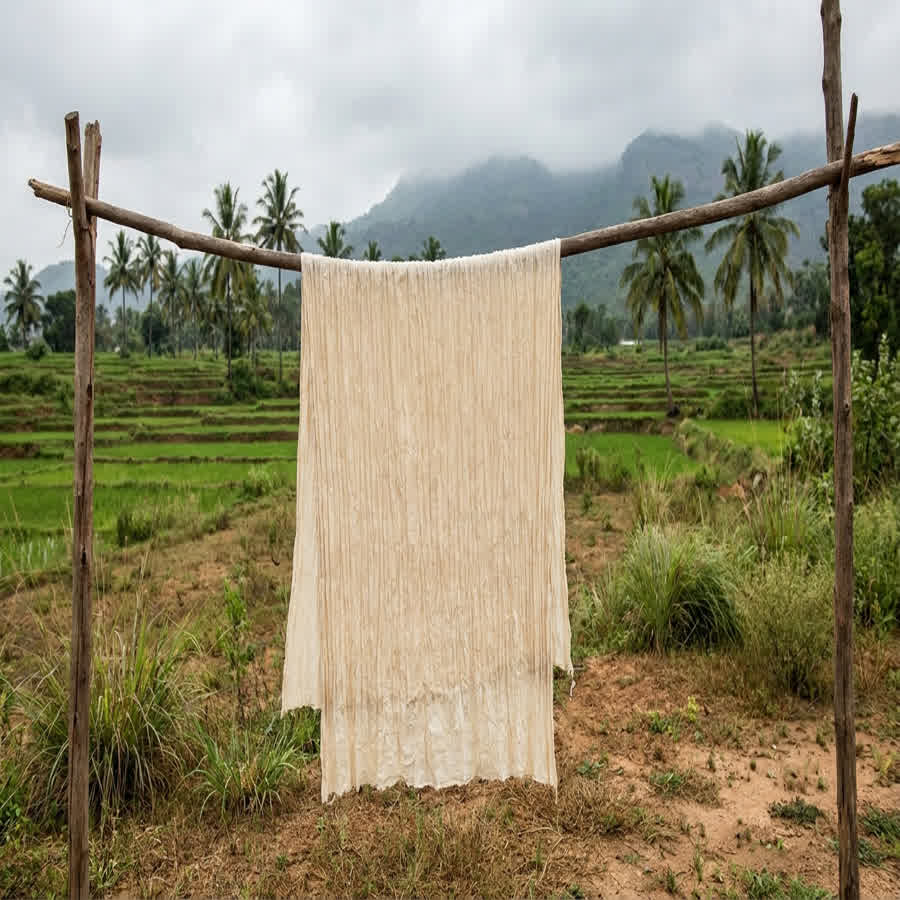
Global brands are shifting to khadi cotton because it offers a verifiable, near-zero carbon footprint that helps them meet increasingly strict ESG regulations and consumer demands for transparent sustainability. The fabric provides a premium artisanal narrative that strengthens a brand's environmental credentials far beyond basic organic certification.
Meeting Strict ESG Requirements
The fashion industry is facing intense regulatory scrutiny regarding its environmental impact. Sourcing teams are actively seeking materials that can demonstrably lower their Scope 3 emissions. Because conventional cotton farming and industrial milling carry a heavy carbon and water debt, brands must find alternative supply chains to remain compliant with new industry standards.
Khadi cotton fabric provides a distinct advantage in this regulatory environment. The complete absence of electricity in the spinning and weaving phases offers a clear, auditable reduction in carbon output. This zero-waste credential allows brands to present hard data in their sustainability reports, proving their commitment to climate-friendly manufacturing.
The Premium Artisanal Narrative
Modern consumers are highly educated about greenwashing and demand authentic, traceable stories behind their garments. They want to know exactly where their clothes come from and who made them. Integrating hand-spun textiles allows brands to offer a product with deep cultural significance and a premium artisanal narrative.
This shift is driven by several distinct market advantages:
- Verifiable traceability: Brands can trace the fabric back to specific rural clusters, offering complete transparency to the end consumer.
- Unique tactile identity: The natural irregularities of the hand-spun yarn create a distinct, slubby texture that cannot be replicated by industrial machines.
- Alignment with slow fashion: The deliberate, manual pace of production perfectly matches the ethos of eco-conscious labels focused on longevity and quality.
By choosing to buy khadi fabric online through a verified artisan network, brands secure a material that satisfies both strict environmental regulations and the consumer's desire for authentic, meaningful fashion. This strategic sourcing decision builds long-term brand loyalty and justifies premium retail pricing.
Explore Our Collection
Anuprerna works directly with handloom artisan clusters to weave khadi cotton fabric for designers and brands building considered collections. To source it for your next line, explore the range below.
frequently asked questions
What is the typical GSM range for khadi cotton fabric available for B2B sourcing?
Khadi cotton typically ranges from **70 GSM** for lightweight, sheer applications like summer shirts and scarves, up to **250 GSM** for heavier apparel, jackets, and home textiles. The GSM can be customized based on the **yarn count and weaving technique**, allowing designers to specify the exact weight needed for their collections.
How does buying khadi fabric online impact my brand's carbon footprint?
Because authentic khadi is both hand-spun and handwoven without the use of electricity, its production generates **near-zero carbon emissions**. Sourcing this fabric significantly reduces your brand's **Scope 3 emissions** compared to utilizing conventional mill-made cotton, providing a measurable benefit for your **environmental reporting**.
Is there a technical difference between 'khadi cotton' and regular handloom cotton?
Yes. While both are handwoven on a loom, true khadi cotton is also **hand-spun on a charkha**. Regular handloom cotton often utilizes **mill-spun yarn**, meaning it still carries the carbon footprint of industrial spinning. The hand-spinning process is what gives khadi its unique **porous, thermoregulating texture** and lower carbon footprint.
How can we ensure quality consistency when we buy khadi fabric online in bulk?
Partnering with a structured **decentralized supply chain** like Anuprerna ensures that while the bespoke artisanal texture remains, critical metrics like **yarn counts**, dyeing processes, and weaving standards are strictly monitored for **B2B compliance** and consistency. We implement rigorous quality control at the cluster level to guarantee the yardage meets commercial specifications.
How does the dye uptake of khadi cotton compare to mill-made fabrics?
Khadi cotton absorbs **natural and azo-free dyes** exceptionally well due to its **porous, hand-spun yarn structure**. This high dye uptake results in rich, deep colors and allows for more eco-friendly dyeing processes, ensuring the fabric aligns with the **chemical safety standards** required by sustainable fashion brands.
More Blogs
how indian fabric exporters meet global quality standards
jacquard vs embroidery: what's the difference?
buy hemp fabric in bulk: what fashion brands need to know
khadi online shopping: what fabric details should you check?
a designer’s guide to sourcing silk from indian manufacturers
tussar silk fabric: characteristics, texture & a guide for designers