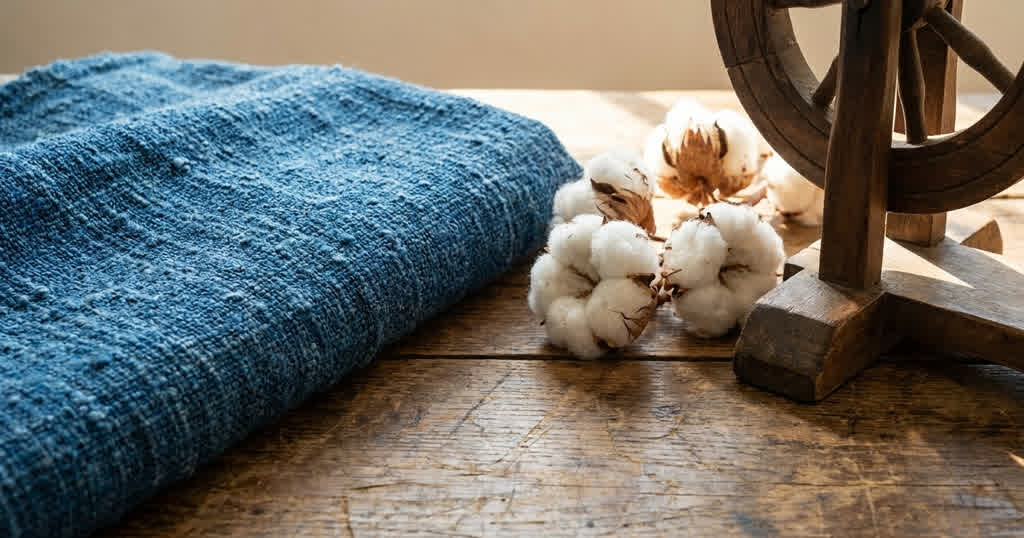
Why Sustainable Denim Brands in India Are Choosing Khadi

Designers building collections for sustainable denim brands in india face a persistent material bottleneck. Conventional denim production relies heavily on water-intensive cotton farming and energy-heavy power looms, making it difficult to achieve a verifiable zero-carbon footprint without compromising on the heavy, structured drape consumers expect. The shift toward hand-spun Khadi denim offers a structural alternative to highly industrialized manufacturing. By replacing ring-spun mill yarn with heritage-backed artisanal textiles, sourcing teams can secure authentic ESG compliance while delivering a premium, low-impact fabric that commands higher retail margins.
The Carbon Math: Why Sustainable Denim Brands in India Are Pivoting to Khadi
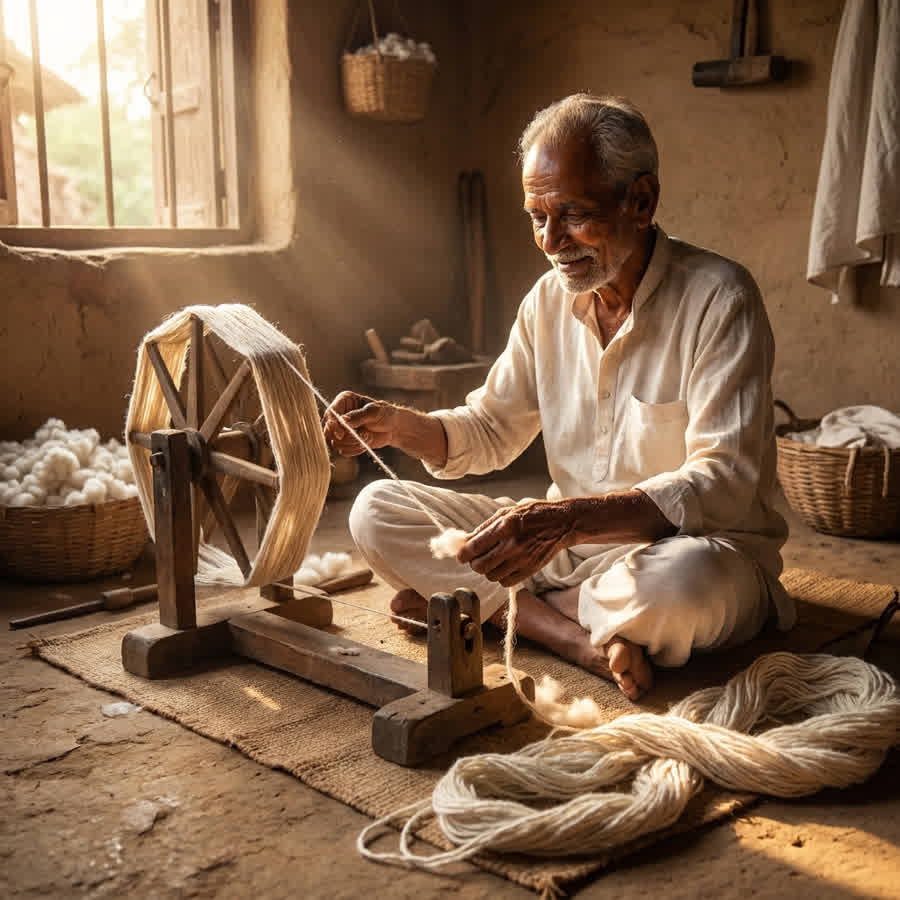
Brands are pivoting to Khadi because its zero-electricity spinning and weaving phases mathematically eliminate the massive Scope 2 emissions associated with conventional power-loom denim. This allows sourcing teams to report a verifiable zero-carbon footprint at the fabric production level.
Conventional denim mills consume vast amounts of electricity to power automated spinning frames and high-speed projectile looms. For sustainable denim brands in india, this energy dependency makes it nearly impossible to meet strict ESG reporting standards without purchasing carbon offsets. Khadi denim bypasses this industrial grid entirely.
Eliminating Scope 2 Emissions
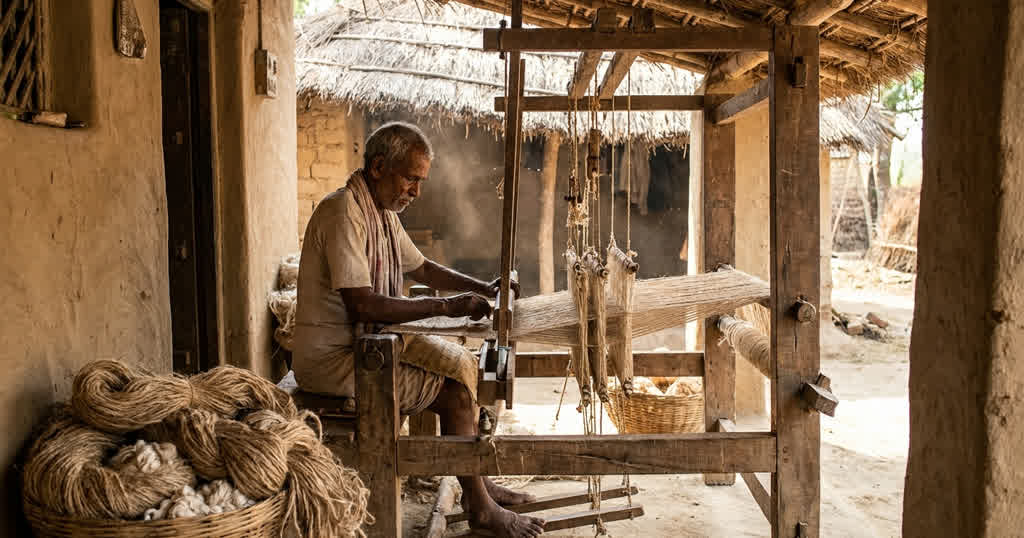
The production of Khadi relies on human energy rather than fossil fuels. Artisans use a traditional charkha, a hand-spinning wheel, to draft and twist the cotton fibers into yarn. This yarn is then woven on zero-electricity handlooms, creating a decentralized manufacturing process that drastically reduces the overall carbon load of the final garment.
Eliminating Scope 2 Emissions (continued)
By removing automated machinery from the equation, brands achieve significant environmental milestones:
- Zero-electricity weaving: Handlooms operate entirely on human kinetic energy, producing zero direct emissions.
- Reduced mechanical processing: Hand-spinning eliminates the need for energy-intensive carding and roving frames used in commercial mills.
- Authentic ESG storytelling: Brands can market a mathematically sound low-carbon textile rather than relying on vague eco-friendly claims.
The Swadeshi Heritage as a Premium Asset
Khadi originated as a symbol of self-reliance during the Swadeshi movement, representing a rejection of industrialized, imported goods. Today, that same ethos translates into a premium retail positioning for modern fashion houses. Buyers are not just purchasing a fabric; they are investing in a heritage-backed alternative to mass production.
This historical context provides a distinct marketing advantage. When designers specify hand-spun Khadi denim, they secure a textile that carries intrinsic cultural value. The resulting garments offer consumers a tangible connection to rural Indian handloom weavers, justifying higher price points while satisfying the growing demand for transparent, low-impact supply chains.
Material Science of Handspun Selvedge: Breathability Meets Durability
Khadi denim achieves superior breathability and durability because its hand-spun yarn utilizes a lower twist multiplier than commercial yarn, creating micro-pockets of air that regulate temperature while maintaining a dense, heavy-weight structure.
The structural integrity of denim is traditionally defined by tight, uniform yarns woven on high-tension looms. While this creates a tough fabric, it often results in a stiff, unyielding garment that traps heat. Khadi denim subverts this standard by relying on the natural irregularities of artisanal yarn preparation.
The Physics of Hand-Spun Yarn
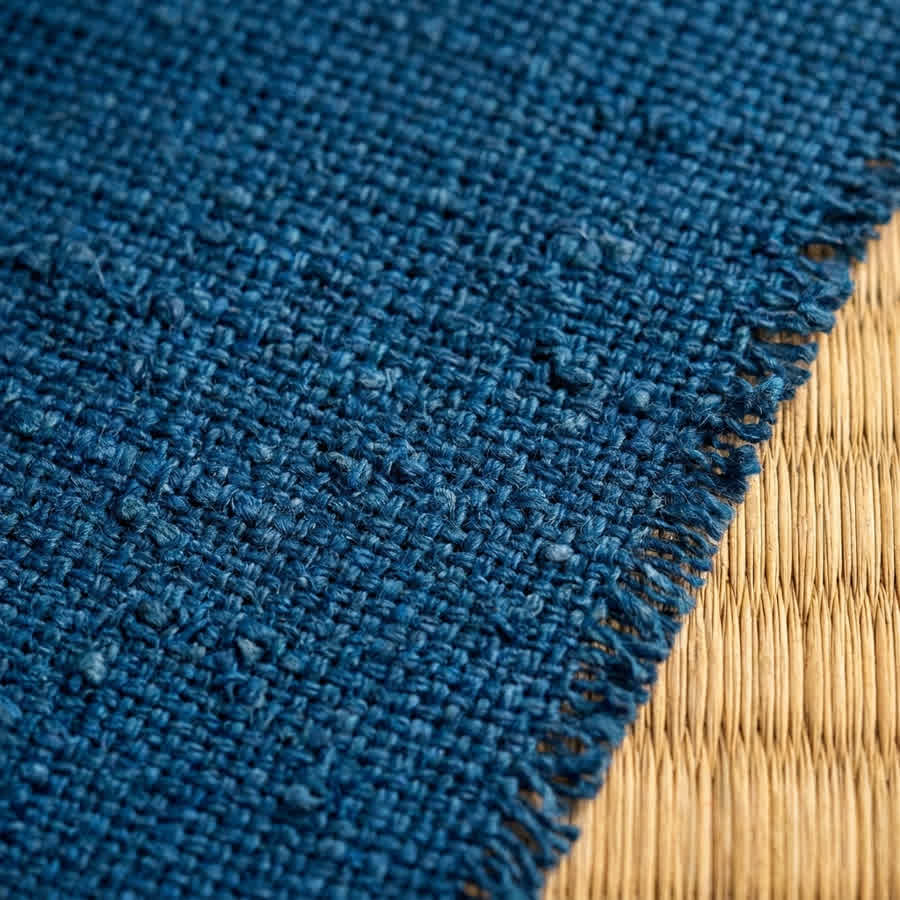
In commercial mills, ring-spun yarn is twisted tightly to withstand the extreme tension of automated weaving. Khadi yarn, spun manually, has a lower twist multiplier, meaning the fibers are bound together more loosely. This manual drafting process creates microscopic variations in the yarn thickness, known as slubs, which give the fabric its distinct artisanal selvedge.
The Physics of Hand-Spun Yarn (continued)
These structural differences provide specific technical advantages for garment construction:
- Micro-pockets of air: The looser twist traps air within the yarn, providing superior thermal regulation in both hot and cool climates.
- Enhanced breathability: The porous nature of the hand-spun fibers allows moisture to escape, making it ideal for tropical environments.
- Tactile irregularity: The dry, crisp hand-feel softens significantly over time, molding to the wearer without losing structural integrity.
Weight Ranges for B2B Applications
Despite its breathable nature, this textile meets the heavy-duty requirements of traditional jeans and jackets. We typically see Khadi denim produced in weights ranging from 8 oz to 14 oz (approximately 270 to 475 GSM). This versatility allows sustainable denim brands in india to source a single material type for multiple product categories.
An 8 oz fabric serves perfectly for lightweight summer shirting and dresses, offering a fluid drape. Conversely, a 14 oz construction provides the rigid, durable framework necessary for classic five-pocket jeans. By adjusting the density of the zero-electricity handlooms, weavers can customize the GSM to meet exact B2B specifications, ensuring designers do not have to compromise on weight to achieve sustainability.
Solving the Effluent Crisis: Khadi Denim and Natural Indigo Integration
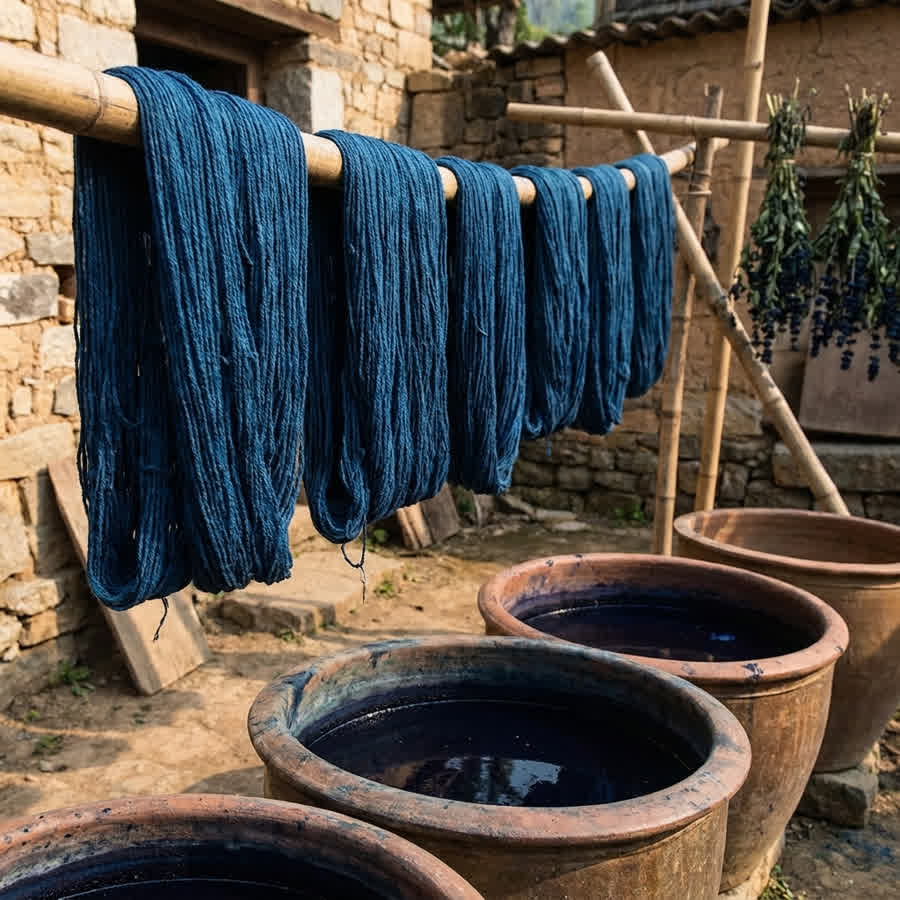
Khadi denim solves the effluent crisis because its highly porous hand-spun fibers absorb natural indigo dyes efficiently without the need for toxic chemical mordants, eliminating the hazardous wastewater discharge typical of synthetic denim dyeing.
The conventional denim sector is notorious for its severe water pollution, primarily driven by the use of synthetic indigo and heavy metal binders. These industrial dyeing processes generate massive volumes of toxic effluent discharge, poisoning local waterways. Transitioning to a low-carbon textile requires addressing this chemical runoff directly.
The Synergy of Porous Fibers and Natural Dyes
Because Khadi yarn features a lower twist multiplier, the cotton fibers remain open and highly absorbent. This structural porosity pairs exceptionally well with natural indigo, a plant-based dye extracted from the Indigofera tinctoria plant. The open fibers draw the dye deep into the yarn core, achieving rich, saturated hues naturally.
The Synergy of Porous Fibers and Natural Dyes (continued)
This material synergy offers critical benefits for environmental compliance:
- Elimination of synthetic indigo: Brands bypass petroleum-derived dyes, drastically reducing their chemical footprint.
- No chemical mordants: The natural affinity between the porous cotton and plant-based indigo removes the need for heavy metal fixatives.
- Safe wastewater: The runoff from natural indigo dyeing is biodegradable, protecting the ecosystems surrounding the dye houses.
Authentic Fading and Aesthetic Value
Beyond environmental metrics, the integration of natural dyes provides a superior aesthetic for sustainable denim brands in india. Synthetic indigo is engineered for uniformity, often requiring aggressive, water-heavy washing techniques like stone-washing or bleaching to achieve a worn look. Natural indigo behaves differently, offering a living color profile.
As the garment experiences friction and wear, the natural dye chips away from the hand-spun yarn in a highly organic pattern. This creates beautiful, authentic fading characteristics that cannot be replicated by factory distressing. For a B2B fashion brand, this means delivering a product that ages uniquely with the consumer, enhancing the premium retail pricing and extending the garment's emotional lifespan.
Decentralized Sourcing: Scaling Artisan Supply Chains for B2B Volume
Decentralized sourcing scales B2B volume by distributing production across multiple rural weaving clusters, allowing brands to secure consistent, high-yardage deliveries of Khadi denim without forcing artisans into centralized, factory-style environments.
A common hesitation among sourcing managers is the assumption that handloom textiles cannot meet commercial volume requirements. While a single artisan works at a deliberate pace, a decentralized artisan supply chain aggregates the output of hundreds of skilled weavers. This model provides the scale necessary for sustainable denim brands in india to plan seasonal collections confidently.
The Parallel Production Model
At Anuprerna, we organize our production through a network of specialized weaving communities across regions like Murshidabad and Burdwan. Instead of relying on a single massive facility, we initiate parallel production runs across multiple clusters simultaneously. This ensures that large orders are fulfilled within standard B2B lead times.

The Parallel Production Model (continued)
This decentralized approach provides several operational advantages for buyers:
- Scalable yardage: Distributing the weaving process allows us to meet high minimum order quantities (MOQs) without compromising the craft.
- Consistent quality control: Each cluster operates under standardized technical specifications, ensuring uniform GSM and selvedge integrity.
- Supply chain transparency: Brands receive fully traceable fabrics, knowing exactly which rural Indian handloom weavers produced their yardage.
Empowering Communities Over Middlemen
Traditional textile sourcing often involves layers of corporate middlemen, which obscures traceability and squeezes artisan wages. By partnering directly with a decentralized artisan network, designers bypass these opaque channels. This direct relationship ensures that a larger percentage of the fabric cost goes directly to the weaving communities.
For a sourcing lead, this translates into reliable pricing and a powerful narrative. You are not just buying a premium, low-carbon textile; you are actively funding rural economic independence. This transparent model allows sustainable denim brands in india to verify their social impact claims, providing the exact proof of ethical manufacturing that modern consumers and regulatory bodies demand.
Explore Our Collection
Anuprerna works directly with handloom artisan clusters to weave sustainable denim brands in india for designers and brands building considered collections. To source it for your next line, explore the range below.
frequently asked questions
What is the typical GSM and weight range for Khadi denim?
Khadi denim usually falls between 8 oz and 14 oz (approximately 270 to 475 GSM). This range makes it highly versatile, suitable for everything from lightweight summer shirting to durable, structured jeans. Sourcing teams can request specific weights based on their seasonal collection requirements.
How does the shrinkage rate of Khadi denim compare to conventional power-loom denim?
Due to its hand-spun and handwoven nature, Khadi denim typically exhibits a slightly higher initial shrinkage rate (around 5-7%) compared to conventional denim. B2B buyers should account for this in pattern grading or request pre-washing/sanforizing treatments prior to garment construction. Proper testing during the sampling phase ensures accurate final garment sizing.
Can Khadi denim be scaled for mid-to-large B2B production runs?
Yes. Through decentralized artisan networks like Anuprerna's, production is distributed across multiple weaving clusters. This parallel production model allows for scalable yardage and consistent delivery timelines while maintaining the zero-electricity handloom ethos. It provides the volume reliability that commercial fashion brands require.
Does Khadi denim support natural indigo dyeing effectively?
Absolutely. The inherently porous nature of hand-spun Khadi yarn absorbs natural indigo exceptionally well. This results in deep, rich hues and beautiful, authentic fading characteristics over time, completely bypassing the need for toxic chemical binders. The absence of synthetic mordants ensures the dyeing process remains environmentally safe.
How does sourcing Khadi denim improve a brand's ESG reporting?
Sourcing Khadi denim directly improves ESG reporting by providing a verifiable zero-carbon footprint during the spinning and weaving phases. Because the fabric is produced on zero-electricity handlooms, it eliminates Scope 2 emissions associated with conventional textile manufacturing. Direct partnerships with rural artisans provide transparent data for the social responsibility metrics of an ESG audit.
More Blogs
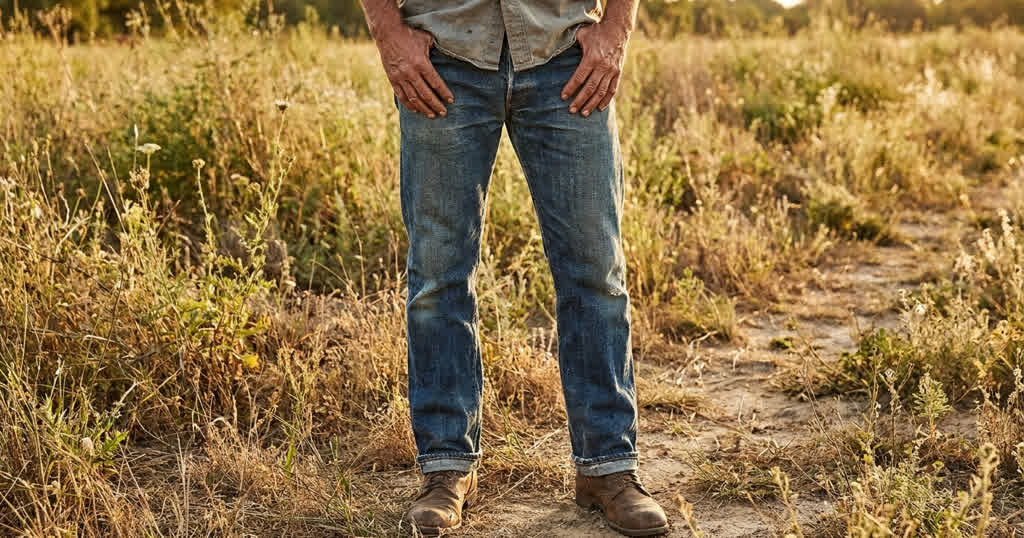
khadi jeans for men: styling sustainable denim
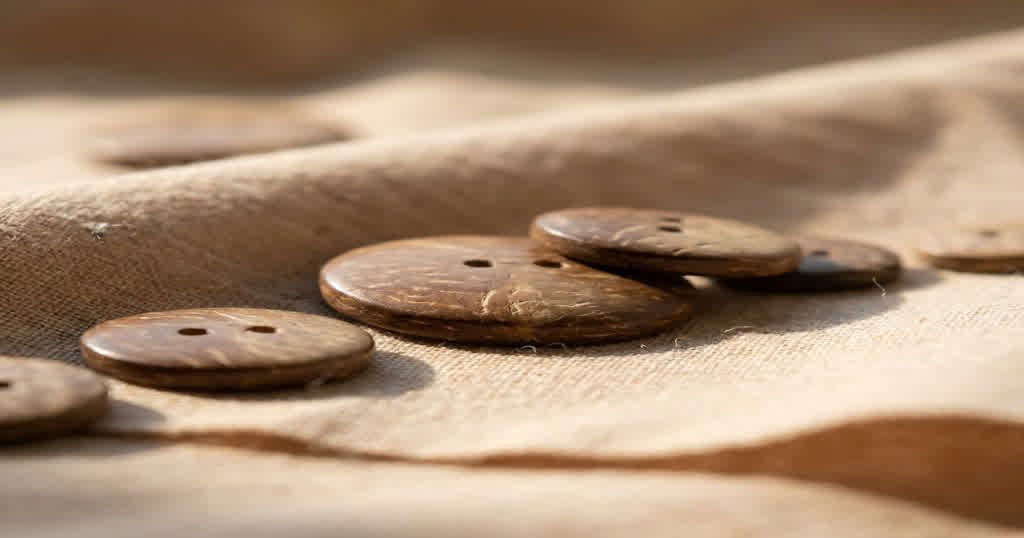
eco-friendly trims: sourcing sustainable fashion accessories
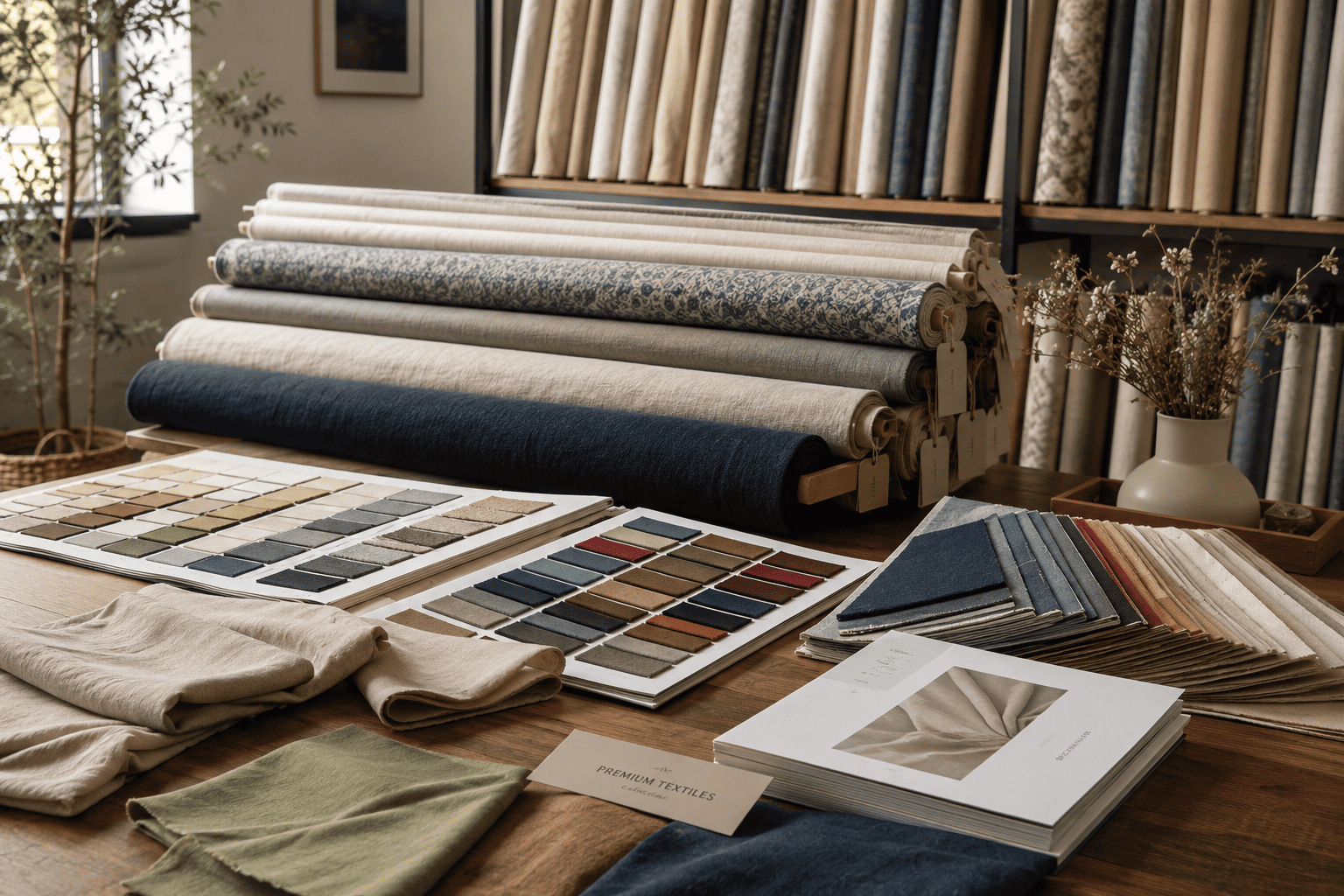
how to choose the right fabric wholesaler for your brand
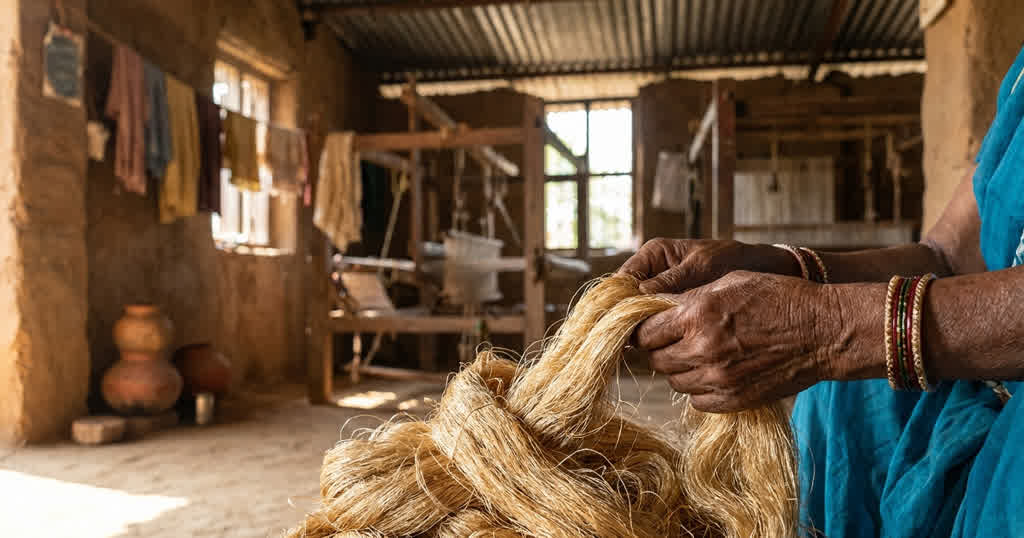
what to look for in a silk manufacturer before you source
how does sustainable sourcing affect clothing quality?

what is a sustainable designer? roles, responsibilities, and impact