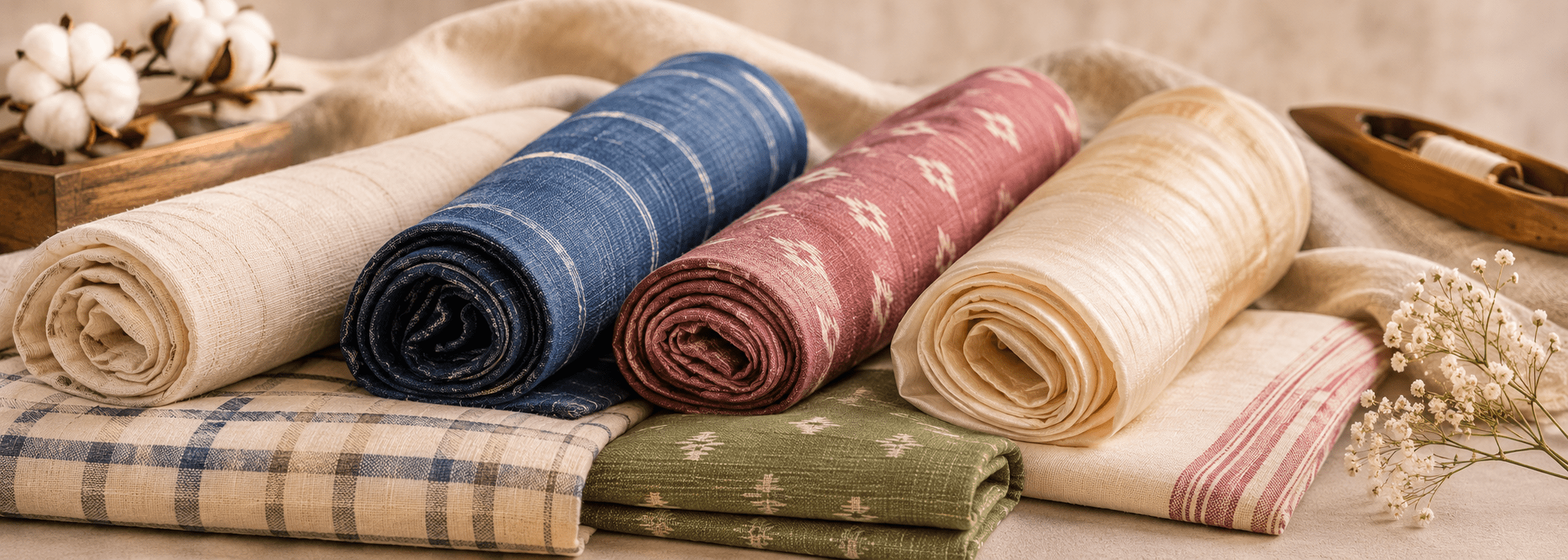
Understanding Fabrics Wholesale: From Textile Suppliers to Bulk Orders

Sourcing the right fabrics is an important part of developing a clothing collection, managing apparel production or building a textile business. From selecting suitable materials to evaluating suppliers and planning bulk purchases, every stage requires careful consideration. Understanding how fabrics wholesale works can help fashion designers, clothing brands, boutiques and manufacturers make informed sourcing decisions.
India has a diverse textile industry, offering access to cotton, Khadi, silk, handwoven textiles, Jacquard and other traditional and contemporary fabrics. With a wide network of textile wholesale suppliers, fabric manufacturers and artisan-led production units, businesses can explore different sourcing options based on their quality expectations, order quantities and production requirements.
Whether sourcing fabrics for an upcoming collection or planning large-scale garment production, understanding the wholesale process can help establish a more organised and reliable supply chain.
What Is Fabrics Wholesale?
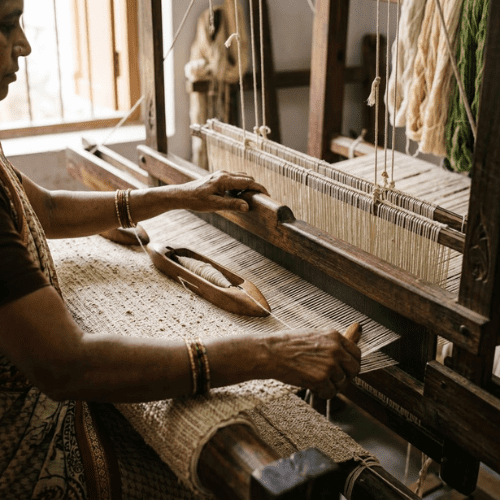
Fabrics wholesale refers to purchasing textiles in larger quantities directly from fabric manufacturers, wholesale suppliers or textile distributors for commercial purposes. These purchases are generally made by fashion brands, clothing manufacturers, retailers, designers and businesses that require fabrics for resale or garment production.
Unlike retail fabric purchases, wholesale sourcing focuses on business requirements such as minimum order quantities, fabric specifications, bulk pricing, production timelines and long-term supplier relationships.
Depending on the supplier, businesses may have access to different purchasing options:
- In-stock fabrics: Ready-to-ship materials available in existing collections.
- Made-to-order fabrics: Fabrics produced according to specific design, colour or quantity requirements.
- Bulk pre-orders: Larger quantities planned and produced in advance.
- Custom-developed fabrics: Textiles developed with selected patterns, colours, weaving techniques or finishes.
Understanding these options helps buyers select a sourcing model that suits their production schedules and business requirements.
What to Consider When Placing Bulk Fabric Orders
Once a suitable supplier has been identified, the next step is to plan the bulk order carefully. Clear specifications help reduce misunderstandings and support smoother production.
Before confirming an order, consider the following:
- Fabric specifications: Confirm fibre composition, weave, texture, colour, width and weight requirements.
- Quantity: Calculate the total fabric needed for your production plan, including allowances for cutting and wastage.
- Sampling: Review physical swatches or samples before approving the final fabric.
- Customisation: Confirm colour, print, weave or finishing requirements.
- Production timeline: Agree on the expected production and dispatch schedule.
- Quality checks: Discuss inspection procedures and acceptable variations between batches.
- Shipping: Confirm packaging, delivery arrangements and applicable shipping charges.
For international buyers sourcing from Indian textile exporters, it is also important to clarify documentation, payment terms, shipping responsibilities and customs requirements before placing an order.
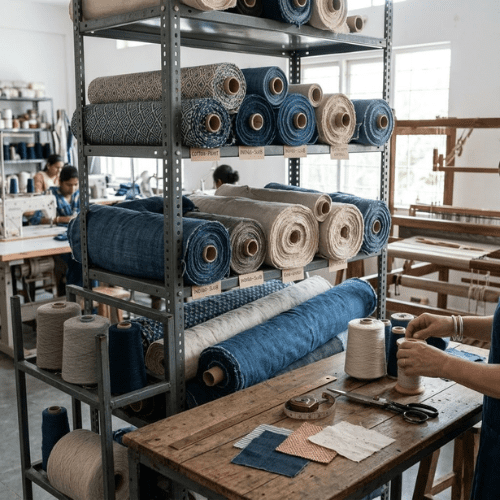
Fabrics Wholesale for Fashion Designers, Brands and Manufacturers
Different businesses have different fabric sourcing requirements. A boutique may need smaller quantities across several designs, while a clothing manufacturer may require larger, recurring fabric orders.
Understanding these differences helps businesses select the right wholesale sourcing model.
Fashion designers and independent labels: Designers often need fabric variety, distinctive textures and the flexibility to explore new colours or patterns. Swatches and custom development can help them evaluate materials before finalising a collection.
Clothing and apparel manufacturers: Manufacturers generally prioritise fabric availability, consistent specifications, production schedules and quantities that align with garment requirements.
Boutiques and retailers: Retail businesses may look for distinctive textiles in manageable quantities to create differentiated collections for their customers.
International textile buyers: Overseas buyers often consider product specifications, supplier reliability, production capacity, communication and shipping arrangements when sourcing fabrics from India.
A suitable wholesale supplier should understand these different requirements and offer appropriate sourcing support.
Fabric Wholesale Direct from Manufacturers: What Should Buyers Know?
Some businesses prefer purchasing fabrics directly from manufacturers rather than working through distributors or intermediaries. This approach, often referred to as fabric wholesale direct sourcing, can provide closer communication with the production unit and greater visibility into manufacturing processes.
Before choosing direct sourcing, consider:
- Whether the manufacturer produces the required fabric category.
- Whether the production unit accepts your required order quantity.
- Whether customisation and sampling are available.
- Whether quality standards can be maintained across bulk batches.
- Whether production timelines align with your collection schedule.
Direct sourcing may be suitable for businesses with larger or recurring requirements. However, working with an experienced wholesale supplier can be more practical when a business needs multiple fabric categories, smaller order quantities or assistance coordinating different production units.
The right sourcing model depends on the scale, complexity and requirements of each order.
Why Consider Handwoven and Sustainable Fabrics for Wholesale Sourcing?
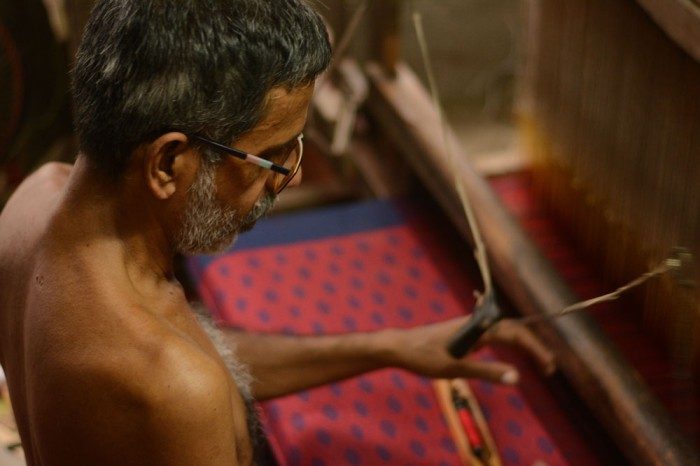
The choice of fabric influences not only how a garment looks and feels but also the production story behind it.
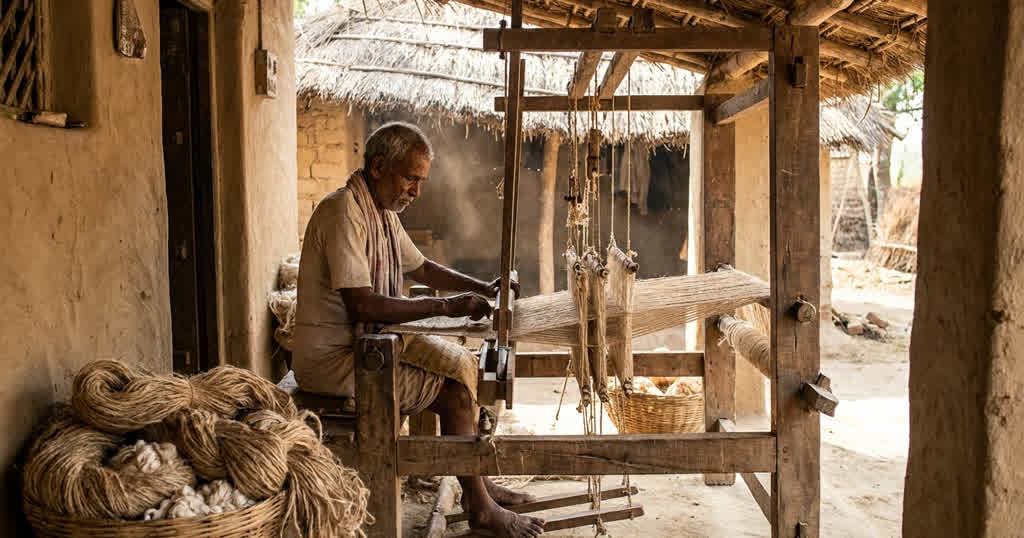
Handwoven textiles bring the skill of weaving communities into contemporary fashion. Fabrics such as Khadi cotton, Jamdani, Kantha and handloom Jacquard offer distinctive textures and techniques that can help brands develop more individual collections.
Natural fibres and responsibly sourced materials can also support businesses looking to make more considered material choices.
However, sustainable sourcing involves looking beyond the fibre itself. Production methods, dyeing processes, artisan livelihoods, supply-chain transparency and material utilisation all contribute to a more complete understanding of a textile's impact.
For fashion brands, choosing a supplier that can explain these aspects provides greater visibility into the materials used in their collections.
How to Source Wholesale Indian Fabrics from Anuprerna
Anuprerna works with artisan communities and textile production clusters to offer handwoven fabrics for designers, fashion brands, boutiques and other businesses.
Its fabric range includes Khadi cotton, handwoven cotton, Jamdani, handloom Jacquard, Kantha, silk and other artisanal textiles.
Businesses can explore different sourcing options depending on their requirements:
- In-stock fabrics: Explore available designs for immediate sourcing, subject to stock availability.
- Made-to-order fabrics: Develop selected fabrics according to specific requirements, with production timelines depending on the fabric and customisation.
- Bulk pre-orders: Plan larger fabric requirements in advance for upcoming collections and production cycles.
- Custom development: Explore customised colours, patterns and fabric specifications.
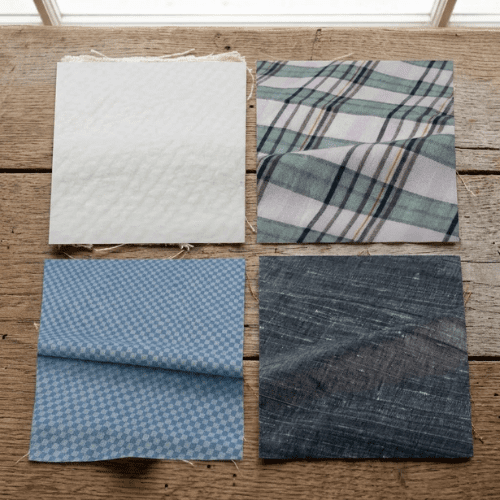
Before confirming an order, businesses can request fabric swatches to evaluate the material's texture, colour and quality.
Through its wholesale partner programme, Anuprerna also supports trade partnerships, custom development and dedicated sourcing assistance.
For designers and businesses looking to work with handwoven textiles, this provides an opportunity to connect traditional craftsmanship with contemporary collection development.
Understanding Textile Export Wholesale from India
India is an established source of diverse textiles, supplying materials to businesses across different international markets. Textile export wholesale involves sourcing and supplying fabrics in commercial quantities to overseas buyers, including fashion brands, apparel manufacturers, retailers and textile distributors.
Businesses exploring textile export wholesale should evaluate several aspects before confirming an order.
1. Fabric Specifications and Sampling
International buyers should request detailed product specifications, including fibre composition, weave, colour, width and fabric weight. Physical samples can help assess the material before committing to larger quantities.
2. Supplier Experience and Production Capabilities
When evaluating textile exporters in India, understand their sourcing network, manufacturing arrangements, production capacity and ability to fulfil the required quantities.
3. Documentation and Shipping
International fabric orders may require commercial invoices, packing lists, shipping documentation and other applicable export documents.
Buyers should clarify shipping responsibilities, customs requirements, payment terms and estimated delivery schedules before placing orders.
4. Communication and Order Coordination
Working with a supplier who communicates clearly about sampling, production progress, quality expectations and dispatch timelines can help simplify international sourcing.
For businesses purchasing wholesale Indian fabrics, these considerations are particularly important when developing long-term supplier relationships.
Understanding Different Types of Textile Wholesale Suppliers
Not all textile wholesale suppliers operate in the same way. Some manufacture fabrics themselves, while others source materials from production units or artisan communities and distribute them to businesses.
Understanding these differences can help buyers identify suitable suppliers.
1. Fabric Manufacturers
Fabric manufacturers in India are involved in producing textiles through processes such as spinning, weaving, knitting, dyeing and finishing. They may specialise in particular materials, including cotton, silk, organic fibres and blended fabrics.
Working directly with fabric manufacturers can provide opportunities for bulk purchasing, custom development and closer coordination with the production process.
2. Fabric Wholesalers and Distributors
Fabric wholesalers purchase textiles from manufacturers or production units and supply them to retailers, designers, garment manufacturers and other businesses.
They generally offer a selection of fabrics across different categories, making them useful for buyers who need access to multiple materials without coordinating with several manufacturing units.
3. Handloom and Artisan Textile Suppliers
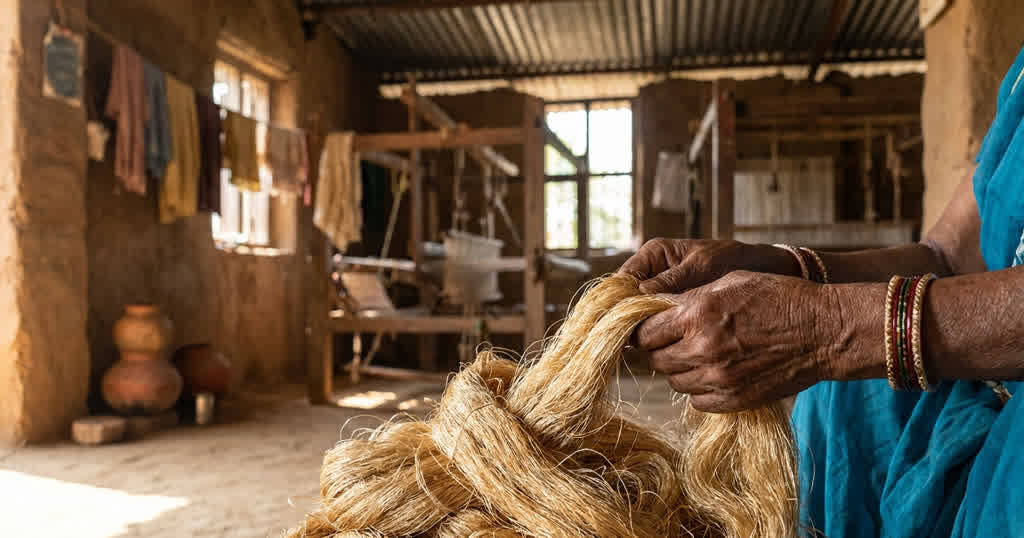
Handloom textile suppliers work with weaving communities and artisan clusters to produce fabrics using traditional weaving techniques.
Their collections may include Khadi cotton, Jamdani, handloom Jacquard, Kantha and other regionally distinctive textiles. These suppliers are particularly relevant for fashion businesses looking to incorporate craftsmanship and artisanal textiles into their collections.
For brands interested in responsible sourcing, understanding the production process, raw materials and artisan involvement is an important part of supplier evaluation.
How to Find Reliable Wholesale Fabric Suppliers in India
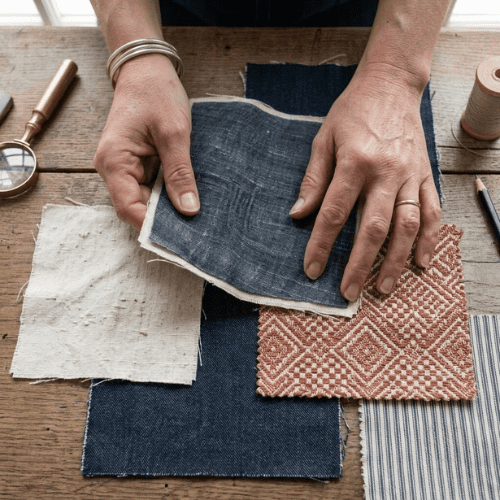
Finding suitable wholesale fabric suppliers in India requires evaluating more than product variety or pricing. A supplier should be able to meet your quality expectations, production requirements and business timelines.
Consider the following factors before selecting a sourcing partner.
1. Evaluate Fabric Quality and Consistency
Request fabric samples before confirming a large order. Examine the texture, weave, colour, finish and overall suitability for your intended application.
For handwoven textiles, understand that minor variations may occur because of the handmade production process. Discuss acceptable variations with the supplier before bulk production.
2. Understand Production Capabilities
Ask whether the supplier offers in-stock, made-to-order or bulk pre-order options. This helps determine whether they can support immediate requirements as well as future collections.
If your business needs customised colours, patterns or fabric finishes, check whether these services are available.
3. Check Minimum Order Quantities
Minimum Order Quantity (MOQ) refers to the smallest quantity a supplier accepts for a particular order.
MOQs can vary depending on fabric type, availability, customisation and production requirements. Always confirm the minimum quantity before planning your purchase.
4. Discuss Pricing and Lead Times
Request a detailed quotation that explains fabric pricing, quantity-based rates, sampling charges, customisation costs and shipping.
Compare quotations from different textile wholesale suppliers, but consider quality, production capabilities and service alongside pricing.
Also confirm production timelines and dispatch schedules, particularly when sourcing fabrics for seasonal launches or planned manufacturing cycles.
5. Understand Sourcing and Production Practices
For businesses prioritising responsible production, it is useful to understand where the raw materials come from, how fabrics are manufactured and who is involved in the production process.
Transparency around sourcing and artisan involvement can help businesses make more informed purchasing decisions.
Types of Wholesale Indian Fabrics Available for Sourcing
One of the advantages of sourcing wholesale Indian fabrics is the variety of materials, textures, weaving techniques and finishes available. The right fabric depends on the intended garment, design requirements, season and target customer.
Here are some commonly sourced fabric categories.
Cotton and Khadi Cotton
Cotton is widely used in apparel manufacturing because of its versatility and comfort. Khadi cotton offers an additional dimension of traditional craftsmanship, as it is handspun and handwoven.
It can be used for shirts, dresses, kurtas, co-ord sets and contemporary everyday clothing.
Silk Fabrics
Indian silk fabrics are valued for their natural texture, distinctive surface and drape. Varieties such as Tussar, Matka, Eri and Mulberry silk offer different characteristics for apparel and occasionwear collections.
Designers can explore these materials for garments that combine traditional textiles with contemporary silhouettes.
Handloom Jacquard
Jacquard fabrics feature patterns woven directly into the textile rather than printed onto its surface. This creates visual depth and texture, making them suitable for statement garments, structured apparel and design-led collections.
Handwoven and Sustainable Fabrics
Businesses looking to develop more considered collections can explore handwoven cotton, organic Khadi, recycled Khesh and other natural-fibre textiles.
These materials allow brands to incorporate traditional craftsmanship and material-conscious design into their sourcing decisions.
frequently asked questions
What does fabrics wholesale mean?
Fabrics wholesale refers to purchasing textiles in larger quantities from manufacturers, wholesalers or textile suppliers for commercial use, resale or garment production.
How do I find reliable textile wholesale suppliers in India?
Start by researching textile manufacturers, wholesale suppliers and artisan-led textile businesses. Compare their fabric range, quality, minimum order quantities, production capabilities and delivery timelines. Request swatches before confirming bulk purchases.
What is the difference between fabric manufacturers and fabric wholesalers?
Fabric manufacturers produce textiles through processes such as spinning, weaving and finishing. Fabric wholesalers source fabrics from manufacturers or production units and supply them to businesses in commercial quantities.
Why should fashion brands source handwoven fabrics?
Handwoven fabrics offer distinctive textures, traditional craftsmanship and material character. They can help fashion brands develop differentiated collections while supporting artisan-led textile production.
Is it better to order fabric swatches before bulk purchasing?
Yes. Swatches allow buyers to assess the fabric's colour, texture, weight and overall quality before committing to a larger quantity. This is particularly useful when sourcing handwoven or customised textiles.
More Blogs

khadi jeans for men: styling sustainable denim
eco-friendly trims: sourcing sustainable fashion accessories
how to choose the right fabric wholesaler for your brand
what to look for in a silk manufacturer before you source
how does sustainable sourcing affect clothing quality?

what is a sustainable designer? roles, responsibilities, and impact