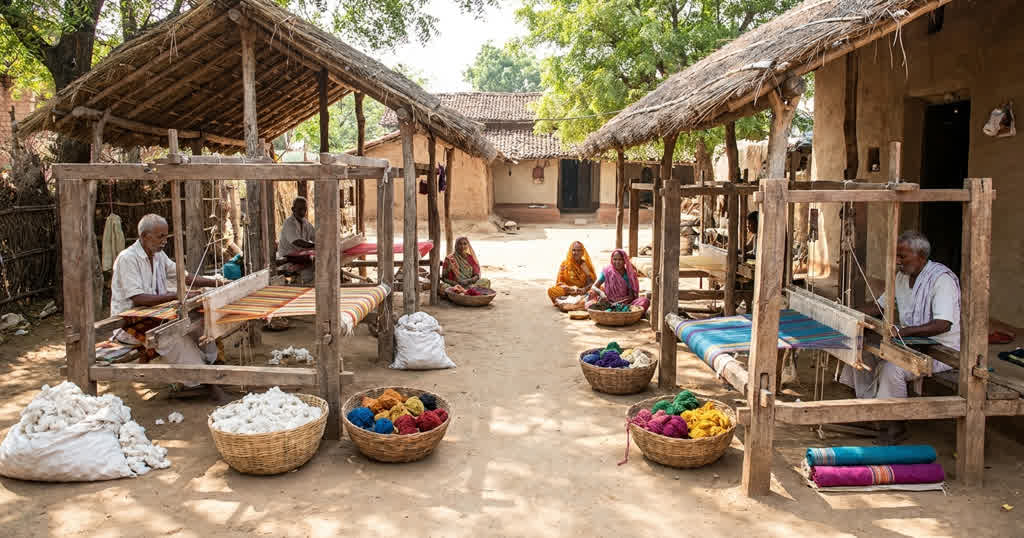
Indian Fabric Wholesale: A Guide to Sourcing Handwoven Textiles

Sourcing for indian fabric wholesale often forces designers into a difficult compromise between ethical production and consistent quality. Finding reliable fabric wholesalers who can provide authentic, low-impact materials without defaulting to opaque, mechanized factories is a persistent challenge for sustainable fashion brands.
The shift away from centralized powerloom production back to decentralized artisan networks is reshaping how brands meet their ESG goals. Understanding the technical differences in handwoven textiles, from yarn tension to dye uptake, allows sourcing leads to secure materials that offer both a verifiable cultural narrative and superior garment longevity.
Decoding the Structure of Indian Fabric Wholesale: Handloom vs. Powerloom
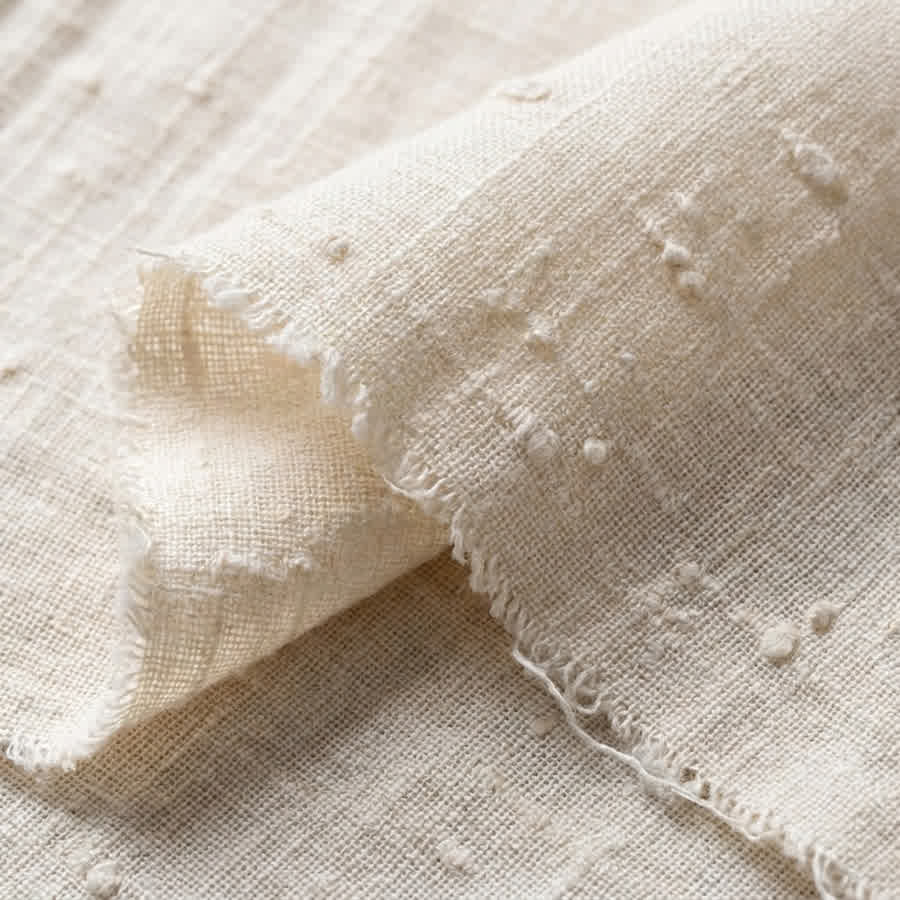
The primary difference in indian fabric wholesale lies in the production method: handloom textiles rely on human-powered weaving that imparts lower tensile stress on the yarn, whereas powerlooms use mechanized force that creates uniform but stiffer fabrics. Understanding this structural distinction is critical for designers seeking authentic indian textile suppliers who prioritize material integrity over sheer volume.
India's textile heritage is built on millennia-old hand-spinning and hand-weaving techniques that dominated global trade long before the Industrial Revolution. Today, the market is split between colonial-era centralized factories and decentralized artisan supply chains that actively preserve regional crafts like Jamdani, Khadi, and Ikat. Choosing the latter ensures a direct connection to the source.
The Material Science of Handwoven Textiles
Handloom fabrics offer distinct physical properties that mechanized fabric companies in india simply cannot replicate. The human rhythm of weaving inherently creates a softer, more breathable textile that performs exceptionally well in high-end garments.
- Lower tensile stress: Hand weaving places significantly less tension on the warp and weft yarns, resulting in a soft, yielding hand-feel that drapes naturally on the body.
- High breathability: The slight, natural variations in weave density allow for superior air circulation, making handwoven fabrics ideal for warm climates and active wear.
- Near-zero carbon footprint: Operating entirely without electricity, traditional handlooms offer a highly sustainable alternative to the energy-intensive operations of standard powerloom factories.
Yarn Counts and Fabric Weights
Selecting the right specifications from indian fabric manufacturers dictates the final garment's performance, durability, and drape. Handwoven textiles span a wide range of weights and applications to suit diverse design needs.
- Ultra-lightweight muslins: Typically weighing 60-80 GSM, these fabrics utilize exceptionally fine yarn counts of 80s-100s Ne for delicate, sheer applications.
- Mid-weight cottons: Standard shirting and dress materials usually fall between 100-140 GSM, offering an optimal balance of daily durability and comfortable drape.
- Heavier silks and linens: Suiting and structured garments require denser weaves, often ranging from 150-250+ GSM to maintain shape and ensure long-term garment longevity.
Why Partner with a Decentralized Indian Textile Company?
Partnering with a decentralized indian textile company provides transparent traceability, authentic cultural narratives, and low-impact materials that directly answer consumer demand for ethical fashion. This model bypasses the opacity of traditional textile wholesale suppliers by working directly with rural artisans, ensuring that every meter of fabric carries a verifiable history of fair labor.
B2B buyers in the sustainable fashion sector face immense pressure to meet strict ESG goals while maintaining profit margins. A decentralized supply chain empowers rural weavers while giving brands the concrete data they need to prove their zero-waste credentials to an increasingly skeptical consumer base.
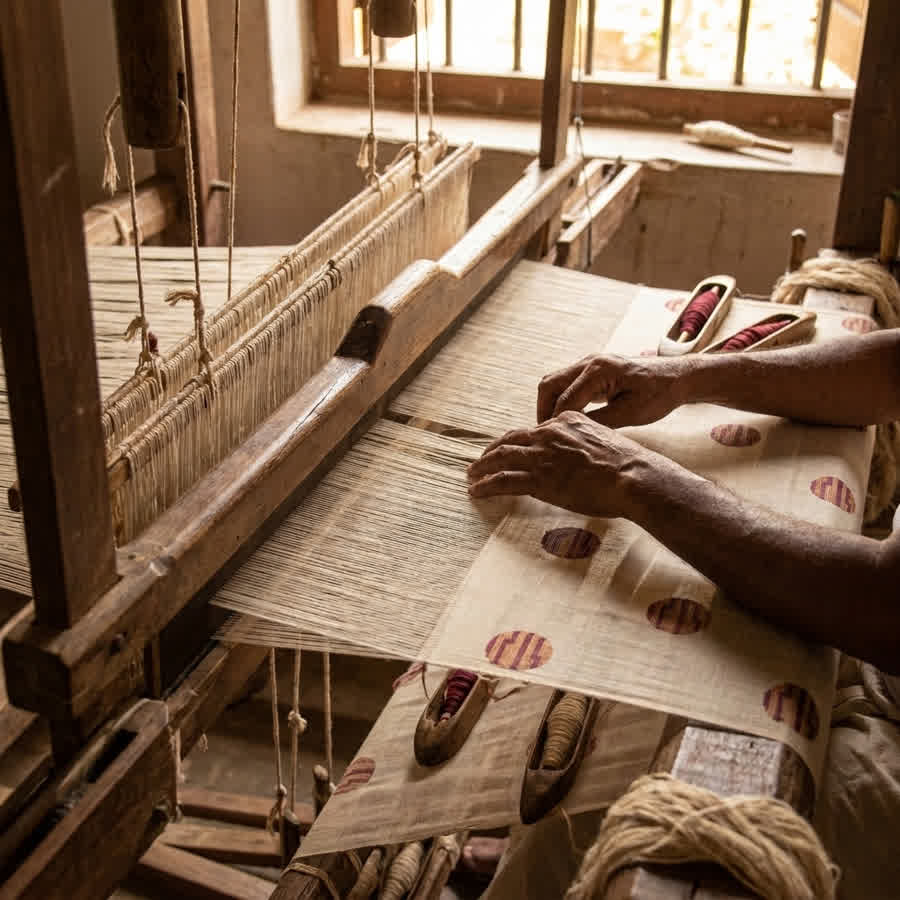
Empowering Rural Artisan Clusters
Working with a decentralized network shifts economic power back to the villages where the craft originates, rather than concentrating wealth in urban centers. This approach supports the livelihoods of highly skilled weavers across specific regions like Murshidabad and Malda.
- Fair wage distribution: Direct partnerships ensure that artisans receive equitable compensation for their labor, avoiding the exploitation common in centralized, mass-production factories.
- Preservation of heritage skills: Sustained B2B demand keeps complex, time-intensive techniques like extra-weft Jamdani financially viable for the next generation of weavers.
- Community stability: Decentralized work allows artisans to remain in their ancestral homes, supporting local economic growth rather than forcing migration to overcrowded urban industrial zones.
Traceability and ESG Compliance
Modern clothing suppliers in india must provide more than just high-quality fabric; they must deliver a fully transparent supply chain. Decentralized networks excel at providing the rigorous documentation required for modern sustainability audits.
- Cluster-level traceability: Buyers can trace their fabric back to the specific village and weaving community, providing a compelling, fact-based narrative for end consumers.
- Low-impact production: The reliance on human energy and natural, biodegradable fibers aligns perfectly with stringent global environmental compliance standards.
- Verifiable social impact: Brands can confidently report on the positive economic effects their sourcing has on rural artisan communities, strengthening their overall corporate responsibility profile.
Managing MOQs and Lead Times with Fabric Suppliers in India
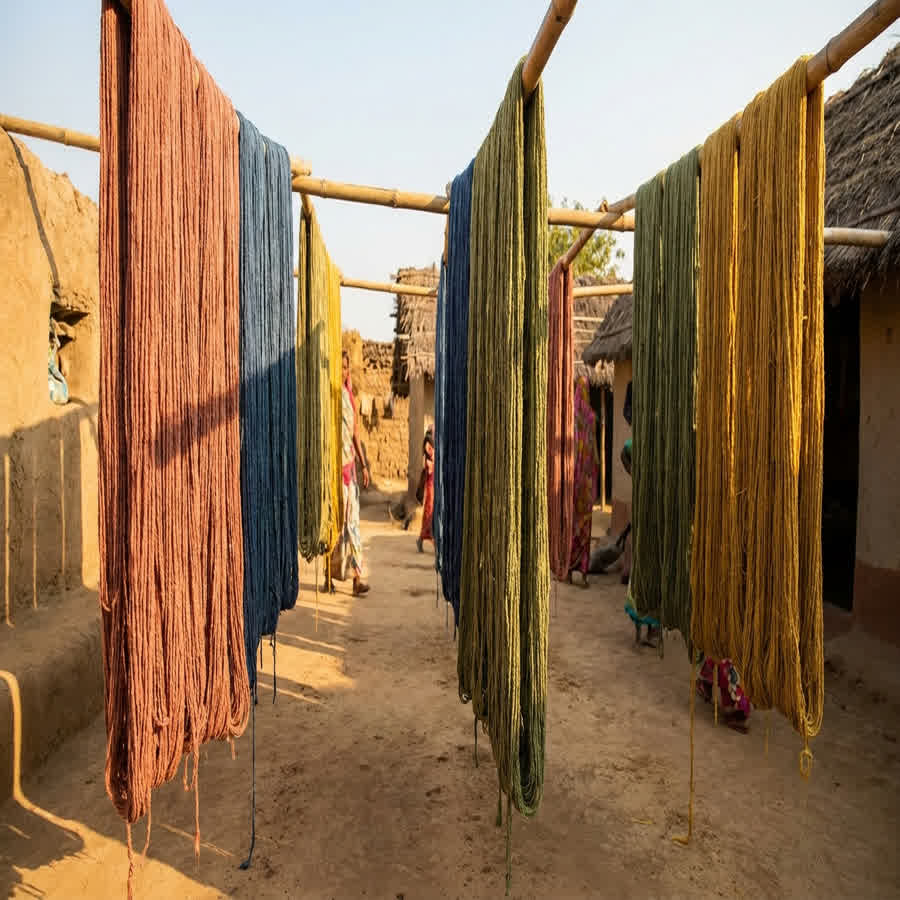
Managing orders with handloom fabric suppliers in india requires planning for lower minimum order quantities (MOQs) but longer lead times compared to mechanized factories. Because the process relies entirely on human labor and natural environmental conditions, production cycles typically span 60 to 90 days from yarn procurement to final inspection.
Boutique brands often struggle to meet the massive volume requirements demanded by conventional fabrics wholesale suppliers. Decentralized networks solve this logistical hurdle by accommodating smaller, custom runs that align perfectly with sustainable, slow-fashion business models.
Understanding Handloom Production Cycles
The timeline for handwoven indian fabric wholesale is dictated by the complexity of the weave and unpredictable environmental factors. Sourcing leads must adjust their seasonal calendars to account for these inherent variables.
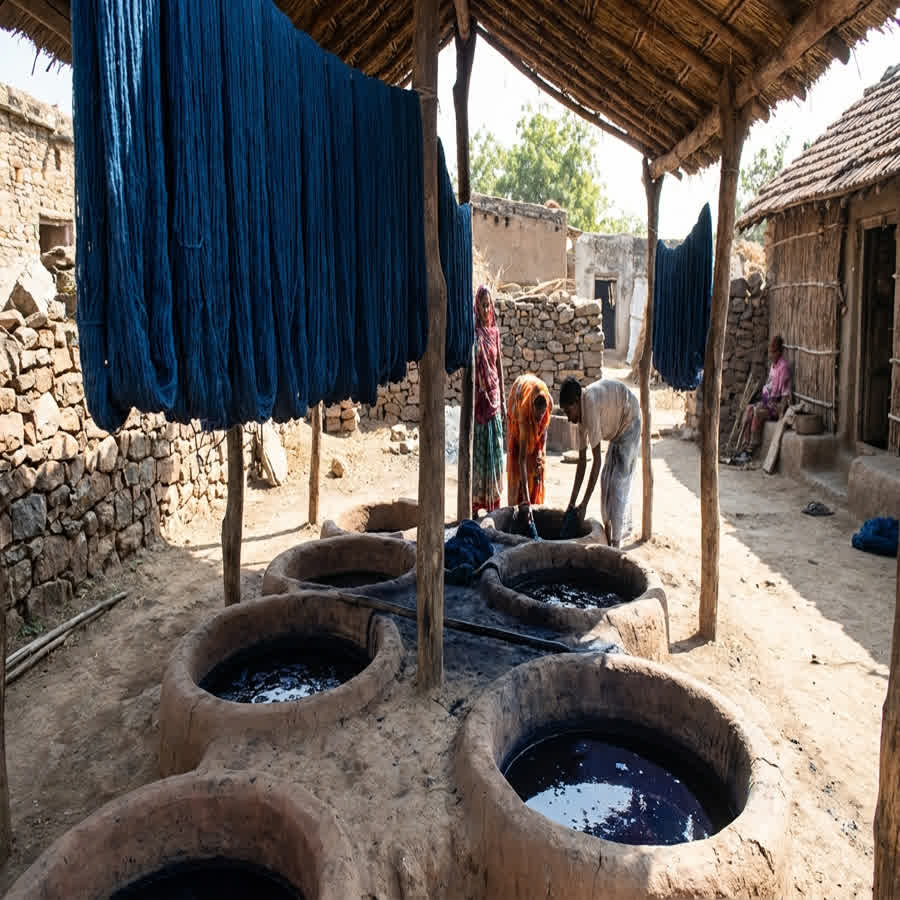
- Yarn preparation: Processes like natural dyeing, sizing, and warping are often done outdoors and depend heavily on favorable weather conditions, particularly sunlight for drying.
- Weave complexity: A standard plain weave progresses much faster than intricate Ikat or Jamdani patterns, which require meticulous hand manipulation of individual threads on the loom.
- Human rhythm: Artisans weave at a natural, sustainable pace, meaning output is steady but cannot be artificially accelerated like a mechanized powerloom to meet sudden rush orders.
Flexible MOQs for Sustainable Brands
One of the primary advantages of working with an artisan-focused indian textile company is the inherent flexibility in order sizes. This allows independent designers to test new styles and colorways without committing to massive volumes of deadstock.
- Boutique order minimums: Decentralized networks can often support MOQs as low as 50-100 meters per style or color, drastically reducing upfront financial risk for smaller brands.
- Custom yarn dyeing: While smaller runs are entirely possible, custom colors may require slightly higher minimums to ensure the dye vat preparation is economically viable for the dyers.
- Prototyping capabilities: Brands can order short sample lengths to test garment drape, shrinkage, and dye uptake before committing to full-scale seasonal production.
Quality Assurance: How Indian Textile Exporters Standardize Artisan Craft
Indian textile exporters standardize artisan craft by implementing rigorous quality assurance protocols at the cluster level, bridging the gap between natural handloom variability and strict B2B compliance. This ensures that the inherent slubs and texture of handwoven fabric do not compromise the structural integrity required for commercial garment manufacturing.
International clothing suppliers in india require consistent width, reliable colorfastness, and low defect rates to maintain their own production schedules. Achieving this within a decentralized network demands a highly organized, tech-enabled approach to quality control right at the source.
Bridging Craft and B2B Standards
Maintaining consistency across multiple rural weaving clusters requires standardized training and crystal-clear technical specifications. We implement strict checks before the fabric ever leaves the village to prevent costly downstream issues.
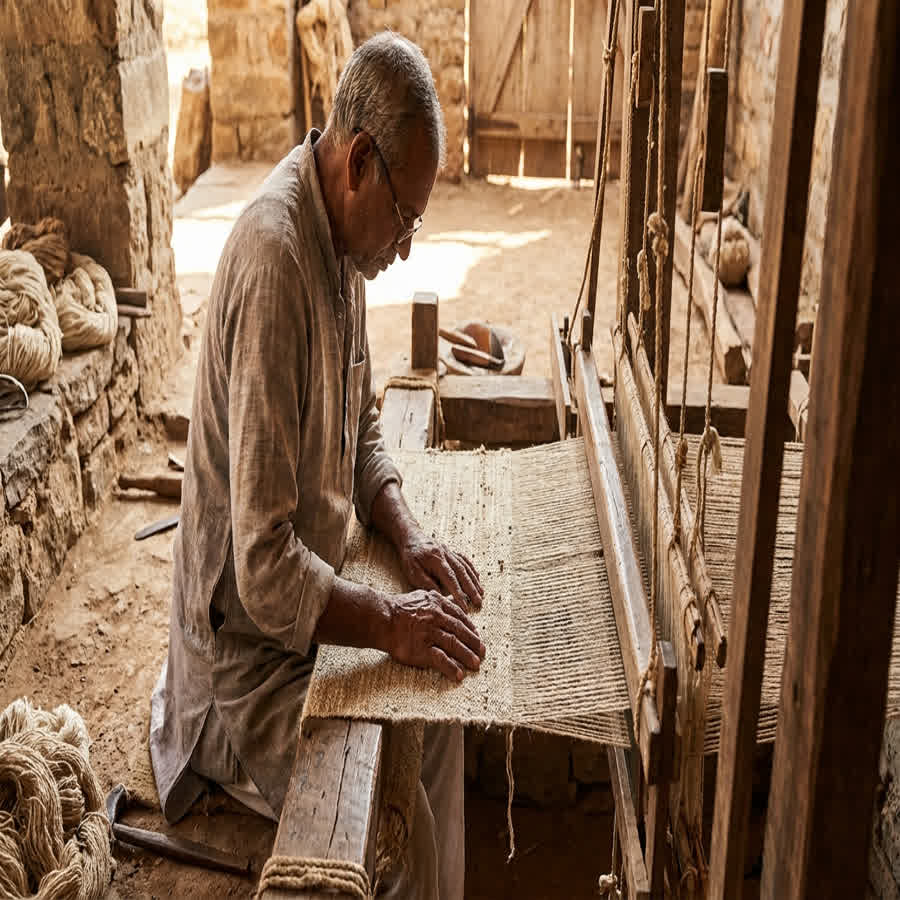
- Yarn quality control: Ensuring the use of high-grade, uniform yarn, such as 80s Ne cotton, prevents weak spots and uneven tension in the final woven textile.
- Loom calibration: Regular maintenance and precise tensioning of the handlooms ensure consistent fabric width and selvedge integrity, which is crucial for efficient pattern cutting.
- In-line inspections: Master weavers monitor the fabric continuously during production to correct skipped threads or tension inconsistencies immediately, rather than waiting for a final audit.
Managing Natural Variability
The primary appeal of handwoven indian fabric wholesale lies in its unique character, but buyers must clearly understand the difference between a natural variation and a structural defect. Education is a key part of the B2B sourcing process.
- Acceptable slubs: Minor thickening of the yarn is a natural hallmark of hand-spinning and adds a highly desirable tactile texture to the fabric without weakening it.
- Shade tolerance: Natural dyes yield a 5-10% shade variation between batches due to water pH and ambient temperature, which should be embraced as proof of authentic, organic production.
- Defect mapping: Any structural flaws that actually affect garment construction are flagged and physically removed during the final quality audit before the fabric is shipped to the buyer.
Building a Traceable Supply Chain with Ethical Fabric Companies in India
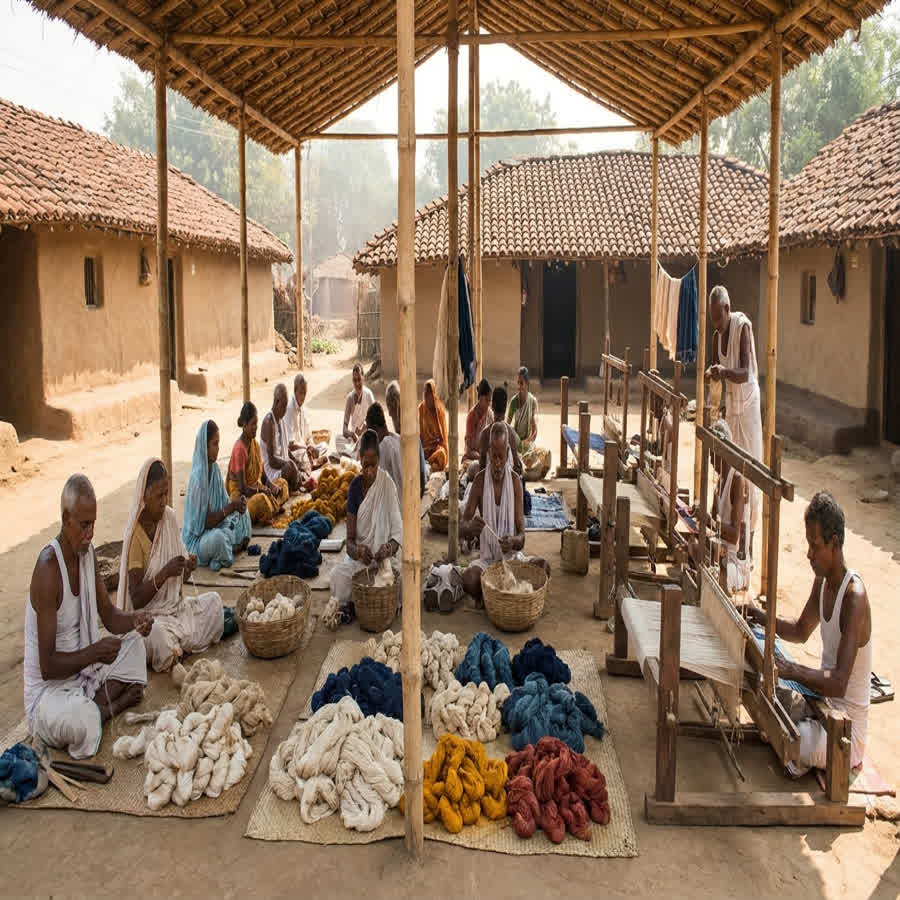
Building a traceable supply chain with ethical fabric companies in india involves documenting every step from yarn procurement to the final woven meter, providing brands with a verifiable sustainability narrative. This level of transparency protects buyers from greenwashed powerloom fabrics that are frequently and falsely marketed as authentic handwoven textiles.
For a sourcing manager, partnering with a transparent indian textile company is a strategic decision that directly impacts brand equity and consumer trust. Modern consumers increasingly demand concrete proof of ethical labor practices and environmental responsibility before making a purchase.
The Mechanics of Traceability
True traceability requires much more than just a generic certificate; it demands granular, accessible data about the people and processes behind the textile. We provide our B2B partners with comprehensive visibility into their entire supply chain.
- Cluster mapping: Every batch of fabric is explicitly linked to the specific weaving cluster, detailing the geographic region and the exact artisan community involved in its creation.
- Process documentation: Buyers receive detailed records of the dyeing and weaving processes, verifying the use of low-impact dyes and authentic, human-powered handloom techniques.
- Digital tracking: Tech-enabled inventory systems meticulously track the movement of materials from the raw yarn stage to the final fabric inspection, ensuring an unbroken chain of custody.
Integrating the Narrative into Brand Marketing
The data gathered through a fully traceable supply chain serves as powerful, authentic marketing material for sustainable fashion brands. It allows designers to sell a compelling story of heritage and positive impact alongside their physical garments.
- Authentic storytelling: Brands can share the specific history and cultural significance of techniques like Khadi or Jamdani, connecting the end consumer directly to the artisan.
- Proof of impact: Verifiable data on fair wages and zero-waste production strongly backs up environmental claims and protects the brand from damaging accusations of greenwashing.
- Long-term partnerships: Committing to ethical indian fabric manufacturers builds a reliable, highly resilient supply chain that grows and adapts alongside the brand's evolving needs.
frequently asked questions
How can I verify if an Indian textile supplier is providing authentic handloom fabric rather than powerloom?
Authentic handloom fabrics often feature minor, natural irregularities in the weave, known as slubs, that indicate human craftsmanship rather than mechanized uniformity. B2B buyers should request cluster traceability, video documentation of the weaving process, and look for certifications like the Handloom Mark to ensure they are not buying greenwashed powerloom textiles. Partnering with a transparent indian textile company is the most reliable way to guarantee authenticity.
What are the typical MOQs for custom handwoven fabrics from Indian fabric manufacturers?
Decentralized artisan networks typically support lower MOQs of 50 to 100 meters per style or color, accommodating the needs of boutique sustainable brands. Unlike mass-market textile wholesale suppliers that require thousands of meters, this flexibility prevents deadstock. However, custom yarn dyeing or complex weaves may require slightly higher minimums to be economically viable for the artisans preparing the dye vats.
How do lead times for handwoven textiles compare to conventional fabric companies in India?
Handloom production lead times typically range from 60 to 90 days depending on weave complexity, whereas mechanized powerlooms may turn around orders in just 30 days. This slower pace is because handweaving is dependent on human labor and weather conditions, especially for yarn drying and sizing. B2B buyers must factor these extended timelines into their seasonal sourcing calendars when working with indian fabric wholesale networks.
Can Indian textile exporters guarantee color consistency in natural dyed handloom fabrics?
B2B buyers should expect a 5-10% shade tolerance in natural dyed fabrics, as exact color consistency cannot be expected due to the organic nature of the process. Variations occur because natural dyes are highly sensitive to water pH, ambient temperature, and the specific harvest of the organic dyestuffs. Sourcing leads should embrace this slight batch-to-batch variation as a hallmark of authentic, eco-friendly artisan production rather than a defect.
What is the difference in breathability between handwoven and powerloom fabrics sourced from Indian fabric wholesale?
Handwoven fabrics offer significantly higher breathability than powerloom fabrics because the human weaving process places lower tensile stress on the yarn, creating microscopic gaps in the weave. This lack of extreme mechanical tension results in a softer, more porous textile that allows for superior air circulation. Designers sourcing from fabric wholesalers often choose handlooms specifically for this *soft, yielding hand-feel* and thermal comfort in warm climates.
More Blogs
how indian fabric exporters meet global quality standards
jacquard vs embroidery: what's the difference?
buy hemp fabric in bulk: what fashion brands need to know
khadi online shopping: what fabric details should you check?
a designer’s guide to sourcing silk from indian manufacturers
tussar silk fabric: characteristics, texture & a guide for designers