Organic Fabric Suppliers in India: A Guide for Sustainable Brands

Designers are moving away from synthetic blends and thirsty conventional cotton to build collections grounded in regenerative agriculture. Finding reliable organic fabric suppliers in india is a critical step for brands looking to decarbonize their supply chains and prove strict ESG compliance. The decision to source natural fibers directly impacts garment longevity, dye uptake, and the ethical narrative a label presents to the market.
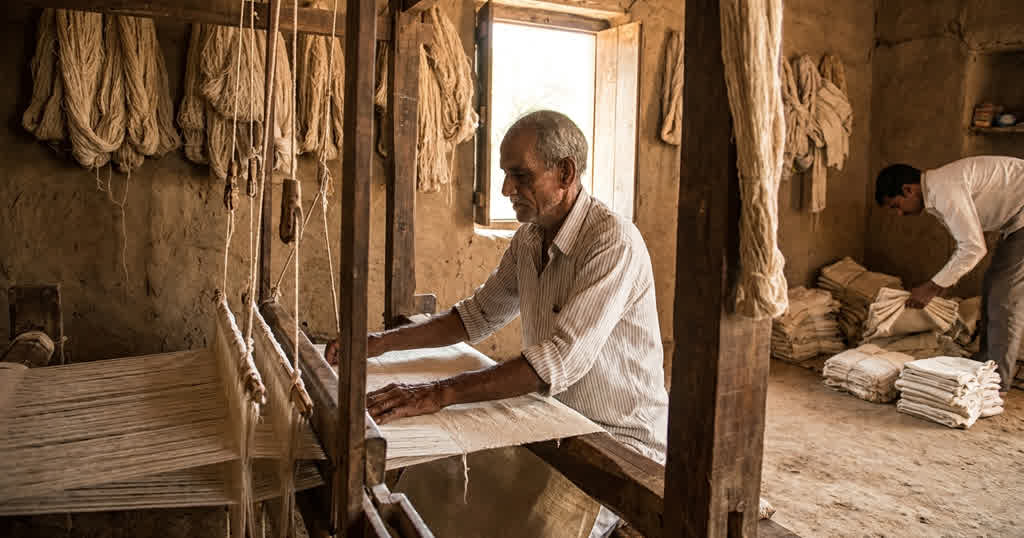
India has a millennia-old legacy of cultivating natural fibers and hand-weaving textiles across rural artisan clusters. The modern shift toward organic farming is a return to regenerative pre-industrial practices, deeply intertwined with the socio-economic fabric of regions like Bengal. Sourcing from these decentralized networks offers a transparent alternative to opaque industrial mills.
The Evolution of Organic Fabric Suppliers in India
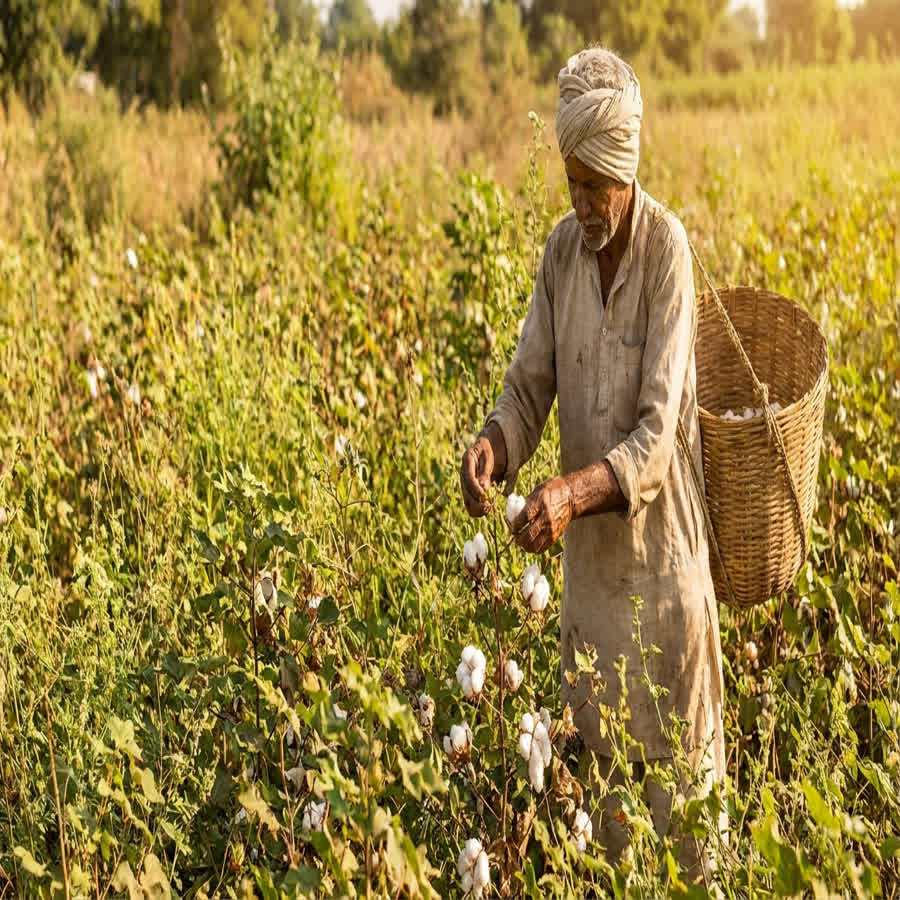
India's organic textile market has shifted from conventional, chemically intensive mills to decentralized sustainable fabric suppliers focused on regenerative agriculture and ethical production. This transition allows brands to source materials that actively restore soil health rather than deplete it.
Returning to Regenerative Roots
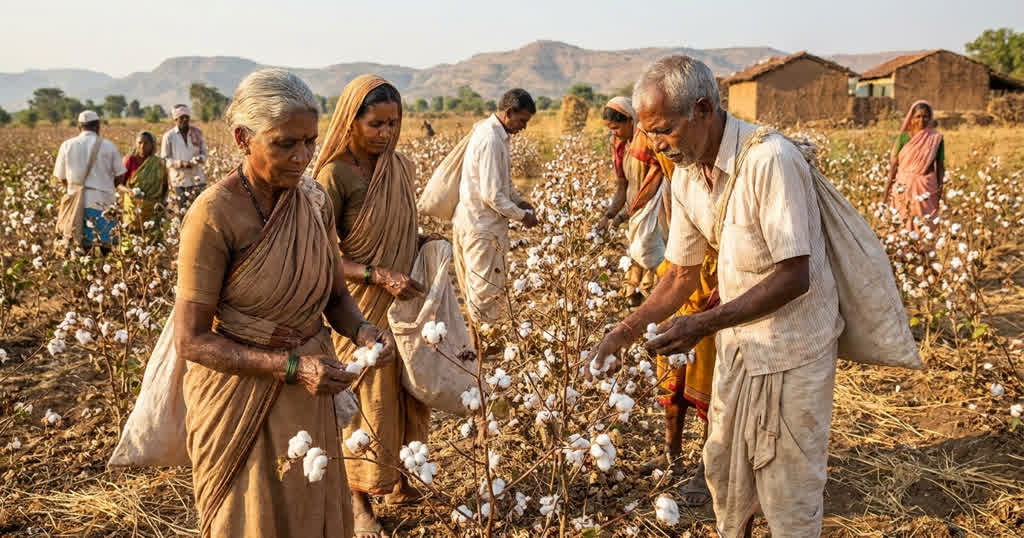
For generations, rural farming communities cultivated cotton without synthetic pesticides. The current demand for organic cotton fabric suppliers is driving a return to these traditional, regenerative agricultural practices. By eliminating toxic inputs, farmers improve soil biodiversity and water retention.
This agricultural shift directly supports the socio-economic stability of rural artisan clusters in regions like Bengal. When brands partner with organic fabric suppliers in india who prioritize these farming methods, they invest in the long-term viability of the land. The resulting textiles carry a distinct, heritage-rich narrative that resonates with conscious consumers.
Meeting Modern ESG Demands
B2B buyers face immense pressure to decarbonize their supply chains and provide verifiable proof of ethical labor practices. Working with decentralized fabric companies in india offers a clear pathway to meeting these stringent ESG requirements. These networks provide transparent, traceable sourcing options that industrial-scale manufacturing often obscures.
To satisfy these compliance standards, buyers must look for suppliers who offer:
- Verifiable farm-to-fabric traceability ensuring no chemical contamination occurs during processing.
- Zero-carbon handweaving techniques that drastically reduce the overall energy footprint of the textile.
- Fair wage commitments that directly empower the artisans and farmers involved in production.
By integrating these practices, brands can confidently market their collections as ethically produced. The evolution of the supply chain means that sourcing is no longer just about acquiring yardage, but about building a resilient, equitable ecosystem.
Decoding the Most Sustainable Fabrics: Organic Cotton, Hemp, and Beyond
The most sustainable fabrics balance low water footprints with high durability, contrasting the soft breathability of organic cotton against the heavy-duty tensile strength of bast fibers. Selecting the right material requires understanding specific GSM ranges, drape characteristics, and natural performance properties.
Organic Cotton Fabric India
Sourcing organic cotton fabric india provides designers with a versatile, low-chemical foundation for their collections. This material typically ranges from 80-250 GSM, offering high breathability and a soft hand-feel without the toxic residues found in conventional cotton. The absence of synthetic fertilizers also results in a fiber that takes up natural dyes exceptionally well.
For lightweight apparel, organic cotton is an industry standard due to its comfort and ease of care. Buyers looking for organic cotton material wholesale should specify their required weave structures, such as plain weave or twill, to match their garment specifications. The natural variations in the hand-spun yarn give the finished textile a subtle, organic texture.
Hemp Fabric
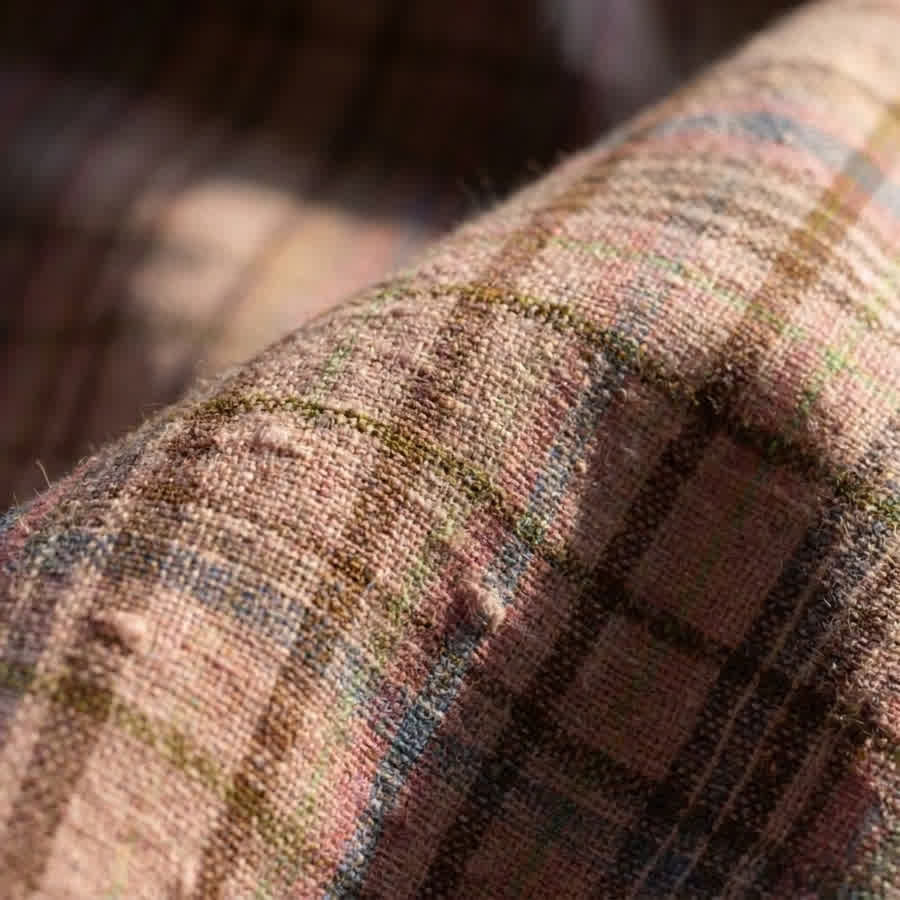
As a bast fiber extracted from the inner bark of the stalk, Hemp fabric offers superior tensile strength and longevity. It is usually woven in heavier weights ranging from 150-350 GSM, making it ideal for structured garments like jackets and trousers. Hemp requires significantly less water than cotton and naturally suppresses weeds, making it a highly regenerative crop.
Beyond its environmental benefits, hemp provides excellent functional properties for the end consumer. The fabric features natural anti-microbial properties and high UV resistance. Designers appreciate its dry, crisp hand-feel that softens beautifully over time without losing its structural integrity.
When comparing these materials, sourcing managers must evaluate the specific end-use of the garment. While cotton provides immediate drape and softness, hemp delivers distinctive durability and a rugged aesthetic that appeals to premium workwear and outerwear markets. Both fibers represent the pinnacle of natural, biodegradable textile sourcing.
Next-Gen Cellulosics: The Rise of Banana Fabric and Bamboo Fabric
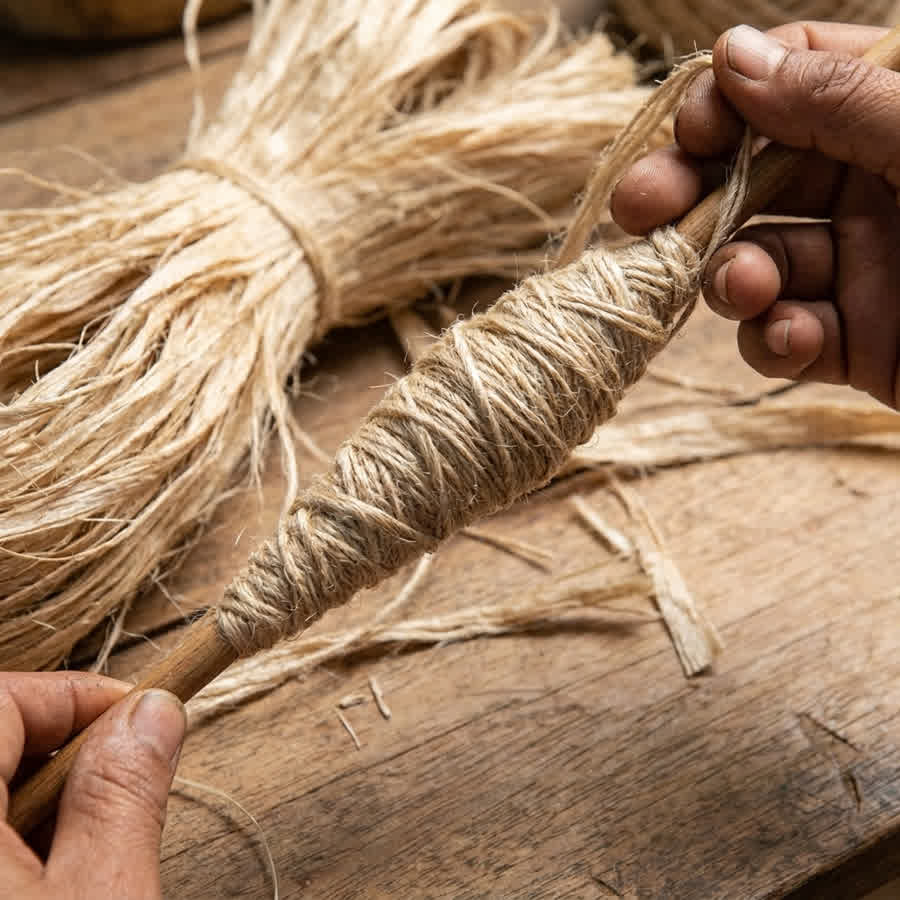
Banana and bamboo fabrics offer circular, high-performance alternatives to synthetics when extracted mechanically rather than chemically. These innovative materials utilize agricultural byproducts and fast-growing plants to create textiles with exceptional drape and moisture management.
Banana Fabric Extraction and Spinning
Banana fabric is a remarkable example of circular agriculture, created by extracting fibers from the discarded stems of the banana plant. This bast fiber is typically woven into textiles ranging from 100-200 GSM, offering a lightweight profile with a subtle, silk-like sheen. The extraction process is labor-intensive, relying on traditional hand-scraping methods that preserve the fiber's natural strength.
Because it utilizes an agricultural byproduct that would otherwise be burned or left to rot, banana fiber boasts exceptional zero-waste credentials. The resulting fabric features excellent moisture absorption and a smooth, cooling touch, making it well suited for summer apparel. Brands seeking unique textures often blend banana fiber with organic cotton to enhance its drape and reduce the overall cost.
Mechanical Processing for Bamboo Fabric
The sustainability of bamboo fabric depends entirely on how the raw material is processed into yarn. When mechanically processed as bamboo linen, the plant is crushed and natural enzymes are used to break down the walls, retaining the fiber's natural properties. This method is highly sustainable, yielding a durable textile with excellent moisture-wicking capabilities and a silk-like drape.
Conversely, chemically processed bamboo viscose requires heavy solvents that can harm the environment if not managed in a closed-loop system. Sustainable brands must explicitly request mechanically processed options from their suppliers. Key benefits of true bamboo linen include:
- High breathability and thermal regulation for year-round comfort.
- Natural antibacterial properties that keep garments fresh for longer periods.
- Rapid renewability since bamboo grows quickly without the need for pesticides or replanting.
Sourcing Organic Cotton Material Wholesale: MOQs, Certifications, and Quality
Securing organic cotton material wholesale from organic fabric suppliers in india requires verifying specific certifications and transaction documents to ensure true traceability from farm to finished textile. B2B buyers must establish clear quality parameters and minimum order quantities before committing to a production run.
Verifying Certifications and Traceability
When evaluating fabrics wholesale companies, the presence of recognized certifications is non-negotiable. Buyers should look for the Global Organic Textile Standard (GOTS) or the Organic Content Standard (OCS) to verify the absence of harmful chemicals. However, a general certification on a supplier's website is not enough to guarantee the integrity of a specific batch.
For true traceability, sourcing managers must request a Transaction Certificate (TC) for their specific order. This document tracks the organic material from the agricultural phase through spinning, weaving, and finishing. By securing a TC, brands protect themselves against greenwashing and can confidently communicate their ethical sourcing to consumers.
Buying Fabric Material Online India
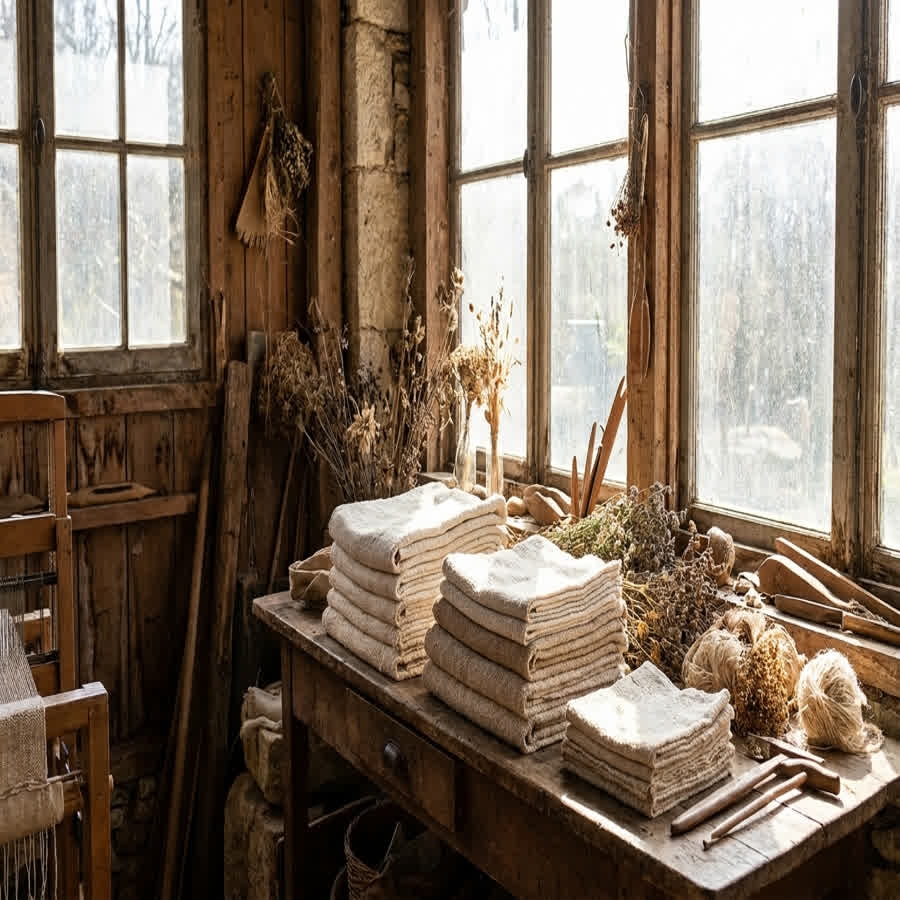
Procuring fabric material online india has become more accessible, but it requires rigorous vetting to ensure consistent quality. Designers should always order physical swatch books or sample yardage to test the tactile hand-feel, dye uptake, and shrinkage rates before placing bulk orders. This testing phase is crucial when working with hand-spun and handwoven textiles, which naturally exhibit slight variations.
To build a reliable supply chain, brands should establish clear communication regarding production timelines and quality control. Important steps for successful online sourcing include:
- Detailed GSM and weave specifications to ensure the fabric meets garment requirements.
- Azo-free or natural dyes to confirm the chemical safety of the finishing process.
- Acceptable tolerance levels for the natural slubs and irregularities inherent in artisan textiles.
The Artisan Advantage: Decentralized Supply Chains vs. Industrial Mills
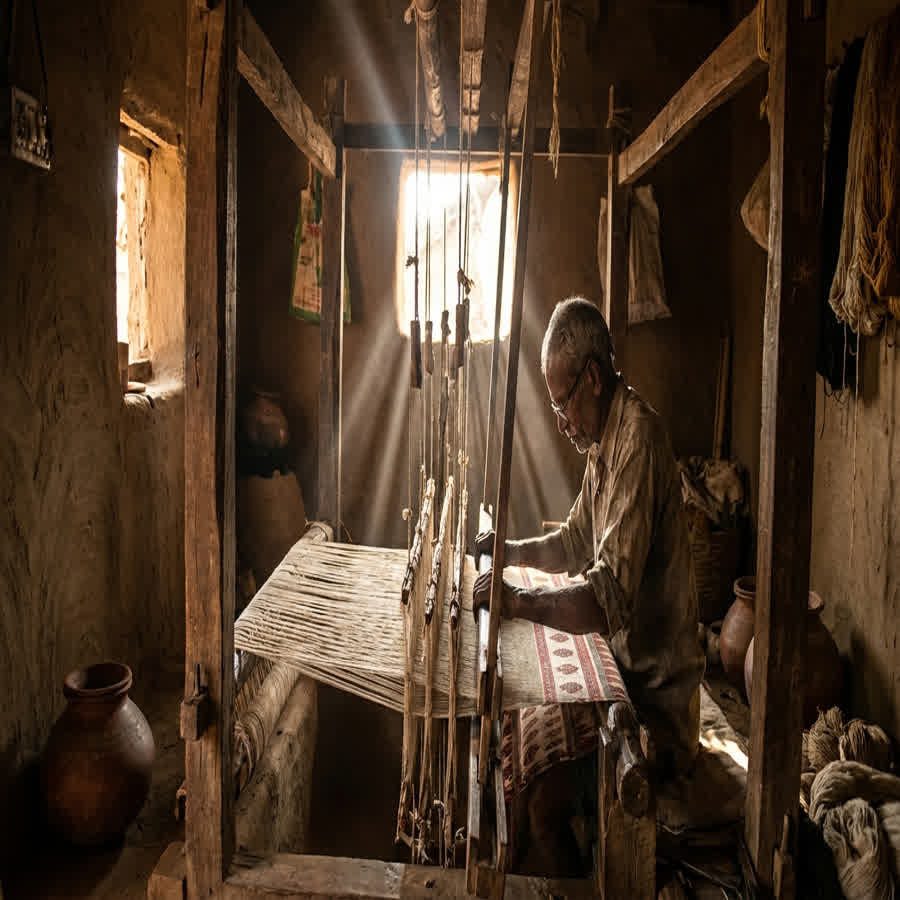
Partnering with decentralized organic fabric suppliers in india provides brands with exclusive textures, lower MOQs, and a zero-carbon production model that industrial mills cannot replicate. This approach redefines sustainability as a combination of environmental stewardship and direct social empowerment.
Zero-Carbon Handweaving
Industrial manufacturing relies heavily on fossil fuels to power massive powerlooms and continuous dyeing machines. In contrast, decentralized artisan supply chains utilize human-powered handlooms, resulting in a zero-carbon weaving process. This traditional method preserves heritage craft techniques while drastically reducing the environmental impact of the textile.
At Anuprerna, we work directly with rural artisan clusters to produce textiles that carry a distinct, human-centric signature. The slow, deliberate nature of handweaving creates fabrics with superior breathability and a rich, dimensional texture. Brands that choose this route actively participate in preserving centuries-old skills that are at risk of being lost to mechanization.
Low-MOQ Bespoke Capabilities
One of the biggest hurdles for emerging sustainable labels is the massive volume requirements of conventional mills. Decentralized networks offer a significant advantage by providing low-MOQ bespoke capabilities. This flexibility allows independent designers to test new materials like hemp or banana fiber without committing to thousands of meters.
Working with artisan clusters means brands can order smaller batches, often starting around 50 to 100 meters per style. This lean approach helps minimize deadstock and aligns perfectly with a slow fashion business model. The benefits of this decentralized sourcing include:
- Custom weave developments tailored to specific design requirements.
- Reduced inventory risk through manageable, small-batch production runs.
- Transparent, ethical partnerships that build a compelling brand narrative centered on skilled artisans.
frequently asked questions
What certifications should I verify when choosing organic cotton fabric suppliers in India?
B2B buyers should look for GOTS (Global Organic Textile Standard) or OCS (Organic Content Standard) certifications. For true traceability, always request a Transaction Certificate (TC) which tracks the organic material from the farm to the final fabric.
How do hemp fabric and banana fabric compare in terms of GSM and application?
Hemp fabric is highly durable with high tensile strength, typically woven between 150-300 GSM, making it ideal for jackets, trousers, and heavy shirting. Banana fabric is generally lighter (100-200 GSM), offering a subtle sheen and excellent moisture absorption, well suited for summer apparel and lightweight dresses.
Is bamboo fabric considered one of the most sustainable fabrics?
It depends on the processing. Mechanically processed bamboo (bamboo linen) is highly sustainable and retains the plant's natural properties. However, chemically processed bamboo viscose/rayon requires heavy solvents. Sustainable brands should always specify their requirement for eco-friendly, closed-loop, or mechanically processed bamboo.
What are the typical MOQs for wholesale fabric companies working with handloom artisans?
Unlike industrial mills that require thousands of meters, decentralized artisan supply chains like Anuprerna can offer much lower MOQs (often starting around 50-100 meters per style). This flexibility is crucial for emerging sustainable brands testing new materials like organic cotton or hemp.
How do decentralized fabric companies in India ensure quality control across rural artisan clusters?
Decentralized fabric companies in India maintain quality by implementing standardized yarn sourcing, regular cluster visits, and rigorous pre-shipment inspections. This hands-on approach ensures that handwoven textiles meet commercial grade requirements while preserving their unique artisanal character.
More Blogs
why organic fabric suppliers are growing in india
jacquard fabric in modern fashion
how silk manufacturers preserve traditional craftsmanship
indian fabric wholesale: a guide to sourcing handwoven textiles
how indian fabric exporters meet global quality standards
jacquard vs embroidery: what's the difference?