Indian Fabric Wholesale: Traditional Techniques & Modern Textile Design

Sourcing textiles that balance verifiable social impact with strict commercial specifications is a persistent challenge for independent designers. The search for Indian fabric wholesale often leads to a fragmented market where minimum order quantities and consistent quality control are difficult to secure simultaneously. Buyers need materials that retain an authentic, artisanal hand-feel while meeting the precise technical standards required for modern garment production.
This intersection of heritage craft and commercial viability defines the current state of the textile industry in India. By integrating ancient handloom traditions with modern textile printing techniques, decentralized supply chains now offer a reliable path for sourcing. This approach allows brands to secure unique textiles that support rural artisan economies while satisfying strict B2B compliance requirements.
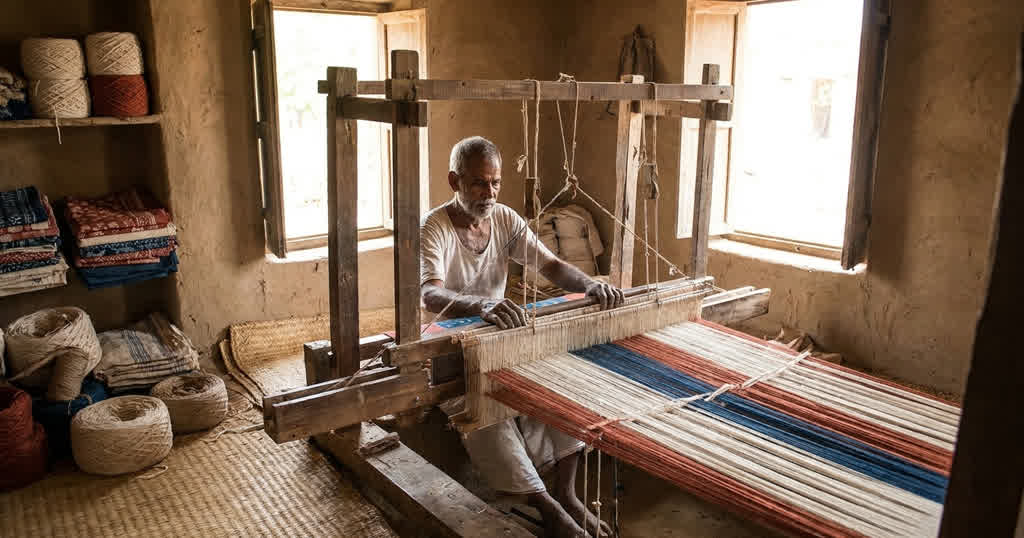
The Evolution of Indian Fabric Wholesale: From Village Looms to Global Runways
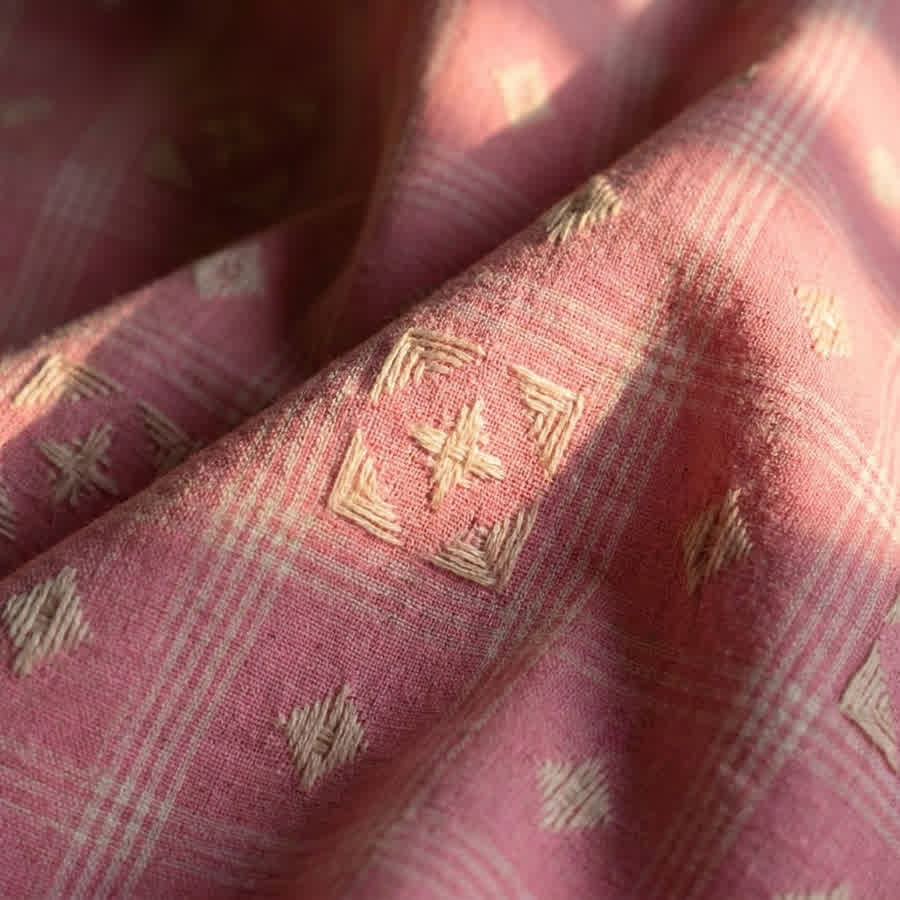
The transition of Indian fabrics wholesale from localized village production to a globally integrated market relies on standardizing quality control while preserving decentralized artisan networks. This evolution bridges ancient handloom traditions with modern commercial scalability.
India holds a textile heritage spanning millennia, deeply rooted in indigenous techniques like block printing, intricate Ikat, and fine Jamdani weaves. Historically, these crafts remained confined to specific regional clusters, producing small batches for local consumption. Today, the demand for verifiable, sustainable sourcing has transformed these isolated hubs into a structured network capable of supporting global B2B wholesale demands.
Preserving Heritage Through Decentralized Networks
A decentralized artisan supply chain organizes rural weavers into a cohesive production model without forcing them into urban factories. This structure maintains the distinct regional character of the textiles while distributing large volume requirements across multiple weaving communities. Working with a decentralized model allows buyers to access authentic heritage crafts while meeting modern production schedules.
- Rural economic stability: Keeps production within villages, directly supporting local artisan economies.
- Scalable handloom production: Distributes large orders across multiple clusters to meet commercial timelines.
- Authentic craft preservation: Ensures traditional techniques like Jamdani weaving remain commercially viable.
- Reduced carbon footprint: Minimizes industrial energy consumption by relying on manual handloom weaving processes.
Standardizing Quality for Global Markets
To compete as reliable indian textile manufacturers, artisan networks must implement rigorous quality assurance protocols. Bridging the gap between a hand-crafted product and a commercial garment requires strict oversight at every stage of production. This includes standardizing yarn counts, controlling dye batch consistency, and enforcing strict defect inspection routines.
By standardizing yarn procurement and loom preparation, decentralized networks can deliver consistent fabric specifications across large orders. This professional management ensures that variations inherent to hand-weaving are kept within acceptable commercial tolerances. Buyers receive the tactile warmth of handloom textiles backed by the reliability expected in modern Indian fabric wholesale.
Mastering Textile Printing Techniques: Screen Printing on Handloom Fabrics
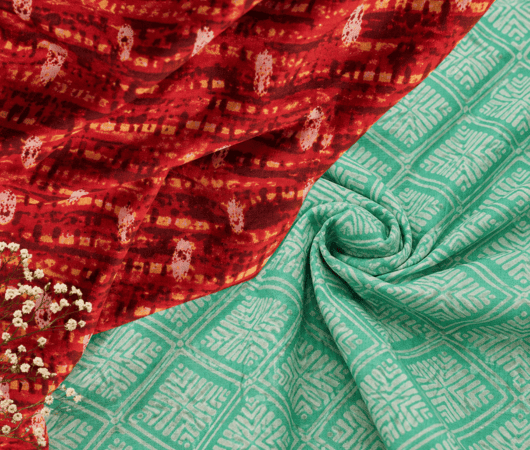
Mastering textile printing techniques on handloom fabrics requires precise control over ink types, fabric weight, and curing processes to achieve commercial colorfastness without losing the artisanal texture.
The demand for custom patterns in printed fabric wholesale necessitates a deep understanding of dye chemistry. While traditional block printing offers a distinct artisanal aesthetic, modern screen printing provides the consistency and fine detail required by contemporary fashion brands. Successfully applying these methods to hand-woven bases requires specialized preparation to ensure the fabric accepts and retains the pigment.
Selecting the Right Base Fabric and GSM
The structural integrity and absorbency of the base fabric dictate the success of any printing process. Different garment applications require specific weights, and the printing technique must be adjusted accordingly to prevent ink bleed-through or stiffening.
- Lightweight Mulmul cottons: Ranging from 40 to 60 GSM, these require fine mesh screens to maintain their breathable, soft hand-feel.
- Mid-weight Khadi blends: At 120 to 180 GSM, these structured fabrics provide a stable base for heavy pigment applications.
- Linen and bast fibers: Require thorough desizing and scouring to ensure optimal dye penetration and clarity.
- Specialized printing bases: Woven specifically with a tighter sett to create a smooth surface for intricate screen printing designs.
Achieving Commercial Colorfastness
A primary concern for buyers sourcing printed fabric wholesale is the longevity of the print after repeated commercial washing. Achieving a high colorfastness rating requires precise chemical bonding between the dye and the natural fibers.
Quality manufacturers utilize reactive dyes for cellulosic fibers like cotton and linen, which form a covalent bond with the fabric. This process is followed by rigorous steaming, washing, and curing stages to remove unfixed surface dye. When executed correctly, this method ensures a colorfastness rating of 4 to 5 on the grayscale and keeps fabric shrinkage under 3 to 5 percent.
Bridging Tradition and Trend: Modern Textile Design in Rural India
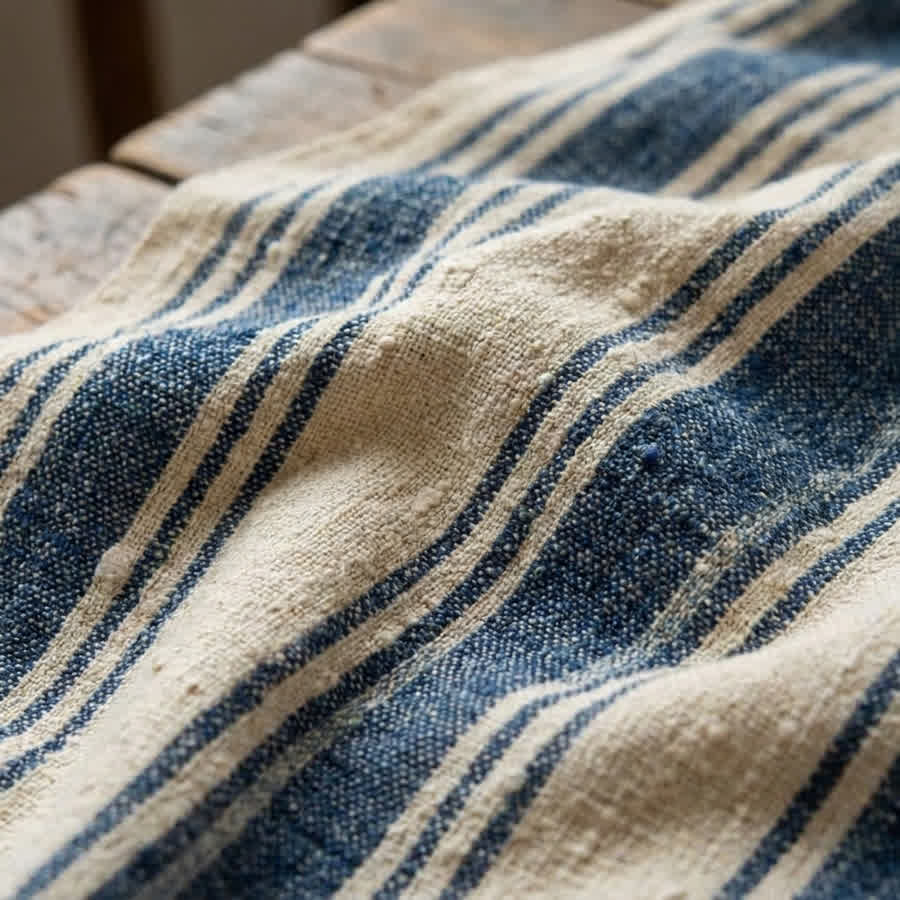
Modern textile design in rural India bridges tradition and trend by adapting ancient motifs and natural fibers to meet the specific drape, weight, and compliance requirements of contemporary fashion.
The textile industry in India is no longer limited to producing traditional ethnic wear or basic commodity fabrics. Today, rural artisan clusters collaborate directly with B2B designers to engineer textiles that fit modern silhouettes and global aesthetic preferences. This collaborative approach transforms heritage techniques into versatile materials suitable for high-end collections.
Adapting Ancient Motifs for Contemporary Silhouettes
Traditional Indian motifs carry deep cultural significance, but their scale and placement often require modification for modern garment construction. By adjusting the proportions and repeat sizes of classic patterns, indian textile manufacturers can create fabrics that align with current design trends.
- Rescaled block prints: Enlarging or minimizing traditional motifs to suit modern minimalist design aesthetics.
- Engineered Ikat placements: Planning the resist-dyeing process so patterns align perfectly with specific garment cutting patterns.
- Tonal color palettes: Shifting from historically bright, contrasting colors to muted, earthy natural dyes preferred by sustainable brands.
- Simplified Jamdani weaves: Reducing the density of supplementary weft motifs to create subtle, textured fabric surfaces.
Engineering Natural Fibers for Modern Wear
Beyond visual design, the physical properties of the fabric must meet the performance expectations of today's consumers. This requires innovating at the yarn and weave level to enhance the natural characteristics of the fibers.
By blending different natural fibers, weavers can achieve a specific drape and hand-feel that pure cotton or pure silk might not provide. For example, combining durable linen with soft Matka silk creates a fabric with excellent structural integrity and a subtle sheen. These engineered blends allow clothing manufacturers in India to produce tailored garments that are both highly sustainable and commercially competitive.
Assessing the Supply Chain: Choosing the Right Fabric Manufacturers in India
Choosing the right fabric manufacturers in India requires vetting suppliers for transparent, decentralized production models that guarantee ethical labor practices and consistent B2B quality assurance.
For global fashion brands and clothing manufacturers in India, securing a reliable supply chain is just as critical as selecting the right fabric. The market is highly fragmented, making it difficult to distinguish between mere trading houses and genuine artisan-integrated networks. A strategic sourcing approach focuses on traceability, ensuring that every meter of fabric supports verifiable social impact and environmental sustainability.
Assessing Transparency and Ethical Practices
A transparent supply chain provides complete visibility into the origins of the raw materials and the working conditions of the artisans. Brands must partner with suppliers who can trace their production back to the specific weaving clusters and farming communities.
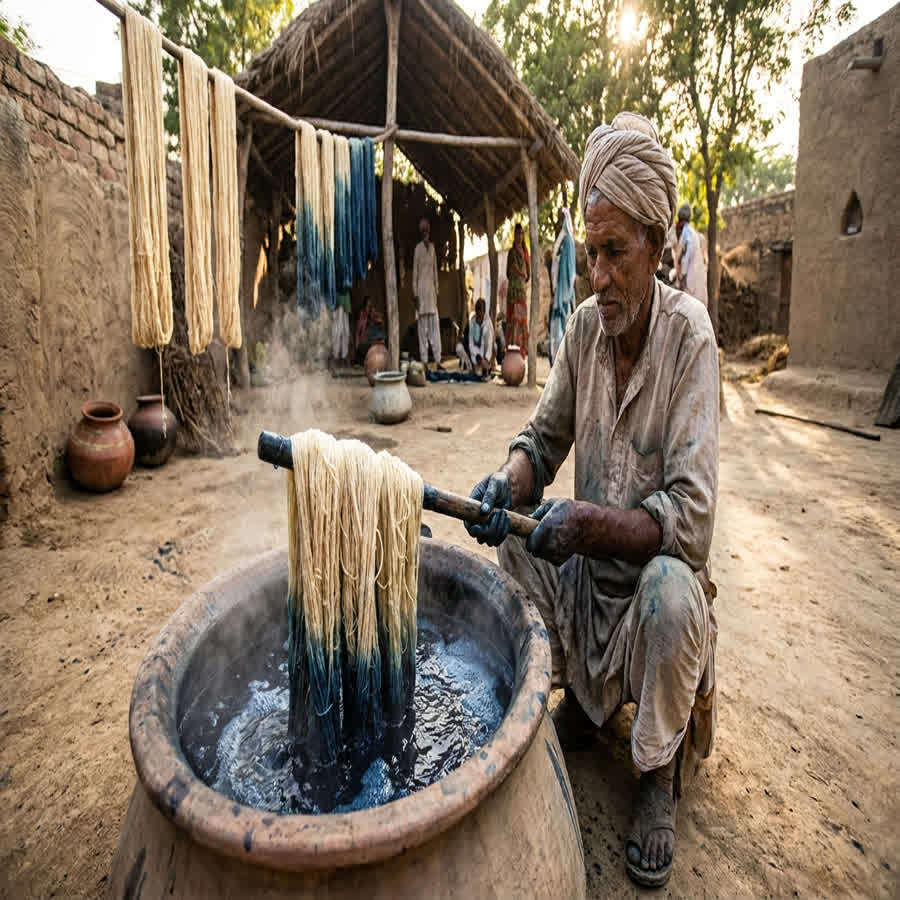
- Verifiable artisan wages: Ensuring weavers receive fair compensation above regional baselines for their handloom expertise.
- Decentralized production visibility: Providing buyers with exact locations of the rural weaving clusters involved in their order.
- Sustainable material sourcing: Documenting the origin of organic cotton, Ahimsa silk, and natural dye ingredients.
- Zero-waste credentials: Implementing processes that minimize water usage and recycle textile production waste.
Ensuring Consistent B2B Quality Assurance
Ethical production must be paired with rigorous commercial reliability to be viable for B2B sourcing. Buyers should evaluate potential partners based on their ability to manage complex logistics, adhere to strict timelines, and maintain tight quality control across multiple decentralized units.
A professionally managed artisan network acts as a bridge, translating the technical specifications of a designer into actionable instructions for rural weavers. This includes providing detailed GSM tolerances, shrinkage limits, and colorfastness requirements before production begins. By establishing these clear technical parameters, brands can confidently source Indian fabric wholesale that meets their exact design needs while directly contributing to the preservation of indigenous textile crafts.
frequently asked questions
What is the ideal GSM for screen printing on handloom cotton?
For optimal ink absorption and structural integrity during screen printing, a GSM of 100 to 150 is recommended. Lighter fabrics, such as 60 GSM Mulmul, require specialized handling and adjusted mesh counts to prevent ink bleed-through and maintain a soft hand-feel.
How do Indian textile manufacturers ensure colorfastness in printed fabric wholesale?
Quality manufacturers use reactive dyes for cellulosic fibers followed by rigorous steaming, washing, and curing processes. This chemical bonding ensures a colorfastness rating of 4 to 5 on the grayscale, preventing fading and bleeding during commercial washing.
Can decentralized artisan supply chains handle large wholesale volumes?
Yes, by organizing rural clusters under a unified quality control and logistics framework, decentralized models can scale production efficiently. This system distributes the workload across multiple artisan groups, ensuring volume requirements are met without compromising the unique characteristics of hand-crafted textiles.
What is the difference between traditional block printing and modern screen printing in Indian textiles?
Block printing is entirely manual, using carved wooden blocks for a distinct, slightly irregular artisanal look, whereas screen printing uses mesh stencils for finer details and faster production. Screen printing is highly suitable for scalable printed fabric wholesale while still accommodating artisanal base fabrics.
How does sourcing from rural Indian handloom weavers impact garment sustainability?
Sourcing from rural handloom weavers significantly lowers the carbon footprint of a garment by utilizing manual, zero-energy weaving processes instead of industrial machinery. Additionally, this decentralized model supports local agricultural economies and promotes the use of biodegradable, natural fibers over synthetic alternatives.
More Blogs
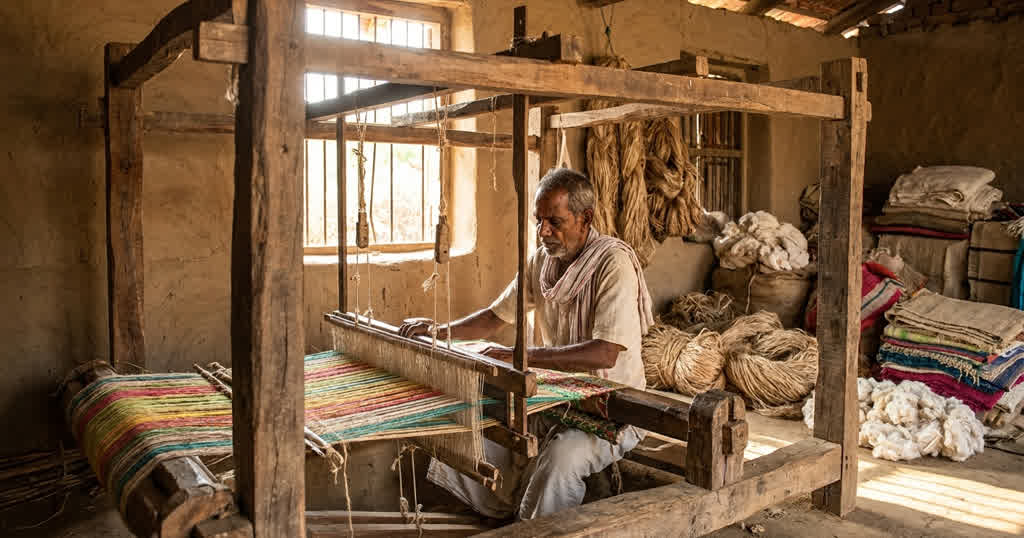
textile export wholesale: everything buyers need to know
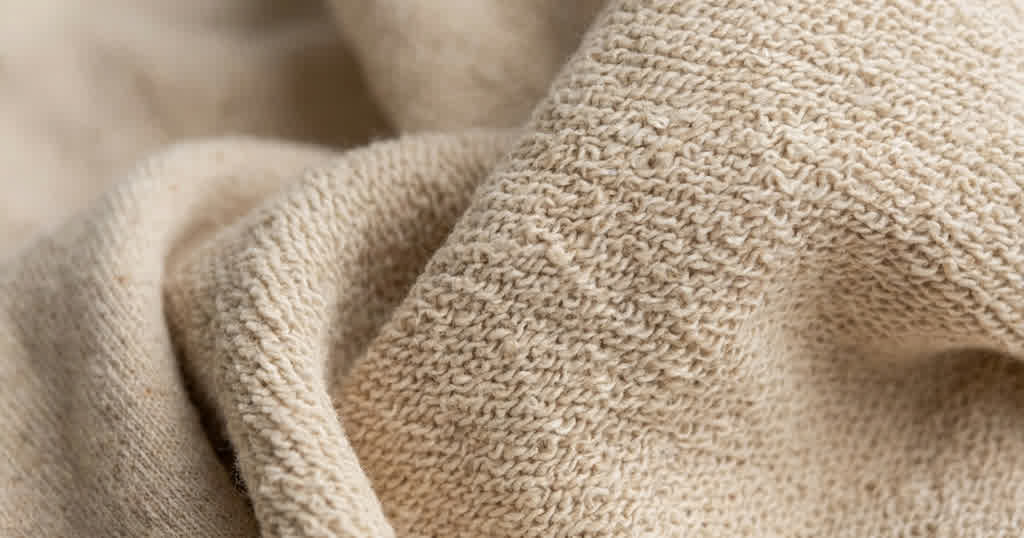
what is french terry material? a deep dive into loop-back cotton
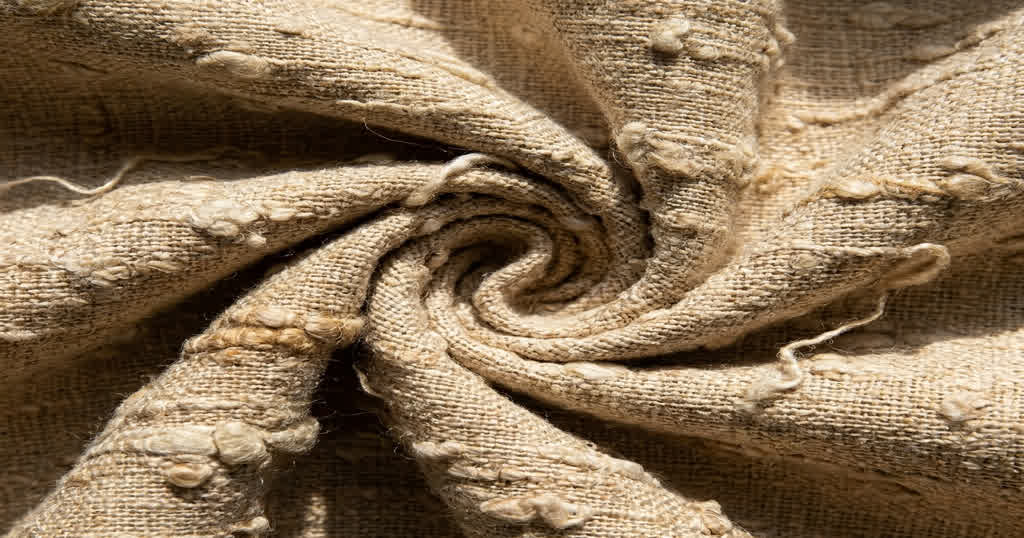
how to sew with raw silk: tips for textile designers
designing with honeycomb material: best uses for waffle weave textiles
raschel knit vs warp knit: understanding the differences
jamdani fabric online: what it is, how to identify authentic jamdani from bengal & how to buy